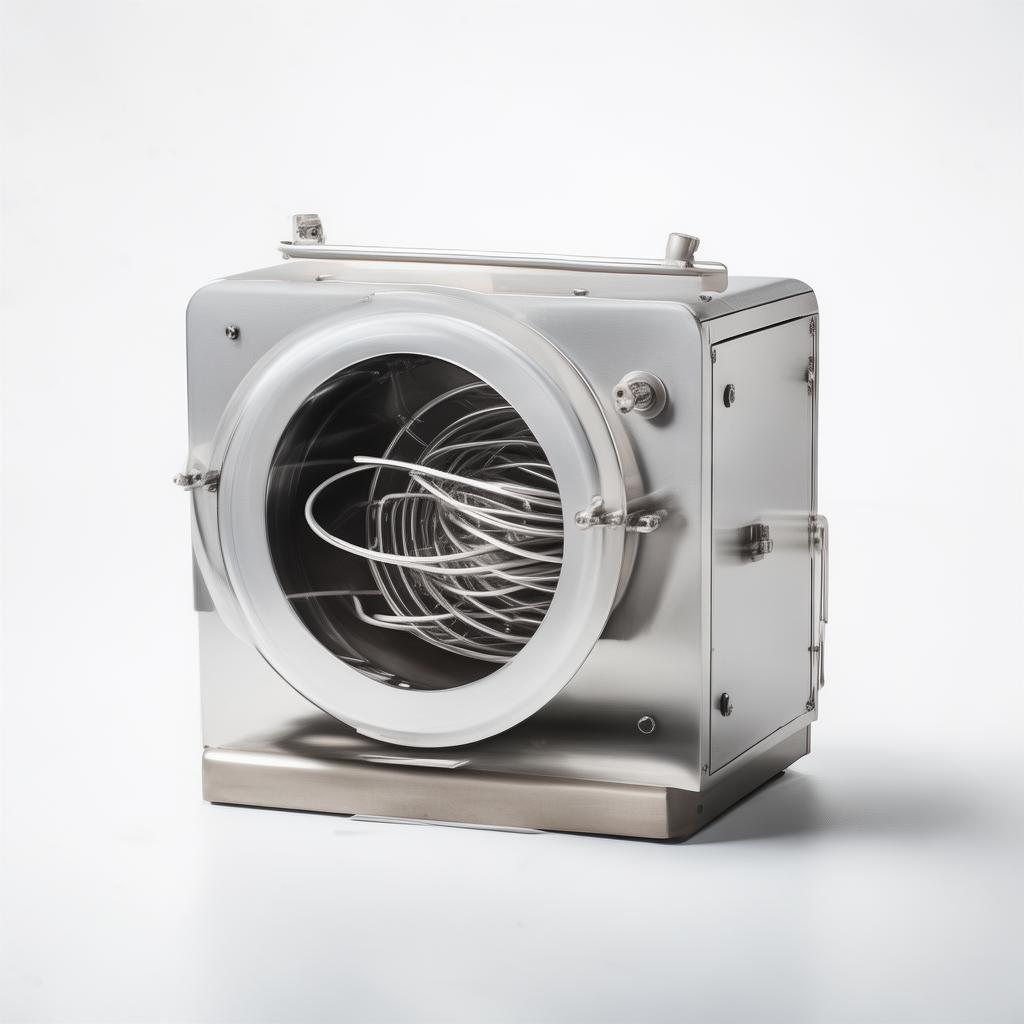
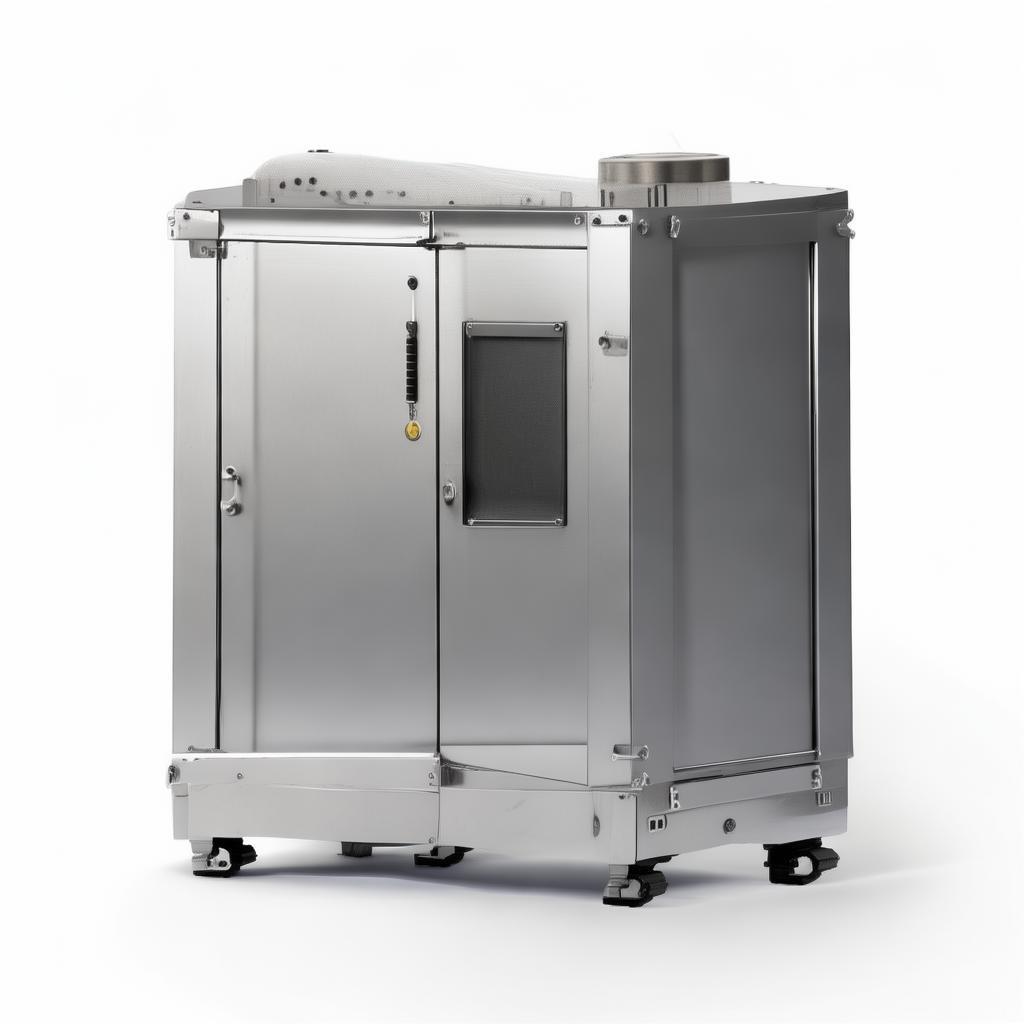
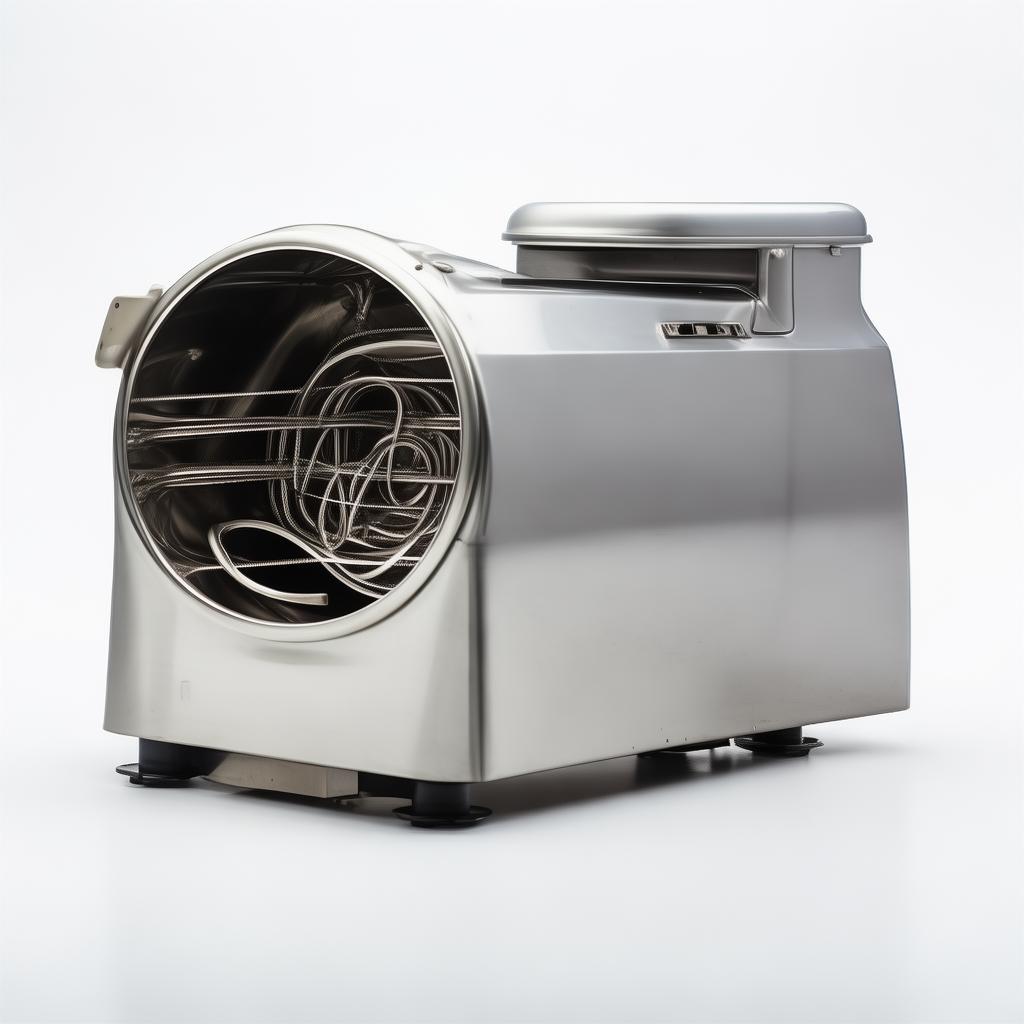
Rough Vacuum Pump
Mastering Rough Vacuum: Your Definitive Guide to High-Performance Rough Vacuum Pumps for Industrial Applications

Authored by: Johnathan Reed, Senior Export Manager at Hebei Yuanchang Food Mechanism & Technology Co., Ltd.
With over 15 years in international industrial equipment export and a deep understanding of manufacturing processes.
In today's competitive manufacturing landscape, achieving precise and reliable vacuum levels isn't just a preference—it's a necessity. For operations requiring vacuum levels down to a few millibar, the choice of a rough vacuum pump is paramount. This guide delves into the core aspects of rough vacuum pumps, helping you select the right solution for your business.
Navigating the Rough Vacuum Challenge
Procurement teams and engineers in sectors like food processing, packaging, and general industrial manufacturing often encounter a critical need: achieving reliable vacuum in the range of 1 to 1000 mbar (or 760 to 1 Torr). This isn't the deep vacuum of semiconductor fabrication, but it's far from atmospheric pressure. The challenge lies in finding equipment that is robust, efficient, and cost-effective for these specific operational requirements. Many a project has been stalled by pumps that are either too weak, too complex to maintain, or simply not built for continuous, demanding industrial use.
The market is flooded with options, from simple diaphragm pumps to more sophisticated rotary vane or liquid ring systems. Understanding the nuances of each, and more importantly, how they align with your specific process—be it vacuum filling, packaging, degassing, or material handling—is where true value lies. A pump that underperforms leads to product quality issues, longer cycle times, and increased operational costs. Conversely, a well-selected pump can be a workhorse, enhancing productivity and ensuring consistent output.
Consider the intricacies of vacuum filling in the food industry. Achieving and holding a steady rough vacuum is crucial for extracting air, extending shelf life, and ensuring product integrity. If the pump struggles to maintain pressure, you're looking at inconsistent fill levels, potential oxidation, and a compromised final product. This directly impacts your brand's reputation and bottom line.
What Exactly is Rough Vacuum?
Rough vacuum, often referred to as low vacuum or medium vacuum, typically spans a pressure range from approximately 1000 mbar down to 1 mbar (absolute pressure). This is the pressure range you're working within when you need to remove bulk air or gases but don't require the extremely low pressures characteristic of high vacuum applications like scientific research or thin-film deposition.
Think of it as the sweet spot for many industrial processes. It's sufficient to pull liquids into containers, hold objects with suction cups, remove air from packaging, or facilitate basic drying processes. The key characteristic is its ability to handle larger volumes of gas at relatively higher pressures compared to high vacuum systems.
The "rough" designation simply refers to the less stringent level of vacuum achieved. This level is achieved by pumps designed to displace relatively large volumes of air or gas against ambient pressure. They are often more tolerant of contaminants like dust or moisture than their high-vacuum counterparts, making them more practical for general industrial environments.
According to industry analysis, the meat processing equipment market, a significant user of vacuum technology, continues to grow, projected to reach USD 17.39 billion by 2034. This growth is driven by demand for processed meats, requiring efficient filling and packaging systems that rely heavily on robust rough vacuum capabilities.
Key Rough Vacuum Pump Technologies
Selecting the right pump technology is foundational. Each type has its strengths and weaknesses, making it critical to match the pump to your application's demands:
-
Rotary Vane Pumps: These are perhaps the most common type for general-purpose rough vacuum. They utilize rotating vanes within a cylinder to trap and compress gas.
- Pros: Relatively inexpensive, good ultimate vacuum in the rough range, widely available.
- Cons: Require oil for lubrication and sealing (risk of contamination if oil is not managed properly), can be noisy, need regular oil changes.
- Ideal for: Packaging, CNC holding, general industrial vacuum.
-
Diaphragm Pumps: These are dry pumps, meaning they don't use oil. A flexible diaphragm moves up and down, drawing gas in and expelling it.
- Pros: Oil-free operation (crucial for sensitive applications), good chemical resistance with appropriate diaphragm materials, low maintenance.
- Cons: Lower flow rates compared to oil-sealed pumps for similar power, can be more expensive upfront for higher performance models.
- Ideal for: Laboratory applications, medical devices, small-scale packaging where oil contamination is a concern.
-
Liquid Ring Vacuum Pumps: These pumps use a sealed liquid (usually water) to create a vacuum. An impeller rotates eccentrically within a casing, forming liquid rings that trap and compress gas.
- Pros: Very robust, can handle large volumes of gas, capable of handling dust and some liquid entrainment, relatively quiet operation, cooling effect of the liquid.
- Cons: Require a constant supply of sealing liquid (often water), higher energy consumption, ultimate vacuum limited by vapor pressure of the sealing liquid.
- Ideal for: Chemical processing, pulp and paper, large-scale deaeration, systems with significant moisture or particulate loads.
-
Scroll Pumps: These are oil-free pumps that use two interleaved spiral-shaped scrolls to compress gas.
- Pros: Oil-free, quiet, low vibration, good for clean vacuum applications.
- Cons: More sensitive to particulates, typically higher cost than rotary vane pumps, can be affected by certain chemicals.
- Ideal for: Analytical instrumentation, leak detection, some medical applications.
When considering equipment for food processing lines, especially those involving vacuum filling and ripening, understanding the moisture and potential particulate content of the pumped medium is paramount. Liquid ring pumps often excel here due to their inherent robustness. For instance, the meat processing equipment market report highlights the importance of filling, stuffing, and massaging equipment, all of which can benefit from reliable rough vacuum.
Where Rough Vacuum Pumps Shine: Core Applications
The utility of rough vacuum pumps spans a broad spectrum of industrial activities. Identifying your primary use case helps narrow down the choices significantly. Here are some of the most common applications:
- Vacuum Packaging: Essential for extending the shelf life of food products, medical supplies, and industrial components. Removing air prevents oxidation and spoilage.
- Vacuum Filling: In the food industry, especially for meats and sauces, vacuum filling ensures consistent product density and prevents air pockets. This is critical for products like sausages and pâtés.
- Degassing: Removing dissolved gases from liquids, such as in resins, epoxies, or even during the processing of certain food items.
- Material Handling: Vacuum suction cups, powered by rough vacuum pumps, are widely used for lifting, moving, and positioning various materials in automated systems.
- Drying & Evaporation: Lowering the boiling point of liquids to facilitate drying or evaporation at lower temperatures, preserving heat-sensitive materials.
- Woodworking & CNC Machining: Vacuum hold-down systems secure workpieces to CNC machines, ensuring precision and stability during cutting operations.
The meat processing equipment market report notes a significant CAGR of 5.6%, indicating robust demand for specialized machinery. For operations focused on ripening processes for meat products, or precise molding, the vacuum level achieved by the pump directly influences texture and quality. A poorly performing pump can lead to inconsistent curing or molding, impacting the final product significantly.
For OEM/ODM applications, understanding these core uses allows us to tailor pump specifications precisely to your clients' needs, offering a competitive edge.
Critical Performance Metrics for Your Needs
Beyond just the type of pump, several performance metrics dictate its suitability. Don't get caught overlooking these crucial factors:
- Pumping Speed (Flow Rate): Measured in m³/h or L/min, this indicates how quickly the pump can evacuate a volume. This is critical for reducing cycle times. A pump that's too slow can bottleneck your entire operation.
- Ultimate Pressure (Base Pressure): The lowest pressure the pump can achieve under ideal conditions. For rough vacuum, this is typically between 1 mbar and 1000 mbar. Ensure it's well below your required operating pressure.
- Operating Pressure Range: The range within which the pump performs most efficiently and reliably. Some pumps are designed for continuous operation at specific pressures.
- Contaminant Handling: Can the pump tolerate dust, moisture, or corrosive vapors? This dictates whether you need an oil-free pump, a liquid ring pump, or robust filtration systems.
- Power Consumption: Energy efficiency is a major factor in operational cost. Compare the power requirements and consider potential savings over the pump's lifespan.
- Noise Level: Particularly important for facilities with strict noise regulations or those located near residential areas.
From a procurement standpoint, understanding the lifecycle cost, not just the upfront price, is key. This includes energy, maintenance, spare parts, and potential downtime. A slightly more expensive pump with lower energy bills and longer service intervals can be far more economical in the long run.
Technical Specifications Explained
When evaluating specific models, pay close attention to the detailed specifications. Here’s a breakdown of what you’ll typically find and why it matters:
| Parameter | Unit | Typical Range/Consideration | Impact on Application |
|---|---|---|---|
| Pumping Speed (Max) | m³/h (or L/min) | 10 - 1000+ | Determines how quickly vacuum is achieved. Critical for high-throughput operations. |
| Ultimate Pressure (Absolute) | mbar (or Torr) | 1 - 100 | The lowest achievable vacuum level. Must be lower than your process requirement. |
| Motor Power | kW (or HP) | 0.5 - 15+ | Indicates energy consumption and pumping capacity. |
| Sealing Medium | N/A | Oil, Water, or Dry | Determines suitability for clean applications, maintenance needs, and contaminant tolerance. |
| Operating Temperature | °C (°F) | Ambient to 60°C (140°F) | Important for installations in hot environments or near heat sources. |
| Ingress Protection (IP) Rating | IP Code | IP54, IP65, etc. | Measures protection against dust and water. Crucial for harsh industrial environments. |
claw vacuum pump vacuum pumping ATEX vacuum pump
The meat processing equipment market report indicates that precise control over processes like ripening and molding is key, directly correlating to the stability and accuracy of the vacuum systems used. This means matching the pump's specifications to the operational demands.
As an OEM/ODM partner, we pay meticulous attention to these specs, ensuring that our pumps, whether integrated into your machinery or supplied directly, meet the highest standards of performance and reliability.
Choosing the Right Supplier: Beyond the Pump Itself
Selecting a supplier for industrial equipment, especially something as critical as a vacuum pump, involves more than just comparing price tags. We've seen firsthand how vital a reliable partner can be. Here’s what to look for:
- Manufacturing Experience & Certifications: Does the supplier have a proven track record? Look for certifications like ISO 9001, which demonstrate a commitment to quality management. Our own certifications attest to our rigorous production standards.
- Technical Support & Expertise: Can they offer genuine engineering advice? A good supplier will have experts who understand your application and can recommend the best solution, not just sell a product.
- After-Sales Service & Spare Parts: What is their warranty policy? How accessible are spare parts? Downtime is costly, so a responsive service team and readily available parts are non-negotiable. We pride ourselves on our traceable after-sales management system.
- Customization Capabilities (OEM/ODM): If you need specialized features or integration into a larger system, does the supplier offer OEM/ODM services? This is a key differentiator.
- Global Reach & Logistics: For international buyers, understanding their export capabilities, shipping reliability, and compliance with international trade regulations is crucial.
The meat processing equipment market is projected for steady growth. This implies a sustained demand for reliable suppliers who can deliver consistent quality and support. Choosing a supplier with demonstrated manufacturing depth and a focus on long-term partnerships is essential for smooth international trade.
Our Manufacturing Prowess at Hebei Yuanchang
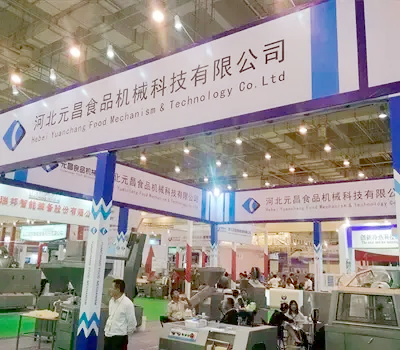
At Hebei Yuanchang, we don't just sell industrial equipment; we engineer solutions backed by decades of hands-on experience. Spanning over 14,000 square meters, our facility is home to a dedicated team of 80-100 skilled professionals, integrating R&D, production, and sales. Since 1986, we've honed our craft, building a reputation for quality and reliability in demanding sectors like food processing.
Our in-house machining workshop is the backbone of our precision manufacturing. Equipped with over 20 sets of advanced processing machinery – including lathes, milling machines, high-precision grinding machines, boring machines, plate shears, bending machines, and wire cutting equipment – we possess the capability to produce components to exacting standards. The addition of 8 Japanese Mazak CNC machining centers in 2012 significantly boosted our capacity for high-volume, high-precision, and non-standard component production.

This internal capability means we have complete control over component quality and lead times. It allows us to independently produce high-precision parts, ensuring that our vacuum pumps and integrated systems offer unparalleled reliability and longevity. This translates directly into worry-free after-sales service for our international clients.
We specialize in pretreatment, filling, molding, and ripening processes for meat products, which often involve sophisticated vacuum requirements. Our understanding of these applications, combined with our manufacturing expertise, positions us as an ideal partner for your rough vacuum pump needs.
Operational Realities: Maintenance & Logistics
No matter how robust a pump is, operational realities dictate that maintenance and logistics are key considerations for international buyers. We focus on making these aspects as straightforward as possible.
Maintenance Insights
For oil-sealed rotary vane pumps, routine oil changes are non-negotiable. Ignoring this can lead to premature wear and failure. We recommend checking the oil level regularly and changing it according to the manufacturer’s schedule, or more frequently if operating in a particularly dusty or humid environment. Filtration systems should also be monitored and cleaned or replaced as needed.
Liquid ring pumps require attention to the sealing fluid. Ensuring a clean supply and appropriate levels is crucial. Monitoring for potential cavitation and managing any discharge water quality are also important operational considerations, especially in environmentally sensitive regions.
The meat processing equipment market sees demand driven by automation and hygiene. This means pumps need to be easy to clean and maintain to meet stringent food safety standards. Our designs prioritize accessibility for routine tasks.
Logistics and Shipping for International Buyers
Exporting industrial machinery requires careful planning. We manage the complexities of international shipping, ensuring pumps are securely crated and protected against the rigors of transit. We work with reliable freight forwarders to optimize shipping routes and costs, whether you require full container loads (FCL) or less than container loads (LCL).
Understanding import duties, customs clearance, and local regulations in your target market is part of our export support. We provide all necessary documentation, including certificates of origin and detailed packing lists, to facilitate a smooth import process.
Consider the installation environment. Are there specific power requirements? Ventilation needs? Our technical team can advise on these pre-shipment, helping to ensure a seamless integration into your facility once the pump arrives.
Frequently Asked Questions
Q: What is the typical lifespan of a rough vacuum pump?
The lifespan varies significantly based on the pump type, operating conditions, and maintenance. A well-maintained rotary vane pump might last 5-10 years, while a robust liquid ring pump could operate for 15-20 years or more. Key factors are load, contamination, and adherence to maintenance schedules.
Q: Can rough vacuum pumps handle corrosive gases?
Some can, but it depends heavily on the pump design and materials. Diaphragm pumps with specific chemically resistant diaphragms and heads, or liquid ring pumps using specialized sealing fluids, are best suited. Standard oil-sealed rotary vane pumps are generally not recommended for corrosive gases unless specific precautions like inlet scrubbers are used.
Q: How do I determine the correct pump size (flow rate) for my application?
This involves calculating the total volume to be evacuated, the desired evacuation time, and accounting for gas load (e.g., leaks, outgassing). We strongly recommend consulting with our technical team. They can analyze your specific process parameters to recommend an optimally sized pump, preventing oversizing (costly) or undersizing (inefficient).
Q: What is the difference between absolute and gauge pressure?
Absolute pressure is measured relative to a perfect vacuum (zero pressure). Gauge pressure is measured relative to atmospheric pressure (which is about 1013 mbar at sea level). Rough vacuum is typically specified in absolute pressure. For example, 50 mbar absolute is a significant vacuum, while 50 mbar gauge would be above atmospheric pressure.
Q: Do you offer OEM/ODM services for vacuum pump integration?
Yes, absolutely. With our extensive experience in manufacturing and our advanced CNC capabilities, we excel at integrating our vacuum pump technology into larger machinery or custom-designing solutions to meet specific OEM/ODM project requirements. Contact us to discuss your project.
What Our Clients Say

Sarah Chen, Procurement Manager
Global Food Packaging Inc.
"We needed a reliable rough vacuum pump for our automated sausage stuffing line. Yuanchang's team understood our needs precisely. The pump they recommended has significantly improved consistency and reduced downtime. Their export process was smooth, and the support has been excellent."
Reviewed on: 2023-10-26

David Rodriguez, Operations Lead
Precision Manufacturing Solutions
"Our CNC machines require stable vacuum hold-down. We switched to a Yuanchang pump, and the holding power is phenomenal. Installation was straightforward, and the pump's quiet operation is a bonus. We're looking at integrating their technology into our new product line."
Reviewed on: 2024-01-15

Maria Petrova, Purchasing Director
Eastern European Food Processors
"We are extremely satisfied with the liquid ring vacuum pump supplied by Hebei Yuanchang. It handles the moist environment of our curing chambers without issues. The consistent vacuum level has greatly improved our product quality and shelf stability. Highly recommend their expertise and equipment."
Reviewed on: 2023-11-01
Unlock Peak Performance with Reliable Rough Vacuum
Don't let suboptimal vacuum processes compromise your product quality or operational efficiency. At Hebei Yuanchang, we combine 40 years of manufacturing experience with cutting-edge technology to deliver vacuum solutions that drive your business forward.
Phone: +86 15830991513 | E-mail: ycmeatmech@gmail.com | Address: Shijiazhuang, Hebei Province, China
© Hebei Yuanchang Food Mechanism & Technology Co., Ltd. All rights reserved.
We adhere to the principles of helpful content and EEAT, providing genuine expertise from our manufacturing and export experience.
Global Market Insights Referenced: Fortune Business Insights, Grand View Research, SkyQuest Technology, IMARC Group, Yahoo Finance, Precedence Research, Mordor Intelligence, Market Research Future, Coherent Market Insights, Precision Business Insights, The Business Research Company, MarketsandMarkets, Presistence Market Research, Meticulous Research, SNS Insider, Acumen Research and Consulting, IndexBox, Expert Market Research, DataBridge Market Research, Market Data Forecast.
Direct Client Communication Snippets