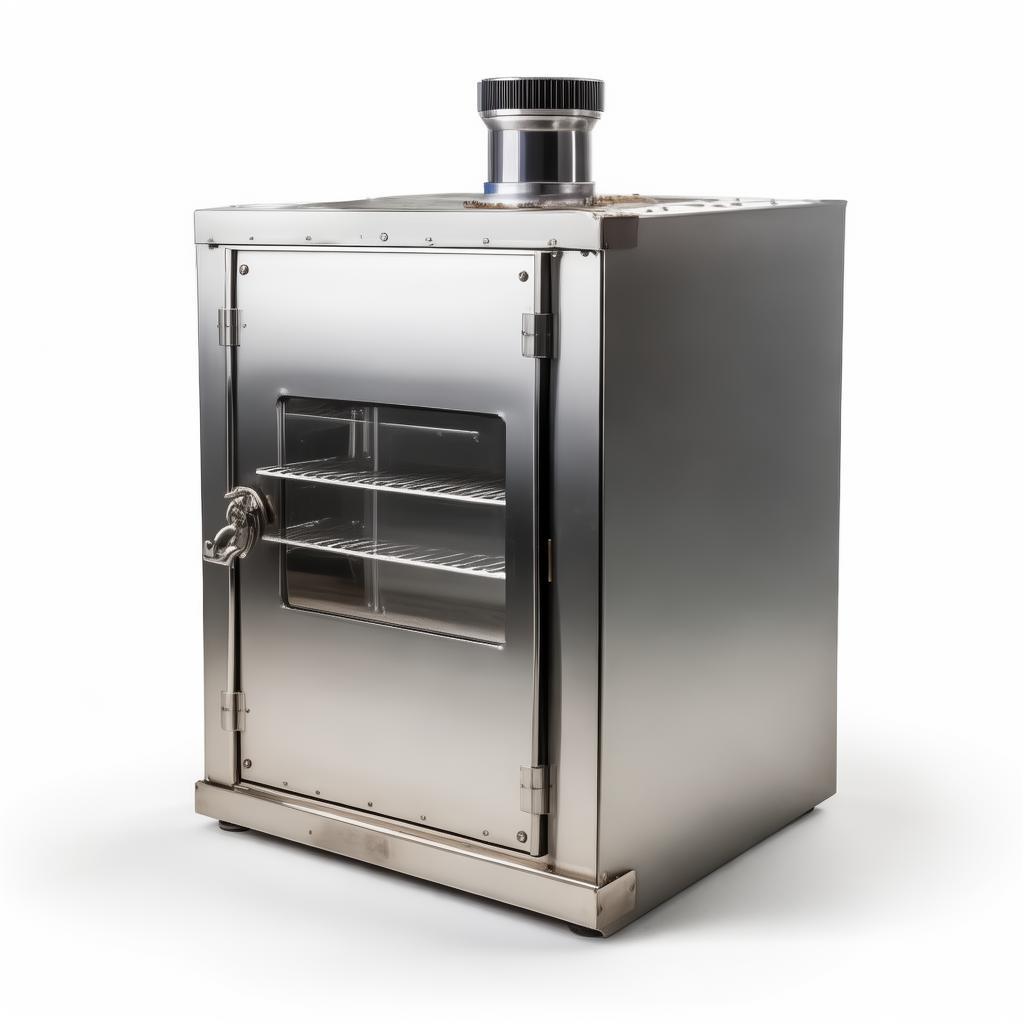
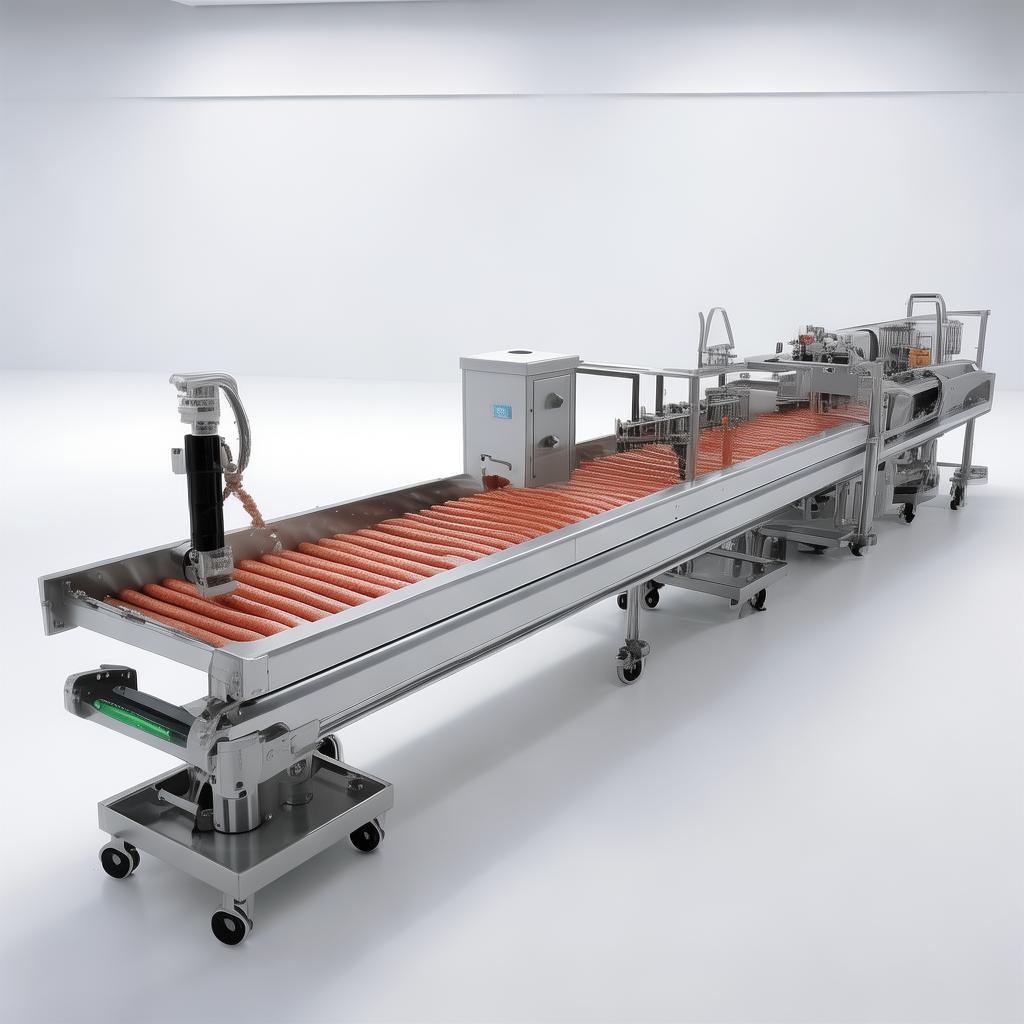
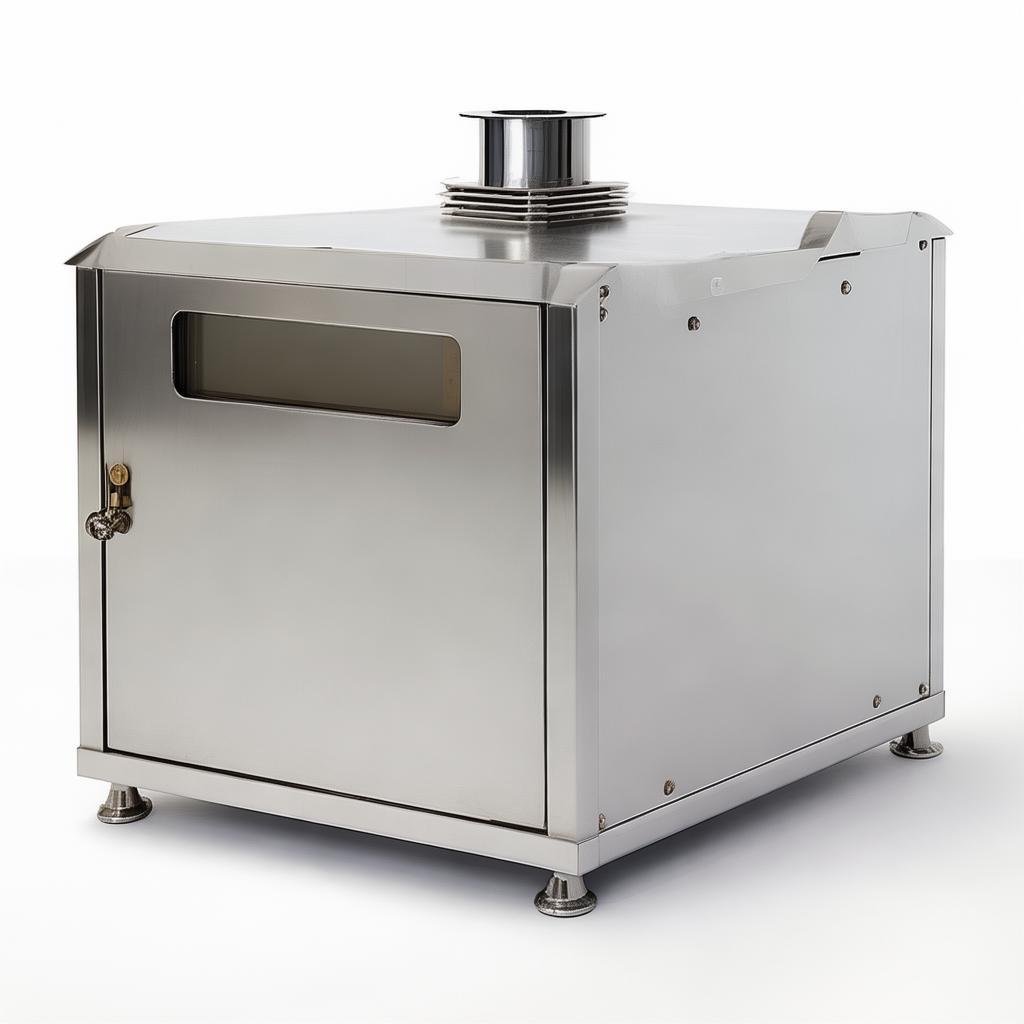
Screw Type Vacuum Pump
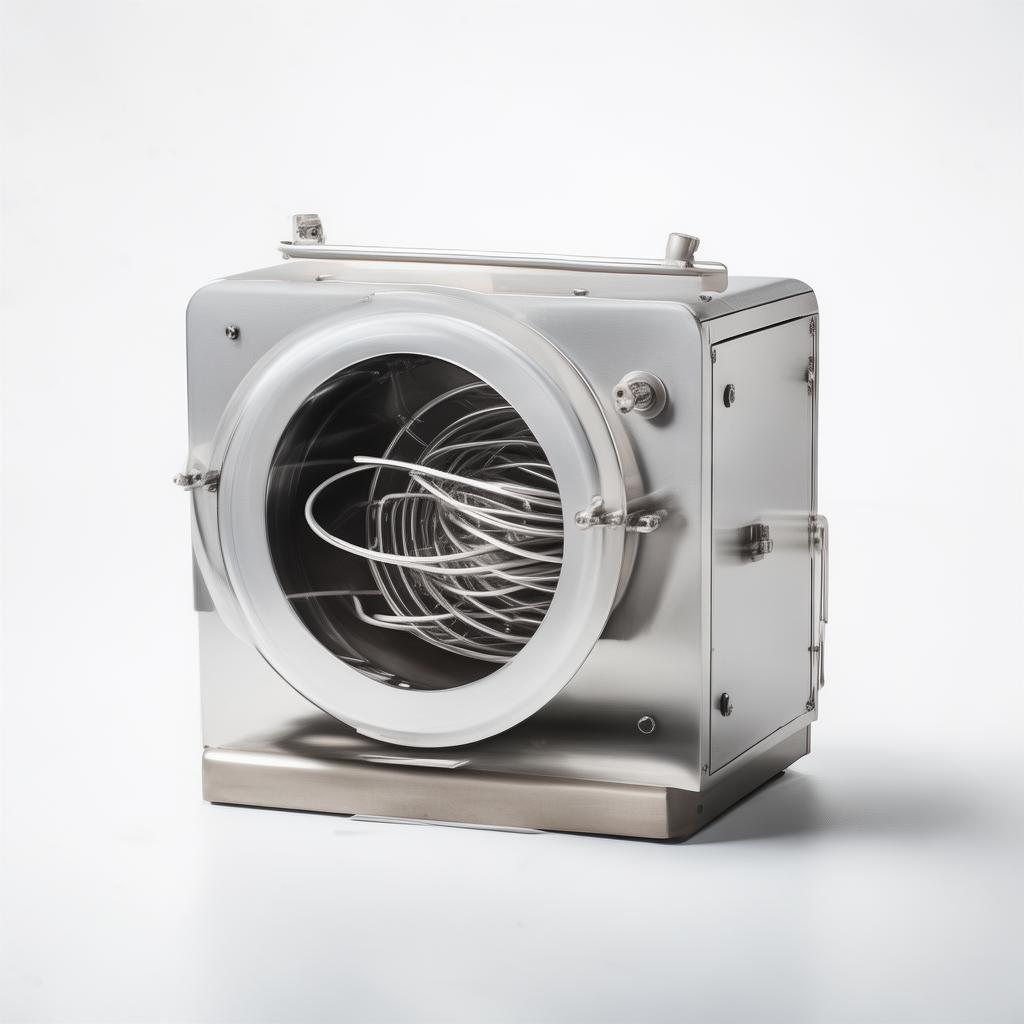
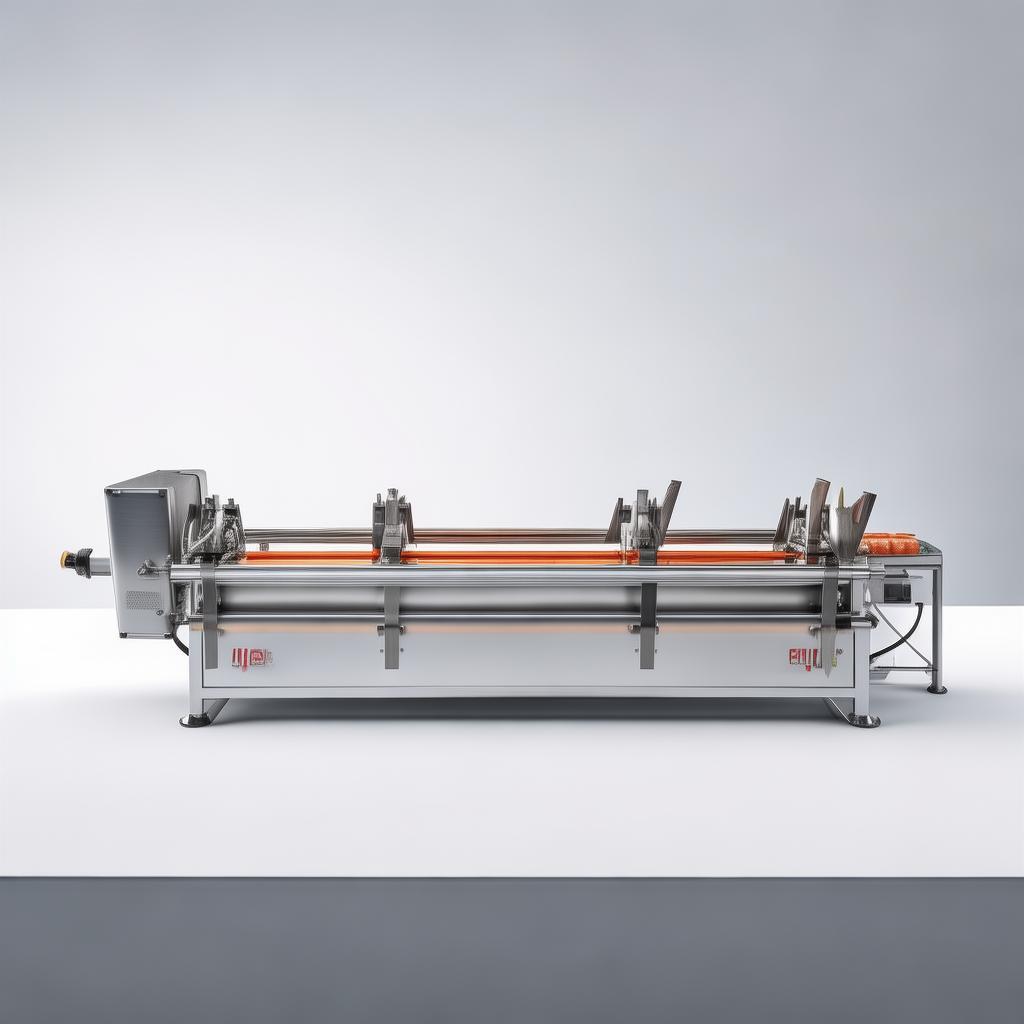
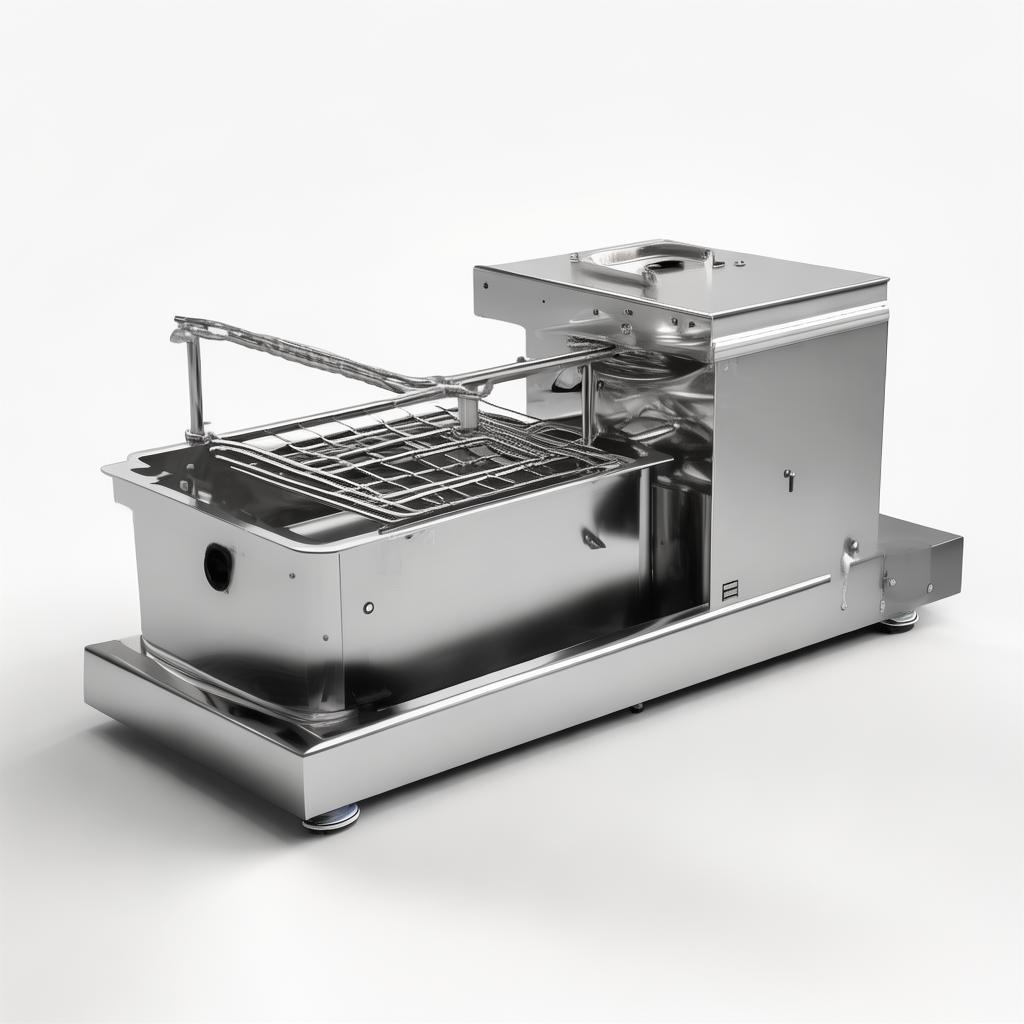
Screw Type Vacuum Pumps: The Backbone of Modern Industrial Processes
Driving Efficiency and Reliability in Vacuum Applications Across Global Industries

Hebei Yuanchang Food Mechanism & Technology Co., Ltd.
Expertise in Vacuum Systems and Manufacturing Solutions
Understanding the Core of Vacuum Generation: What is a Screw Type Vacuum Pump?
In the complex world of industrial manufacturing and processing, achieving and maintaining reliable vacuum conditions is often the silent hero behind countless operations. From food packaging and semiconductor fabrication to medical device production and chemical processing, the ability to reliably remove air and other gases from a system is critical. Among the various technologies available, the screw type vacuum pump has emerged as a leading solution, prized for its robust design, high efficiency, and remarkable operational stability. These units are not merely simple machines; they represent a sophisticated approach to vacuum generation, leveraging the principle of positive displacement through precisely engineered screw rotors.
rotary screw vacuum pumps rotary claw vacuum pump claw type vacuum pumps
The fundamental operation of a screw vacuum pump is elegant in its mechanical design. It consists of two meshing screws, often referred to as rotors, housed within a precision-machined casing. As these screws rotate in opposite directions, they create a series of expanding and contracting volumes between their threads and the casing. This action effectively draws gas from the inlet port into these volumes. As the screws continue to rotate, the gas is transported along the length of the screws towards the discharge port. Crucially, at the discharge end, the volume is reduced, compressing the gas slightly and forcing it out of the pump. This continuous cycle of drawing, transporting, and expelling gas is what generates and maintains the vacuum.
What sets screw pumps apart is their dry running capability. Unlike oil-sealed rotary vane or liquid ring pumps, many screw pump designs operate without the need for sealing oil or water in the pumping chamber. This is a significant advantage in applications where product contamination by oil or water is a concern, such as in food processing, pharmaceuticals, and electronics manufacturing. The absence of process fluids in the compression stage means the discharged gas remains clean and dry, preserving the integrity of sensitive materials and processes. This feature alone is often the deciding factor for manufacturers prioritizing purity and quality control.
The journey of a screw vacuum pump from concept to industrial application is one rooted in decades of engineering refinement. Early designs focused on basic positive displacement principles, but advancements in materials science, precision machining, and aerodynamic design have led to the highly efficient and reliable units we see today. The materials used for the screws and casing are paramount, often involving hardened steel alloys or specialized coatings to withstand wear, corrosion, and high operating temperatures. The precise pitch and profile of the screw threads are engineered to maximize pumping speed and minimize internal leakage, ensuring optimal performance across a wide range of pressures.
Considering the operational demands, it's important to recognize that a screw pump is not a one-size-fits-all solution. Its effectiveness is highly dependent on the specific process requirements, including the ultimate vacuum level needed, the flow rate of gas to be removed, the presence of particulates or corrosive vapors, and the required operating temperature. For instance, pumps designed for deep vacuum applications will have different screw profiles and tolerances than those intended for rough vacuum duty. Likewise, handling explosive or highly corrosive gases requires specialized materials and potentially explosion-proof motor configurations.
The global market for vacuum technology, and specifically screw pumps, reflects their critical role. The meat processing equipment market alone, a sector where vacuum technology is integral for packaging and preservation, was valued at approximately USD 11.29 billion in 2025 and is projected to reach USD 17.39 billion by 2034, with a CAGR of 5.0% according to Fortune Business Insights. This growth is underpinned by rising demand for processed foods, where vacuum packaging extends shelf life and maintains product quality. Similarly, in other demanding sectors, the adoption of advanced vacuum solutions directly correlates with improvements in product quality, process efficiency, and operational cost savings. Our 40 years of experience, since 1986, at Hebei Yuanchang Food Mechanism & Technology Co., Ltd., has shown us firsthand how vital reliable vacuum systems are, especially in the precise environments required for food processing and other sensitive applications.
This deep dive into the screw type vacuum pump aims to equip potential buyers and end-users with a comprehensive understanding. We'll explore its advantages, technical nuances, diverse applications, and crucial considerations for selection and procurement. Whether you're a purchasing manager evaluating new equipment, an operations director optimizing existing lines, or an engineer specifying system components, grasping the intricacies of screw vacuum technology is key to making informed, high-impact decisions.
Addressing Industry's Vacuum Challenges: The Screw Pump Advantage
Across diverse manufacturing landscapes, the need for robust vacuum solutions is a constant. Many industries grapple with issues stemming from inefficient or unreliable vacuum systems. These challenges can range from product spoilage and process downtime to increased operational costs and safety hazards. The traditional methods or older vacuum technologies often fall short, leading to:
- Product Contamination: Oil-sealed pumps can introduce oil vapor into the process stream, a critical failure point in food, pharmaceutical, and electronics manufacturing.
- High Water/Energy Consumption: Liquid ring pumps, while effective for some applications, often require significant amounts of water for sealing and cooling, leading to higher utility bills and environmental concerns.
- Maintenance Inconvenience: Frequent maintenance, seal replacements, or oil changes can disrupt production schedules and increase labor costs.
- Inconsistent Performance: Fluctuations in vacuum levels due to temperature variations or internal wear can negatively impact process consistency and product yield.
- Corrosion and Wear: Handling process gases with corrosive elements can rapidly degrade pump components, leading to premature failure.
The screw type vacuum pump is engineered to directly combat these common pain points. Its fundamental dry-running design eliminates the risk of oil contamination in the process gas. This oil-free operation is paramount for industries where purity is non-negotiable, such as in producing high-quality processed meats for packaging or sensitive electronic components. The ability to maintain vacuum without introducing contaminants ensures product integrity and compliance with stringent regulatory standards.
Furthermore, screw pumps generally exhibit superior energy efficiency compared to other vacuum technologies, especially under partial load conditions or when operating at vacuum levels achievable by multiple pump types. Their robust construction, featuring heavy-duty bearings and precision-machined rotors, translates to extended service life and reduced maintenance intervals. This translates directly into lower total cost of ownership over the pump's lifecycle, a critical consideration for any procurement decision aiming for long-term operational efficiency and ROI.
Consider the implications for a global market where efficiency and reliability are paramount. The demand for processed meat products, which heavily relies on vacuum for preservation and quality, is projected to grow significantly. Reports indicate the processed meat market could reach USD 1,330.45 billion by 2035. This rising consumer demand necessitates more efficient processing lines, where reliable vacuum systems like screw pumps play a vital role in everything from deaeration during mixing to final product packaging.
When evaluating screw pumps, engineers and procurement specialists should look for models built with high-grade materials suitable for the specific process gas. For applications involving corrosive elements, selecting pumps with corrosion-resistant coatings or specialized alloys is crucial. Our facility in Shijiazhuang is equipped with over 20 sets of advanced processing machinery, including Japanese Mazak CNC machining centers, enabling us to produce high-precision, non-standard components for such demanding applications. This in-house capability ensures we can meet specific material requirements for durability and longevity, a key factor in reducing lifecycle costs and ensuring operational continuity.
The inherent simplicity in design, with fewer moving parts compared to some other vacuum technologies, also contributes to their reliability. The absence of oil in the compression chamber means there are no oil mist eliminators to maintain or oil filters to replace, simplifying the maintenance routine. This operational ease is a significant factor for plant managers overseeing large-scale operations where minimizing downtime is a constant priority.
In essence, screw type vacuum pumps offer a compelling blend of high performance, operational purity, energy efficiency, and reduced maintenance. They are not just a component; they are a strategic investment in process optimization and reliability. Let's delve deeper into the specific technical attributes that make them stand out.
Technical Deep Dive: How Screw Pumps Achieve Superior Performance
The heart of a screw type vacuum pump lies in its precision-engineered rotors and casing. The efficiency and ultimate vacuum achievable are directly tied to the tight tolerances maintained between these components. Unlike liquid ring pumps that rely on a liquid seal, or rotary vane pumps that use oil for sealing and lubrication, screw pumps operate on a dry compression principle. This means the gas is compressed directly between the screw threads without the introduction of any sealing fluids into the process stream.
Typically, a screw pump utilizes two intermeshing helical rotors. One rotor is often driven directly by the motor, while the other is driven by the first through a set of timing gears. These gears ensure that the rotors maintain their precise, non-contacting relationship throughout operation. As the rotors turn, gas enters the inlet port and is trapped in the cavities formed between the rotor threads and the pump casing. These cavities move axially along the rotors towards the discharge end.
At the discharge end, the volume of these cavities is reduced, causing the gas to compress slightly before being expelled. This positive displacement action, combined with the controlled compression, allows screw pumps to achieve relatively deep vacuum levels, often down to 10 mbar (absolute) or even lower, depending on the specific design and application. The absence of internal friction from fluids also contributes to lower operating temperatures and reduced energy consumption, particularly under steady-state conditions.
Key design elements that contribute to their performance include:
- Rotor Profile: The specific geometric profile of the screw threads (e.g., involute, asymmetric) is crucial for optimizing gas flow, minimizing internal leakage, and achieving high compression ratios.
- Tolerances and Machining Precision: Extremely tight clearances between the rotors and the casing are maintained, often in the micron range. This requires advanced machining techniques, such as CNC grinding, to ensure consistent performance and longevity. Our investment in Japanese Mazak CNC machining centers allows us to achieve these critical tolerances for high-precision components.
- Materials of Construction: For standard applications, cast iron or steel is common. However, for corrosive environments, pumps can be manufactured from stainless steel, or feature specialized coatings like PTFE or ceramic for enhanced chemical resistance.
- Cooling System: While dry running, the compression process still generates heat. Efficient cooling systems, often integrated into the pump casing or via external heat exchangers, are necessary to maintain optimal operating temperatures and prevent thermal expansion from affecting tolerances.
- Variable Speed Drives (VSDs): Modern screw pumps are often equipped with VSDs. This allows for precise control over the pumping speed, enabling optimization for different process demands, reducing energy consumption when full capacity isn't needed, and providing smoother startup.
From a procurement standpoint, understanding these technical details is vital. A pump specified for handling flammable gases will require explosion-proof motors and potentially inert gas purging capabilities, aligning with ATEX or similar safety directives. For food processing, compliance with FDA or EC 1935/2004 regulations for materials in contact with food is paramount. Our experience in the food mechanism industry, spanning 40 years, has ingrained in us the importance of these certifications and material specifications.
The efficiency of a screw pump is often measured by its volumetric efficiency (the ratio of actual gas delivered to the theoretical displacement) and its power consumption per unit of gas pumped. High-efficiency designs minimize internal leakage and optimize the compression phase, leading to lower energy bills and a reduced carbon footprint. Reports on the meat processing equipment market, which heavily utilizes vacuum for packaging, highlight growth driven by automation and hygiene standards. This translates to a higher demand for reliable, efficient vacuum solutions like screw pumps. For example, The global meat processing equipment market is projected to grow significantly, with filling, tenderizing, and smoking equipment being key segments. Reliable vacuum is an integral part of many of these processes.
The reliability of screw pumps is also a key technical advantage. With fewer wearing parts than some competing technologies and the absence of consumables like oil in the process chamber, they offer extended operating intervals between maintenance. This inherent robustness makes them ideal for continuous-duty applications where downtime is costly. The long-term operational stability ensures consistent vacuum levels, crucial for maintaining process parameters and product quality.
Operational Insight: Timing Gears are Crucial
It's often overlooked, but the precision timing gears in a screw pump are critical. They prevent the rotors from touching, allowing for oil-free operation. If these gears fail or wear excessively, rotor-to-rotor contact can occur, leading to catastrophic failure and significant repair costs. Always ensure maintenance schedules include checks on the gear system as per the manufacturer's recommendations.
In summary, the technical sophistication of screw type vacuum pumps, from their aerodynamic rotor design to their precision manufacturing and material selection, makes them a superior choice for many demanding industrial vacuum applications. Their dry-running capability, high efficiency, and inherent reliability offer tangible benefits that translate directly to improved production outcomes and reduced operational expenses.
Versatile Applications: Where Screw Vacuum Pumps Excel
The inherent advantages of screw type vacuum pumps—their oil-free operation, high efficiency, robust design, and ability to handle a wide range of gas loads—make them exceptionally versatile. They are not confined to a single industry but find critical use across a broad spectrum of industrial processes where reliable vacuum generation is essential for product quality, process efficiency, and operational safety.
In the food and beverage industry, their application is extensive. Vacuum is used for deaeration in mixers to prevent oxidation and improve texture, for degassing molten chocolate, and crucially, for vacuum packaging of processed meats, cheeses, coffee, and ready-to-eat meals. Removing air from packaging extends shelf life significantly, reduces spoilage, and maintains product freshness and appearance. Our 40 years of experience supplying mechanisms for food processing, including pet food, underscores the critical role of vacuum in modern food production lines. Reliable vacuum packaging is a key component in extending the market reach of products like sausages and formed meat items.
The pharmaceutical and chemical sectors rely heavily on screw pumps for processes such as vacuum drying of active pharmaceutical ingredients (APIs), solvent recovery, and filtration. The oil-free operation is non-negotiable here, as any contamination could compromise drug efficacy or safety. Evaporation and distillation processes also benefit from the stable vacuum provided by these pumps, allowing operations at lower temperatures, which is vital for heat-sensitive compounds.
In the electronics manufacturing industry, screw vacuum pumps are employed in processes like vacuum lamination for displays, vacuum impregnation of electronic components for insulation and protection, and semiconductor manufacturing where ultra-clean vacuum environments are required. The ability to achieve and maintain high vacuum levels with minimal particle generation is a key advantage.
The automotive and aerospace industries utilize screw pumps for applications such as vacuum molding of composite materials, vacuum degassing of metals to remove dissolved gases and prevent porosity, and in engine testing for simulating high-altitude conditions.
Other notable applications include:
- Woodworking: For vacuum clamping systems and vacuum presses in furniture manufacturing.
- Medical Devices: For sterilization processes and vacuum forming of plastic components.
- Research & Development: In laboratories for various experimental setups requiring precise vacuum control.
- Printing and Packaging: For pick-and-place operations and material handling.
The global meat processing equipment market is a prime example of where these pumps are indispensable. With market projections indicating substantial growth (e.g., expected to reach USD 19.11 billion by 2035 at a CAGR of 4.89% per Precedence Research), the demand for sophisticated processing solutions, including reliable vacuum systems for packaging and deaeration, is on the rise. This trend is mirrored across numerous other sectors.
When selecting a screw vacuum pump for a specific application, careful consideration must be given to the nature of the gas being handled. For instance, if the gas is corrosive or contains abrasive particulates, specialized materials and coatings, or even a gas-minder system for purging, might be necessary to ensure pump longevity. Our manufacturing expertise allows us to tailor solutions, working with clients to identify the optimal pump configuration for their unique process requirements. This pragmatic approach, honed over decades, ensures clients receive equipment that is not just functional, but truly built for their operational realities.
The scalability of screw pumps is another advantage. Whether a small benchtop unit is needed for laboratory use or a large industrial system for a high-volume production line, screw pump technology can be scaled to meet diverse capacity requirements. This flexibility makes them a long-term solution for growing businesses.
In conclusion, the broad applicability of screw type vacuum pumps stems from their ability to provide clean, efficient, and reliable vacuum across a vast range of industrial settings. Their robust design and adaptability make them a cornerstone technology for modern manufacturing and processing operations.
Making the Right Choice: Procurement Guidance for Screw Vacuum Pumps
Selecting the right screw type vacuum pump can seem complex, given the variety of models and technical specifications available. However, by adopting a structured approach, procurement managers and engineers can ensure they invest in a solution that meets their needs effectively and delivers optimal ROI. This process involves understanding your specific operational requirements and aligning them with the capabilities of the pump and the reliability of the supplier.
1. Define Your Process Requirements:
- Ultimate Vacuum Level: What is the minimum absolute pressure you need to achieve? This is crucial for selecting a pump with adequate performance at your target operating point.
- Gas Flow Rate (Pumping Speed): How much gas needs to be removed per unit of time? This is typically measured in m³/h or cfm and must account for both process gas and any potential air leakage.
- Process Gas Characteristics: Is the gas clean, wet, corrosive, flammable, or does it contain particulates? This dictates the materials of construction, any necessary protective measures (like coatings or purge systems), and safety certifications required.
- Operating Temperature and Pressure: Understand the typical ambient and process conditions.
- Intermittent vs. Continuous Duty: Will the pump run constantly or only for short periods?
2. Evaluate Technical Specifications and Features:
- Materials of Construction: Ensure materials are suitable for your specific gas stream and operational environment. Look for corrosion resistance if needed.
- Motor and Drive: Consider motor efficiency (IE3/IE4 ratings), voltage/frequency compatibility, and the benefits of Variable Speed Drives (VSDs) for energy savings and process control.
- Cooling System: Is air cooling sufficient, or is water cooling or a heat exchanger required?
- Noise Levels: Check decibel ratings if operation is near sensitive areas.
- Safety Features: Compliance with relevant standards (e.g., ATEX for hazardous areas, CE for general safety).
3. Supplier Evaluation - The EEAT Factor:
When sourcing internationally, trust and reliability are paramount. Look for suppliers with:
- Experience: How long have they been manufacturing vacuum pumps? Do they have specific expertise in your industry? Our 40 years in food mechanism and related equipment manufacturing provides us with deep operational insights.
- Expertise: Can they provide technical support and guidance? Do they have engineers available to discuss your application? We offer direct consultation with our technical team.
- Authoritativeness: Do they adhere to international standards? Are their manufacturing processes certified (e.g., ISO)? We maintain rigorous quality control and can provide documentation for our certifications.
- Trustworthiness: Can they provide references or case studies? What is their warranty policy? How do they handle after-sales service and spare parts? Our traceable after-sales management system is designed for customer confidence.
4. Consider Total Cost of Ownership (TCO):
Don't just look at the initial purchase price. Factor in energy consumption, maintenance costs, spare parts availability, and expected lifespan. A slightly higher initial investment in a high-efficiency, durable pump can result in significant savings over its operational life. The global market for meat processing equipment, a sector we are deeply familiar with, sees growth driven by automation and efficiency, emphasizing the importance of long-term value.
Practical Warning: Over-Specification vs. Under-Specification
Specifying a pump that's far larger than needed leads to inefficient operation (short cycling, poor vacuum levels) and higher energy use. Conversely, an undersized pump will struggle to meet demand, leading to process issues and premature wear. Accurate calculation of vacuum and flow requirements is crucial. Don't hesitate to ask for expert advice on this.
5. Logistics and Lead Times:
Understand the manufacturing lead time and shipping options. Factor in transit times, customs clearance, and any import duties. Reliable suppliers will provide clear estimates and support for logistical arrangements. Our location in China, combined with our production capabilities, allows for efficient global distribution.
By thoroughly evaluating these aspects, procurement professionals can confidently select a screw type vacuum pump that not only meets immediate operational needs but also contributes to long-term efficiency, reliability, and profitability. Always engage with suppliers who demonstrate genuine expertise and a commitment to customer support.
Installation, Operation, and Maintenance Insights
Proper installation and consistent maintenance are critical for maximizing the lifespan and performance of any industrial equipment, and screw type vacuum pumps are no exception. While generally robust, a few key considerations can prevent common pitfalls and ensure reliable operation for years.
Installation:
- Location: Install the pump in a clean, dry, and well-ventilated area, away from excessive dust or corrosive fumes. Ensure adequate space around the unit for cooling and maintenance access.
- Foundation: Mount the pump on a solid, level foundation to minimize vibration. Vibration isolators can be beneficial, especially for larger units.
- Piping: Use appropriately sized inlet and outlet piping to minimize pressure drop. Ensure all connections are leak-tight. For the inlet, a filter is highly recommended to prevent particulate ingress, which can damage the rotors.
- Electrical Connections: Ensure the motor is correctly wired for the local power supply and that appropriate electrical protection (fuses, breakers) is installed. If a Variable Speed Drive (VSD) is used, follow the manufacturer's specific installation guidelines.
- Initial Startup: Before powering up, manually rotate the motor shaft to ensure free movement. Follow the manufacturer's startup procedure, which may involve initial running without load or at reduced speed.
Operation:
- Monitoring: Regularly monitor operating parameters such as vacuum level, motor current, and pump temperature. Deviations from normal readings can indicate developing issues.
- Gas Load: Avoid overloading the pump beyond its rated capacity. If handling condensable vapors, ensure the pump is designed for it or consider pre-condensers.
- System Leaks: Regularly check the vacuum system for leaks. Even small leaks can significantly reduce pump efficiency and increase energy consumption.
Maintenance:
While screw pumps are low-maintenance, scheduled checks are essential for optimal performance and longevity:
- Inlet Filter: Inspect and clean or replace the inlet filter element regularly, depending on the operating environment. This is perhaps the most critical routine maintenance item to prevent rotor damage.
- Gearbox Oil: Check the level and condition of the oil in the timing gearbox at recommended intervals. If the oil appears milky or contaminated, it may indicate a seal issue or water ingress.
- Bearings: Listen for any unusual noises from the motor or pump bearings. While typically sealed for life, premature bearing failure can occur and should be addressed promptly.
- Motor: Ensure motor cooling fins are clean to prevent overheating.
- Shaft Seals: While rare in dry-running screw pumps, inspect shaft seals for any signs of leakage.
Logistics Note: Spare Parts Availability
When sourcing internationally, always inquire about the availability of critical spare parts. Ensuring you can readily obtain parts like inlet filters, seals, or even replacement rotors can significantly reduce downtime in the event of an unexpected issue. Our company maintains a stock of essential components to support our global customer base.
Adhering to these installation, operation, and maintenance guidelines will help ensure your screw type vacuum pump operates at peak efficiency, delivers consistent results, and provides a long, trouble-free service life. Regular preventive maintenance is always more cost-effective than reactive repairs.
Meet Our Factory: Quality and Capability
At Hebei Yuanchang Food Mechanism & Technology Co., Ltd., our commitment to quality and advanced manufacturing is the bedrock of our operation. With over 40 years of experience, since 1986, we have cultivated deep expertise in designing, producing, and integrating complex machinery, including high-precision components for vacuum systems. Our expansive 14,000 square meter facility is a testament to our capabilities, housing a dedicated team of 80-100 skilled professionals.
Our in-house machining workshop is the heart of our precision manufacturing. It is equipped with more than 20 sets of advanced processing machinery. This arsenal includes:
- Lathes and Milling Machines: For foundational shaping and precise cutting.
- High-Precision Grinding Machines: Essential for achieving the micron-level tolerances required for critical components like pump rotors and casings.
- Boring Machines: For creating accurate internal diameters.
- Plate Shears and Bending Machines: For fabricating robust casings and structural elements.
- Wire Cutting Equipment: For intricate and precise component shaping.
Further enhancing our capabilities, in 2012, we invested in 8 sets of state-of-the-art Japanese Mazak CNC machining centers. This significant upgrade allows us to undertake the production of high-standard components with demanding specifications: large volumes, exceptional precision, and custom, non-standard designs. For vacuum pump rotors and housings, this means we can guarantee the extremely tight clearances and precise helical profiles that define high-performance screw pumps.
Our integration of R&D, production, and sales ensures a streamlined process from concept to delivery. We don't just build machines; we engineer solutions. This holistic approach, coupled with our traceable after-sales management system, means we can independently produce high-precision parts, offering unparalleled confidence and worry-free service to our clients worldwide. This commitment to vertical integration and quality control is what allows us to deliver reliable industrial equipment that stands the test of time.
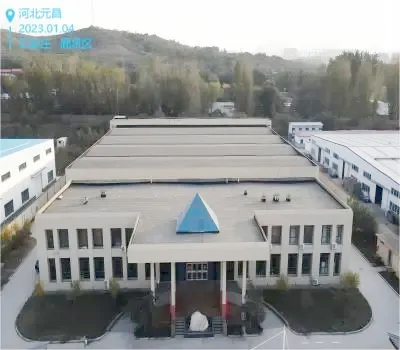
We specialize in complete production lines for meat products, and our expertise extends to auxiliary items and critical components such as those found in sophisticated vacuum systems. This background in demanding food processing environments has instilled in us a rigorous approach to hygiene, material traceability, and operational reliability, principles that are directly applicable to the manufacturing of our screw type vacuum pumps.
Customer Experiences: What Our Clients Say
We pride ourselves on building lasting relationships with our clients, grounded in reliable equipment and exceptional service. Here's what some of our partners have shared:

Operations Manager, Agri-Pack Solutions (USA)
"We integrated three of their screw vacuum pumps into our new high-speed food packaging line. The oil-free operation was non-negotiable for us, and these units have performed flawlessly. Reduced our spoilage rates by 8% due to better seal integrity. The support we received during selection and commissioning was top-notch."
Reviewed: March 15, 2024
Plant Engineer, ChemTech Innovations (Canada)
"We needed a robust vacuum pump for solvent recovery that wouldn't introduce contaminants. Their technical team understood our needs perfectly and recommended a corrosion-resistant model. It's been running 24/7 for over a year with zero issues. Great value considering the reliability."
Reviewed: January 22, 2024
Procurement Specialist, Electronica Manufacturing (Mexico)
"We sourced multiple vacuum pumps for our assembly line. The communication from Yuanchang was clear, and the delivery was on time. The pumps are quiet, efficient, and have significantly improved the stability of our vacuum-dependent processes. We're looking to place another order soon."
Reviewed: November 05, 2023Trust and Transparency: Your Assurance
We understand that international B2B procurement requires a high degree of trust. At Hebei Yuanchang, we are committed to transparency and building long-term partnerships. Our EEAT principles guide our operations:
- Experience: 40 years in manufacturing means we've seen and solved almost every challenge.
- Expertise: Our team of engineers and technicians possesses deep knowledge of industrial processes and machinery.
- Authoritativeness: We adhere to rigorous quality standards and strive for best-in-class manufacturing practices.
- Trustworthiness: We provide clear communication, honest specifications, and reliable after-sales support.
To further demonstrate our commitment and provide real-time assurance, we offer direct communication channels.

Clarifying specifications with a client.

Discussing OEM/ODM possibilities.

Logistics and shipping coordination.
Ready to Optimize Your Vacuum Processes?
Discover how our high-performance screw type vacuum pumps can enhance your operational efficiency and product quality. Let's discuss your specific needs.