Rotary Piston Vacuum Pump
Rotary Piston Vacuum Pumps: The Backbone of Precision Vacuum Applications
Engineered for Reliability, Performance, and Continuous Operation
 By [Export Manager Name] | Hebei Yuanchang Food Mechanism & Technology Co., Ltd.
Understanding the Critical Role of Rotary Piston Vacuum Pumps
In industrial processes where precise vacuum levels are not just desirable but essential for quality and efficiency, the choice of vacuum pump technology is paramount. Among the robust solutions available, the rotary piston vacuum pump stands out as a workhorse, renowned for its reliability, high performance, and suitability for demanding applications. Unlike simpler vacuum systems, these pumps leverage a mechanical, positive-displacement principle that ensures consistent vacuum generation and a high pumping speed, even under challenging conditions.
For procurement professionals and engineers tasked with selecting equipment that underpins critical operations – from intricate manufacturing processes to large-scale industrial applications – understanding the nuances of rotary piston vacuum pump technology is key. This isn't a piece of equipment you casually swap out. It’s an investment in operational stability, product integrity, and ultimately, profitability. We've seen firsthand how the right vacuum pump can streamline production, reduce waste, and even open up new product possibilities for our clients in diverse sectors like food processing, packaging, and industrial manufacturing.
The global meat processing equipment market, for example, is projected to reach significant figures, with segments like filling and molding equipment playing a crucial role. These operations, alongside ripening processes, often rely heavily on stable vacuum conditions. Reports suggest the meat processing equipment market was valued at over USD 11 billion in 2025 and is expected to grow steadily. While our core expertise lies in meat processing machinery, the underlying vacuum technology is a fundamental component across many industries we serve indirectly. The principles of reliable vacuum generation are universal.
When considering a rotary piston vacuum pump, you're looking at a design characterized by its robust construction and straightforward operational mechanics. At its heart is a precisely machined rotor that rotates eccentrically within a cylinder, driven by a motor. As the rotor turns, it creates a series of expanding and contracting chambers, effectively trapping and displacing gas molecules from the intake port to the exhaust. This continuous cycle allows for efficient removal of air and other gases, achieving deep vacuum levels necessary for many industrial tasks.
The inherent efficiency and durability make them a preferred choice for operations that cannot afford downtime or performance fluctuations. Think about delicate applications where even slight pressure variations can compromise product quality, or manufacturing lines that operate 24/7. A reliable rotary piston vacuum pump is engineered to meet these demands. Its positive displacement nature means it can handle varying gas loads and deliver consistent vacuum performance, which is a critical factor for many downstream processes.
Furthermore, the integration of modern design principles means these pumps often come with features designed for ease of maintenance, reduced energy consumption, and enhanced operational safety. For international buyers, understanding the supply chain reliability, available certifications (like CE, UL), and the manufacturer's technical support is just as vital as the pump's technical specifications. We pride ourselves on not just supplying equipment, but on providing solutions that integrate seamlessly into your operations, backed by decades of manufacturing experience.
Let's delve deeper into what makes rotary piston vacuum pumps a smart choice for your vacuum needs. We’ll cover their advantages, key technical considerations, typical applications, and what to look for when sourcing from a trusted international supplier like Hebei Yuanchang.
- Consistent Performance: Delivers stable vacuum levels crucial for process integrity.
- High Pumping Speeds: Efficiently removes large volumes of gas quickly.
- Robust Construction: Designed for durability and long service life in demanding environments.
- Versatile Applications: Suitable for a wide range of industrial and scientific uses.
- Ease of Maintenance: Many models are designed for straightforward upkeep and minimal downtime.
Common Vacuum-Related Challenges in Industrial Operations
Operating any industrial process that relies on vacuum presents a unique set of challenges. From procurement managers vetting potential suppliers to engineers on the plant floor, understanding these pain points is the first step to finding the right solution. Inconsistent vacuum levels can lead to significant product defects, rejected batches, and costly production halts.
One of the most persistent issues is achieving and maintaining the required vacuum depth. Whether it's for vacuum degassing of materials, vacuum forming plastics, or maintaining vacuum in packaging lines, a dip in performance can directly impact the end product. This is where the steady, positive-displacement action of a rotary piston pump proves its worth, offering a level of control and consistency that many other vacuum technologies struggle to match.
Another common hurdle is dealing with contaminants. Many industrial processes involve gases that are corrosive, contain particulate matter, or are prone to condensation. A vacuum system needs to be robust enough to handle these, often requiring specialized materials or filtration. Selecting a pump that is resistant to these elements, or can be easily purged and cleaned, can save immense maintenance costs and prevent premature equipment failure. Rough vacuum pumps, like rotary piston models, often have designs that can better tolerate these conditions compared to more sensitive pump types.
Operational costs are, of course, a major consideration. Energy consumption, maintenance frequency, and the cost of replacement parts all factor into the total cost of ownership (TCO). We often advise clients to look beyond the initial purchase price and evaluate the long-term economic impact. A pump that requires frequent seal replacements or has a high power draw can quickly erode any initial savings.
Reliability and uptime are non-negotiable in high-volume production environments. A failure in the vacuum system can bring an entire line to a standstill, resulting in significant financial losses due to lost production time and potential spoilage. This underscores the importance of choosing equipment built for endurance and backed by a trustworthy manufacturer with a strong after-sales service network. Our 40 years of experience since 1986 have taught us that equipment reliability is king.
Finally, environmental concerns and regulatory compliance are increasingly critical. Many processes require specific exhaust gas handling or operate under strict safety regulations. Ensuring your vacuum pump meets these standards, and that the manufacturer can provide necessary documentation, is essential for smooth international trade and operational compliance.
Key Procurement & Operational Concerns:
- Maintaining consistent vacuum levels under fluctuating loads.
- Handling corrosive or contaminated process gases.
- Minimizing operational expenses (energy, maintenance).
- Ensuring high uptime and minimal production interruptions.
- Compliance with industry standards and environmental regulations.
The Advantages of Rotary Piston Vacuum Pump Technology
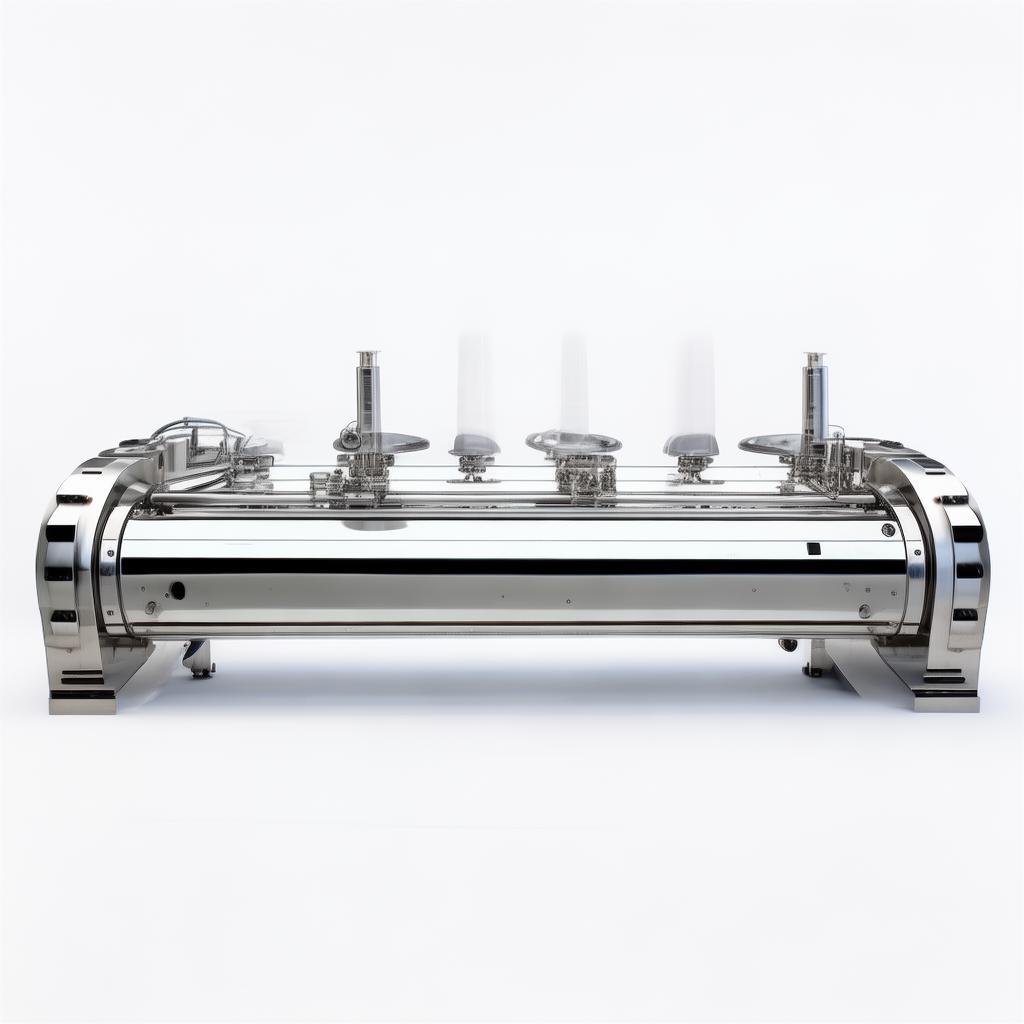
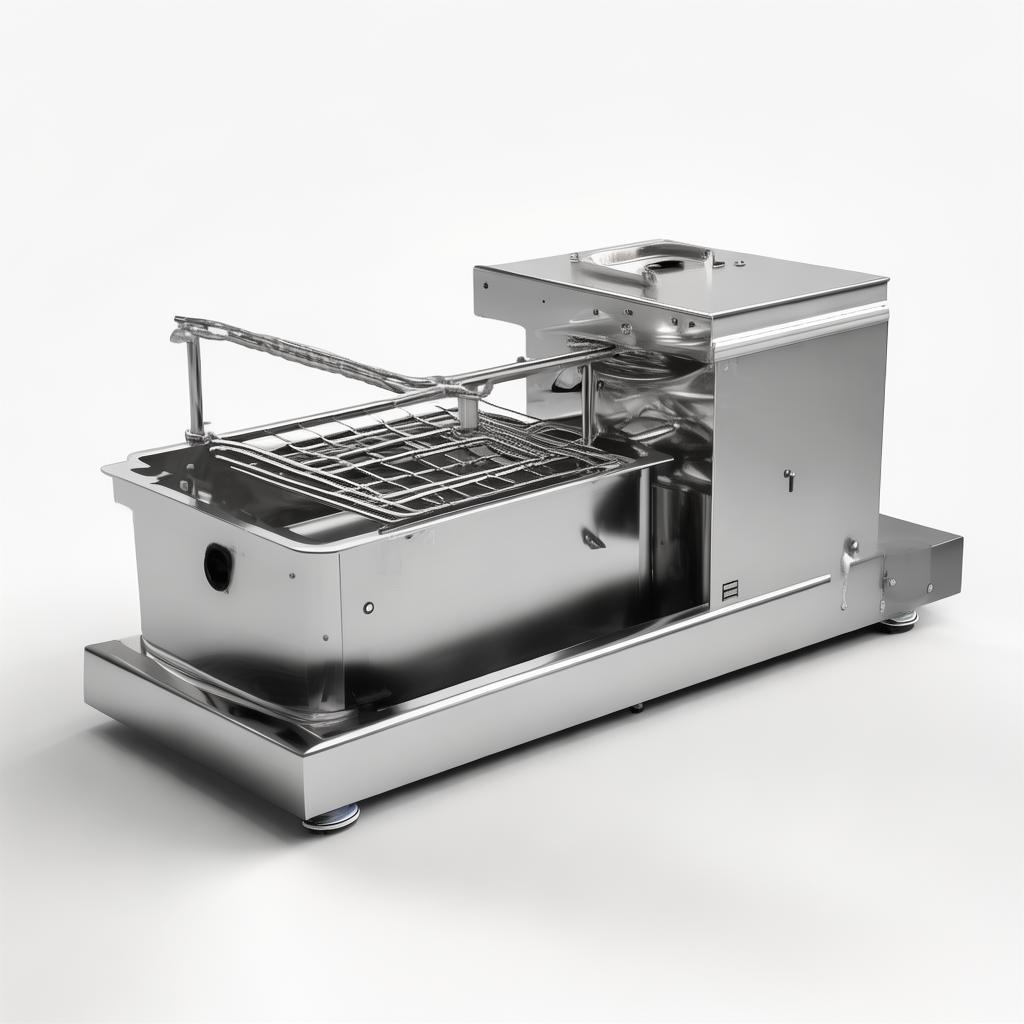
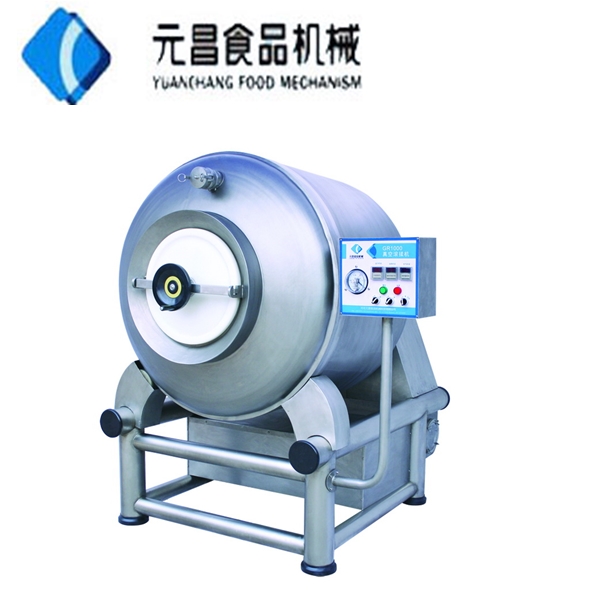
vacuum piston pump rotary claw vacuum pump rotary vane vacuum pump
When faced with the challenges outlined, the rotary piston vacuum pump emerges as a superior solution for many industrial applications due to its inherent design advantages. Its mechanics are elegantly simple yet profoundly effective, leading to a range of benefits that translate directly into operational efficiency and cost savings.
Reliable Deep Vacuum: Unlike some other pump types that may struggle to reach very low pressures, rotary piston pumps are designed to achieve deep vacuum levels, often down to 10^-3 mbar or better in multi-stage configurations. This is critical for processes like vacuum distillation, vacuum drying, and fine metal degassing.
High Throughput and Pumping Speed: The positive displacement action means these pumps can move a significant volume of gas per revolution. This results in rapid evacuation of chambers and quick achievement of desired vacuum levels, which is invaluable for high-cycle operations like automated packaging or quick mold evacuation.
Robustness and Durability: The core design is mechanically sound and built for endurance. With quality materials and precise manufacturing, a rotary piston vacuum pump can operate continuously for extended periods with minimal wear. This is crucial in industries where downtime is exceptionally costly. Our in-house machining workshop, featuring over 20 sets of processing machinery and Japanese Mazak CNC centers, ensures the precision components required for such durability.
Tolerance to Contaminants: While no pump is impervious, rotary piston designs often exhibit better tolerance to particulate matter and process vapors compared to more sensitive pumps like turbomolecular or diffusion pumps. Internal sealing mechanisms and the possibility of oil-flooded designs help in handling some level of contamination, though appropriate gas handling systems are always recommended for aggressive media.
Cost-Effectiveness in the Long Run: While the initial investment might be higher than for basic vacuum generators, the operational lifespan, lower maintenance requirements, and consistent performance of a rotary piston pump often lead to a lower total cost of ownership. This makes them a sound strategic investment for businesses focused on long-term operational efficiency.
Adaptable for Specific Needs: Many manufacturers, including us, offer customization options. This can include specialized materials for wetted parts, integrated accessories like gas ballast valves or inlet filters, and different motor configurations to suit various power requirements and environmental conditions. Understanding your specific application is key to selecting the right configuration.
Consider the procurement decision from an ROI perspective. A pump that lasts longer, requires less servicing, and performs consistently directly contributes to a healthier bottom line. This is why discerning buyers often specify rotary piston technology for critical vacuum applications.
Why Choose Rotary Piston?
- Deep vacuum capability for precise process control.
- Fast response and high gas handling capacity.
- Built for continuous, demanding industrial duty.
- Reduced downtime and maintenance costs over lifespan.
- Good performance even with minor process variations.
Key Technical Specifications to Consider
Selecting the right rotary piston vacuum pump requires a close examination of its technical specifications, ensuring it aligns perfectly with your application's demands. This isn't about simply picking the largest or most powerful; it's about matching performance metrics to process requirements.
Ultimate Pressure: This is the lowest pressure the pump can achieve, typically measured in mbar (millibar) or Torr. For many industrial applications like packaging or degassing, a rough vacuum range (e.g., 1-10 mbar) might suffice. However, for more sensitive processes like vacuum drying or leak detection, a deep vacuum capability (e.g., 10^-2 to 10^-4 mbar) is essential. Multi-stage pumps or those with higher precision machining can achieve lower ultimate pressures.
Pumping Speed: Measured in liters per minute (L/min) or cubic meters per hour (m³/h), this indicates how quickly the pump can remove gas. The pumping speed curve often varies with pressure. It's crucial to select a pump with sufficient speed at your typical operating pressure to ensure rapid process times and efficient evacuation.
Motor Power & Voltage: This determines the pump's drive strength and compatibility with your facility's electrical infrastructure. Pumps are available in single-phase and three-phase configurations, with various voltage and frequency options (e.g., 220V/50Hz, 380V/60Hz) to suit international standards. Ensuring the motor is adequately sized for the pump's load is vital for longevity.
Inlet/Outlet Connections: Standardized fittings (e.g., KF, NPT) simplify integration with your existing vacuum lines. Ensuring proper sizing prevents flow restrictions and pressure drops.
Oil Type/Lubrication: Rotary piston pumps are often oil-lubricated for internal sealing and cooling. The type of oil used is critical for performance, especially at low pressures and high temperatures. Vacuum pump oils with low vapor pressure are essential. Some models offer gas ballast functionality to help purge condensable vapors, protecting the oil and pump internals.
Cooling Method: Pumps can be air-cooled (often with a fan) or water-cooled. Air-cooled units are simpler to install, while water-cooled systems are generally more efficient for higher power pumps or in environments where ambient air temperature is high.
Materials of Construction: For standard industrial applications, cast iron and steel are common. However, for corrosive environments, pumps with stainless steel components or specialized coatings might be necessary.
Noise Level: Measured in decibels (dB), this can be a significant factor in workplace environments. Modern designs often incorporate sound-dampening features.
Example Specification Table:
| Specification | Model A (Basic) | Model B (High Performance) |
|---|---|---|
| Ultimate Pressure (mbar) | 1 x 10⁻² | 1 x 10⁻⁴ |
| Pumping Speed (L/min) | 50 | 150 |
| Motor Power (kW) | 1.1 | 3.0 |
| Voltage (V/Hz) | 220/50 | 380/60 |
| Inlet Connection | NW25 | NW40 |
When reviewing specifications, always ask for a detailed performance curve that shows pumping speed across the relevant pressure range. This is far more informative than a single number. Requesting detailed datasheets from potential suppliers is a crucial step in the procurement process.
Where Rotary Piston Vacuum Pumps Excel: Diverse Industrial Applications
The versatility and reliability of rotary piston vacuum pumps make them indispensable across a broad spectrum of industries. Their ability to achieve consistent, deep vacuum levels under varying conditions ensures they are a top choice for processes where precision and uptime are critical. We often see them deployed in applications that demand the highest standards.
Food Processing & Packaging: This is a major area. Vacuum is essential for extending shelf life through vacuum packaging, removing air to prevent oxidation and spoilage. It's also used in processes like vacuum deaeration of liquids, vacuum filling of products like sausages and doughs, and vacuum cooling of baked goods. In the context of the meat processing equipment market, which is projected to reach over USD 17 billion by 2034, efficient vacuum systems are fundamental for creating high-quality, safe, and long-lasting products.
Industrial Manufacturing: Many manufacturing lines rely on vacuum for material handling (vacuum lifting), plastic thermoforming and vacuum forming, impregnation of porous materials (e.g., wood, concrete), and vacuum degassing to remove trapped air from resins or composites. The requirement for high throughput here is often met by rotary piston technology.
Medical and Laboratory Equipment: While higher vacuum applications in research might use different technologies, many standard laboratory operations benefit from rotary piston pumps. This includes vacuum ovens for drying samples, vacuum filtration setups, aspiration systems, and degassing of solvents. Reliability and ease of maintenance are key here.
Semiconductor Manufacturing: Although the most critical vacuum levels in semiconductor fabrication are achieved with specialized equipment, rotary piston pumps are often used in less demanding stages, such as wafer handling, component cleaning, and vacuum testing of smaller parts.
Printing and Automation: Vacuum is used for holding down materials on printing beds, pick-and-place automation systems utilizing vacuum grippers, and in automatic paper feeding mechanisms to ensure precise material alignment.
Aerospace and Automotive: Applications include vacuum potting of electronic components, vacuum brazing, and testing of seals and components for air or fluid leaks.
The common thread across these diverse applications is the need for a robust, reliable vacuum source that can deliver consistent performance. For procurement managers, identifying which application requirements best match the strengths of a rotary piston pump is a strategic decision. It’s about selecting equipment that enables, rather than hinders, your core processes.
Popular Applications Include:
- Vacuum Packaging (Food, Medical Devices)
- Vacuum Degassing and Deaeration
- Material Handling (Vacuum Lifts)
- Vacuum Forming and Molding
- Industrial Automation (Grippers)
- Vacuum Ovens and Drying
- Leak Detection Systems
Sourcing Smart: Procurement Tips for Rotary Piston Vacuum Pumps
Procuring industrial equipment, especially critical components like vacuum pumps, involves more than just comparing prices. For international buyers, navigating the complexities of quality, reliability, logistics, and after-sales support requires a strategic approach. Drawing from our extensive experience, here are key considerations for making a sound purchase.
Define Your Requirements Clearly: Before engaging with suppliers, have a precise understanding of your application's needs. What is the required ultimate pressure? What is the gas flow rate at your operating pressure? What type of gases will be pumped? Are there any contaminants or vapors present? What are your site's power specifications?
Evaluate Manufacturer Experience and Reputation: Look for suppliers with a proven track record in manufacturing vacuum pumps. Companies that have been in operation for decades, like Hebei Yuanchang (since 1986), often possess deep technical expertise and a stable production capability. Check for industry certifications (e.g., ISO 9001) and customer testimonials.
Technical Documentation and Support: A reputable supplier will provide comprehensive technical documentation, including detailed datasheets, performance curves, operation manuals, and maintenance guides. Furthermore, assess their technical support capabilities. Can they offer pre-sales advice and responsive after-sales service?
OEM/ODM Capabilities: If you have unique requirements or need integration into a larger system, inquire about OEM (Original Equipment Manufacturer) and ODM (Original Design Manufacturer) services. Companies with strong R&D and in-house machining capabilities, like ours with advanced CNC centers, can often provide custom solutions tailored to your exact specifications.
Certifications and Compliance: Ensure the pumps meet relevant international standards (e.g., CE for Europe, UL for North America). Compliance is critical for smooth import and safe operation.
Logistics and Lead Times: Understand the production lead times and the shipping options available. For international orders, factor in transit times, customs clearance, and import duties. A reliable supplier will have established export procedures and can provide accurate shipping estimates.
After-Sales Service and Spare Parts: This is often overlooked but is crucial for long-term operational continuity. Can the supplier provide essential spare parts quickly? Do they offer repair services or guidance for field maintenance?
Request for Quotation (RFQ) Process: When submitting an RFQ, be thorough. Include all your technical requirements, desired quantities, delivery locations, and any specific clauses. A detailed RFQ helps suppliers provide accurate quotes and reduces misunderstandings later.
The global market for meat processing equipment, for instance, is driven by automation and hygiene standards. This implies a need for suppliers who understand these broader industry trends and can provide equipment that integrates seamlessly into modern, compliant production lines. Choosing a supplier is about building a partnership, not just a transaction.
Your RFQ Checklist:
- Detailed Application Needs
- Performance Specifications (Pressure, Flow)
- Power Requirements & Certifications
- Lead Time & Shipping Terms
- After-Sales Support & Spare Parts Availability
- Customization/OEM Options
Behind the Pump: Our Manufacturing Strength and Expertise
At Hebei Yuanchang Food Mechanism & Technology Co., Ltd., our foundation in manufacturing is built on decades of experience and a commitment to precision engineering. While our primary focus is on meat processing equipment, the same rigorous standards and advanced machining capabilities that define our core products are applied to every component we produce, including critical vacuum system elements.
With a facility spanning approximately 14,000 square meters and a dedicated team of 80-100 skilled professionals, we integrate R&D, production, and sales. Our journey began in 1986, accumulating invaluable practical knowledge and expertise in complete production lines over 40 years. This deep operational understanding allows us to not only build robust machinery but also to appreciate the critical role of every sub-component, including vacuum pumps.
Our in-house machining workshop is the heart of our manufacturing precision. It houses over 20 sets of advanced processing machinery, including:
- High-precision lathes and milling machines.
- High-precision grinding machines for critical tolerances.
- Boring machines for accurate internal diameters.
- Plate shears and bending machines for fabrication.
- Wire cutting equipment for complex geometries.
Crucially, in 2012, we invested in 8 sets of Japanese Mazak CNC machining centers. This significant upgrade allows us to undertake the production of high-standard components that demand large volumes, exceptional precision, and non-standard specifications. This capability is vital for producing vacuum pump components that meet the tightest tolerances required for deep vacuum performance and long service life.
We understand that for international buyers, traceability and assurance are paramount. Our traceable after-sales management system ensures that every part we produce is accounted for. This allows us to independently produce high-precision components, guaranteeing worry-free after-sales service and ready availability of critical spare parts.
Whether you require a standard rotary piston vacuum pump or a custom-engineered solution integrated into a larger processing line, our manufacturing infrastructure and experienced team are equipped to deliver. We apply the same dedication to quality and precision that has made us a trusted name in industrial machinery for four decades.
Our Manufacturing Commitments:
- 40 Years of Industrial Manufacturing Experience (Since 1986).
- State-of-the-art Machining: Over 20 conventional machines + 8 Japanese Mazak CNC Centers.
- High Precision: Capable of producing non-standard, high-tolerance components.
- Integrated Production: R&D, manufacturing, and sales under one roof.
- Traceable Quality Control: Ensuring every part meets stringent standards.
Operational Realities: Installation and Maintenance Insights
Getting a high-performance rotary piston vacuum pump is only half the battle; ensuring it operates optimally and reliably over its lifespan requires attention to installation and routine maintenance. These aren't complex, black-box systems. With the right approach, they are quite manageable, even for facilities with limited specialized personnel.
Installation Best Practices:
- Location: Install the pump in a clean, dry, well-ventilated area with ambient temperatures within the manufacturer's specified range. Avoid dusty or corrosive environments. Ensure sufficient clearance around the pump for cooling and maintenance access.
- Mounting: Mount the pump on a solid, level foundation to minimize vibration. Anti-vibration mounts can further reduce noise and stress on the system.
- Electrical Connections: Ensure power supply matches the pump's specifications (voltage, phase, frequency). Use appropriately sized wiring and circuit protection. Consult a qualified electrician if unsure.
- Vacuum Line Connection: Use piping and fittings that are clean, leak-free, and appropriately sized to avoid restricting gas flow. Consider inlet filters to protect the pump from particulate matter. For processes involving condensable vapors, gas ballast valves or appropriate condensers should be installed.
- Exhaust Management: Route the exhaust away from work areas and sensitive equipment. Depending on the application and local regulations, exhaust filtration or scrubbing might be necessary.
Routine Maintenance Essentials:
- Oil Level Checks and Changes: Oil is critical for lubrication and sealing in most rotary piston pumps. Regularly check the oil level and ensure it is clean. Follow the manufacturer's recommendations for oil type and change intervals. Contaminated or degraded oil is a primary cause of pump failure.
- Filter Replacement: Inlet and oil mist eliminator filters should be inspected and replaced as recommended. Clogged filters reduce performance and can lead to internal damage.
- Seal Inspection: Periodically inspect internal and external seals for signs of wear or leakage. Replacing seals proactively can prevent more significant issues.
- Vibration and Noise Monitoring: Unusual increases in vibration or noise can indicate a developing problem, such as bearing wear or rotor imbalance. Address these symptoms early.
- Performance Checks: Periodically verify the pump's ultimate pressure and pumping speed. A gradual decline in performance often points to wear or contamination issues that require attention.
Proactive maintenance is significantly more cost-effective than reactive repairs. A well-maintained pump not only performs better but also lasts considerably longer, reducing your overall operational expenditure. Our commitment to providing traceable parts means you can always source genuine components for your maintenance needs.
What Our Clients Say
We value the feedback from our partners. Hearing about how our equipment performs in real-world industrial settings helps us continuously improve.

"We've been using their vacuum pumps in our automated packaging lines for over two years now. The consistency in maintaining vacuum pressure is excellent, leading to fewer seal failures and less product spoilage. Delivery was as promised, and their export team was very helpful with documentation."
Mark T.Operations Manager, Packaging Solutions Inc.

"Sourcing reliable industrial equipment from overseas can be daunting, but Hebei Yuanchang made it straightforward. Their rotary piston pumps are robust and have significantly improved our vacuum degassing process for specialty resins. The technical support team answered all our queries promptly."
Sarah L.Procurement Director, Advanced Materials Corp.

"We needed a high-performance vacuum pump for a critical stage of our food production line. After evaluating several options, we chose Hebei Yuanchang due to their stated precision manufacturing capabilities. The pump has met all our performance expectations and has been running flawlessly. Highly recommended for industrial applications."
David R.Lead Engineer, Gourmet Foods International
Frequently Asked Questions
Q1: What is the primary difference between a rotary vane and a rotary piston vacuum pump?
While both are positive displacement pumps, rotary vane pumps use sliding vanes within a rotor, whereas rotary piston pumps use eccentric rotors that move within a cylinder. Rotary piston pumps often offer higher ultimate vacuum levels and greater robustness for certain applications, while rotary vane pumps can be simpler and more cost-effective for basic rough vacuum tasks.
Q2: Can a rotary piston vacuum pump handle wet or dirty gases?
Rotary piston pumps, especially oil-lubricated models, have a better tolerance for some level of moisture and particulate matter than dry pumps. However, for heavily contaminated or corrosive gases, specialized materials, gas ballast, inlet filters, or external condensers are highly recommended to protect the pump and ensure longevity. Always consult the manufacturer for specific media compatibility.
Q3: How often should I change the oil in my rotary piston vacuum pump?
This depends heavily on the operating conditions and the specific pump model. A general guideline for lightly loaded, clean applications might be every 3-6 months. However, if you're pumping process vapors, hot gases, or operating the pump at its limits, oil changes could be required much more frequently, possibly even weekly or daily. Always refer to your pump's operation manual for the manufacturer's specific recommendations.
Q4: What are the main considerations for selecting the right size pump?
You need to consider the volume of the chamber to be evacuated, the desired evacuation time, and the pressure you need to achieve. Calculate the total gas load at your operating pressure. The pump's pumping speed curve is critical here; ensure the pump can deliver sufficient flow rate at your target vacuum level within your required timeframe. It's often better to slightly oversize than undersize a pump.
Q5: Do you offer OEM/ODM services for vacuum pumps or related components?
Yes, Hebei Yuanchang has extensive OEM/ODM capabilities. Our advanced CNC machining centers and experienced engineering team allow us to develop and manufacture custom vacuum pump components or complete units tailored to specific client requirements or integrated into larger machinery. Please contact our sales team to discuss your project needs.
Ready to Enhance Your Vacuum Processes?
Discover how our high-performance rotary piston vacuum pumps can optimize your industrial operations, improve product quality, and reduce downtime.
We look forward to discussing your specific vacuum needs and providing a tailored solution.