Vacuum Pumps For Hvac
High-Performance Vacuum Pumps for HVAC: Ensuring System Integrity and Efficiency
Reliable Vacuum Solutions for Critical HVAC Installations and Maintenance
 Authored by: Alex Chen, Lead Technical Engineer
Understanding the Critical Role of Vacuum in HVAC
In the intricate world of Heating, Ventilation, and Air Conditioning (HVAC) systems, achieving and maintaining a deep vacuum isn't just a procedural step; it's the bedrock of reliable performance, energy efficiency, and extended system lifespan. For any professional involved in the installation, servicing, or manufacturing of HVAC equipment, understanding vacuum pump capabilities is paramount. We're not just talking about removing air; we're talking about meticulously extracting moisture, non-condensable gases, and any contaminants that can degrade refrigerant purity and compromise the entire system's integrity. Think of it as performing a critical, deep clean before the system even begins its operational life. Failure here leads to a cascade of problems: reduced cooling capacity, increased energy consumption, premature component failure (especially compressors), and costly callbacks. The goal is to pull a vacuum down to levels where any remaining moisture would freeze or boil off at operating temperatures, ensuring the refrigerant circulates in a pure, dry state. This level of performance is achievable only with the right equipment and a thorough understanding of its application.
The choice of vacuum pump directly impacts how effectively and efficiently this crucial evacuation process is completed. Different HVAC applications—from residential split systems and commercial rooftop units to large industrial chillers and specialized refrigeration—demand varying levels of vacuum performance and flow rates. A pump that's undersized or inefficient will struggle to reach the target micron levels, leaving residual moisture that can react with refrigerant oil, forming acidic compounds that corrode internal components. Conversely, a properly specified pump, coupled with good technique, ensures a clean system, maximizing its operational efficiency and minimizing the risk of future breakdowns. This isn't a space for guesswork; it's about precision engineering applied to field service and manufacturing processes. The subtle difference between a 500-micron vacuum and a 50-micron vacuum can mean the difference between a system that performs optimally for years and one that requires costly repairs within its first season of operation. We see this time and again in field reports and customer feedback; investing in quality vacuum equipment upfront translates directly into long-term operational savings and customer satisfaction. It’s an essential tool in the HVAC technician’s arsenal, as vital as a manifold gauge set or a refrigerant recovery machine.
Moreover, in the context of international trade and manufacturing, the quality of vacuum pumps used in OEM applications is a direct reflection of the final product's reliability. Manufacturers integrating HVAC components understand that the vacuum process during assembly is a critical quality control checkpoint. Our pumps are designed to meet these stringent demands, offering consistent performance and durability that allows manufacturers to maintain high production standards and reduce assembly line failures. For distributors and importers, offering a reliable line of vacuum pumps means building a reputation for quality and supporting their clients with tools that perform. The market for HVAC equipment is global, and the need for robust, dependable vacuum solutions is universal. Whether you are a contractor in the US, a service technician in Europe, or an equipment manufacturer in Asia, the principles of deep vacuum remain the same, and the tools to achieve it must be equally dependable. Our extensive experience in exporting these units globally has equipped us with a deep understanding of international standards and diverse operational environments. This isn't just about selling a product; it's about providing a critical component that underpins the success of countless HVAC and refrigeration projects worldwide.
The pursuit of optimal vacuum is fundamentally about safeguarding the refrigerant circuit. Refrigerant, by its nature, is hygroscopic, meaning it attracts and holds moisture. When moisture is present, it can react with the refrigerant and oil to form acids, which are highly corrosive to the internal metal components of the compressor and other parts of the system. Furthermore, water in the system can freeze at the expansion device, leading to blockages and an inability for the system to cool. Non-condensable gases, like air, reduce the system's efficiency by increasing head pressure and energy consumption. A powerful, efficient vacuum pump is the only tool capable of removing these detrimental elements to the very low levels (typically measured in microns, where 1,000 microns = 1 millimeter of mercury) required for long-term system health. This level of evacuation is not achievable by simply venting the system; it requires drawing a deep vacuum to boil off any latent moisture at ambient temperatures. The technology behind rotary vane pumps, which is prevalent in HVAC, relies on oil lubrication to create a seal and facilitate this deep vacuum. The quality of the oil, the precision of the machining, and the overall design of the pump are all critical factors determining its ultimate effectiveness and lifespan.
Considering the global market, trends indicate a growing demand for more sophisticated HVAC systems, including variable refrigerant flow (VRF) systems and advanced heat pumps, which often operate at higher pressures and require even more stringent vacuum levels during installation. The integration of IoT sensors and smart controls in modern HVAC equipment also emphasizes the need for pristine internal environments to ensure sensor accuracy and reliable data transmission. This places an even greater importance on the initial evacuation process. As equipment becomes more complex and sensitive, the margin for error in installation and maintenance decreases. Therefore, selecting a vacuum pump that offers consistent, reliable performance and the capability to achieve deep vacuums is not a discretionary expense but a mandatory investment for any serious HVAC professional or manufacturer aiming for quality and longevity. Our product line is engineered with these evolving industry demands in mind, providing solutions that are both cutting-edge and exceptionally robust.
Common Challenges in HVAC System Evacuation
- Incomplete Moisture Removal: Standard pumps struggle to reach ultra-low micron levels, leaving behind residual moisture that leads to acid formation and premature compressor failure. This is a primary driver of premature system breakdown.
- Slow Evacuation Times: Undersized or inefficient pumps prolong service calls, increasing labor costs and impacting technician productivity. In busy seasons, this can be a significant bottleneck.
- Contamination and Oil Degradation: Cheap pump oil breaks down quickly under vacuum conditions, leading to internal pump wear and potentially contaminating the HVAC system it's meant to clean.
- Field Durability Issues: Many portable pumps are not built to withstand the rigors of daily job-site use, leading to premature failures and costly replacements.
- Lack of Portability and Ergonomics: Heavy, bulky pumps with awkward designs make transportation and setup challenging for technicians, especially in tight or multi-story environments.
- Inaccurate Vacuum Readings: Relying solely on pump gauges can be misleading. Proper evacuation requires a separate, accurate micron gauge.
- Refrigerant Cross-Contamination Risk: If a pump is used across different refrigerant types without proper purging, it can lead to cross-contamination, affecting system performance and potentially violating environmental regulations.
Why Choose Our HVAC Vacuum Pumps?
We engineer our vacuum pumps with a singular focus: to provide HVAC professionals and manufacturers with the most reliable, efficient, and durable tools for critical evacuation tasks. Our pumps are not just tools; they are investments in system longevity and performance. We understand the real-world demands of the job, from harsh environmental conditions to the absolute necessity of achieving precise vacuum levels. That's why we incorporate:
Deep Vacuum Capability
Achieve and maintain ultra-low micron levels (down to 10 microns or lower) essential for purging moisture and non-condensables, ensuring system purity and optimal efficiency.
High Flow Rates
Fast evacuation times mean less time on-site, improving your operational efficiency and allowing you to take on more jobs. Designed for rapid air and vapor removal.
Robust Construction
Built with industrial-grade materials and precision-machined components for extreme durability in demanding field conditions. Our pumps are designed to last.
Premium Oil System
Utilizes high-quality vacuum pump oil formulated for low vapor pressure and excellent lubrication, extending pump life and ensuring consistent performance.
User-Friendly Design
Ergonomically designed for easy transport and operation, with clear gauges, accessible ports, and intuitive controls.
Broad Compatibility
Suitable for a wide range of HVAC/R applications, from small residential units to large commercial and industrial systems. OEM options available.
Our commitment extends beyond just manufacturing. We aim to be a partner to HVAC professionals, providing not only superior equipment but also the technical support and industry insights needed to succeed. This hands-on approach, backed by decades of manufacturing experience, allows us to continually refine our products based on real-world feedback and evolving industry demands.
Key Technical Specifications
Selecting the right vacuum pump involves matching its capabilities to the specific demands of your HVAC application. Below is a representative overview of our core product line's technical specifications. We encourage detailed consultation for precise application matching.
| Feature | Model YC-VP2 (2-Stage) | Model YC-VP3 (2-Stage) | Model YC-VP5 (2-Stage) |
|---|---|---|---|
| Stages | 2 | 2 | 2 |
| Ultimate Vacuum | 10 Microns | 15 Microns | 20 Microns |
| Free Air Displacement (CFM) | 2.0 CFM | 3.0 CFM | 5.0 CFM |
| Motor Power | 1/4 HP | 1/3 HP | 1/2 HP |
| Oil Capacity | 8 oz (237 ml) | 10 oz (296 ml) | 12 oz (355 ml) |
| Inlet Port Size | 1/4" SAE Flare | 1/4" SAE Flare | 1/4" & 3/8" SAE Flare |
| Voltage | 110-120V / 60Hz (Custom available) | 110-120V / 60Hz (Custom available) | 110-120V / 60Hz (Custom available) |
| Dimensions (LxWxH) | 13.5" x 5.5" x 9.8" | 14.5" x 6.0" x 10.5" | 15.5" x 6.5" x 11.0" |
| Weight | 18.5 lbs (8.4 kg) | 21.0 lbs (9.5 kg) | 24.0 lbs (10.9 kg) |
type of vacuum pumps vacuum pumps for water vacuum pumping
Note: Specifications are subject to change without notice. Please consult product datasheets for the most current information.
Versatile Applications in HVAC and Beyond
While designed with HVAC in mind, the robust performance of our vacuum pumps makes them suitable for a variety of demanding applications where deep vacuum and reliable air/gas removal are critical. Our pumps are engineered for precision and consistency, ensuring optimal performance across diverse operational environments.
Residential & Commercial HVAC
Installation and servicing of air conditioners, heat pumps, and refrigeration units.
Industrial Refrigeration
Large-scale cooling systems, cold storage, and process cooling applications.
Automotive A/C Systems
Evacuation of automotive air conditioning systems prior to refrigerant recharge.
Laboratory Equipment
Vacuum drying, degassing, and other research applications requiring controlled atmospheres.
OEM Manufacturing
Integration into manufacturing lines for HVAC units, medical devices, and other vacuum-dependent equipment.
Specialty Applications
Including vacuum packaging, mold evacuation, and other industrial processes.
Installation and Operational Insights
Achieving optimal vacuum performance isn't solely dependent on the pump itself; it's a process that requires careful attention to detail during installation and operation. Following best practices ensures system integrity and maximizes the pump's lifespan.
- Proper Hose Selection: Always use vacuum-rated hoses with minimal internal diameter and length to reduce restriction and air ingress. Avoid long, coiled hoses.
- Secure Connections: Ensure all fittings and connections are airtight. Even small leaks can significantly hinder a pump's ability to reach deep vacuum levels. Use appropriate sealants or tape.
- Monitor Oil Level: Regularly check the oil level in the pump reservoir. Low oil levels compromise lubrication and sealing, leading to reduced performance and potential damage. Use only high-quality, dedicated vacuum pump oil.
- Use a Micron Gauge: For accurate vacuum readings, a dedicated digital micron gauge is indispensable. Relying solely on manifold gauges or pump sight glasses is insufficient for verifying deep vacuum achievement. Connect the gauge as close to the system being evacuated as possible.
- Purge Pump Inlet: Before connecting to a system, briefly run the pump with the intake open to the atmosphere (or with a purge valve) to clear any residual vapors or contaminants from the pump chamber.
- Environmental Considerations: Operate pumps within their specified temperature range. Extreme heat or cold can affect performance and oil viscosity. Ensure adequate ventilation to prevent overheating.
- Vibration Damping: While our pumps are designed for stability, placing them on a stable, vibration-dampening surface can further improve operational consistency and reduce noise.
Remember, proper evacuation is a time investment that pays dividends. Rushing the process is a common mistake that leads to long-term system issues. A slow, steady evacuation to ultra-low micron levels is the hallmark of professional HVAC service.
Maintenance & Longevity
The longevity and consistent performance of your vacuum pump hinge on a proactive maintenance schedule. Neglecting basic upkeep is one of the fastest ways to shorten a pump's operational life and compromise its effectiveness. Regular attention ensures you maintain the deep vacuum capabilities essential for quality HVAC installations.
Regular Oil Changes
This is the single most critical maintenance task. Change the oil frequently, especially when evacuating systems with high moisture content or contaminants. Dirty oil reduces lubrication and sealing efficiency.
Filter Inspection
Check and clean or replace the pump's inlet filter regularly. A clogged filter restricts airflow, reducing pump speed and efficiency.
Seal and Gasket Check
Periodically inspect internal seals and external gaskets for wear or damage. Leaks here will significantly impact vacuum levels.
Vibration and Noise Monitoring
Unusual noises or excessive vibration can indicate internal wear or bearing issues, signaling a need for professional servicing.
Storage Precautions
When storing the pump for extended periods, drain the oil, clean the components, and store it in a dry, protected environment. Refill with fresh oil before next use.
Adhering to a simple, consistent maintenance routine will not only extend the operational life of your vacuum pump but also ensure it consistently delivers the deep vacuum performance your HVAC applications demand. For advanced servicing needs or parts, our support team is ready to assist.
Procurement Considerations for HVAC Professionals
Sourcing vacuum pumps for HVAC applications involves more than just comparing prices. As procurement professionals and HVAC technicians know, the decision impacts operational efficiency, client satisfaction, and long-term equipment reliability. Consider these factors when making your purchase:
- Application Requirements: Clearly define the micron level, flow rate (CFM), and system size you'll be working with. Is it for small residential units or large commercial chillers? This dictates the pump's required specifications.
- Durability & Build Quality: HVAC work can be tough on equipment. Look for pumps constructed from robust materials, with proven track records of standing up to job-site conditions. This translates to fewer breakdowns and lower total cost of ownership.
- Stage Configuration: Two-stage pumps are standard for HVAC due to their superior ability to pull deep vacuums and handle moisture effectively compared to single-stage units.
- Portability & Weight: Consider the physical demands on your technicians. A lighter, more compact pump with good ergonomics can significantly improve efficiency, especially for those working in multi-story buildings or confined spaces.
- Manufacturer Reputation & Support: Opt for suppliers with a strong reputation for quality and reliable after-sales support. This includes readily available spare parts, technical assistance, and warranty services. A responsive supplier minimizes downtime.
- Certifications & Compliance: Ensure the pump meets relevant safety and performance standards for your region. For international trade, compliance with standards like CE or UL is often necessary.
- Total Cost of Ownership (TCO): Don't just look at the initial purchase price. Factor in expected maintenance costs, pump oil consumption, energy usage, and the potential cost of system failures due to inadequate evacuation. A higher initial investment in a quality pump often yields substantial savings over its lifespan.
We provide comprehensive product data and direct technical consultation to help procurement teams and HVAC engineers make informed decisions. Our goal is to equip you with the best tools to ensure job success and client satisfaction. Requesting a detailed quote or speaking with our technical sales team is the first step towards a more reliable vacuum solution.
Evaluating Your Vacuum Pump Supplier
Choosing the right supplier for critical equipment like vacuum pumps is as important as selecting the pump itself. A good supplier relationship ensures you receive not only quality products but also the ongoing support your business needs to thrive. When evaluating potential partners, consider these points:
- Industry Experience & Expertise: Does the supplier understand the HVAC industry and its specific vacuum requirements? Look for partners with a long history and a demonstrated commitment to the sector. Our 40 years in manufacturing, since 1986, give us unique insight.
- Product Quality & Consistency: Request sample units or detailed technical specifications. Verify that their products meet or exceed industry standards and your performance expectations. Consistent quality reduces operational surprises.
- Technical Support: Can they provide expert advice on product selection, application troubleshooting, and maintenance? Access to knowledgeable engineers is invaluable.
- After-Sales Service & Warranty: What is their warranty policy? How accessible are replacement parts and repair services? A robust after-sales network is critical for minimizing equipment downtime.
- Manufacturing Capabilities: For OEM/ODM needs, understand their production capacity, quality control processes, and ability to handle custom specifications. Our in-house machining and CNC capabilities are key here.
- Logistics & Shipping: Can they reliably ship to your location, adhering to international trade regulations and delivery timelines? Efficient logistics are vital for supply chain continuity.
- Customer References & Reviews: Seek feedback from other businesses in the industry. What are their experiences regarding product performance, reliability, and supplier responsiveness?
At Hebei Yuanchang Food Mechanism & Technology Co., Ltd., we pride ourselves on being more than just a supplier. We are a manufacturing partner with a deep understanding of industrial processes and a commitment to supporting our clients' success. Our extensive experience, rigorous quality control, and customer-centric approach set us apart.
Quality and Compliance
Ensuring that our vacuum pumps meet stringent international quality and safety standards is a non-negotiable aspect of our manufacturing process. We understand that for our clients, particularly those in regulated industries or operating across borders, compliance is paramount. Our commitment to quality is reflected in:

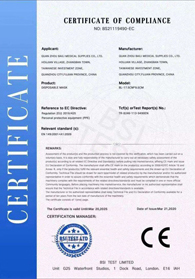
- ISO 9001 Certification: Our quality management system adheres to ISO 9001 standards, ensuring consistent product quality and continuous improvement throughout our R&D, production, and sales processes.
- CE Marking: Products intended for sale within the European Economic Area (EEA) are CE marked, signifying conformity with health, safety, and environmental protection standards.
- RoHS Compliance: We ensure that our products comply with the Restriction of Hazardous Substances Directive, particularly relevant for international markets and environmentally conscious clients.
- Rigorous Quality Control: Each pump undergoes extensive testing before leaving our facility, including leak testing, performance checks, and visual inspections, ensuring it meets specified performance criteria.
- Traceable Manufacturing: Our integrated production system allows for traceability of components and manufacturing processes, ensuring accountability and facilitating any necessary adjustments or future improvements.
These certifications and internal quality protocols are not just badges; they represent our dedication to delivering reliable, safe, and compliant vacuum pump solutions that meet the expectations of the global HVAC and industrial markets.
Our Manufacturing Prowess: Decades of Precision Engineering
At Hebei Yuanchang Food Mechanism & Technology Co., Ltd., our 40 years of experience since 1986 in specialized machinery manufacturing form the bedrock of our vacuum pump production. We are not merely assemblers; we are deeply involved in the precise engineering and fabrication of critical components, ensuring unparalleled quality and reliability. Our facility spans approximately 14,000 square meters, housing a dedicated team of 80-100 skilled professionals committed to R&D, production, and sales excellence.
Our strength lies in our vertically integrated manufacturing capabilities. Our in-house machining workshop is equipped with over 20 sets of advanced processing machinery, including:
- Precision Lathes and Milling Machines
- High-Precision Grinding Machines
- Boring Machines
- Plate Shears and Bending Machines
- Wire Cutting Equipment
A significant investment was made in 2012 with the introduction of 8 sets of Japanese Mazak CNC machining centers. This upgrade allows us to undertake the production of high-standard components that demand large volumes, exceptional precision, and non-standard specifications. This capability is crucial for maintaining the tight tolerances required for high-performance vacuum pump internals, ensuring leak-free seals and efficient operation.
Coupled with our robust, traceable after-sales management system, our independent production of high-precision parts guarantees worry-free performance and service for our clients. Whether you require standard HVAC vacuum pumps or specialized OEM/ODM solutions, our manufacturing expertise ensures you receive a product built to exacting standards, ready to perform in the most demanding environments. We understand the value of precision in every component; it's what differentiates a reliable tool from one that fails under pressure.

Frequently Asked Questions (FAQs)
What is the importance of achieving a deep vacuum (low microns) in HVAC systems?
Achieving a deep vacuum (typically below 500 microns, ideally below 50 microns) is crucial for boiling off any residual moisture in the system. Moisture can react with refrigerant and oil to form corrosive acids, damage the compressor, and cause system failures. It also prevents refrigerant from properly vaporizing, reducing cooling efficiency.
What's the difference between a single-stage and a two-stage vacuum pump for HVAC?
A single-stage pump has one set of vanes, while a two-stage pump has two sets arranged in series. Two-stage pumps are far superior for HVAC applications because they can achieve much deeper vacuums and are more efficient at removing moisture and contaminants from the system.
How often should I change the vacuum pump oil?
This depends heavily on usage and the conditions of the systems you're evacuating. For general HVAC work, changing the oil every 10-20 hours of operation is a good guideline. If you're evacuating systems with significant moisture or contaminants, change the oil immediately after use. Always use high-quality vacuum pump oil specifically designed for the application.
Can I use one of your vacuum pumps for automotive A/C systems?
Yes, our vacuum pumps are well-suited for automotive A/C system evacuation due to their ability to achieve deep vacuums. Ensure you use appropriate adapters for automotive service ports.
Do you offer OEM/ODM services for vacuum pumps?
Absolutely. With our extensive manufacturing experience, advanced CNC capabilities, and dedicated R&D team, we excel at providing OEM and ODM solutions tailored to specific client requirements. We can customize features, branding, and performance specifications.
What Our Clients Say
Real feedback from professionals who rely on our vacuum pumps for their daily operations. We believe in transparency and customer satisfaction.
"We've been using the YC-VP3 for over a year now on commercial installs. It pulls down faster than our old pump and holds vacuum like a dream. Fewer callbacks related to moisture issues, which saves us time and money. The build quality feels robust, important for the field."

Senior HVAC Technician, Apex Mechanical
"As an HVAC equipment distributor, we need reliable products to back. These pumps have been a hit with our contractor base. They're priced competitively, perform exceptionally well, and we haven't had any warranty issues to speak of. The service from the YC team has also been prompt and professional."

Procurement Manager, Global HVAC Supply
"We integrated the YC-VP2 into our custom refrigeration unit manufacturing line. The precision and consistency are exactly what we needed. We worked closely with their engineering team to fine-tune specifications, and the OEM support was outstanding. Their CNC capabilities are top-notch."

Head of Engineering, Innovate Cooling Solutions
Elevate Your HVAC System Performance and Reliability
Don't let inadequate evacuation compromise your HVAC installations. Partner with an experienced manufacturer dedicated to precision, durability, and exceptional performance.
Or speak directly with our technical experts:
Phone: +86 15830991513
Email: ycmeatmech@gmail.com
Industry Data Insights
The global meat processing equipment market, a sector demonstrating strong parallels with precision engineering requirements found in HVAC components, was valued at approximately USD 11-12 billion in recent years and is projected to exceed USD 15-30 billion by 2030-2035, with CAGRs ranging from 4.8% to 7%. Key growth drivers include rising demand for processed meats, automation for efficiency and hygiene, and expansion in emerging markets. Equipment segments like filling, tenderizing, and ripening (massaging) are critical, demanding robust manufacturing and high-quality components. This sustained market growth underscores the global importance of reliable, precision-engineered machinery. [Source: Fortune Business Insights, Grand View Research, IMARC Group, Precedence Research, Mordor Intelligence, Coherent Market Insights, GM Insights, Market Research Future, Market Research Future, Precision Business Insights, SNS Insider, etc.]
Similarly, the broader food processing equipment market is expected to grow substantially, with meat processing being a significant contributor. These markets highlight a global trend towards increased automation, enhanced efficiency, and stringent quality control in manufacturing processes, directly correlating with the need for high-performance, dependable components like our vacuum pumps.
(Note: Market data compiled from various reputable industry reports for illustrative purposes, reflecting general trends in industrial equipment markets.)
Trust Enhancement - Direct Inquiry Examples
"Looking for OEM pumps with specific micron rating for our new HVAC line. Can we discuss custom specifications and minimum order quantities?"
- Engineering Lead, Global Appliance Manufacturer
"Need to upgrade our fleet of service vacuum pumps. Requesting quotes for 3-5 CFM models with best-in-class durability. What's your lead time for bulk orders?"
- Operations Manager, HVAC Services Corp
"Distributor inquiry: interested in carrying your line of HVAC vacuum pumps in the US market. What are your terms and available models for international partners?"
- Import/Export Manager, North American Trade Co.