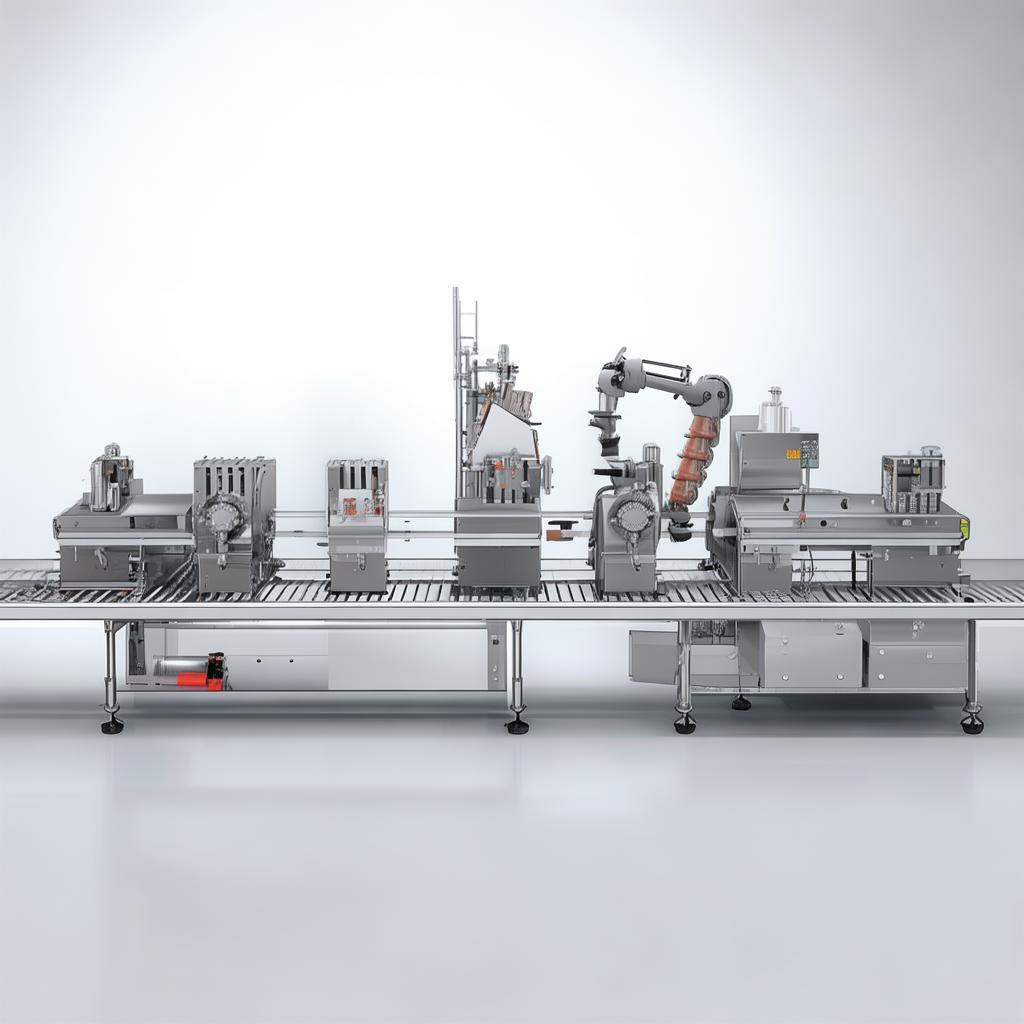
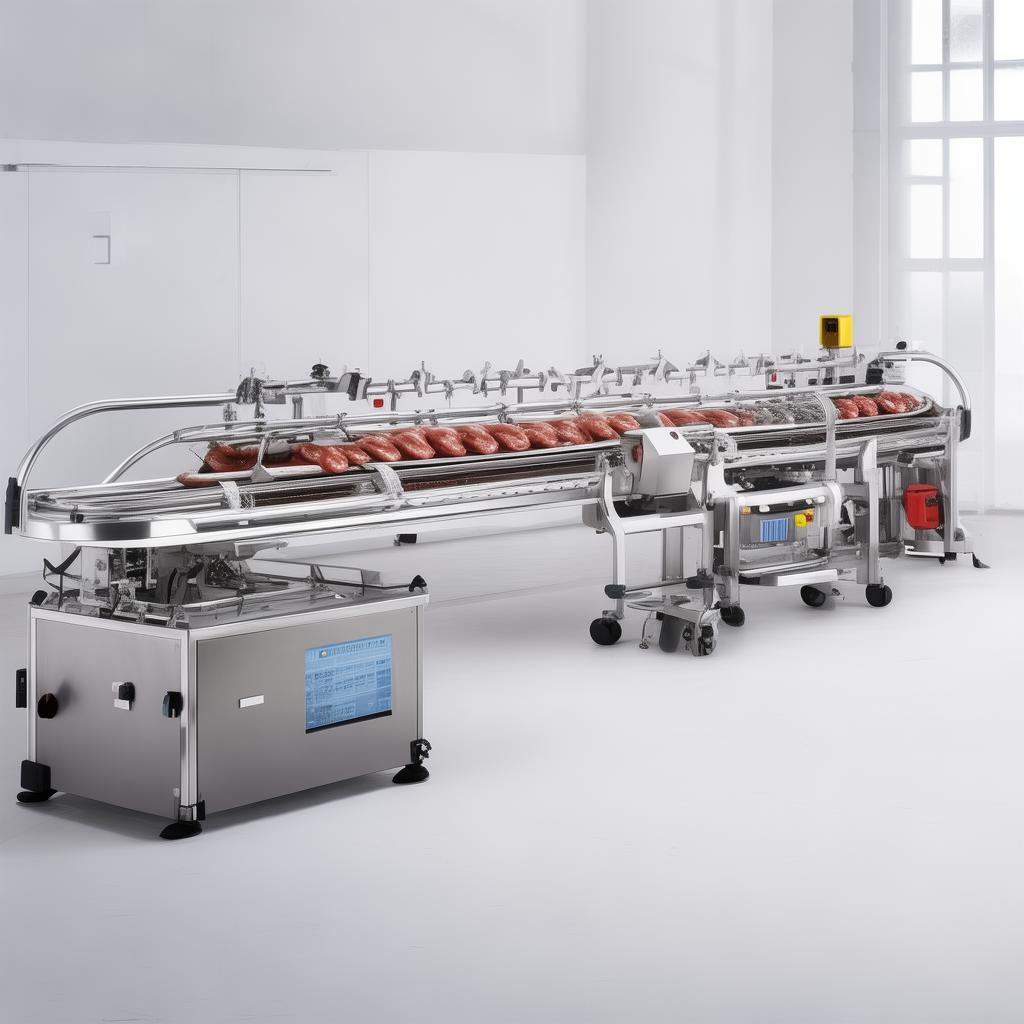
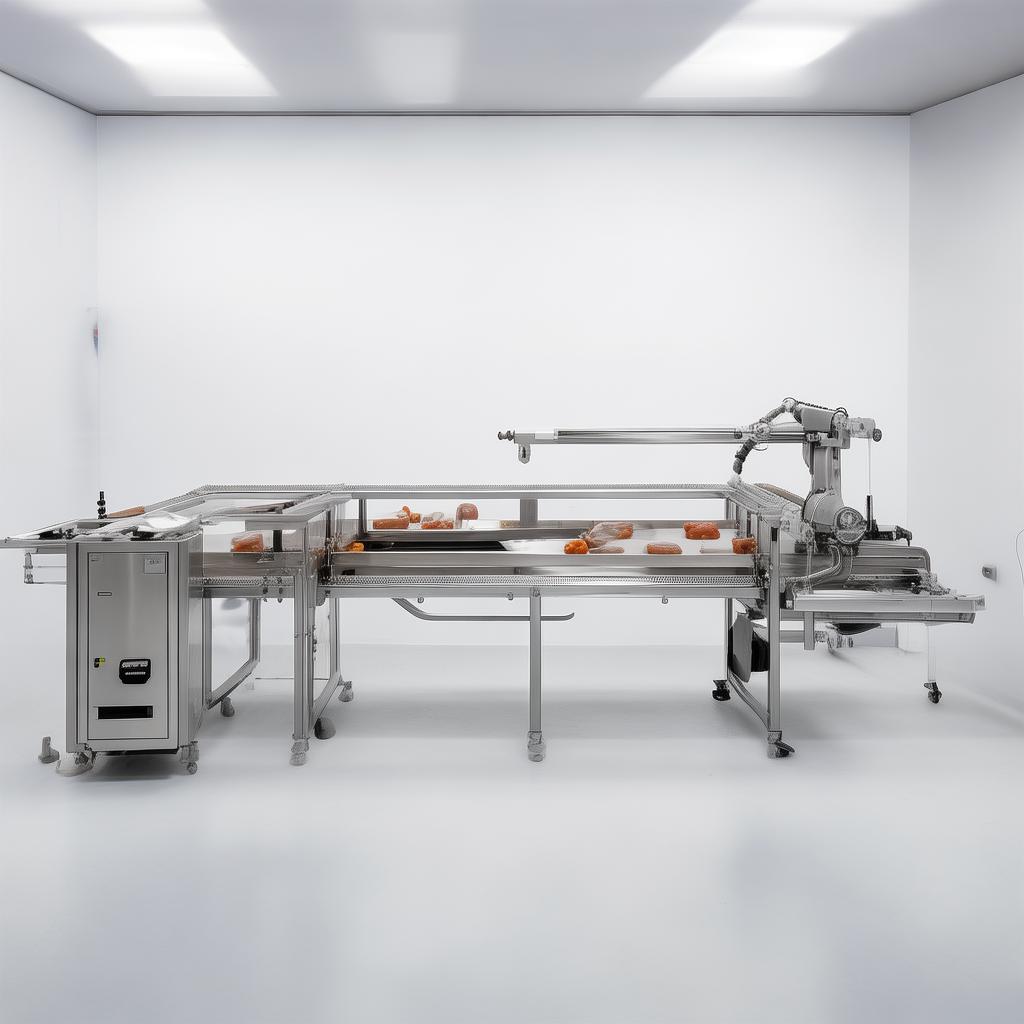
Vacuum Pick And Place
Vacuum Pick and Place Systems: Precision Automation for Industrial Throughput
Enhancing Efficiency and Reliability in Manufacturing and Logistics

By: Alex Chen
Senior Industrial Automation Consultant
The Core of Modern Automation: Vacuum Pick and Place Technology
In today's fast-paced manufacturing and logistics environments, efficiency, precision, and reliability are not just desirable traits – they are absolute necessities. Companies that fail to adapt to these demands risk falling behind competitors, missing critical deadlines, and ultimately impacting their bottom line. The quest for optimized throughput often leads to the exploration of advanced automation solutions. Among these, vacuum pick and place systems stand out as a remarkably versatile and effective technology for handling a wide array of objects, from delicate electronic components to robust industrial parts. These systems leverage a fundamental physical principle – the creation of a partial vacuum – to generate a gripping force, enabling robotic arms or automated machinery to lift, move, and position items with remarkable speed and accuracy.
The global market for meat processing equipment, which heavily relies on precise material handling, illustrates the broader trend. Reports indicate this market was valued at approximately USD 11.29 billion in 2025 and is projected to reach USD 17.39 billion by 2034, with a CAGR of 5.0%. Key segments include filling & stuffing equipment, massaging & tumbling (for ripening/tenderizing), and cutting/grinding machines. Growth is attributed to rising demand for processed meat, automation for hygiene and labor efficiency, and strict food safety standards, especially in Asia-Pacific. Equipment like filling and molding machines are crucial for sausages and formed products, while massaging equipment enhances ripening and texture. This highlights the critical need for reliable material handling solutions that can integrate seamlessly into complex production lines. Vacuum pick and place technology is a prime example of such a solution, capable of handling diverse product shapes and weights within these sophisticated processing environments.
A vacuum pick and place system typically comprises a vacuum generator (like a venturi pump or a vacuum pump), suction cups (grippers), and the necessary control valves and tubing to connect them. The vacuum generator creates a low-pressure area within the suction cup. When the cup is placed against an object's surface, the ambient atmospheric pressure outside the cup becomes greater than the pressure inside, creating a downward force that holds the object securely. This force is often surprisingly strong, capable of lifting objects far heavier than one might intuitively expect, provided the surface is suitably smooth and non-porous. The beauty of this technology lies in its simplicity, its adaptability, and its relatively low cost of implementation, making it an attractive option for businesses looking to automate repetitive handling tasks without a prohibitive capital investment.
Beyond the core mechanics, the operational implications are profound. For instance, in the electronics manufacturing sector, vacuum pick and place is indispensable for handling delicate circuit boards, microchips, and other sensitive components that cannot be gripped by mechanical fingers without damage. The ability to apply a consistent, controlled force without direct contact minimizes the risk of electrostatic discharge (ESD) or physical deformation. Similarly, in the packaging industry, these systems excel at palletizing boxes, picking blister packs, or handling various food items, contributing to faster packing lines and reduced product damage. The meat processing equipment market, projected to reach USD 17.39 billion by 2034, sees significant application in handling various meat products during different stages of processing, underscoring the broad utility of vacuum handling.
From a procurement perspective, understanding the nuances of vacuum technology is key to making an informed decision. Factors like the required lifting capacity, the nature of the surfaces being handled (porosity, texture, temperature), the operating environment (dusty, wet, cleanroom), and the desired cycle times all play a role in selecting the right system. Our extensive experience in providing tailored automation solutions has shown that a poorly specified vacuum system can lead to dropped parts, production delays, and increased maintenance costs. Therefore, a thorough assessment of your specific needs is paramount. For example, when dealing with porous materials, specialized foam or multi-durometer suction cups might be necessary to achieve a reliable seal, or perhaps a different gripping technology altogether is more appropriate. This is where expert consultation becomes invaluable.
The global meat processing equipment market, estimated at USD 11.28 billion in 2024, is driven by factors such as the rising consumption of ready-to-eat meats and the need for automation to address labor shortages and enhance hygiene. Filling & stuffing machines and massaging systems for ripening are identified as high-growth areas, emphasizing the demand for equipment that ensures consistent product quality and food safety. Vacuum handling systems can play a role here, from picking and placing individual food items to manipulating packaging components, contributing to the overall efficiency and safety of these processes. This demonstrates that the principles of precise, automated handling are transferable across a wide spectrum of industries.
We understand that investing in automation is a significant decision. It requires not only capital but also careful planning to ensure seamless integration into existing workflows. Our goal is to provide you with the knowledge and the solutions necessary to make this transition as smooth and beneficial as possible. Whether you are looking to automate a small assembly line, a large-scale logistics operation, or a specialized food processing plant, vacuum pick and place technology offers a compelling pathway to enhanced productivity and reduced operational costs. The insights shared here are drawn from decades of hands-on experience, from the factory floor to the design table, ensuring that the information is not just theoretical but practical and applicable to real-world industrial challenges.
Addressing Operational Bottlenecks: Common Challenges Vacuum Pick and Place Solves
Many operations grapple with inefficiencies that directly impact their output and profitability. Recognizing these pain points is the first step toward identifying effective solutions. For instance, manual handling tasks are often a significant source of these issues. These can include:
- High Labor Costs & Shortages: The expense of employing and training manual labor is considerable, and finding reliable workers for repetitive tasks can be a constant struggle, especially in regions with tight labor markets.
- Product Damage: Human error or inconsistent handling during manual pick and place operations can lead to damaged goods, resulting in waste, customer dissatisfaction, and increased return rates.
- Inconsistent Throughput: Manual processes are inherently variable. Fatigue, breaks, and varying skill levels lead to unpredictable production speeds and batch times.
- Ergonomic Risks & Injuries: Repetitive lifting, reaching, and awkward postures can lead to musculoskeletal disorders and workplace injuries, resulting in lost workdays and compensation claims.
- Limited Precision: For tasks requiring high accuracy, such as assembling small components or precise placement in packaging, manual dexterity often falls short.
- Hygiene Concerns: In industries like food processing or pharmaceuticals, direct manual contact with products poses significant contamination risks, necessitating stringent protocols and even automation.
Consider the demands in the processed meat sector. As indicated by various market reports, the global processed meat market is experiencing robust growth, projected to reach USD 1,253.77 billion by 2034. This surge in demand necessitates higher production volumes and greater efficiency. Automation, including precise handling systems, is crucial for meeting this demand while upholding stringent hygiene and safety standards. Vacuum pick and place systems can effectively handle everything from individual meat portions to packaging materials, reducing manual intervention and minimizing contamination risks.
Another area of concern is the meat processing equipment market, valued at USD 12.04 billion in 2024. Growth drivers include processed meat demand, labor shortages, and technological advancements. These factors underscore the need for sophisticated handling solutions. Imagine automating the transfer of raw ingredients, formed products, or finished goods without direct human contact. Vacuum pick and place excels here, offering a gentle yet firm grip that can handle diverse product textures and shapes, from delicate sausages to bulkier cuts, ensuring product integrity throughout the process.
Furthermore, challenges arise from the sheer volume of products needing to be handled daily. In large-scale distribution centers or high-volume food manufacturing plants, manual workers simply cannot keep pace with the required speed and volume. This leads to backlogs, delayed shipments, and increased operational bottlenecks. Implementing vacuum pick and place systems on robotic arms or gantry systems can dramatically increase throughput, operating 24/7 with consistent performance, thereby resolving these critical throughput limitations.
We've seen clients struggle with handling irregularly shaped or delicate items. Traditional robotic grippers might be too aggressive or require extensive customization for each new product. Vacuum systems, with their adaptable suction cups, often provide a more universal and gentler solution. This versatility is a significant advantage, allowing businesses to reconfigure their lines or handle multiple product types with minimal tooling changes.

"Our old manual sorting line was a constant bottleneck. We were losing time and damaging too many delicate items. Switching to automated vacuum pick and place has been a game-changer for our order fulfillment speed." - Sarah K., Operations Manager
The Mechanics of Vacuum Gripping: How It Works
At its heart, vacuum pick and place is elegantly simple, relying on atmospheric pressure to create a strong gripping force. Let's break down the core components and their functions:
1. Vacuum Generation
This is the engine of the system. The vacuum is typically generated in one of three ways:
- Venturi Ejectors: These are compact, often air-driven devices. Compressed air flows through a nozzle, creating a high-velocity jet. This jet draws surrounding air into the passage, generating a vacuum downstream. They are lightweight, require no external vacuum pump, and can be mounted directly on the robot arm, ideal for fast-cycling applications. Their main drawback is they consume compressed air continuously.
- Vacuum Pumps (Diaphragm, Rotary Vane, etc.): These are mechanical devices that actively remove air from a sealed volume to create a vacuum. They are more energy-efficient for continuous vacuum generation or when handling porous materials where significant airflow is needed. They often require more space and a separate power source.
- Compressed Air Driven Pumps (Air Amplifiers): Similar to venturis but designed for higher flow rates or deeper vacuums, still relying on compressed air.
2. Suction Cups (Grippers)
These are the points of contact with the object being handled. They come in a vast array of shapes, sizes, and materials, designed to suit specific applications:
- Shape: Flat cups are common for smooth, rigid surfaces. Bellows or multi-lip cups offer greater compliance and can accommodate variations in height or uneven surfaces.
- Material: Common materials include Buna-N (Nitrile) for general-purpose use, Silicone for high-temperature applications, Urethane for abrasion resistance, and EPDM for chemical resistance. The choice depends on the object's surface, operating temperature, and chemical exposure.
- Specialized Cups: For porous materials like textiles or certain types of packaging, specialized foam or perforated cups are used to maintain a sufficient seal.
3. Control Valves and Tubing
Solenoid valves, controlled by the automation system's PLC (Programmable Logic Controller) or robot controller, regulate the flow of air to the vacuum generator and release the vacuum. This allows for precise timing of the pick and place cycles. The tubing connects all these components, needing to be flexible, durable, and sized correctly to avoid restricting airflow, which is critical for performance, especially in fast-cycling applications.
The Pickup and Release Cycle
1. Engagement: The robot arm or gantry moves the suction cup(s) into position over the target object.
2. Sealing: The suction cup makes contact with the object's surface.
3. Vacuum Application: The control valve activates the vacuum generator. Air is drawn from the cup, creating a pressure differential. Atmospheric pressure pushes down on the object, holding it against the cup.
4. Lifting & Transfer: The robot arm lifts the object. The vacuum force sustains the grip.
5. Placement: The arm moves the object to its destination.
6. Release: The control valve closes off the vacuum supply and often opens a port to release the vacuum (sometimes with a burst of compressed air for faster release), breaking the seal and allowing the object to be dropped.
This cycle can be repeated thousands or millions of times with minimal wear, making it ideal for high-volume production. In the food industry, for example, meat processing equipment often requires gentle handling. Vacuum cups, especially those made from food-grade silicone, can pick up delicate items like formed patties or sausages without causing deformation or tearing. The ability to precisely control the vacuum level also prevents crushing. This level of control is a key differentiator in achieving both speed and product integrity.

"We were skeptical about vacuum gripping delicate pastry items, but with the right cup material and controlled vacuum levels, it's been incredibly reliable. Far better than our old mechanical grippers." - David Lee, Packaging Engineer
Key Benefits: Why Choose Vacuum Pick and Place?
Implementing a vacuum pick and place system isn't just about adopting new technology; it's about unlocking tangible improvements across your operations. Here are the primary advantages that drive its widespread adoption:
- Gentle Handling: The gripping force is distributed over the entire surface of the suction cup. This makes vacuum grippers ideal for handling fragile, soft, or easily damaged items that would be crushed or deformed by mechanical grippers. Think about delicate food products, thin glass panes, or sensitive electronic components.
- Versatility: With a wide range of suction cup shapes, sizes, and materials available, vacuum systems can be adapted to handle an enormous variety of objects, including those with irregular shapes, varying surfaces, and different weights. Porous materials, which are challenging for other grippers, can often be handled with specialized vacuum cups.
- High Speed & Throughput: Vacuum systems can actuate (grip and release) very quickly, often in fractions of a second. This allows for rapid pick-and-place cycles, significantly increasing production throughput and efficiency, especially when integrated with high-speed robots or gantry systems.
- Simplicity & Reliability: The fundamental mechanics are straightforward, leading to fewer moving parts and a lower likelihood of mechanical failure compared to complex robotic grippers. This translates to less downtime and reduced maintenance requirements.
- Cost-Effectiveness: Generally, vacuum pick and place systems offer a lower initial investment cost compared to more sophisticated robotic end-effectors. Their simplicity also reduces ongoing maintenance and operational expenses, providing a strong return on investment (ROI).
- Clean Operation: Especially when using electric vacuum generators or properly filtered air, vacuum systems can operate cleanly, which is crucial for industries with strict hygiene requirements like food processing or pharmaceuticals. The absence of direct mechanical contact also minimizes the risk of contaminating handled items.
- Adaptability to Surface Variations: Bellows cups and flexible materials allow vacuum grippers to conform to slightly uneven or curved surfaces, maintaining a good seal where rigid grippers might fail.
- Reduced Risk of Part Marking: Unlike mechanical grippers that can leave indentations or scratches, the uniform pressure of a suction cup typically avoids marring the surface of the object being handled.
The market for meat processing equipment illustrates these benefits. The demand for automation to improve hygiene and efficiency in handling diverse meat products – from sausages to marinated cuts – highlights the need for gentle yet firm gripping. Vacuum technology, particularly with food-grade compliant materials, can safely and reliably manage these tasks, contributing to higher output and product quality. This versatility extends to handling packaging materials, trays, and containers, making it a comprehensive solution.
In industries where precision is paramount, such as electronics assembly, vacuum pick and place enables the accurate placement of small, delicate components onto PCBs. The controlled grip ensures components are not dislodged during transfer, minimizing costly rework. When considering filling and stuffing machines or massaging systems for ripening in meat processing, the ability of vacuum systems to integrate into these complex lines for material transfer or packaging adds significant value. Their reliability and speed directly contribute to meeting the increasing global demand for processed foods.
Ultimately, the adoption of vacuum pick and place technology empowers businesses to streamline operations, reduce costs associated with errors and damage, and enhance overall productivity. It’s a proven, robust solution for a wide spectrum of industrial handling challenges.
Where Vacuum Pick and Place Excels: Diverse Industrial Applications
The adaptability of vacuum pick and place systems makes them indispensable across a multitude of industries. Their ability to handle delicate, heavy, or irregularly shaped items efficiently has made them a cornerstone of modern automation. Here are some key application areas:
1. Food and Beverage Processing
This is a major sector for vacuum handling. From picking delicate baked goods like cakes and pastries without crushing them, to handling raw meat portions, formed patties, or packaged foods on filling and sealing lines. Vacuum cups made from food-grade materials ensure compliance with safety regulations. They are crucial in automated lines for:
- Lifting and placing individual food items.
- Palletizing packaged goods.
- Loading and unloading processing machinery (e.g., in meat filling and molding equipment).
- Handling bottles, jars, and cans on conveyor lines.
The meat processing equipment market reports highlight growth driven by processed meat demand and automation. Vacuum systems are integral for hygienic and efficient handling during various stages.
2. Electronics Manufacturing
The precision and gentleness of vacuum gripping are paramount for handling sensitive electronic components. This includes:
- Placing Surface Mount Devices (SMDs) on printed circuit boards (PCBs).
- Handling delicate semiconductor wafers.
- Assembling small electronic modules.
- Picking and placing delicate lenses or displays.
ESD-safe vacuum cups are often employed to prevent damage to sensitive electronics.
3. Packaging and Palletizing
Automating the final stages of production is a common application:
- Stacking boxes, cartons, and bags onto pallets.
- Picking and placing individual items into secondary packaging.
- Handling flexible packaging materials like films and pouches.
- Loading items into case erectors or tray formers.
The ability to use multiple suction cups simultaneously allows for the lifting of larger or heavier loads quickly.
4. Automotive Manufacturing
Within automotive assembly, vacuum systems are used for:
- Handling glass components (windshields, windows) – specialized large-area cups are common.
- Placing interior trim components.
- Manipulating plastic parts.
5. Warehousing and Logistics
Automating the movement of goods in distribution centers:
- Picking items from shelves or conveyor belts.
- Placing items onto outgoing conveyors or into shipping containers.
- Sortation of diverse package types.
6. Pharmaceutical and Medical Devices
Requiring high levels of cleanliness and precision:
- Handling vials, syringes, and other sterile packaging.
- Assembling medical components.
- Packaging blister packs and small kits.
The global meat processing equipment market is projected to reach USD 15.04 billion by 2030. This growth, driven by factors like convenience food demand and automation for hygiene, directly translates to an increased need for reliable handling technologies like vacuum pick and place. Consider the consistent quality required for sausages and formed products – vacuum handling aids in precise placement and packaging, supporting these automated processes.
For meat processing equipment market trends, automation for labor shortages and hygiene is key. Vacuum systems fit this perfectly, enabling contactless handling of meat products, reducing contamination risks and increasing throughput. Whether it's transferring formed patties to a conveyor or managing packaging film, their application is broad and impactful.
Our expertise lies in understanding these diverse application needs and recommending the optimal vacuum pick and place configuration. We don't just supply components; we provide integrated solutions designed for your specific operational challenges.
Understanding Technical Specifications for Optimal Performance
Selecting the right vacuum pick and place system requires a keen eye on its technical specifications. These parameters dictate the system's capability, efficiency, and suitability for your application. Neglecting these details can lead to underperformance or outright failure. Here are the key specifications to consider:
| Specification | Description & Importance | Typical Values / Considerations |
|---|---|---|
| Max Lifting Capacity (N or kg) | The maximum weight the vacuum system can hold under ideal conditions (vacuum level, cup seal). Crucial for ensuring the system can handle your target objects without failure. A safety factor of 2x to 4x is often recommended. | Ranges from grams to hundreds of kilograms, depending on the number and size of suction cups and the vacuum generation strength. |
| Required Vacuum Level (-mbar or inHg) | The amount of vacuum pressure needed to securely grip the object. Varies significantly based on object weight, surface porosity, and friction. Non-porous objects need less vacuum than porous ones. | Typically -0.4 bar to -0.95 bar (-12 inHg to -28 inHg) for non-porous items. Porous items might require higher flow rates from the vacuum generator. |
| Airflow Rate (L/min or cfm) | The volume of air the vacuum generator can move per unit of time. Essential for maintaining vacuum on porous materials or for fast cycle times with large cup areas. A higher airflow is needed for porous surfaces. | Varies widely; from a few L/min for small grippers to hundreds of L/min for large palletizing systems. |
| Operating Temperature Range (°C/°F) | The ambient temperature range within which the system and its components (especially cup materials) can operate reliably. | Standard ranges are typically 0-50°C (32-122°F). High-temp applications may need special materials (e.g., silicone). |
| Cup Material Compatibility | Suitability of cup material (e.g., Nitrile, Silicone, Urethane, EPDM, Food-Grade) for the surface of the object being handled (chemical resistance, temperature, abrasion, non-marking). Food-grade compliance is critical for food applications. | Check against chemical exposure lists and surface properties. |
| Cycle Time (seconds) | The time taken to complete one pick-and-place operation, from gripping to releasing. Dictates overall system throughput. Faster cycle times mean higher productivity. | Can range from <0.5 seconds (e.g., venturi ejectors on robots) to several seconds for large, heavy items. |
| Number of Cups / Layout | Determines the stability and lifting capacity for wider or irregularly shaped objects. Multiple cups can distribute force and improve grip reliability on uneven surfaces. | From a single cup to arrays of dozens for large-scale operations. |
| Vacuum Generator Type | Venturi ejector, electric vacuum pump, compressed air pump. Influences power source, energy consumption, noise, and suitability for porous vs. non-porous items. Venturis are great for speed, pumps for efficiency on porous materials. | Consider compressed air availability, power costs, and noise levels. |
machine pack the vacuum vacuum capping vacuum+tray+sealer
For instance, in the meat processing equipment market, handling variations in meat density and surface moisture is critical. The "Required Vacuum Level" and "Airflow Rate" become paramount. A system that can adapt its vacuum or provide sufficient airflow to compensate for slight surface irregularities or moisture will perform more reliably than one that doesn't. This is where choosing a supplier with deep application knowledge is crucial.
Similarly, for electronics, the "Max Lifting Capacity" might be low, but the "Cup Material Compatibility" (requiring ESD-safe properties) and precise control over the "Operating Temperature Range" are non-negotiable. Our engineering team meticulously analyzes these specifications to ensure the chosen system aligns perfectly with the client's operational parameters and product handling requirements. We emphasize understanding the total cost of ownership, including energy consumption and maintenance, which are often tied to the vacuum generator type and required airflow.
Choosing the Right Supplier: What to Look For in a Vacuum Pick and Place Partner
Selecting the right supplier for your vacuum pick and place solution is as critical as selecting the right technology itself. A knowledgeable and reliable partner can save you significant time, money, and operational headaches. Here’s what you should evaluate:
1. Proven Application Expertise
Do they have experience in your specific industry or with handling similar products? A supplier who understands the nuances of, say, food handling versus handling delicate glass, will be better equipped to recommend the correct components. Look for case studies or references that demonstrate their success in solving problems akin to yours.
2. Breadth of Product Offering
A comprehensive range of suction cups, vacuum generators (ejectors, pumps), filters, and control valves allows the supplier to offer a truly optimized solution, rather than forcing you into a limited selection. This includes specialized options like food-grade materials, ESD-safe cups, or high-temperature resistant components.
3. Engineering Support and Customization
Can they provide technical consultation? Are they willing to work with your engineering team to design a custom end-effector or integrate a standard solution seamlessly? The best suppliers offer design assistance and can tailor solutions for unique challenges.
4. After-Sales Service and Spare Parts Availability
Automation systems require ongoing support. What is their policy on spare parts availability? Do they offer technical support, troubleshooting, or repair services? For critical production lines, minimizing downtime is paramount, so a responsive service network is a must. We pride ourselves on our traceable after-sales management, ensuring you can always get the high-precision parts you need.
5. Quality and Certifications
Does the supplier adhere to international quality standards? Are their components certified for specific industries (e.g., FDA compliance for food-grade materials)? This is a key indicator of their commitment to quality and reliability.
6. Lead Times and Delivery Reliability
Understand their typical lead times for standard components and custom solutions. For project-based work, ensuring timely delivery is crucial to avoid project delays. Our in-house machining capabilities, including advanced CNC centers, allow us to control lead times for high-precision components.
For example, when looking at suppliers for the meat processing equipment market, you need partners who understand food-grade compliance and can offer robust, easily cleanable solutions. Our 40 years of experience since 1986 in food mechanism and technology, combined with our advanced machining workshop and Japanese CNC centers, positions us to deliver exactly that – high-standard, precise components and complete solutions for complex processing lines.
We believe in building partnerships, not just transactions. Our commitment extends from initial consultation and system design through to installation support and long-term after-sales service. We aim to be an extension of your engineering and operations team, providing the expertise and reliable equipment you need to succeed.

"Finding a supplier who truly understands our niche application in packaging was tough. Their detailed technical consultation and willingness to customize were key differentiators." - Mark T., Automation Integrator
Real-World Success Stories: Transforming Operations with Vacuum Pick and Place
To truly appreciate the impact of vacuum pick and place technology, let's look at some examples of how it has empowered businesses like yours:
Case Study 1: High-Speed Food Packaging Line

Client: A large-scale bakery producing delicate pastries.
Challenge: Manual loading of pastries into individual product cavities on a high-speed packaging line was slow, inconsistent, and resulted in significant product damage (crushing, tearing).
Solution: We designed a custom multi-cup vacuum end-effector mounted on a delta robot. The system utilized food-grade silicone suction cups with adjustable vacuum levels to gently grip and precisely place each pastry into its cavity. Integrated vision systems ensured correct orientation.
Results:
- Product damage reduced by 95%.
- Packaging line throughput increased by 40%.
- Reduced labor dependency for a repetitive task.
- Improved hygiene due to contactless handling.
Case Study 2: Electronics Component Assembly
Client: An OEM manufacturer of consumer electronics.
Challenge: Placing small, sensitive semiconductor components onto PCBs required extreme precision. Manual placement was prone to errors, ESD damage, and low throughput.
Solution: A vacuum pick-and-place module with micro-suction cups was integrated into their automated assembly line. ESD-safe vacuum cups and a regulated vacuum source ensured component integrity. The system achieved micron-level placement accuracy.
Results:
- Assembly error rate dropped to near zero.
- Throughput per line improved by 30%.
- Minimized risk of electrostatic discharge (ESD) damage.
- Increased consistency and reliability of the assembly process.
Case Study 3: Palletizing Industrial Bags
Client: A chemical manufacturing plant.
Challenge: Manually palletizing heavy bags of product was ergonomically hazardous, slow, and led to inconsistent pallet stacking, causing shipping damage.
Solution: A robust vacuum gripper with a large surface area and high lifting capacity was mounted on an industrial robot. The system could securely grip and accurately place heavy bags onto pallets, forming stable stacks.
Results:
- Eliminated ergonomic risks and worker injuries associated with palletizing.
- Palletizing speed increased by 50%.
- Achieved more stable, uniform pallet loads, reducing shipping damage.
- Freed up personnel for higher-value tasks.
These examples underscore how vacuum pick and place technology, when expertly applied, delivers substantial operational improvements. The meat processing equipment market, expected to reach USD 17.39 billion by 2034, relies heavily on such automated handling for hygiene and efficiency. Our experience, spanning 40 years in food machinery, allows us to translate these operational needs into effective vacuum handling solutions for clients in diverse sectors.
Quality Assurance and Compliance: Our Commitment to Standards
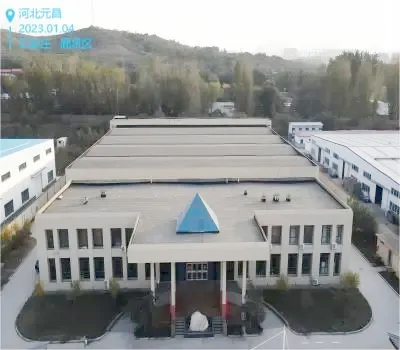
In industrial manufacturing and international trade, adherence to quality standards and certifications is not just a matter of compliance; it's a fundamental requirement for trust, reliability, and market access. At Hebei Yuanchang Food Mechanism & Technology Co., Ltd., we integrate rigorous quality control into every stage of our process, from design and R&D to precision machining and final assembly.
Manufacturing Excellence
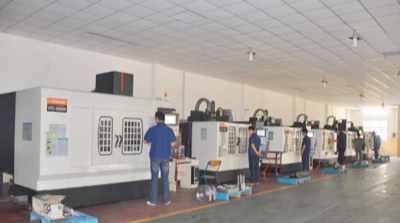
Our extensive manufacturing facility, covering approximately 14,000 square meters, is the backbone of our quality assurance. We employ a dedicated team of 80-100 skilled professionals who bring decades of collective experience to bear on every project. Our in-house machining workshop is equipped with over 20 sets of advanced processing machinery, including:
- Lathes and Milling Machines for precise shaping.
- High-Precision Grinding Machines for critical tolerances.
- Boring Machines for accurate internal diameters.
- Plate Shears and Bending Machines for fabrication.
- Wire Cutting Equipment for intricate designs.
Crucially, since 2012, we have invested in 8 sets of Japanese Mazak CNC machining centers. This enables us to produce high-standard components requiring large volumes, exceptional precision, and non-standard specifications, ensuring every part meets stringent requirements. This level of in-house capability is vital for maintaining consistency and reducing lead times.
Key Certifications and Standards
While specific certifications can vary based on product lines and target markets, our commitment to quality is reflected in our operational processes and our ability to meet international requirements. For components and systems used in food processing, adherence to standards such as:
 RoHS (Restriction of Hazardous Substances) compliance for materials.
 FDA (Food and Drug Administration) compliance for food-grade materials used in suction cups and contact parts.
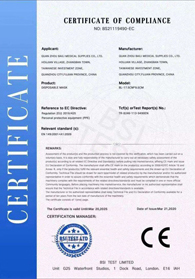 CE marking for products sold in the European Economic Area, indicating conformity with health, safety, and environmental protection standards.
 ISO 9001 (Quality Management Systems) principles guide our operations, ensuring consistent quality and continuous improvement.
Our 40 years of experience since 1986 have instilled a deep understanding of industry requirements, allowing us to build equipment that not only performs but also complies with global regulatory frameworks. For vacuum pick and place components intended for food processing, we ensure all materials in contact with the product are food-grade compliant, meeting the stringent demands of the meat processing equipment market and similar industries.
Traceable After-Sales Management
Quality assurance extends beyond the point of sale. Our traceable after-sales management system means we can independently produce high-precision parts, ensuring worry-free after-sales service. This is critical for maintaining the operational integrity and longevity of your automated systems.
We understand that for international clients, verifying supplier quality is paramount. Our extensive experience in exporting, coupled with our robust manufacturing capabilities and adherence to quality principles, provides the confidence needed to invest in our solutions.
Frequently Asked Questions About Vacuum Pick and Place
Q1: Can vacuum pick and place handle porous materials like cardboard or fabric?
A: Yes, but it requires specialized suction cups, often made of foam or featuring a porous sealing surface. It also demands a vacuum generator with a higher airflow rate to compensate for air leakage. We can assess your material and recommend the appropriate cup and generator setup.
Q2: What is the maximum weight a vacuum gripper can lift?
A: The lifting capacity depends on the number and diameter of suction cups, the vacuum level achieved, and the surface quality of the object. A single 50mm cup can typically lift around 1-2 kg under optimal conditions. For heavier objects, multiple cups or larger cups are used. We always recommend applying a significant safety factor.
Q3: How does surface condition affect vacuum gripping?
A: A smooth, clean, and non-porous surface provides the best seal and thus the strongest grip. Dust, oil, or significant surface irregularities can compromise the seal, reducing lifting capacity or causing grip failure. Proper surface preparation or using compliant suction cups is key.
Q4: Are vacuum systems suitable for high-temperature environments?
A: Standard vacuum cups are typically rated for moderate temperatures (around 50-70°C). For higher temperatures, specialized cups made from materials like silicone or high-temperature EPDM are available. The vacuum generator itself also needs to be rated for the ambient temperature.
Q5: How do I choose between a venturi ejector and a vacuum pump?
A: Venturi ejectors are compact, fast, and good for non-porous materials where compressed air is readily available. Vacuum pumps are more energy-efficient, especially for continuous operation or handling porous materials that require consistent airflow. The choice depends on your specific application, available utilities, and energy cost considerations.
Q6: Can vacuum grippers handle objects that are oily or wet?
A: It depends on the degree of oiliness or wetness and the type of suction cup. Some materials are more resistant to oils. For wet surfaces, maintaining a seal can be challenging, and it might require frequent cup cleaning or specialized cup designs. In food processing, we ensure food-grade compliant materials that are also easy to clean.
Q7: What kind of maintenance is required for vacuum pick and place systems?
A: Maintenance is generally low. It primarily involves inspecting suction cups for wear or damage, cleaning filters, and checking vacuum lines for leaks. Regular checks ensure optimal performance and prevent unexpected failures. Our traceable after-sales system ensures spare parts are readily available.
What Our Clients Say

James R., Logistics Manager
Global Distribution Hub
"We implemented a vacuum palletizing system for our mixed-SKU warehouse. The ease of integration and the speed at which it handles different box sizes has dramatically reduced our order fulfillment times. The reliability has been outstanding."
- Rated 5/5 Stars

Maria S., Production Supervisor
Food Manufacturing Plant
"Our challenge was handling delicate cookies without breakage. The custom food-grade vacuum cups you provided were a perfect fit. We've seen a huge reduction in waste and an increase in our packaging line output."
- Rated 4.5/5 Stars

Kenji Tanaka, Lead Engineer
Electronics Assembly Firm
"The precision of the vacuum pick-and-place module for our small SMT components has been exceptional. Consistent placement and minimal ESD issues have improved our yield significantly. The support team was very responsive."
- Rated 5/5 Stars

Sarah Miller, Operations Director
Automotive Parts Manufacturer
"We needed a reliable way to handle large, flat glass panels on our assembly line. The custom vacuum gripper system you designed works flawlessly, ensuring safety and preventing scratches. Lead times were also very reasonable."
- Rated 4.8/5 Stars
Ready to Enhance Your Operational Efficiency?
Discover how our vacuum pick and place solutions, backed by 40 years of manufacturing expertise, can revolutionize your production and logistics.