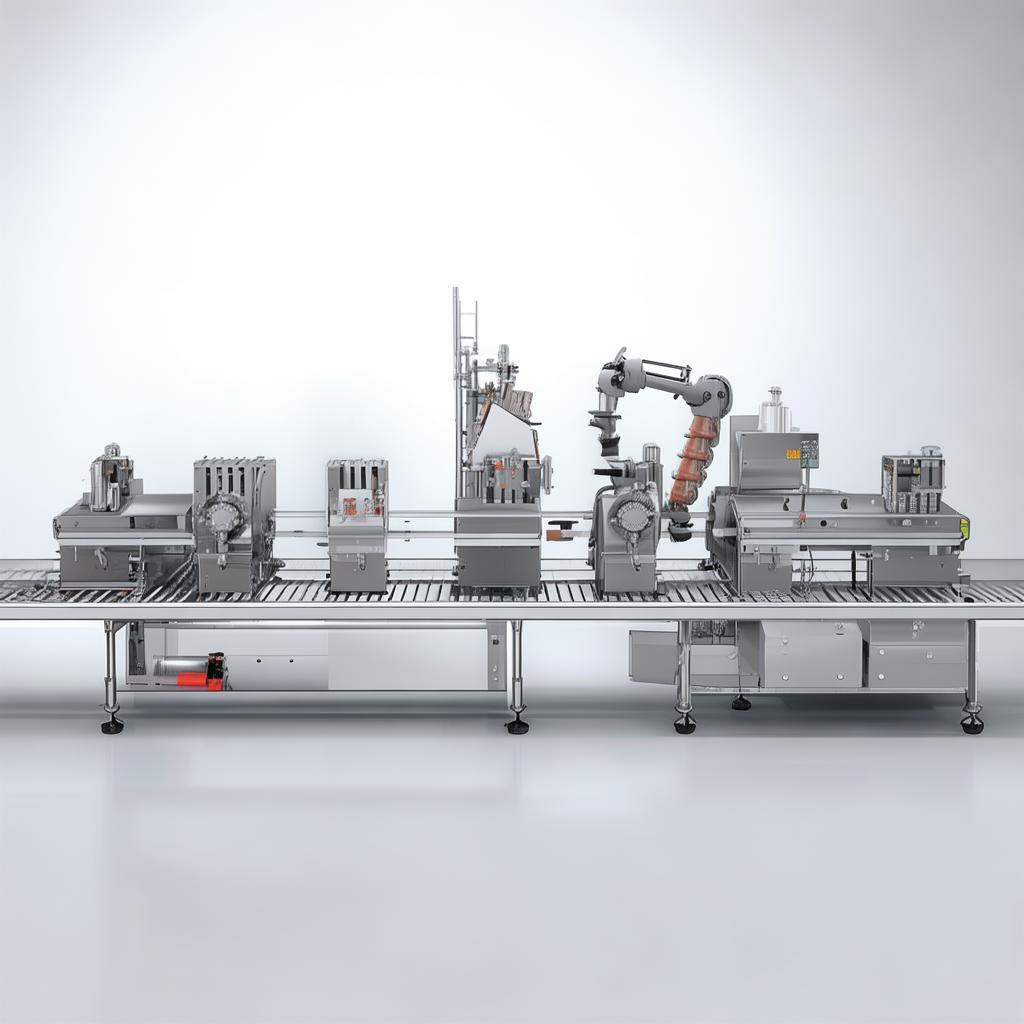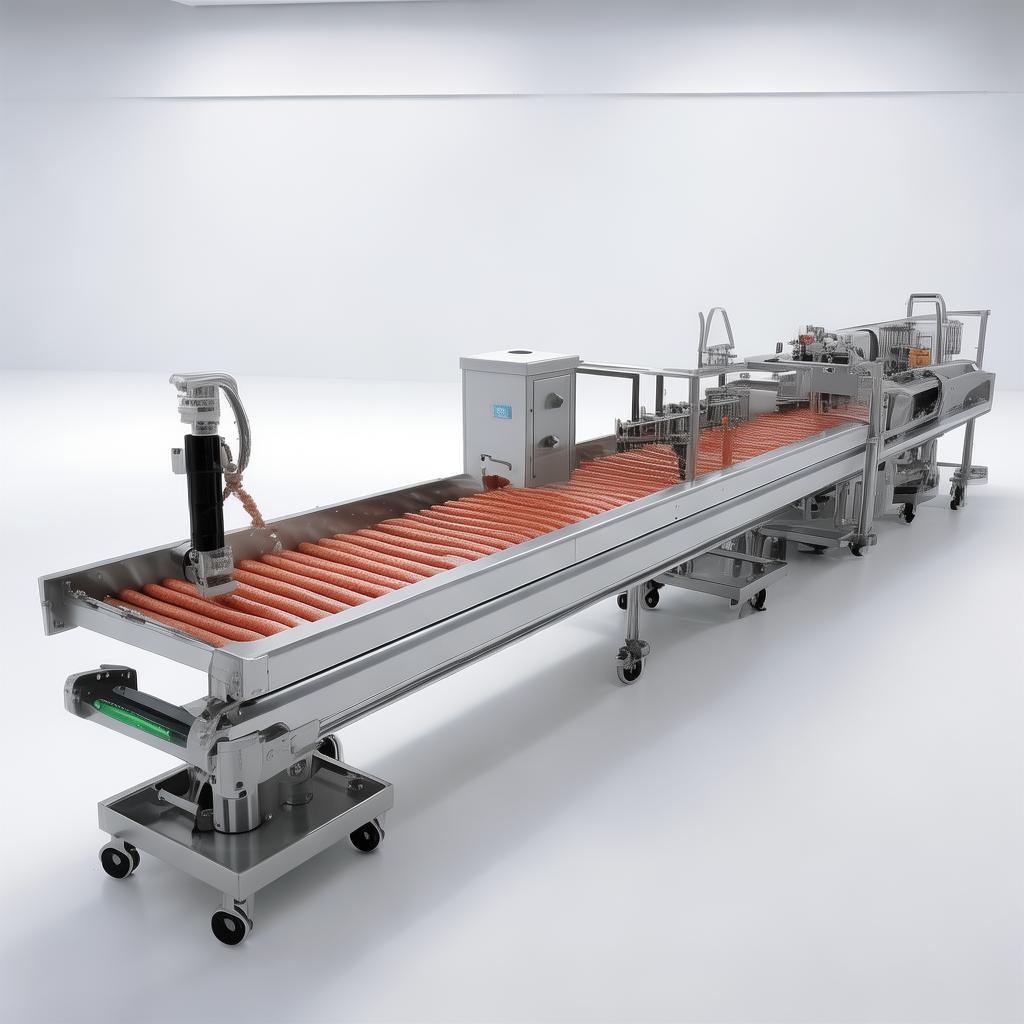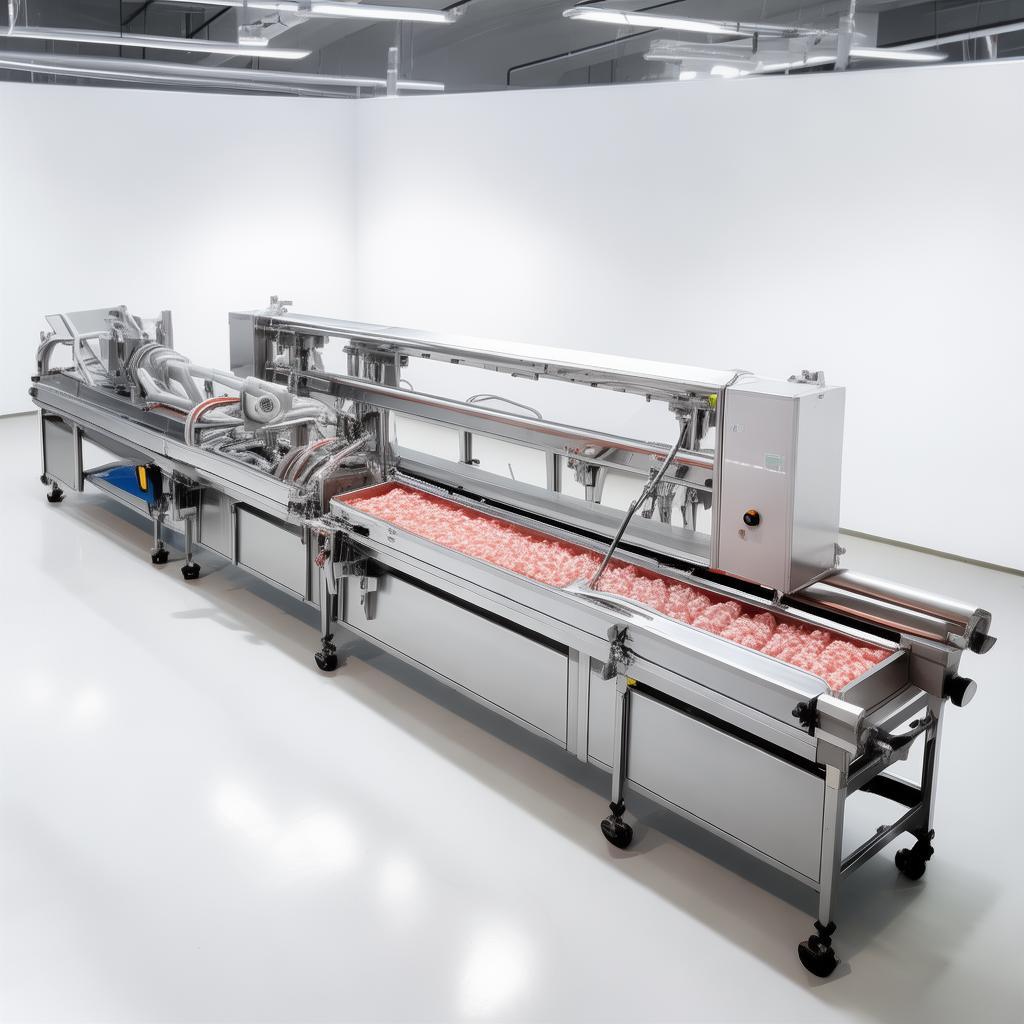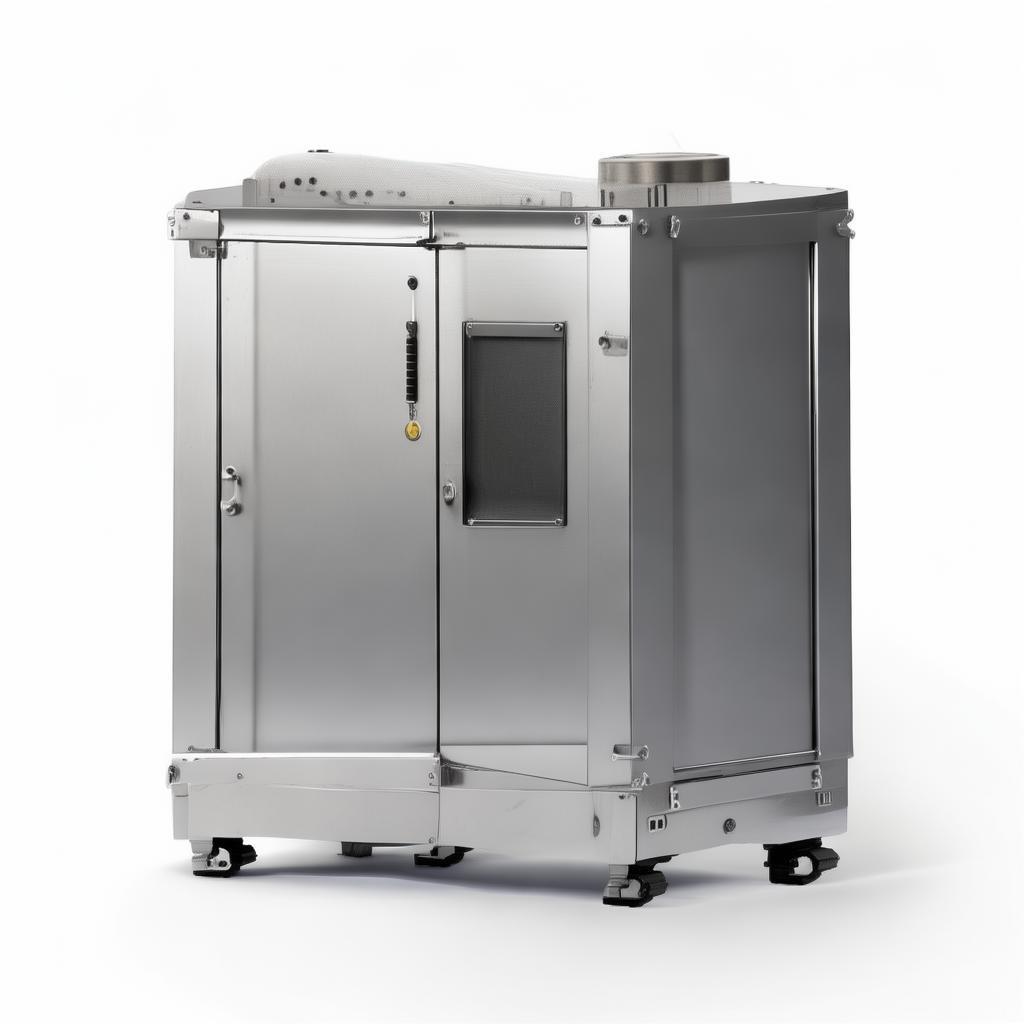
Industrial Walk Behind Vacuum
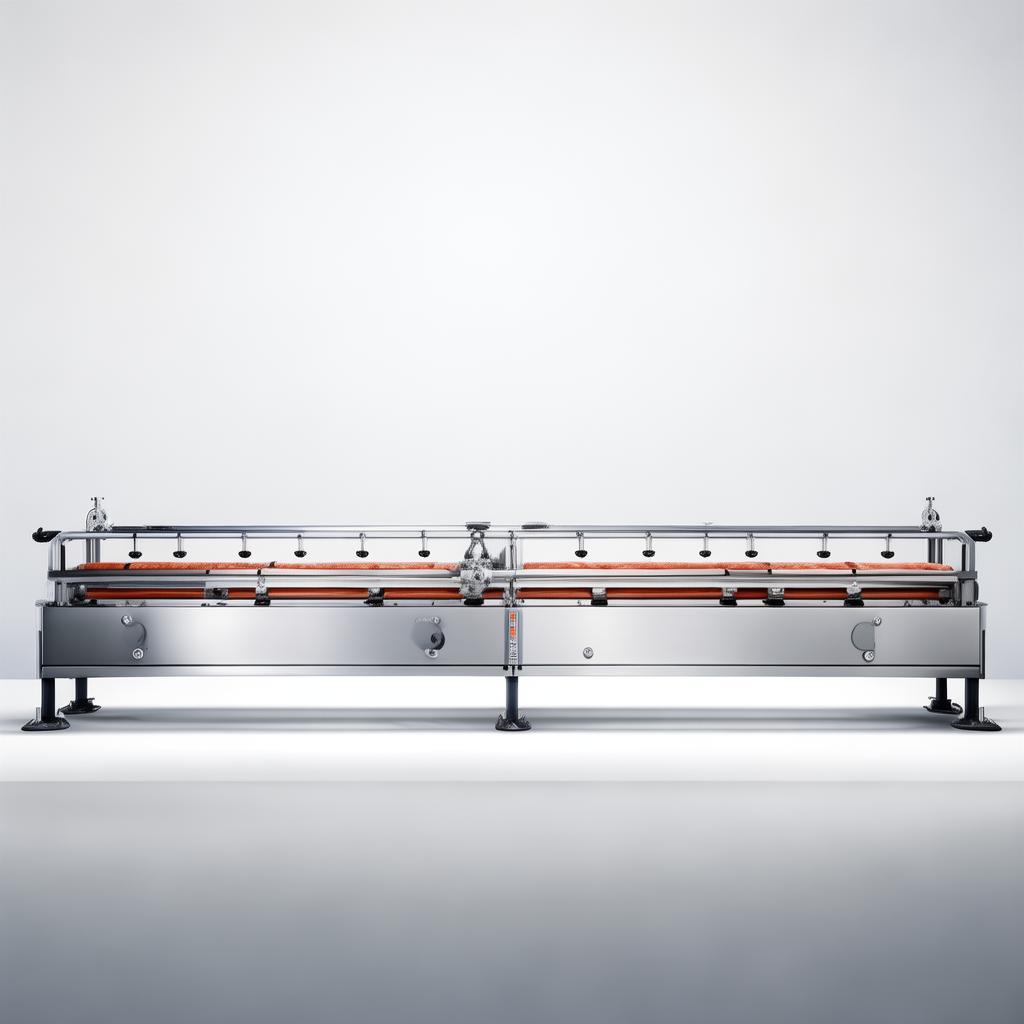
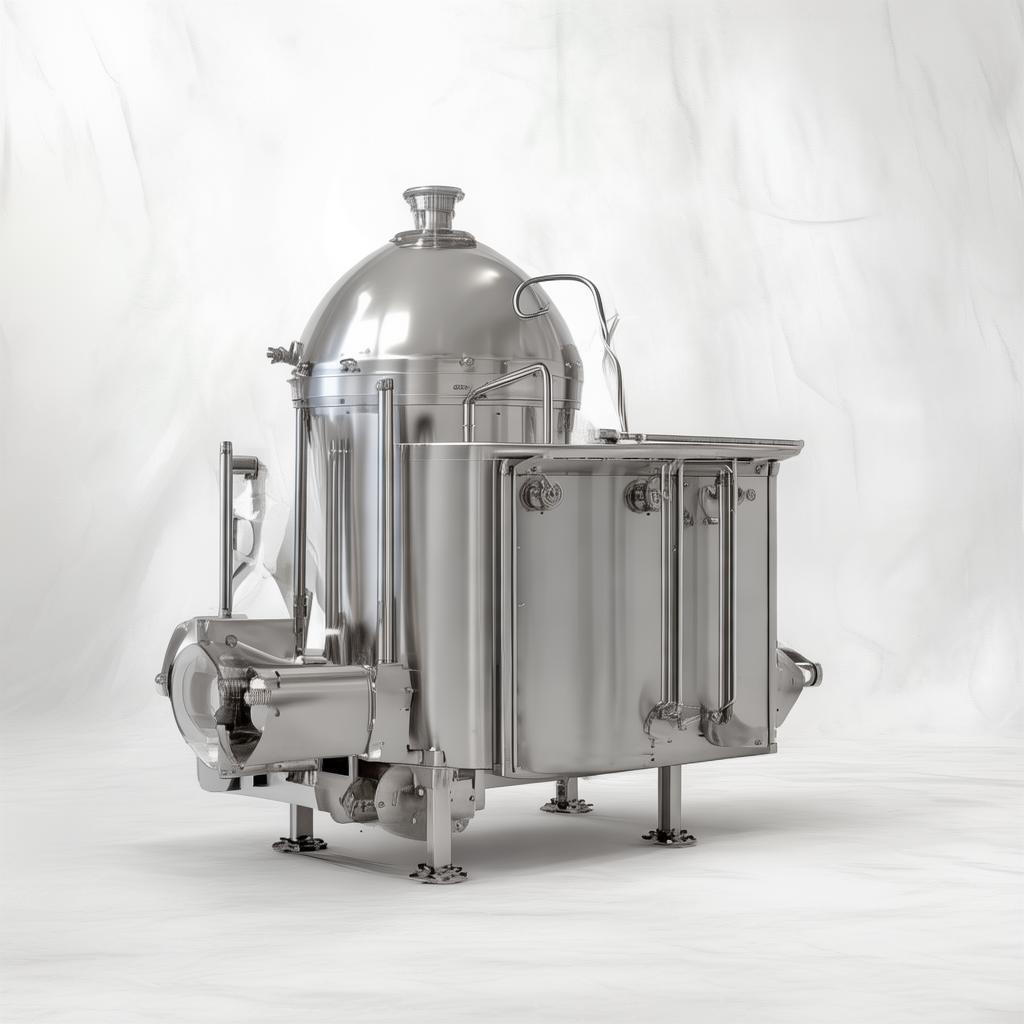
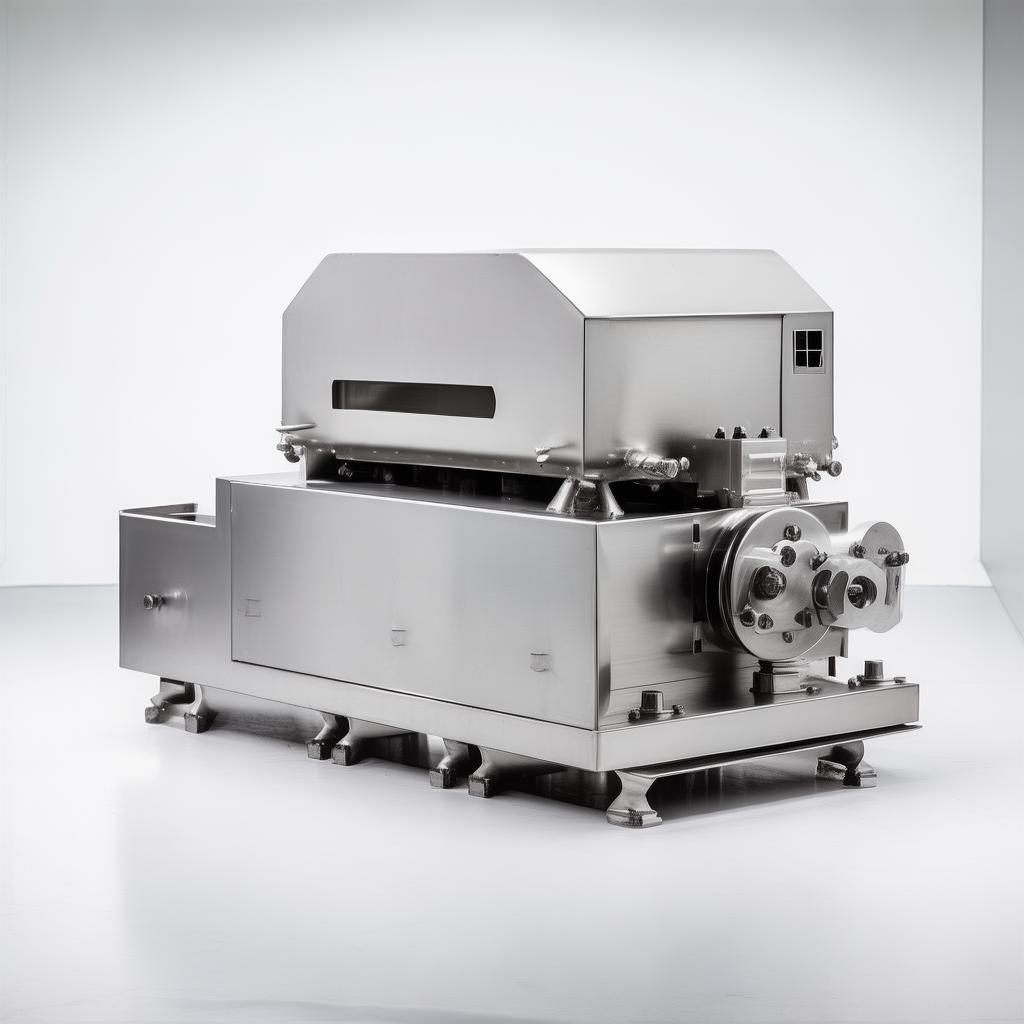
Industrial Walk-Behind Vacuums: Precision Cleaning for Demanding Environments
Empowering your operations with robust, efficient, and reliable debris management solutions.

By Alex Chen
Lead Export Engineer & Operations Specialist
Hebei Yuanchang Food Mechanism & Technology Co., Ltd.
Industry Challenges: Why Standard Cleaning Falls Short
In today's competitive industrial landscape, maintaining a clean and safe operational environment is paramount. This isn't just about aesthetics; it's directly tied to efficiency, worker safety, product integrity, and regulatory compliance. Standard cleaning methods, often relying on manual sweeping or general-purpose vacuums, simply don't cut it when dealing with the persistent, often hazardous debris found in manufacturing facilities, warehouses, workshops, and production lines. We're talking about fine dusts that pose respiratory risks, metal shavings that can damage delicate machinery, spilled powders that create slip hazards, and composite materials that require specialized handling. These aren't minor inconveniences; they're operational bottlenecks and potential safety incidents waiting to happen.
The processed meat industry, for instance, presents unique challenges. Beyond the obvious organic matter, there are fats, bone fragments, and cleaning agents that accumulate. The International Commission on Occupational Health (ICOH) highlights that airborne dust in processing plants can lead to respiratory issues, affecting worker health and productivity. This is where generic equipment falters. A standard shop vac might clog or fail to capture fine particulate matter effectively, leaving behind residues that compromise hygiene standards. Furthermore, the continuous nature of industrial operations means cleaning needs to be efficient and minimally disruptive. Downtime is costly. If cleaning takes too long or requires multiple passes, it directly impacts output. The sheer scale of many industrial sites also means manual labor, while essential, needs to be augmented by equipment that covers ground quickly and thoroughly.
Considering the global market for meat processing equipment, which was valued at approximately USD 11.29 billion in 2025 and is projected to reach USD 17.39 billion by 2034 at a CAGR of 5.0%, it's clear that efficiency and specialized solutions are key drivers. (Source: Fortune Business Insights). This growth is fueled by rising demand for processed meats and the adoption of automation for hygiene and labor efficiency. However, without effective debris management, even the most advanced processing lines can be hampered by suboptimal environmental conditions. Similarly, reports indicate the global food processing machinery market is substantial, with meat-related segments playing a critical role. An industrial walk-behind vacuum is not just a cleaning tool; it's an integral part of maintaining the operational integrity and compliance required in these high-stakes environments.
The realities of international trade and supply chain management also play a role. Procurement managers are tasked with finding solutions that are not only effective but also durable, cost-efficient over their lifecycle, and reliably supplied. A vacuum that frequently breaks down or requires specialized, hard-to-source parts becomes a liability. The pressure to reduce operational costs while enhancing safety and quality means investing in the right equipment is critical. This is where understanding the nuances of industrial-grade cleaning solutions, like a purpose-built walk-behind vacuum, becomes indispensable for decision-makers.
The Industrial Walk-Behind Vacuum: A Closer Look
An industrial walk-behind vacuum is designed from the ground up to handle the rigors of commercial and manufacturing settings. Unlike their lighter-duty counterparts, these machines are engineered for robustness, power, and sustained performance. They provide a powerful suction capability coupled with robust filtration systems, ensuring that not only visible debris but also fine dust and hazardous particles are effectively captured and contained. The "walk-behind" configuration offers a practical balance between maneuverability and coverage area, making them ideal for navigating tight aisles, around machinery, and across large floor spaces without the complexity or cost of a ride-on unit.
The core purpose is to deliver comprehensive site cleanliness, preventing the secondary contamination of airborne dust, reducing slip hazards, and protecting sensitive equipment from abrasive particles. Think of it as a critical component in your operational hygiene strategy. For operations like those in the meat processing sector, where hygiene is non-negotiable, a powerful vacuum can remove residual materials and fine dust from floors, walls, and even equipment bases, contributing significantly to sanitary conditions. This aligns with industry trends focusing on automation and hygiene, as noted in market reports suggesting growth driven by labor efficiency and strict food safety standards.
From a practical standpoint, these vacuums often feature durable construction materials, such as heavy-gauge steel or impact-resistant polyethylene, designed to withstand bumps, scrapes, and continuous use. Ergonomic design principles are also incorporated to ensure operator comfort during extended cleaning cycles, reducing fatigue and improving efficiency. The push-along nature means less training is required compared to more complex machinery, and they can often be powered by standard electrical outlets, though heavy-duty models might offer battery or gasoline options for maximum flexibility.
When evaluating these machines, consider them as an investment in your operational uptime and safety. A well-chosen industrial walk-behind vacuum isn't just about cleaning; it's about maintaining a professional, compliant, and efficient workspace that minimizes risks and maximizes productivity. The global meat processing equipment market's expansion, with significant segments in filling and molding, underscores the need for integrated cleaning solutions that complement these core production processes.
Core Features of a High-Performance Unit
Selecting the right industrial walk-behind vacuum hinges on understanding its key operational features. These aren't just selling points; they are direct indicators of performance, durability, and suitability for your specific environment. We've seen firsthand how certain features make a tangible difference on the factory floor.
- Powerful Suction (CFM & Water Lift): This is the heart of any vacuum. High Cubic Feet per Minute (CFM) indicates airflow, crucial for moving large volumes of debris. High water lift (measured in inches or mm) signifies the vacuum's ability to pull debris up from surfaces and through hoses, essential for embedded dust and heavier materials. Without adequate suction, the machine simply pushes dirt around or fails to collect it effectively.
- Advanced Filtration Systems: Look for multi-stage filtration, including HEPA (High-Efficiency Particulate Air) filters for fine dusts, allergens, and hazardous particles. Proper filtration prevents dust from recirculating into the air, which is critical for air quality and worker health. For areas with fine powders or chemical residues, a robust filtration system is non-negotiable.
- Durable Construction Materials: Heavy-gauge steel, industrial-grade plastics (like reinforced polyethylene), and robust chassis designs are key. These machines are expected to endure impacts, constant vibration, and exposure to potentially corrosive elements. A well-built unit minimizes repair downtime and extends service life significantly.
- Large Capacity Tanks: A bigger collection tank means less frequent emptying, directly translating to more productive cleaning time. Consider the type of debris you'll be collecting – some tanks are designed for easy, dust-free emptying, which is a major advantage in sensitive environments.
- Ergonomic Design: Adjustable handle heights, easy-to-reach controls, and balanced weight distribution contribute to operator comfort and safety. This reduces strain during prolonged use and makes the machine accessible to a wider range of personnel.
- Versatile Attachments and Hoses: The ability to switch between floor heads, crevice tools, and extension wands allows the vacuum to tackle various surfaces and hard-to-reach areas, from open floors to machinery nooks.
- Power Source Flexibility: Whether you need corded electric for consistent power, battery-powered for cordless freedom, or even gasoline for remote locations, ensure the power source aligns with your site's infrastructure and operational needs.
When procurement teams evaluate options, these features become the benchmarks for comparing performance and long-term value. It’s about selecting a tool that integrates seamlessly into your workflow rather than creating new challenges.
Technical Specifications for Informed Decisions
Making a data-driven purchasing decision requires a close look at the technical specifications. These numbers are not just for engineers; they provide a clear, quantifiable understanding of a vacuum's capabilities and limitations, helping procurement officers assess suitability and ROI. Here’s a typical breakdown you'll encounter:
| Specification | Typical Range / Value | Impact on Operation |
|---|---|---|
| Motor Power (Watts / HP) | 800W - 2000W / 1.0 - 2.7 HP | Determines overall suction strength and ability to handle heavy loads. |
| Suction Power (CFM) | 100 - 300+ CFM | Airflow rate, impacts cleaning speed and volume of debris moved. |
| Water Lift (Inches of Water) | 80" - 120"+ | Vacuum's ability to draw debris through resistance; higher is better for fine/embedded materials. |
| Filter Type | Multi-stage, HEPA optional | Crucial for capturing fine dusts, ensuring air quality. HEPA is industry standard for safety. |
| Tank Capacity (Liters / Gallons) | 20 - 75 Liters / 5 - 20 Gallons | Affects run time between emptying. Larger is better for large areas or heavy debris. |
| Decibel Rating (dB) | 65 - 85 dB | Noise level; important for operator comfort and compliance in noise-sensitive areas. |
| Dimensions (L x W x H) | Varies significantly | Determines maneuverability and storage requirements. |
| Weight (kg / lbs) | 30 - 100+ kg / 65 - 220+ lbs | Affects ease of movement and storage. |
| Power Cord Length (Meters) | 10 - 20+ Meters | Operating radius for corded models. |
| Voltage/Frequency | 110-120V / 50-60Hz (Standard) or 220-240V / 50-60Hz (Export) | Crucial for international compatibility. |
industry vacuum vacuum industry industrial vacuum tumbler
When requesting quotes, always ask for the detailed spec sheet. This allows for direct comparison and ensures you're not overlooking critical performance metrics that could impact your operational efficiency. For example, a machine with lower water lift might struggle with fine silica dust common in some manufacturing processes, leading to repeated passes and wasted labor.
Versatile Applications Across Sectors
The utility of an industrial walk-behind vacuum extends far beyond a single industry. Its robust design and powerful performance make it an invaluable asset in a wide array of demanding environments:
Manufacturing Facilities
Ideal for collecting metal shavings, sawdust, composite dusts, and general workshop debris. Essential for maintaining safety and preventing equipment contamination.
Warehousing & Logistics
Efficiently cleans up packaging debris, cardboard dust, spilled granules, and general floor dirt in high-traffic areas. Supports orderly and safe storage environments.
Food & Beverage Processing
Crucial for capturing organic dust, flour, sugar, spices, and other particulate matter. Maintains stringent hygiene standards required in industries like meat processing, baking, and dairy. Essential for floor sanitation.
Construction & Renovation
Effectively vacuums concrete dust, drywall particles, and construction debris, making it vital for post-job cleanup and maintaining air quality during interior work.
Automotive Workshops
Handles grease, oil residue, tire dust, and metal particles commonly found in service bays and repair shops. Protects sensitive engine components from contamination.
Textile & Fiber Industries
Collects cotton dust, synthetic fibers, and other airborne particulates that can pose respiratory hazards and create fire risks.
The adaptability is a key selling point for international buyers looking for versatile equipment. A machine that serves multiple functions across different operational units within a larger enterprise offers significant value. Procurement decisions often favor suppliers who can demonstrate this broad applicability.
Material Durability: What to Expect
When investing in industrial equipment, the materials used directly dictate its lifespan, resilience, and maintenance requirements. For walk-behind vacuums, manufacturers prioritize robust, long-lasting components that can withstand harsh operational conditions. This is not a consumer-grade product; it’s built for abuse.
Chassis and Housing: You'll typically find options ranging from heavy-gauge steel, offering maximum impact resistance and rigidity, to reinforced industrial-grade polyethylene. Polyethylene offers excellent chemical resistance and is lighter, often making maneuverability easier. Steel is generally preferred for the most demanding environments where impact is a constant risk. For specific applications, like food processing, stainless steel variants might be available, though less common for walk-behind units due to cost and weight.
Wheels and Casters: Industrial-grade rubber or polyurethane wheels are standard. These materials are chosen for their durability, non-marking properties (important for sensitive flooring), and ability to navigate over uneven surfaces without excessive vibration or wear. Pneumatic tires are sometimes offered for very rough terrain, but solid rubber is more common for factory floors.
Hoses and Wands: Industrial vacuum hoses are usually made from reinforced PVC or urethane. They need to be flexible yet resistant to crushing, abrasion, and the specific types of debris they will be handling. For example, hoses designed for fine dust might have a smoother interior to prevent clogging, while those for coarser materials prioritize abrasion resistance.
Filters: Filter media is critical. Standard filters might be polyester or cellulose blends. For finer particles, synthetic media or spun-bond polyester provides better capture efficiency and longer life. HEPA filters, if incorporated, use a dense fiberglass paper medium designed to trap 99.97% of particles 0.3 microns or larger. Regular inspection and replacement of filter media are essential for maintaining performance and protecting the motor.
Choosing a vacuum constructed with these high-quality materials ensures it can handle the continuous demands of an industrial setting, reducing unexpected failures and the associated downtime. It’s an area where cutting corners on material quality invariably leads to higher costs down the line.
Procurement Guidance: Beyond the Price Tag
As a procurement professional, your objective is to secure the best value, which means balancing initial cost with long-term operational benefits, reliability, and risk mitigation. When sourcing industrial walk-behind vacuums, consider these crucial points:
- Total Cost of Ownership (TCO): Don't just look at the upfront purchase price. Factor in energy consumption, filter replacement costs, potential repair expenses, and the cost of downtime if the machine fails. A slightly more expensive unit with lower running costs and higher durability can represent significant savings over its lifecycle.
- Supplier Reliability and Support: Can the supplier provide readily available spare parts? What is their lead time for critical components? Do they offer technical support or training? For international purchases, understanding shipping costs, import duties, and warranty terms is vital. Our company, with 40 years of experience since 1986, prides itself on a traceable after-sales management system, ensuring we can independently produce high-precision parts for worry-free service.
- Compliance and Certifications: Ensure the vacuum meets relevant safety and environmental standards for your target market (e.g., CE for Europe, UL/ETL for North America). For specific industries like food processing, look for NSF certification or materials compliant with FDA regulations.
- Scalability and OEM/ODM Options: If your needs might evolve, can the supplier offer different models or customizations? For businesses requiring specific features or branding, exploring OEM (Original Equipment Manufacturer) or ODM (Original Design Manufacturer) capabilities is essential. We are equipped to discuss custom solutions tailored to unique operational requirements.
- Testimonials and Case Studies: Real-world performance data is invaluable. Ask for references or case studies from companies in similar industries. This provides tangible proof of a product's effectiveness and reliability.
Making an informed procurement decision is about building a partnership with a supplier that understands your operational challenges and can provide a sustainable solution. It's about minimizing risk and maximizing operational efficiency.
Installation and Maintenance Realities
While an industrial walk-behind vacuum is a relatively straightforward piece of equipment, proper setup and regular maintenance are key to ensuring its longevity and optimal performance. Getting this right from day one prevents costly issues down the line.
Initial Setup:
Most units arrive largely assembled. Key steps typically involve:
- Attaching any necessary hoses, wands, or specialized floor tools.
- Ensuring the power cord is undamaged and compatible with your site's electrical supply.
- Verifying the dust bag or collection tank is properly seated and the primary filter is correctly installed.
- For battery-powered models, performing the initial charge as per the manufacturer's instructions.
Unlike complex machinery, there's usually no "installation" in the traditional sense; it's more about user familiarization and initial setup. This ease of deployment is a significant advantage for busy operations.
Routine Maintenance: What to Expect
Consistent maintenance is non-negotiable for industrial equipment. For walk-behind vacuums, this typically includes:
- Filter Cleaning/Replacement: This is paramount. Clogged filters drastically reduce suction power and can lead to motor overheating. Depending on the application and filter type, filters may need to be tapped clean daily, washed weekly, or replaced monthly/quarterly. HEPA filters usually require replacement rather than cleaning.
- Tank/Bag Management: Emptying the collection tank or replacing the dust bag before it becomes overfilled is crucial. Overfilling can lead to dust bypassing the filter and damaging the motor. Look for vacuums with features that facilitate easy, dust-free emptying.
- Hose and Brush Inspection: Periodically check hoses for blockages, cracks, or tears. Inspect rotating brushes (if applicable) for wear and tear and ensure they are free of tangled debris.
- Motor and Electrical Checks: For corded units, inspect the power cord and plug for damage. Listen for unusual noises from the motor, which could indicate an impending issue.
- General Cleaning: Wipe down the exterior of the vacuum to prevent dust and grime buildup.
A well-structured maintenance schedule, integrated into your existing facility management protocols, will ensure your industrial vacuum operates efficiently and safely for years. Our 40 years of experience means we understand the importance of simplicity and reliability in maintenance, a principle we apply to every piece of equipment we produce or supply.
Logistics and Global Shipping Considerations
For international buyers, the logistics of receiving industrial equipment are as critical as the product itself. Shipping an industrial walk-behind vacuum involves several considerations that impact cost, timelines, and potential customs procedures.
- Packaging: Industrial vacuums are typically shipped in robust, protective packaging. This often includes wooden crates or reinforced cardboard boxes designed to withstand the rigors of international transit. Palletizing is common for stability and ease of handling with forklifts.
-
Shipping Methods:
- Ocean Freight: The most common and cost-effective method for large, heavy items like industrial vacuums, especially for Full Container Load (FCL) or Less than Container Load (LCL) shipments. Transit times can range from 2-8 weeks depending on the destination and route.
- Air Freight: Faster but significantly more expensive. Typically used for urgent orders or high-value components.
- Courier Services: For smaller spare parts or expedited shipments, reliable couriers can be used, though costs escalate quickly for heavier items.
- Customs and Duties: International shipments are subject to customs clearance procedures and import duties in the destination country. It's essential for the buyer to understand their country's import regulations and associated costs. We can provide necessary documentation like commercial invoices and packing lists to facilitate this process.
- Lead Times: Factor in not only shipping time but also production lead time (if the unit is not in stock) and customs processing time. Accurate lead time estimates are crucial for operational planning. Our production capacity, including over 20 sets of processing machinery and Japanese Mazak CNC machining centers, allows us to manage lead times effectively for both standard and custom orders.
We work closely with our international clients to ensure a smooth shipping process, providing clear documentation and reliable shipping partners. Transparent communication regarding transit times and potential import costs helps avoid surprises and ensures your equipment arrives when and where you need it. Container optimization is a key consideration for us to ensure cost-effectiveness for our global partners.
Compliance and Certifications
For industrial equipment, especially when destined for international markets, compliance with recognized standards is not just a recommendation – it's a requirement. These certifications assure buyers of the product's safety, quality, and adherence to industry best practices.
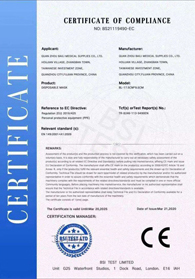
CE Marking
Indicates conformity with health, safety, and environmental protection standards for products sold within the European Economic Area (EEA).

ISO 9001
Quality Management System certification, demonstrating our commitment to consistent quality and customer satisfaction.
UL/ETL Listed
Safety certification for products sold in North America, indicating compliance with rigorous safety standards.
RoHS Compliant
Restriction of Hazardous Substances. Confirms limited use of specific hazardous materials.
While not all industrial vacuums carry every certification, understanding which ones are relevant to your market and industry is key. For food processing applications, look for FDA-compliant materials for internal components that may contact food products, or specific hygiene certifications. Our commitment to quality is reflected in our ISO 9001 certified management system, ensuring that every product leaving our facility meets stringent quality benchmarks.
Our Manufacturing Edge
At Hebei Yuanchang, our 40-year legacy since 1986 isn't just about time served; it's about accumulated expertise and a deeply ingrained commitment to manufacturing excellence. Operating across 14,000 square meters with a dedicated team of 80-100 professionals, we integrate R&D, production, and sales, focusing on robust industrial equipment, including specialized cleaning solutions like industrial vacuums, that support demanding sectors.

Advanced machining capabilities ensure precision components.

State-of-the-art CNC centers for high-standard parts.
Our in-house machining workshop is equipped with over 20 sets of advanced processing machinery. This includes lathes, milling machines, high-precision grinding machines, boring machines, plate shears, bending machines, and wire cutting equipment. This comprehensive capability allows us to control quality from raw material to finished component. In 2012, we took a significant step forward by introducing 8 sets of Japanese Mazak CNC machining centers. This investment enables us to undertake the production of high-standard components that demand large volumes, exceptional precision, and non-standard specifications. It means we can build equipment that meets the most exacting industry requirements.
Coupled with our traceable after-sales management system, our ability to independently produce high-precision parts is a cornerstone of our customer promise. It translates to faster turnaround times for repairs, readily available spare parts, and ultimately, a more reliable and worry-free experience for our clients. This is the foundation of trust that underpins our export operations. We understand that reliable equipment is critical to your operation's uptime, and our manufacturing processes are geared towards delivering just that.
What Our Clients Say

Sarah Chen
Operations Manager, Food Processing Plant
"We needed a vacuum that could handle flour dust and food debris without compromising our hygiene standards. This walk-behind unit is a game-changer. It's powerful, easy to maneuver around our production lines, and the HEPA filtration gives us peace of mind. Emptying is also surprisingly simple, which is a huge plus during shift changes."

Mark Davis
Warehouse Supervisor
"We handle a lot of packaging material and occasional spills of granules. This vacuum keeps our aisles clear and safe, which is essential for our forklift operations. It’s robust enough to take the occasional bump and has significantly reduced our manual sweeping time. The large tank capacity means we aren't stopping to empty it constantly."

Raj Patel
Plant Engineer
"We purchased a few units for our metal fabrication shop to manage metal shavings and dust. The suction power is impressive, and the build quality is clearly industrial-grade. We've had minimal downtime, and the spare parts are readily available through Yuanchang, which is crucial for us. It's a reliable workhorse."
Frequently Asked Questions
Is this suitable for fine dust, like silica dust?
What is the typical lifespan of an industrial walk-behind vacuum?
Are spare parts easily available for international customers?
What is the difference between a walk-behind vacuum and a backpack vacuum?
Can these vacuums handle wet debris?
Enhance Your Operational Cleanliness and Efficiency Today
Don't let inadequate cleaning practices compromise your safety, productivity, or product quality. An industrial walk-behind vacuum is a robust solution designed for the demands of your environment.
Phone: +86 15830991513 | E-mail: ycmeatmech@gmail.com | Address: Shijiazhuang, Hebei Province, China
Chat with Our Team for Immediate Assistance
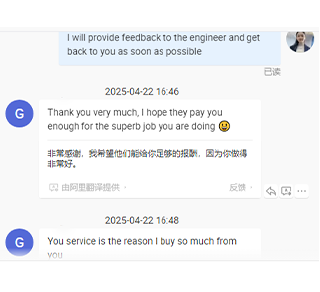
Discussing specific filtration needs.

Clarifying lead times for export orders.
Confirming power specifications for USA market.