Mechanical Vacuum Gauge
Mechanical Vacuum Gauges: Precision Measurement for Industrial Applications
Your Trusted Partner for Reliable Vacuum Measurement Solutions

Precision at a Glance: The Indispensable Mechanical Vacuum Gauge
In the intricate world of industrial manufacturing, process control is paramount. Whether you're dealing with delicate laboratory experiments, large-scale chemical processing, or food production lines requiring precise atmospheric conditions, the ability to accurately measure and monitor vacuum levels is non-negotiable. This is where the humble yet vital mechanical vacuum gauge steps in. Unlike their electronic counterparts, these gauges operate on fundamental principles of physics, offering a robust, reliable, and often more cost-effective solution for a wide array of vacuum measurement needs.
At its core, a mechanical vacuum gauge translates pressure differences into observable pointer movement on a calibrated dial. This is typically achieved through a Bourdon tube, a C-shaped or helical tube that tends to straighten or uncoil when subjected to internal pressure. As vacuum is the absence of pressure (or a pressure lower than atmospheric), the Bourdon tube contracts, pulling a linkage system that drives the gauge's needle. For lower vacuum ranges, diaphragm or bellows mechanisms might be employed, which deform under pressure changes and similarly actuate a pointer. This inherent simplicity is its strength: no power supply needed, minimal points of failure, and immediate readability even in challenging environments.
The global market for meat processing equipment, which often relies on vacuum technologies for packaging, preservation, and product formation, is a testament to the demand for precise machinery. Reports indicate this market was valued at USD 11.29 billion in 2025 and is projected to reach USD 17.39 billion by 2034, growing at a CAGR of 5.0% (Fortune Business Insights). Within this, equipment like filling and molding machines, crucial for sausages and formed products, and massaging equipment for ripening, often operate under controlled atmospheric conditions or utilize vacuum for product integrity. Accurate vacuum gauges are therefore critical components in ensuring the efficiency and quality of these processes. Similarly, the broader meat processing equipment market is projected to reach USD 15.04 billion by 2030, highlighting the scale of industries that depend on precise measurement tools. (Grand View Research)
Choosing the right mechanical vacuum gauge isn't just about picking a dial and a needle. It involves understanding the specific vacuum range required, the media being measured (corrosive gases, high purity systems), ambient environmental conditions (temperature, humidity, vibration), and the necessary accuracy and readability. For instance, applications in sensitive environments like pharmaceutical manufacturing or high-tech electronics production demand gauges constructed from inert materials, with high precision and often specialized connections to prevent contamination. Conversely, a general industrial setting might prioritize ruggedness, affordability, and ease of replacement.
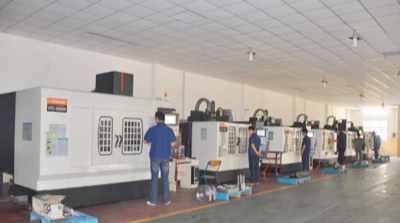
We understand these nuances. With 40 years of experience in manufacturing and exporting, including intricate machinery for various sectors, Hebei Yuanchang has developed a deep appreciation for the critical role played by precise, durable instrumentation. Our in-house machining capabilities, enhanced by Japanese Mazak CNC centers, allow us to produce components with exceptional precision, ensuring that the mechanical vacuum gauges we supply meet the rigorous demands of international clients. This direct manufacturing control means we can offer not just a product, but a reliable measurement solution backed by genuine expertise and a commitment to quality.
Whether your operation involves vacuum packaging for extended shelf life in the processed meat industry—a sector expected to reach USD 1.25 trillion by 2034 (Fortune Business Insights)—or maintaining a specific atmospheric pressure for scientific research, the right vacuum gauge is your first line of defense against process deviations and potential product loss. Let's explore how our mechanical vacuum gauges can be the cornerstone of your accurate vacuum monitoring.

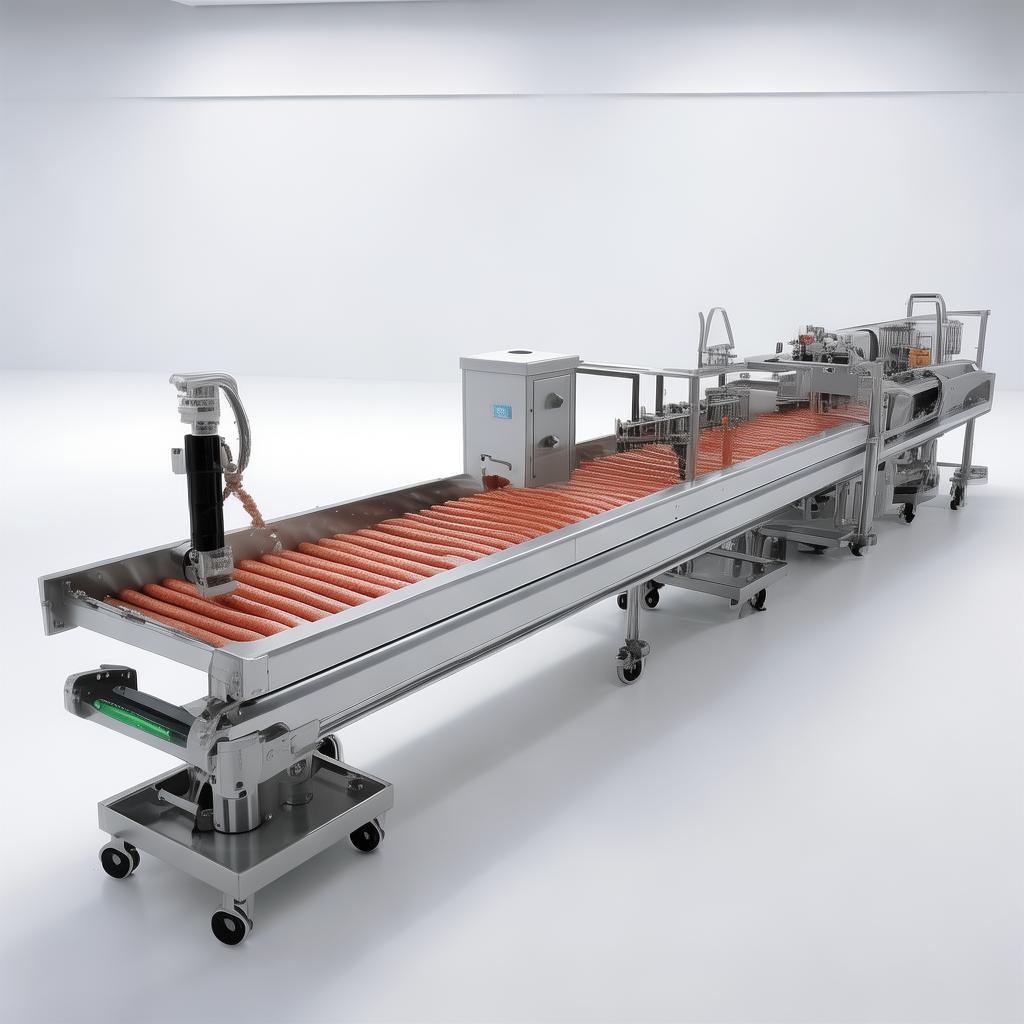
Precision assembly in our dedicated workshop.
Where Precision Matters: Diverse Industrial Applications
The versatility of mechanical vacuum gauges makes them indispensable across a wide spectrum of industries. Their straightforward operation and lack of reliance on power sources open doors to applications where electronic instrumentation might be impractical or overly complex.
- Food Processing & Packaging: Essential for vacuum packaging machines to extend shelf life, ensuring product freshness and preventing spoilage. Critical in sausage stuffer applications where controlling atmospheric conditions within the filling chamber impacts product consistency. The global processed meat market's growth, projected to reach USD 1.33 trillion by 2035 (Precedence Research), underscores the demand for reliable packaging solutions.
- Industrial Manufacturing: Used in pneumatic systems, vacuum chucks for holding components during machining, and general process monitoring where sub-atmospheric pressures are maintained. They are vital for ensuring proper operation of vacuum-driven equipment.
- HVAC and Refrigeration: Crucial for checking vacuum levels during system evacuation and recharging, ensuring efficient performance and preventing moisture contamination in refrigeration circuits.
- Laboratory and Research: Ideal for vacuum ovens, desiccators, filtration setups, and general experimental setups where precise pressure control and monitoring are required without electrical interference.
- Medical and Pharmaceutical: Employed in sterilization equipment, vacuum drying processes, and other sterile environments where absolute reliability and material compatibility are key.
- Automotive and Aerospace: Utilized in testing, engine diagnostics, and various manufacturing processes where precise vacuum control is necessary for product quality and safety.
- Chemical and Petrochemical: Monitoring vacuum distillation, drying, and transfer processes, especially where media compatibility and ruggedness are significant considerations.
The reliability of these gauges means they often serve as a dependable primary indicator, even in facilities that also employ more sophisticated electronic monitoring systems. Their ability to provide immediate, on-the-spot readings without calibration drift (within specified operating parameters) makes them invaluable for quick checks and operational status verification.
Integral to vacuum sealing in food processing.
Understanding the Mechanics: Types of Vacuum Gauges
Mechanical vacuum gauges, while sharing a common principle, come in several forms, each suited to different applications and vacuum ranges. Understanding these distinctions is key to selecting the most appropriate instrument for your specific operational needs.
Bourdon Tube Gauges
These are the most common type for general vacuum applications. A curved, flattened tube (the Bourdon tube) is fixed at one end and open to the vacuum source at the other. As pressure decreases, the tube tends to straighten, and this movement is mechanically amplified through a lever and gear system to move a pointer across a calibrated dial. They are robust, reliable, and available in a wide range of scales and accuracies. Typically used for vacuum levels from 0 to -30 inHg or 0 to -1 bar.
Diaphragm Gauges
These gauges utilize a flexible diaphragm that deforms under pressure changes. The diaphragm is connected to a linkage that moves a pointer. Diaphragm gauges are often preferred for lower vacuum ranges and can be more sensitive than Bourdon tube gauges for certain applications. They are also suitable for measuring differential pressure.
Bellows Gauges
Similar in principle to diaphragm gauges, bellows gauges use a corrugated, expandable cylinder (a bellows) to sense pressure changes. They offer good sensitivity and are often used for very low vacuum applications or where a larger sensing area is beneficial.
Beyond the sensing mechanism, gauges also differ in their construction materials, dial size, connection type (e.g., NPT, BSP), and whether they are dry or liquid-filled. Liquid filling (typically with glycerin or silicone oil) helps to dampen vibration and pulsation, extending the life of the gauge in harsh industrial environments. This is a common upgrade for machinery that experiences significant shock or vibration, a practical consideration for many plant managers.
Key Technical Specifications to Consider
Selecting the correct mechanical vacuum gauge involves scrutinizing several critical specifications to ensure optimal performance and longevity in your specific application. Overlooking these details can lead to inaccurate readings, premature failure, and ultimately, costly downtime.
| Specification | Description & Importance | Hebei Yuanchang Offering |
|---|---|---|
| Vacuum Range | The span of pressure the gauge can measure (e.g., 0 to -30 inHg, 0 to -1 bar). Must encompass your operational vacuum levels. | Comprehensive range availability, custom scales upon request. |
| Accuracy Class | Indicates the maximum error tolerance (e.g., ±1.0%, ±1.6% of full scale). Critical for processes demanding high precision. | Various accuracy classes available, from standard industrial to higher precision options. |
| Connection Size & Type | Thread size (e.g., 1/4" NPT) and type. Must match your system's port. Common types: NPT (US), BSP (International). | Standard NPT and BSP fittings, specialized connections available. |
| Connection Location | Bottom, back, or panel mount. Depends on installation space and preference. | Variety of mounting options to suit diverse installation needs. |
| Case Material | Steel, stainless steel, or plastic. Affects durability, corrosion resistance, and cost. Stainless steel is common for better longevity. | Durable steel cases with epoxy coating, and robust stainless steel options (SS304, SS316). |
| Wetted Parts | Materials in contact with the measured medium (e.g., brass, stainless steel, plastic). Crucial for compatibility with corrosive or high-purity media. | Brass, stainless steel (316L), and other materials for broad media compatibility. |
| Dial Size | Diameter of the gauge dial (e.g., 1.5", 2.5", 4"). Affects readability from a distance. | Available in multiple standard dial sizes for varying visibility requirements. |
| Liquid Filling | Glycerin or silicone fill to dampen vibration and lubricate moving parts. Essential for high-vibration environments. | Glycerin-filled options available for enhanced durability in demanding applications. |
The global market for meat processing equipment, a key user of vacuum technology, is a testament to the importance of these specifications. With segments like filling & stuffing equipment and massaging machines (for ripening) being critical, the demand for accurate and reliable measurement tools is high. Reports show this market growing, with projections varying but consistently indicating strong upward trends, such as reaching USD 19.66 billion by 2033 (SkyQuest Technology). This growth drives the need for machinery components that perform flawlessly, including vacuum gauges.
Making the Right Choice: A Practical Buyer's Guide
Purchasing mechanical vacuum gauges requires a systematic approach. It's not just about finding the cheapest option; it's about selecting a tool that ensures process integrity, minimizes risk, and provides long-term value. Here’s a breakdown of considerations that guide informed procurement decisions.
1. Define Your Vacuum Range
This is the most crucial step. Identify the lowest and highest vacuum levels your process operates at. Always select a gauge with a range that comfortably exceeds your typical operating vacuum, ideally with the normal operating pressure in the middle third of the gauge's scale. This ensures accuracy and prevents damage from over-pressurization. For example, if your process runs at -20 inHg, a 0-30 inHg gauge is suitable, but a 0-60 inHg gauge offers better precision at your operating point.
2. Consider the Medium
What gas or vapor are you measuring? Is it inert, corrosive, or potentially contaminating? This dictates the material required for the wetted parts (diaphragm, Bourdon tube, socket). Brass is common for general-purpose applications, but for aggressive chemicals or high-purity systems, 316L stainless steel or specialized alloys might be necessary. Compatibility is key to preventing gauge failure and system contamination.
3. Evaluate Environmental Conditions
Are there significant vibrations? High temperatures? Humidity? For vibrating or pulsating systems, liquid-filled gauges (glycerin or silicone) are highly recommended. They protect the internal mechanism and provide a more stable reading. Ensure the gauge's operating temperature range is suitable for your environment.
4. Determine Accuracy Requirements
While mechanical gauges are inherently less precise than some electronic sensors, they offer sufficient accuracy for many industrial tasks. Refer to your process specifications. If a process deviation of even a few millibars can lead to product rejection or safety issues, you'll need a higher accuracy class gauge.
Procurement departments often face the challenge of balancing cost against performance. A cheaper gauge might seem attractive upfront, but if it fails prematurely or provides inaccurate readings, the cost of downtime, product loss, and replacement far outweighs any initial savings. Think of the gauge as a critical control instrument, not just a component. The global demand for processed meats, requiring precise vacuum for shelf-life extension, highlights this. The meat processing equipment market is expected to grow, emphasizing the need for reliable machinery parts like vacuum gauges.
Don't hesitate to consult with experienced suppliers. At Hebei Yuanchang, our team can help you navigate these choices, drawing on decades of manufacturing and export experience. We've seen countless applications and understand the practical implications of gauge selection in real-world industrial settings.
Ensuring Longevity: Maintenance and Care for Your Gauge
Mechanical vacuum gauges are designed for durability, but like any precision instrument, they benefit from proper care and routine maintenance. Implementing simple practices can significantly extend their operational life and ensure continued accuracy.
- Regular Visual Inspections: Periodically check the gauge for any signs of physical damage, such as cracked lenses, bent pointers, or corrosion on the case or connection.
- Vibration and Shock Monitoring: If your gauge is liquid-filled, ensure the fill level remains adequate. For dry gauges, be mindful of excessive vibration that can accelerate wear on internal components. Consider upgrading to a liquid-filled model if vibrations are a persistent issue.
- Over-pressure Protection: While vacuum gauges are designed for sub-atmospheric pressure, accidental exposure to positive pressure can damage them. Ensure isolation valves are used correctly and systems are depressurized before maintenance. Some gauges are designed to withstand moderate over-pressure, but this should not be relied upon.
- Cleanliness: Keep the gauge face clean for easy readability. Avoid using solvents that could damage the lens or case material. For the connection port, ensure it's free of debris before installation.
- Calibration Checks: While mechanical gauges are known for their stability, periodic calibration checks are recommended, especially for critical applications. This typically involves comparing the gauge reading against a known standard (like a test gauge or a primary vacuum standard) under controlled conditions. The frequency depends on the criticality of the application and the manufacturer’s recommendations. For many industrial uses, a yearly check suffices.
- System Purging: If measuring potentially clogging media or process fluids that can solidify, consider implementing a purging system or using gauges with diaphragm seals to protect the internal mechanism.
Practical Warning: Never attempt to open a pressurized gauge or a gauge containing hazardous media. Always isolate and vent the system before performing any maintenance. If you suspect a gauge is faulty or consistently out of calibration, it’s often more economical and safer to replace it than to attempt complex repairs.

Routine checks ensure optimal performance.
Why Hebei Yuanchang? Your Partner in Precision Measurement
Navigating the global supply chain for industrial components can be complex. You need a supplier that not only provides quality products but also brings genuine expertise, reliable service, and a commitment to your operational success. Hebei Yuanchang Food Mechanism & Technology Co., Ltd. has been a cornerstone of precision manufacturing for over 40 years, building a reputation for excellence and client satisfaction.
Deep Manufacturing Experience
Since 1986, we've honed our skills in R&D, production, and sales, particularly in machinery for demanding sectors. Our 14,000 sq meter facility and team of 80-100 dedicated professionals are geared towards producing high-quality components.
Advanced In-House Machining
Our machining workshop boasts over 20 sets of advanced equipment, including state-of-the-art Japanese Mazak CNC machining centers. This allows us to manufacture high-precision, non-standard components with exceptional accuracy, ensuring the quality of our vacuum gauges from the ground up.
Commitment to Quality & Traceability
We adhere to stringent quality control protocols throughout our production process. Our traceable after-sales management system ensures accountability and provides peace of mind for our international clients.
Global Export Expertise
We have extensive experience exporting our products worldwide, understanding the logistical and regulatory requirements to ensure smooth delivery to your doorstep. Whether you need individual gauges or integrated solutions for larger machinery, we’re equipped to handle your needs.
Our understanding extends beyond just mechanical components; it encompasses the entire operational ecosystem. For example, the meat and poultry processing equipment market is projected to reach USD 30.5 billion by 2035, driven by automation and hygiene standards (Global Market Insights). In such dynamic industries, dependable components like accurate vacuum gauges are foundational.
By partnering with Hebei Yuanchang, you gain access to a supplier that prioritizes precision, reliability, and long-term customer relationships.
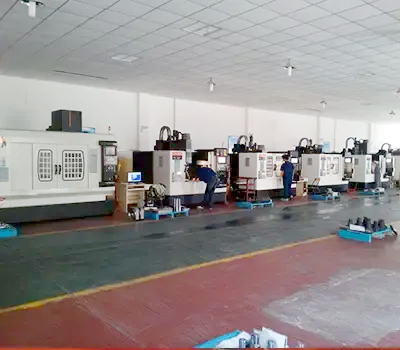
Our commitment to quality manufacturing.
Frequently Asked Questions About Mechanical Vacuum Gauges
Q1: What is the typical vacuum range for a mechanical vacuum gauge?
Mechanical vacuum gauges generally measure pressures below atmospheric. Common ranges extend from atmospheric pressure down to approximately -30 inHg (inches of mercury) or -1 bar (bar). For lower vacuum levels (high vacuum), electronic sensors are typically required.
Q2: Can I use a mechanical vacuum gauge with corrosive gases?
penning vacuum gauge miniature vacuum gauge usg vacuum gauge
It depends on the gauge's construction. Standard gauges with brass wetted parts are suitable for many common gases. However, for corrosive media, you must select a gauge with stainless steel (e.g., 316L) wetted parts or consider a diaphragm seal to isolate the gauge from the process fluid.
Q3: How do I know if I need a liquid-filled gauge?
Liquid-filled gauges (typically with glycerin or silicone oil) are essential in environments with significant vibration or pressure pulsations. The liquid dampens internal movement, preventing premature wear and providing a more stable, readable gauge. If your equipment shakes or vibrates heavily, a liquid-filled gauge is a wise investment.
Q4: What is the difference between inHg and bar for vacuum measurement?
"inHg" (inches of mercury) and "bar" are common units for measuring vacuum. At standard atmospheric pressure, the vacuum reading is typically around 29.92 inHg or 1.013 bar absolute, meaning a perfect vacuum has a relative pressure of 0 inHg or -1.013 bar gauge. Ensure you understand the units used in your application.
Q5: How often should a mechanical vacuum gauge be calibrated?
Calibration frequency depends on the application's criticality and environmental conditions. For non-critical industrial uses, annual calibration is often sufficient. In highly sensitive applications (e.g., pharmaceuticals, high-precision manufacturing), more frequent checks might be necessary. Many users perform periodic spot checks against a known standard.
Q6: Can I use your gauges for food processing applications?
Yes, many of our gauges are suitable for food processing, especially those with stainless steel wetted parts for hygiene and corrosion resistance. They are commonly used in vacuum packaging and filling equipment. We can advise on the best material and connection options for your specific food-grade requirements. The processed meat market is vast, with estimates suggesting it will reach USD 1.33 trillion by 2035 (Precedence Research), and precise measurement is key to quality.
Ready to Enhance Your Process Control with Reliable Vacuum Measurement?
Don't let inaccurate or unreliable vacuum readings compromise your operations. Partner with Hebei Yuanchang for high-quality mechanical vacuum gauges backed by 40 years of manufacturing expertise and a commitment to customer satisfaction.