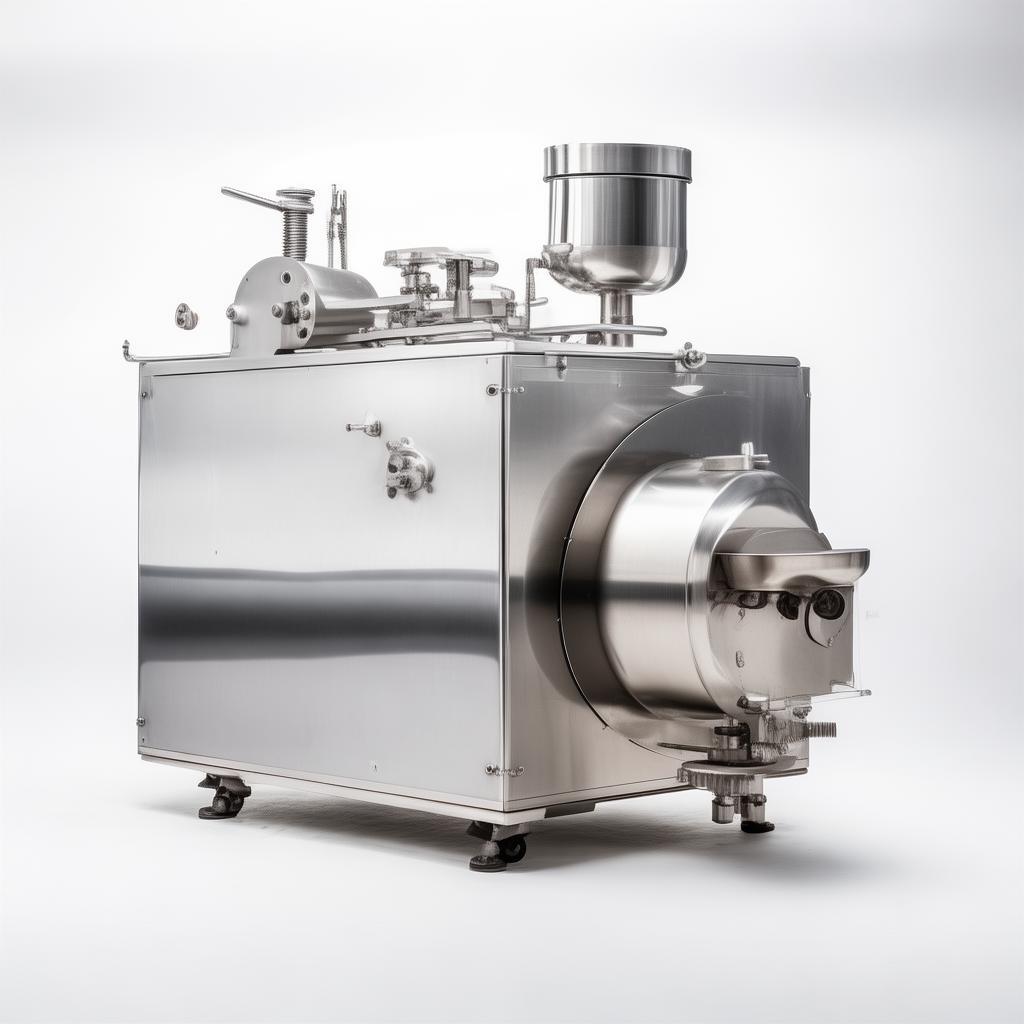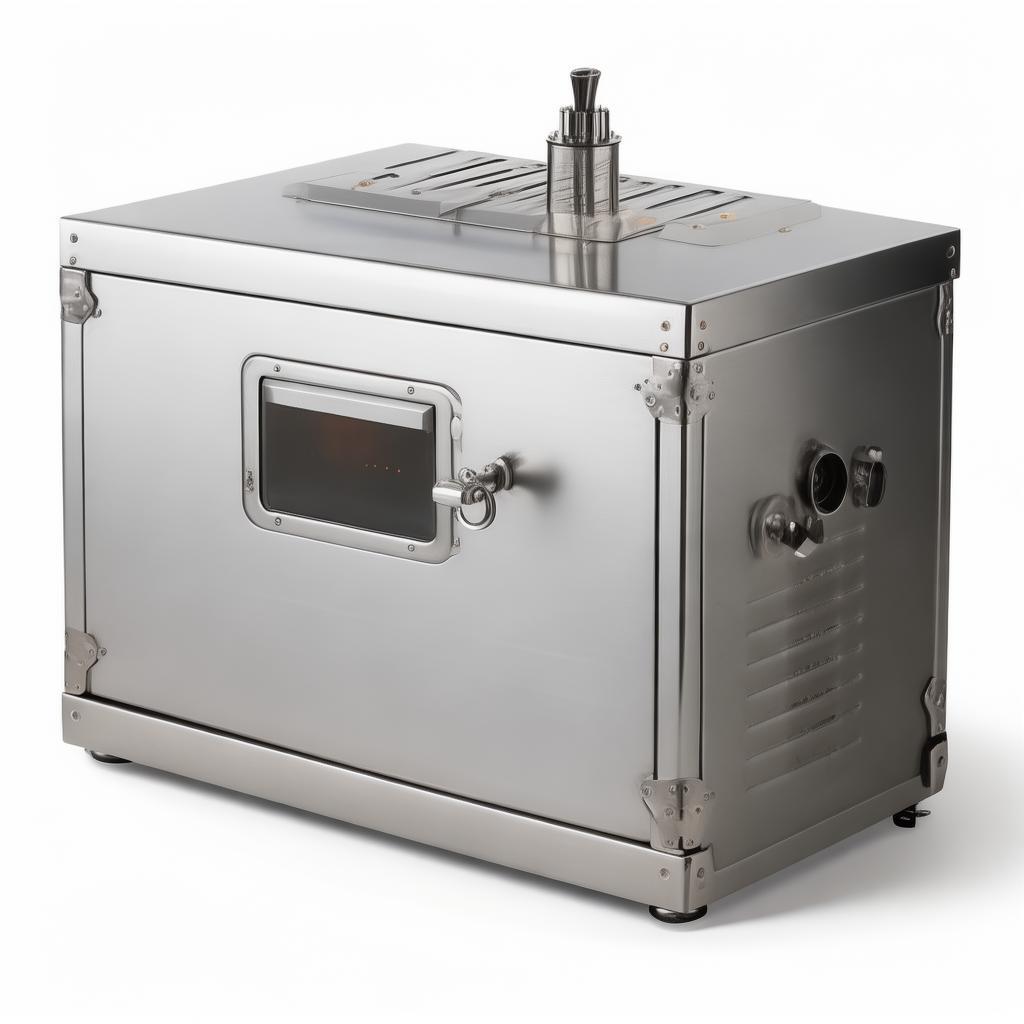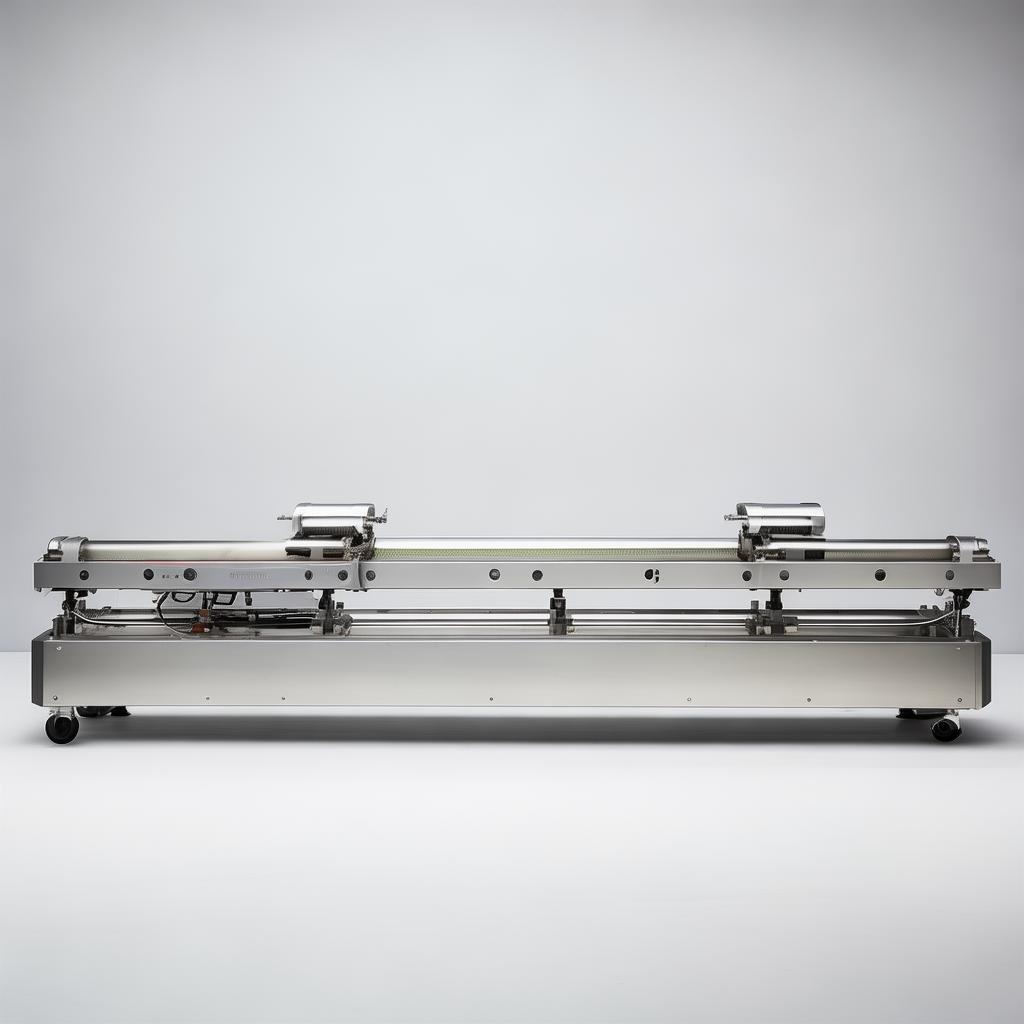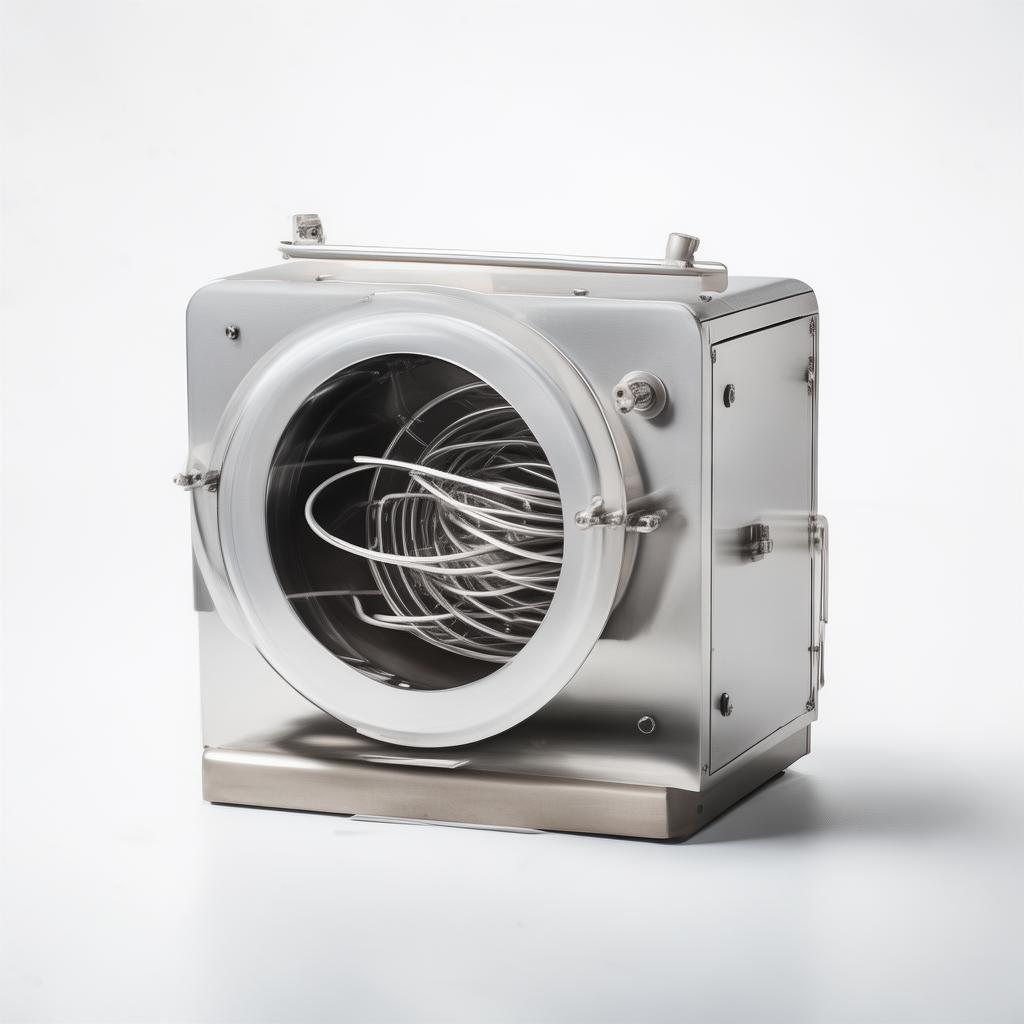
Miniature Vacuum Gauge
Miniature Vacuum Gauges: Precision Measurement for Critical Industrial Applications
Accurate pressure monitoring is non-negotiable in many industrial processes. Discover how our miniature vacuum gauges deliver the reliability and precision you need.

Industry Insights on Vacuum Measurement:
In the complex world of industrial manufacturing, precise control over vacuum levels is often a subtle yet critical factor determining product quality, process efficiency, and equipment longevity. Whether it's in food processing lines, pharmaceutical packaging, laboratory instrumentation, or specialized automation systems, the ability to accurately monitor and manage negative pressure can prevent costly failures and optimize operational output. The global meat processing equipment market, for instance, is projected to reach over USD 17 billion by 2034, with specialized equipment like filling and molding machines relying heavily on consistent vacuum for precise product formation. Similarly, the broader food processing machinery market, including meat segments, is anticipated to grow substantially. Ensuring the right vacuum conditions isn't just about measurement; it's about maintaining process integrity. This is where robust, reliable miniature vacuum gauges become indispensable.
Understanding the nuances of vacuum measurement – from the specific pressure ranges required to the environmental conditions of operation – is key to selecting the right instrument. This guide will delve into why miniature vacuum gauges are crucial for a range of applications and how to select the best fit for your operational needs.
Navigating the Pressure: Why Miniature Vacuum Gauges Matter
In demanding industrial environments, component size often belies its importance. Miniature vacuum gauges are prime examples. They offer a compact solution for monitoring negative pressure in systems where space is at a premium, or where a large, bulky instrument would be impractical or even hazardous. Think of intricate robotic end-effectors requiring precise gripping pressure, sophisticated laboratory setups demanding stable atmospheric control, or compact packaging machinery for pharmaceuticals and electronics. In these scenarios, a standard-sized gauge simply won't fit the bill.
The challenge for purchasing managers and engineers is to find a balance between miniaturization and performance. You need a gauge that is small enough to integrate seamlessly without compromising accuracy, durability, or ease of reading. Oversights here can lead to a cascade of problems: inconsistent product sealing, inefficient material handling, or even premature equipment failure due to uncontrolled vacuum fluctuations. We've seen firsthand how a seemingly minor component like a vacuum gauge can impact an entire production line's output and product consistency. The rise in processed meat consumption, for instance, necessitates highly reliable machinery, and accurate pressure readings are part of that reliability chain.
This isn't just about space-saving. Miniature vacuum gauges often provide specialized functionalities. Their smaller diaphragm sizes can lead to faster response times, which is critical in dynamic processes. Furthermore, their design can often be optimized for specific media compatibility, reducing the risk of corrosion or contamination in sensitive applications. When evaluating procurement options, consider the total cost of ownership – a slightly more expensive, highly reliable miniature gauge can prevent far greater costs associated with downtime, rejects, or equipment damage.
Our focus at Hebei Yuanchang Food Mechanism & Technology Co., Ltd. extends beyond just large-scale machinery. We understand that the precision of your entire operation hinges on the performance of every single component. That's why we've invested heavily in the R&D and manufacturing capabilities to produce miniature vacuum gauges that meet stringent international standards, ensuring they perform reliably even under challenging industrial conditions. Our 40 years of experience since 1986 have taught us that true manufacturing excellence lies in mastering the details.

Precision engineering for critical vacuum monitoring.
Key Applications Where Miniature Vacuum Gauges Excel
The versatility of miniature vacuum gauges means they find critical roles across a wide spectrum of industries. Understanding these use cases can help you identify potential applications within your own operations or related fields.
- Medical and Pharmaceutical: Essential for vacuum sterilization equipment, blood collection systems, respiratory devices, and laboratory vacuum filtration. Ensuring precise negative pressure is paramount for sterility and efficacy.
- Food and Beverage Processing: Used in vacuum packaging machines to extend shelf life, vacuum tumblers for marination, and vacuum fillers for precise product dispensing, especially in delicate items. The processed meat market's growth directly influences the demand for such reliable components.
- Automation and Robotics: Crucial for vacuum grippers in pick-and-place systems, robotic end-effectors, and pneumatic control circuits where precise atmospheric manipulation is required for object handling.
- Laboratory and Scientific Instruments: Widely employed in vacuum pumps, mass spectrometers, chromatography systems, and environmental chambers where stable, low-pressure conditions are vital for accurate analysis and experimentation.
- Industrial HVAC and Filtration: Monitoring vacuum levels in air filtration systems, dust collection units, and specialized industrial ventilation to ensure optimal performance and filter integrity.
- Aerospace and Defense: Critical for testing components under vacuum conditions and in control systems where precise pressure management is a safety requirement.
- General Industrial Controls: Anywhere a compact, reliable vacuum sensing capability is needed for process automation, leak detection, or safety interlocks.
The robust growth in sectors like processed meat and convenience foods, projected at a CAGR of over 5% by various market reports, underscores the increasing need for precision equipment, including reliable vacuum measurement instruments. Our expertise, honed over 40 years, allows us to cater to these diverse needs with precision-engineered solutions.
Technical Specifications: What to Look For
Selecting the right miniature vacuum gauge requires a close look at its technical specifications. Don't let the "miniature" descriptor lead you to overlook critical performance parameters. Here’s what demands your attention:
| Parameter | Key Considerations | Our Specification Examples (Varies by Model) |
|---|---|---|
| Pressure Range | Must cover your operating vacuum levels. Ranges are typically in Torr, mbar, inHg, or psi. Ensure it includes your minimum and maximum expected values. | 0-30 inHg (0-760 Torr), 0-1000 mbar, -1 to 0 bar |
| Accuracy | Crucial for sensitive processes. Stated as a percentage of full scale (e.g., ±1.5% FS). Higher accuracy means tighter process control. | ±1.0% FS, ±1.6% FS, ±2.5% FS |
| Connection Type & Size | Standard pipe threads (NPT, BSP) or specialized fittings. Ensure compatibility with your system's port size and threading. | 1/8" NPT, 1/4" BSP, Quick-Connect |
| Dial Size / Display | Compact gauges will have smaller dials. Ensure readability from your typical operator vantage point. Digital displays offer higher precision and easier integration. | 1.5" (40mm), 2" (50mm), Digital LCD |
| Wetted Materials | Materials that come into contact with the process media. Must be compatible to prevent corrosion or contamination. Stainless steel is common for robustness. | Brass, Stainless Steel (304, 316), Plastic Seals |
| Operating Temperature | Consider ambient and process temperatures. Gauges can be affected by extreme heat or cold, impacting accuracy. | -20°C to 60°C, -40°F to 140°F |
| Enclosure Rating | IP ratings (e.g., IP65) indicate protection against dust and water ingress, essential for wash-down environments or dusty conditions. | IP54, IP65 |
| Mounting Options | Direct mount, panel mount, surface mount. Choose based on your equipment's design and maintenance accessibility. | Lower Mount, Center Back Mount |
portable vacuum gauge mechanical vacuum gauge penning vacuum gauge
For us, manufacturing components like these means leveraging our advanced machining capabilities. With over 20 sets of processing machinery and Japanese Mazak CNC machining centers, we ensure that every part, including the internal mechanisms of our vacuum gauges, meets high-precision, non-standard specifications for critical applications.
Installation and Maintenance: Practical Considerations
Getting the most out of your miniature vacuum gauge involves more than just selecting the right model. Proper installation and routine maintenance are key to ensuring its longevity and accuracy. We often advise clients on these practical aspects:
Installation Tips:
- Port Alignment: Ensure the connection port on your system is clean and free of debris. Align the gauge's threads carefully to avoid cross-threading, which can damage both the gauge and your equipment.
- Sealing: Use appropriate thread sealant (PTFE tape or pipe dope) for threaded connections, but be careful not to over-tighten, especially with smaller plastic or brass fittings. Over-tightening can distort the gauge housing or damage the internal mechanism.
- Orientation: For gauges with liquid filling (dampened), follow manufacturer recommendations on mounting orientation. Most are designed for vertical mounting to ensure proper liquid performance.
- Isolation Valves: Consider installing an isolation valve upstream of the gauge. This allows for safe removal of the gauge for calibration or replacement without depressurizing the entire system. This is a small investment that saves significant operational disruption.
Maintenance Best Practices:
- Regular Inspection: Periodically check the gauge for any signs of damage, leaks, or visible corrosion. Ensure the needle (if analog) is at zero when the system is at atmospheric or positive pressure.
- Calibration: Depending on the criticality of your process, periodic calibration is recommended. While miniature gauges are often robust, their accuracy can drift over time or due to significant environmental changes. We offer calibration services and guidance to help you maintain optimal performance.
- Cleaning: If the gauge face becomes obscured, clean it with a soft, damp cloth. Avoid abrasive cleaners or solvents that could damage the dial or lens.
- Media Compatibility: Always ensure the gauge's wetted materials are compatible with the process fluid. Exposure to aggressive chemicals can lead to premature failure.
Our traceable after-sales management system, coupled with our in-house production of high-precision parts, means we stand behind the reliability and serviceability of our instruments. We aim for worry-free operation for our clients, from initial purchase through the entire lifecycle of the product.
Procurement & Supplier Evaluation: Making the Right Choice
As a purchasing manager or procurement director, you're tasked with securing reliable components at competitive prices while managing risk. Selecting a supplier for critical items like miniature vacuum gauges requires a strategic approach.
Procurement Risk Alert:
Be wary of suppliers who cannot clearly articulate their manufacturing process, material sourcing, or quality control measures. For miniature vacuum gauges, precision machining and stringent calibration are non-negotiable. A lack of transparency can signal potential quality issues or an inability to meet consistent specifications, leading to costly operational disruptions down the line.
Here’s what to consider when evaluating potential suppliers:
- Manufacturing Capabilities: Does the supplier manufacture these gauges in-house, or do they primarily resell? In-house manufacturing, especially with advanced CNC capabilities like ours, offers greater control over quality, customization, and lead times. Our 14,000 sqm facility and dedicated machining workshop are testaments to our commitment.
- Quality Certifications: Look for ISO certifications (e.g., ISO 9001) as a baseline. Compliance with industry-specific standards or certifications can also be a significant plus, depending on your application.
- Technical Support: Can they provide expert advice on product selection, installation, and troubleshooting? Direct access to engineers or experienced technical staff is invaluable.
- Customization Options (OEM/ODM): If you have specific design requirements, inquire about OEM (Original Equipment Manufacturer) or ODM (Original Design Manufacturer) capabilities. We are adept at working with clients to tailor products to unique specifications.
- Logistics and Lead Times: Understand their production capacity, typical lead times, and international shipping expertise. For time-sensitive projects, reliable delivery is as crucial as product quality. Our experience in export means we can manage international logistics efficiently.
- After-Sales Service: A traceable after-sales management system and responsive support ensure you're not left hanging if an issue arises.
With 40 years in the manufacturing sector, Hebei Yuanchang has built a reputation on precision, reliability, and comprehensive support. We are not just a supplier; we are a partner invested in the success of your operations.
Why Choose Hebei Yuanchang for Your Miniature Vacuum Gauges?
When precision, reliability, and a strong supply chain partner are paramount, Hebei Yuanchang Food Mechanism & Technology Co., Ltd. stands out. Our commitment to excellence is built on a solid foundation of experience and advanced manufacturing capabilities.
- 40 Years of Manufacturing Prowess: Since 1986, we've cultivated deep expertise in producing high-quality industrial components.
- State-of-the-Art Machining: Our facility is equipped with over 20 sets of precision machinery, including Japanese Mazak CNC centers, enabling us to produce components with extreme accuracy and consistency.
- Comprehensive Quality Control: We implement rigorous quality checks throughout the entire production process, from raw material inspection to final product testing.
- Customization Capabilities (OEM/ODM): We can engineer solutions tailored to your unique project requirements.
- Global Export Expertise: We have extensive experience in international trade, ensuring smooth logistics and timely delivery to clients worldwide.
- Traceable After-Sales Support: Our robust management system guarantees reliable support and service for all our products.
We understand that in critical applications, component failure is not an option. Partner with a manufacturer that prioritizes precision and long-term reliability.
Customer Testimonials

Procurement Manager, MedTech Innovations
"We needed extremely precise miniature vacuum gauges for a new line of diagnostic equipment. Hebei Yuanchang not only delivered on the exact specifications but also provided excellent technical support during the integration phase. Their response time was impressive."
October 26, 2023

Operations Lead, Global Food Packagers
"The compact size of these vacuum gauges was a game-changer for our automated packaging machines. They fit perfectly into tight spaces and have significantly improved the seal integrity of our products. We’ve seen a noticeable reduction in spoilage since switching."
September 15, 2023

Lead Engineer, Automation Solutions Inc.
"We've relied on Hebei Yuanchang for various components. Their miniature vacuum gauges are consistently accurate and robust. The quality from their CNC machining is evident, and the lead times for our export orders are always manageable."
August 01, 2023
Frequently Asked Questions (FAQ)
Q: What is the typical lifespan of a miniature vacuum gauge?
A: The lifespan varies greatly based on application, operating conditions, and maintenance. However, with proper installation and regular inspection, many industrial-grade miniature vacuum gauges can last for several years, often 5-10 years or more.
Q: Can your miniature vacuum gauges be used with aggressive chemicals?
A: Our gauges are available with various wetted materials, such as stainless steel (304/316) and brass, along with different seal options. Please consult our technical data sheets or contact us with the specific chemical and its concentration to determine compatibility. We can often provide specialized materials for corrosive environments.
Q: Do you offer custom dial markings or logos?
A: Yes, as an OEM/ODM manufacturer, we can accommodate custom requirements, including custom dial markings or branding, to align with your specific equipment or corporate identity. This is a key aspect of our partnership approach.
Q: What is the difference between absolute, gauge, and differential vacuum pressure?
A: Absolute vacuum is measured relative to a perfect vacuum (zero pressure). Gauge vacuum is measured relative to the ambient atmospheric pressure (which is often 0 gauge, but negative in vacuum readings). Differential vacuum measures the difference between two points. Most industrial vacuum gauges, including many miniature ones, are gauge or absolute types.
Q: How do I handle potential pulsation in my vacuum system?
A: Pulsating vacuum can lead to inaccurate readings and accelerated wear on the gauge. For such applications, we recommend using liquid-filled (glycerin or silicone) gauges. The liquid dampens vibrations and provides a more stable reading. We can advise on the best fill medium for your operating temperature.
Ready to Enhance Your Process Control?
Don't let inadequate vacuum monitoring compromise your operations. Contact us for a personalized consultation and discover how our miniature vacuum gauges can bring precision, reliability, and efficiency to your systems.
Need to integrate these into a larger system? We offer OEM/ODM services. Whether you require specific pressure ranges, specialized materials, or unique mounting solutions, our engineering team can collaborate with you to develop custom vacuum gauge solutions that precisely match your equipment's needs. Let's build the future of your product together.
Hebei Yuanchang Food Mechanism & Technology Co., Ltd. | Shijiazhuang, Hebei Province, China
Phone: +86 15830991513 | E-mail: ycmeatmech@gmail.com | www.ycmeatmech.com
Copyright © 2026 Hebei Yuanchang. All rights reserved.
Direct Inquiries & Support



Real-time support and detailed technical discussions available.