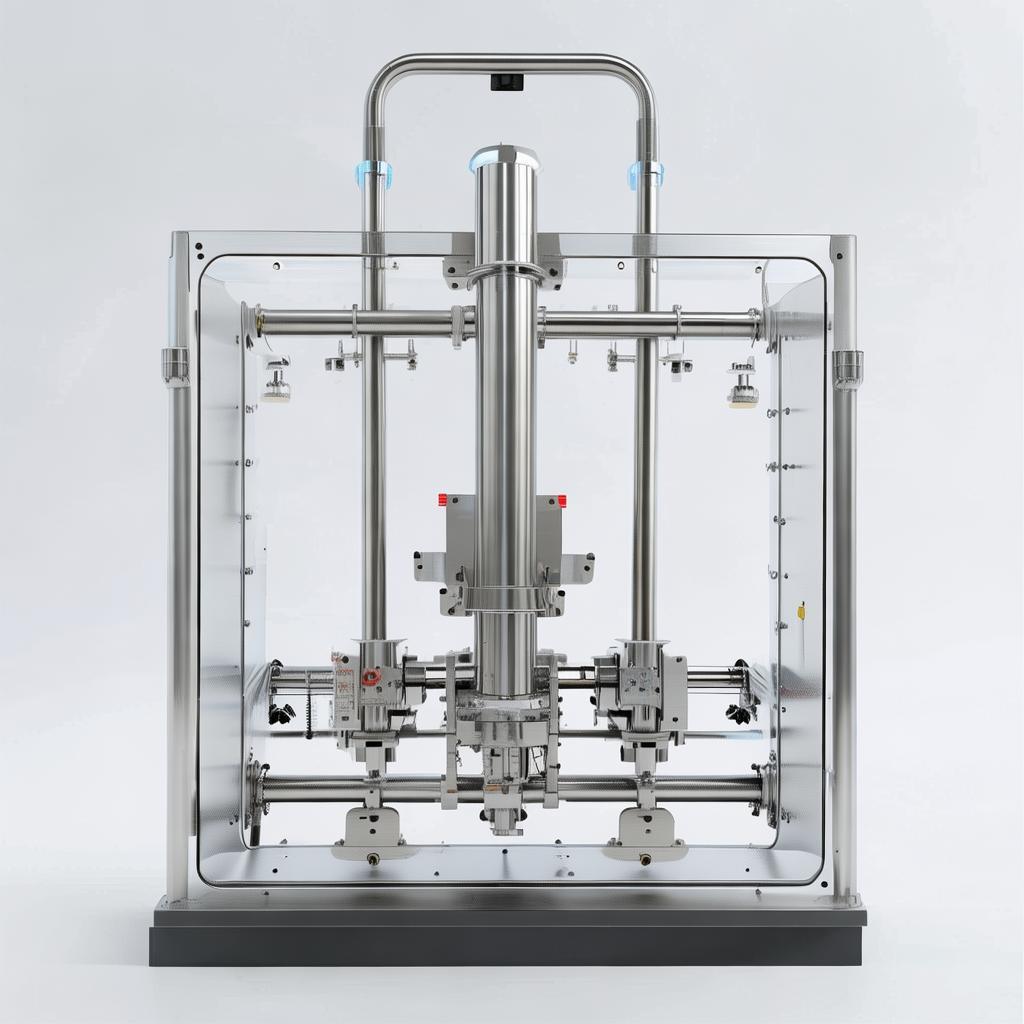
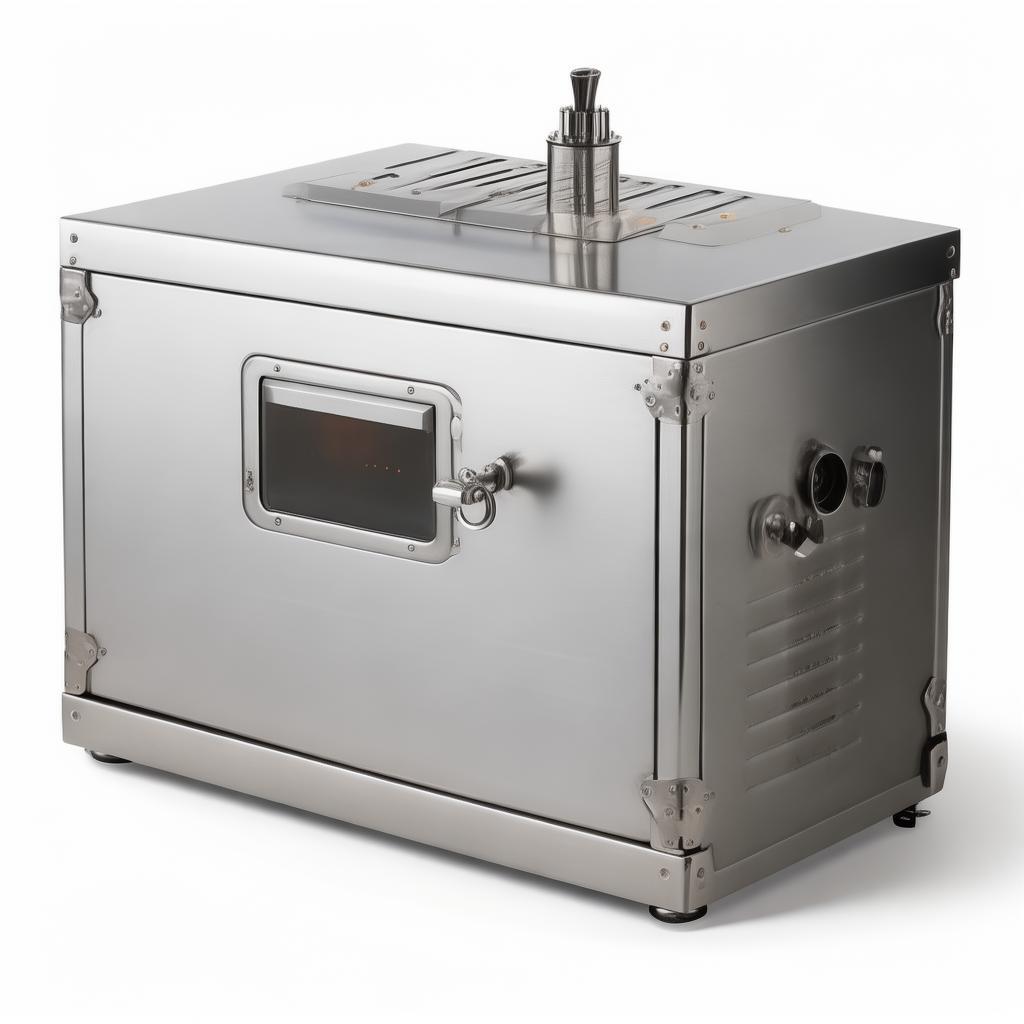
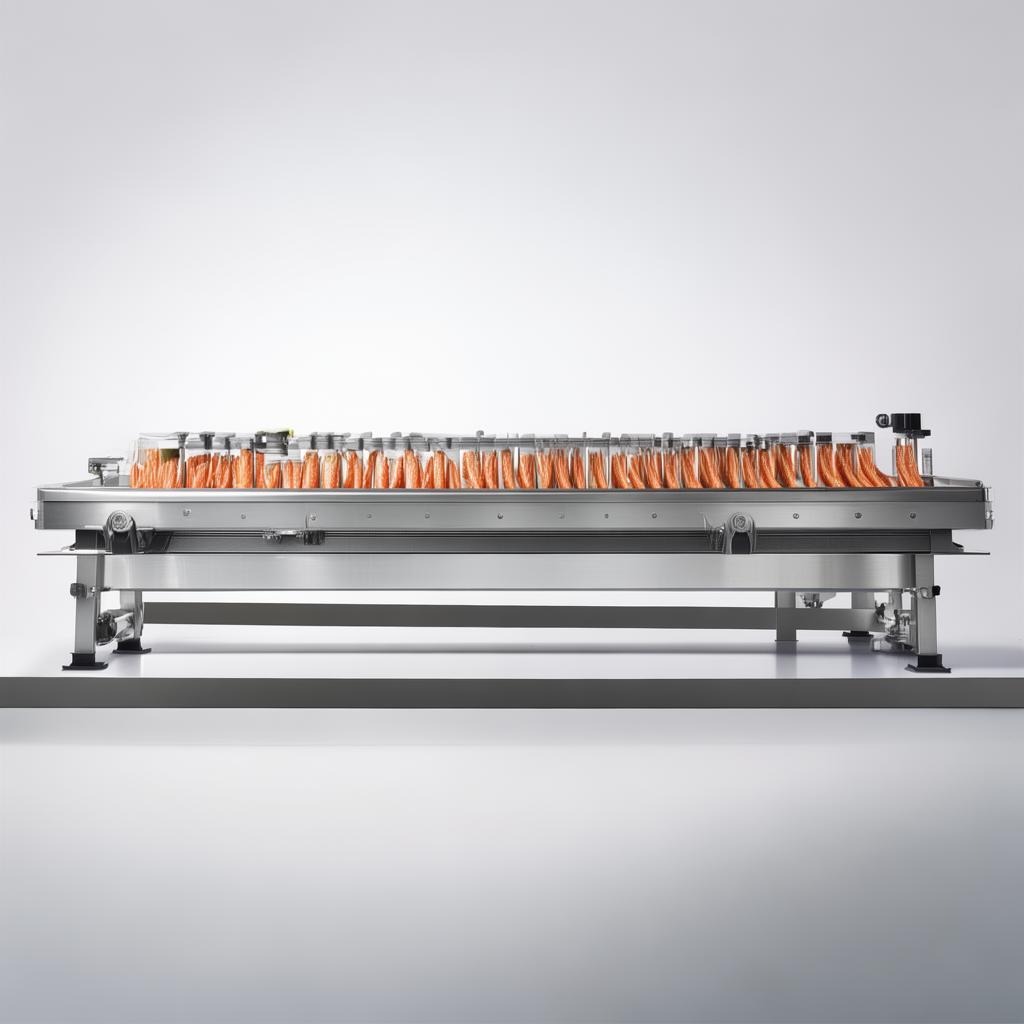
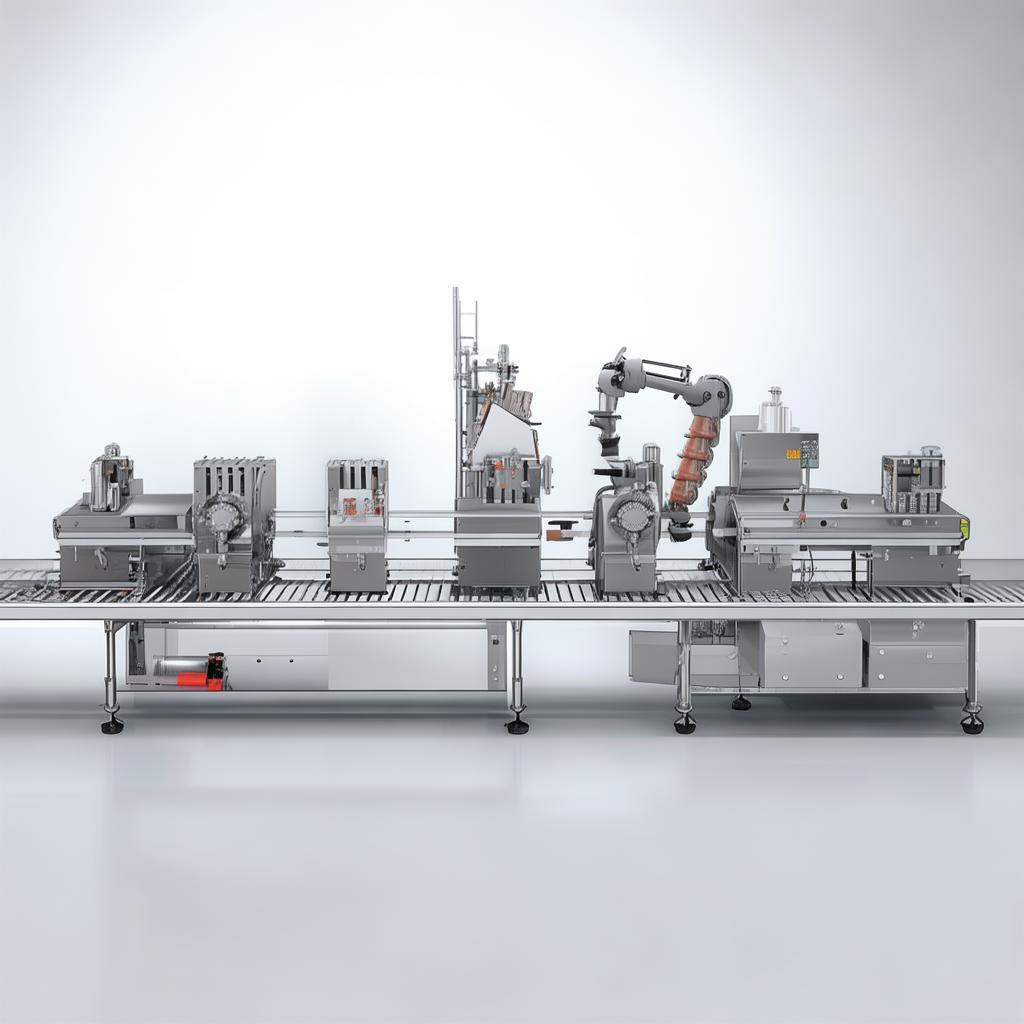
Vacuum Pneumatic Conveying System
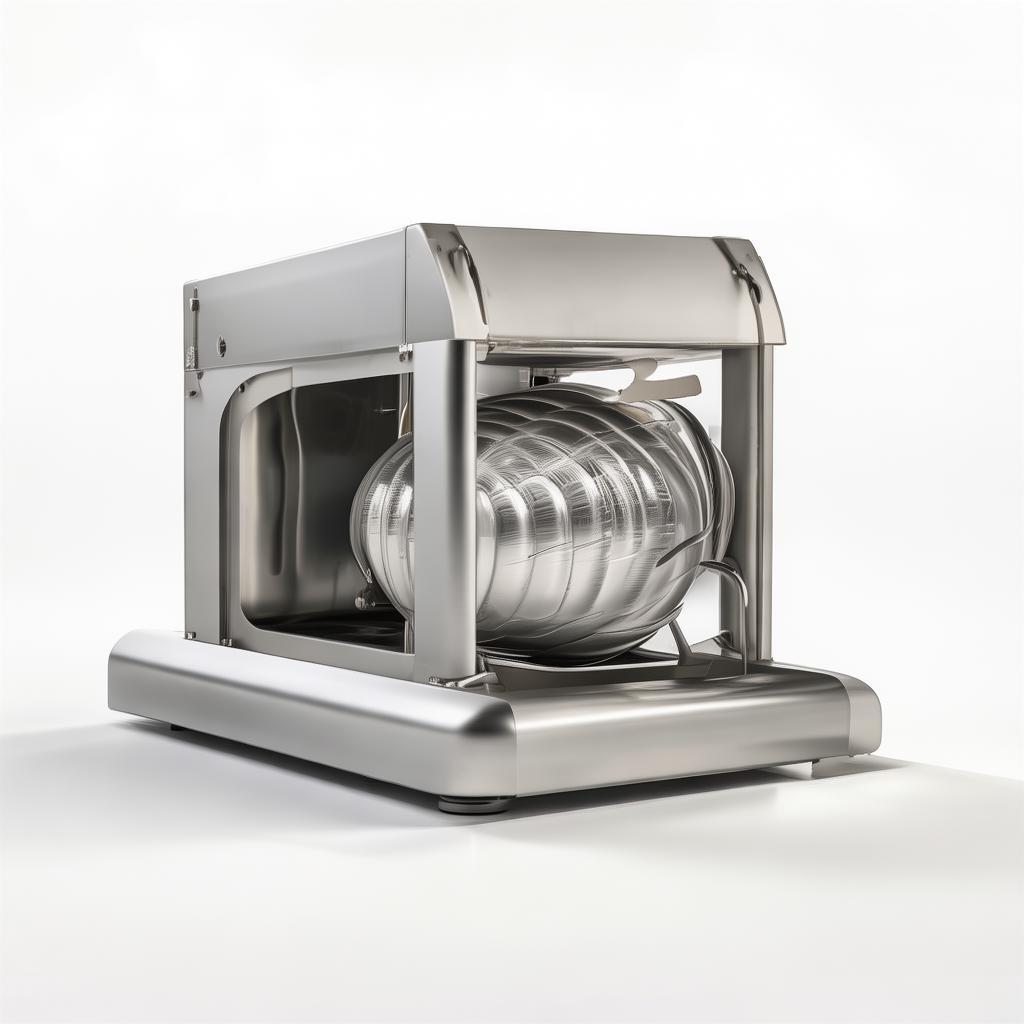
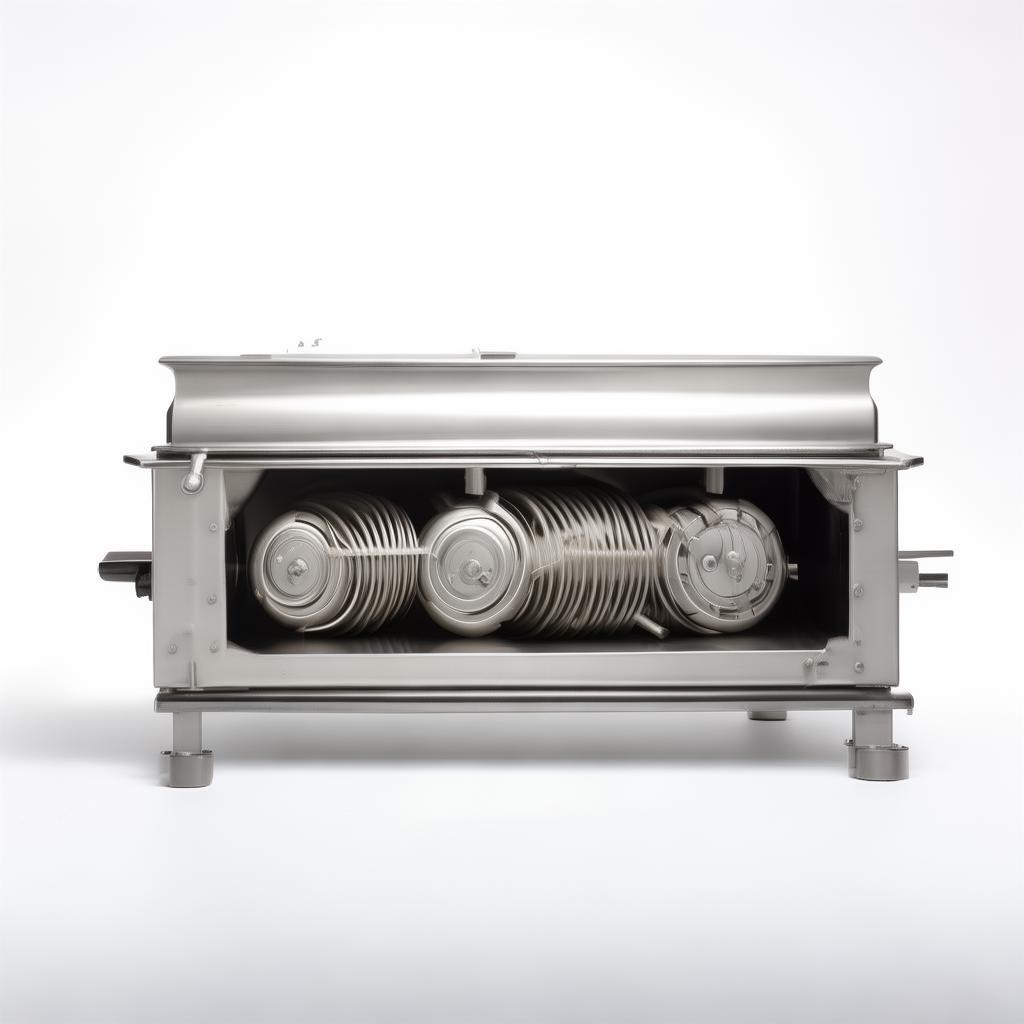
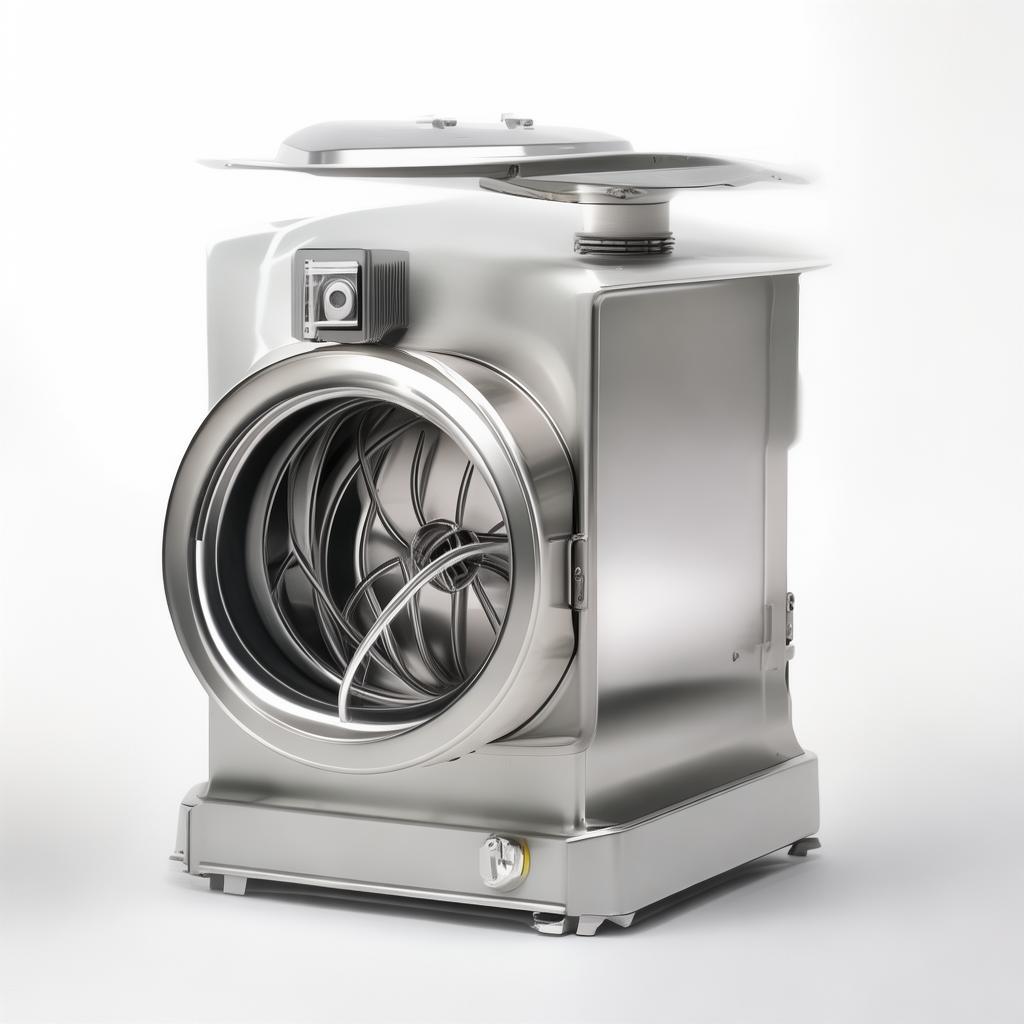
Vacuum Pneumatic Conveying Systems: Efficient Material Handling for Modern Manufacturing
Streamline Your Operations with Reliable, Dust-Free Transfer Solutions
 By Johnathan Lee, Senior Export Manager
40 Years of Expertise in Industrial Automation & Export
The Silent Workhorse of Industry: Understanding Vacuum Pneumatic Conveying
In the intricate world of industrial processing, especially where powders, granules, or bulk solids are involved, the efficient and safe transfer of materials is paramount. Traditional methods, like manual scooping, bucket elevators, or basic screw conveyors, often fall short, introducing inefficiencies, potential for contamination, and significant dust generation. This is where the vacuum pneumatic conveying system emerges not just as an alternative, but as a superior solution for a multitude of applications across diverse sectors. We're talking about moving materials from point A to point B with a force that's both powerful and precise, all while maintaining a clean and controlled environment.
For operations dealing with fine powders, hygroscopic materials, or even temperature-sensitive substances, the integrity of the product is non-negotiable. A robust vacuum conveying system creates a sealed environment, preventing atmospheric moisture or contaminants from compromising the bulk material. This is critical, for example, in the pharmaceutical industry where purity is king, or in food processing where hygiene standards are exceptionally high. The enclosed nature also drastically reduces airborne dust, a common hazard that can lead to respiratory issues for workers, create explosion risks in combustible environments, and result in product loss through fugitive emissions. Think about flour mills, chemical plants, or even specialized food ingredient manufacturers – the benefits of containment are immediately obvious.
The versatility of vacuum pneumatic conveying systems is another key advantage. They can handle a wide range of materials – from fine talcum powder and plastic pellets to bulk commodities like grains and feed ingredients. The ability to convey these materials over significant distances, through complex plant layouts, and to multiple destinations from a single pickup point offers unparalleled flexibility. This adaptability makes them indispensable for optimizing production flow, minimizing manual labor, and reducing operational bottlenecks. We've seen clients completely reconfigure their plant layouts, moving processing machinery to more efficient locations because the conveying system could seamlessly connect them, rather than being constrained by the limitations of older transfer methods.
Furthermore, the operational savings often justify the initial investment. Reduced product loss, lower labor costs associated with manual handling, minimized housekeeping due to dust containment, and decreased wear and tear on equipment (compared to abrasive mechanical conveyors) all contribute to a healthier bottom line. Maintenance requirements for pneumatic systems are typically lower, focusing on filter elements, vacuum pumps, and wear parts in the pipeline, which are often less prone to failure than complex moving parts in mechanical systems. This means more uptime and less unexpected downtime, a critical consideration for any production manager.
When evaluating a vacuum pneumatic conveying system, several factors come into play. The specific properties of the material being conveyed – its particle size, density, abrasiveness, flowability, and moisture content – will dictate the system's design. The required throughput, conveying distance, and any specific environmental or safety regulations are also critical. It's not a one-size-fits-all solution. Our expertise lies in dissecting these requirements to engineer a system that's not just functional, but optimized for your unique operational context. This involves careful consideration of pipe diameter, conveying velocity, air volume, and the type of vacuum source – whether it's a rotary vane vacuum pump, a liquid ring pump, or a blower depending on the application's scale and pressure requirements.
The global demand for efficient bulk material handling is on a steady rise, driven by the expansion of industries like food and beverage, pharmaceuticals, chemicals, and plastics. According to recent market analyses, the global meat processing equipment market, for example, which heavily relies on precise ingredient transfer and handling, is projected to reach significant figures in the coming years. While our focus is on conveying, the underlying principle of efficient, clean, and automated material transfer is a common thread across many industrial sectors. This growth underscores the importance of investing in modern, reliable systems like vacuum pneumatic conveying. The trend towards automation, hygiene, and labor efficiency in manufacturing processes globally means these systems are no longer a luxury, but a necessity for staying competitive.
The complexity of international procurement and installation also requires a partner who understands the nuances of global trade, compliance, and after-sales support. Sourcing from a reputable manufacturer ensures not only the quality of the equipment but also access to technical expertise, spare parts, and ongoing support, which are vital for the long-term performance of your investment. We pride ourselves on being that partner, offering robust engineering and dependable service to clients worldwide.
Key Challenges in Bulk Material Transfer & How We Solve Them
- Dust and Contamination: Traditional open-air methods expose materials to the environment, risking product quality degradation and creating health hazards. Our sealed vacuum systems eliminate dust escape and prevent external contamination.
- Product Degradation: Fragile materials can be damaged by aggressive mechanical handling. Gentle vacuum conveying minimizes particle attrition and preserves product integrity.
- Labor Intensity & Safety Risks: Manual handling is time-consuming, ergonomically challenging, and prone to accidents. Automation via pneumatic conveying significantly reduces manual labor and associated risks.
- Operational Inflexibility: Fixed mechanical routes can limit plant layout and expansion. Our flexible piping allows for complex routing and easy system modification.
- Space Constraints: Some mechanical systems require significant space. Pneumatic conveying can be integrated efficiently into existing or new plant footprints.
Our Vacuum Pneumatic Conveying Systems: Engineered for Performance
At Hebei Yuanchang, we don't just supply equipment; we engineer solutions. Our vacuum pneumatic conveying systems are built on decades of manufacturing experience, integrating cutting-edge technology with practical, industrial know-how. Each system is designed to meet the specific demands of your operation, ensuring reliability, efficiency, and longevity.
Core Components & How They Work
A typical vacuum pneumatic conveying system consists of several key elements:
- Material Pickup Point(s): This is where the material enters the system. It can be a hopper, a bag dump station, a drum unloader, or directly from processing equipment.
- Conveying Pipeline: A network of durable pipes, typically made from stainless steel or other corrosion-resistant alloys, through which the material travels. Proper sizing and layout are critical for optimal performance and to prevent blockages.
- Airmover / Vacuum Source: This is the heart of the system, usually a high-efficiency vacuum pump (e.g., rotary vane, liquid ring) or a positive displacement blower, which generates the airflow needed to move the material. The choice depends on the required vacuum level and airflow.
- Separation Unit: Typically located at the destination, this unit separates the conveyed material from the air. It commonly features a cyclone for initial coarse separation, followed by a filter receiver where fine particles are captured by specialized filter media.
- Filtration System: Crucial for ensuring clean air discharge and protecting downstream equipment. We utilize high-efficiency filter cartridges (e.g., pleated polyester, PTFE coated) tailored to the material's properties and environmental standards.
- Control Panel: Manages the system's operation, including pump cycles, filter cleaning (often via automated pulse-jet systems), and safety interlocks.
Material Considerations & Design Nuances
The success of a vacuum conveying system hinges on understanding the material. We classify materials into categories:
| Material Type | Key Properties | System Design Focus |
|---|---|---|
| Fine Powders (e.g., flour, pigments, pharmaceuticals) | Low density, potential for dusting, can be abrasive. | High-efficiency filtration, gentle acceleration, controlled flow rates, robust wear protection on bends. |
| Granules & Pellets (e.g., plastic, coffee beans, feed) | Higher density, prone to breakage/attrition, can be hygroscopic. | Optimized velocity to avoid attrition, proper sizing to prevent bridging, consideration for moisture removal. |
| Bulk Solids (e.g., sugar, salt, small seeds) | Varying flowability, potential for agglomeration. | Careful pipe routing, potential for flow aids, reliable air supply. |
pneumatic vacuum system pneumatic vacuum ejector vacuum generator pneumatic
Our engineering team meticulously analyzes material characteristics, considering factors like bulk density, particle shape, moisture content, and flowability. This ensures the correct selection of pipe diameter, conveying velocity, air volume, and appropriate wear-resistant components (e.g., hardened steel elbows, ceramic linings) for longevity.
Advantages You Can Count On
- Reduced Dust & Improved Workplace Safety: Enclosed system minimizes airborne particulates, protecting workers and reducing explosion risks.
- Enhanced Product Purity: Prevents contamination from the environment and cross-contamination between batches. Ideal for pharma and food grade applications.
- Automated & Labor-Saving: Significantly cuts down on manual handling, freeing up personnel for higher-value tasks.
- Flexible Plant Design: Conveys materials over long distances and around obstacles, allowing for optimized factory layouts.
- Lower Operating Costs: Reduced product loss, less housekeeping, and often lower maintenance compared to mechanical systems.
- Gentle Material Handling: Minimizes particle degradation, crucial for sensitive or fragile materials.
- Energy Efficiency: Modern systems are designed for optimal energy consumption.
Applications Across Industries
Our vacuum pneumatic conveying systems are the backbone of efficient operations in a wide array of industries:
- Food & Beverage: Transferring ingredients like flour, sugar, spices, coffee beans, cocoa powder, milk powder, and ready-to-eat meal components. Maintaining hygiene is paramount here. The demand for processed and convenience meats, as indicated by market reports, necessitates efficient ingredient handling systems.
- Pharmaceuticals: Conveying active pharmaceutical ingredients (APIs), excipients, powders, and granules with absolute integrity and containment. Strict FDA and GMP compliance is a given.
- Chemicals: Handling raw materials, additives, catalysts, and finished powders like PVC, carbon black, and various resins. Resistance to corrosive environments might be a key consideration.
- Plastics: Conveying raw plastic pellets, masterbatches, and powders from silos or hoppers to injection molding machines or extruders.
- Minerals & Aggregates: Transferring fine powders, sand, cement, and other bulk materials in processing plants.
- Agriculture: Moving grains, feed, seeds, and fertilizers in processing and storage facilities.
The global processed meat market is projected for substantial growth, expected to reach over USD 1.3 trillion by 2035. This growth is fueled by demand for convenience and ready-to-eat products, directly translating into a need for automated systems that can precisely handle ingredients for sausage production, meat rubs, marinades, and other processed meat items. Our systems are perfectly suited to support these operations, ensuring that every component is delivered cleanly and accurately.
Technical Specifications & Customization
While each system is bespoke, here are typical specifications and the flexibility we offer:
| Parameter | Range / Options | Notes |
|---|---|---|
| Conveying Capacity | Up to 50+ tons/hour | Material dependent, specific system design |
| Conveying Distance | Up to 200+ meters horizontally / 50+ meters vertically | Depends on material, elevation, and bends |
| Material Compatibility | Powders, granules, pellets, flakes, fine chemicals, food ingredients | Requires detailed material analysis |
| Pipeline Materials | Stainless Steel (304, 316L), Carbon Steel, UHMW-PE lined | Food grade, corrosion resistance, abrasion resistance |
| Vacuum Source | Rotary Vane Pumps, Liquid Ring Pumps, Blowers | Selected for specific vacuum/airflow needs |
| Filtration Efficiency | Standard: 99.9% at 3 microns. HEPA options available. | Critical for product purity and environmental compliance |
| Certifications | CE, ATEX (optional for explosive environments), FDA compliant materials | Meeting international standards for safety and quality |
OEM/ODM Capabilities: As a direct manufacturer with over 40 years of experience, we excel in providing OEM and ODM services. We can tailor our vacuum pneumatic conveying systems to integrate seamlessly with your existing machinery or to meet unique project specifications. From custom hopper designs to specialized pipeline configurations and control system integrations, our in-house engineering and machining capabilities, including Japanese Mazak CNC centers, allow us to produce high-precision components for even the most demanding requirements.
Installation, Maintenance, and Logistics
We understand that a system's effectiveness extends beyond its initial performance. Proper installation, routine maintenance, and efficient logistics are critical for maximizing uptime and ROI.
Smooth Installation Process
Our systems are designed for straightforward installation. We provide comprehensive installation manuals and detailed drawings. For larger or more complex projects, our engineering team can offer on-site supervision or full turnkey installation services. Key considerations include:
- Site Preparation: Ensuring adequate space, power supply, and structural support for equipment and piping.
- Piping Layout: Minimizing bends and optimizing routes to reduce pressure drop and wear.
- Electrical Connections: Adhering to local electrical codes and safety standards.
- Commissioning: Thorough testing and calibration to ensure optimal performance before full production startup.
Proactive Maintenance for Longevity
Regular maintenance is key to preventing unexpected downtime and extending the life of your system. Our recommended maintenance schedule typically includes:
- Filter Inspection and Replacement: Regularly check and replace filter elements as per manufacturer recommendations or based on system performance monitoring.
- Vacuum Pump Servicing: Adhere to the pump manufacturer's recommended maintenance intervals for lubrication and seal replacement.
- Pipeline and Bend Inspection: Periodically check for wear, especially in areas with high abrasion.
- Seal Checks: Ensure all door seals, hose connections, and airlocks are in good condition.
We provide a full range of spare parts and maintenance kits to support your ongoing operations.
Global Logistics and Shipping
Hebei Yuanchang has extensive experience in international shipping. We work with reliable freight forwarders to ensure your equipment reaches its destination safely and efficiently. Our team handles all necessary export documentation and can coordinate container loading to optimize space and reduce shipping costs. Whether it's a single component or a complete system, we manage the logistics so you can focus on your production.
Typical Lead Times: For standard configurations, lead times can range from 6-12 weeks, depending on customization and current production schedules. For highly specialized OEM/ODM projects, lead times will be determined during the project planning phase.
Why Partner with Hebei Yuanchang?
Choosing the right supplier for your vacuum pneumatic conveying system is critical. Here's why Hebei Yuanchang stands out:
- 40 Years of Manufacturing Excellence: Since 1986, we have honed our skills in industrial machinery, accumulating deep practical knowledge.
- In-House Engineering & Machining: Our 14,000 sq meter facility houses over 20 sets of advanced machinery, including Japanese Mazak CNC centers, enabling us to produce high-precision, custom components.
- Comprehensive Product Range: While specializing in meat processing, our underlying mechanical engineering expertise translates directly to robust bulk material handling solutions.
- Commitment to Quality & Reliability: We integrate strict quality control throughout our R&D, production, and sales processes. Our traceable after-sales management system ensures accountability.
- Global Export Experience: We understand the complexities of international trade, compliance, and customer support.
- Customer-Centric Solutions: We don't offer generic products. We engineer solutions tailored to your specific operational needs and budget.
We are more than just a supplier; we are your partner in optimizing material flow and enhancing operational efficiency. Our team of 80-100 dedicated professionals is ready to support your project from concept to completion and beyond.
Hear From Our Clients

"The vacuum conveying system from Yuanchang has been a game-changer for our pharmaceutical powder handling. We've seen a drastic reduction in dust and zero product loss during transfer. Installation was smooth, and their support team was responsive."
Sarah ChenProduction Manager, PharmaChem USA

"We needed a reliable way to move plastic pellets to our extrusion lines. Yuanchang's custom-designed system works flawlessly, maintaining pellet integrity and significantly reducing manual labor. The lead time was also well within our project schedule."
Mark JohnsonOperations Director, PolyPlastics Canada

"The attention to detail in their engineering was impressive. Our flour handling had always been a dusty operation, but their vacuum system has created a clean, safe working environment and improved overall efficiency. Excellent after-sales support."
David MillerPlant Manager, GreatHarvest Mills, Australia
Ready to Optimize Your Material Handling?
Don't let inefficient material transfer slow down your production or compromise your product quality. Discover how a custom-engineered vacuum pneumatic conveying system from Hebei Yuanchang can transform your operations.
Have specific technical questions? Email us or call +86 15830991513.
Frequently Asked Questions
- Q: Can vacuum pneumatic conveying handle sticky or moist materials?
- While extremely sticky or wet materials can pose challenges, specialized designs often incorporate features like heated pipes, specific valve types, or modified airflows to manage them. Thorough material testing is crucial for such applications.
- Q: What is the typical lifespan of a vacuum pneumatic conveying system?
- With proper maintenance, a well-designed system can last 15-25 years. Wear parts like filters and seals are the most frequently replaced components.
- Q: Is installation complex and costly?
- Installation complexity varies with system size and plant layout. Our systems are designed for efficient installation, and we offer support to minimize costs and downtime. Compared to the long-term operational savings, the investment in proper installation often provides a significant return.
- Q: How do you handle explosive dust environments (ATEX/HazLoc)?
- We can design systems to meet ATEX or other hazardous location (HazLoc) certifications. This involves using explosion-proof components, grounding, and specialized designs like explosion isolation valves to ensure safety.
- Q: What are the energy consumption implications?
- Modern vacuum pumps and blower systems are highly energy-efficient. Our engineers optimize airflow and vacuum levels for each application to minimize energy usage while maintaining performance. The overall energy cost is often lower when considering the reduction in manual labor and potential product loss.