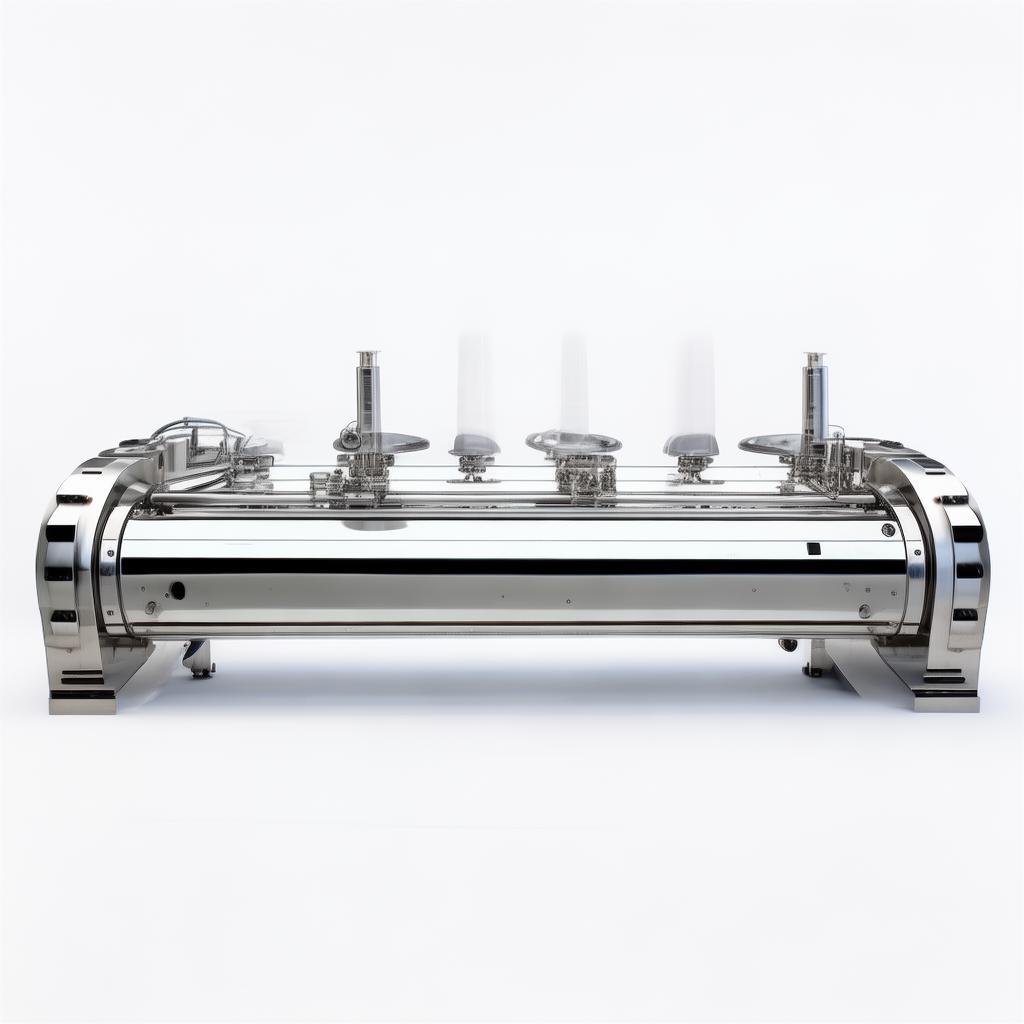
Vacuum Distillation Unit
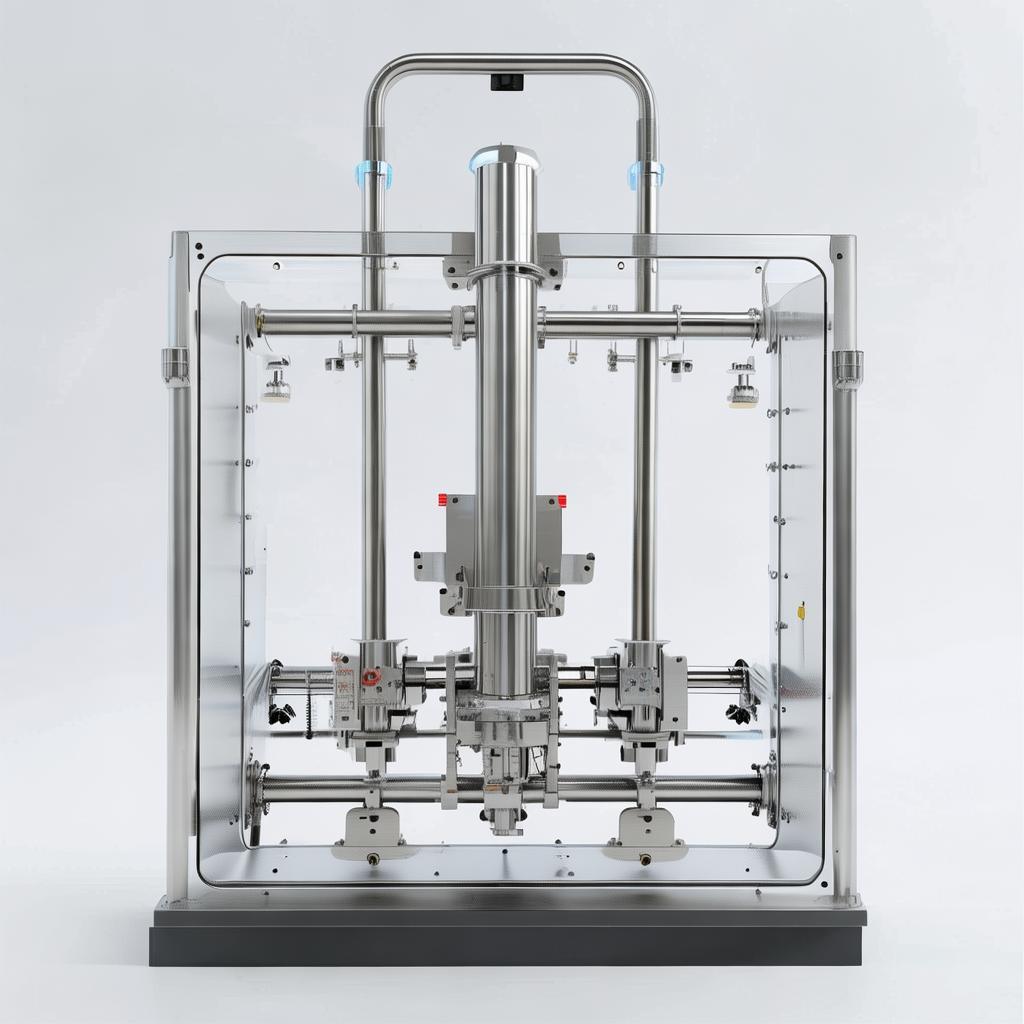
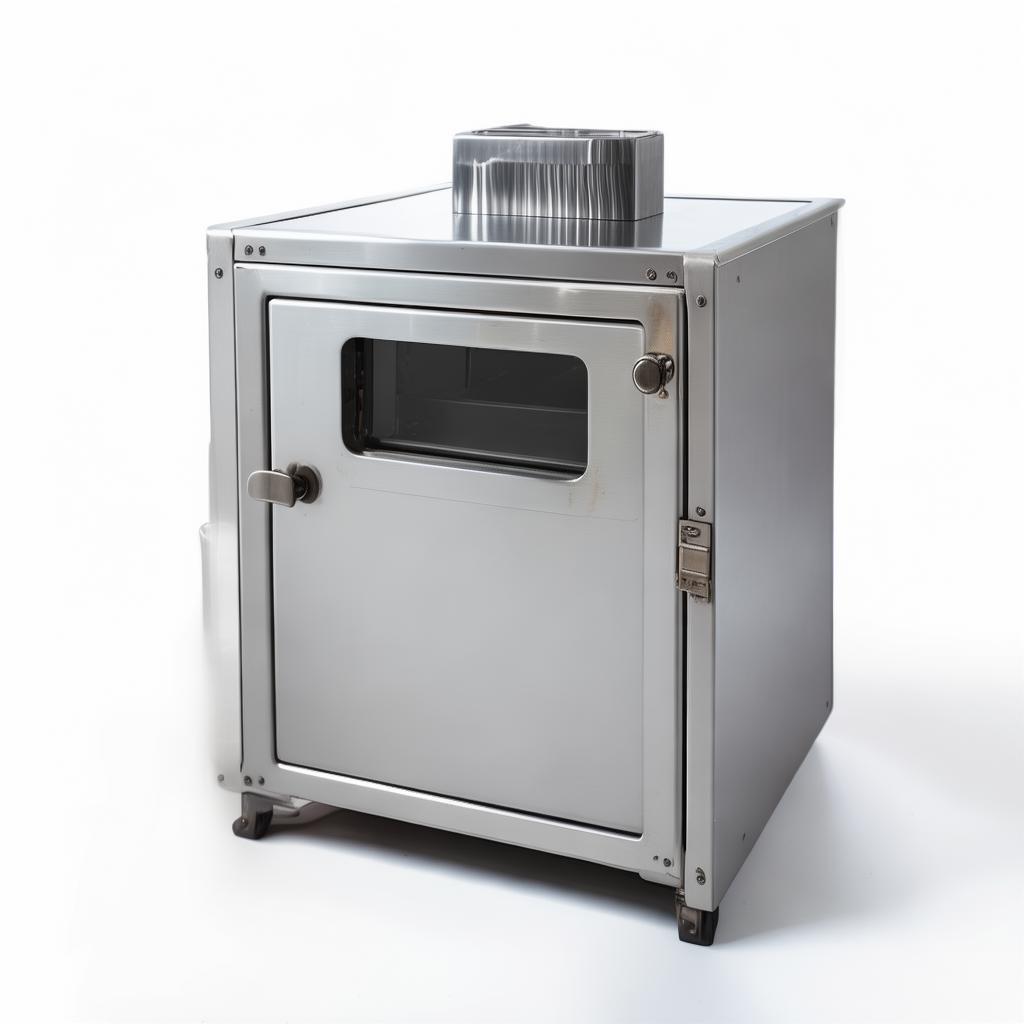
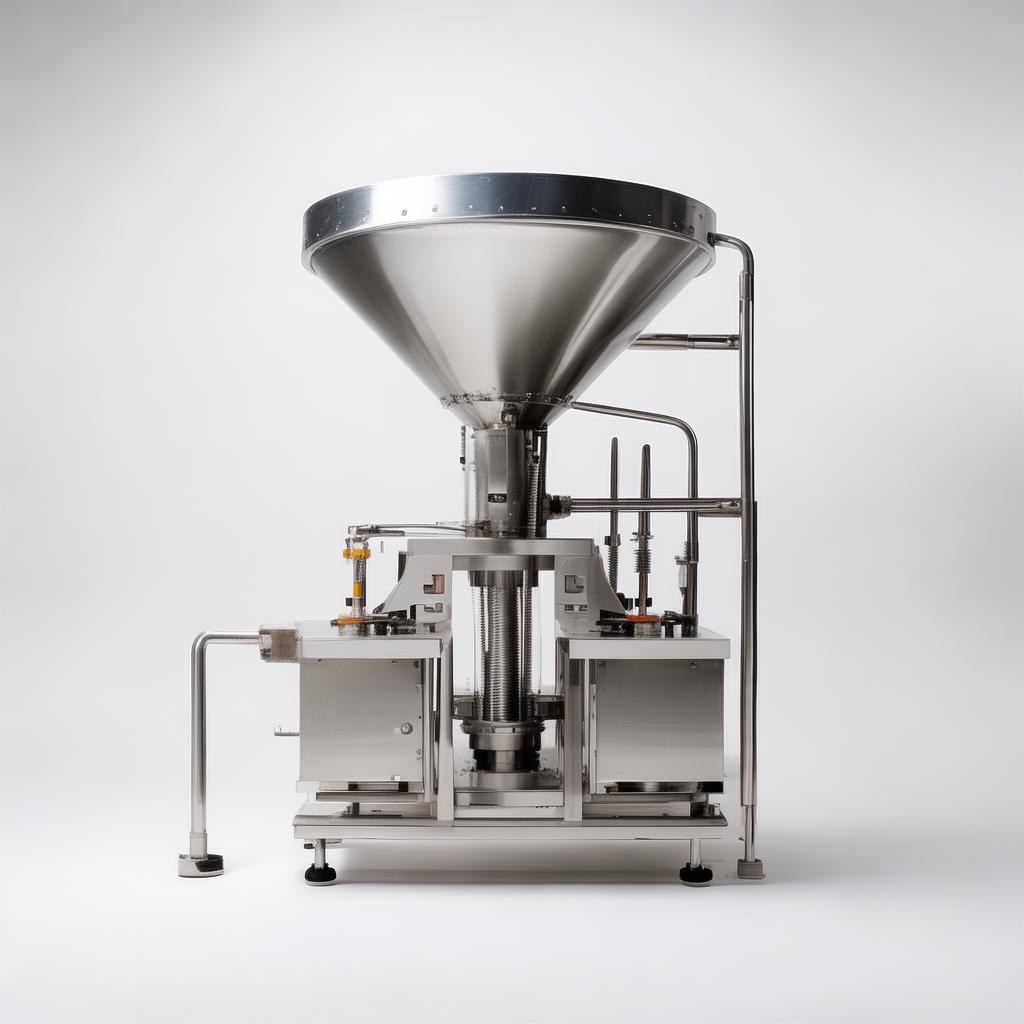
Vacuum Distillation Units: Precision Separation for Industrial Purity
 Authored by:
Dr. Eleanor Vance, Senior Process Engineer & Export Specialist | Hebei Yuanchang Food Mechanism & Technology Co., Ltd.
Authored by:
Dr. Eleanor Vance, Senior Process Engineer & Export Specialist | Hebei Yuanchang Food Mechanism & Technology Co., Ltd.
What Exactly is a Vacuum Distillation Unit? A Deep Dive for Industry Professionals
In the complex landscape of industrial separation, achieving high purity and efficient recovery of valuable components often hinges on mastering the delicate interplay of heat, pressure, and material properties. At the heart of many such processes lies the vacuum distillation unit. This sophisticated piece of equipment is not just a condenser and a boiler; it's a precisely engineered system designed to separate substances based on their boiling points, but with a critical advantage: operating under reduced pressure.
Traditional atmospheric distillation is effective for many compounds, but it struggles when dealing with materials that are heat-sensitive, prone to decomposition at higher temperatures, or have very high boiling points. This is where the brilliance of vacuum distillation comes into play. By significantly lowering the ambient pressure within the distillation apparatus, we effectively lower the boiling points of the substances being processed. This seemingly simple thermodynamic principle unlocks a world of possibilities for industries ranging from petrochemicals and fine chemicals to pharmaceuticals, food processing, and even advanced materials research.
Think about it: when you reduce the pressure, you're essentially making it "easier" for molecules to transition from a liquid to a gaseous state. This means that a compound which might require 200°C at atmospheric pressure to boil could potentially be vaporized at, say, 100°C under a vacuum. This lower operating temperature is a game-changer for thermally unstable compounds. It prevents degradation, minimizes side reactions, and preserves the integrity and purity of the desired product. For manufacturers aiming for the highest quality outputs, this is non-negotiable.
A typical vacuum distillation setup from a reputable supplier like Hebei Yuanchang involves several key components working in concert. You have the distillation flask or vessel where the mixture is heated, a condenser where the vapor is cooled back into a liquid, and a receiver to collect the purified distillate. Crucially, all these are sealed within a system capable of maintaining a stable, low-pressure environment. This often involves vacuum pumps, pressure gauges, and intricate control systems to monitor and adjust the conditions in real-time. The precision required is significant; even minor fluctuations can impact separation efficiency and product quality.
The market for vacuum distillation units is robust and growing, mirroring the increasing demand for high-purity chemical intermediates, specialty oils, and refined extracts across various sectors. For instance, the global meat processing equipment market, which often utilizes advanced separation technologies for rendering fats or extracting flavors, is projected to reach substantial figures, indicating a broader trend in sophisticated processing. While not directly a meat processing machine, the principles of precision separation are shared across advanced manufacturing. The food processing equipment market, broadly speaking, is also expanding, with specialized units like vacuum distillers playing a crucial role in producing high-value ingredients. According to Fortune Business Insights, the meat processing equipment market was valued at USD 11.29 billion in 2025 and is projected to reach USD 17.39 billion by 2034. This growth underscores the need for precise, efficient, and reliable processing equipment across related industries.
Understanding the nuances of vacuum distillation is paramount for procurement managers, process engineers, and R&D specialists. It's about selecting a system that not only meets current production demands but also offers the flexibility and reliability needed for future innovation. Factors like throughput, achievable vacuum level, material compatibility, energy efficiency, and ease of maintenance are all critical considerations that go beyond a simple component list. A well-specified vacuum distillation unit is an investment in product quality, operational efficiency, and long-term process viability.
This document will guide you through the essential aspects of vacuum distillation units, from their fundamental operating principles to practical considerations for selection, application, and procurement. Our aim is to provide you with the in-depth knowledge required to make informed decisions, ensuring you invest in equipment that truly elevates your industrial processes.
The Operational Hurdles You're Facing: Why Standard Distillation Falls Short
Many operations grapple with a consistent set of challenges when it comes to separating complex mixtures, particularly when dealing with sensitive or high-boiling point compounds. The primary issue often stems from the limitations of atmospheric distillation.
- Thermal Degradation: Heat-sensitive compounds can break down, polymerize, or undergo undesirable chemical reactions when exposed to high temperatures required for atmospheric boiling. This leads to lower yields, product impurities, and compromised quality.
- High Energy Consumption: Achieving high temperatures for substances with very high boiling points demands significant energy input, driving up operational costs and impacting the overall process economics.
- Limited Separation of Close-Boiling Components: While distillation is a separation technique, achieving sharp separations between components with very similar boiling points at atmospheric pressure can be extremely difficult and inefficient, often requiring multiple passes or complex column designs.
- Risk of Fire or Explosion: When distilling flammable liquids at elevated temperatures, the risk of ignition increases substantially, necessitating rigorous safety protocols and specialized equipment.
- Difficulty in Recovering Valuable High-Boiling Residues: Often, the most valuable components might be the highest boiling point residues, which are difficult to extract without risking thermal damage.
These operational bottlenecks directly impact your bottom line through reduced product quality, increased waste, higher energy bills, and potential safety hazards. Addressing them requires a more sophisticated approach to separation.
Consider the challenges in producing high-purity essential oils or pharmaceutical intermediates. The processed meat market, while different, is characterized by demand for quality and consistency, implying a universal need for precise manufacturing. The reconstituted meat market also highlights a demand for advanced processing techniques to achieve specific textures and qualities, further emphasizing the importance of controlled separation and processing.
This is precisely where a robust vacuum distillation unit proves its worth, offering a viable solution to these persistent industrial dilemmas.
The Physics and Engineering: How Vacuum Distillation Delivers Purity
The fundamental principle behind vacuum distillation is elegantly simple yet profoundly effective: lowering the boiling point of liquids by reducing the surrounding pressure. This is rooted in basic thermodynamics and vapor pressure. Every liquid has a vapor pressure that increases with temperature. Atmospheric pressure is the force exerted by the air above the liquid. Boiling occurs when the vapor pressure of the liquid equals the surrounding atmospheric pressure.
In a vacuum distillation unit, we introduce a vacuum pump to create a significantly reduced pressure within the sealed system. When the pressure inside the distillation vessel is lowered, the liquid's vapor pressure needs to reach a much lower value to equal the ambient pressure and begin boiling. Since vapor pressure is directly related to temperature, this means the liquid boils at a considerably lower temperature than it would at sea-level atmospheric pressure.
Let's break down the typical process flow:
- Feeding the System: The mixture to be separated is introduced into the distillation flask or column.
- Applying Vacuum: A vacuum pump is engaged to evacuate air and reduce the pressure within the closed system to the desired level. This level is carefully monitored via precision vacuum gauges.
- Heating and Vaporization: Heat is applied to the mixture. Because the pressure is low, the components will vaporize at their reduced boiling points, often significantly lower than their atmospheric boiling points. Heat-sensitive materials are thus vaporized without decomposition.
- Condensation: The vapors rise and enter the condenser. Here, a cooling medium (like chilled water or a refrigerant) circulates through the condenser coils or jacket. This removes heat from the vapors, causing them to condense back into a liquid state.
- Collection: The condensed liquid, now enriched in the more volatile component(s), is collected in a receiver flask or vessel. The less volatile components remain in the original flask as the residue.
The achievable vacuum level is a critical parameter, often measured in Torr or millibar. Higher vacuum levels allow for even lower boiling temperatures, which is essential for compounds with extremely high atmospheric boiling points or extreme thermal sensitivity. For example, achieving a vacuum of 1-10 Torr is common for many organic chemical separations, while specialized applications might require ultra-high vacuum levels.
This controlled evaporation and condensation process allows for the precise separation of components with varying volatilities, even if their boiling points are relatively close. The efficiency of the separation is further enhanced by the design of the distillation column itself, which can incorporate packing materials or trays to increase the surface area for vapor-liquid contact, enabling multiple vaporization-condensation cycles within a single pass.
Industries that rely heavily on vacuum distillation include those producing essential oils, flavors and fragrances, high-purity solvents, pharmaceutical intermediates, specialty polymers, and refined edible oils. The demand for these high-purity products drives the market for advanced processing equipment. The meat and poultry processing equipment market, valued at USD 15.5 billion in 2025 and projected to reach USD 30.5 billion by 2035, demonstrates a broader trend of investing in sophisticated machinery for precise manufacturing outcomes.
Why Choose Vacuum Distillation? The Tangible Benefits for Your Operation
Implementing a vacuum distillation unit isn't just about adopting a new technology; it's about realizing significant operational improvements and unlocking new product potential. The advantages are manifold and directly address many of the pain points previously discussed.
Superior Product Quality and Purity
The ability to operate at lower temperatures is the paramount advantage. This minimizes thermal degradation, preventing the breakdown of heat-sensitive molecules. The result is a purer, more stable product with higher yields and fewer undesirable by-products. This is critical for applications in pharmaceuticals, food ingredients, and fine chemicals where strict purity standards are enforced.
Increased Efficiency and Yields
By preventing degradation and allowing for more effective separation of even close-boiling components, vacuum distillation often leads to higher recovery rates of the desired product. This directly translates to improved process efficiency and better resource utilization, enhancing your return on investment.
Energy Savings
While heating is still required, operating at lower temperatures can significantly reduce overall energy consumption compared to achieving high boiling points at atmospheric pressure. This is particularly true for high-boiling point substances. Reduced energy usage not only cuts costs but also contributes to a more sustainable operation.
Enhanced Safety
Lower operating temperatures reduce the risk associated with handling flammable materials. Furthermore, operating within a closed, low-pressure system minimizes exposure to hazardous vapors, creating a safer working environment for your personnel.
Versatility and Adaptability
Vacuum distillation units can be configured for a wide range of applications, from laboratory-scale research to large-scale industrial production. They are effective for separating a broad spectrum of organic compounds, including esters, alcohols, ethers, and hydrocarbons, making them a versatile tool in many chemical processes.
The operational benefits are clear. Consider the meat processing equipment market, which is projected to reach USD 15.44 billion by 2035. While distinct, the trend indicates a strong global investment in sophisticated machinery that guarantees precision and efficiency. Similar logic applies to vacuum distillation units – they are essential for achieving precise outcomes in many processing industries.
These advantages make a strong case for investing in quality vacuum distillation equipment.
Key Technical Specifications: What to Look For in a Unit
Selecting the right vacuum distillation unit involves a careful assessment of several technical parameters. These specifications directly influence the unit's performance, capacity, and suitability for your specific application. Understanding these details is crucial for making an informed procurement decision.
Vacuum Capability (Achievable Vacuum Level)
This is perhaps the most critical specification. It defines the lowest pressure the unit can reliably maintain. It's usually expressed in Torr or millibar (e.g., 0.1 Torr, 5 mbar). A lower achievable vacuum means lower boiling points, essential for highly sensitive or very high-boiling compounds. Ensure the unit meets or exceeds your process requirements.
Capacity and Throughput
This refers to the volume of material the unit can process per batch or per hour. Specifications might include the flask size (e.g., 50L, 200L, 1000L) for batch systems or flow rates for continuous systems. Match this to your production volume needs.
Heating System and Temperature Control
The type of heating (e.g., oil bath, steam jacket, electrical resistance) and the precision of temperature control are vital. Look for units with accurate PID controllers and a suitable temperature range for your specific processes.
Condenser Efficiency
The size and design of the condenser directly impact how quickly and effectively vapors are liquefied. This is crucial for maintaining the vacuum and achieving efficient separation. Condenser surface area and cooling fluid capabilities are key metrics.
Material of Construction
For chemical resistance and purity, materials like stainless steel (e.g., 304, 316L), glass-lined steel, or specialized alloys are common. Ensure the materials are compatible with your feedstock and will not introduce contaminants.
Instrumentation and Controls
Look for clear, reliable instrumentation for monitoring vacuum pressure, temperature, and flow rates. Advanced control systems can automate processes and ensure consistency.
Safety Features
Features like pressure relief valves, interlocks, and explosion-proof components are essential for safe operation, especially when dealing with flammable or volatile substances.
Here's a typical example of how these might be presented:
| Parameter | Specification | Notes |
|---|---|---|
| Model | YCDU-1000 | Industrial Scale |
| Capacity (Distillation Flask) | 1000 Liters | Stainless Steel SS316L |
| Achievable Vacuum | 0.5 Torr (approx. 0.7 mbar) | Requires external vacuum pump |
| Heating Medium | Steam Jacket or Thermal Oil | Max. Temp. 250°C |
| Condenser Surface Area | 5 m² | Efficient cooling |
| Materials of Construction | SS316L, PTFE Seals | Corrosion resistant |
| Control System | Digital PID Controller | Temp. & Vacuum display |
| Safety Features | Pressure Relief Valve, Sight Glass |
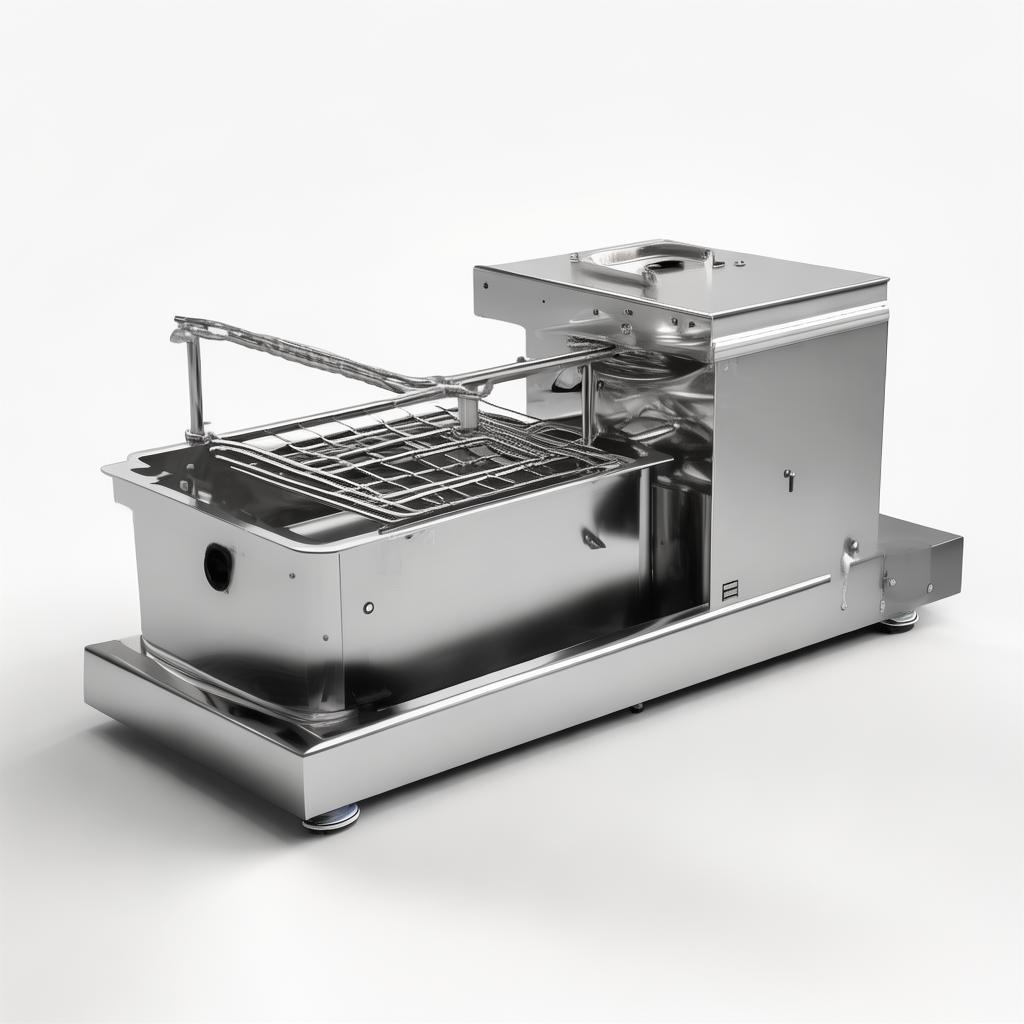
vacuum distillation apparatus vacuum distillation machine vacuum distillation
When evaluating suppliers, always request detailed datasheets and ensure they align with your process engineers' requirements.
Diverse Applications: Where Vacuum Distillation Shines
The versatility of vacuum distillation units makes them indispensable across a wide array of industries. Their ability to process sensitive materials at controlled temperatures opens doors for innovations and efficiency gains that were previously unattainable.
Pharmaceuticals and Biotechnology
Essential for purifying active pharmaceutical ingredients (APIs), intermediates, and extracting sensitive biomolecules. The low temperatures prevent degradation of complex organic structures, ensuring high purity required for medical applications.
Fine Chemicals and Specialty Chemicals
Used for the separation and purification of high-value chemicals, reagents, catalysts, and monomers where thermal stability is a concern. This includes producing high-purity solvents and intermediates for synthesis.
Petrochemicals
In refining and petrochemical processes, vacuum distillation is crucial for separating high-boiling point fractions like lubricating oils, waxes, and asphalt from crude oil residues without thermal cracking.
Food and Beverage Industry
Applications include the extraction of volatile flavor and aroma compounds, purification of edible oils, concentration of fruit juices, and the production of natural extracts. Maintaining the integrity of natural flavors and nutritional compounds is key. The processed meat market growth, projected to reach USD 1,253.77 billion by 2034, highlights the broad demand for sophisticated food processing technologies.
Cosmetics and Fragrances
Extraction and purification of essential oils, floral waters, and aroma compounds for perfumes and cosmetic formulations. Low-temperature processing preserves delicate scent profiles.
Polymer and Resin Production
Used for monomer purification and removal of residual solvents or by-products from polymer processing, especially for heat-sensitive polymers.
The broad applicability means that investments in vacuum distillation technology are often justified by diverse operational needs, reinforcing its importance in modern manufacturing. For instance, advancements in meat processing equipment also point towards a global trend of investing in machinery that ensures precise outcomes and high-quality end products.
Material Selection for Purity and Longevity
The materials used in constructing a vacuum distillation unit are as critical as its design for achieving high purity and ensuring the longevity of the equipment. Given the low-pressure environment and often aggressive chemical nature of the substances being processed, material compatibility and inertness are paramount.
At Hebei Yuanchang, we prioritize robust materials that meet stringent industry standards:
- Stainless Steel (SS304, SS316, SS316L): This is the workhorse of the chemical processing industry. SS316 and SS316L, with their higher molybdenum content, offer superior resistance to pitting and crevice corrosion, especially in the presence of chlorides. They are ideal for many organic solvents, mild acids, and neutral solutions.
- Glass-Lined Steel: For extremely corrosive environments or when absolute inertness is required, glass-lined vessels are the superior choice. The fusion of glass to steel provides an exceptionally smooth, non-porous, and chemically resistant surface that prevents product contamination and is easy to clean. This is vital for pharmaceutical and high-purity chemical applications.
- Specialty Alloys: In highly aggressive or high-temperature applications, materials like Hastelloy or Titanium might be considered, though they come at a higher cost.
- Sealing Materials: The integrity of the vacuum seal is crucial. High-quality seals made from PTFE (Polytetrafluoroethylene), Viton, or other chemically resistant elastomers are selected based on the operating temperature and the chemicals involved.
We ensure that all contact surfaces are smooth and free of defects to prevent holdup of materials and to facilitate easy cleaning and sterilization, which is particularly important in regulated industries like food and pharmaceuticals. Our in-house machining capabilities, including Japanese Mazak CNC centers, allow us to fabricate components with high precision and adherence to tight tolerances, ensuring the perfect fit and seal for our vacuum distillation units. This attention to detail in material selection and manufacturing means a more reliable, durable, and pure processing solution for you.
Smart Procurement: How to Select Your Vacuum Distillation Partner
Purchasing industrial equipment like a vacuum distillation unit is a significant decision that requires careful due diligence. It's not just about the price tag; it's about ensuring you get a reliable, efficient, and safe system that meets your long-term operational needs.
Define Your Process Requirements Clearly
Before engaging with suppliers, have a clear understanding of your application. What materials are you distilling? What are their boiling points and thermal stability limits? What purity levels do you need to achieve? What is your required throughput? This clarity will help you specify the correct vacuum level, temperature control, capacity, and material of construction.
Evaluate Supplier Experience and Reputation
Look for manufacturers with a proven track record in vacuum distillation technology and in serving your specific industry. How long have they been in business? Do they have case studies or testimonials relevant to your application? At Hebei Yuanchang, we bring over 40 years of experience since 1986 in manufacturing complex machinery, giving us deep insights into process engineering and quality control.
Check Technical Expertise and Customization Capabilities
Can the supplier offer expert advice to help you select the right configuration? Do they have the engineering capabilities to customize units for unique applications? Our in-house R&D and advanced machining workshops allow us to tailor solutions precisely to client needs, including those requiring high-precision components.
Assess Quality Control and Certifications
Inquire about their quality management systems (e.g., ISO certifications). Do their units meet relevant industry standards? This ensures consistency, reliability, and safety.
Understand After-Sales Support and Service
What kind of warranty is offered? What is the availability of spare parts? Do they provide installation assistance or training? A robust after-sales service is crucial for minimizing downtime. Our traceable after-sales management system is designed to provide worry-free support.
Compare Quotes Realistically
Don't just choose the lowest price. Compare the total value proposition, including equipment quality, supplier expertise, after-sales support, and lead times. A slightly higher upfront investment in a quality unit can save significantly on operational costs and maintenance over its lifespan.
Choosing the right supplier is as important as choosing the right equipment. Consider our extensive experience and commitment to quality when making your decision.
Procurement Insight: Remember to factor in shipping costs, import duties, and installation lead times, especially for international purchases. Discussing these upfront with the supplier can prevent unforeseen delays and budget overruns.
Our Manufacturing Prowess: The Hebei Yuanchang Advantage
At Hebei Yuanchang Food Mechanism & Technology Co., Ltd., our commitment to quality and precision in manufacturing extends beyond our specialized food processing equipment to encompass the robust engineering required for systems like vacuum distillation units. With over four decades of experience (since 1986), we have cultivated an in-depth understanding of industrial processes and mechanical fabrication.
Our extensive 14,000 square meter facility houses a dedicated team of 80-100 skilled professionals, integrating R&D, production, and sales. Our in-house machining workshop is the backbone of our capability. It's equipped with more than 20 sets of advanced processing machinery, including precision lathes, milling machines, high-precision grinding machines, and wire cutting equipment. This allows us to produce components with exceptional accuracy and tight tolerances, essential for maintaining the integrity of vacuum systems.
A significant leap in our capabilities came in 2012 with the acquisition of 8 sets of Japanese Mazak CNC machining centers. This investment allows us to undertake the production of high-standard components that demand large volumes, extreme precision, and non-standard specifications. This is critical for building vacuum distillation units where leak-tightness and dimensional accuracy are paramount.
Coupled with our traceable after-sales management system, our ability to independently produce high-precision parts ensures that we can offer reliable equipment and provide comprehensive support throughout its lifecycle. We understand that industrial equipment is an investment, and our focus is on delivering value through durability, performance, and responsive service.
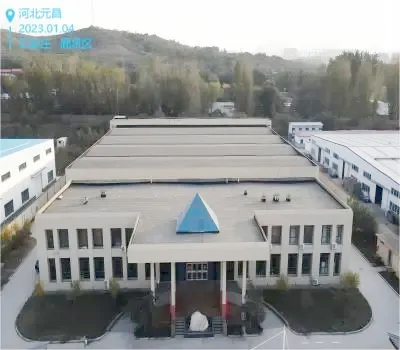
Our advanced machining facilities ensure precision for critical components.
Whether you require standard configurations or custom-engineered vacuum distillation solutions, Hebei Yuanchang possesses the expertise, technology, and commitment to deliver excellence.
Factory Strength: Our 40 years of cumulative experience translates into robust equipment designs and manufacturing processes that prioritize reliability and long-term performance.
Real-World Results: Client Testimonials
We pride ourselves on building strong relationships with our clients, grounded in the quality of our equipment and the effectiveness of our support. Here's what some of them have to say about their experience with our processing solutions:
 Marcus Chen
Process Engineer, APAC Specialty Chemicals
"We needed a reliable vacuum distillation unit for purifying a sensitive intermediate. The team at Hebei Yuanchang understood our technical requirements precisely. The unit performs exceptionally well, achieving the vacuum levels we specified with great stability. Their technical support during installation was invaluable. The purity of our final product has improved significantly."
 Sarah Jenkins
Operations Manager, European Flavor Extracts Ltd.
"The vacuum distillation system we acquired for extracting natural essences has been a true asset. It allows us to preserve delicate aromas that would be lost at higher temperatures. We've seen a noticeable increase in product quality and a reduction in processing time. The build quality is robust, as expected from a manufacturer with such extensive experience."
 David Rodriguez
Procurement Director, Latin American Petrochem Solutions
"We required a heavy-duty vacuum distillation unit for processing high-boiling point residues. Hebei Yuanchang delivered a custom solution that fit our demanding specifications. The unit is reliable, and the consistent performance under high vacuum is critical for our operations. Their after-sales support has been responsive and helpful."
 Aisha Khan
R&D Scientist, Pharmaceutical Innovations Inc.
"The precision of our new vacuum distillation unit is impressive. It allows us to isolate sensitive APIs with minimal degradation, which is crucial for our drug development pipeline. The glass-lined components ensure absolute purity. Hebei Yuanchang's expertise in custom builds was evident, and they delivered exactly what we needed."
Frequently Asked Questions (FAQ)
Q1: What is the main advantage of vacuum distillation over atmospheric distillation?
The primary advantage is the ability to distill heat-sensitive compounds at significantly lower temperatures. This prevents thermal degradation, preserves product integrity, and often leads to higher yields and purity. It also allows for the separation of liquids with very high boiling points that would decompose at atmospheric pressure.
Q2: What kind of vacuum levels can your units achieve?
Our industrial-scale vacuum distillation units are typically designed to achieve vacuum levels down to 0.5 Torr (approx. 0.7 mbar). For specialized applications requiring ultra-high vacuum, custom configurations can be designed. The specific achievable vacuum also depends on the quality of the external vacuum pump used.
Q3: What materials are your vacuum distillation units made from?
We primarily use high-grade stainless steel (SS316L) for its excellent corrosion resistance and durability. For applications requiring extreme inertness or resistance to highly corrosive chemicals, we offer glass-lined steel vessels. Seals are typically made from chemically resistant materials like PTFE or Viton.
Q4: Can you provide custom-designed vacuum distillation units?
Absolutely. With our advanced CNC machining capabilities and experienced engineering team, we specialize in designing and manufacturing custom vacuum distillation solutions tailored to specific client process requirements, capacities, and spatial constraints.
Q5: What is the typical lead time for an industrial vacuum distillation unit?
Lead times can vary depending on the complexity of the unit and our current production schedule. For standard configurations, lead times are typically between 8-12 weeks. Custom-designed units may require longer lead times. We will provide a precise estimate upon order confirmation.
Q6: What kind of after-sales support do you offer?
We offer comprehensive after-sales support including installation guidance, operational training, maintenance recommendations, and readily available spare parts. Our traceable management system ensures efficient service and support throughout the equipment's lifecycle.
Q7: Are your vacuum distillation units suitable for food-grade applications?
Yes, for food-grade applications, we use highly polished stainless steel (SS316L) and food-grade seals, ensuring compliance with hygiene standards. We can also provide documentation and certifications relevant to food processing requirements upon request.
Elevate Your Separation Processes Today
Discover how a high-performance vacuum distillation unit from Hebei Yuanchang can revolutionize your product purity, operational efficiency, and cost-effectiveness.
 Chat With Our Engineers
 Request Detailed Catalog
 Call Us: +86 15830991513
We are ready to provide tailored solutions and competitive factory pricing.