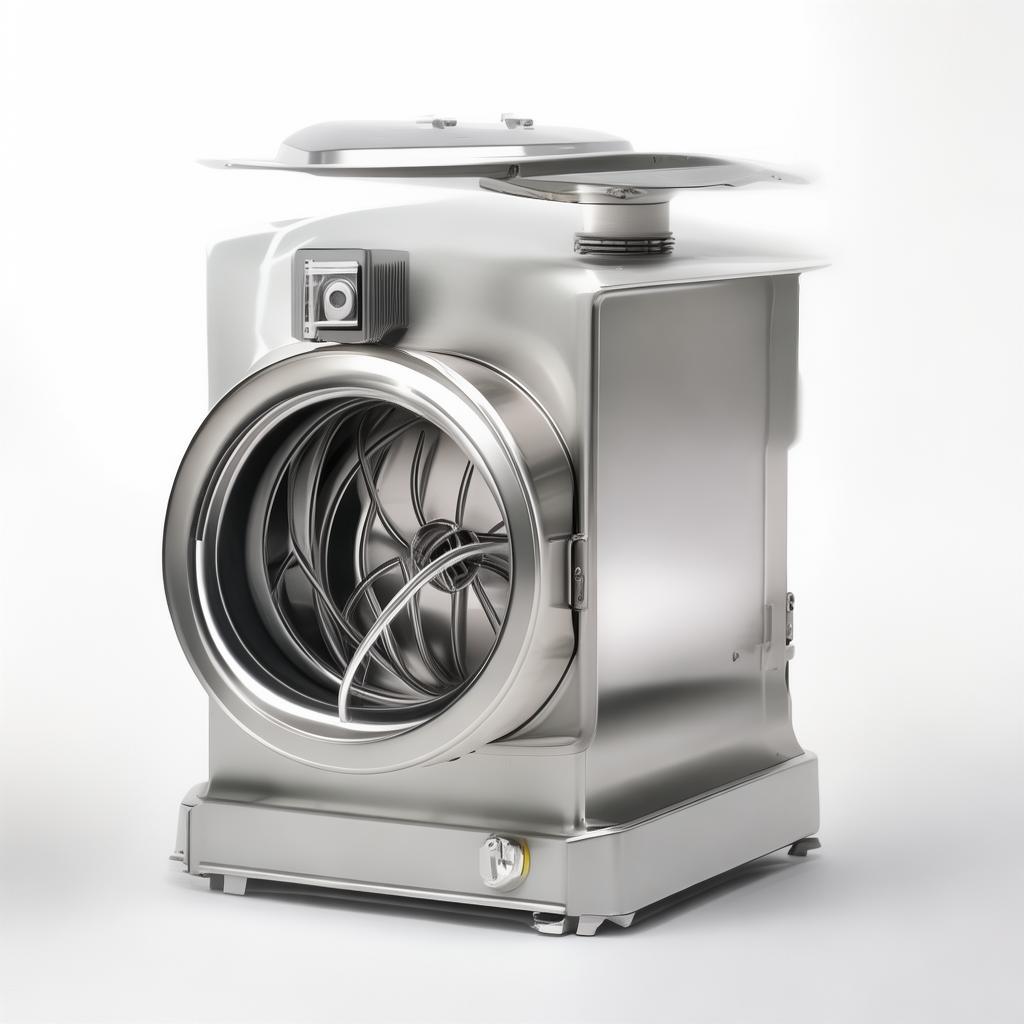
Vacuum Distillation
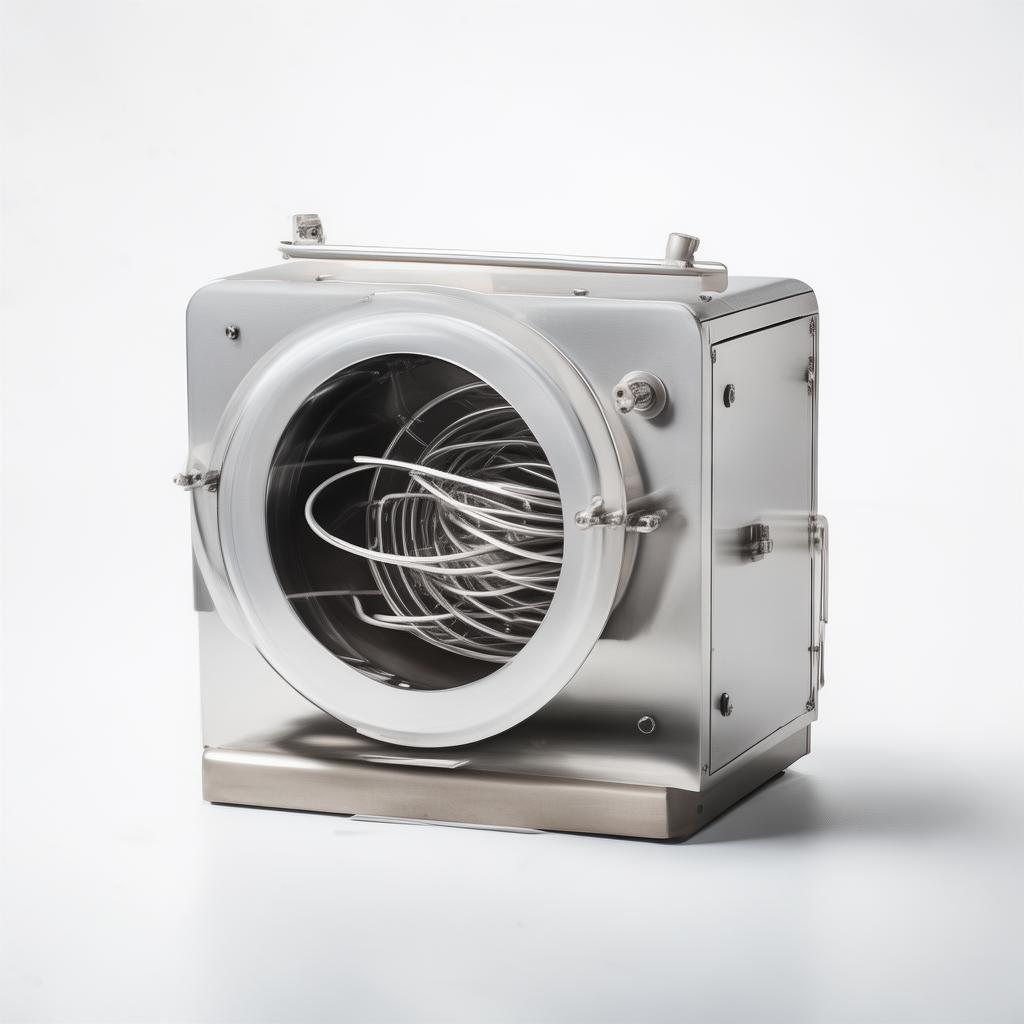
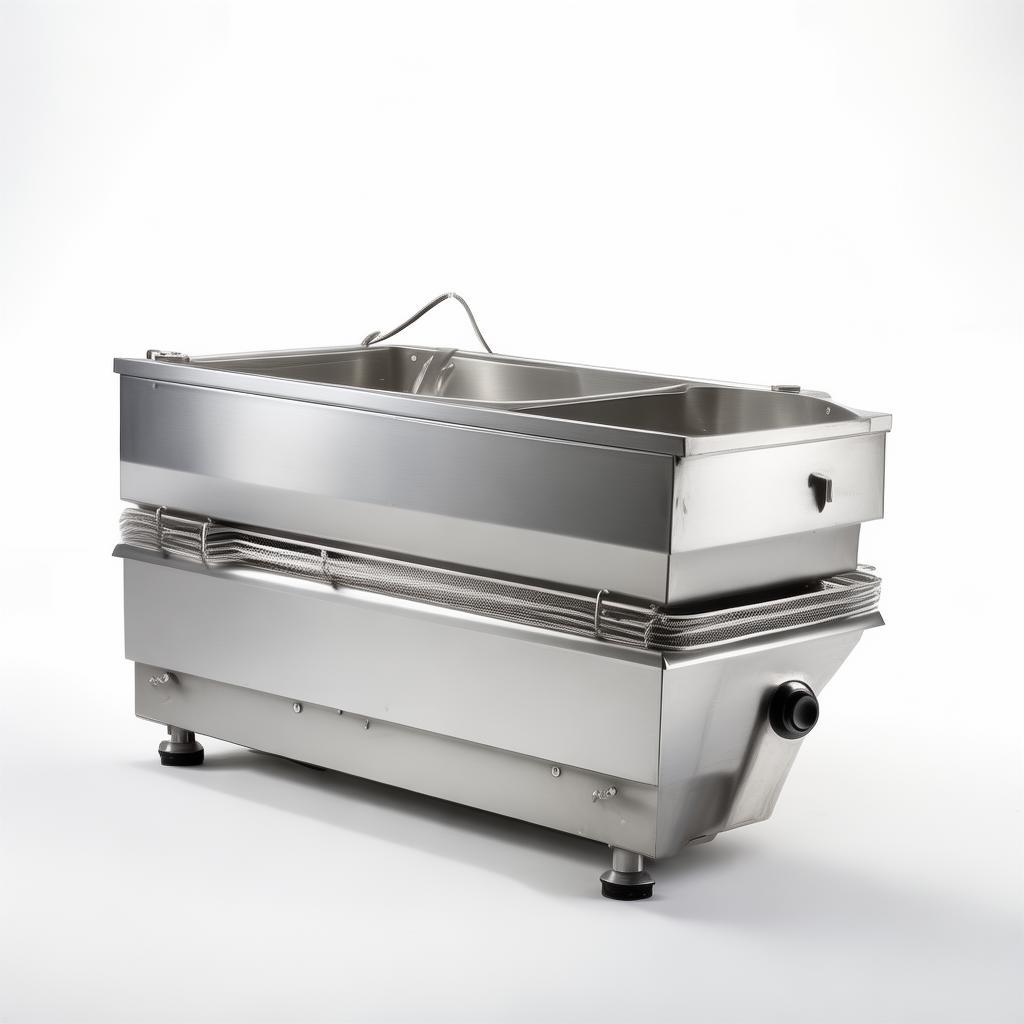
Vacuum Distillation: Precision Separation for High-Purity Industrial Applications
Unlock unparalleled purity and efficiency in your chemical and material processing.
 By: Dr. Evelyn Reed, Senior Process Engineer
Navigating Complex Separation Challenges: The Power of Vacuum Distillation
In the intricate world of industrial processing, achieving high purity in sensitive compounds is often the differentiating factor between a standard product and a market-leading one. For many manufacturers, particularly those dealing with heat-sensitive materials, traditional atmospheric distillation simply doesn't cut it. The elevated temperatures required can lead to decomposition, unwanted side reactions, or a significant loss of valuable product. This is precisely where vacuum distillation emerges as a critical, sophisticated solution.
At its core, vacuum distillation is a physical separation technique that leverages a reduced pressure environment to lower the boiling point of liquids. This seemingly simple alteration has profound implications. By operating under vacuum, manufacturers can distill compounds that would otherwise degrade at their normal boiling points. Think of it as creating a gentler, more controlled pathway for purification. This method is indispensable for processing heat-sensitive organic compounds, essential oils, pharmaceuticals, specialty chemicals, and polymers. The precision it offers is paramount for applications where even trace impurities can compromise final product quality, efficacy, or performance.
The global market for meat processing equipment, where precise temperature control and ingredient integrity are key for products like marinades, flavorings, and even processing aids, offers a parallel. While not directly vacuum distillation, the underlying principle of optimizing processing conditions for product quality is similar. For instance, the meat processing equipment market is projected for substantial growth, driven by demand for processed meats and automation. In our domain, vacuum distillation supports the creation of high-value ingredients and compounds that form the backbone of numerous advanced industries. It's not just about separating liquids; it's about preserving integrity and unlocking new product possibilities.
Consider the chemical industry's relentless pursuit of purity. Whether synthesizing complex pharmaceutical intermediates, isolating high-value specialty monomers for advanced plastics, or extracting delicate flavors and fragrances, the ability to perform distillations at significantly lower temperatures is a game-changer. Standard distillation might require temperatures exceeding 200°C (392°F) for certain compounds, a threshold that invites thermal breakdown. With vacuum assistance, these same compounds can often be distilled at temperatures below 100°C (212°F), sometimes even as low as 40-50°C (104-122°F). This drastically reduces energy consumption, enhances safety, and most importantly, preserves the chemical structure and properties of the target substance.
From a procurement perspective, investing in vacuum distillation technology is a strategic decision. It signifies a commitment to higher quality outputs, reduced waste, and the capability to process a wider range of challenging feedstocks. For OEM/ODM manufacturers, offering vacuum distillation capabilities can be a significant competitive advantage, allowing them to take on more specialized projects. The operational knowledge required to effectively implement and manage vacuum distillation systems is substantial, making experienced suppliers and well-designed equipment crucial for success. It’s about more than just equipment; it’s about process mastery.
What Exactly is Vacuum Distillation?
Vacuum distillation is a specialized form of distillation that involves reducing the ambient pressure in a distillation apparatus. By lowering the pressure significantly below atmospheric levels (often to a few millimeters of mercury or even lower), the boiling points of the liquids being processed are dramatically reduced. This phenomenon is directly linked to Dalton's Law of Partial Pressures and Raoult's Law. When the vapor pressure of a liquid equals the applied ambient pressure, it boils. In a vacuum, this point is reached at a much lower temperature.
The typical setup involves a closed system containing a boiling flask (or reboiler), a distillation column, a condenser, and a vacuum pump. Inert gas purging is often employed to prevent oxidation of sensitive materials. The process allows for the separation of components in a mixture based on their differing volatilities at reduced pressure. This is particularly valuable for compounds that are thermally unstable or have very high boiling points under normal atmospheric conditions.
The implications for material science and chemical manufacturing are vast. For instance, in the extraction of essential oils, vacuum distillation helps preserve the delicate aromatic compounds that would otherwise be lost or altered by heat. In polymer science, it enables the purification of monomers or the isolation of oligomers without degradation, crucial for achieving specific material properties.
The meat processing equipment market, projected to reach USD 17.39 billion by 2034, illustrates the global demand for specialized processing. While our focus is chemical separation, the drive for optimized yields and purity is a common thread across industries. Vacuum distillation addresses this need directly for a specific, high-value segment.
The Compelling Advantages: Why Choose Vacuum Distillation?
The decision to implement vacuum distillation isn't taken lightly. It's a response to specific challenges that atmospheric distillation cannot effectively overcome. The primary drivers for its adoption are rooted in product integrity, process efficiency, and economic viability.
- Preservation of Thermally Sensitive Compounds: This is the paramount benefit. Many organic molecules, pharmaceuticals, and fine chemicals will decompose, polymerize, or undergo unwanted reactions at their atmospheric boiling points. Vacuum distillation allows these substances to be purified at significantly lower temperatures, preserving their chemical structure and efficacy. This is critical for high-value intermediates and active pharmaceutical ingredients (APIs).
- Higher Purity Levels: By operating at lower temperatures, the formation of thermal degradation byproducts is minimized. This leads to a purer distillate and often a cleaner residue, simplifying downstream processing and improving overall product quality.
- Reduced Energy Consumption: Although a vacuum system requires energy, the overall energy input for heating the material is often less because you are boiling at much lower temperatures. This can lead to significant operational cost savings over time, especially for large-scale continuous operations.
- Separation of High-Boiling Point Mixtures: For substances with very high boiling points, atmospheric distillation might be impractical or impossible. Vacuum distillation makes the separation of these compounds feasible, opening up processing options for heavy oils, tars, and complex organic mixtures.
- Enhanced Safety: Working with flammable or volatile substances is inherently risky. Lowering the boiling point means the mixture is less volatile at a given processing temperature, reducing the risk of vapor ignition.
In the context of industrial procurement, understanding these advantages helps buyers justify the investment. A supplier that can clearly articulate these benefits, backed by technical expertise and robust equipment, is a valuable partner. The global meat processing equipment market, valued at USD 11.28 billion in 2024, shows how specialized equipment markets are driven by specific needs; vacuum distillation serves a similar niche in chemical processing.
Versatile Applications Across Industries
The adaptability of vacuum distillation makes it an indispensable tool in a wide array of industrial sectors. Its ability to handle sensitive materials with precision opens doors for innovation and quality improvement.
Pharmaceuticals and Fine Chemicals
Vacuum distillation is critical for purifying active pharmaceutical ingredients (APIs), intermediates, and specialty chemicals. It allows for the isolation of delicate molecules without thermal degradation, ensuring the potency and safety of medications and advanced chemical products. This is essential for API manufacturers adhering to stringent regulatory standards like FDA and EMA guidelines.
Petrochemicals and Refining
In the petroleum industry, vacuum distillation is used to separate heavy crude oil fractions into lighter, more valuable products like lubricating oils and waxes. At atmospheric pressure, these components would require excessively high temperatures, leading to cracking and coking. Operating under vacuum allows for efficient separation at manageable temperatures.
Food and Flavor Industry
Extracting natural flavors, essential oils, and aromas often involves heat-sensitive compounds. Vacuum distillation enables the capture of these delicate volatile components without destroying their characteristic profiles. This is vital for the production of high-quality food flavorings, fragrances, and natural extracts. The principles echo the demand for precise processing in sectors like meat processing equipment, where delicate flavors and textures are paramount.
Polymer and Monomer Purification
High-performance polymers often rely on purified monomers. Vacuum distillation is employed to remove impurities from monomers like styrene, acrylates, and vinyl acetate, which can inhibit polymerization or compromise the final polymer's mechanical properties. It's also used for recovering and purifying unreacted monomers or processing aids.
Specialty Chemicals and R&D
In the realm of specialty chemicals, precise separation is key to developing novel compounds. Vacuum distillation facilitates R&D efforts by enabling the isolation and purification of newly synthesized molecules, reaction byproducts, and complex mixtures encountered in pilot-scale and laboratory operations.
The market for these advanced materials is constantly evolving. As seen in reports like meat processing equipment market which anticipates a CAGR of 5.6%, specialized needs drive significant market expansion. Vacuum distillation is a prime example of a technology enabling such specialized, high-value production.
Technical Deep Dive: How it Works and What to Expect
Understanding the mechanics behind vacuum distillation is crucial for both operators and procurement specialists. It involves precise control over pressure, temperature, and flow rates to achieve optimal separation.
The Role of Pressure
The core principle is pressure reduction. Common vacuum levels range from fine vacuum (10-100 mbar) to high vacuum (0.1-10 mbar) and even ultra-high vacuum (<0.1 mbar). The required vacuum level depends entirely on the specific boiling point reduction needed for the target compounds. Selecting the right vacuum pump and ensuring system integrity (airtightness) are paramount. Leaks can introduce air, increasing pressure and negating the vacuum effect, while also potentially oxidizing sensitive materials.
Temperature Control is Key
While vacuum lowers the boiling point, precise temperature control of the heating medium (e.g., oil bath, steam jacket) and the vapor stream is still essential. Overheating can lead to decomposition, while insufficient heating will result in poor vaporization and separation efficiency. Temperature probes strategically placed throughout the system provide critical data for process optimization.
Distillation Column Design
The type of distillation column (packed column, tray column, or simple short-path distillation apparatus) significantly impacts separation efficiency. Packed columns, filled with materials like Raschig rings or structured packing, offer a large surface area for vapor-liquid contact, enhancing separation. For highly heat-sensitive materials, short-path distillation (also known as molecular distillation) is often employed. In this technique, the distance between the evaporator and condenser is minimized, reducing residence time and thermal exposure to mere milliseconds.
| Component | Function | Material Considerations |
|---|---|---|
| Reboiler/Evaporator | Heats the feed material to vaporization. | Stainless steel (304, 316L), glass-lined for corrosive substances. |
| Vacuum Pump | Reduces and maintains system pressure. | Rotary vane, diaphragm, scroll pumps. Material compatibility with vapors is key. |
| Distillation Column | Provides surface area for vapor-liquid equilibrium. | Glass, stainless steel, specialized alloys for corrosion resistance. |
| Condenser | Cools and liquefies the vapor. | Shell and tube, coil condensers; often stainless steel or glass. |
| Receivers | Collects the purified distillate and residue. | Glass, stainless steel. |
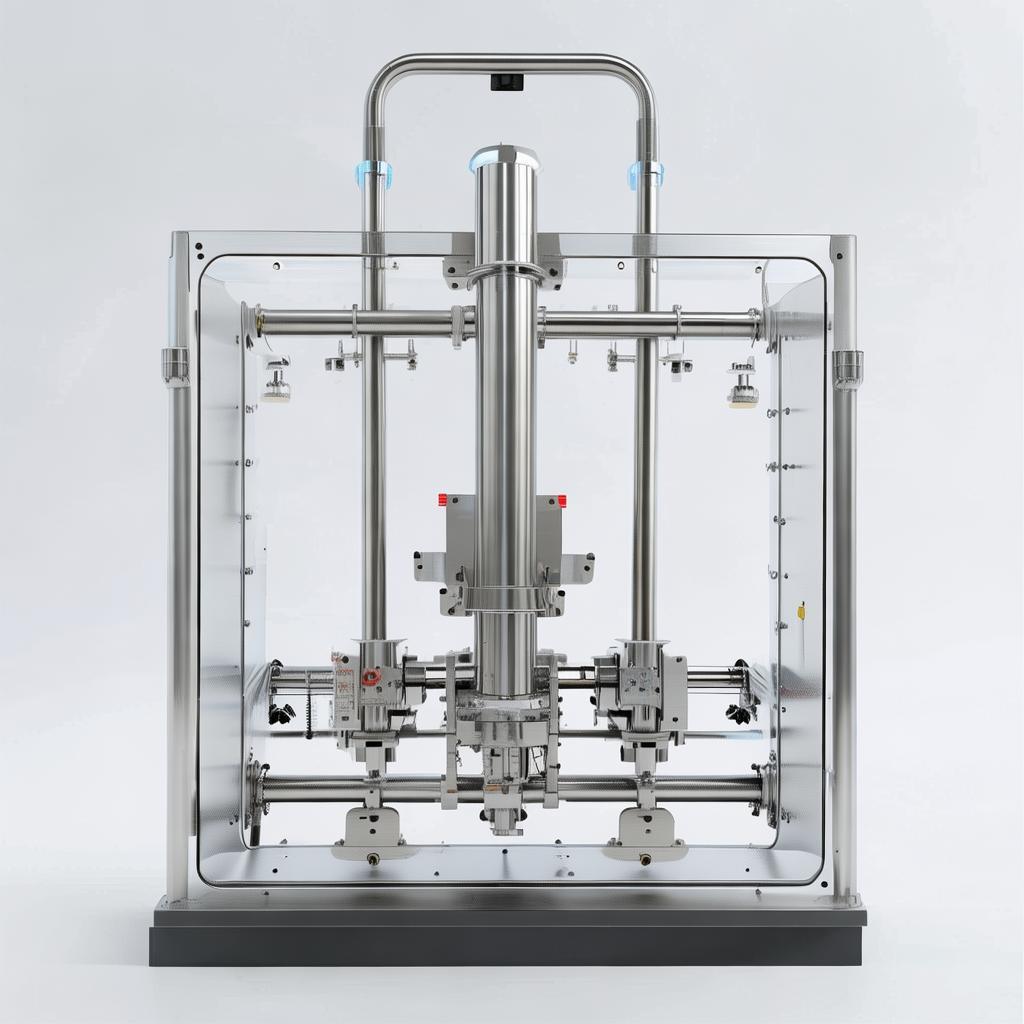
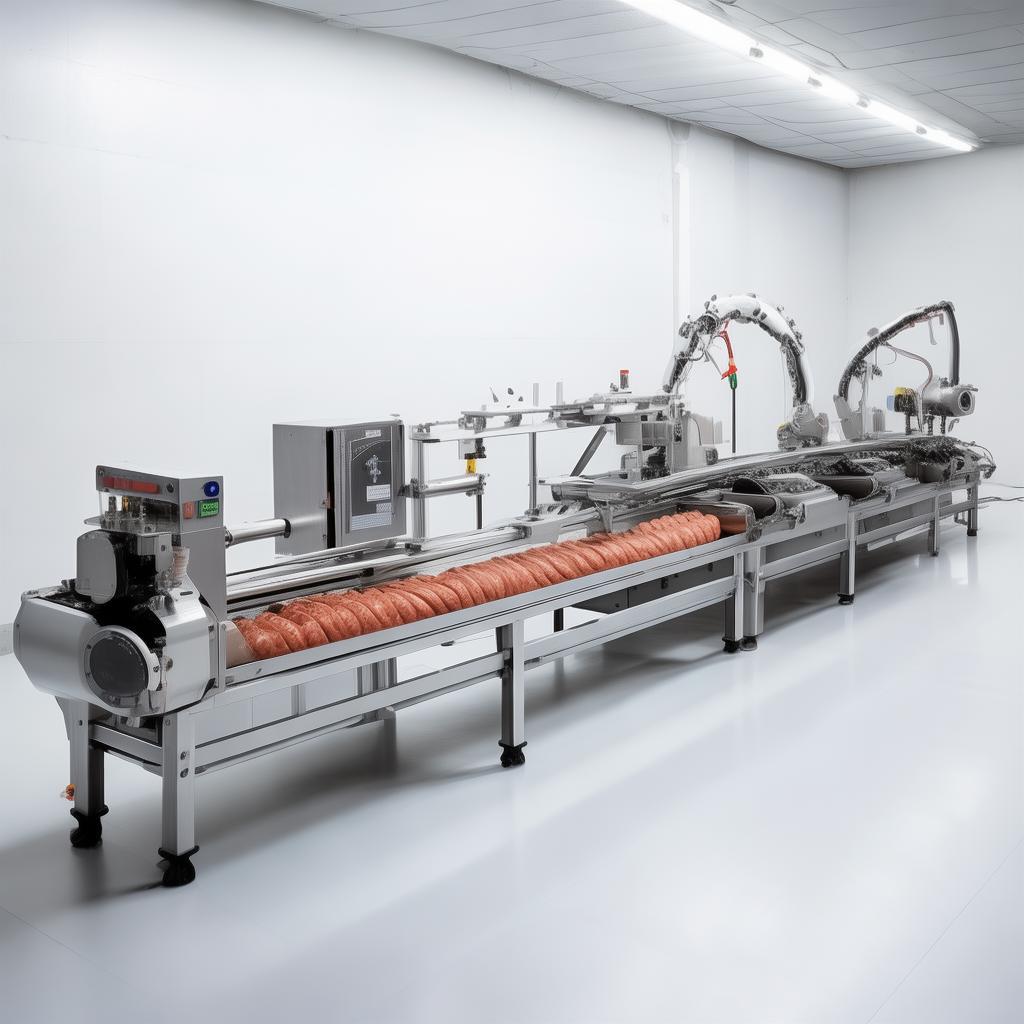
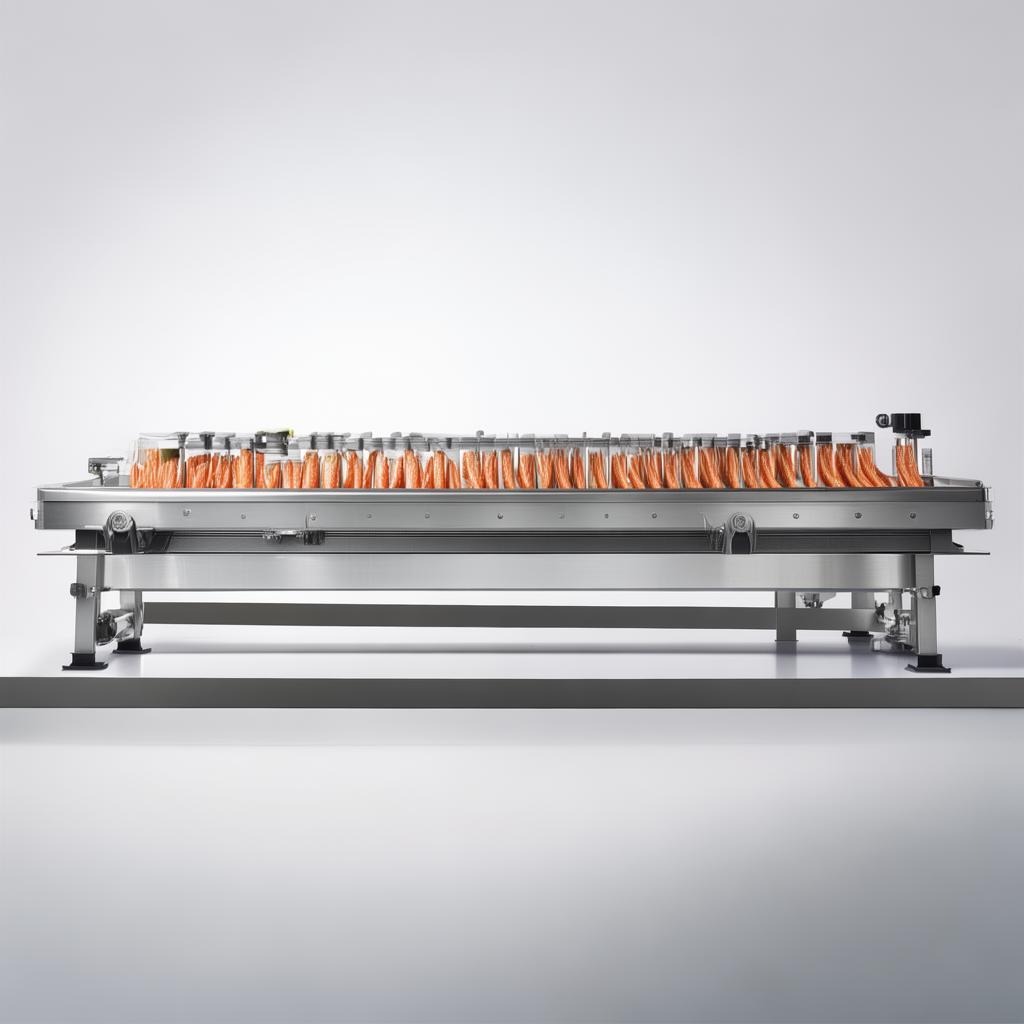
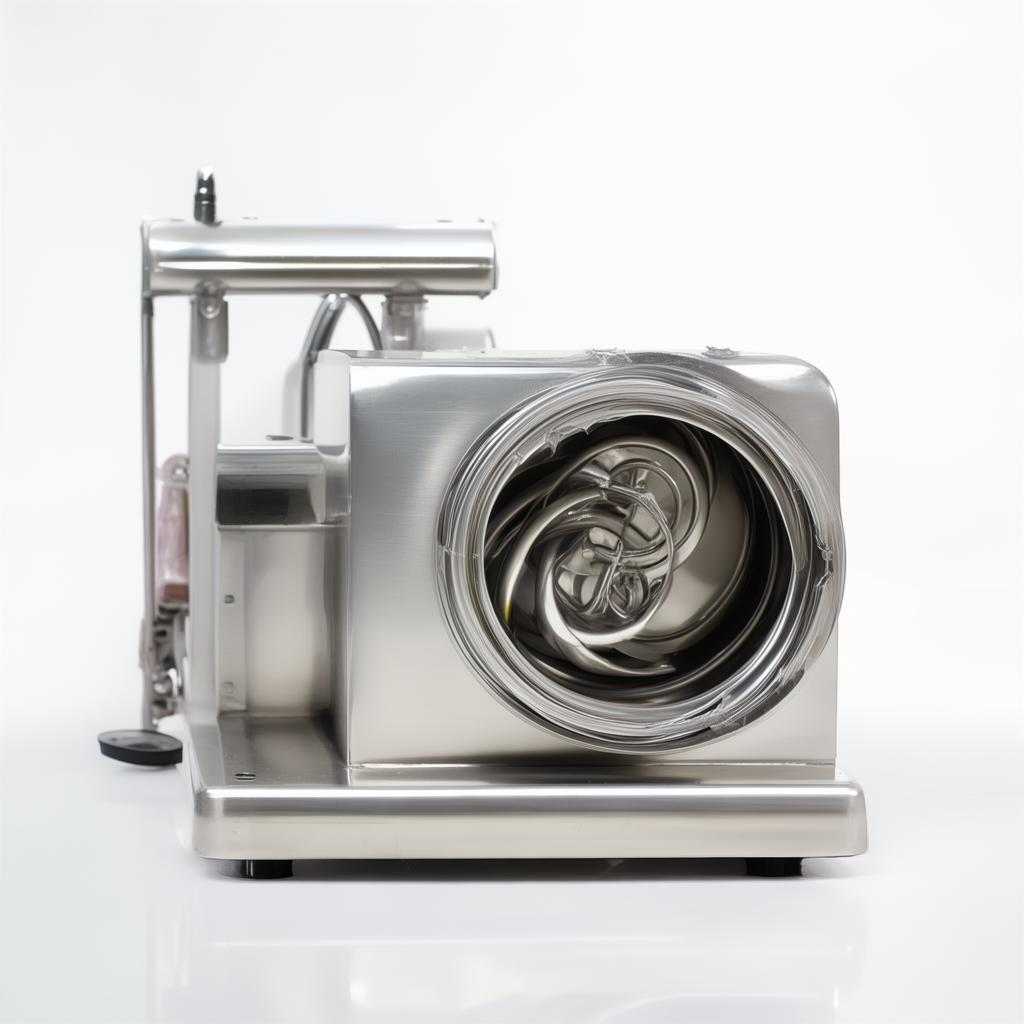
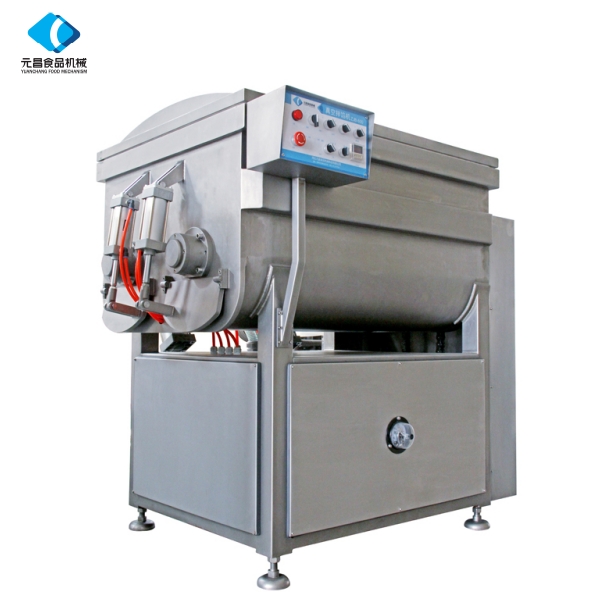
vacuum distillation apparatus vacuum distillation unit vacuum distillation machine
Proper system design and material selection are critical for long-term operational success and avoiding costly contamination or equipment failure. The meat processing equipment market report highlights automation as a key trend; similarly, advanced vacuum systems often incorporate sophisticated automation for precise control.
Procurement & Supplier Insights: What to Look For
Selecting the right supplier for vacuum distillation equipment is a critical step. It's not just about purchasing a piece of machinery; it's about securing a reliable solution that integrates seamlessly into your production workflow and delivers consistent results. Given the specialized nature of vacuum distillation, several factors warrant close consideration during the procurement process.
Technical Expertise and Customization
Does the supplier truly understand your specific application? A reputable manufacturer will engage in detailed consultations to understand your feedstock, purity requirements, throughput needs, and any regulatory constraints. They should be capable of offering customized solutions rather than a one-size-fits-all approach. Look for suppliers with in-house engineering teams and a proven track record in developing bespoke systems.
Material Quality and Compliance
The materials of construction are vital, especially when dealing with corrosive or high-purity substances. Ensure that all wetted parts (components in contact with the product) are made from appropriate, high-quality materials such as 316L stainless steel, Hastelloy, or glass-lined steel, depending on your application. Certifications like ISO 9001 are a good indicator of a manufacturer's commitment to quality management.
After-Sales Support and Service
Equipment downtime can be incredibly costly. Investigate the supplier's after-sales support. This includes availability of spare parts, technical assistance, on-site repair services, and training for your operational staff. A company like Hebei Yuanchang Food Mechanism & Technology Co., Ltd., with 40 years of experience and an in-house machining workshop equipped with advanced CNC centers, demonstrates the kind of deep manufacturing capability that translates to reliable support and parts availability.
Documentation and Traceability
Comprehensive documentation is essential, particularly in regulated industries. This includes detailed operating manuals, maintenance guides, material certifications, and any relevant compliance documentation (e.g., FDA compliance for food/pharma applications). Traceability of components is also important for quality control and audits.
When evaluating suppliers, consider their manufacturing processes. A factory with over 20 sets of processing machinery, including high-precision grinding machines and Japanese CNC machining centers, is likely to produce components with superior tolerances and reliability. This level of in-house capability reduces reliance on external suppliers and ensures greater control over product quality.
The broader meat processing equipment market, currently valued around USD 9.62 billion, is characterized by a need for precision and hygiene. Similarly, vacuum distillation requires meticulous engineering and material science. Choosing a supplier with a strong manufacturing foundation, like Hebei Yuanchang, ensures you're investing in durability and performance.
Procurement Checklist:
- Application Expertise: Can they tailor solutions?
- Material Specifications: Are components suitable for your product?
- Manufacturing Capability: In-house CNC, quality control?
- After-Sales Support: Spares, service, training availability?
- Documentation: Comprehensive manuals and certifications?
- Lead Time & Logistics: Realistic delivery and shipping support?
Frequently Asked Questions
- Q1: What is the main difference between vacuum distillation and atmospheric distillation?
- The primary difference is the operating pressure. Vacuum distillation uses reduced pressure to lower boiling points, enabling the distillation of heat-sensitive or high-boiling point compounds. Atmospheric distillation operates at standard atmospheric pressure, suitable for compounds that are stable at their normal boiling points.
- Q2: Is vacuum distillation suitable for all types of liquids?
- No. While versatile, it is most beneficial for compounds that decompose, polymerize, or oxidize at their atmospheric boiling points. It is less cost-effective for simple separations of stable, low-boiling point liquids where atmospheric distillation suffices.
- Q3: What are the typical vacuum levels used in industrial processes?
- Industrial vacuum distillation can range from fine vacuum (10-100 mbar) for moderate reductions in boiling point, to high vacuum (0.1-10 mbar) for more significant reductions, and even ultra-high vacuum (<0.1 mbar) for extremely sensitive materials or very high boiling points, often in specialized applications like short-path distillation.
- Q4: How does the choice of materials affect vacuum distillation equipment?
- Material selection is critical for longevity and product purity. Stainless steel (304, 316L) is common, but for highly corrosive substances, glass-lined steel or specialized alloys like Hastelloy may be required. The vacuum pump's internal materials must also be compatible with the process vapors.
- Q5: What is short-path distillation, and when is it used?
- Short-path distillation (SPD), also known as molecular distillation, is a type of vacuum distillation where the vapor path is extremely short. This minimizes thermal exposure and pressure drop, making it ideal for distilling very high molecular weight, heat-sensitive, or viscous materials. It's often used for purifying natural products, sensitive polymers, and pharmaceutical compounds.
Ready to Optimize Your Separation Process?
Achieving superior purity and efficiency in your production requires advanced separation technology. If your processes involve heat-sensitive materials, high-boiling point compounds, or stringent purity requirements, vacuum distillation is likely the solution you need.
Hear from Our Clients

Pharma Production Manager
"We struggled with inconsistent yields of our API due to thermal degradation. The vacuum distillation system from Yuanchang has been a revelation. We're seeing higher purity and significantly improved recovery rates. Their team's expertise in configuring the system for our specific needs was invaluable."

R&D Chemist, Flavor House
"Capturing delicate aromatic compounds for our new flavor line was a challenge. Atmospheric distillation destroyed the nuances. The vacuum setup allowed us to distill at much lower temperatures, preserving the authentic profiles. It’s crucial for our product quality."

Operations Director, Specialty Chemicals
"We needed to purify a high-boiling point intermediate. Traditional methods were inefficient and risky. The custom vacuum distillation unit designed by Yuanchang met our specifications perfectly. The installation was smooth, and the system has been running reliably, significantly improving our process efficiency."

Procurement Specialist
"We evaluated several suppliers for our vacuum distillation needs. Hebei Yuanchang stood out due to their extensive experience, transparent communication, and robust manufacturing capabilities. The support provided throughout the project lifecycle was exceptional, ensuring a smooth integration into our plant."
Enhancing Trust Through Transparency



See our direct communication and problem-solving in action.