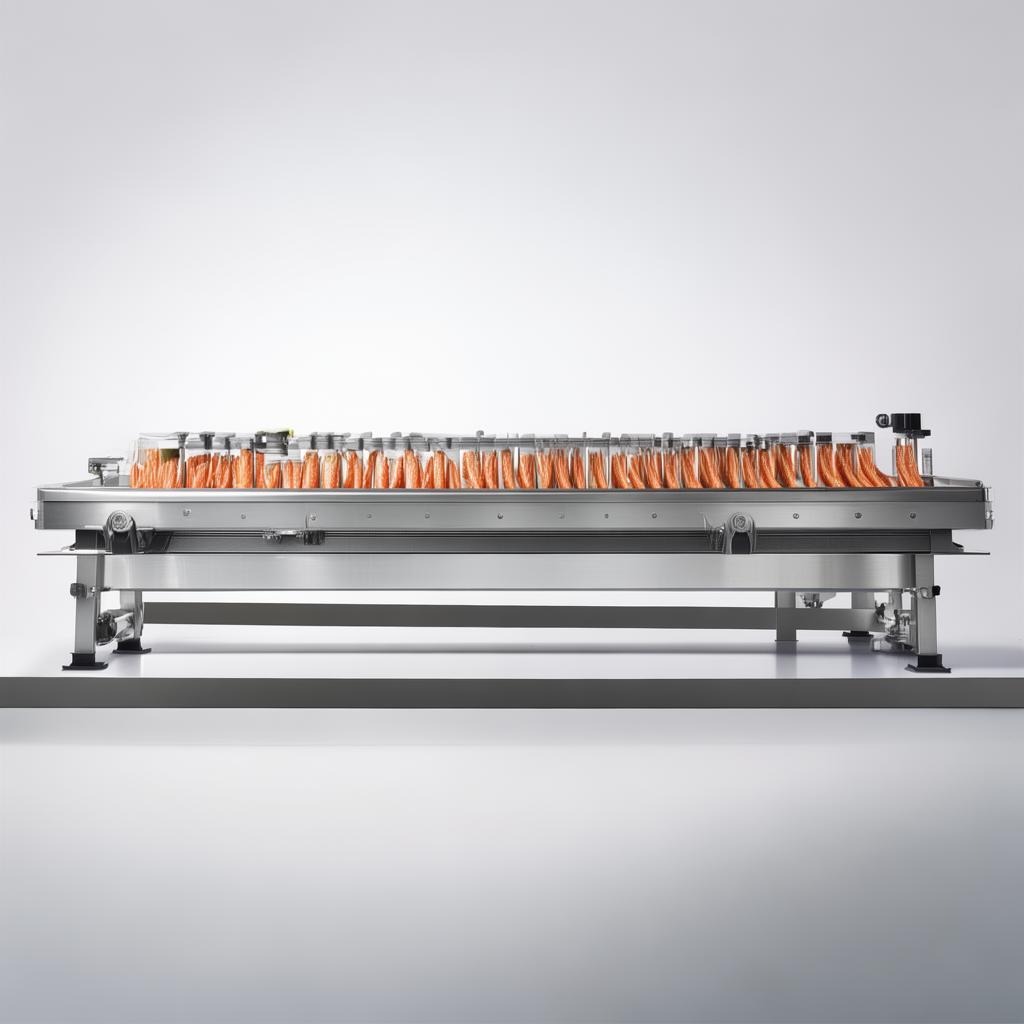
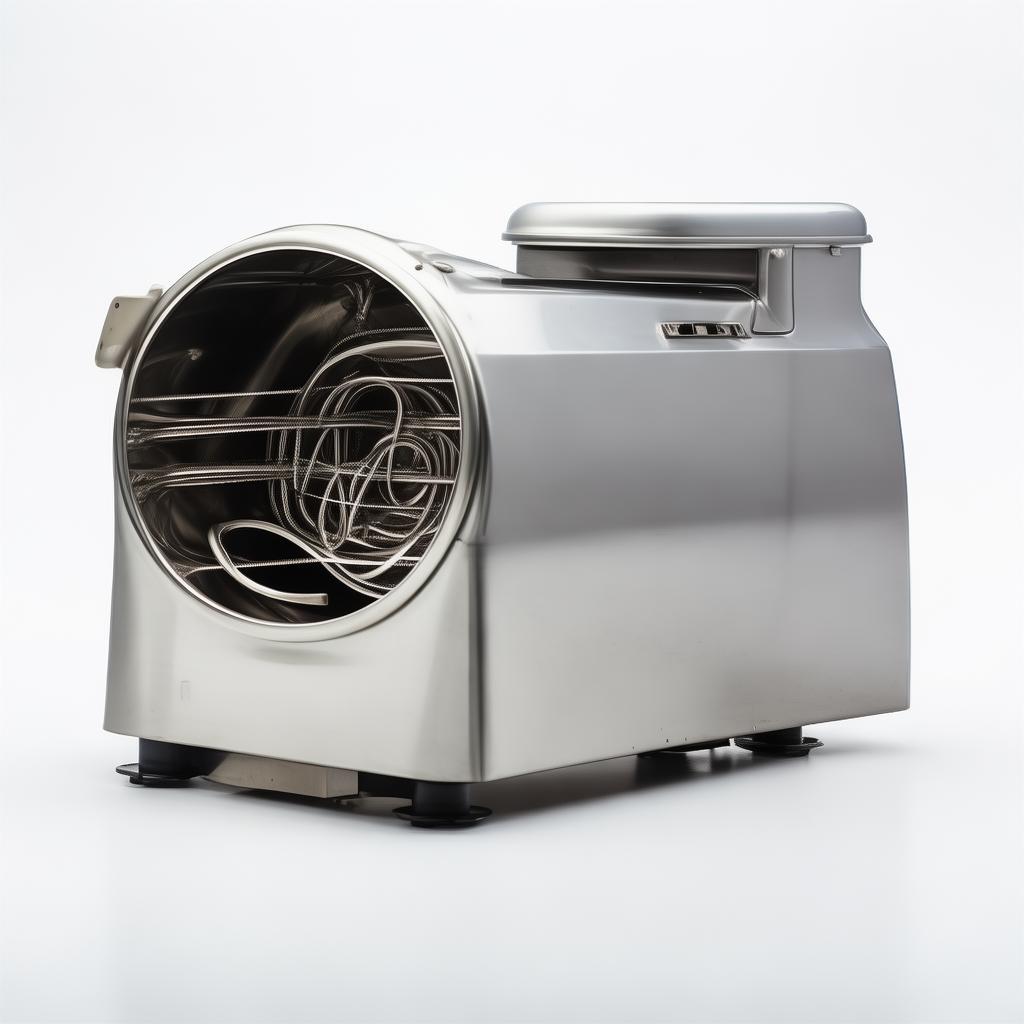
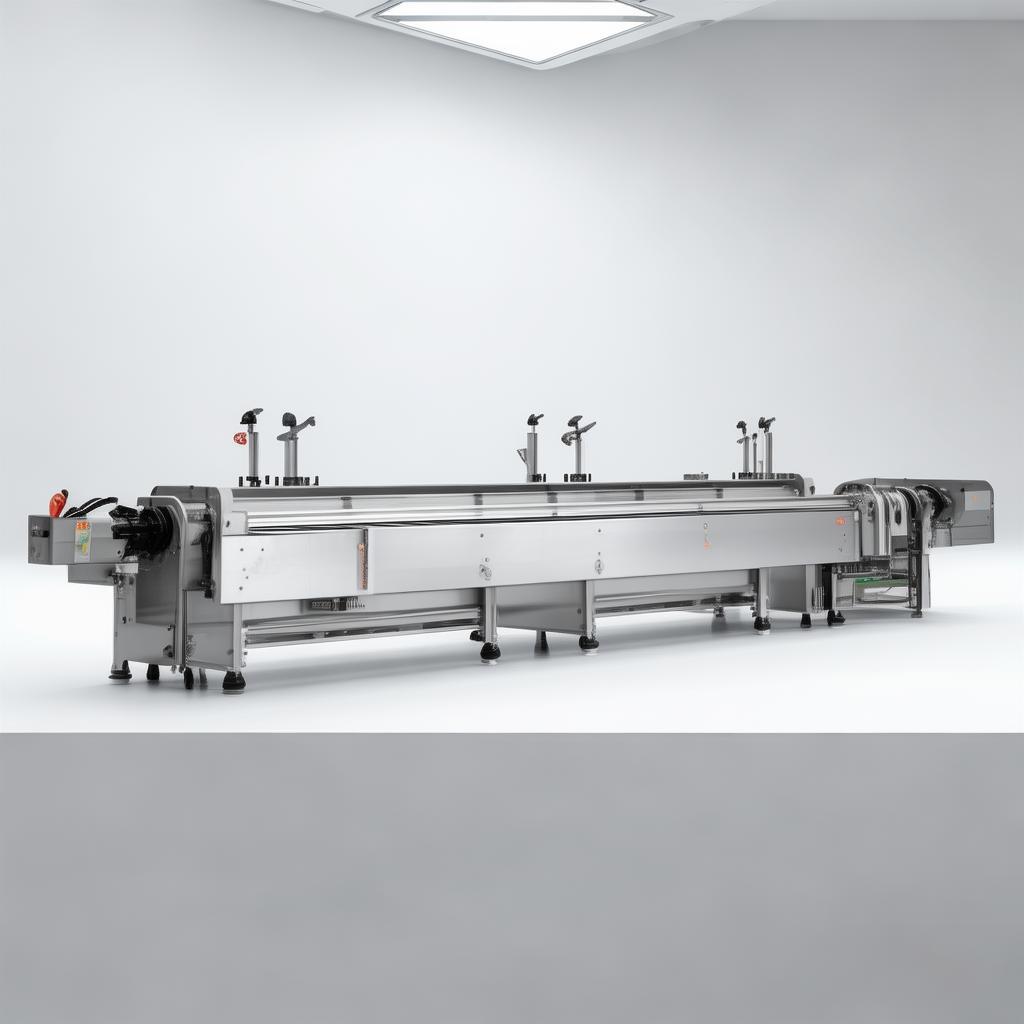
Vacuum Heat Treat Furnaces
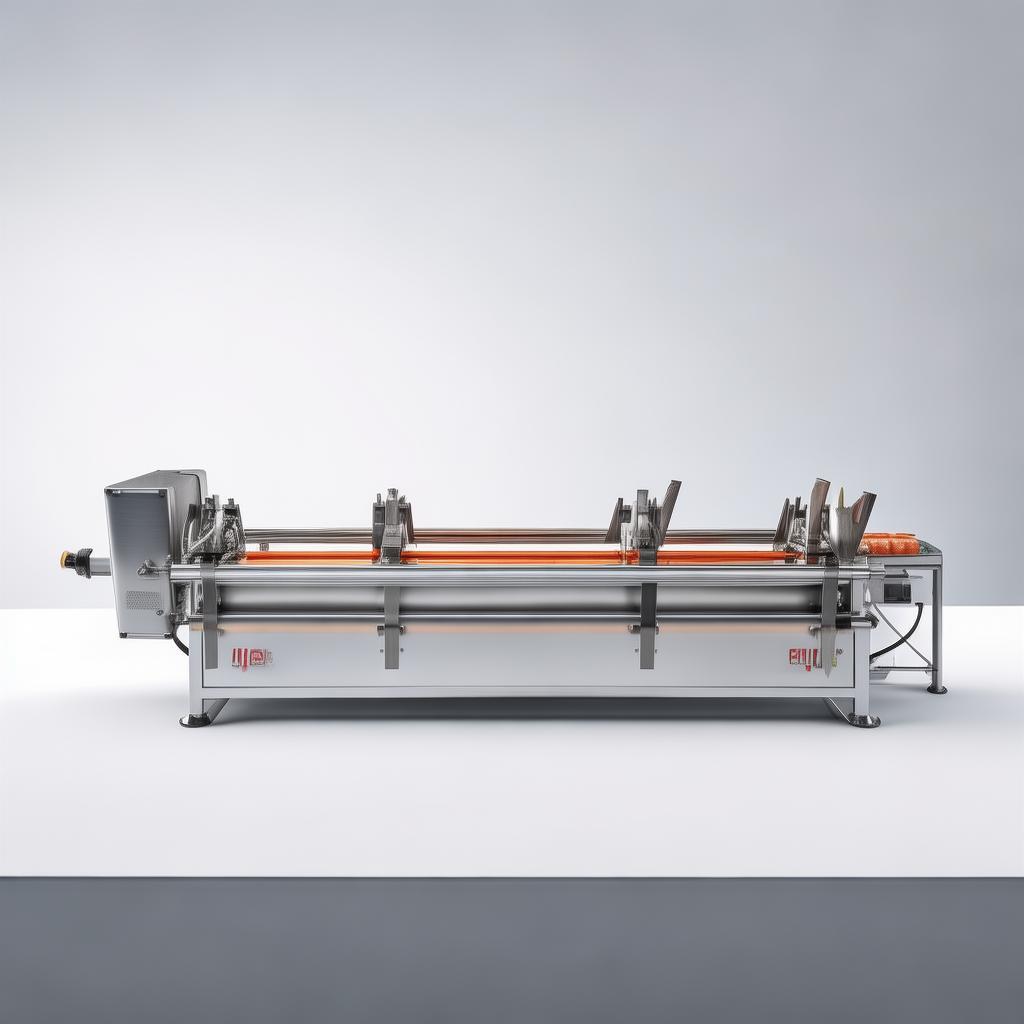
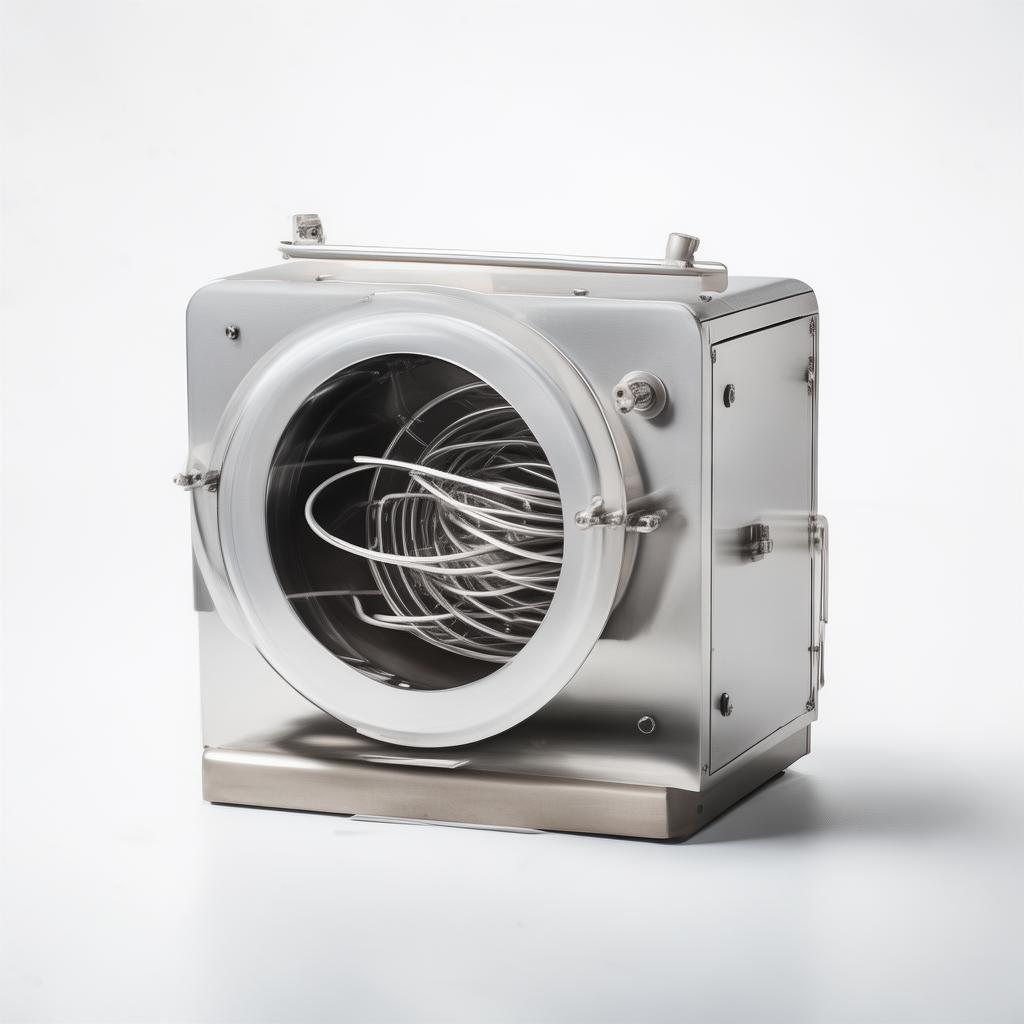
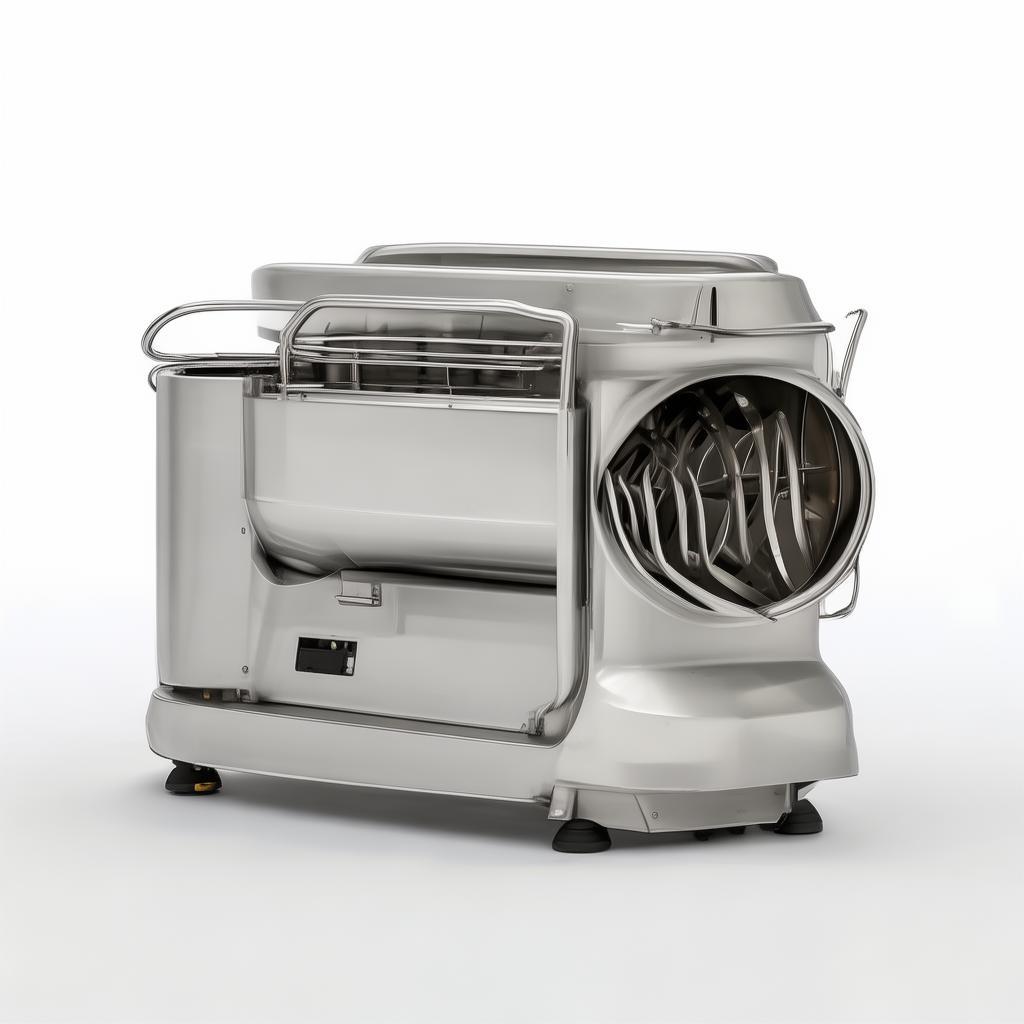
Vacuum Heat Treat Furnaces: Precision Engineering for Superior Material Properties
Unlock unparalleled performance and reliability in your critical metal components.

Understanding Vacuum Heat Treat Furnaces
In the demanding world of advanced manufacturing and materials science, achieving precise material properties isn't just an advantage – it's a prerequisite for success. For components where integrity, performance, and longevity are paramount, the heat treatment process is critical. Among the most sophisticated and effective methods available today is vacuum heat treating. This technique leverages a controlled, low-pressure atmosphere to perform thermal processing, offering a unique set of benefits that are often unattainable with conventional atmospheric or salt bath methods.
A vacuum heat treat furnace is a specialized industrial oven designed to operate under a vacuum. The fundamental principle involves removing the air and other gases from the heating chamber before and during the high-temperature cycle. This controlled environment prevents undesirable reactions between the metal workpiece and atmospheric contaminants like oxygen, nitrogen, and moisture. Without these contaminants, surfaces remain bright and clean, eliminating the need for post-treatment cleaning operations such as pickling or sandblasting. More importantly, this inert atmosphere is crucial for preventing oxidation, decarburization, and other surface defects that can compromise the mechanical properties and structural integrity of the material.
The process typically involves several stages: loading the material into the furnace, sealing the chamber, evacuating the air to a specific vacuum level (often measured in torr or millibar), heating the workpiece to the desired temperature under vacuum, holding it for a specified duration to achieve the metallurgical transformation, and then cooling. The cooling stage can also be performed under vacuum or with a controlled backfill gas (like nitrogen or argon) for accelerated quenching to achieve specific hardness and microstructure requirements. This level of control is why vacuum heat treating has become indispensable for high-value applications across aerospace, automotive, medical devices, tooling, and electronics industries.
The investment in a high-quality vacuum furnace signifies a commitment to precision, quality control, and the pursuit of superior material performance. For manufacturers looking to produce components that meet the most stringent specifications, from critical aerospace alloys that must resist embrittlement to high-speed tool steels requiring optimal hardness and wear resistance, the vacuum heat treat furnace is the cornerstone of their metallurgical processing capabilities. It's not merely a piece of equipment; it's an enabler of innovation and a guarantor of reliability in components that often operate under extreme conditions.

When we talk about heat treating, we're essentially talking about using controlled temperature cycles to alter the microstructure of metals. This can result in changes to hardness, strength, ductility, toughness, wear resistance, and other mechanical properties. Vacuum heat treating takes this a step further by removing potential contaminants that could interfere with these transformations or degrade the surface finish of the part. Consider a critical bearing race for an aircraft engine or a surgical implant – surface integrity and consistent material properties are non-negotiable. A vacuum furnace provides the clean, controlled environment necessary to achieve these high standards consistently.
The complexity of modern alloys, especially those used in high-temperature or high-stress applications, demands a heat treatment process that can precisely manage the metallurgical transformations without introducing unintended side effects. Vacuum furnaces are particularly well-suited for treating stainless steels, tool steels, superalloys, titanium, and other reactive or easily oxidized materials. The ability to achieve uniform heating and cooling rates, combined with the absence of atmospheric contamination, directly translates into improved part performance and reduced scrap rates. This is why businesses often view a vacuum furnace as a strategic investment rather than just a capital expenditure.
Beyond the direct metallurgical benefits, vacuum heat treating also offers significant operational advantages. The clean surface finish means less post-processing, saving labor and reducing the use of chemicals associated with descaling or pickling. Furthermore, the precise control over temperature and atmosphere allows for repeatable results, essential for industries with strict quality assurance protocols. For businesses involved in international trade, particularly with markets like the USA and European nations that enforce rigorous standards, having the capability for vacuum heat treating can be a key differentiator, enabling compliance and market access.
The Challenges of Achieving Peak Material Performance
In today's competitive manufacturing landscape, businesses face increasing pressure to deliver components that are not only cost-effective but also exhibit superior performance, durability, and reliability. Traditional heat treatment methods, while robust for certain applications, often fall short when it comes to sensitive materials or stringent surface finish requirements.
- Surface Contamination: Atmospheric heat treating can lead to oxidation, scaling, and decarburization, which alter surface properties and necessitate costly post-treatment cleaning operations. This adds time and expense, and can potentially introduce new defects.
- Inconsistent Results: Variations in furnace atmosphere or temperature uniformity can result in batch-to-batch inconsistencies, leading to quality issues and potential rework or scrap. This unpredictability is a major concern for critical applications.
- Material Limitations: Certain high-performance alloys, particularly stainless steels, tool steels, and aerospace-grade materials, are highly susceptible to atmospheric contamination during heating, which can significantly degrade their intended properties.
- Environmental Concerns: Traditional methods involving salt baths or aggressive cleaning chemicals raise environmental and safety concerns, requiring specialized handling and disposal procedures.
- Precision Requirements: For advanced applications in sectors like medical, aerospace, and semiconductor manufacturing, achieving exact hardness, dimensional stability, and surface integrity is crucial. Standard atmospheric furnaces may not offer the necessary control.
These challenges highlight the need for a more controlled and precise heat treatment solution. The pursuit of higher strength-to-weight ratios, increased fatigue life, and enhanced resistance to wear and corrosion in critical components drives the demand for advanced processing techniques. The global meat processing equipment market, for example, sees significant growth driven by demand for efficiency and product quality, with automation and precise control being key factors. While not directly related, this principle of precision and control is universal across high-end manufacturing sectors.
Consider the cost implications. Rework due to surface issues or inconsistent hardening can quickly erode profit margins. Furthermore, the extended lead times caused by additional cleaning steps can impact project timelines and customer satisfaction. For OEMs and contract manufacturers, delivering parts that meet exact specifications the first time is a critical competitive advantage.
Why Choose Vacuum Heat Treating? The Definitive Advantages
Vacuum heat treating is not just an alternative; it's often the superior choice for achieving the highest quality results in critical metal components. The controlled environment inside a vacuum furnace unlocks a host of benefits that directly impact part performance, operational efficiency, and overall cost-effectiveness.
Exceptional Surface Quality
Achieve bright, clean surfaces free from oxidation, scaling, and decarburization. This eliminates the need for post-treatment cleaning, saving time and labor while preserving critical dimensions.
Uniform Heating & Cooling
Precise control over temperature and atmosphere ensures even heat distribution throughout the workpiece, leading to consistent metallurgical properties and reduced risk of distortion.
Material Versatility
Ideal for heat treating a wide range of materials, including stainless steels, tool steels, superalloys, titanium, and other reactive or easily oxidized metals.
Enhanced Mechanical Properties
Optimize hardness, strength, toughness, wear resistance, and fatigue life with unparalleled control over the heat treatment process.
Dimensional Stability
Minimized distortion and warping compared to atmospheric heat treating, crucial for precision components. This is a critical factor for industries where tight tolerances are essential.
Environmentally Friendly
Eliminates the need for harsh chemicals or quenching oils, reducing waste and environmental impact. The clean vacuum process is inherently safer and more sustainable.
These advantages translate directly into tangible benefits for your business. Reduced post-processing, lower scrap rates, improved product quality, and enhanced material performance all contribute to a stronger bottom line and a competitive edge. For international buyers, the consistency and high quality achieved through vacuum heat treating are often key requirements for market entry, especially in regulated industries.
Where Precision Matters: Industries Benefiting from Vacuum Heat Treating
The versatility and precision of vacuum heat treat furnaces make them indispensable across a wide spectrum of high-performance industries. Wherever material integrity and predictable performance are critical, vacuum processing proves its worth.
Aerospace & Defense: Components like turbine blades, structural components, fasteners, and landing gear parts require exceptional strength, fatigue resistance, and corrosion protection. Vacuum heat treating ensures these properties are met without surface defects that could compromise safety. It's vital for alloys like Inconel and Titanium.
Automotive: From engine components (crankshafts, camshafts) and transmissions to gears and high-performance suspension parts, vacuum heat treating improves wear resistance, strength, and durability, crucial for modern vehicle performance and longevity.
Medical Devices: Surgical instruments, orthopedic implants, and specialized medical equipment often use stainless steels and titanium alloys that demand exceptional biocompatibility and precise mechanical properties. Vacuum heat treating ensures clean surfaces and consistent hardness without introducing contaminants.
Tool & Die Manufacturing: High-speed steels, cold-work steels, and carbide tooling used for stamping, cutting, and molding require maximum hardness and wear resistance. Vacuum furnaces are essential for achieving optimal temper and minimizing distortion in complex tool geometries. The precision here directly impacts the lifespan and output of the tools.
Electronics & Semiconductor: Components for semiconductor manufacturing equipment, specialized sensors, and high-reliability electronic parts often require vacuum heat treatment to ensure purity, dimensional stability, and specific electrical or thermal properties.
Energy Sector: Components for oil and gas exploration, power generation turbines, and specialized industrial machinery often operate under extreme pressures and temperatures. Vacuum heat treating enhances the strength and resistance of these critical parts.

Our experience spans across these sectors, providing tailored vacuum furnace solutions that meet specific industry standards and application demands. Whether you are developing next-generation aircraft components or critical surgical tools, the right heat treatment process is foundational.
The Engineering Behind Precision: Core Furnace Technology
A high-performance vacuum heat treat furnace is a complex piece of engineering, designed for reliability, precision, and efficiency. Understanding its key components and technological features is crucial for selecting the right equipment for your needs.
Vacuum System
The heart of the system. This includes high-capacity vacuum pumps (rotary vane, diffusion, turbomolecular) capable of achieving and maintaining very low pressures (e.g., 10-5 torr or better). The chamber sealing is critical, often employing specialized O-rings or metallic seals to prevent leaks. Achieving and maintaining the required vacuum level is paramount for preventing contamination.
Heating Chamber & Insulation
Constructed with high-temperature resistant materials, typically graphite or molybdenum elements and insulation. The design ensures uniform heating across the workload. Advanced insulation systems (e.g., multi-layer graphite felt) are vital for energy efficiency and maintaining precise temperature control. Work zones are meticulously engineered for thermal uniformity.
Temperature Control System
Sophisticated PID controllers coupled with multiple thermocouples provide precise temperature regulation throughout the heating cycle. Programmable logic controllers (PLCs) manage the entire process, allowing for complex temperature profiles, ramp rates, and soak times to be programmed and repeated accurately.
Cooling System
Options include natural gas quench, high-pressure gas quench (nitrogen, argon), or oil quench. The cooling rate is a critical parameter for achieving desired hardness and microstructure, especially for tool steels. High-pressure gas quenching offers excellent cooling rates while maintaining a clean environment.
Safety Features
Interlocks, pressure relief valves, emergency cooling systems, and gas detection systems are standard. Safety is non-negotiable, especially when dealing with high temperatures and vacuum conditions.

Integration with data logging and process monitoring software allows for full traceability and quality assurance, which is essential for compliance in regulated industries. This capability is a cornerstone of our advanced furnace designs.
Technical Specifications at a Glance
While specific configurations vary widely based on application, here is a representative overview of the technical capabilities you can expect from our vacuum heat treat furnaces. We specialize in custom solutions.
| Parameter | Typical Range / Options | Notes |
|---|---|---|
| Maximum Operating Temperature | Up to 1200°C (2200°F); Higher available | Standard models; Custom for specialized alloys |
| Vacuum Level | 10-5 to 10-6 torr | Achievable with appropriate pumping systems |
| Heating Rate | Variable, up to 50°C/min | Depends on furnace size and load |
| Temperature Uniformity | ± 5°C within work zone | Certified performance |
| Work Zone Dimensions | Customizable from small benchtop to large industrial | Specify your load requirements |
| Heating Elements | Graphite, Molybdenum, Tungsten | Material choice based on temperature and atmosphere |
| Cooling Options | Gas Quench (Nitrogen, Argon, H2), Oil Quench, Forced Air | High-pressure gas quench up to 10 bar available |
| Control System | Advanced PLC with touchscreen HMI | Data logging, recipe management, remote monitoring |
| Power Requirements | Customizable to site specifications (e.g., 380V/400V/480V, 50/60Hz, 3-phase) | Global voltage compatibility |
high temperature vacuum furnaces high vacuum furnace bell-jar style vacuum furnace
We work closely with clients to tailor furnace specifications, ensuring optimal performance for their specific applications and materials. Our engineering team can detail the most suitable configuration for your unique heat treating challenges.
Operational Insight: Quenching Media
The choice of cooling media is as critical as the heating temperature. For hardening of martensitic steels, rapid cooling is required to trap the carbon in the iron lattice. High-pressure inert gas quenching is preferred for sensitive materials to prevent staining and decarburization that might occur with oil quenching. Hydrogen atmosphere can be used for specific processes, especially for some stainless steels and sintering, offering excellent cooling and clean surfaces but requiring specialized handling and safety protocols.
Procurement & Operational Considerations for Vacuum Furnaces
Investing in a vacuum heat treat furnace is a significant decision with long-term operational implications. Beyond the technical specifications, there are several practical factors that procurement professionals and operations managers should consider to ensure a successful acquisition and smooth integration into their workflow.
Lead Time & Installation
Custom-built industrial equipment like vacuum furnaces can have significant lead times. Factor this into your production planning. Installation typically requires specialized training and may involve site preparation for utilities (power, cooling water, exhaust). We provide comprehensive installation support and training.
Energy Consumption
High-temperature vacuum processing is energy-intensive. Modern furnace designs, however, focus on efficiency through superior insulation, optimized heating cycles, and effective heat recovery systems. Understanding the operational energy costs is part of the total cost of ownership calculation.
Maintenance & Support
Regular maintenance is crucial for ensuring consistent performance and extending the lifespan of the furnace. This includes vacuum pump servicing, inspection of heating elements and insulation, and calibration of control systems. Access to reliable spare parts and expert technical support is vital, especially for international clients. Our 40 years of experience, since 1986, has built a robust after-sales management system that ensures worry-free service, backed by our in-house precision machining capabilities for critical components.
Process Validation & Certification
For industries with stringent regulatory requirements (e.g., aerospace AS9100, medical ISO 13485), the furnace's ability to consistently achieve and document process parameters is paramount. Our furnaces are designed to support validation processes and can be supplied with certifications to meet global standards.
Purchasing a vacuum heat treat furnace involves evaluating not just the upfront cost but also the long-term operational efficiencies, reliability, and the level of support provided by the manufacturer. A thorough needs assessment, combined with a clear understanding of your metallurgical requirements, will guide you to the optimal solution.
Procurement Alert: Hidden Costs
Be wary of seemingly lower upfront costs from less experienced suppliers. Consider the long-term implications of energy efficiency, maintenance costs, spare parts availability, and the crucial factor of consistent operational uptime. A reliable furnace is key to avoiding costly production stoppages.
Our Manufacturing Prowess: 40 Years of Excellence
Hebei Yuanchang Food Mechanism & Technology Co., Ltd. isn't just a supplier; we are a testament to decades of dedication in precision manufacturing. With over 40 years of experience dating back to 1986, our roots are deep in engineering and meticulous production. While our public profile is known for advanced food processing machinery, our underlying expertise in precision machining, materials handling, and industrial furnace fabrication is the backbone of our capabilities.
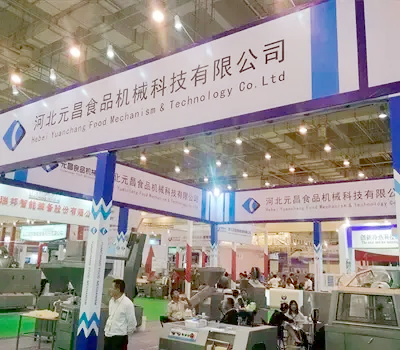
Spanning approximately 14,000 square meters, our facility houses a team of 80-100 skilled professionals dedicated to R&D, production, and sales. Our in-house machining workshop is equipped with over 20 sets of advanced processing machinery, including lathes, milling machines, high-precision grinding machines, boring machines, plate shears, bending machines, and wire cutting equipment. The strategic integration of 8 Japanese Mazak CNC machining centers, introduced in 2012, allows us to produce high-standard components with exceptional precision, catering to large volumes and non-standard specifications.
This self-sufficiency in manufacturing critical parts is a cornerstone of our reliability. It means we have complete control over the quality and precision of every component that goes into our vacuum heat treat furnaces, from the heating elements and insulation structures to the vacuum chamber and control systems. This capability is particularly vital for our international clients who require components manufactured to exacting standards.
The Yuanchang Advantage: In-House Precision
Our ability to produce high-precision parts in-house, combined with a traceable after-sales management system, means you receive equipment built to last and backed by unparalleled support. This is the operational knowledge that distinguishes us.
We understand the nuances of industrial equipment fabrication, from material selection and thermal dynamics to the precise tolerances required for vacuum sealing and efficient heating. Our extensive experience allows us to deliver solutions that are not only technologically advanced but also robust and operationally dependable.
Commitment to Quality: Certifications & Standards
Quality and compliance are not afterthoughts at Hebei Yuanchang; they are foundational principles embedded in our manufacturing processes. For international clients, especially those in regulated sectors such as aerospace, automotive, and medical, adhering to global standards is essential. Our vacuum heat treat furnaces are designed and built with these requirements in mind.



Our manufacturing processes adhere to stringent quality management systems, often aligned with ISO 9001 principles. While specific certifications may vary based on the furnace model and target market, we are equipped to meet requirements such as:
- CE Marking: For compliance with European Union safety, health, and environmental protection standards.
- RoHS Compliance: Ensuring that hazardous substances are restricted in electrical and electronic equipment.
- UL / CSA Standards: For electrical safety certifications, particularly relevant for North American markets.
- Industry-Specific Standards: We can engineer furnaces to meet specific requirements for industries like aerospace (AMS 2750 compliance for temperature uniformity and control) or medical devices.
Our commitment extends beyond just the equipment itself. We ensure that all documentation, operational manuals, and compliance records are readily available to facilitate your own quality assurance and audit processes. This level of transparency and commitment is what makes us a trusted partner for international B2B trade.
When you partner with Hebei Yuanchang, you gain access to equipment manufactured under rigorous quality controls and backed by international compliance standards. This reduces risk for your procurement team and ensures that the equipment you receive is ready for demanding industrial applications worldwide.
Client Experiences: Real-World Impact
We pride ourselves on delivering not just equipment, but solutions that drive operational excellence. Here’s what some of our international partners have to say:

Operations Manager, Precision Tooling Inc. (USA)
"We needed a vacuum furnace for hardening complex aerospace tooling. The Yuanchang team understood our specific AMS 2750 requirements. The furnace performs exceptionally, delivering consistent results and drastically reducing our scrap rates. Their support throughout the process was top-notch."

Procurement Director, MedTech Solutions (Canada)
"Our new vacuum furnace has been a game-changer for our medical implant production. The clean, bright finish eliminates post-processing, and the precision control ensures every batch meets our strict quality standards. The export process was smooth, and the installation support was invaluable."

Chief Engineer, Automotive Components Ltd. (UK)
"We integrated Yuanchang's vacuum furnace into our production line for high-performance automotive gears. The improvements in wear resistance and fatigue life have been remarkable. The reliability of the equipment and the responsive after-sales service have exceeded our expectations."
Your Questions Answered: Vacuum Heat Treat Furnace FAQs
We understand you might have specific questions regarding vacuum heat treat furnaces. Here are some common inquiries:
With proper maintenance and operation, a well-built vacuum furnace can last 15-25 years or even longer. Key factors include the quality of construction, the materials used (especially heating elements and insulation), and the rigor of the maintenance schedule.
Vacuum hardening occurs in a controlled, oxygen-free environment, preventing surface degradation like oxidation and decarburization. Traditional atmospheric hardening often results in surface scaling and requires post-treatment cleaning. Vacuum hardening offers superior surface finish and dimensional control.
Yes, within temperature limits. However, for optimal results and to prevent cross-contamination (especially with reactive metals or specific heat treat cycles), dedicated furnaces or strict cleaning protocols between different material types are recommended. Our modular designs can accommodate various processing needs.
Power requirements vary significantly based on furnace size, temperature capability, and heating element type. However, industrial units typically require a robust 3-phase power supply, ranging from 50 kW to several hundred kW. We ensure our furnaces can be configured for standard international voltages and frequencies.
A sufficiently low vacuum level (e.g., 10-5 torr) is critical to prevent oxidation and other surface reactions. Higher vacuum levels are generally required for heat treating highly reactive metals or for achieving pristine surface finishes. It also plays a role in controlling outgassing of certain materials.
Elevate Your Material Performance
Ready to achieve superior metallurgical properties, enhance component reliability, and gain a competitive edge? Discover how our precision-engineered vacuum heat treat furnaces can transform your operations.
Copyright © 2026 Hebei Yuanchang Food Mechanism & Technology Co., Ltd. All rights reserved.
This content was developed by industry experts to provide genuine insight into vacuum heat treat furnace technology and its applications. We aim for transparency and operational realism.