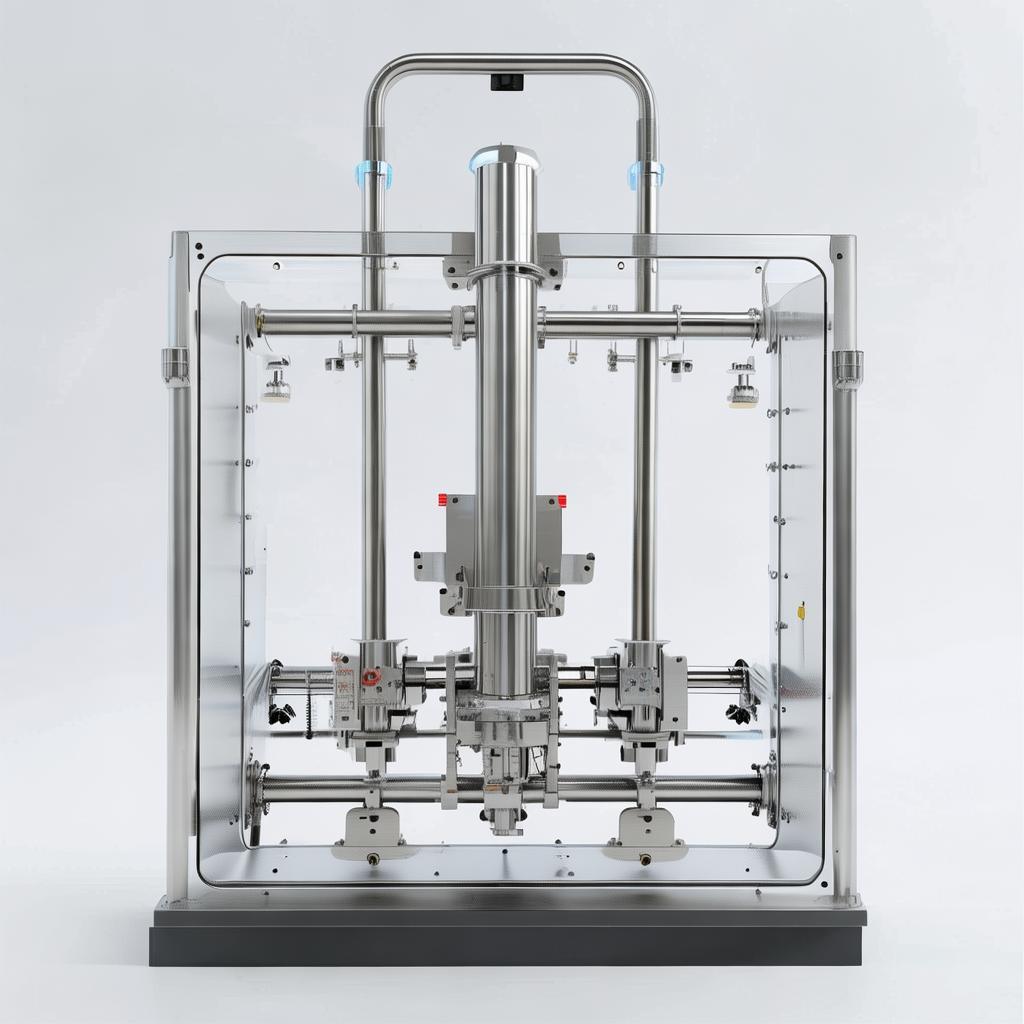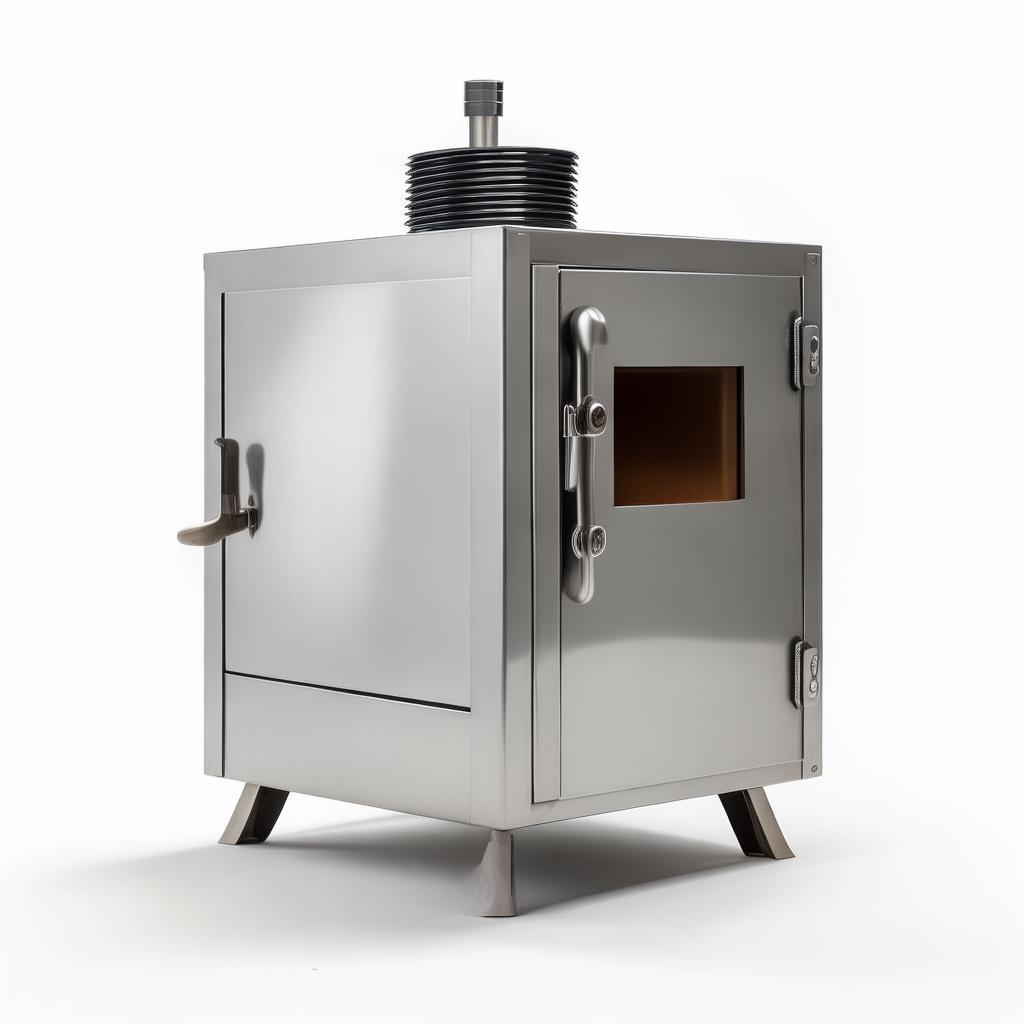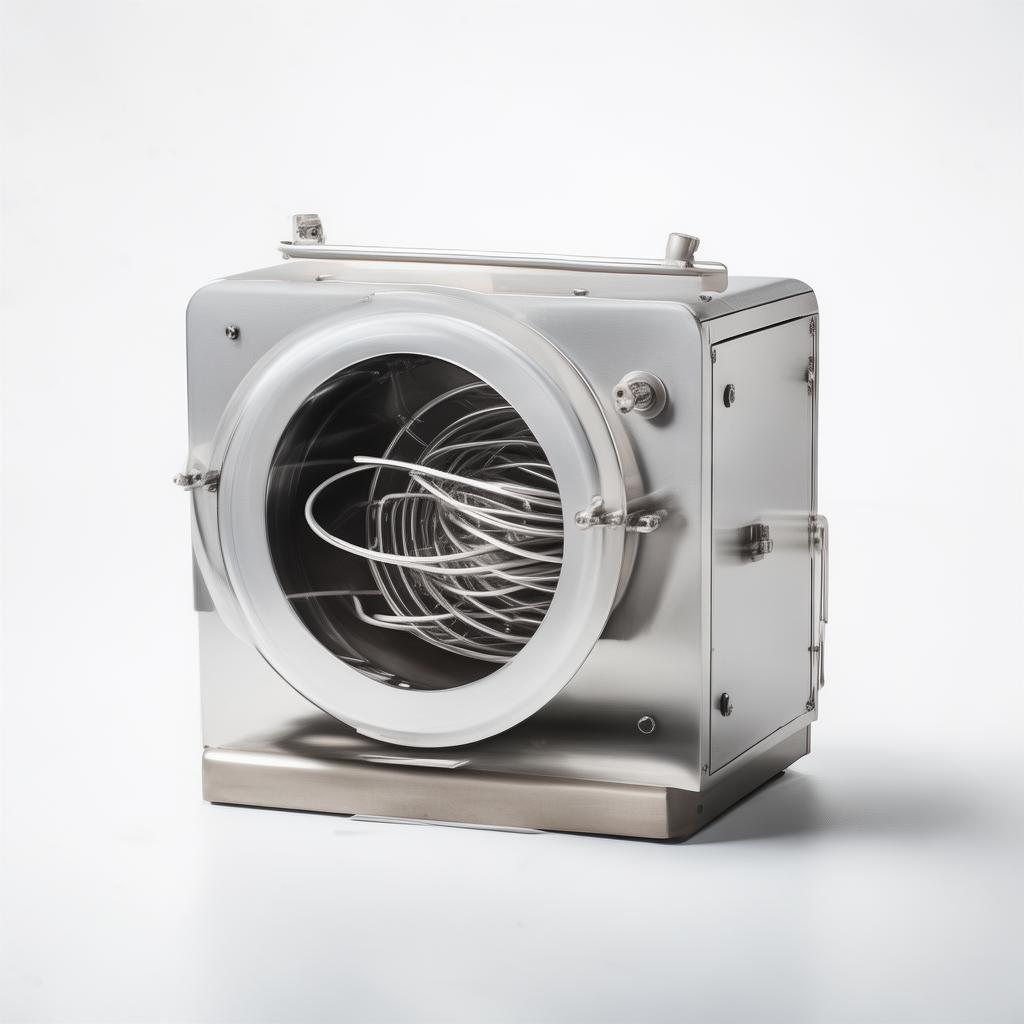
High Vacuum Furnace
High Vacuum Furnaces: Precision Thermal Processing for Advanced Industrial Applications
Harnessing the Power of Near-Perfect Vacuums for Superior Material Performance and Manufacturing Outcomes.
 By Hebei Yuanchang Food Mechanism & Technology Co., Ltd. Technical Team
Table of Contents
- Understanding High Vacuum Furnaces
- The Challenges of Traditional Thermal Processing
- Why Choose High Vacuum? Key Advantages
- Core Applications Across Industries
- Technical Specifications & Customization
- Our Manufacturing Prowess: Beyond the Standard
- Procurement Insights for High Vacuum Furnaces
- Quality Assurance & Certifications
- What Our Clients Say
- Frequently Asked Questions
- Ready to Elevate Your Thermal Processing?
Understanding High Vacuum Furnaces: Precision Control in a Controlled Environment
In the demanding world of advanced manufacturing and materials science, achieving precise control over thermal processes is not just an advantage—it's a fundamental requirement. High vacuum furnaces represent the pinnacle of this control, offering an environment where materials can be treated at elevated temperatures with minimal interference from atmospheric contaminants. The operative term here is "high vacuum," typically referring to pressure levels below 10-3 mbar (or millibar). This extreme reduction in ambient gas pressure is critical for preventing oxidation, decarburization, and other undesirable chemical reactions that can compromise material integrity, purity, and final performance.
The need for such sophisticated equipment is growing. As industries push the boundaries of material capabilities – from aerospace alloys and advanced ceramics to specialized electronics and medical implants – the processes used to create and refine these materials must keep pace. Traditional air furnaces, while suitable for many applications, introduce inherent limitations. The presence of oxygen, nitrogen, and moisture can lead to surface degradation, altered microstructures, and reduced mechanical properties. This is where the sophistication of high vacuum technology truly shines. By creating an environment so devoid of reactive gases, these furnaces enable processes like sintering, annealing, brazing, and heat treating with unparalleled purity and consistency.
At Hebei Yuanchang, we understand that selecting the right thermal processing equipment is a strategic decision, impacting everything from product quality and yield to operational costs and market competitiveness. A high vacuum furnace isn't merely a piece of machinery; it's an investment in achieving superior material properties, enabling innovative product development, and ensuring the reliability of critical components. This is particularly true when dealing with sensitive materials, intricate geometries, or applications where even trace contamination can lead to catastrophic failure. For instance, in the semiconductor industry, the purity of materials and the precise control of sintering temperatures are paramount for device performance. Similarly, in advanced metallurgy, heat treating exotic alloys under high vacuum is essential for developing the extreme strength, heat resistance, or corrosion resistance required for demanding applications.
The global market for industrial processing equipment, which includes specialized furnaces, reflects this increasing demand for precision and efficiency. While specific figures for high vacuum furnaces alone can be niche, the broader meat processing equipment market—where automation, hygiene, and precise temperature control are vital—shows robust growth. For example, reports indicate the global meat processing equipment market is projected to reach upwards of USD 17 billion by 2034, with key segments involving precise processing and material transformation. [Source: Fortune Business Insights]. While seemingly disparate, the underlying principles of requiring controlled environments for optimal material outcomes are shared. High vacuum furnaces operate on similar principles of controlled atmospheric conditions, albeit for vastly different end materials. They enable us to achieve outcomes that are simply unattainable with conventional methods, pushing the envelope for what's possible in material science and high-tech manufacturing.
Our commitment is to provide not just equipment, but comprehensive solutions. This includes understanding the nuances of your specific application, offering tailored furnace designs, and ensuring seamless integration into your existing production workflow. Whether you're dealing with sintering complex ceramic components, annealing sensitive electronic materials, or performing vacuum brazing for high-reliability assemblies, a well-specified high vacuum furnace is often the lynchpin for success.
The Challenges of Traditional Thermal Processing: When Atmospheres Interfere
For decades, manufacturers have relied on various forms of atmospheric furnaces – from simple air ovens to controlled-atmosphere systems using nitrogen, argon, or hydrogen. While effective for many applications, these methods inevitably face limitations when dealing with advanced materials or stringent quality requirements. The primary antagonist is the atmosphere itself.
- Oxidation & Surface Contamination: The presence of oxygen is a major concern. Many metals, especially at elevated temperatures, readily react with oxygen, forming oxides on their surface. This oxide layer can alter the material's mechanical properties, electrical conductivity, and surface finish. For precision components, this can lead to dimensional inaccuracies or functional failures.
- Decarburization & Carburization: In heat-treating steels, controlled atmospheres are often used to prevent the loss of carbon from the surface (decarburization) or to add carbon (carburization). However, achieving and maintaining the precise carbon potential in a controlled atmosphere can be difficult, leading to inconsistent hardness and metallurgical properties.
- Nitridation & Other Gas Interactions: Depending on the atmosphere used, other elements can be absorbed into the material. For instance, nitrogen can lead to nitridation, which can make metals brittle. Incompatible atmospheres can also react with alloying elements, leading to phase segregation or unintended compound formation.
- Batch-to-Batch Variability: Maintaining a perfectly consistent atmosphere throughout an entire batch, especially in large industrial furnaces, can be challenging. Fluctuations in gas purity, flow rates, or leakage can introduce subtle variations in treatment, leading to inconsistent results across different production runs.
- Post-Processing Requirements: Components treated in non-vacuum atmospheres often require subsequent cleaning, polishing, or removal of surface scale. This adds extra steps, time, and cost to the manufacturing process, and introduces further opportunities for contamination or damage.
These issues are not minor inconveniences. For industries like aerospace, electronics, and medical device manufacturing, where material performance is non-negotiable, these atmospheric interferences can translate directly into product failure, costly recalls, and damaged reputations. The pursuit of higher purity, finer microstructures, and defect-free surfaces necessitates a move beyond traditional atmospheric limitations.
Why Choose High Vacuum? Key Advantages for Your Manufacturing Process
The transition to a high vacuum environment unlocks a new level of precision and quality in thermal processing. The absence of reactive gases drastically alters the potential outcomes for your materials, offering benefits that are difficult, if not impossible, to achieve otherwise.
Unmatched Purity and Cleanliness
By reducing the partial pressure of reactive gases like oxygen and nitrogen to near zero, high vacuum furnaces prevent oxidation, decarburization, and other surface contamination. This results in cleaner surfaces, purer bulk materials, and enhanced intrinsic properties.
Superior Material Properties
Processes like sintering, annealing, and hardening are performed without atmospheric interference, allowing materials to achieve their ideal microstructure, maximum density, and optimal mechanical characteristics (strength, hardness, ductility).
Achieving Bright and Scale-Free Surfaces
Vacuum heat treatment typically results in bright, scale-free surfaces. This eliminates the need for post-processing steps like pickling, sandblasting, or polishing, saving significant time, labor, and reducing the risk of surface damage.
Precision Temperature Control
High vacuum environments allow for highly uniform heating. Combined with advanced control systems, this ensures precise temperature uniformity across the entire workload, critical for consistent metallurgical transformations.
Complex Brazing and Joining
Vacuum furnaces are essential for high-quality vacuum brazing. They prevent oxidation of the base metals and the filler metal, ensuring clean joints with excellent mechanical integrity and without the need for flux. This is crucial for assemblies in aerospace, automotive, and electronics.
Reproducibility and Reliability
The controlled nature of vacuum processing, coupled with sophisticated process automation and monitoring, leads to highly reproducible results. This consistency is vital for meeting stringent industry standards and ensuring product reliability.
Core Applications: Where High Vacuum Furnaces Drive Innovation
The versatility and precision of high vacuum furnaces make them indispensable across a wide spectrum of demanding industries. Their ability to maintain pristine processing environments directly translates to enhanced performance and reliability for critical components and advanced materials.
Aerospace & Defense
Heat treatment of high-strength alloys (e.g., titanium, nickel superalloys), vacuum brazing of complex engine components, and sintering of advanced ceramics for critical applications. Purity is paramount for extreme temperature and stress resistance.
Electronics & Semiconductors
Annealing of silicon wafers, sintering of electronic components, vacuum degassing of sensitive materials, and high-purity metal processing for conductive elements. Even minute impurities can degrade performance.
Medical Devices & Implants
Heat treatment of surgical instruments, cobalt-chrome implants, and titanium alloys. Biocompatibility and surface integrity are non-negotiable, making vacuum processing essential. Sintering of biocompatible ceramics.
Tooling & Tool Steels
Hardening and tempering of high-speed steels, alloy steels, and tool steels. Achieving bright, scale-free surfaces with consistent hardness across the tool is crucial for longevity and performance.
Powder Metallurgy
Sintering of metal powders (e.g., tungsten, molybdenum, stainless steel) to create dense, high-performance parts. Vacuum ensures no contamination during the critical sintering phase, preserving the integrity of the powder particles and the final product.
Advanced Materials
Processing of specialty alloys, refractory metals, advanced ceramics, and composites where atmospheric reactions would degrade performance or prevent achieving desired properties.
Technical Specifications & Customization: Tailoring for Your Needs
Understanding that no two manufacturing processes are identical, our high vacuum furnaces are designed for flexibility and precision. We offer a range of standard configurations and specialize in providing custom solutions to meet your unique operational requirements.
Key Specification Parameters:
| Parameter | Typical Range | Considerations |
|---|---|---|
| Max Temperature | 1000°C to 3000°C+ | Depends on heating element material (e.g., Moly, Tungsten, Graphite) and chamber design. |
| Vacuum Level | 10-3 mbar down to 10-6 mbar (or better) | Achieved via diffusion pumps, turbomolecular pumps, or dry pumps. Critical for preventing contamination. |
| Work Zone Size | Customizable (e.g., 100x100x100mm to 1000x1000x1000mm+) | Determined by part size, batch volume, and furnace chamber dimensions. |
| Heating Rate | Variable, typically 10-50°C/min | Influenced by power, element design, and thermal mass. Faster rates can reduce cycle times. |
| Temperature Uniformity | ±3°C to ±10°C | Crucial for consistent metallurgical results across the entire load. |
| Cooling Options | Natural convection, forced gas cooling (N2, Ar, He) | Forced gas cooling significantly reduces cycle times for certain materials. |
| Control System | PLC-based with touch screen HMI, data logging | Enables precise programming, real-time monitoring, and audit trails. |
Customization is Key: We don't just sell furnaces; we engineer solutions. Our in-house machining workshop, equipped with advanced CNC centers, allows us to fabricate high-precision, non-standard components. This capability means we can tailor furnace dimensions, heating element configurations, vacuum pumping systems, and control interfaces to precisely match your production needs. Discuss your specific material, batch size, cycle time requirements, and any unique handling needs with our engineers.
Our Manufacturing Prowess: Decades of Engineering Excellence
Hebei Yuanchang Food Mechanism & Technology Co., Ltd. isn't just a name; it's a testament to 40 years of dedicated experience in precision manufacturing since 1986. While our roots are in sophisticated food processing machinery, the core competencies we've cultivated are directly transferable and highly relevant to the intricate demands of industrial furnace construction. We possess the deep engineering knowledge, robust production infrastructure, and rigorous quality control systems necessary to build high-performance equipment.
Our extensive 14,000 square meter facility houses a comprehensive in-house machining workshop. With over 20 sets of advanced processing machinery, including lathes, milling machines, high-precision grinding machines, boring machines, plate shears, bending machines, and wire cutting equipment, we control every critical component's fabrication. This self-sufficiency is paramount when building complex systems like high vacuum furnaces. It ensures that every part, from the furnace chamber and heating elements to the intricate vacuum manifold and structural supports, meets our exacting standards.
A significant leap in our capability came in 2012 with the introduction of 8 sets of Japanese Mazak CNC machining centers. These state-of-the-art machines empower us to undertake the production of components that demand large volumes, exceptionally high precision, and non-standard specifications – precisely the requirements for advanced vacuum furnace construction. This integration of cutting-edge technology allows us to achieve tolerances and surface finishes critical for reliable vacuum integrity and optimal thermal performance.
Coupled with our traceable after-sales management system, our ability to independently produce high-precision parts means we offer genuinely worry-free ownership. You can be confident that the equipment delivered by Hebei Yuanchang is built on a foundation of solid engineering, meticulous manufacturing, and a commitment to quality that has been refined over four decades.

Inside our advanced machining facility, ensuring precision at every step.
Procurement Insights: Navigating Your High Vacuum Furnace Investment
Acquiring a high vacuum furnace is a significant capital investment, and the procurement process requires careful consideration. Beyond the initial price tag, understanding the total cost of ownership, operational impact, and supplier reliability is crucial for making an informed decision.
Key Procurement Considerations:
- Application & Material Compatibility: Clearly define the materials you will process, the temperatures required, the desired vacuum levels, and the expected batch sizes. This will dictate the fundamental furnace design. Don't compromise here – it's the most critical factor.
- Technical Support & Engineering Expertise: A reputable supplier should offer strong pre-sales technical consultation. Can they understand your specific application? Can they propose an optimized solution rather than just a standard model?
- Installation & Commissioning: Understand the requirements for installation – power, cooling, ventilation, and vacuum hook-ups. A reliable supplier will assist with or manage the commissioning process to ensure your furnace operates as designed from day one. Consider site preparation.
- Training: Adequate training for your operators and maintenance staff is essential for safe, efficient, and optimal furnace operation. This ensures you maximize the lifespan and performance of your investment.
- After-Sales Service & Spare Parts: What is the supplier's response time for service calls? How readily available are critical spare parts? Long lead times for parts can halt your production for extended periods. Our own capability to produce high-precision parts independently is a significant advantage here.
- Total Cost of Ownership (TCO): Factor in not just the initial purchase price, but also energy consumption, maintenance costs, potential downtime, and the cost of spare parts over the furnace's projected lifespan.
- Manufacturer's Experience & Reputation: Look for manufacturers with a proven track record and demonstrable experience in building high vacuum equipment. Decades of experience, like ours, provide a deep well of practical knowledge.
- Compliance & Certifications: Ensure the furnace meets relevant industry standards and safety regulations (e.g., CE marking if applicable for European markets).
Practical Warning: Be wary of overly low quotes that seem too good to be true. Often, this indicates compromises in material quality, vacuum system components, control sophistication, or after-sales support, which will likely lead to higher operational costs and reduced reliability down the line.
high temperature vacuum furnaces vacuum heat treat furnaces bell-jar style vacuum furnace
At Hebei Yuanchang, we aim to be a transparent partner in your procurement journey. We provide detailed technical documentation and are always available to discuss your specific needs to ensure you make the most effective investment.
Commitment to Quality: Our Certifications and Standards

ISO 9001 Certified Quality Management
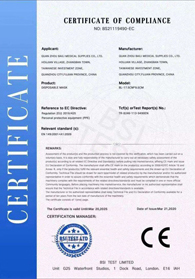
CE Compliant Design
Our adherence to stringent international standards is not just about compliance; it's about ensuring the safety, reliability, and performance of every piece of equipment we deliver.
Client Testimonials: Real-World Impact

"Implementing their high vacuum furnace for our aerospace alloy annealing has dramatically improved our material consistency. We've seen a noticeable reduction in surface defects and a better yield. The team's expertise during the integration was invaluable."
- Mark R., Lead Metallurgist, AeroTech Solutions

"We needed a custom vacuum brazing furnace for our critical electronic components. Hebei Yuanchang not only delivered on the precise specifications but also provided excellent training, ensuring our team could operate it efficiently. The joint quality is outstanding."
- Sarah Chen, Operations Manager, Precision Electronics Inc.

"After struggling with inconsistent results from older equipment, upgrading to a high vacuum furnace from Hebei Yuanchang was a game-changer for our tool hardening process. Brighter surfaces, harder tools, and less post-processing. A solid investment."
- David Kim, Production Supervisor, Cutting Edge Tools

"The service and support we received were exceptional. They understood our unique powder metallurgy needs and engineered a solution that exceeded expectations. Their manufacturing precision is evident in the furnace's reliable performance."
- Dr. Anya Sharma, R&D Lead, Advanced Metal Powders
Frequently Asked Questions about High Vacuum Furnaces
Q1: What is the difference between a high vacuum furnace and a controlled atmosphere furnace?
A high vacuum furnace operates at extremely low pressures (typically below 10-3 mbar), effectively removing almost all gases. This prevents oxidation, decarburization, and other atmospheric reactions. A controlled atmosphere furnace uses a specific gas mixture (like nitrogen, argon, or hydrogen) at atmospheric or slightly above atmospheric pressure to create a desired environment. While controlled atmospheres offer some protection, they cannot achieve the purity levels of a high vacuum.
Q2: Is a high vacuum furnace suitable for hardening tool steels?
Absolutely. High vacuum furnaces are ideal for hardening tool steels, especially high-speed steels and advanced alloys. They prevent decarburization and carburization, ensuring uniform hardness across the tool, and typically produce bright, scale-free surfaces that eliminate the need for post-treatment cleaning.
Q3: What is the typical lifespan of a high vacuum furnace?
With proper operation, regular maintenance, and quality construction, a high vacuum furnace can have a lifespan of 15-25 years or more. Key factors include the quality of the vacuum pumping system, heating elements, insulation, and the overall structural integrity. Our robust manufacturing and focus on high-precision parts contribute to extended equipment longevity.
Q4: How does forced gas cooling work in a vacuum furnace?
In a vacuum furnace, forced gas cooling involves circulating a cooling gas (often nitrogen, argon, or helium) through the hot zone after the heating cycle is complete. The gas is moved by fans and typically flows through passages in the insulation and around the workload. This is much faster than natural convection cooling and significantly reduces overall process cycle times, which is critical for high-volume production or heat-treating materials sensitive to prolonged exposure to high temperatures.
Ready to Elevate Your Thermal Processing Capabilities?
Discover how Hebei Yuanchang's high vacuum furnaces can bring unparalleled precision, purity, and performance to your manufacturing processes.