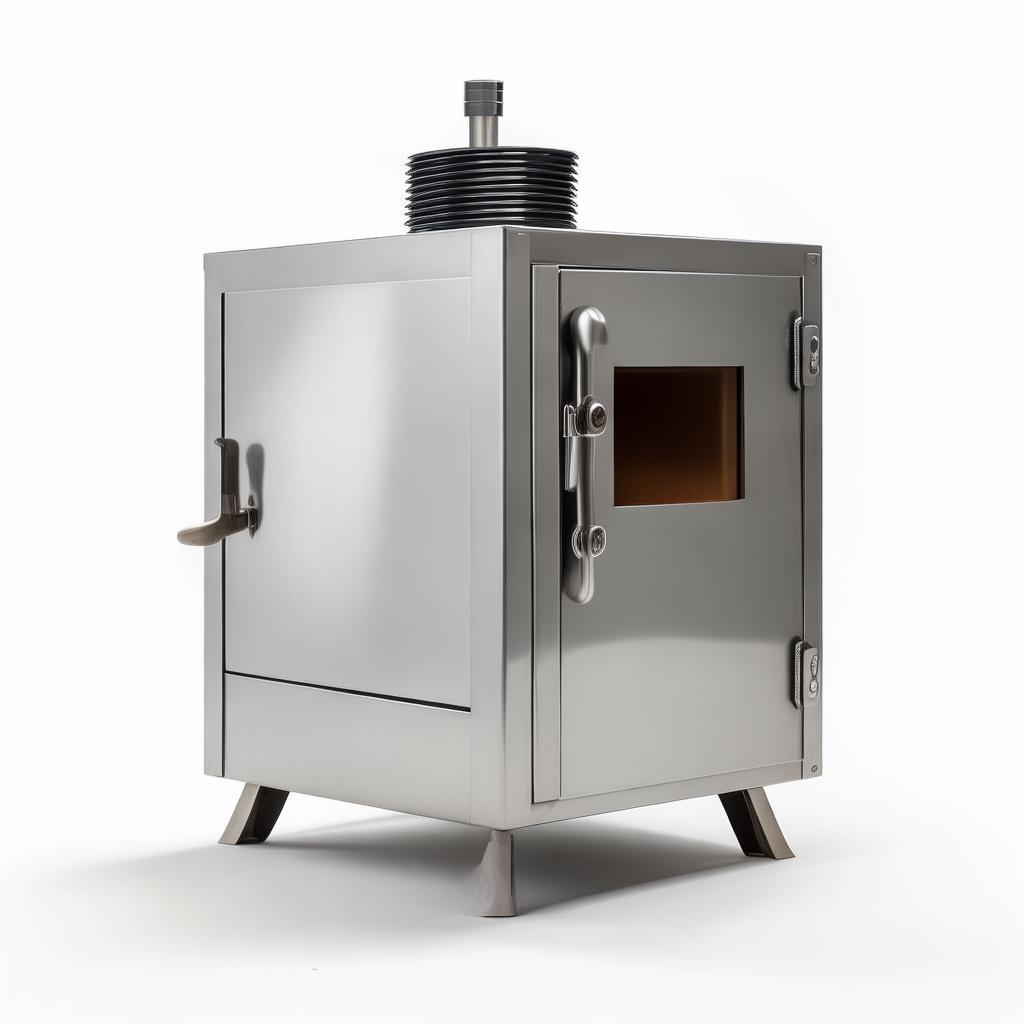
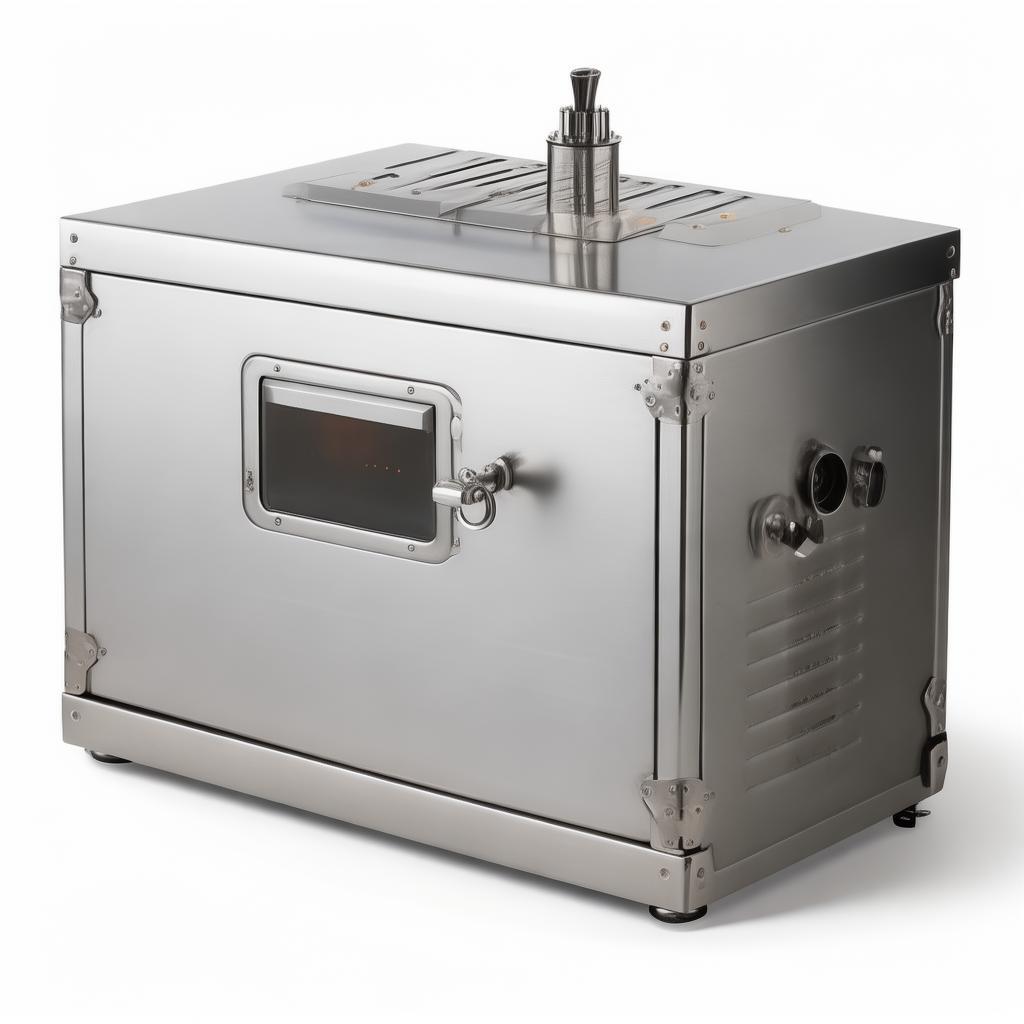
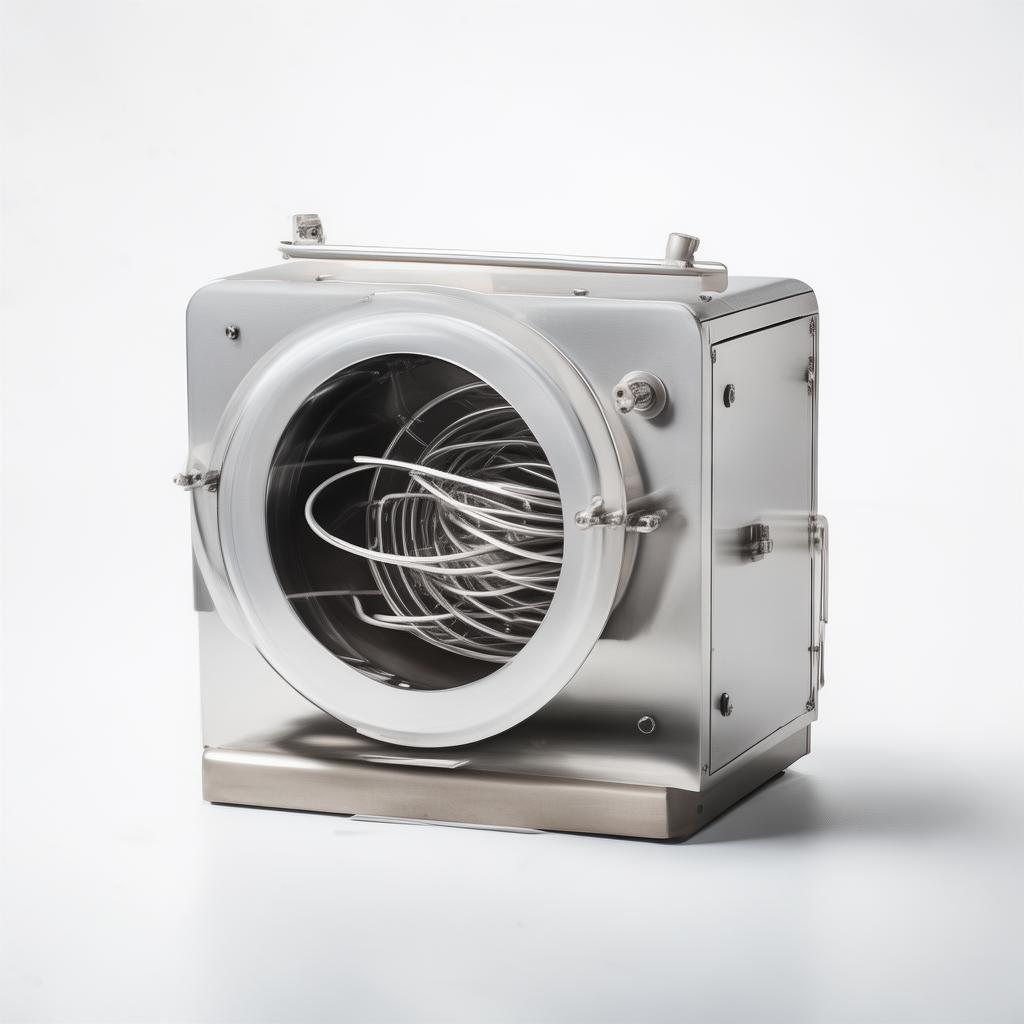
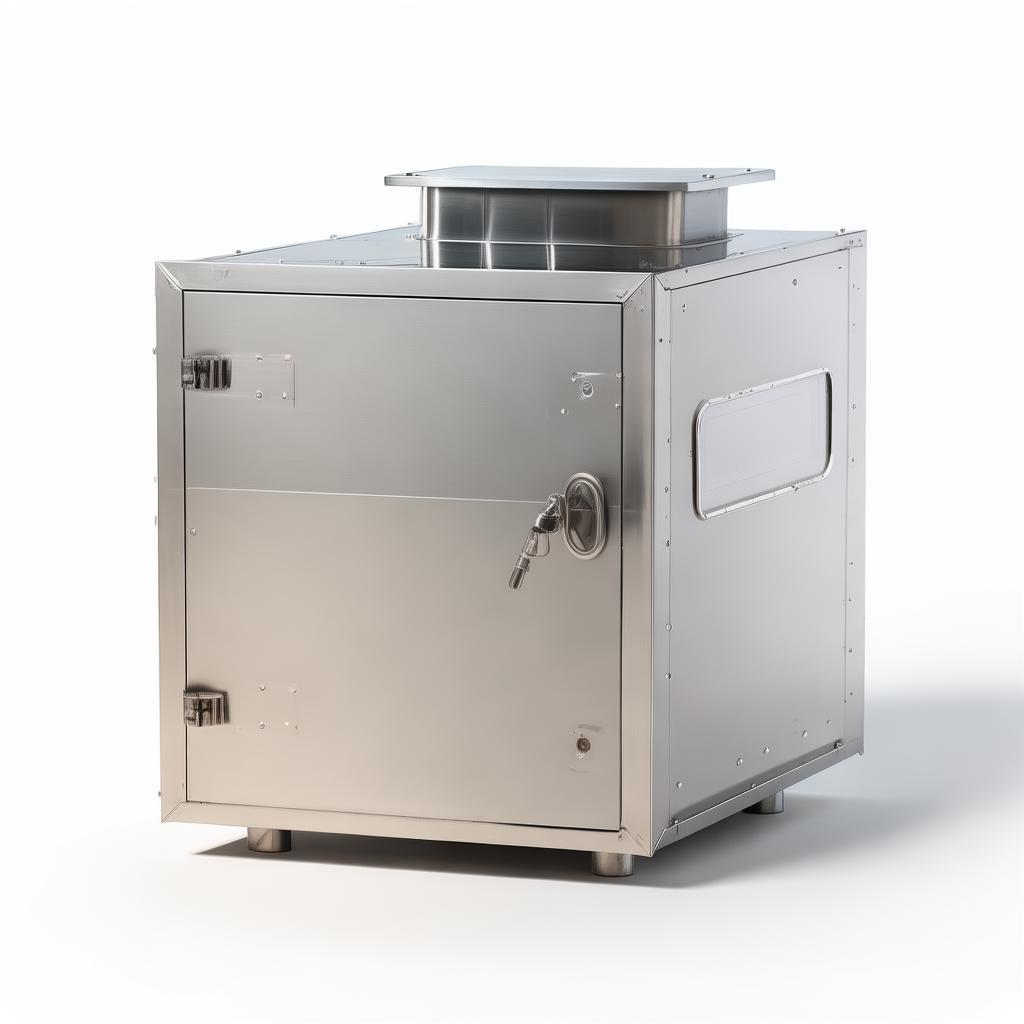
Bell Jar Style Vacuum Furnace
Bell-Jar Style Vacuum Furnaces: Precision Heat Treatment for Demanding Industrial Applications
 By Johnathan "J.D." Davies, Lead Process Engineer, Hebei Yuanchang Food Mechanism & Technology Co., Ltd.
| October 26, 2023
By Johnathan "J.D." Davies, Lead Process Engineer, Hebei Yuanchang Food Mechanism & Technology Co., Ltd.
| October 26, 2023
Introduction: The Precision of Bell-Jar Vacuum Heat Treatment
In the intricate world of industrial manufacturing, achieving precise thermal processing is often the lynchpin for product quality, performance, and longevity. When dealing with sensitive materials, high-tolerance components, or processes that demand absolute purity, the standard air furnace simply won't cut it. This is where the bell-jar style vacuum furnace emerges as a critical piece of equipment, offering unparalleled control over atmosphere and temperature.
We’ve seen firsthand how vital controlled atmospheres are, especially in sectors that rely on repeatable, high-quality outputs. Whether it's advanced metallurgy, specialized ceramics, or even certain electronic component manufacturing, the absence of reactive gases like oxygen and moisture is non-negotiable. A bell-jar vacuum furnace achieves this by creating a sealed chamber, evacuating the air, and then precisely controlling the heating cycle within that near-vacuum. This methodology is not just about preventing oxidation; it's about enabling specific material transformations that are impossible under ambient conditions.
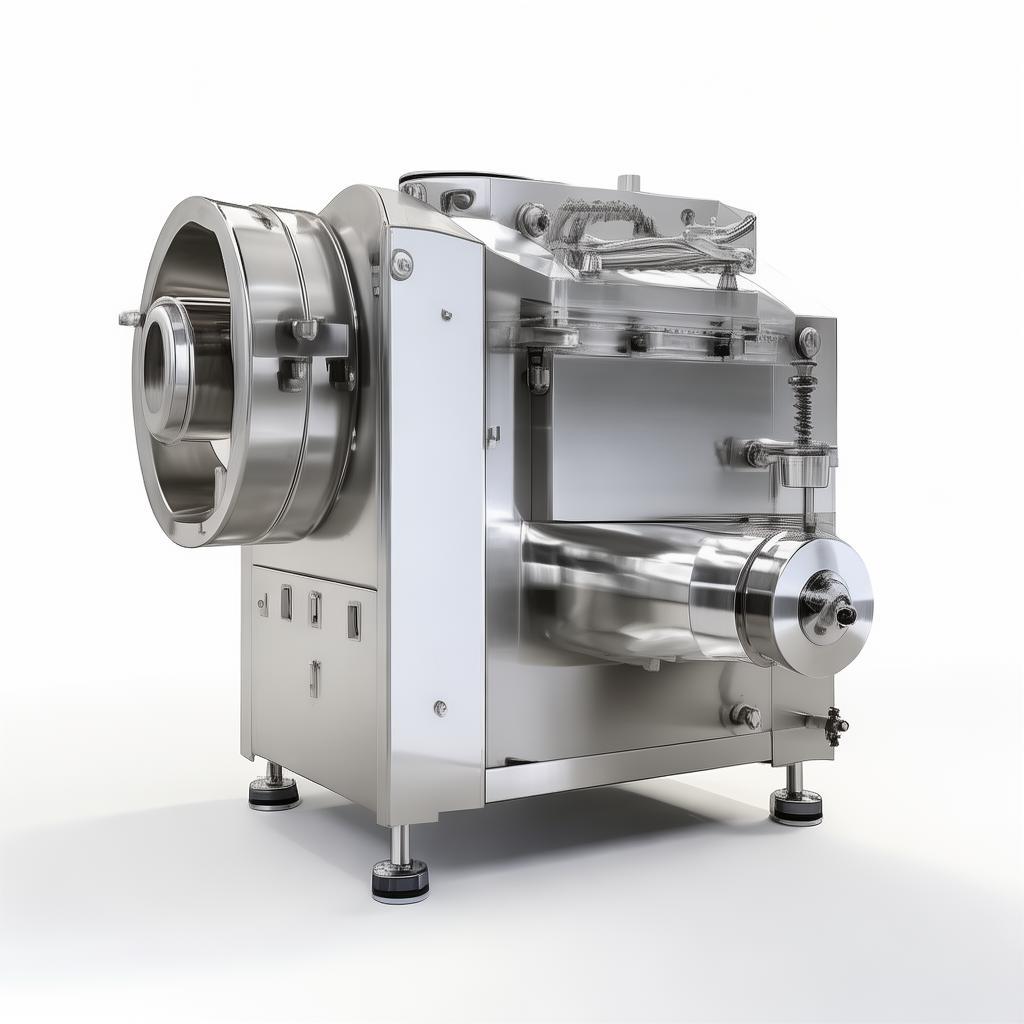
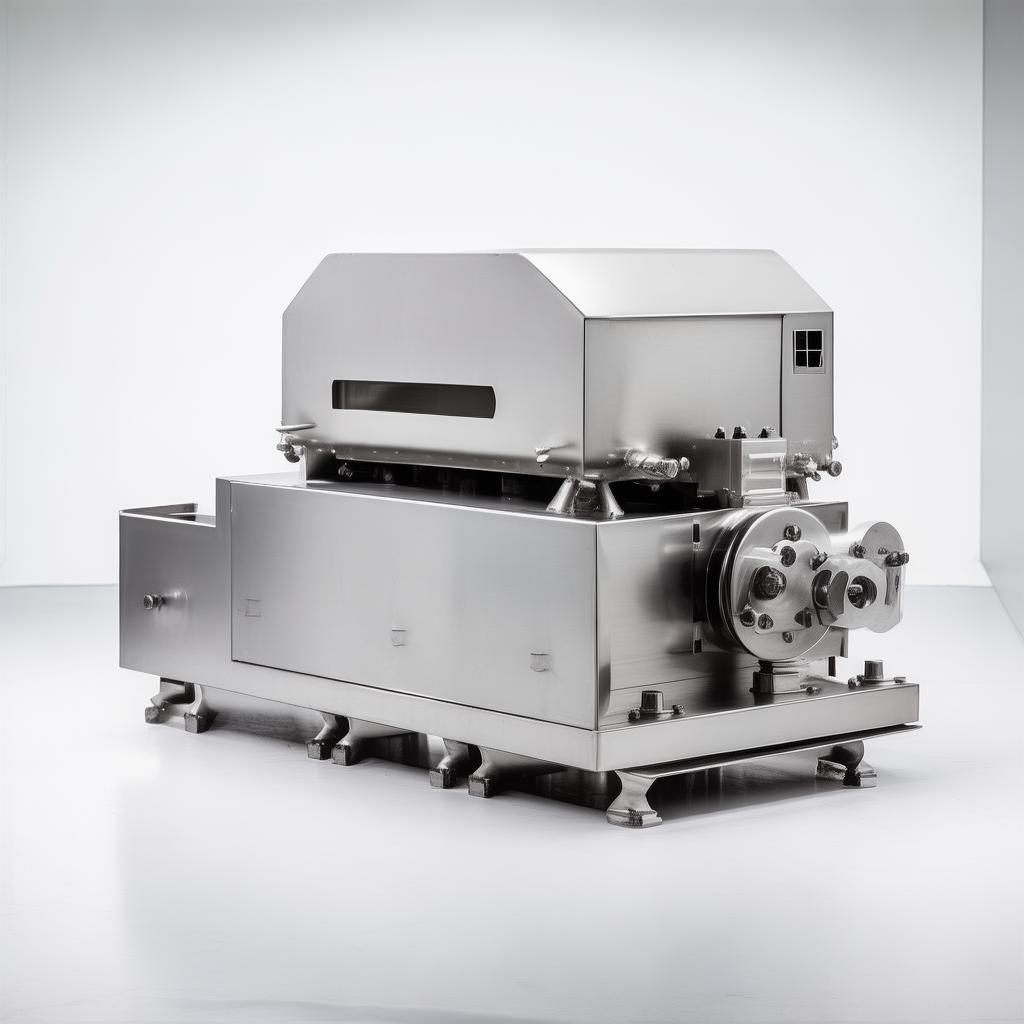
The term "bell-jar" itself evokes an image of a protective, transparent dome, which is fitting. The furnace chamber, often a robust stainless steel vessel, is designed to seal tightly against a base plate. Once the materials are loaded inside and the chamber is sealed, vacuum pumps work to remove air and other contaminants. The heating elements are typically located within this chamber, surrounding the workload, ensuring uniform heat distribution. This fundamental design ensures that the process occurs in an inert environment, minimizing undesirable chemical reactions and preserving material integrity.
Consider the complexities of sintering advanced ceramics or annealing high-strength alloys. Even trace amounts of oxygen can lead to surface defects, embrittlement, or changes in the material's desired microstructure. Vacuum heat treatment mitigates these risks, allowing for cleaner processes and superior end products. It’s a technology that supports innovation, enabling manufacturers to push the boundaries of material science and engineering. For companies operating in competitive global markets like the USA, investing in such precision equipment isn't just about meeting current standards; it's about future-proofing their operations and gaining a distinct technological edge.
The demand for such specialized thermal processing solutions is intrinsically linked to the growth of advanced manufacturing sectors. Reports on the global meat processing equipment market, while seemingly unrelated, highlight a broader trend: the increasing need for precision, automation, and controlled environments across various industrial domains. The underlying principle of achieving optimal outcomes through controlled conditions—be it for food or for high-tech components—remains consistent. For instance, the emphasis on hygiene and controlled ripening in meat processing mirrors the need for purity and controlled atmospheres in vacuum heat treatment.
At Hebei Yuanchang, with our 40 years of experience since 1986, we understand the critical nature of reliable, high-performance equipment. While our primary focus has been on advanced food and meat processing machinery, the engineering principles of precision, material integrity, and controlled environments are universal. Our in-house machining capabilities, including Japanese Mazak CNC centers, equip us to manufacture high-standard, high-precision components. This foundational expertise in precision manufacturing allows us to appreciate the rigorous demands placed on equipment like bell-jar vacuum furnaces, and to partner effectively with manufacturers who excel in this specialized field.
The global market for related industrial equipment, such as the broader meat processing equipment market, projected to reach USD 15.04 billion by 2030, shows a clear trend towards enhanced control and automation. Similarly, the sophistication required in vacuum furnace technology is driven by the need for:
- Precise temperature uniformity across the entire workload.
- Deep vacuum capabilities to achieve inert atmospheres essential for sensitive materials.
- Robust construction for long-term reliability and repeated vacuum cycles.
- Sophisticated control systems for programming complex heat treatment cycles.
This isn't just about heating; it's about orchestrating a controlled material transformation. The choice of a bell-jar vacuum furnace is a strategic decision for businesses aiming for superior product quality, reduced defect rates, and enhanced process repeatability. It represents an investment in precision engineering that pays dividends in the reliability and performance of the final product.
Why Vacuum? The Critical Role of Atmosphere Control
The core benefit of a bell-jar vacuum furnace lies in its ability to perform heat treatment under a controlled, low-pressure environment. But what exactly does this achieve, and why is it so crucial for certain industrial processes?
Primarily, it eliminates the presence of reactive gases, most notably oxygen. In standard air furnaces, oxygen is abundant and can readily react with hot metals, leading to oxidation. This process forms oxides on the material's surface, which can degrade its mechanical properties, affect its conductivity, create surface imperfections, and necessitate costly post-processing steps like grinding or polishing. For components requiring high surface finish, extreme purity, or specific metallurgical structures, oxidation is simply unacceptable.
Beyond preventing oxidation, vacuum heat treatment also minimizes other undesirable reactions. Moisture in the air can lead to hydrogen embrittlement in some alloys. Contaminants like sulfur or carbon particles can diffuse into the material, altering its properties in unpredictable ways. By evacuating the chamber, these potential contaminants are removed, ensuring a cleaner, more controlled interaction between the material and its thermal environment.
This capability is particularly vital in:
- Annealing: Softening metals and relieving internal stresses without forming scale.
- Hardening: Achieving desired hardness in tool steels and high-alloy metals without surface decarburization.
- Sintering: Densifying powdered materials (like ceramics or metal powders) by fusing particles together without atmospheric contamination.
- Brazing & Soldering: Joining components with filler metals that would otherwise oxidize at high temperatures.
- Bright Tempering: Achieving specific mechanical properties while maintaining a clean, bright surface.
The level of vacuum achieved directly impacts the effectiveness of the process. Manufacturers offer systems capable of reaching various vacuum levels, from rough vacuum to ultra-high vacuum (UHV). The required level depends on the specific application and materials being processed. For most industrial heat-treating applications, a high vacuum is sufficient to prevent oxidation and achieve desired results.
The global demand for precision in manufacturing is a driving force. Reports indicate that the meat processing equipment market, while distinct, shares this overarching trend towards sophisticated control. The need for automation and hygiene in food processing parallels the demand for purity and precise control in vacuum heat treatment. As industrial processes become more refined, the need for equipment that guarantees predictable, contamination-free results only intensifies.
Core Applications Across Industries
Bell-jar vacuum furnaces are not niche equipment; they are workhorses in a surprising variety of demanding industrial sectors. Their versatility stems from the fundamental ability to control the heat treatment environment.
In the realm of metals and alloys, these furnaces are indispensable for:
- Tool and Die Manufacturing: Hardening high-speed steels and tool steels to achieve maximum wear resistance and durability without surface decarburization.
- Aerospace and Defense: Heat treating superalloys and titanium components, where material integrity and performance under extreme conditions are paramount.
- Medical Devices: Annealing and hardening stainless steel and other biocompatible alloys used in surgical instruments and implants, ensuring surface cleanliness and precise mechanical properties.
- Specialty Fasteners and Components: Achieving specific tensile strengths and hardness in critical fasteners and precision parts.
The ceramics industry also relies heavily on vacuum furnaces for:
- Advanced Ceramics: Sintering technical ceramics like alumina, zirconia, or silicon carbide, which require high temperatures and controlled atmospheres to achieve desired density and microstructure without introducing porosity or contamination.
- Ceramic-to-Metal Seals: Performing brazing operations to create robust, leak-tight seals between ceramic and metallic components for vacuum systems, electronics, and other high-performance applications.
In electronics and photonics:
- Component Manufacturing: Annealing specialty glasses or firing certain electronic components where atmospheric purity is critical.
- Optical Coatings: Certain deposition or annealing processes for optical elements may utilize vacuum environments.
The overarching market trends support the demand for such precision. The meat processing equipment market, projected to reach USD 29.8 billion by 2034, underscores a global push for more controlled and efficient production methods across industries. While the applications differ, the core requirement for reliable, precise equipment is a universal constant.
For international buyers, especially in the USA, understanding these applications is key to identifying the right furnace configuration. A system designed for high-temperature sintering of ceramics will have different requirements than one optimized for annealing specialty steels.
Key Advantages of Bell-Jar Designs
The bell-jar configuration, while seemingly simple, offers a compelling set of advantages that make it a preferred choice for many demanding heat-treating operations.
- Excellent Atmosphere Control: This is the primary benefit. The sealed chamber allows for deep vacuum levels, effectively removing reactive gases and ensuring process purity. This leads to cleaner surfaces, reduced contamination, and improved material properties.
- Uniform Heating: Heating elements are typically placed around the workpiece inside the bell jar. This configuration promotes highly uniform temperature distribution, crucial for processes like annealing and sintering where consistency is key.
- Versatility: These furnaces can handle a wide range of temperatures and processes, from low-temperature annealing to high-temperature sintering. They are suitable for various materials, including metals, ceramics, and some composites.
- Reduced Oxidation and Scale: By operating in a vacuum, the formation of oxide layers and scale is virtually eliminated. This saves on post-processing time and cost, and preserves the integrity of delicate surfaces.
- Efficient Use of Space: The vertical design of the bell jar can be advantageous in facilities where floor space is at a premium.
- Ease of Loading/Unloading: The bell jar lifts off the base plate, providing unobstructed access to the heating chamber for loading and unloading workpieces. This design simplifies material handling.
- Repeatability: With precise control over temperature, vacuum level, and process duration, bell-jar furnaces offer high repeatability, essential for consistent production quality.
The meat processing equipment market reports, for instance, highlight the drive for standardization and efficiency. This mirrors the need for predictable, high-quality outcomes in vacuum heat treatment. The advantages of bell-jar designs directly contribute to achieving this level of operational excellence.
Technical Deep Dive: What to Look For
Selecting the right bell-jar vacuum furnace involves understanding several key technical specifications. These parameters dictate the furnace's capability, efficiency, and suitability for your specific production needs. Don't just look at the maximum temperature; consider the entire operational envelope.
| Specification | Key Considerations for Buyers | Why It Matters |
|---|---|---|
| Maximum Operating Temperature | Typically ranges from 800°C to 2500°C (or higher). Ensure it meets your highest process requirement with a comfortable margin. | Determines the range of materials and processes you can handle. Exceeding limits can damage the furnace and compromise the workpiece. |
| Vacuum Level Achieved | Measured in mbar or Torr. Common levels range from 10-3 mbar (high vacuum) to 10-6 mbar (ultra-high vacuum). Specify for your application (e.g., for brazing, sputtering, or pure sintering). | Critical for preventing contamination and achieving desired material properties. Lower vacuum levels mean less reactive gases. |
| Work Zone Dimensions | Internal dimensions of the heating chamber (height, diameter). Consider the size and quantity of parts you process per batch. | Defines your batch capacity and the physical constraints of your components. Ensure adequate clearance for gas flow and uniform heating. |
| Heating Rate & Cooling Rate | How quickly the furnace can reach temperature and cool down. Some processes require controlled cooling rates. | Impacts overall cycle time and energy consumption. Controlled cooling is essential for preventing thermal shock and achieving specific microstructures. |
| Atmosphere Options | Beyond vacuum, can it handle inert gases (Argon, Nitrogen) or reducing gases (Hydrogen)? | Adds versatility for processes requiring specific gas environments for annealing, carburizing, or nitriding. |
| Power Requirements | Voltage, phase, and amperage. Ensure your facility's electrical infrastructure can support the furnace. | Essential for installation planning and operational cost estimation. |
| Control System | Programmable Logic Controller (PLC) with touchscreen interface, data logging capabilities. | Enables precise cycle programming, process repeatability, and record-keeping for quality assurance. Look for advanced features like recipe management and remote monitoring. |
high vacuum furnace high temperature vacuum furnaces vacuum heat treat furnaces
When discussing specifications, don't hesitate to ask about the construction materials of the heating elements (e.g., graphite, molybdenum, tungsten) and the furnace lining (e.g., ceramic fiber, refractory bricks), as these impact performance and longevity at high temperatures. The quality of the vacuum pump system and seals is also a critical factor.
Market reports such as those on the meat processing equipment market highlight the need for robust and efficient machinery. This sentiment extends to vacuum furnaces; investing in quality components and a well-engineered system from the outset minimizes downtime and ensures consistent production.
Material Integrity & Purity: The Vacuum Advantage
The vacuum environment is a safeguard for material integrity. It's not just about preventing external reactions; it's also about how the material behaves in the absence of atmospheric interference.
For instance, in the heat treatment of stainless steels, vacuum processing prevents the formation of chromium oxides on the surface. This is crucial for maintaining the corrosion resistance of the steel. Without vacuum, you might get a dull, discolored surface that requires further processing, often compromising the thin passive layer that provides its protective properties.
In titanium and its alloys, which are highly reactive at elevated temperatures, vacuum is essential. Even small amounts of oxygen can lead to embrittlement, severely degrading the mechanical strength and fatigue life of aerospace components. Vacuum heat treatment ensures the titanium maintains its ductility and strength.
Sintering of technical ceramics, such as silicon nitride or alumina, is another prime example. These materials require extremely high temperatures (often above 1500°C) to achieve full density. In air, they would react with oxygen, causing surface degradation and pore formation. Vacuum sintering allows the ceramic particles to fuse homogeneously, resulting in a dense, strong, and defect-free final product. The purity of the vacuum directly influences the final purity and performance of the ceramic.
Similarly, for brazing applications, vacuum is often preferred over inert gas atmospheres. It ensures that the filler metal flows cleanly and wets the surfaces without oxidation, creating strong, leak-tight joints. This is critical for applications in vacuum technology, cryogenics, and high-performance fluid systems.
The processed meat market is growing due to demand for convenience and quality. This mirrors the industrial trend: as end-products become more sophisticated and quality demands increase across all sectors, the need for precise, contamination-free processing solutions like vacuum furnaces becomes paramount.
When considering vacuum furnaces, pay close attention to the furnace liner and heating element materials. Graphite is common for high-temperature applications due to its resistance and even heating. Molybdenum and tungsten are used for even higher temperatures or specific atmospheres. The choice impacts efficiency, longevity, and the type of processes achievable.
Installation, Operation, and Logistics Considerations
Acquiring a bell-jar vacuum furnace is a significant investment, and proper planning for installation, operation, and logistics is crucial for a smooth integration into your facility.
Installation:
- Facility Requirements: Ensure adequate floor space, clearance for lifting the bell jar, and proper ventilation. Most vacuum furnaces require a solid, level foundation.
- Electrical Supply: Confirm your site's power capacity matches the furnace's requirements (voltage, phase, amperage). Consult with an electrician to ensure compliance.
- Vacuum Pump System: Consider the type of vacuum pump (rotary vane, scroll, diffusion) and its exhaust. Some pumps require oil mist filters or connections to a centralized exhaust system.
- Cooling Water: Many high-temperature vacuum furnaces utilize water cooling for the bell jar and feedthroughs. Ensure a reliable, clean water supply and a proper drainage system are available.
- Gas Supply: If your process requires inert or reactive gases, ensure proper gas cylinders or a supply line are available and connected safely.
Operation:
- Training: Operator training is essential. Proper operation ensures safety, maximizes furnace lifespan, and guarantees process repeatability.
- Maintenance: Regular maintenance, including checking vacuum seals, cleaning the chamber, and servicing the vacuum pump, is critical for consistent performance.
- Process Optimization: Fine-tuning heating and cooling profiles for specific materials can significantly improve results and reduce cycle times.
Logistics and Shipping:
- Packaging: Furnaces are precision instruments. Ensure robust packaging for international transit to prevent damage. We utilize specialized crating and dunnage.
- Shipping Methods: Depending on size and destination, options range from LCL (Less than Container Load) to FCL (Full Container Load) or even air freight for critical components. Optimized container loading is key to cost-effectiveness.
- Customs and Duties: Be aware of import regulations, tariffs, and documentation requirements for your specific country.
- Insurance: Insure the shipment for its full value.
The meat processing equipment market is expanding due to automation needs. This points to a broader industrial trend: the need for integrated solutions. A vacuum furnace purchase is part of a larger operational picture that includes site readiness and skilled personnel.
We understand the complexities of international shipping and offer comprehensive support to ensure your equipment arrives safely and on time. Our team can advise on packaging, documentation, and logistics to streamline the process for North American clients.
Choosing Your Manufacturing Partner: Beyond the Specs
When sourcing a bell-jar vacuum furnace, especially from international manufacturers, selecting the right partner is as crucial as selecting the right machine. Your supplier should be a collaborator, not just a vendor.
Consider these factors:
- Experience and Specialization: Look for manufacturers with a proven track record specifically in vacuum furnace design and production. How many units have they sold? What industries do they typically serve? A supplier with deep expertise in your application area is invaluable. Our 40 years of experience in precision manufacturing, though in a different sector, has taught us the importance of specialized knowledge.
- Engineering and Customization Capabilities: Can they offer standard models, or do they have the engineering depth to customize a furnace to your unique process requirements? This is vital if you have non-standard parts or unique processing parameters. Our facility's advanced CNC capabilities highlight our appreciation for precision customization.
- Quality Control and Certifications: What quality management systems do they follow? Do they adhere to relevant international standards (e.g., CE, ISO)? Ensure robust quality checks are integrated throughout their manufacturing process.
- After-Sales Support and Service: This is paramount for international buyers. What is their warranty policy? Do they offer remote diagnostics, spare parts availability, and on-site service (if feasible and necessary)? A traceable after-sales management system, like ours, ensures long-term customer satisfaction.
- Communication and Transparency: Effective communication is key, especially across different time zones and languages. A responsive supplier who is transparent about lead times, production status, and potential challenges is essential.
- References and Testimonials: Ask for references from clients in similar industries or regions. Real-world feedback can provide invaluable insights.
While the meat processing equipment market reports often focus on product features, the global manufacturing landscape emphasizes supplier reliability. When sourcing critical equipment like vacuum furnaces, partnering with a manufacturer that demonstrates a commitment to quality, support, and clear communication is a strategic imperative.
At Hebei Yuanchang, our legacy is built on providing robust, reliable machinery and fostering long-term partnerships. We understand the value of trust and operational excellence, principles that are equally vital when selecting a provider for high-precision industrial equipment.
What Our Clients Say About Partnership:

"The technical consultation was invaluable. They understood our specific material challenges and proposed a solution that fit our budget and process needs perfectly. True experts."
- Sarah K., Operations Manager

"We were initially hesitant about sourcing internationally, but their clear communication, detailed quotes, and proactive updates made the process smooth. The equipment arrived in perfect condition."
- Mark R., Procurement Director

"Their understanding of logistics and customs was impressive. They handled all the paperwork, and we received clear instructions on import procedures. Excellent after-sales follow-up too."
- David L., Supply Chain Manager
Frequently Asked Questions (FAQs)
A: Lead times can vary significantly based on the furnace's size, complexity, and current factory workload. Generally, standard models might range from 12 to 20 weeks from order confirmation to readiness for shipment. Customized units can take longer. It's always best to discuss specific timelines with the manufacturer.
A: Absolutely. Bell-jar vacuum furnaces are ideal for high-temperature processes, often reaching up to 2500°C or more, depending on the design and heating element materials (e.g., graphite, tungsten, molybdenum). They are commonly used for sintering advanced ceramics and refractory metals.
A: Regular maintenance is crucial for longevity and performance. This typically includes inspecting and replacing vacuum seals, cleaning the chamber of any residue, servicing the vacuum pump (e.g., oil changes for rotary vane pumps), and periodically checking heating elements and thermocouples. We provide detailed maintenance schedules with our equipment.
A: Yes, smaller benchtop or laboratory-sized bell-jar vacuum furnaces are available and are excellent for R&D, pilot studies, or small-batch production runs where precise control and material purity are essential.
A: Our standard warranty typically covers 12 months from the date of commissioning or 18 months from the date of shipment, whichever comes first. Specific warranty terms can be detailed in the quotation. We also offer extended service contracts.
Elevate Your Precision Manufacturing with a Bell-Jar Vacuum Furnace
Achieve unparalleled quality, purity, and performance in your heat treatment processes. Discover how a tailored bell-jar vacuum furnace solution from a trusted international partner can transform your production capabilities.
We are committed to providing high-quality industrial equipment and responsive customer support. Contact us today to discuss your specific project needs.