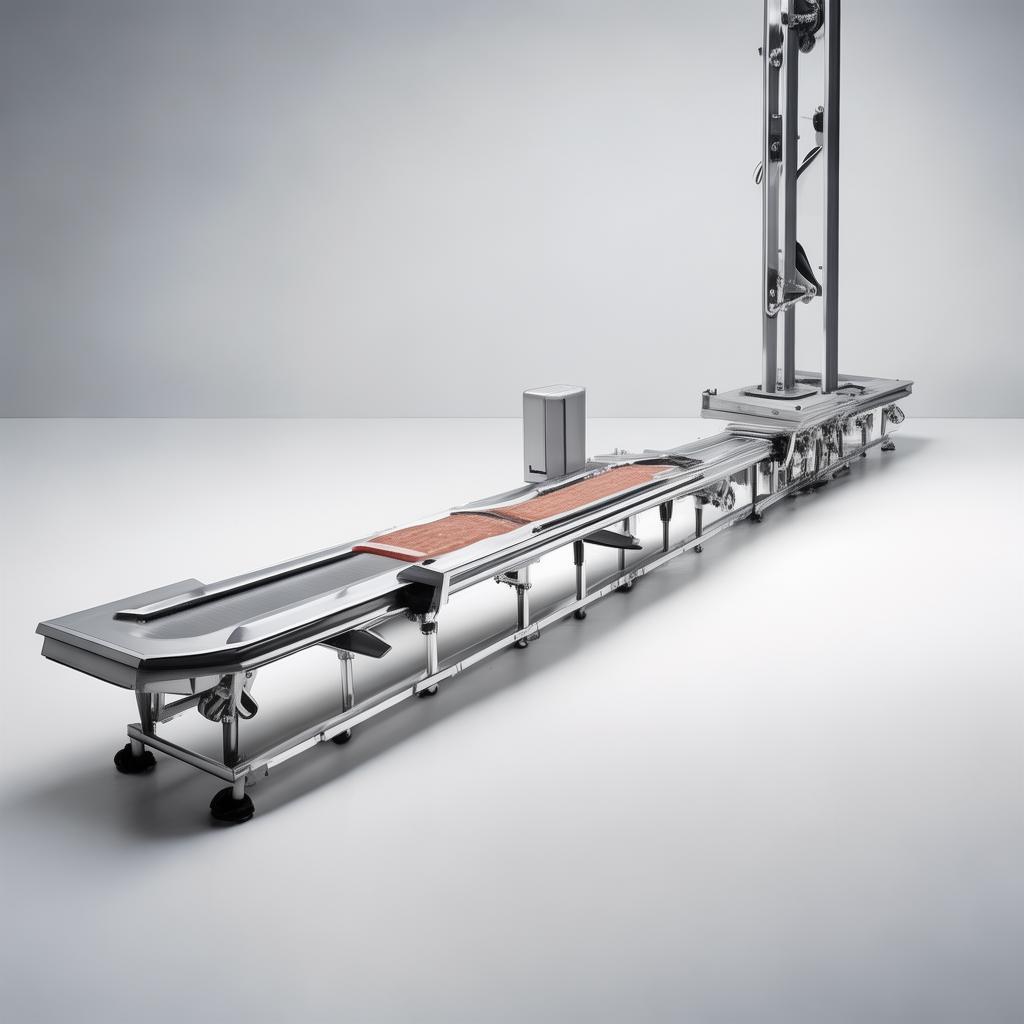
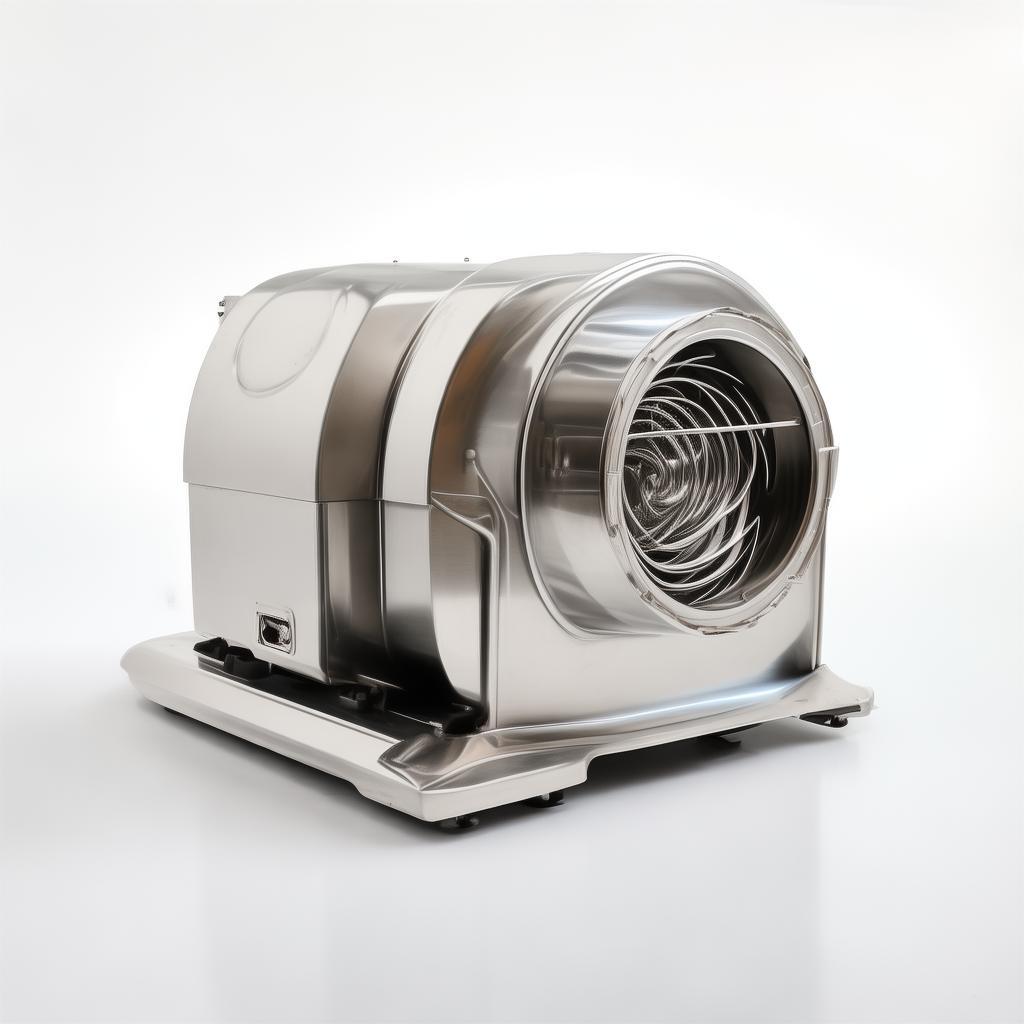
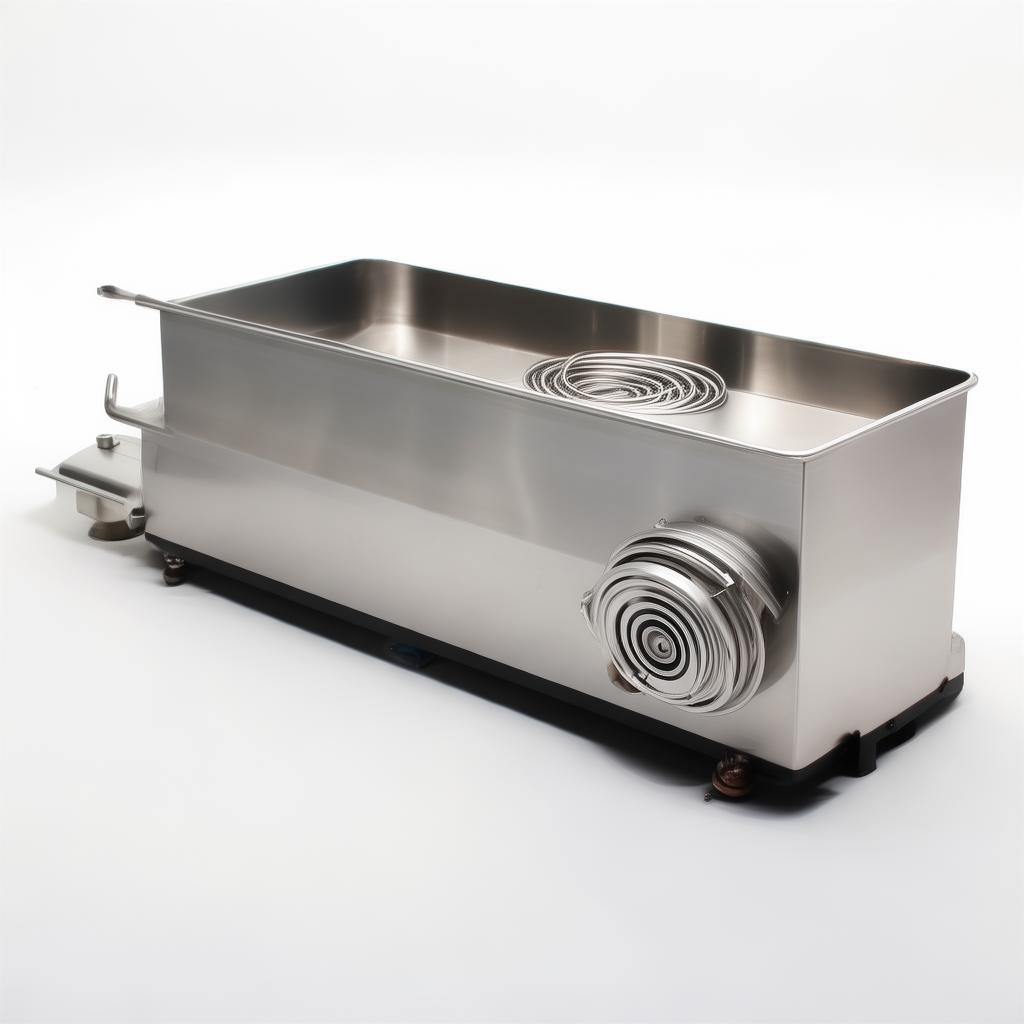
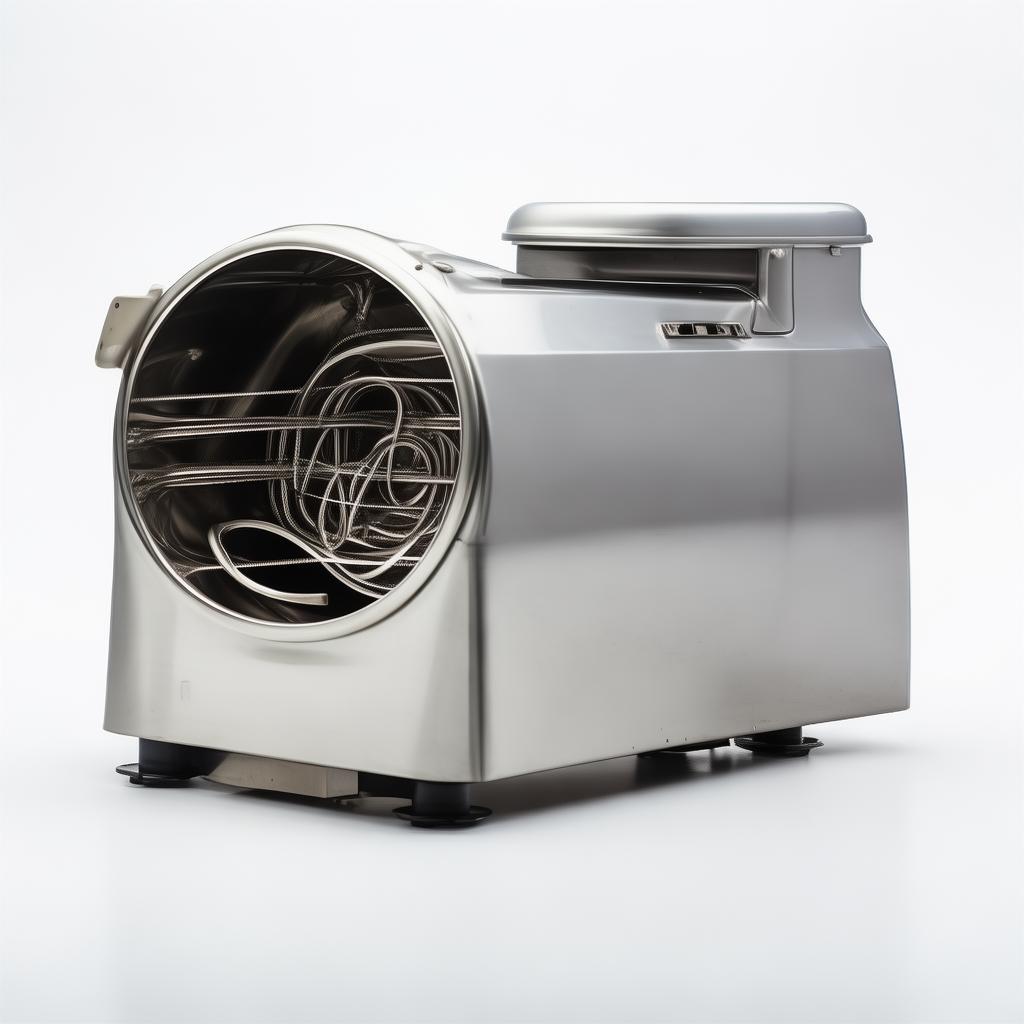
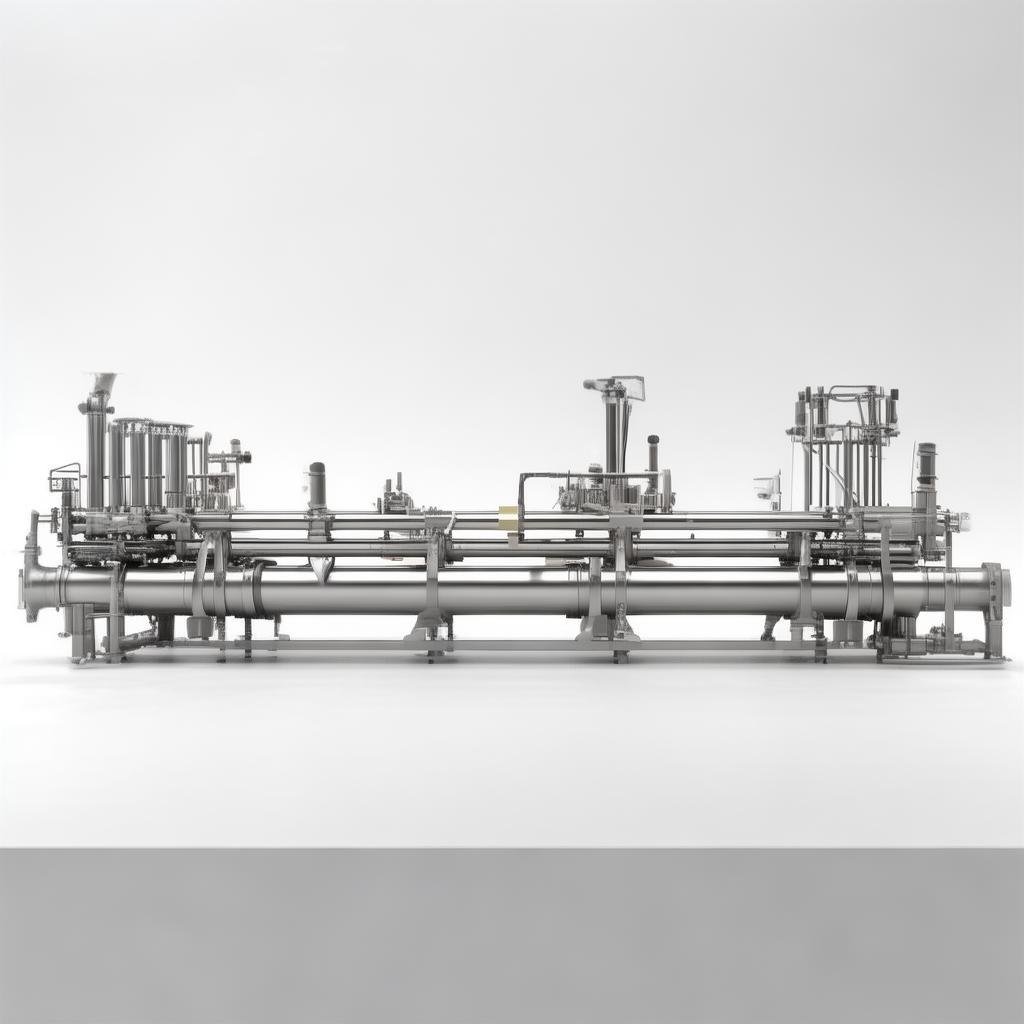
Strip Induction Heating Lines
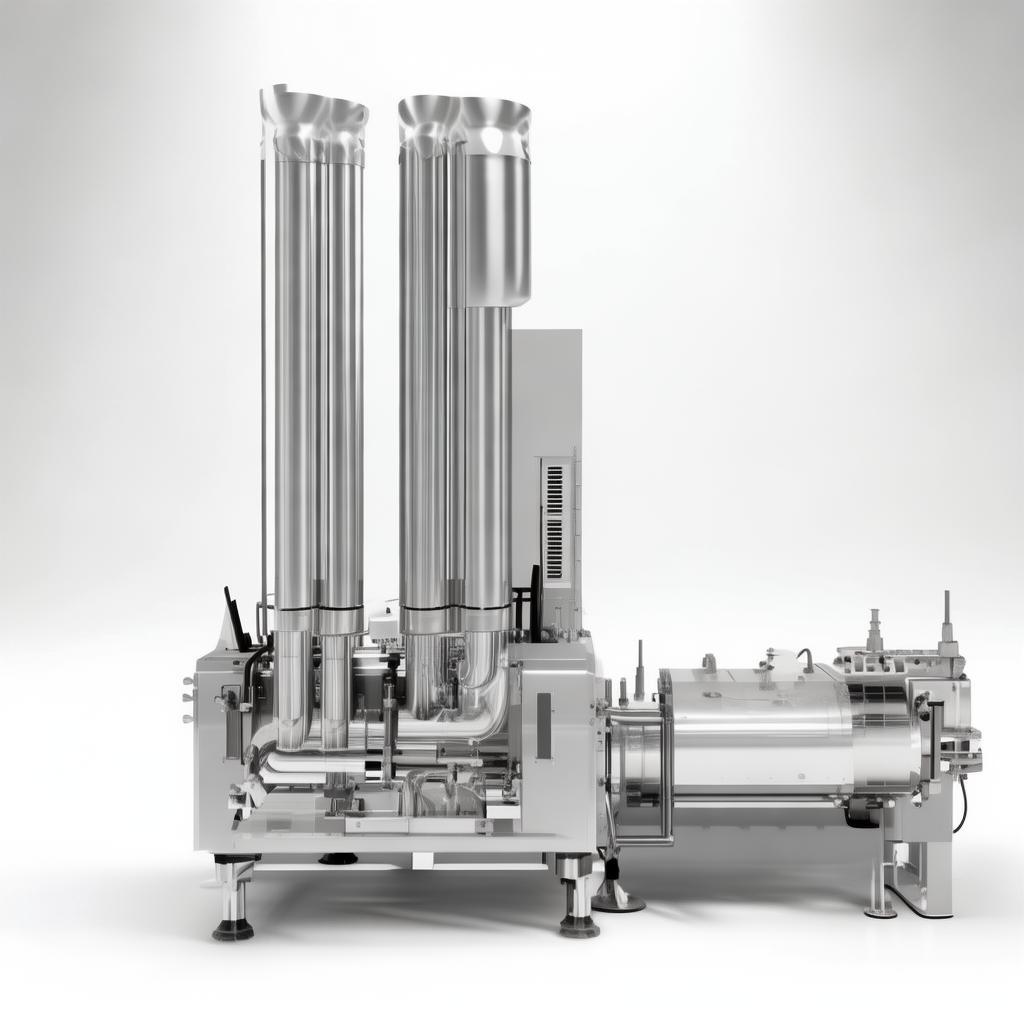
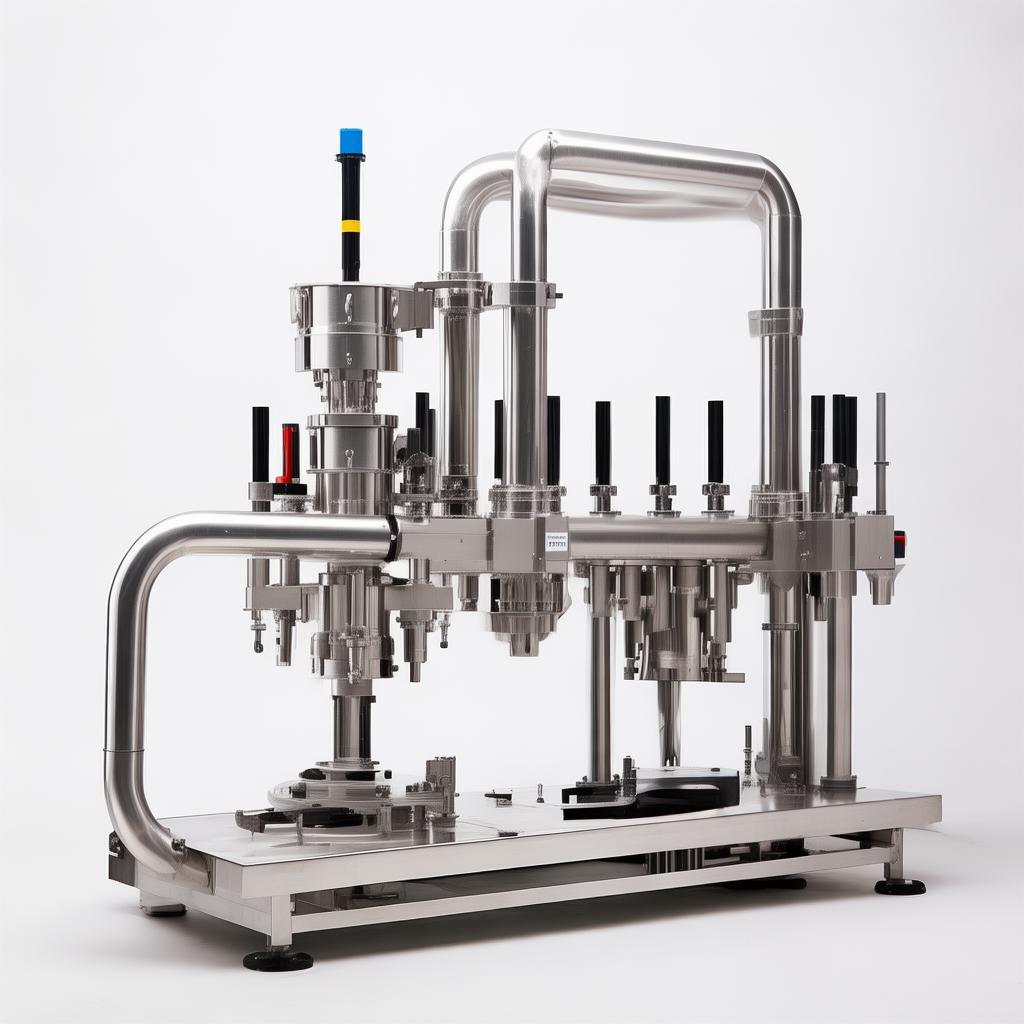
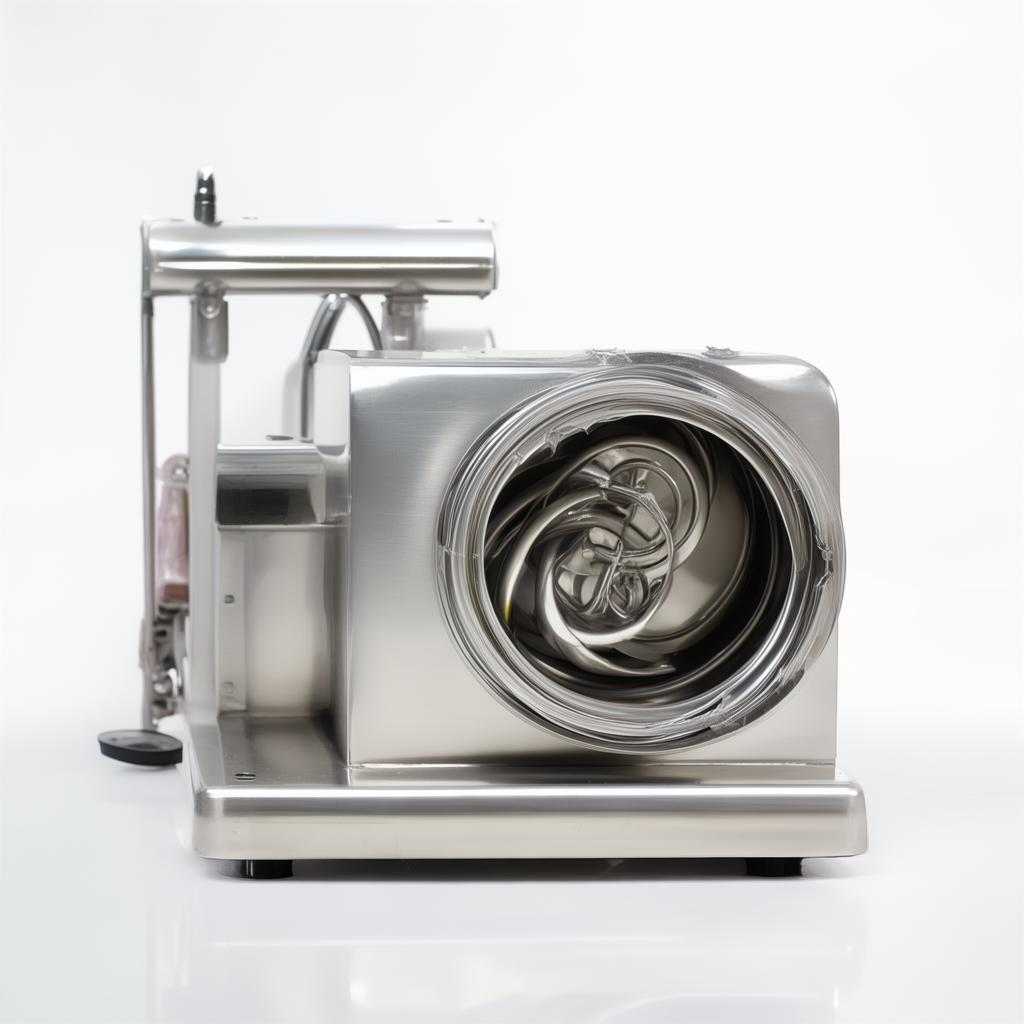
Precision Strip Induction Heating Lines: Enhanced Throughput and Unrivaled Quality
Optimizing Continuous Metal Processing with Advanced Induction Technology
 By Chen Li, Senior Process Engineer
| Hebei Yuanchang Food Mechanism & Technology Co., Ltd. | 40+ Years Experience
By Chen Li, Senior Process Engineer
| Hebei Yuanchang Food Mechanism & Technology Co., Ltd. | 40+ Years Experience
Introduction to Strip Induction Heating Lines: The New Standard in Continuous Processing
In today's competitive manufacturing landscape, achieving consistent quality, maximizing throughput, and ensuring operational efficiency are paramount. For industries that rely on the precise thermal treatment of metal strips – be it for annealing, hardening, tempering, brazing, or coating – the choice of heating technology can be the deciding factor between market leadership and falling behind. Traditional heating methods, while familiar, often present limitations in terms of speed, energy consumption, uniformity, and environmental impact. This is precisely where advanced strip induction heating lines emerge as a transformative solution, offering unparalleled precision and control over continuous metal strip processing.
Our expertise at Hebei Yuanchang Food Mechanism & Technology Co., Ltd., honed over four decades of dedicated industrial engineering and manufacturing, allows us to engineer induction heating solutions that redefine performance. We understand the intricate demands of modern production environments, from tight tolerances and specific material properties to the relentless pressure for cost optimization and sustainability. This understanding is embedded in every induction heating line we design and build. We move beyond simply providing equipment; we deliver integrated systems that contribute directly to your bottom line, enhancing product integrity and streamlining your manufacturing workflow.
The global market for meat processing equipment, a sector where precise thermal and structural changes are critical, underscores the broader trend towards advanced processing technologies. Reports indicate a substantial compound annual growth rate (CAGR) for this market, projected to reach between USD 11.29 billion (in 2025) and USD 17.39 billion by 2034, with key segments focusing on technologies that enhance texture, preservation, and product formation. This growth is fueled by rising demand for processed meats, automation for hygiene and efficiency, and stringent food safety standards.1, 2 While our core expertise lies in meat processing, the underlying principles of precision heating, material transformation, and continuous flow are directly applicable and transferable to the sophisticated requirements of metal strip processing. The demand for efficient, controlled processes is universal across manufacturing, and induction heating is at the forefront of this evolution.
Consider the challenge of heat treatment. Uniformity is key. A slight variation in temperature across a metal strip can lead to inconsistent material properties, impacting its performance in downstream applications. Whether it's a thin stainless steel strip for electronic components, a copper strip for electrical conductors, or an alloy strip for specialized industrial uses, the heating must be rapid, precise, and homogeneous. Induction heating achieves this through electromagnetic fields that directly energize the material itself, generating heat from within. This volumetric heating is inherently more uniform and controllable than external radiant or convective heating, which rely on transferring heat through the air or furnace walls, often leading to temperature gradients and surface effects.
Furthermore, the speed at which metal strips can be processed is a critical determinant of production capacity. Induction heating systems, when properly designed, can achieve extremely high power densities, allowing for very rapid heating cycles. This translates directly to higher line speeds and increased output without compromising metallurgical integrity. Imagine a continuous annealing line where a stainless steel strip can be brought to its optimal annealing temperature and held for the precise duration, then rapidly cooled, all within a compact footprint and a matter of seconds or minutes. This level of control and speed is a game-changer for manufacturers facing increasing demand and tighter production schedules.
Beyond speed and uniformity, energy efficiency is a significant advantage. Induction heating is a highly focused process. The electromagnetic field is directed precisely at the strip, and the heat is generated internally. This minimizes wasted energy that would typically be lost to the surrounding environment in furnaces or other heating systems. This not only reduces operating costs but also contributes to a more sustainable manufacturing operation, aligning with increasingly stringent environmental regulations and corporate sustainability goals. The ability to precisely control power input based on strip speed and temperature requirements further optimizes energy consumption. For instance, the meat processing equipment market, while distinct, shares this drive towards efficiency; advancements in machinery aim to reduce energy usage and waste, a parallel trend seen in all advanced manufacturing sectors.1
Our approach to designing strip induction heating lines is rooted in a deep understanding of electromagnetic principles, material science, and mechanical engineering. We consider the specific strip material (e.g., steel, copper, aluminum, brass, exotic alloys), its dimensions (width, thickness), the desired temperature profile, required line speed, and the specific metallurgical outcome needed. This allows us to tailor the induction coil design, power supply frequency and output, and the overall line configuration for optimal performance. We don't offer a one-size-fits-all solution. Instead, we collaborate closely with our clients to understand their unique challenges and objectives.
The economic implications are substantial. Higher throughput means more product shipped. Improved quality means fewer rejections and greater customer satisfaction. Reduced energy consumption lowers operating expenses. A compact induction system can also save valuable factory floor space compared to traditional large furnaces. Furthermore, the inherent automation potential of induction lines reduces the need for manual intervention in the heating process, enhancing safety and consistency. This aligns with broader industrial trends; for example, the global meat processing equipment market is experiencing growth driven by automation adoption to improve hygiene and labor efficiency.2 These advancements in processing technology are not isolated; they represent a paradigm shift across all manufacturing disciplines towards smarter, more efficient operations.
We are committed to providing robust, reliable, and high-performance induction heating solutions that empower our clients to achieve new levels of productivity and product quality. Our 40 years of experience since 1986 have equipped us with an unparalleled depth of knowledge, allowing us to navigate the complexities of industrial heat treatment with confidence and precision. This page will delve into the specific benefits, technical aspects, and practical considerations of implementing our strip induction heating lines, offering a clear pathway to understanding how this technology can revolutionize your operations.
Key Takeaway for Decision Makers: Implementing a strip induction heating line isn't just about upgrading equipment; it's a strategic investment in enhancing product quality, boosting production capacity, reducing operational costs, and ensuring long-term competitive advantage. It signifies a commitment to adopting state-of-the-art technology that directly impacts profitability and market position.
Addressing Key Manufacturing Challenges with Induction Heating
Many manufacturers grapple with consistent challenges in their strip processing operations. These aren't minor inconveniences; they are significant hurdles that impact cost, quality, and delivery timelines. Our strip induction heating lines are specifically designed to overcome these persistent issues.
- Inconsistent Heat Treatment: Traditional methods often result in temperature gradients across the strip width and length, leading to non-uniform metallurgical properties. This can cause failures in downstream forming, welding, or final product application.
- Slow Processing Speeds: Long heating and cooling cycles in conventional furnaces limit production throughput. Meeting escalating market demand becomes a constant struggle.
- High Energy Consumption: Furnaces often consume vast amounts of energy, with significant heat loss to the surrounding environment. This drives up operating costs and environmental footprint.
- Large Equipment Footprint: Traditional continuous heating systems, like continuous belt furnaces, are often massive, occupying valuable factory floor space that could be used for other critical operations.
- Limited Flexibility: Reconfiguring traditional systems for different strip materials, widths, or heat treatment profiles can be time-consuming and costly, if not impossible.
- Environmental Concerns: Emissions from fuel-fired furnaces and high energy usage are increasingly under scrutiny.
- Quality Control Issues: Inconsistent heating leads to variable product quality, increasing scrap rates, rework, and customer complaints.
Hebei Yuanchang's induction heating lines offer a direct countermeasure to these problems. We leverage electromagnetic energy to heat the strip precisely and rapidly, ensuring uniformity and efficiency in a compact, flexible, and controllable system. The meat processing equipment market report highlights advancements driven by industrialization and automation, a sentiment echoed across all manufacturing sectors seeking to enhance efficiency and output.3
"We were struggling with inconsistent temper on our high-carbon steel strips. It was causing significant issues downstream with forming operations. Switching to an induction line gave us the precise control we needed for uniformity, drastically reducing scrap." - Operations Manager, Steel Fabrication Firm
The Science Behind the Heat: How Induction Heating Works
At its core, induction heating utilizes the principles of electromagnetic induction to generate heat directly within the conductive material itself. This is fundamentally different from methods that heat the surrounding environment or the surface of the material, which then transfers heat inward.
Electromagnetic Induction Explained
1. Alternating Current: A high-frequency alternating current (AC) is passed through a specially designed induction coil. The frequency of this current is a critical parameter, chosen based on the material properties and desired heating depth.
2. Changing Magnetic Field: As the AC flows through the coil, it generates a rapidly changing magnetic field around the coil. This field permeates the area where the metal strip passes.
3. Eddy Currents: According to Faraday's Law of Induction, when this changing magnetic field encounters a conductive material (the metal strip), it induces circulating electrical currents within the material. These are known as eddy currents.
4. Resistive Heating (I²R Loss): The metal strip has electrical resistance. As the induced eddy currents flow through this resistance, they generate heat due to the phenomenon of Joule heating (also known as resistive heating). The amount of heat generated is proportional to the square of the current (I²) and the resistance (R).
5. Direct Heating: Because the heat is generated volumetrically within the strip itself, it can achieve high temperatures very quickly and uniformly. The process is highly efficient as energy is delivered directly to the target material.
The design of the induction coil is crucial. It acts as a transformer where the strip is the secondary winding. The coil's geometry is meticulously engineered to match the strip's dimensions (width and thickness) and the desired heating pattern. For instance, to achieve uniform heating across the entire width of a wide strip, the coil might be shaped as a broad channel or a series of parallel inductors. The power supply, typically a solid-state inverter, converts mains power (e.g., 50/60 Hz) into the required high-frequency AC power for the coil. The frequency range can vary significantly, from a few kHz for thicker materials requiring deeper penetration to hundreds of kHz for thinner strips needing surface heating.
The rapid heating capability is a significant advantage. This allows for shorter annealing times or precise temperature profiles for hardening and tempering. Consider the context of the processed meat market, where consistent texture and safety require controlled thermal processing;10 induction heating offers similar precise control for metals. The market for meat processing equipment is expanding, with a notable CAGR, driven by demand for automation and precise control in processes like ripening and filling – a testament to the universal need for controlled thermal and mechanical manipulation in manufacturing.1
Operational Insight: The absence of direct flame or hot surface contact means no risk of carbon pickup or surface contamination from combustion byproducts, ensuring the purity of sensitive materials like stainless steel or high-purity copper.
We integrate advanced control systems to monitor and adjust temperature, power input, and line speed in real-time. This ensures that the strip consistently meets its specified metallurgical requirements, regardless of minor variations in incoming material or environmental conditions. This level of automation and precision is what sets induction heating apart and allows manufacturers to achieve unparalleled product consistency.
Core Benefits of Our Strip Induction Heating Lines: Driving Your Production Forward
Investing in a strip induction heating line from Hebei Yuanchang means gaining access to a suite of advantages designed to optimize your manufacturing process. These aren't just theoretical benefits; they translate directly into tangible improvements in efficiency, quality, and profitability.
Unmatched Heating Uniformity
Direct, volumetric heating ensures consistent temperature across the entire strip width and length, critical for annealing, hardening, and tempering processes. Reduces material defects and downstream processing issues.
High Throughput & Speed
Rapid heating cycles enable significantly higher line speeds compared to traditional furnaces, maximizing your production capacity and reducing lead times.
Exceptional Energy Efficiency
Induction heating is highly efficient, delivering energy directly to the workpiece. This drastically reduces wasted energy and lowers operational costs, contributing to a greener footprint.
Compact Footprint
Induction systems require substantially less space than conventional furnaces, freeing up valuable factory floor area for other equipment or production lines.
Precise Temperature Control
Real-time feedback and advanced control systems allow for precise temperature management, critical for achieving exact metallurgical properties and product specifications.
Flexibility and Adaptability
Easily adjustable parameters allow for quick changeovers between different strip materials, widths, and processing requirements, enhancing operational agility.
Environmentally Friendly
No combustion byproducts or direct emissions. Lower energy consumption contributes to a reduced carbon footprint, aligning with sustainability goals.
Enhanced Safety
Minimal work environment heat, no open flames, and enclosed systems reduce risks of burns and other workplace accidents associated with traditional heating methods.
The global meat processing equipment market analysis shows a strong trend towards advanced machinery that ensures consistent product quality and food safety.4 This drive for precision and control is a universal manufacturing imperative. Our induction heating lines provide that same level of control, ensuring your metal products meet the highest standards, batch after batch.
Versatile Applications Across Industries: Where Precision Matters
The adaptability of strip induction heating lines makes them indispensable across a wide spectrum of industries. Our systems are engineered to meet the specific thermal processing needs of diverse materials and applications.
- Metallurgical Processing:
- Annealing: Softening metal strips (e.g., stainless steel, copper, brass, aluminum alloys) to improve ductility and reduce internal stresses after cold rolling.
- Hardening: Increasing the hardness and strength of steel strips through rapid heating above the critical temperature and quenching.
- Tempering: Reducing the brittleness of hardened steel by reheating to a lower temperature, balancing hardness and toughness.
- Normalizing: Refining grain structure and improving uniformity in steel strips.
- Wire and Cable Manufacturing: Heat treating copper or aluminum strips used in the production of conductors for power transmission, telecommunications, and automotive applications.
- Automotive Industry: Processing steel strips for components, pre-coated metal strips, or specialized alloy strips used in vehicle manufacturing.
- Electronics and Electrical Components: Annealing or hardening thin strips of specialized alloys used in connectors, sensors, and electronic housings where precise material properties are vital.
- Medical Devices: Heat treating high-precision metal strips (e.g., stainless steel, titanium alloys) for surgical instruments, implants, or diagnostic equipment components.
- Coating and Pre-treatment: Heating strips prior to or after coating processes (e.g., galvanizing, tinning, painting) to ensure proper adhesion and finish.
- Specialty Metals: Processing strips of exotic alloys, superalloys, or refractory metals that require highly controlled heating environments.
The demand for specialized equipment across various sectors is a consistent theme. For example, reports on the meat processing equipment market highlight the need for slicing, filling, and tenderizing equipment to meet specific product demands.5 Similarly, our induction lines are tailored to meet the precise metallurgical demands of each specific metal strip application.
Practical Application Note: When specifying an induction heating line, consider the future. Can the system accommodate slightly wider or thicker strips if your product line evolves? Our modular designs prioritize this flexibility.
Customizable Technical Specifications for Your Needs
We understand that no two manufacturing processes are identical. Therefore, our strip induction heating lines are designed with a high degree of customization to meet your specific operational requirements. Below are typical parameters we consider and can adjust.
| Parameter | Standard Range / Options | Considerations |
|---|---|---|
| Strip Width | From 10 mm up to 1000 mm (or wider on request) | Defines coil geometry and power requirements. |
| Strip Thickness | From 0.1 mm up to 10 mm (or thicker on request) | Impacts required power density and heating time. |
| Material Type | Steel Alloys, Stainless Steel, Copper, Aluminum, Brass, Titanium, Nickel Alloys, etc. | Determines electrical conductivity and magnetic properties. |
| Target Temperature | Up to 1200°C (higher on special request) | Dictates power supply and coil design. |
| Line Speed | From 0.5 m/min up to 50 m/min (highly variable) | Crucial for throughput calculations; requires matching coil length and power. |
| Heating Zone Length | Customizable based on speed and temperature profile | Allows for controlled heating ramps and soaks. |
| Power Supply | Variable kW output (e.g., 50 kW to 500 kW+); frequencies from 1 kHz to 300 kHz | Selected based on strip dimensions, speed, and temperature. |
| Cooling System | Integrated quench (water, polymer) or air cooling systems | Essential for achieving desired hardness or microstructure after heating. |
| Control System | PLC-based with HMI, temperature sensors (pyrometers), variable speed drives | Enables precise process control, data logging, and integration with plant-wide systems. |
| Optional Features | Edge heating, induction preheating, specialized atmospheres (e.g., inert gas), automation integration. | Tailor the system for unique processing needs. |
induction strip heater industrial strip heaters wire insulation stripping machine
The global meat processing equipment market, while different, illustrates the need for tailored solutions.7 Demand for specific functions in filling, tenderizing, and ripening equipment drives innovation, just as the precise metallurgical needs of various metal strips drive our engineering efforts.
Procurement Insight: When evaluating specifications, ensure they clearly align with your production targets for both current needs and anticipated future requirements. Don't hesitate to ask for detailed simulations or pilot tests.
Installation, Operation, and Maintenance Considerations
Deploying an advanced piece of equipment like a strip induction heating line involves practical considerations beyond just its technical specifications. At Hebei Yuanchang, we support our clients through every stage.
Installation & Commissioning
Our induction heating lines are designed for efficient integration into existing production layouts. Key aspects include:
- Site Requirements: Adequate space for the main induction unit, power supply, and cooling system. Access to sufficient electrical power at specified voltage and amperage is critical.
- Cooling System: Most induction systems require a robust closed-loop cooling system to manage heat generated by the power electronics and induction coil. We can provide recommendations or integrated solutions.
- Ventilation: Good general ventilation is advisable, though induction heating generates far less ambient heat than furnaces.
- Integration: Our engineers work with your team to ensure seamless integration with upstream and downstream equipment, such as coilers, straighteners, or automated transfer systems.
- Commissioning: Comprehensive commissioning by our certified technicians ensures the system is calibrated correctly and operating to its full design specifications, often involving sample testing.
Operation & Training
While induction heating is precise, proper operation is key to maximizing benefits. We provide:
- Operator Training: We offer thorough training for your operators and maintenance personnel on system operation, parameter setup, safety procedures, and basic troubleshooting.
- User-Friendly Interface: Our HMI (Human-Machine Interface) is designed for intuitive operation, displaying critical parameters and allowing for easy adjustment of settings.
- Process Monitoring: Real-time data logging allows for continuous monitoring of heating parameters, which is essential for quality control and process optimization.
Maintenance & Longevity
Induction heating systems are known for their reliability and long service life when properly maintained.
- Preventive Maintenance: Routine checks of electrical connections, cooling system filters, and induction coil integrity are recommended. We provide detailed preventive maintenance schedules.
- Modular Design: Key components like power modules and induction coils are often modular, allowing for easier replacement of parts if necessary, minimizing downtime.
- Remote Diagnostics: Advanced systems can be equipped with remote diagnostic capabilities, enabling our engineers to assist with troubleshooting from afar.
- Spare Parts: We maintain a stock of critical spare parts to ensure rapid response and minimize production interruptions.
Logistics Consideration: Proper crating and shipping of induction systems are vital. We ensure all components are securely packaged to prevent damage during transit, whether by sea freight or land. For international clients, understanding import regulations and ensuring correct documentation is part of our export service.
Navigating Procurement: Partnering for Success
Choosing the right supplier for a critical piece of manufacturing equipment like a strip induction heating line is a significant decision. Our goal at Hebei Yuanchang is to make this process transparent and reassuring.
Key Procurement Considerations:
- Supplier Experience & Reputation: Look for manufacturers with a proven track record in induction heating and a strong reputation for quality and reliability. Our 40 years of experience since 1986 speaks to our commitment and expertise.
- Technical Expertise: Does the supplier have in-house engineering capabilities to design, simulate, and customize solutions? We employ experienced process engineers and metallurgists.
- Customization vs. Off-the-Shelf: While standard models exist, many strip heating applications demand customization. Ensure your supplier can tailor solutions to your exact needs.
- After-Sales Support: This includes installation, commissioning, training, maintenance, and spare parts availability. A robust after-sales network is crucial for minimizing downtime.
- Total Cost of Ownership (TCO): Beyond the initial purchase price, consider energy efficiency, maintenance costs, spare parts, and potential savings from increased throughput and reduced scrap.
- References and Case Studies: Request references from clients in similar industries or applications. We are happy to share relevant examples of successful implementations.
- Certifications and Compliance: Ensure equipment meets relevant industry standards and safety regulations for your target market.
Hebei Yuanchang Advantage:
- 40 Years of Industrial Experience
- In-house R&D and Manufacturing
- Customization Expertise
- Global Export Capabilities
- Comprehensive After-Sales Support
The market for meat and poultry processing equipment is projected for significant growth, with automation and hygiene standards being key drivers.14 This indicates a global trend towards reliable, efficient, and safe processing solutions. Our approach to building induction heating lines mirrors this trend, focusing on robust engineering and dependable performance.
Risk Reduction Promise: Partnering with an established manufacturer like Hebei Yuanchang significantly reduces the risk of selecting an unsuitable or unreliable system. Our deep expertise ensures you receive a solution optimized for your specific needs, backed by decades of practical application and continuous improvement.
Our Manufacturing Prowess: Delivering Quality and Precision
At Hebei Yuanchang, our manufacturing capabilities are the bedrock of our commitment to quality and innovation. We control the entire production process, from raw material sourcing to final assembly and testing, ensuring every piece of equipment meets our stringent standards.
State-of-the-Art Facilities
Our facility spans approximately 14,000 square meters, housing a dedicated R&D department and a comprehensive in-house machining workshop. We employ a skilled team of 80-100 professionals, ensuring expertise at every level.
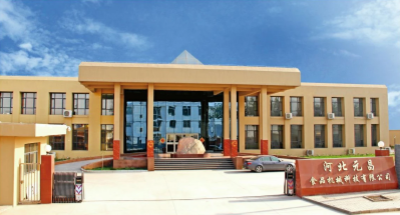
Advanced Machining Capabilities
Our workshop is equipped with over 20 sets of advanced processing machinery, including lathes, milling machines, high-precision grinding machines, boring machines, plate shears, bending machines, and wire cutting equipment. Since 2012, we have invested in 8 Japanese Mazak CNC machining centers, enabling us to produce high-precision, complex components that meet rigorous specifications.
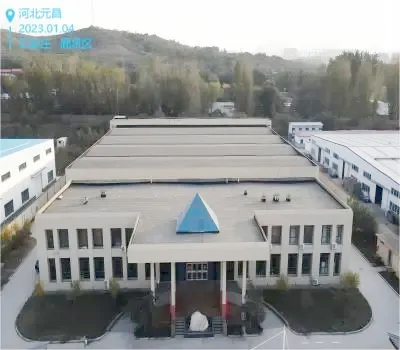
Integrated Production & Quality Control
This in-house capability allows us to independently produce high-precision parts, crucial for the complex electromagnetic coils and structural components of induction heating systems. It ensures quality control from the ground up and facilitates rapid prototyping and customization. Our traceable after-sales management system further guarantees reliability.
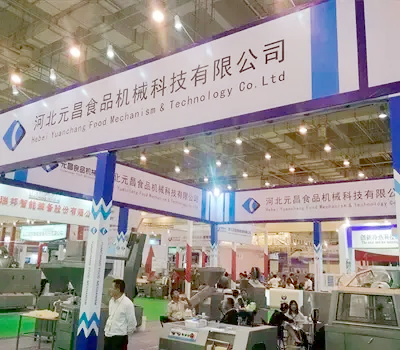
The dedication to precision manufacturing is universal. The meat processing equipment market sees growth driven by automation and technological advancements, demanding sophisticated and reliable machinery.8 Our investment in advanced manufacturing technology ensures our induction heating lines are built to the highest standards, comparable to those found in leading global manufacturing operations.
Commitment to Quality: Our Certifications
Our commitment to delivering high-quality, reliable, and safe equipment is validated by adherence to international standards and certifications. While specific certifications for induction heating lines can vary based on regional requirements and customer specifications, our manufacturing processes align with globally recognized quality management systems. We prioritize compliance and customer assurance.
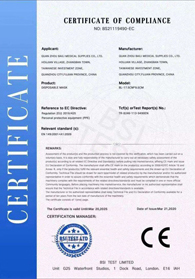
Our manufacturing facility operates under stringent quality control protocols, often aligning with principles found in ISO 9001. We ensure that electrical components comply with safety standards such as CE marking for products destined for the European market, and RoHS for restrictions on hazardous substances. For specific applications or regional markets, we can pursue additional certifications as required by our clients. This diligence ensures that our equipment not only performs exceptionally but also meets global safety and regulatory expectations.
Trustworthy Manufacturing: Our adherence to standards and transparent documentation provides buyers with confidence that the equipment is engineered for safety, performance, and compliance. This is especially critical for international trade and complex procurement processes.
What Our Clients Say
Real-world feedback from manufacturers using our induction heating solutions. We pride ourselves on delivering tangible results and building lasting partnerships.

Procurement Manager, Precision Metal Fabricators Inc. (USA)
"The induction annealing line from Hebei Yuanchang has been a revelation. We've seen a significant reduction in annealing time and a marked improvement in the consistency of our stainless steel strips. It integrates seamlessly with our existing line, and the support during installation was top-notch. Highly recommended for anyone needing precise thermal control."

Operations Director, Copper Alloys Ltd. (UK)
"We required a highly specialized induction hardening line for copper alloy strips. Hebei Yuanchang delivered exactly what we needed. Their engineers worked closely with us to develop the coil design and frequency for optimal results. The energy savings alone have been substantial compared to our old furnace. Excellent communication throughout the project."

Production Engineer, AutoParts Manufacturing (Mexico)
"Implementing the induction tempering line significantly improved the durability and consistency of our steel strips for automotive components. The compact footprint was a major plus for our facility. The training provided by their team was comprehensive, and maintenance has been straightforward."
The positive impact of advanced processing equipment is widely recognized. For instance, the processed meat market growth is driven by consumer demand for convenience and quality, necessitating efficient manufacturing.11 Our clients experience similar demand-driven improvements in their metal processing operations.
Frequently Asked Questions (FAQ)
1. What is the typical lead time for a custom strip induction heating line?
Lead times can vary significantly based on the complexity of the system, current production schedules, and the availability of specialized components. Generally, custom-engineered lines can range from 4 to 12 months from order confirmation to delivery. We provide detailed timelines during the quotation phase.
2. Can induction heating be used for non-ferrous metals like aluminum and copper?
Yes, absolutely. Induction heating works on any conductive material, including non-ferrous metals like aluminum, copper, brass, and even precious metals. The specific frequency and power settings will be adjusted to account for their differing electrical conductivity and magnetic properties.
3. How does induction heating compare to furnace heating in terms of energy efficiency?
Induction heating is significantly more energy-efficient, often 2 to 3 times more so than conventional furnaces. This is because induction delivers energy directly to the workpiece, minimizing heat loss to the surroundings. Our systems achieve very high power transfer efficiencies, reducing operational costs substantially.
4. What kind of maintenance is required for an induction heating line?
Maintenance is generally minimal. It primarily involves regular checks of electrical connections, cleaning of cooling system filters, and inspection of the induction coil for wear. We provide a comprehensive maintenance guide and offer service contracts for ongoing support.
5. Can your systems be integrated with existing automation and control systems?
Yes, our induction heating lines are designed for seamless integration. They are typically equipped with PLC control systems that can communicate with SCADA, MES, or other plant-level automation systems via standard protocols (e.g., Profibus, Ethernet/IP). We can also accommodate custom integration requirements.
6. What is the lifespan of an induction heating coil?
The lifespan of an induction coil is highly dependent on the operating conditions, materials processed, and maintenance. Under normal operating conditions, a well-designed and maintained induction coil can last several years. We use high-quality refractory materials and robust construction techniques to maximize coil longevity.
Ready to Revolutionize Your Strip Processing?
Elevate your production efficiency, product quality, and operational profitability with a custom-engineered strip induction heating line from Hebei Yuanchang.
We provide tailored solutions. Let's discuss your specific needs.