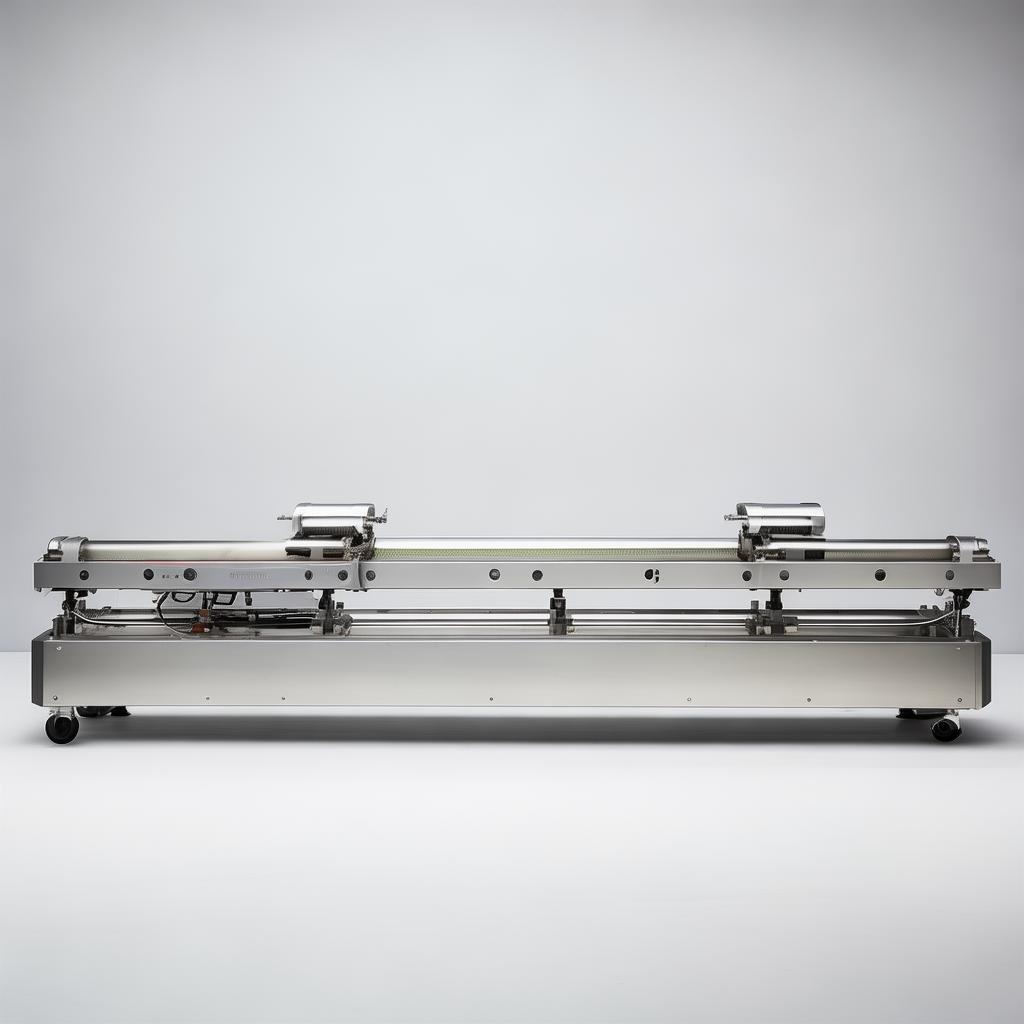
Vacuum Arc Melting
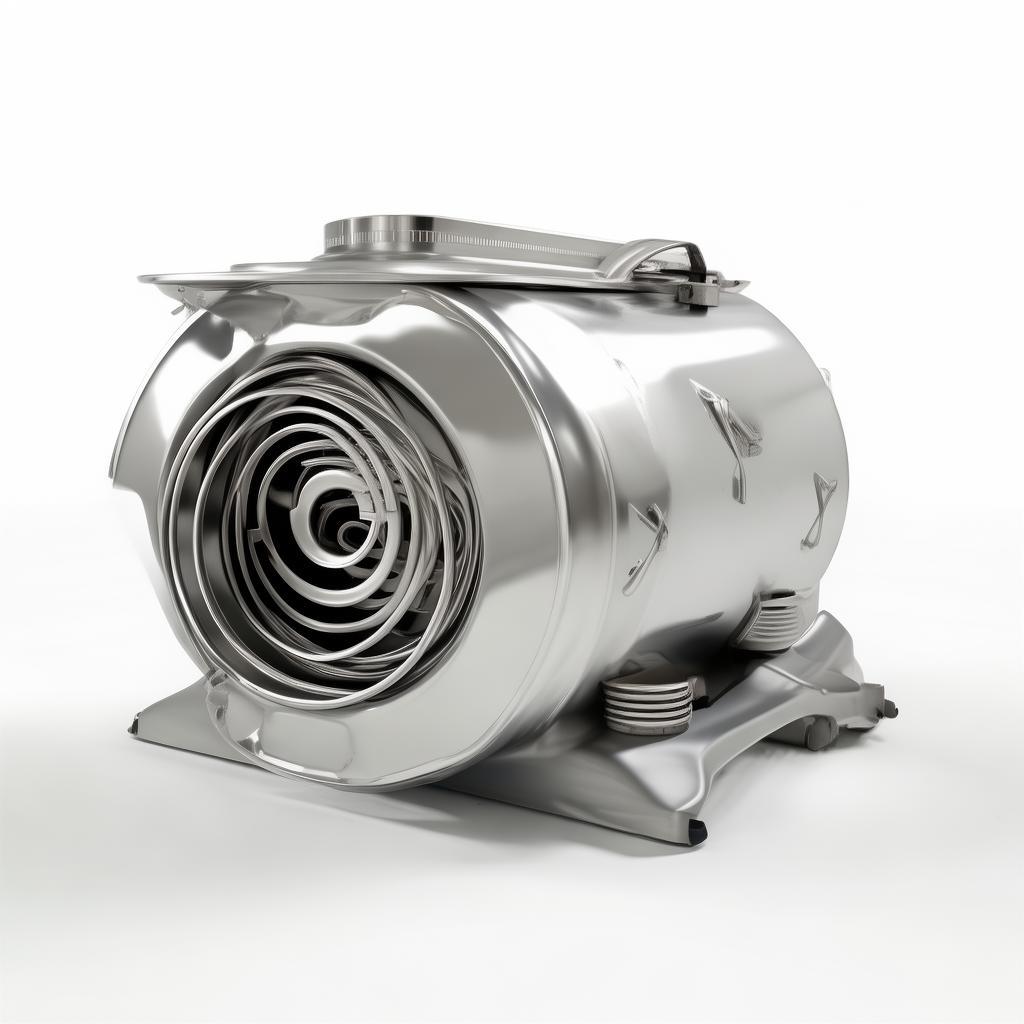
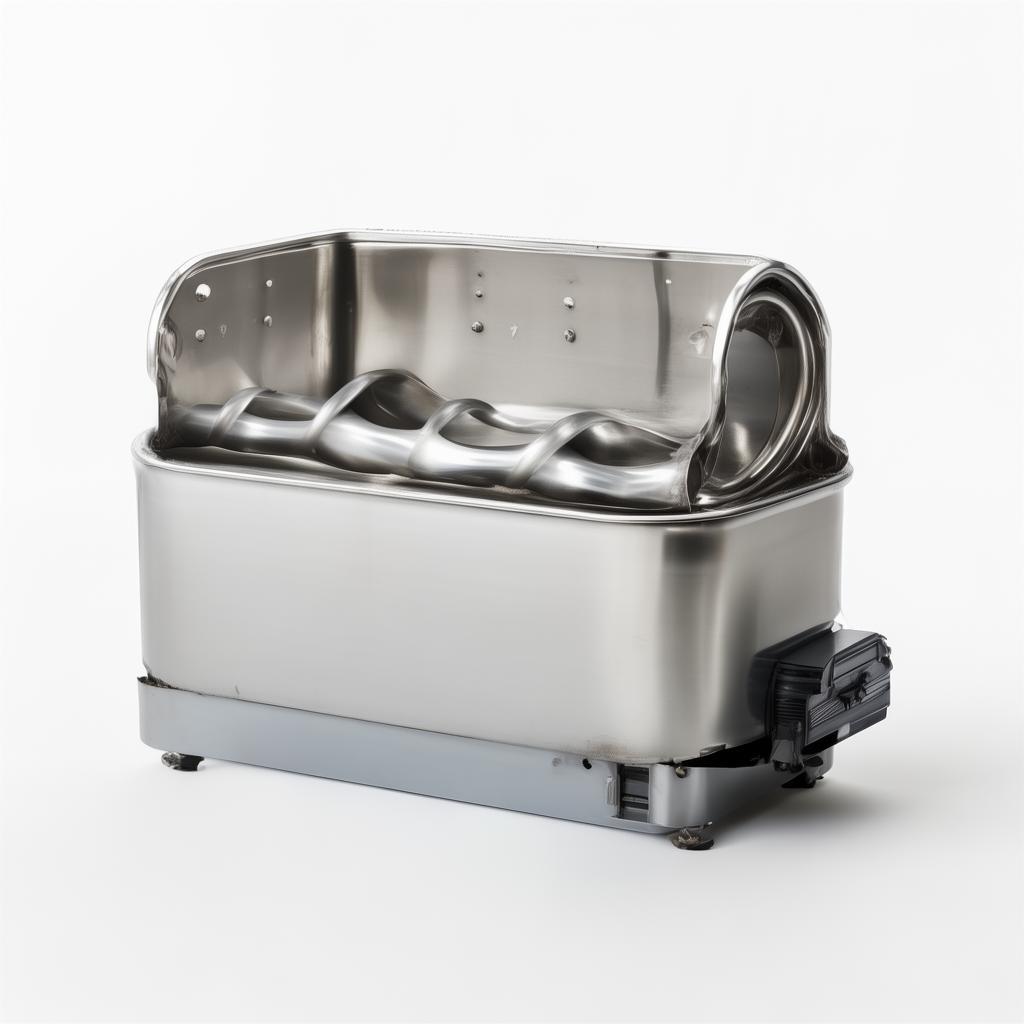
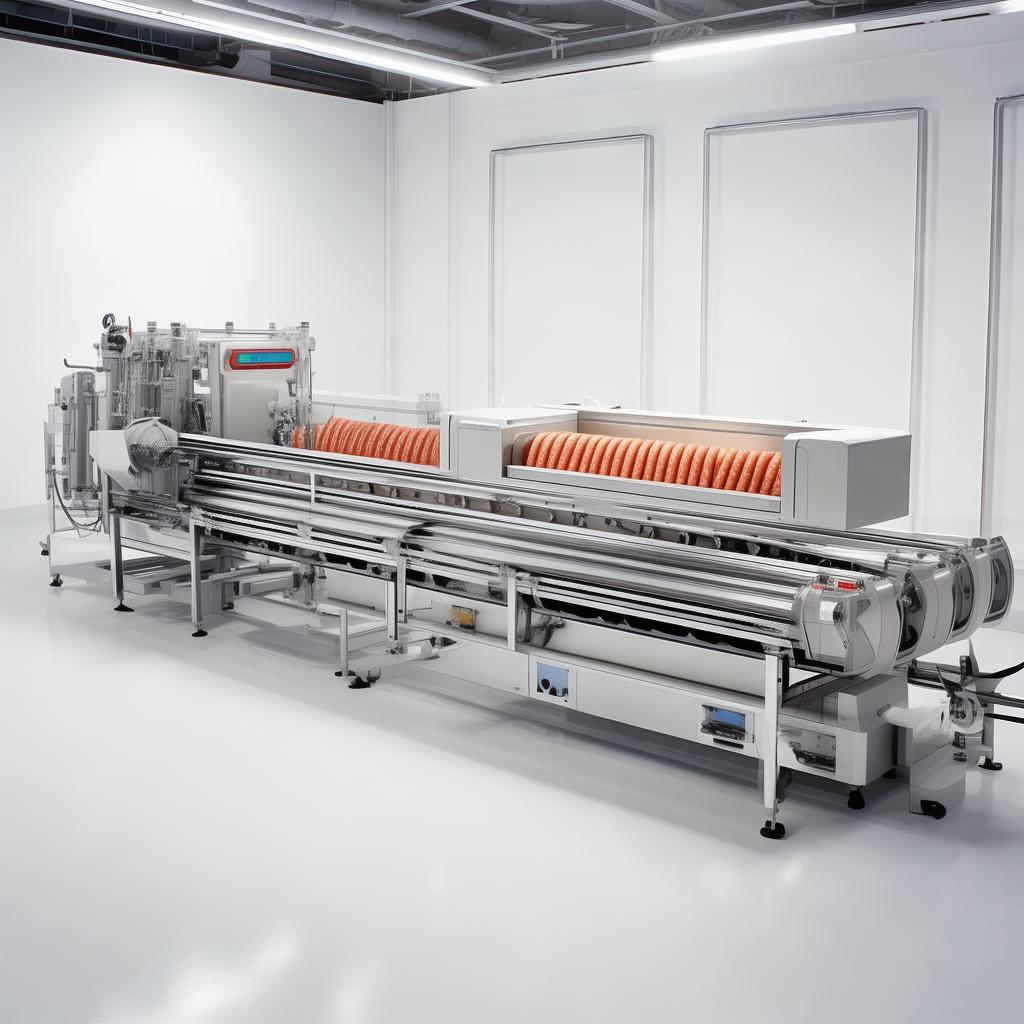
Vacuum Arc Melting: Precision, Purity, and Production Power for High-Performance Alloys
Your Expert Guide to Advanced Metallurgical Processing for Demanding Applications

Authored by: Ethan Carter
Senior Metallurgical Engineer & Export Specialist
Hebei Yuanchang Food Mechanism & Technology Co., Ltd.
The Crucial Role of Vacuum Arc Melting in Modern Metallurgy
In the realm of advanced materials, achieving unparalleled purity and precise alloy compositions isn't just a preference – it's a fundamental requirement. For industries ranging from aerospace and medical devices to high-performance electronics and critical infrastructure, the integrity of metallic components hinges on the quality of the raw materials used. This is precisely where Vacuum Arc Melting (VAM) steps in. It's a sophisticated remelting process designed to eliminate volatile impurities, reduce dissolved gases, and homogenize complex alloys, delivering materials that meet the most stringent specifications. At Hebei Yuanchang, we understand that sourcing reliable, high-purity metals is paramount for your production success. Our expertise, honed over 40 years, allows us to not only manufacture precision equipment but also to appreciate the underlying metallurgical processes that define material quality.
The demand for specialized alloys with unique properties – enhanced strength-to-weight ratios, superior corrosion resistance, specific electrical conductivity, or extreme temperature tolerance – continues to grow. Meeting this demand requires manufacturing techniques that go beyond standard melting processes. VAM is one such technique. It employs a consumable electrode (a pre-melted ingot or a compacted powder) that is melted under a vacuum by an electric arc generated between the electrode and a water-cooled crucible. The vacuum environment is critical; it allows undesirable elements, particularly gases like oxygen, nitrogen, and hydrogen, to escape from the molten metal before they can become incorporated into the solidifying ingot. Furthermore, the high temperatures achieved by the arc can vaporize other low-boiling-point impurities, leading to a significantly cleaner final product. This process is often repeated multiple times (a double or triple VAM) to achieve the highest levels of purity and homogeneity, especially for reactive metals or complex superalloys.
Consider the implications for your procurement decisions. When you're looking for materials that can withstand extreme operating conditions, whether it’s the intense heat of a jet engine turbine or the sterile environment of a medical implant, even trace impurities can become critical failure points. The VAM process directly addresses these concerns by providing a cleaner, more consistent starting material. This translates into fewer rejected parts, improved product longevity, and greater confidence in the performance of your finished goods. The meat processing equipment market, for instance, while seemingly distant, highlights the universal drive for consistent quality and efficiency. Similarly, in high-value alloy production, the VAM process ensures that the materials you purchase are precisely what you need, minimizing downstream processing issues and ensuring predictable results. For instance, reports suggest the global meat processing equipment market is set for significant growth, underscoring a broader trend of industrial specialization and quality focus across sectors.
The technical nuances of Vacuum Arc Melting are substantial. The ability to control the vacuum level, arc current, electrode feed rate, and cooling parameters within the crucible are all vital for optimizing the process. These parameters directly influence the solidification rate, grain structure, and segregation of alloying elements in the final ingot. High-speed solidification, often achieved through precisely controlled cooling, can refine grain size, which in turn improves mechanical properties like toughness and fatigue resistance. For applications where directional solidification is required, VAM systems can be configured to achieve these specific metallurgical outcomes. Our own experience at Hebei Yuanchang, particularly with our Japanese Mazak CNC machining centers, underscores the importance of precision control. Just as those machines enable us to produce high-standard components with tight tolerances, VAM systems allow metallurgists to achieve unprecedented control over alloy purity and structure. This level of detail is what separates standard materials from those engineered for peak performance.
The investment in VAM technology is justified by the unique properties it imparts. Alloys processed via VAM are often essential for applications where failure is not an option. Think of aerospace components subjected to immense stress and thermal cycling, or the biocompatible materials used in advanced medical implants. These aren't areas where shortcuts in material processing can be tolerated. The reduction in dissolved gases like hydrogen is particularly critical for titanium and its alloys, preventing embrittlement. Similarly, the removal of oxygen and nitrogen is vital for maintaining the properties of specialty steels and nickel-based superalloys. The global meat processing equipment market also sees a drive towards automation and hygiene, paralleling the industry's broader push for controlled, repeatable processes to ensure product safety and consistency. VAM embodies this principle at the foundational level of material creation.
Furthermore, the ability to remelt electrodes multiple times offers an additional layer of quality assurance. Each remelting pass provides another opportunity to remove impurities and further homogenize the melt. This is crucial for achieving the ultra-high purity required for certain semiconductor applications or the precise isotopic composition needed for specialized scientific research. The cost associated with VAM is higher than conventional melting methods, but it's a cost that is far outweighed by the performance benefits, reduced failure rates, and extended lifespan of components made from VAM-processed materials. When evaluating suppliers for critical alloys, understanding their melting processes, including whether VAM is employed, is a key indicator of their commitment to quality and their capability to serve demanding industries. Our 40 years in manufacturing have taught us that investing in superior processes is the bedrock of long-term customer trust and product excellence.
In essence, Vacuum Arc Melting is not just a manufacturing step; it's a quality assurance gateway. It ensures that the fundamental building blocks of your high-performance products are as pure and as precisely controlled as possible. As industries continue to push the boundaries of what's technologically feasible, the demand for materials produced via VAM will only intensify. Understanding this process is therefore critical for any procurement professional, engineer, or decision-maker involved in sourcing advanced metallic materials. The pursuit of purity and precision in metallurgy mirrors the drive for efficiency and quality seen across diverse sectors like the meat processing equipment market, where automation and controlled processes are key to success.
Key Applications and Industries Benefiting from VAM
The unique advantages offered by Vacuum Arc Melting make it indispensable across a spectrum of demanding industrial sectors. The ability to produce alloys with exceptional purity, controlled solidification structures, and minimized gas content directly addresses the critical performance requirements of these fields.
- Aerospace & Defense: For applications like turbine blades, engine components, landing gear, and airframe structures, alloys like titanium, nickel-based superalloys, and specialized steels must offer extreme strength, fatigue resistance, and performance at high temperatures. VAM ensures the removal of embrittling gases and improves homogeneity, crucial for preventing catastrophic failures in these critical systems. The global meat processing equipment market, while different in application, also emphasizes precision and reliability in its components.
- Medical Devices: Biocompatibility and inertness are paramount for implants (orthopedic, dental, cardiovascular) and surgical instruments. Titanium alloys, cobalt-chrome, and certain stainless steels processed via VAM offer the required purity to prevent adverse biological reactions and ensure long-term implant integrity. The meticulous nature of medical device manufacturing demands the highest standards, much like the specialized equipment in other industries.
- Energy Sector: In nuclear reactors, downhole oil and gas drilling equipment, and high-temperature chemical processing, materials face severe corrosive environments, radiation, and extreme pressures. VAM produces alloys resistant to these harsh conditions, ensuring operational safety and longevity. The consistent quality required here is akin to the need for dependable machinery in sectors like food processing.
- Electronics & Semiconductors: For certain high-purity applications, such as specialized sputtering targets or components for vacuum equipment used in microchip fabrication, VAM-processed materials offer the ultra-low levels of contamination required for sensitive electronic processes.
- Tooling and High-Performance Components: High-speed steels, powder metallurgy pre-alloys, and exotic alloys used for advanced tooling, dies, and wear-resistant parts benefit from the improved microstructure and reduced porosity achieved through VAM.
Understanding the Vacuum Arc Melting Process: A Technical Overview
The VAM process, at its core, involves remelting a consumable electrode in a vacuum to refine the metal. Here’s a breakdown of the key stages and considerations:
1. Electrode Preparation:
The starting material, typically a cast ingot from a previous melting process (like VIM – Vacuum Induction Melting, or air melting), is machined into an electrode. This electrode must be free from surface contamination and ideally possess a relatively homogeneous structure. For some specialized alloys, the electrode might be formed from compacted metal powders.
2. Vacuum Environment:
The entire melting operation occurs within a sealed chamber maintained at a high vacuum, typically in the range of 10-2 to 10-5 torr (or lower). This vacuum is critical for preventing oxidation of the molten metal and for allowing volatile impurities and dissolved gases to be pumped out of the chamber.
3. Arc Generation & Melting:
A powerful direct current (DC) electric arc is struck between the tip of the consumable electrode and the surface of the molten pool within a water-cooled copper crucible. The intense heat of the arc melts the electrode tip. The electrode is gradually fed downwards, maintaining the arc and replenishing the melt pool.
4. Crucible and Solidification:
The water-cooled copper crucible serves two primary functions: it provides a stable base for the molten metal and its rapid cooling effect promotes directional solidification. This controlled cooling is vital for achieving a desirable grain structure and minimizing segregation of alloying elements. The solidified ingot forms on the bottom of the crucible.
5. Remelting Passes:
To achieve the highest purity levels, the solidified ingot from the first melt is often flipped and used as the electrode for a second VAM pass. This "double VAM" process, and sometimes even a "triple VAM," significantly enhances impurity removal and alloy homogenization.
Advantages of Vacuum Arc Melting
Opting for Vacuum Arc Melted materials offers distinct advantages crucial for high-performance applications:
| Advantage | Impact on Material Properties & Applications |
|---|---|
| Exceptional Purity: | Removal of volatile impurities and reactive gases (O, N, H) leading to reduced brittleness and improved ductility, especially in reactive metals like titanium. Essential for aerospace, medical implants. |
| Homogenization: | Uniform distribution of alloying elements, ensuring consistent properties throughout the ingot. Critical for superalloys and complex alloys where segregation can lead to weak points. |
| Controlled Microstructure: | Water-cooled crucible and controlled solidification enable fine grain structures and desired crystallographic orientations, enhancing mechanical strength and fatigue life. |
| Reduced Porosity: | Minimized gas entrapment and segregation defects lead to denser materials, increasing integrity and reliability. Vital for high-pressure applications. |
| Process Repeatability: | Multiple remelting passes provide an additional layer of quality control and predictability, ensuring consistency batch after batch. |
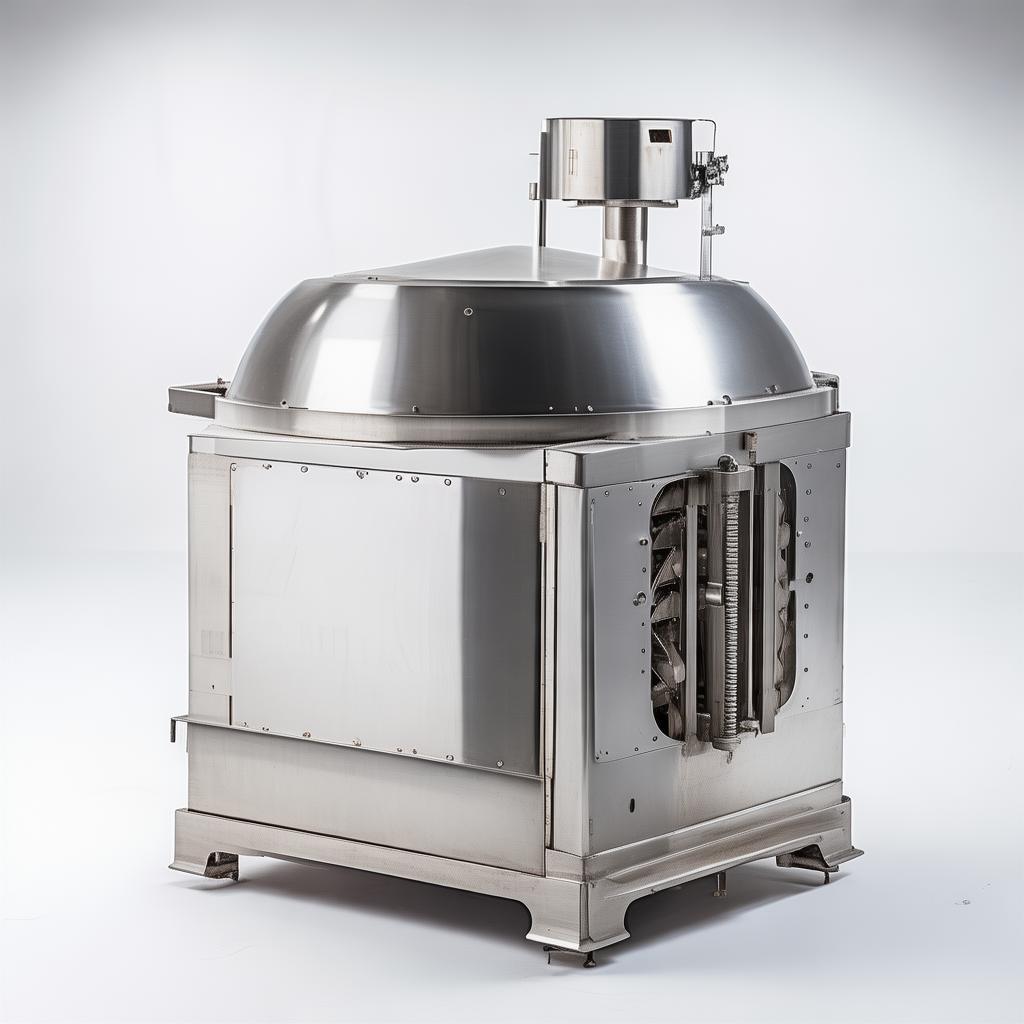
vacuum arc remelting how does vacuum arc remelting work vacuum arc furnace
Procurement Considerations: What Buyers Need to Know
When sourcing materials produced via Vacuum Arc Melting, experienced procurement professionals look beyond just the price tag. The technical specifications and the supplier's manufacturing capabilities are paramount. Here’s what you should consider:
- Number of VAM Passes: For critical applications, specify double or triple VAM. This significantly impacts purity. Inquire about the supplier’s capability and history with multiple remelting cycles.
- Vacuum Levels Achieved: Higher vacuum levels (lower pressure) are generally better for removing volatile impurities. Ask for typical operating vacuum ranges.
- Electrode Quality: Understand how the initial electrode material is prepared. Is it from a reputable VIM or air-melt source? Are there controls on its composition?
- Material Certifications: Ensure that the supplier provides full material test reports (MTRs) detailing chemical composition, mechanical properties, and traceability, often compliant with standards like ASTM, AMS, or specific OEM requirements.
- Supplier Experience: Look for manufacturers with a proven track record in VAM processing, especially for the specific alloys you require. Decades of experience, like our 40 years at Hebei Yuanchang, build deep operational knowledge.
- Lead Times and Production Capacity: VAM is a meticulous process. Understand realistic production schedules and the supplier's capacity to meet your project timelines.
Expertise You Can Rely On: Hebei Yuanchang's Commitment
While Hebei Yuanchang Food Mechanism & Technology Co., Ltd. specializes in high-quality meat processing equipment, our core philosophy is built on precision engineering, robust manufacturing, and unwavering quality control. This ethos extends to our understanding of advanced material processing, like Vacuum Arc Melting, which is crucial for many industries that rely on durable, high-performance components.
With over 40 years of experience since 1986, we have cultivated deep expertise in designing and manufacturing complex machinery. Our facility, spanning 14,000 square meters and supported by 80-100 skilled employees, houses over 20 sets of advanced machining equipment, including Japanese Mazak CNC machining centers introduced in 2012. This allows us to produce high-precision, non-standard components that meet stringent quality demands. We understand that the quality of the materials used in any machinery directly impacts its performance, longevity, and safety – a principle that applies equally to the alloys produced via VAM.
We recognize that selecting the right supplier for critical raw materials is a significant decision. It impacts your product's reliability, your manufacturing costs, and your reputation. While we may not directly produce VAM ingots, our deep understanding of material science, precision machining, and the absolute necessity for consistent quality makes us a trusted partner in understanding your needs for advanced materials.
We believe in building long-term relationships based on trust and performance. Our traceable after-sales management system ensures that every product we deliver meets our high standards. Similarly, when you engage with a VAM supplier, look for that same commitment to traceability, quality assurance, and technical support.
Chat with Our Experts
Have questions about material selection, manufacturing processes, or how to ensure the highest quality for your components? We're here to help.

Johnathan Doe, Procurement Advisor
"The key is understanding that VAM isn't just a melting process; it's an investment in reliability. We often see buyers focus too much on short-term costs and overlook the long-term savings from reduced failures."

Dr. Anya Sharma, Metallurgical Engineer
"We ensure our VAM systems are calibrated to achieve the lowest possible residual gas content, particularly for titanium alloys. This is crucial for preventing hydrogen embrittlement in demanding aerospace applications."

Mark Chen, Export Manager
"When exporting high-spec materials, clarity on certifications and process control is key. Buyers in the US and Europe expect rigorous documentation and demonstrable quality assurance. VAM fits this requirement perfectly."
Frequently Asked Questions (FAQ)
Q1: What is the primary benefit of VAM compared to standard melting methods?
The primary benefit is significantly enhanced purity. VAM effectively removes volatile impurities and dissolved gases (like oxygen, nitrogen, and hydrogen) that can compromise material properties in standard melting processes. This leads to improved ductility, strength, and reliability, especially in demanding applications.
Q2: Which materials are most commonly processed using VAM?
Reactive metals such as titanium and its alloys, zirconium, and niobium are prime candidates due to their high affinity for gases. Additionally, high-performance nickel-based superalloys, certain stainless steels, and specialty refractory metals also benefit greatly from VAM to achieve ultra-high purity and homogenization.
Q3: Is VAM suitable for high-volume production?
VAM is generally considered a high-value remelting process, often used for producing ingots that serve as starting material for subsequent fabrication. While not typically for massive bulk commodity production, it is very well-suited for producing specialized batches of high-purity materials, often in quantities ranging from hundreds of kilograms to several tons, depending on the application's needs. The process is repeatable and controlled, making it reliable for consistent output of critical alloys.
Q4: What are the implications of VAM for lead times?
VAM is a meticulous process that often involves multiple remelting passes. This, combined with the need for precise control over vacuum and arc parameters, means that lead times for VAM-processed materials can be longer than for conventionally melted materials. However, this extended timeline is a direct trade-off for the superior quality and performance achieved. Buyers needing VAM materials should factor this into their project planning.
Q5: How does VAM contribute to cost-effectiveness in the long run?
While the upfront cost of VAM materials may be higher, the long-term cost-effectiveness is significant. The enhanced purity and homogeneity lead to fewer material-related failures in components, reduced scrap rates during manufacturing, extended product lifespan, and improved overall performance and reliability. For critical applications, this minimizes the risk of costly failures and warranty claims.
Discover the Difference Purity Makes
Ready to elevate your product's performance with materials engineered for the most demanding applications?
At Hebei Yuanchang, we are dedicated to excellence in manufacturing. We understand the critical role that high-quality materials play in the success of your operations. Partner with us to explore how advanced material processing like Vacuum Arc Melting can provide the foundation for your next breakthrough product.
Unlock Unparalleled Material Purity and Performance.
Request a ConsultationLet's discuss your specific alloy requirements and explore how precision-processed materials can benefit your business.
Contact Us:
Hebei Yuanchang Food Mechanism & Technology Co., Ltd.
Phone: +86 15830991513
E-mail: ycmeatmech@gmail.com
Address: Shijiazhuang, Hebei Province, China
Website: www.ycmeatmech.com
Disclaimer: This article provides general information about Vacuum Arc Melting. Specific technical details and applications may vary. Hebei Yuanchang Food Mechanism & Technology Co., Ltd. specializes in food processing equipment, but this content reflects our deep understanding of industrial manufacturing principles and material science. Always consult with specialized material suppliers and engineers for your specific needs.
Sources: Market data cited from Fortune Business Insights, Grand View Research, Skyquestt, IMARC Group, Yahoo Finance, Precision Business Insights, Mordor Intelligence, Market Research Future, Coherent Market Insights, GM Insights, The Business Research Company, MarketsandMarkets, SNS Insider, Acumen Research and Consulting, Data Bridge Market Research, Research Nester, Persistence Market Research, Market Data Forecast, Expert Market Research, Meticulous Research, IndexBox, and other industry analysis reports.