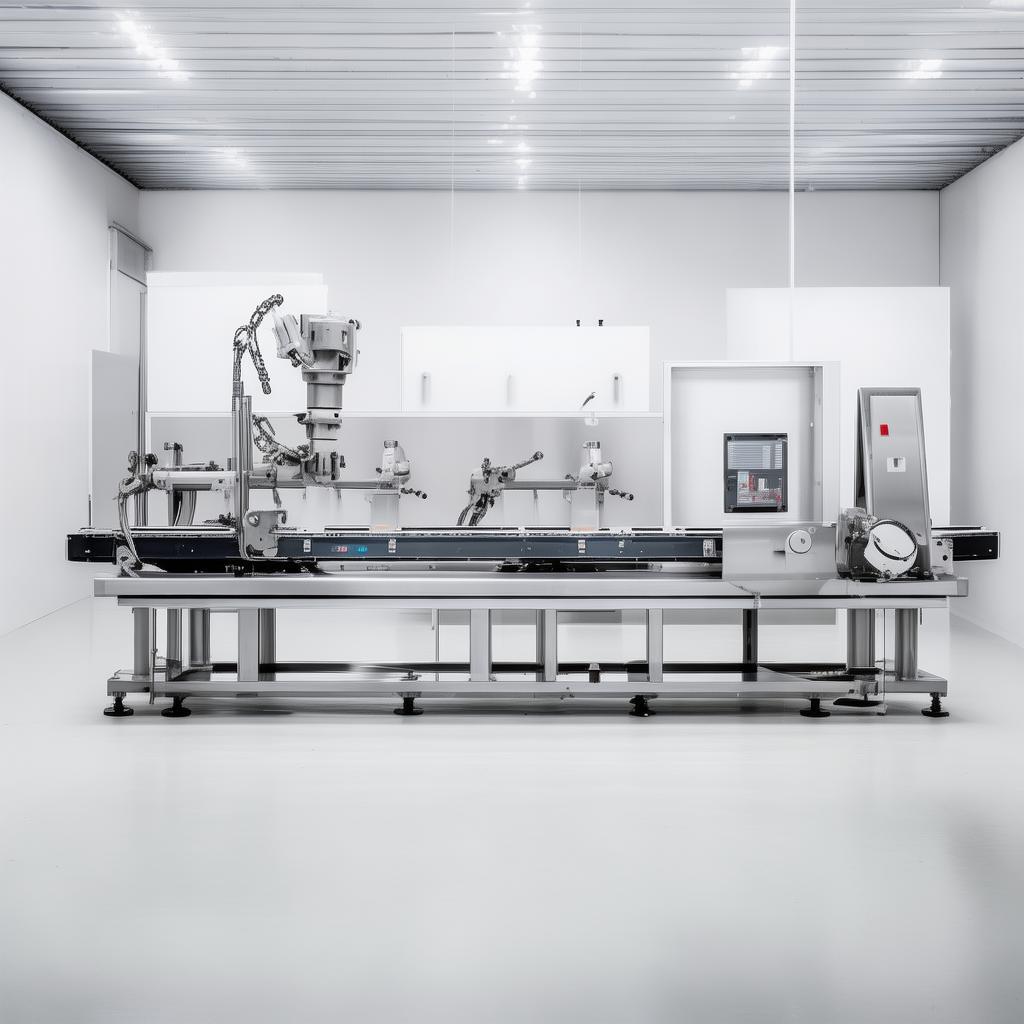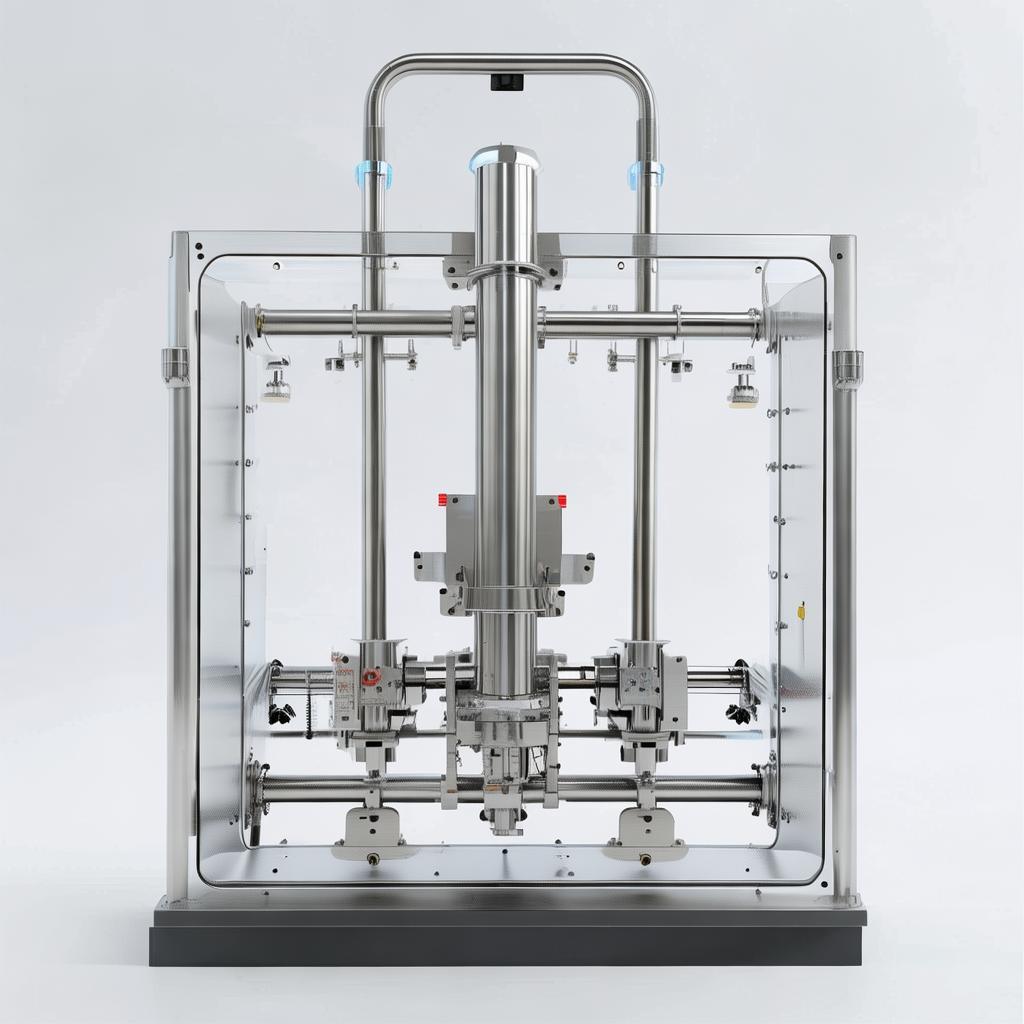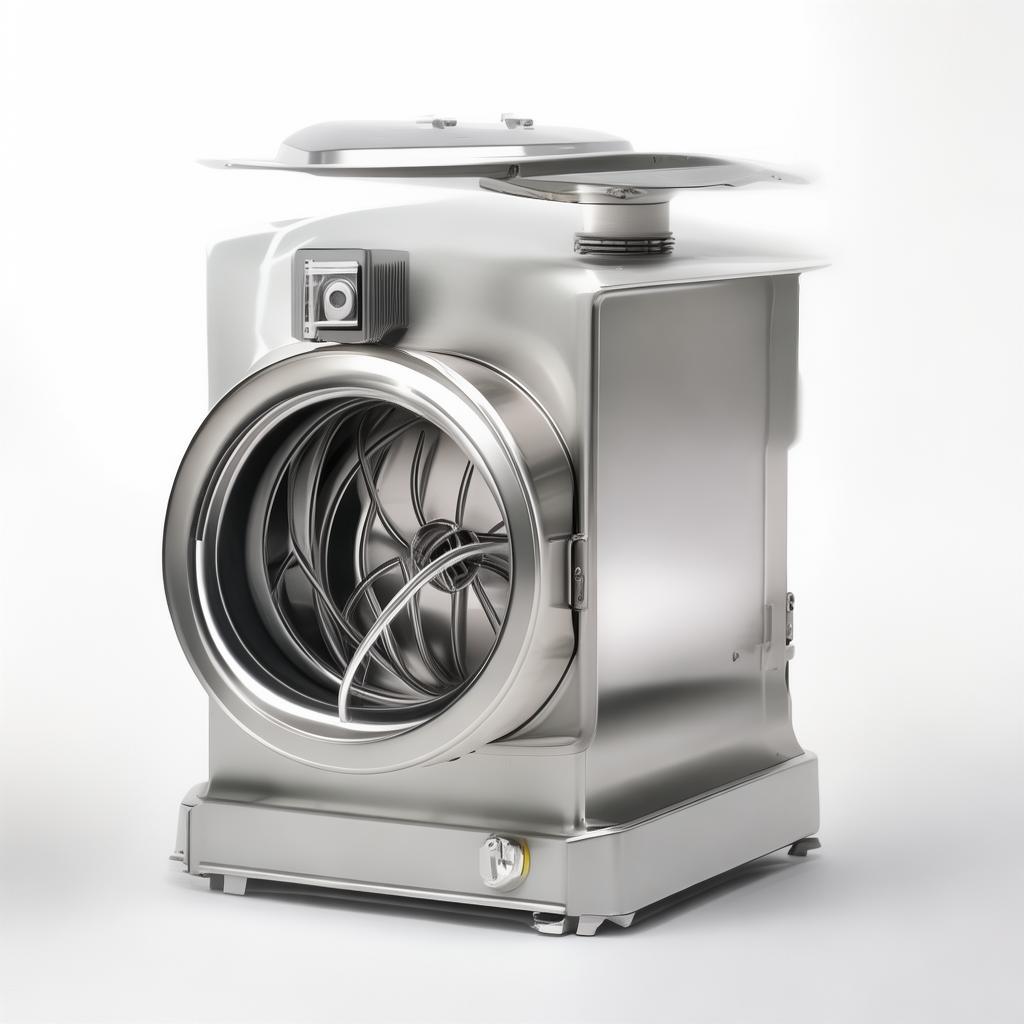
Vacuum Deposition Machine
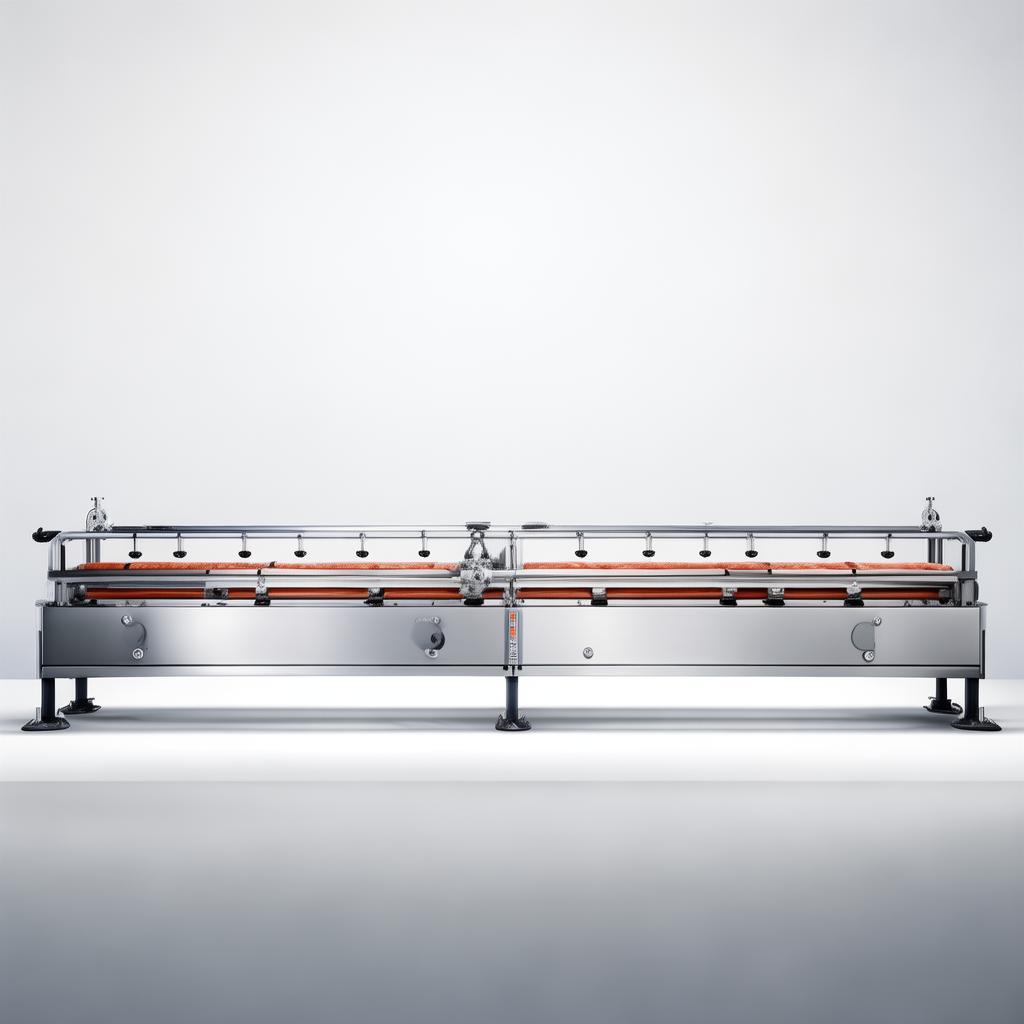
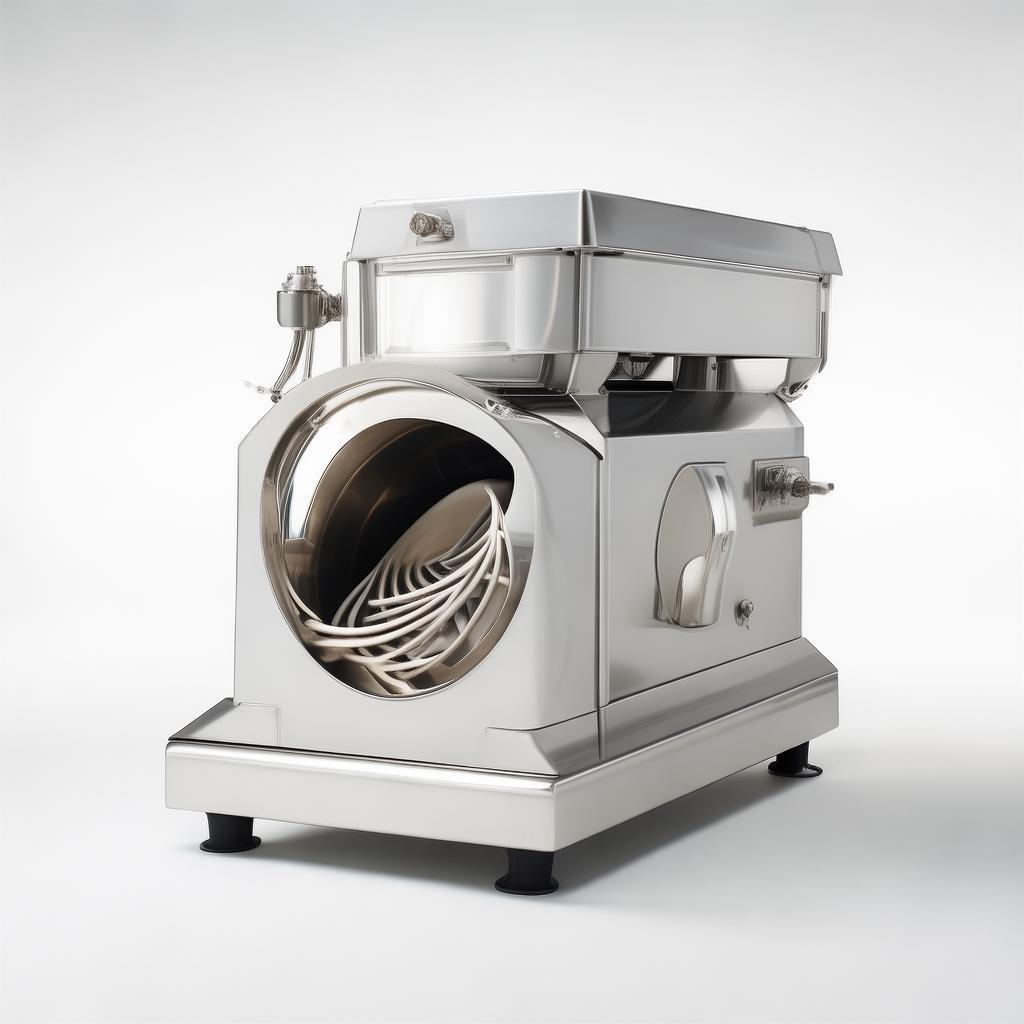
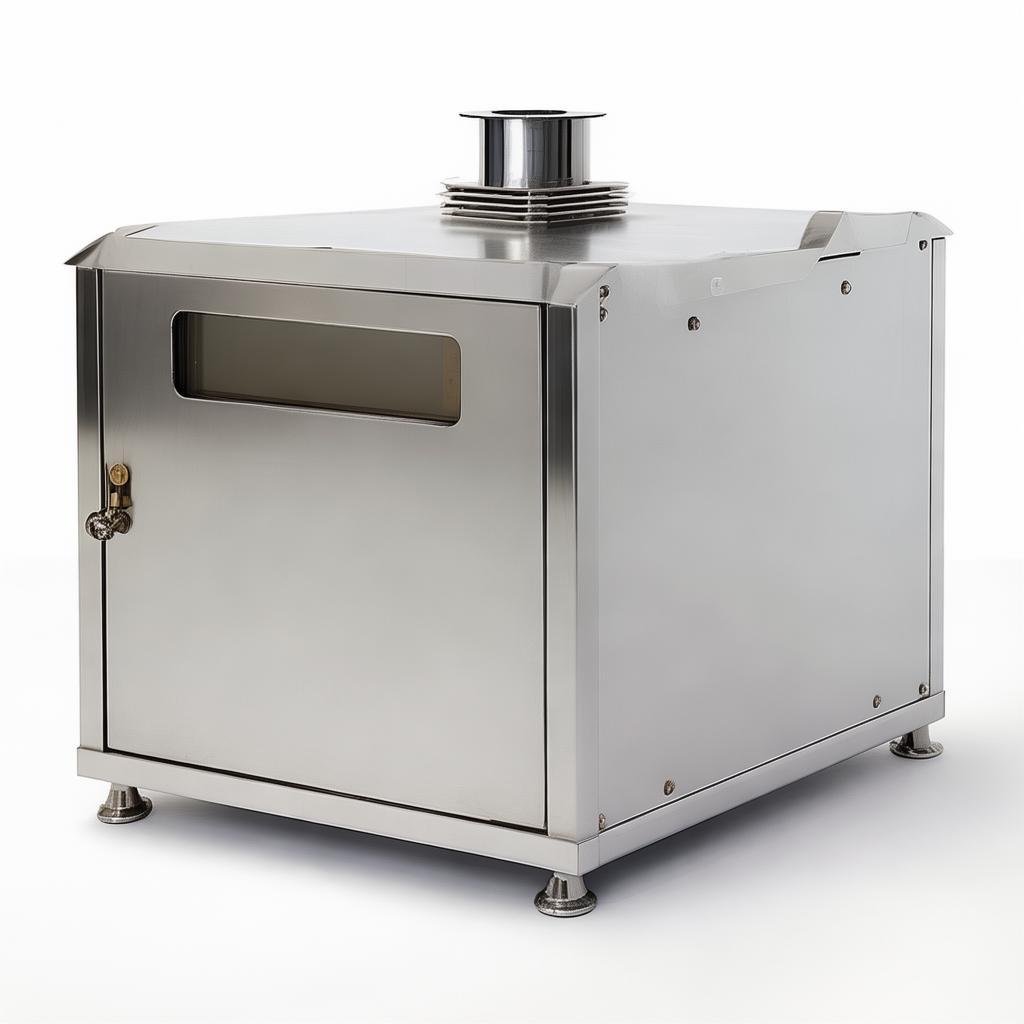
Vacuum Deposition Machines: Precision Coating Solutions for Industrial Applications
A deep dive into the technology, applications, and procurement considerations for advanced vacuum deposition equipment.

Senior Industrial Process Engineer

Understanding the Core of Precision Coating: Vacuum Deposition Technology
In today's demanding industrial landscape, achieving superior surface properties is paramount. Whether it's enhancing durability, imparting specific optical characteristics, improving conductivity, or creating a biocompatible interface, the way a material's surface is treated dictates its performance and longevity. This is precisely where vacuum deposition machines have become indispensable. Unlike atmospheric processes, vacuum deposition operates under highly controlled low-pressure environments, allowing for the creation of extremely thin, uniform, and high-purity films on a vast array of substrates. The precision and repeatability offered by these systems are unmatched by many conventional coating methods, making them a cornerstone of advanced manufacturing in sectors ranging from microelectronics and optics to aerospace and medical devices.
The fundamental principle behind vacuum deposition involves introducing source materials into a vacuum chamber and then facilitating their transition into a gaseous state. This gaseous material then travels through the vacuum and condenses onto the substrate, forming a solid film. The "vacuum" is crucial; it minimizes contamination from atmospheric gases and impurities, which could otherwise degrade the film quality. Furthermore, the vacuum allows the vaporized atoms or molecules to travel in straight lines, ensuring a highly uniform deposition even on complex geometries. This controlled environment is what enables the formation of films with thicknesses measured in nanometers, often with atomic-level precision.
Several key advantages distinguish vacuum deposition. Firstly, the ability to deposit a wide range of materials, including metals, alloys, ceramics, and polymers, makes it incredibly versatile. Secondly, the process allows for precise control over film thickness, composition, and microstructure. This is critical for applications where even slight variations can lead to significant performance differences. For instance, in the semiconductor industry, film thickness variations of a few angstroms can render a device inoperable. Thirdly, vacuum deposition typically results in films with excellent adhesion to the substrate, superior density, and high purity, owing to the absence of contaminants. This translates to enhanced product performance, increased lifespan, and reduced failure rates in critical applications.
Navigating the world of vacuum deposition machines can seem complex, given the diverse technologies and configurations available. It's not a one-size-fits-all solution. Factors such as the material to be deposited, the substrate type and size, the required film properties, and production throughput all play a significant role in selecting the right equipment. Understanding the nuances between different deposition methods—such as Physical Vapor Deposition (PVD) techniques like sputtering and evaporation, and Chemical Vapor Deposition (CVD) which uses chemical reactions—is essential for making an informed procurement decision. Each method has its own strengths and limitations, tailored for specific material systems and application requirements.
For procurement professionals and engineers, the initial inquiry often stems from a need to overcome a specific material performance challenge. Perhaps a component requires enhanced wear resistance to withstand abrasive environments, or a lens needs an anti-reflective coating to maximize light transmission. In many cases, off-the-shelf solutions are insufficient, and a custom-engineered coating process, enabled by a specialized vacuum deposition system, becomes the only viable path forward. This journey involves not just selecting the machine itself, but also understanding the process parameters, material sources, chamber design, vacuum pumping systems, and post-deposition treatments required to achieve the desired outcome reliably and economically.
Furthermore, the operational aspects are just as critical as the initial setup. This includes understanding the consumables, maintenance schedules, energy consumption, and the skill level required for operators. A robust after-sales support network, including technical assistance, spare parts availability, and potential upgrade paths, is also a vital consideration for long-term operational efficiency and minimizing downtime. When evaluating suppliers, looking beyond just the initial price tag and focusing on total cost of ownership, reliability, and the supplier's track record in your specific industry segment is crucial. Our aim here is to demystify vacuum deposition technology, provide practical insights for selecting the right equipment, and highlight what to look for in a reliable manufacturing partner.
The global market for processing equipment, which includes vacuum deposition systems as a critical subset, continues to show robust growth. Reports indicate that the global meat processing equipment market alone was valued at over USD 11 billion in recent years and is projected to expand significantly. While this specific report focuses on meat processing, the underlying trends of automation, precision, hygiene, and efficiency are universal across industrial manufacturing. The demand for sophisticated coating solutions, driven by advancements in electronics, medical devices, and performance materials, mirrors this broader trend. The ability to achieve specific surface functionalities with high precision is a key differentiator for manufacturers aiming to compete on quality and innovation.
Consider the semiconductor industry, where the miniaturization of components is relentlessly pushing the boundaries of material science. Films deposited via vacuum techniques are fundamental to creating transistors, integrated circuits, and advanced sensor arrays. Similarly, in the optics sector, anti-reflective (AR), high-reflective (HR), and filter coatings applied using vacuum deposition are essential for everything from camera lenses and telescope mirrors to specialized displays and laser optics. The consistent quality and precise control over optical properties are non-negotiable. This underscores the importance of selecting a vacuum deposition machine that not only meets current production needs but also offers flexibility for future advancements.
For many businesses, investing in a vacuum deposition machine is a strategic decision that directly impacts product quality, market competitiveness, and ultimately, profitability. It often involves significant capital expenditure. Therefore, a thorough understanding of the technology, its applications, and the associated procurement process is not just beneficial but essential. This guide aims to provide that comprehensive overview, equipping you with the knowledge to make an informed choice and partner with a supplier who can deliver reliable, high-performance solutions.
Key Takeaways for Procurement:
- Precision is paramount: Vacuum deposition offers nanometer-level control critical for advanced materials.
- Versatility matters: Choose a system capable of depositing a wide range of materials for future flexibility.
- Total Cost of Ownership (TCO): Look beyond initial price; consider consumables, maintenance, and support.
- Supplier Reliability: Evaluate experience, technical support, and a proven track record in your sector.
Addressing Critical Manufacturing Challenges with Vacuum Deposition
Manufacturers frequently encounter surface-related limitations that impact product performance and market viability. Traditional coating methods often fall short when the demand is for extreme thinness, purity, uniformity, or specific functional properties.
- Wear and Abrasion: Components exposed to friction, impact, or abrasive environments quickly degrade, leading to premature failure and costly replacements. Standard plating or paint can be insufficient for severe conditions.
- Corrosion Resistance: Many materials are susceptible to chemical attack or oxidation, particularly in harsh operating conditions or humid environments. Protecting critical parts from rust and degradation is vital for longevity.
- Optical Performance: Achieving precise light transmission, reflection, or filtering is crucial for lenses, displays, and optical instruments. Non-uniform or impure coatings can distort light and reduce functionality.
- Electrical Conductivity/Insulation: In electronics, precise control over electrical properties is non-negotiable. Films must be conductive for interconnects, or highly insulating to prevent short circuits, often at very thin layers.
- Biocompatibility and Sterilization: Medical implants, surgical tools, and diagnostic equipment often require surfaces that are inert, non-toxic, and can withstand sterilization processes without degradation.
- Adhesion and Substrate Compatibility: Many advanced materials simply won't adhere well to certain substrates using conventional methods, limiting design options and material choices.
- Contamination Control: In high-tech industries like semiconductors and pharmaceuticals, preventing surface contamination is paramount, requiring processes that operate in ultra-clean environments.
Vacuum deposition directly addresses these pain points by offering unparalleled control over the deposition process. The absence of atmospheric contaminants, the ability to deposit a vast array of materials with high purity, and the precise control over film thickness and morphology enable manufacturers to engineer surfaces for specific, demanding applications. This technology is not just about adding a layer; it's about fundamentally transforming the surface characteristics of a material to meet stringent performance requirements.
The market for processed meats, for instance, is a testament to the demand for value-added products that require specific surface treatments for preservation, texture, and appearance. While this example is from the food industry, the underlying need for precise surface engineering is universal across industrial sectors. The drive for higher performance, longer lifespan, and novel functionalities in products across electronics, automotive, aerospace, and healthcare industries directly fuels the demand for advanced vacuum deposition solutions.
Deciphering Vacuum Deposition Techniques: PVD vs. CVD
At its core, vacuum deposition involves transferring material from a source to a substrate within a vacuum chamber. However, the methods used to achieve this transfer define the specific type of vacuum deposition. The two primary categories are Physical Vapor Deposition (PVD) and Chemical Vapor Deposition (CVD).
Physical Vapor Deposition (PVD)
PVD processes involve the physical transfer of material from a solid or liquid source to the substrate. The source material is vaporized, and the vapor then travels to the substrate surface and condenses. Common PVD techniques include:
- Evaporation: The source material is heated (typically via resistive heating, electron beam, or induction) until it vaporizes. The vapor molecules then travel directly to the substrate and deposit. This method is excellent for depositing pure metals and some compounds, offering high deposition rates. However, it can be challenging for alloys or materials with vastly different vapor pressures, as composition control can be difficult.
- Sputtering: In sputtering, a target material is bombarded with energetic ions (usually from an inert gas like Argon). This bombardment ejects atoms from the target surface, which then travel and deposit onto the substrate. Sputtering is highly versatile, capable of depositing metals, alloys, ceramics, and even complex compounds with excellent compositional control (especially reactive sputtering). It generally offers better adhesion and a more uniform deposition profile compared to simple evaporation for many materials.
PVD is widely used for applications requiring hard, wear-resistant coatings (e.g., TiN on cutting tools), decorative finishes, optical coatings, and conductive layers in electronics.
Chemical Vapor Deposition (CVD)
CVD processes involve a chemical reaction between precursor gases at or near the substrate surface, leading to the deposition of a solid film. The precursor gases are introduced into a heated chamber where they react, decompose, or combine to form the desired film material, with volatile byproducts being removed.
- Standard CVD: Relies on thermal energy to drive the chemical reactions.
- Plasma-Enhanced CVD (PECVD): Uses a plasma to lower the required reaction temperature, making it suitable for heat-sensitive substrates like polymers or flexible materials.
- Atomic Layer Deposition (ALD): A subtype of CVD that deposits films one atomic layer at a time, offering exceptional conformality, uniformity, and precise thickness control, albeit at lower deposition rates.
CVD is particularly effective for depositing a wide range of materials, including semiconductors (Si, Ge), dielectrics (SiO₂, Si₃N₄), hard coatings (diamond-like carbon), and refractory materials. It excels in creating conformal coatings that uniformly cover complex 3D structures.
The choice between PVD and CVD, or specific techniques within each, hinges on the material to be deposited, the substrate, desired film properties, and economic considerations. For example, depositing a thin, highly conductive gold film might favor sputtering, while creating a uniform silicon dioxide layer on a complex integrated circuit is a prime candidate for CVD or ALD.
The Yuanchang Advantage: High-Performance Vacuum Deposition Solutions
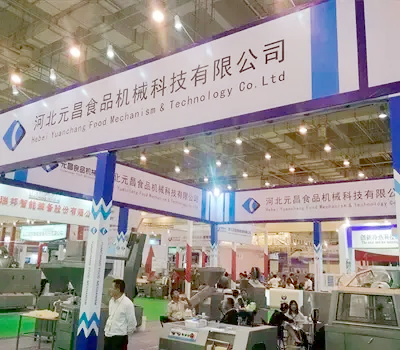
At Hebei Yuanchang, we understand that investing in a vacuum deposition machine is a critical decision. Our engineered solutions are built on decades of manufacturing experience, focusing on reliability, efficiency, and the precision your applications demand. We don't just build machines; we provide integrated solutions designed for optimal performance and ease of operation.
Unrivaled Precision Control
Our systems offer sophisticated control over deposition rate, film thickness, and uniformity, ensuring nanometer-level accuracy essential for demanding applications in optics and electronics.
Robust & Versatile Design
Engineered with high-quality materials and components, our machines are built for continuous operation. They are designed to accommodate a wide range of substrate sizes and materials, offering flexibility for evolving production needs.
High Purity & Low Contamination
Operating in a high vacuum environment minimizes impurities, ensuring the deposition of ultra-pure films critical for sensitive electronic, optical, and biomedical applications.
Enhanced Adhesion & Durability
Our optimized deposition processes promote superior film adhesion to various substrates, resulting in coatings that withstand harsh environments, wear, and thermal cycling.
We leverage our extensive experience in manufacturing to build machines that are not only technically superior but also economically viable. This includes optimizing vacuum system efficiency, minimizing cycle times, and ensuring long-term reliability to reduce your operational costs and maximize throughput. Our commitment extends to providing comprehensive support, from initial consultation and customization to installation and ongoing maintenance.
Diverse Applications Across Industries
The versatility of vacuum deposition technology makes it a critical enabling process for a vast range of industries and applications.
Electronics & Semiconductors
Deposition of conductive layers (Al, Cu, Au), dielectric layers (SiO₂, SiN), barrier layers, and active semiconductor materials for integrated circuits, sensors, and displays.
Optics & Photonics
Manufacturing anti-reflective (AR) coatings, high-reflective (HR) coatings, filters (band-pass, notch), beam splitters, and protective coatings for lenses, mirrors, prisms, and fiber optics.
Medical Devices & Biotechnology
Biocompatible coatings (e.g., TiN, Diamond-like Carbon) on implants and surgical instruments, antibacterial coatings, and specialized coatings for diagnostic sensors.
Automotive & Aerospace
Hard coatings for engine components, wear-resistant films for bearings and gears, corrosion-resistant coatings for structural parts, and reflective coatings for lighting.
Tooling & Wear Resistance
Deposition of hard coatings like Titanium Nitride (TiN), Titanium Carbonitride (TiCN), and Chromium Nitride (CrN) on cutting tools, molds, and industrial components to extend service life.
Decorative Finishes
Applying thin, durable, and aesthetically pleasing metallic or colored coatings to consumer goods, jewelry, and architectural elements.
This broad applicability highlights why reliable and precise vacuum deposition equipment is a vital investment for companies looking to innovate and enhance their product offerings.
Technical Specification Overview
While specific configurations vary based on application requirements, our vacuum deposition machines typically feature the following key specifications:
| Feature | Specification Range | Notes |
|---|---|---|
| Chamber Type | Batch or Load-lock System | Customizable for throughput |
| Base Pressure | 10-5 to 10-8 Pa (mbar) | Achieved with turbomolecular and diffusion/cryo pumps |
| Work Area/Substrate Size | Up to 600mm diameter/square (customizable) | Suitable for a range of part sizes |
| Deposition Sources | Evaporation (e-beam, thermal), Sputtering (magnetron) | Configurable for specific materials |
| Process Control | Automated PLC/HMI System | Real-time monitoring and data logging |
| Substrate Heating | Up to 400°C (optional higher) | Enhances adhesion and film properties |
| Gas Control | Mass Flow Controllers (MFCs) | Precise control for reactive processes |
| Footprint | Variable (compact to industrial scale) | Tailored to factory space |
vacuum deposition equipment machine pack the vacuum commercial vacuum machine
Detailed technical specifications, including chamber dimensions, pump speeds, and specific source configurations, are available upon request. We encourage detailed discussions to ensure the chosen system perfectly matches your processing requirements.
Seamless Installation and Global Logistics
Procuring industrial machinery involves more than just the machine itself. At Hebei Yuanchang, we streamline the entire process, from secure packaging to efficient global shipping and on-site installation support.
Logistics: Our export team is experienced in handling international shipping regulations and documentation. Machines are meticulously packed using high-quality, robust materials to withstand the rigors of transit. We work with reliable freight forwarders to ensure timely and secure delivery to ports worldwide. Container optimization is a key consideration to minimize shipping costs, and we provide all necessary customs documentation to facilitate a smooth import process.
Installation: Upon arrival, our trained technicians can provide on-site installation and commissioning services. This ensures the machine is set up correctly, all connections are made properly (electrical, water cooling, exhaust), and it's calibrated for optimal performance. Proper installation is critical for achieving the specified vacuum levels and deposition quality right from the start. We also provide comprehensive operator training to your team, covering daily operation, basic maintenance, and safety procedures.
Site Requirements: Before shipment, we provide detailed site requirement specifications, including required power, cooling capacity, ventilation, and floor space. Proactive planning here avoids costly on-site modifications.
Smart Procurement: What to Look For
Purchasing capital equipment like vacuum deposition machines requires careful consideration. Here’s a guide to help you navigate the process and make a sound investment.
1. Define Your Application Clearly
Know exactly what materials you need to deposit, the substrate types, desired film properties (thickness, hardness, optical characteristics), and your production volume requirements. This clarity is the first step to specifying the right machine.
2. Evaluate Technical Capabilities
Does the proposed machine meet your vacuum requirements? Can it handle the deposition sources you need? Are the process controls precise enough for your application? Look at the system's flexibility for future process development.
3. Assess Manufacturer Experience & Expertise
With 40 years of experience since 1986, Hebei Yuanchang has a deep understanding of industrial machinery. Look for suppliers with a proven track record, particularly in your specific industry. Inquire about their in-house manufacturing capabilities, quality control processes, and technical support structure.
4. Consider Total Cost of Ownership (TCO)
Beyond the initial purchase price, factor in:
- Consumable costs (gases, targets, filaments)
- Energy consumption
- Maintenance and spare parts availability
- Operator training and labor costs
- Downtime impact
5. Evaluate After-Sales Support & Warranty
What kind of warranty is offered? What are the response times for technical support? Is spare parts availability guaranteed? A strong after-sales service is crucial for minimizing operational disruptions. Our independently produced high-precision parts ensure worry-free after-sales service.
Choosing a supplier is like forming a partnership. Look for transparency, clear communication, and a commitment to helping you achieve your production goals.
Quality Assurance and Compliance
Our manufacturing processes adhere to stringent quality standards, ensuring that every machine leaving our facility meets the highest levels of performance and reliability. We are committed to compliance and continuous improvement.

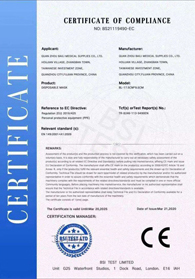

Our commitment to quality is reflected in our certifications and manufacturing practices. This ensures that the equipment you receive is not only technically advanced but also manufactured under rigorous quality control protocols, meeting international standards for safety and performance.
What Our Clients Say
Hear directly from businesses that have integrated our vacuum deposition solutions into their operations.

OptiTech Solutions, USA
"The sputtering system from Yuanchang has significantly improved our AR coating consistency for optical lenses. The precision is exactly what we needed, and the support team was instrumental in the setup process."

Advanced Coatings Inc., Canada
"We needed a reliable system for depositing hard coatings on precision tools. Yuanchang delivered a robust unit that has exceeded our expectations in terms of uptime and coating durability. Their technical advice was invaluable."

TechWear Electronics, USA
"The custom PVD system for our electronic components was delivered on schedule. It's integrated seamlessly into our production line, and the process repeatability is excellent. Highly recommended."
Get Expert Advice Instantly
Have a specific question about your application or our vacuum deposition machines? Chat with our engineers for immediate insights.



Ready to Enhance Your Product Performance?
Discover how our vacuum deposition machines can elevate your manufacturing capabilities. Get in touch for a personalized consultation and tailored solution.