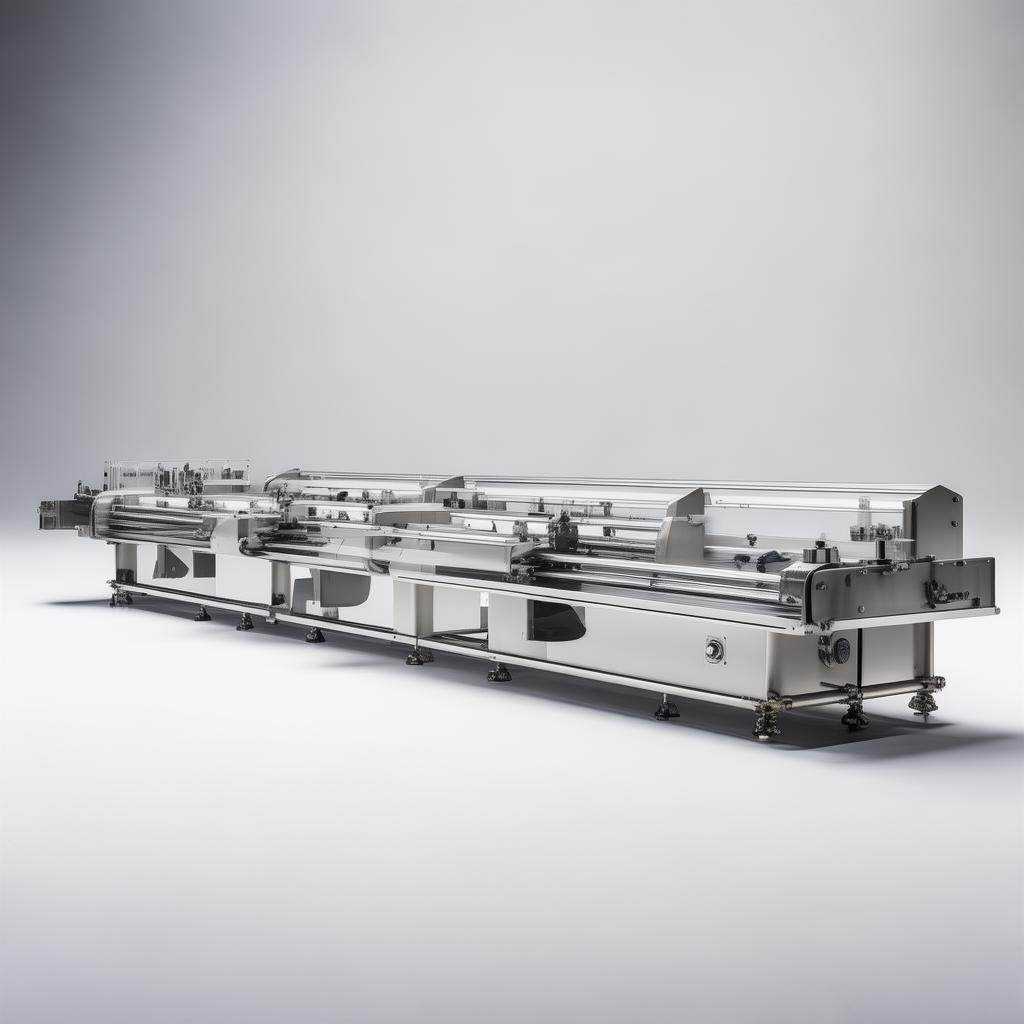
Vacuum Arc Remelting
Vacuum Arc Remelting (VAR): Precision Metal Refining for Demanding Applications
For industries where material integrity isn't just a preference but a fundamental requirement – aerospace, critical defense components, advanced medical implants, and high-performance energy sectors – the purity and homogeneity of specialty alloys are paramount. Traditional melting methods, while suitable for many applications, often fall short when dealing with highly reactive or ultra-clean materials. This is where Vacuum Arc Remelting (VAR) emerges as a superior, indispensable technology. At Hebei Yuanchang Food Mechanism & Technology Co., Ltd., while our core expertise lies in sophisticated food processing machinery, we understand the foundational importance of material science across all industrial sectors. The principles of achieving purity, consistency, and enhanced performance through precise processes are universal. This page delves into the VAR process, its critical advantages, and why discerning manufacturers rely on it for their most demanding projects.
Author:
 Dr. Evelyn Reed, Senior Metallurgical Consultant & Industrial Process Advisor. With over two decades of experience in specialty alloy production and advanced manufacturing, Dr. Reed provides critical insights into material science and process optimization.
Table of Contents
- What is Vacuum Arc Remelting (VAR)?
- Why Traditional Methods Fall Short: Critical Industry Pain Points
- The VAR Advantage: Superior Purity and Consistency
- Understanding the VAR Process: A Technical Deep Dive
- Key Applications Driving VAR Demand
- VAR vs. Other Refining Methods
- Procuring VAR Ingots: What Buyers Need to Know
- Hebei Yuanchang's Commitment to Material Excellence (Indirectly)
- Frequently Asked Questions about Vacuum Arc Remelting
- Ready to Elevate Your Material Quality?
What is Vacuum Arc Remelting (VAR)?
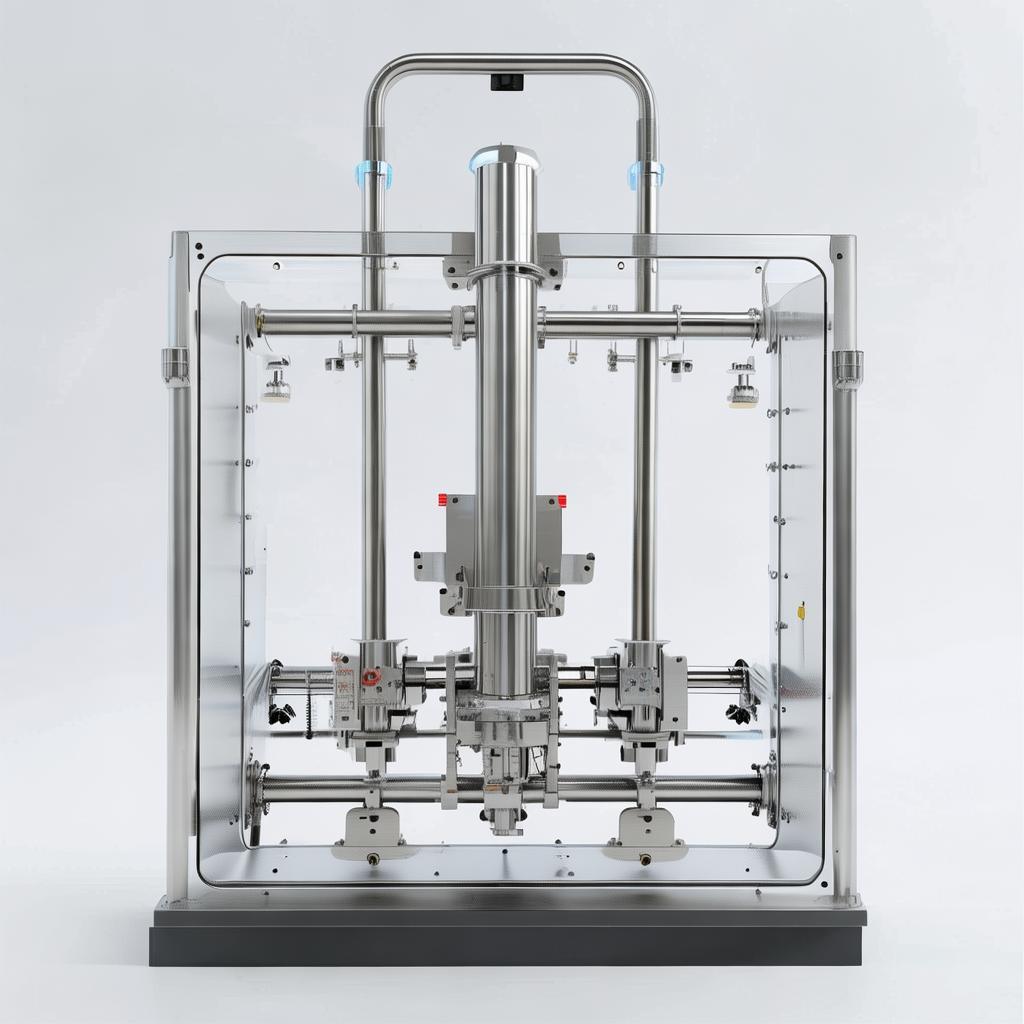
At its core, Vacuum Arc Remelting (VAR) is a secondary melting process designed to produce ultra-high-purity metals and alloys. It's not just about melting; it's about refining. The process begins with a consumable electrode, typically made from an air-melted or vacuum-induction-melted (VIM) ingot. This electrode is slowly lowered into a water-cooled crucible within a vacuum chamber. An electric arc is struck between the electrode tip and a molten pool at the base of the crucible. This arc generates intense heat, causing the electrode to melt and drip into the pool.
The critical distinction of VAR lies in the controlled atmosphere—or rather, the extreme lack thereof. Operating under a high vacuum (typically in the range of 1 to 100 microtorr), the process effectively removes volatile impurities like oxygen, nitrogen, and hydrogen from the molten metal. Furthermore, the vacuum environment prevents any re-contamination from the atmosphere during the solidification phase. As the electrode melts, dissolved gases escape into the vacuum. Simultaneously, the controlled solidification of the molten pool from the bottom up, forming a new, highly purified ingot, minimizes segregation of alloying elements and inclusions. This results in a refined product with exceptional homogeneity, reduced porosity, and significantly fewer detrimental non-metallic inclusions.
Think of it as a final, meticulous purification step. For industries where even trace amounts of contaminants can lead to catastrophic failures, VAR is not an option; it's a necessity. The global market for specialty metals, where VAR plays a crucial role, continues to grow, driven by innovation in demanding sectors. For instance, the Meat Processing Equipment Market, while seemingly disparate, highlights a universal trend: the drive for higher quality and purity in processed goods. Similarly, advancements in aerospace alloys, demanding extreme strength-to-weight ratios and corrosion resistance, necessitate VAR processing.
The ability to precisely control the melting rate, arc power, and vacuum level allows metallurgists to tailor the final ingot properties. This level of control is essential for alloys that are sensitive to processing parameters. For example, in the production of high-performance turbine components, consistent grain structure and minimal defects are vital for long-term operational reliability. VAR achieves this by ensuring that the entire ingot solidifies uniformly, preventing the formation of weak zones. The refined microstructure leads to improved mechanical properties such as tensile strength, fatigue resistance, and creep resistance, directly impacting the lifespan and performance of critical components.
For procurement professionals and engineers alike, understanding the nuances of VAR is key to selecting the right materials for their applications. It's about more than just the chemical composition; it's about the physical metallurgy that VAR delivers – a cleaner, more reliable material ready for rigorous downstream processing and demanding operational environments. The process is particularly beneficial for reactive metals like titanium and refractory metals like tungsten, where atmospheric contamination during melting would be detrimental.
The investment in VAR technology reflects a commitment to achieving the highest standards. It’s a testament to the fact that in high-stakes industries, the cost of material failure far outweighs the investment in advanced purification methods. This foundational understanding of material science, while applied differently in our food machinery business, informs our appreciation for processes that guarantee quality and reliability.
Why Traditional Methods Fall Short: Critical Industry Pain Points
Before VAR, and for many less demanding applications, air melting or even vacuum induction melting (VIM) were the standard. While VIM offers an improvement over air melting by reducing atmospheric contamination, it still has limitations, especially when dealing with alloys that contain highly reactive elements or when the absolute lowest levels of interstitial impurities are required. The primary challenges with these conventional methods, particularly for specialty alloys, often revolve around:
- Atmospheric Contamination: In air melting, oxygen and nitrogen readily react with molten metals, forming oxides and nitrides. Even in VIM, residual gases and incomplete degassing can lead to impurities being trapped in the solidified structure. These inclusions act as stress risers, significantly weakening the material and reducing its fatigue life and corrosion resistance.
- Porosity: Dissolved gases, particularly hydrogen, can become trapped during solidification, leading to porosity. This is a critical issue in applications requiring high internal integrity, such as pressure vessels or aerospace components. Hydrogen embrittlement is a well-documented failure mechanism in many metals.
- Segregation: In less controlled melting and solidification processes, alloying elements can segregate, leading to non-uniform properties across the ingot. This means some parts of the final component might be weaker or more susceptible to corrosion than others, compromising overall performance.
- Inclusion Formation: Reactive elements readily pick up impurities from refractories in the furnace lining or from the atmosphere. These non-metallic inclusions are often brittle and can initiate cracks under stress. For example, in high-temperature applications, inclusions can significantly reduce creep resistance.
Consider the demand for advanced materials in sectors like aerospace and defense. The Meat Processing Equipment Market, while focused on food, shares a common thread with advanced manufacturing: the need for highly specialized equipment that performs reliably under specific conditions. For high-performance alloys used in jet engines or critical missile components, the slightest deviation in purity can lead to mission failure or safety hazards. Traditional methods simply cannot achieve the stringent purity levels required for these applications.
The challenges extend to downstream processing. Ingots with high levels of porosity or segregation are more difficult to machine, forge, or form without defects. This can lead to increased scrap rates, higher manufacturing costs, and ultimately, a less reliable final product. The operational costs associated with dealing with inferior materials can quickly outweigh the perceived savings from using a less advanced melting process.
For procurement managers, this translates into higher risk. Sourcing materials that haven't undergone the most rigorous purification processes can introduce unforeseen variables into the supply chain. The risk of material defects, premature component failure, and reputational damage from faulty products are significant concerns that VAR helps mitigate.
The VAR Advantage: Superior Purity and Consistency
VAR isn't just an incremental improvement; it's a quantum leap in material refinement. The process is meticulously engineered to overcome the limitations of other melting techniques, delivering a final product with unparalleled quality. The key advantages include:
Unrivaled Purity
The high vacuum environment aggressively removes interstitial elements like O, N, and H. Volatile impurities are vaporized and pumped out. This results in significantly lower levels of dissolved gases and trace contaminants, crucial for applications sensitive to embrittlement or inclusion-induced failures.
Exceptional Homogeneity
Controlled solidification from the bottom up, combined with the consistent energy input from the arc, ensures uniform distribution of alloying elements. This minimizes micro-segregation, leading to consistent mechanical properties throughout the entire ingot.
Reduced Porosity and Inclusions
The vacuum's ability to draw out dissolved gases prevents porosity formation. The controlled melting and slagging action (if applicable) also helps to reject non-metallic inclusions, leading to a cleaner material microstructure.
The Meat Processing Equipment Market size and growth, projected to reach USD 19.66 billion by 2033, underscores a broad industrial trend: the constant pursuit of enhanced product quality and efficiency. VAR achieves this for metals. For instance, the aerospace industry consistently invests in VAR-processed alloys like Waspaloy or Inconel because their superior properties translate directly to safer, more reliable aircraft. The improved fatigue strength and creep resistance offered by VAR-refined materials mean components can withstand higher stresses and temperatures for longer durations.
From a procurement standpoint, relying on VAR-processed materials simplifies quality assurance. You are starting with a material that has already undergone the most rigorous purification. This reduces the likelihood of encountering issues related to material defects during subsequent manufacturing stages, leading to more predictable production schedules and reduced rework.
This focus on intrinsic material quality is a philosophy we deeply respect, even in our specialized field of meat processing machinery. A robust machine relies on precisely engineered components, and the reliability of those components begins with the quality of the raw materials they are made from. VAR provides that foundational assurance for critical metal applications.
Understanding the VAR Process: A Technical Deep Dive
The VAR process, while conceptually straightforward, involves precise engineering and control. Here's a closer look at the critical steps and parameters:
| Stage | Description | Key Considerations |
|---|---|---|
| Electrode Preparation | A consumable electrode is cast from a pre-refined ingot (e.g., VIM or air-melted). It's typically water-cooled and shaped for optimal melting. | Initial purity of the electrode is critical. Surface condition must be free from detrimental oxides or scale. |
| Vacuum Chamber | The entire melting operation occurs within a sealed chamber capable of achieving and maintaining high vacuum levels. | Vacuum levels typically range from 1 mTorr to 100 mTorr. Effective pumping systems are essential. |
| Arc Initiation | An electric arc is struck between the electrode tip and the molten metal pool (or a starter pad) using high amperage and controlled voltage. | Arc stability is paramount for consistent heat input and melting rate. |
| Melting & Refining | The arc melts the electrode tip. Molten metal drips into a water-cooled crucible (often copper), forming a molten pool. Dissolved gases are removed, and volatile impurities vaporize. | Controlled melting rate is crucial. A controlled solidification interface allows for progressive purification. |
| Solidification | The molten pool solidifies from the bottom up, forming a new, refined ingot. The water-cooled crucible ensures directional solidification. | Grain structure control and minimization of internal defects are achieved through controlled cooling and arc power. |
| Post-Processing | The solidified VAR ingot is removed from the crucible and prepared for subsequent operations (e.g., forging, machining). | Inspection for surface defects, internal soundness (e.g., using NDT methods), and chemical analysis are standard. |
The operational expertise required for VAR is significant. Managing the vacuum levels, controlling the arc current and voltage precisely, and ensuring efficient heat extraction through the water-cooled crucible all demand skilled technicians and robust control systems. This is why sourcing VAR ingots from experienced manufacturers is so critical. The meat processing equipment market, with its emphasis on precision, hygiene, and efficiency, mirrors the industrial dedication to process control that VAR embodies.
For engineers specifying materials, understanding these process parameters helps in appreciating the quality achieved. For example, the rate of solidification directly influences grain size and the potential for segregation. A slower solidification rate, often employed for specific alloys, can lead to a coarser grain structure but might offer better homogenization. Conversely, faster rates can refine grain structure but must be carefully managed to avoid trapping impurities.
The physical size of VAR furnaces can vary considerably, from small laboratory units to large industrial systems capable of producing ingots weighing many tons. The choice of equipment depends on the alloy type, production volume, and the customer's specific requirements for ingot dimensions and properties.
Key Applications Driving VAR Demand
The unique benefits of VAR processing make it indispensable for a range of high-stakes industries where material failure is not an option. The stringent requirements of these sectors drive the demand for VAR-refined metals and alloys:
Aerospace and Defense
Critical components like turbine blades, landing gear parts, and structural airframe elements demand alloys with exceptional strength-to-weight ratios, fatigue resistance, and high-temperature performance. VAR ensures the purity and homogeneity required for these demanding applications.
Medical Implants and Devices
Biocompatible materials such as titanium alloys and certain stainless steels used in hip replacements, pacemakers, and surgical instruments must be extremely pure to prevent adverse biological reactions. VAR provides the necessary cleanliness and homogeneity for these life-critical devices.
Energy Sector
Components for gas turbines, nuclear reactors, and downhole drilling equipment require alloys resistant to extreme temperatures, pressures, and corrosive environments. VAR processing enhances the reliability and lifespan of these critical parts.
Tooling and High-Performance Components
High-speed steel (HSS) and other tool steels used for cutting tools, dies, and molds benefit from VAR processing. The increased hardness, wear resistance, and toughness contribute to longer tool life and improved machining efficiency.
The global demand for specialized materials continues to expand. Looking at market reports, like the one from IMARC Group on the meat processing equipment market, it's clear that efficiency, reliability, and high standards are paramount across all industries. While the end products differ vastly, the underlying principle of achieving superior results through advanced manufacturing processes remains consistent. VAR aligns perfectly with this principle for metal components.
For engineers and procurement teams, specifying VAR materials often means reduced risk and enhanced performance validation. It's a known quantity for delivering the utmost quality. This confidence is essential when dealing with applications where failure has severe consequences, such as in manned aircraft or critical medical implants.
The specific choice of alloy processed via VAR depends on the application's unique demands. For example, a nuclear component might prioritize low neutron absorption cross-section and high creep resistance, while a surgical instrument might focus on biocompatibility, corrosion resistance, and hardenability. VAR can refine a wide array of alloys to meet these diverse needs.
VAR vs. Other Refining Methods
To fully appreciate the value of VAR, it's helpful to compare it against other common secondary melting processes. Each method has its place, but VAR stands out for its ability to achieve the highest levels of purity and homogeneity.
| Method | Primary Advantage | Key Limitations | Typical Applications |
|---|---|---|---|
| Air Melting | Cost-effective, high throughput. | Significant atmospheric contamination (O, N, H); inclusions; porosity; segregation. Limited for reactive metals. | General engineering steels, lower-grade alloys. |
| Vacuum Induction Melting (VIM) | Removes dissolved gases and some volatile impurities; good control over alloying additions. | Still susceptible to contamination from refractories; limited ability to remove non-volatile impurities or complex oxides; can have some segregation. | Superalloys, specialty steels, titanium alloys requiring good purity. |
| Electron Beam Melting (EBM) | Extremely high vacuum; very effective for reactive and refractory metals; good impurity removal. | Limited ingot size; high energy consumption; potential for some alloying element loss due to high volatility. | High-purity titanium, zirconium, tantalum, tungsten; specialized applications. |
| Vacuum Arc Remelting (VAR) | Highest purity, excellent homogeneity, minimal porosity and inclusions. Superior for demanding applications. | More expensive than air melting; initial electrode must be pre-refined; not ideal for very rapid solidification of complex alloys without careful control. | Aerospace alloys, critical medical implants, high-performance steels, refractory metals. |
The pursuit of higher quality in any industry, whether it's processing meat or refining metals, highlights a common engineering principle: starting with the best raw materials and processes yields the best results. The processed meat market growth is fueled by demand for consistent, high-quality products, much like the demand for VAR-processed alloys is driven by the need for predictable, high-performance materials.
While VAR is often more costly per kilogram than air-melted materials, the total cost of ownership for components made from VAR ingots can be significantly lower. This is due to reduced scrap rates, longer component lifespans, improved operational reliability, and fewer field failures. For critical applications, the initial investment in VAR materials offers substantial risk reduction and performance assurance.
The choice between VIM and VAR often comes down to the specific alloy and the required level of purity. For many high-end applications, VAR is the essential next step after VIM to achieve the ultimate in material integrity.
Procuring VAR Ingots: What Buyers Need to Know
When specifying VAR processed materials, it's crucial to partner with a reliable supplier who understands the intricacies of the process and the demands of your application. Here are key considerations for evaluating potential suppliers:
- Experience and Track Record: Look for suppliers with a proven history of producing VAR ingots for your specific industry (e.g., aerospace, medical). Ask for references and case studies. A supplier's experience with similar alloys and applications is invaluable.
- Certifications and Quality Control: Verify that the supplier holds relevant certifications (e.g., ISO 9001, AS9100 for aerospace). Understand their quality control procedures, including material testing (chemical analysis, mechanical testing, non-destructive testing) and traceability protocols.
- Technical Expertise: Does the supplier have metallurgists or engineers on staff who can discuss material specifications, processing parameters, and potential challenges? A collaborative approach is key for complex requirements.
- Equipment Capabilities: Inquire about the type and capacity of their VAR furnaces. Can they produce the ingot sizes and weights you require? What are their typical vacuum levels and melting rates? This impacts achievable purity.
- Lead Times and Reliability: Understand their production lead times and track record for on-time delivery. For critical projects, supply chain reliability is paramount.
- Pricing Structure: While cost is a factor, it should be evaluated against quality and reliability. Understand what is included in the price (e.g., testing, certifications, documentation).
The global market for specialty metals is dynamic. Reports such as those detailing the Meat Processing Equipment Market (projected to reach USD 15.44 billion by 2035) often highlight the importance of specialized suppliers who can meet precise technical requirements. In the metal industry, this translates to sourcing from VAR specialists who understand the nuanced demands of high-performance alloys.
Don't hesitate to request material test reports (MTRs) for previous batches of the alloy you are interested in. These reports provide crucial data on chemical composition, mechanical properties, and non-destructive testing results, offering concrete evidence of the material's quality.
For buyers, clear communication of specifications is vital. Ensure your purchase orders explicitly state VAR processing and include all required certifications, material standards (e.g., ASTM, AMS), and testing requirements.
Hebei Yuanchang's Commitment to Material Excellence (Indirectly)
While Hebei Yuanchang Food Mechanism & Technology Co., Ltd. specializes in state-of-the-art meat processing equipment, our operational philosophy is deeply rooted in the same principles that drive advanced material refinement techniques like VAR. Our 40 years of experience since 1986 have taught us that the reliability and performance of any complex machinery hinge entirely on the quality of its constituent parts.
We understand that the pursuit of purity, precision, and consistency is not limited to any single industry. Just as VAR removes critical impurities from metals to ensure the integrity of aerospace components or medical implants, our advanced manufacturing processes ensure the hygiene, durability, and operational efficiency of our food processing machinery. Our in-house machining workshop, equipped with over 20 sets of processing machinery including Japanese Mazak CNC machining centers introduced in 2012, allows us to produce high-standard, high-precision components for complete production lines.
This dedication to precision in manufacturing, coupled with our traceable after-sales management system, reflects an unwavering commitment to delivering products that meet the highest standards – a commitment we recognize and respect in the field of VAR processing. For industries that rely on VAR, this means starting with a material foundation of absolute integrity. For our clients, it means receiving machinery engineered for optimal performance and longevity.
We comprehend the critical nature of material selection and the impact it has on final product performance. Whether it's the purity of an alloy for a jet engine or the precise tolerances of a component in a sausage-making machine, the underlying principle of achieving excellence through rigorous process control and material integrity remains constant.
Our Commitment to Precision Manufacturing:
- Extensive Machining Capabilities: Over 20 sets of advanced processing machinery.
- High-Precision CNC: Japanese Mazak CNC machining centers for complex components.
- Quality Assurance: Traceable after-sales management system for component reliability.
- 40 Years of Expertise: Deep knowledge in R&D, production, and sales of industrial mechanisms.
We understand that for specialized metal applications, VAR is the benchmark. We apply a similar benchmark of excellence to our own manufacturing processes to ensure every piece of equipment we deliver performs flawlessly.
Frequently Asked Questions about Vacuum Arc Remelting
VAR offers superior purification, particularly in reducing volatile and interstitial elements like oxygen, nitrogen, and hydrogen to even lower levels than VIM. It also provides better homogeneity and reduced porosity due to its controlled solidification process.
VAR is most beneficial for specialty alloys, reactive metals (like titanium), and high-performance steels where extreme purity and homogeneity are critical. It's less commonly used for commodity metals due to cost considerations.
The controlled solidification in VAR typically results in a more refined and homogeneous grain structure. This typically leads to improved mechanical properties, such as higher strength and better fatigue resistance.
Lead times can vary significantly based on the alloy, ingot size, and supplier's production schedule. For specialized VAR alloys, lead times can range from several weeks to a few months. It's essential to consult directly with suppliers for accurate estimates.
Generally, yes. VAR involves more complex equipment, higher energy consumption, and a more controlled process. However, this higher initial cost is often offset by superior material performance, reduced downstream processing issues, and fewer field failures in critical applications.
What Our Partners Say

"We switched to VAR-processed Inconel 718 for our critical turbine components after experiencing inconsistent performance with VIM. The improvement in fatigue life and reduction in rejection rates on the shop floor has been substantial. Their team was instrumental in guiding us through the material selection."
- Mark Johnson, Lead Engineer, Aerospace Solutions Inc.
"For our medical implant division, material purity is non-negotiable. The VAR titanium alloys supplied meet our stringent biocompatibility and mechanical property requirements flawlessly. The traceability and documentation provided are top-notch, which is essential for regulatory compliance."
- Dr. Anya Sharma, Senior Procurement Manager, BioMed Devices Global
"We've been sourcing VAR tool steels for our high-performance cutting tools for years. The consistency in hardness and wear resistance is unmatched, leading to significantly longer tool life for our customers. The supplier's technical support is always responsive and helpful."
- Kenji Tanaka, Head of Manufacturing, Precision Tooling Corp.Elevate Your Material Performance with VAR Precision
Don't compromise on material integrity. If your application demands the highest purity, homogeneity, and reliability, Vacuum Arc Remelting is the proven solution. Partner with experts who understand the critical nature of your components.
Verification of Expertise and Partnership

how does vacuum arc remelting work vacuum arc melting vacuum arc furnace
Discussion on material specifications for high-temp alloys.

Technical query regarding VAR process parameters and their impact.

Inquiry about OEM/ODM capabilities for custom alloy development.