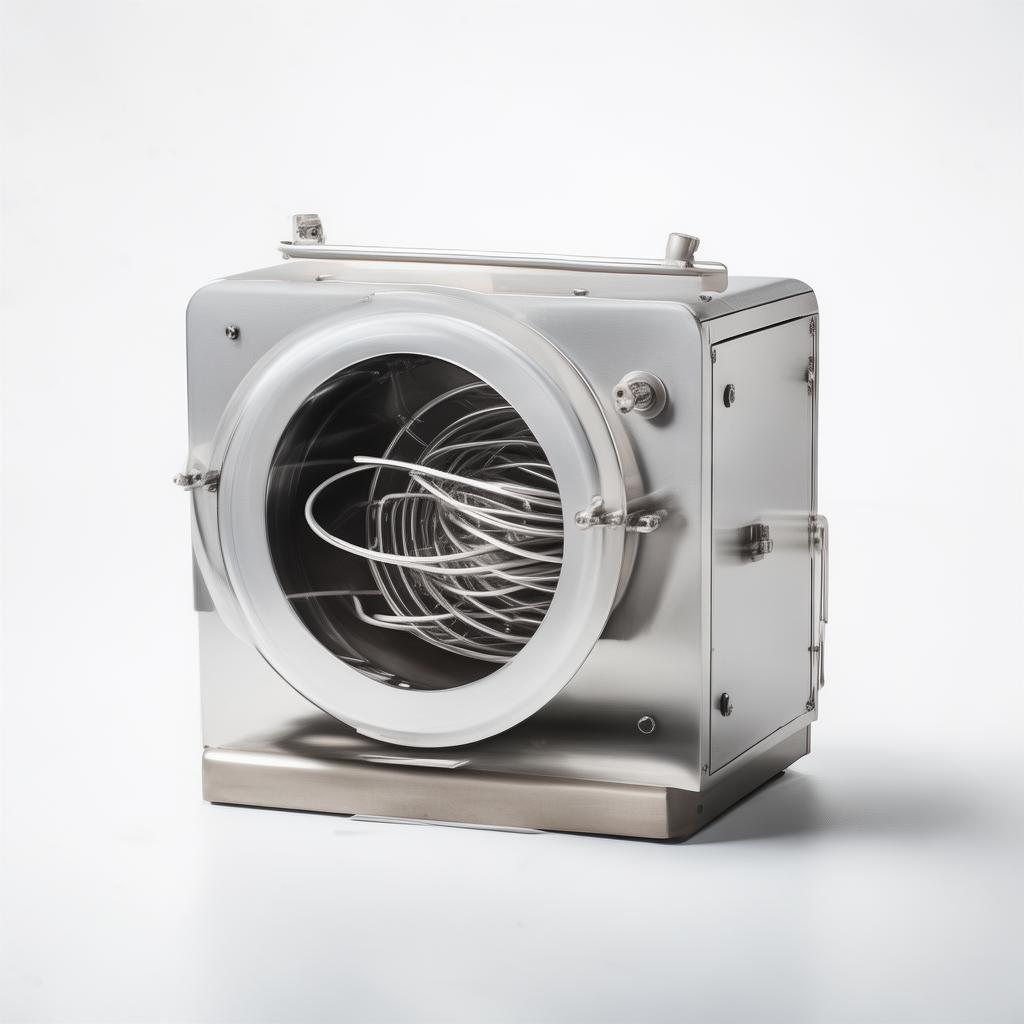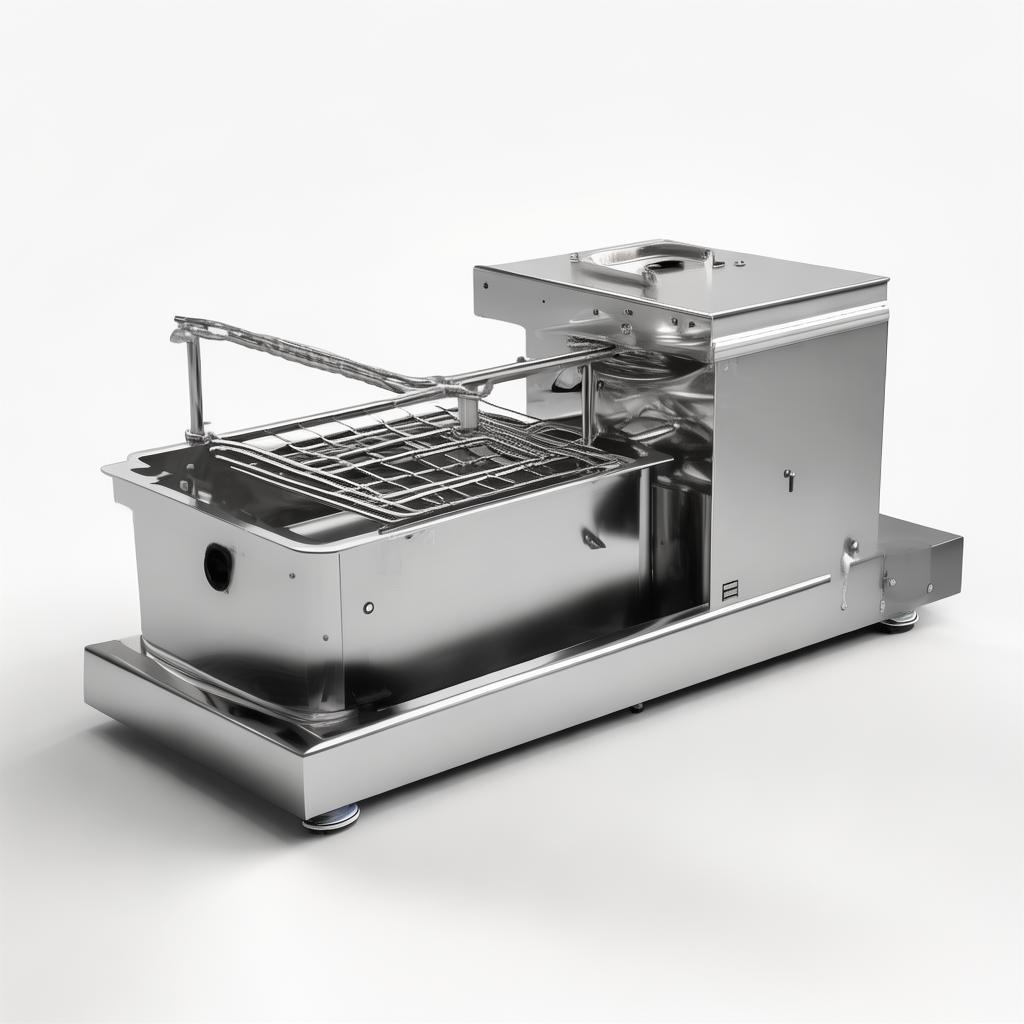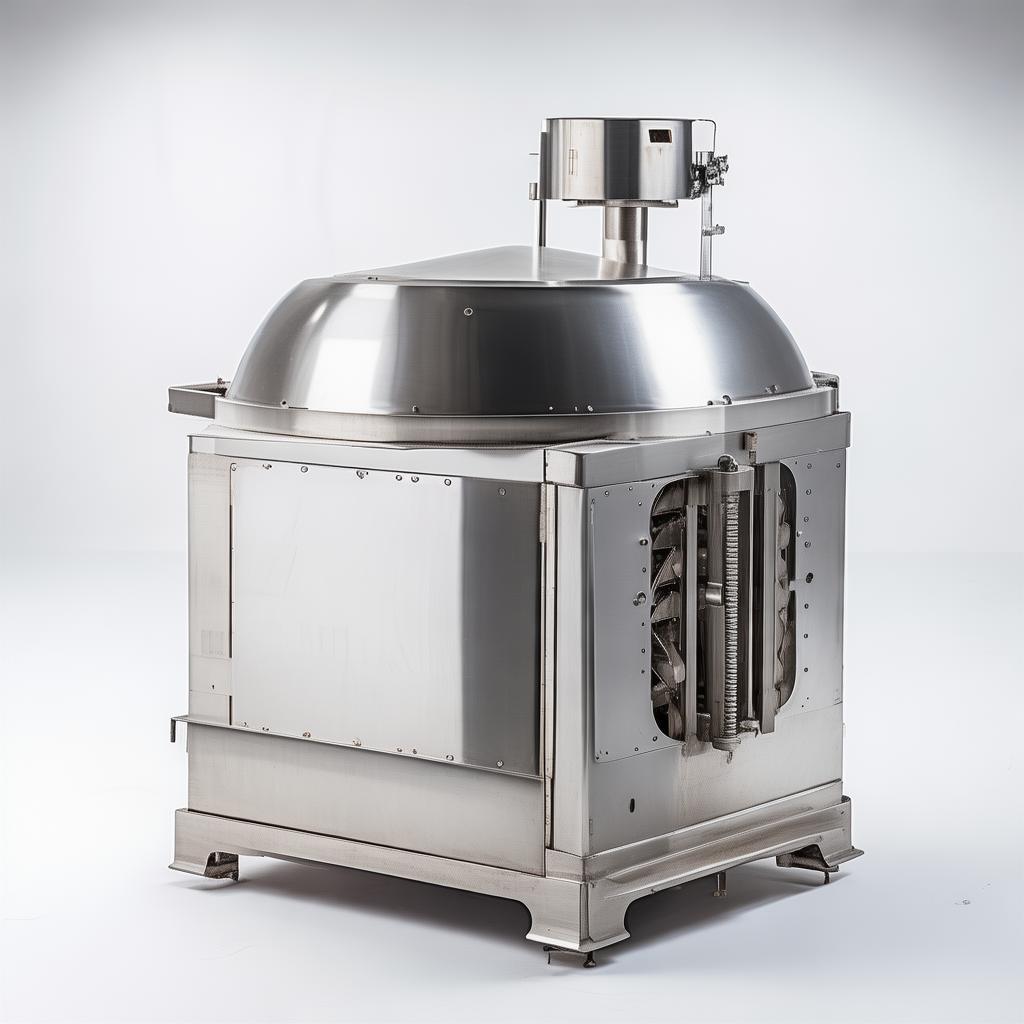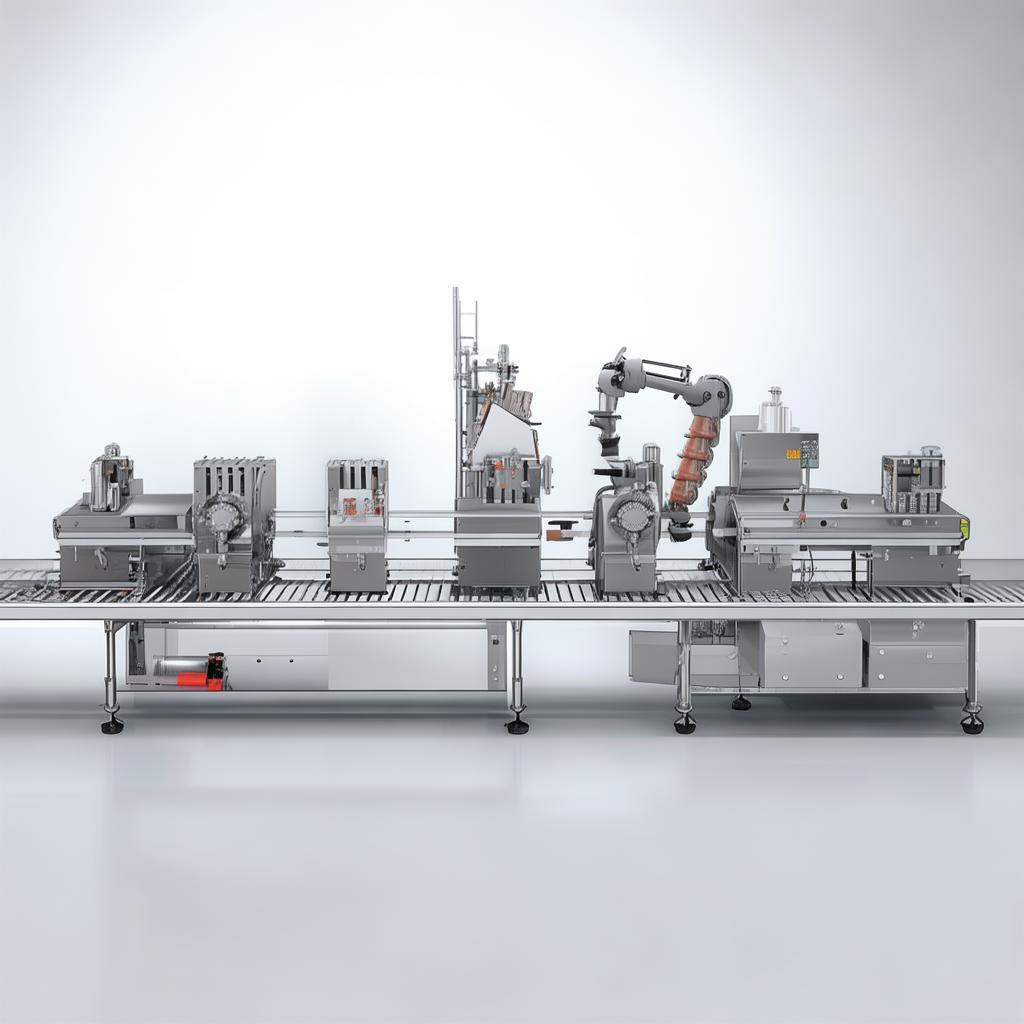
Vacuum Metallizer
Precision Vacuum Metallizers: Elevating Your Product Finish with Advanced Deposition Technology
Achieve superior decorative and functional coatings for a wide array of industrial applications. Discover the engineering excellence behind Hebei Yuanchang's leading vacuum metallization solutions.
 By [Author Name], Export Director, Hebei Yuanchang
[Date of Publication]
By [Author Name], Export Director, Hebei Yuanchang
[Date of Publication]
Understanding Vacuum Metallizers: Precision for Premium Finishes
In today's competitive manufacturing landscape, the visual appeal and functional performance of a product can be as critical as its core engineering. For businesses aiming to deliver sophisticated finishes that capture attention and meet stringent performance criteria, vacuum metallization stands out as a premier coating technology. A vacuum metallizer is a specialized piece of industrial equipment designed to deposit a thin, uniform layer of metal—typically aluminum, but often other metals like copper, gold, or stainless steel—onto a substrate's surface under high vacuum conditions. This process isn't just about aesthetics; it's a sophisticated method that imbues materials with enhanced properties like reflectivity, conductivity, barrier protection, and durability.
The global demand for advanced coatings that can improve product lifespan, enhance consumer appeal, and meet specific technical requirements continues to grow. With the processed meat equipment market alone projected to reach substantial figures—with some reports estimating it to hit USD 1.33 trillion by 2035—the need for precision in manufacturing all related components, including sophisticated surface treatment systems, becomes paramount. While our core expertise at Hebei Yuanchang lies in meat processing machinery, we understand the interconnectedness of high-quality manufacturing. Precision equipment, even in seemingly unrelated fields like vacuum metallization, reflects a commitment to engineering excellence that resonates across all industrial sectors. This technology, while specialized, is integral to industries ranging from automotive and electronics to packaging and consumer goods, where a flawless metallic sheen or a protective conductive layer is non-negotiable.
The core principle of vacuum metallization involves creating an environment devoid of air and other contaminants, allowing a source of metal to be vaporized and then condense evenly onto the target object. This vapor deposition process is highly controlled, enabling the creation of extremely thin, yet dense, metallic films. The thickness is often measured in nanometers, yet the impact on the substrate's properties can be significant. Unlike traditional wet coating methods, vacuum metallization offers superior adhesion, remarkable uniformity, and avoids the use of solvents, making it an environmentally friendlier option. The precision of this technique is what truly sets it apart, allowing manufacturers to achieve consistent results batch after batch, a critical factor for high-volume production lines and premium product lines alike.
Understanding the nuances of vacuum metallization is crucial for procurement managers, engineers, and product developers who are tasked with sourcing or integrating this technology. It requires careful consideration of substrate compatibility, desired coating properties, production throughput, and the overall return on investment. The choice of equipment manufacturer, therefore, becomes a pivotal decision. Factors such as system reliability, ease of operation, maintenance requirements, and the supplier's technical support are all vital components in ensuring successful implementation and sustained operational efficiency. At Hebei Yuanchang, we bring our 40 years of experience in precision manufacturing to bear, ensuring that any technology we engage with, or discuss, is understood through the lens of robust engineering and long-term value.
vacuum vacuum lifter sheet metal metal chip vacuum industrial vacuum products
This comprehensive guide delves into the functionality, benefits, and critical considerations surrounding vacuum metallizers. Whether you're looking to achieve a mirror-like chrome finish on automotive parts, a protective barrier on flexible packaging, or a conductive layer for electronic components, understanding the capabilities of this advanced technology is the first step. We'll explore how these systems operate, the diverse applications they serve, and what to look for when selecting a reliable supplier capable of meeting your specific industrial demands. The aim is to equip you with the knowledge needed to make informed decisions, leading to enhanced product quality and greater market competitiveness.
Addressing Industry Challenges in Coating and Finishing
Manufacturers often grapple with a myriad of challenges when it comes to achieving high-quality, durable, and aesthetically pleasing finishes on their products. Traditional coating methods can fall short in several key areas, leading to production bottlenecks, increased waste, and ultimately, compromised product integrity.
- Inconsistent Finish Quality: Achieving a uniform, defect-free metallic sheen across complex shapes or large batches can be incredibly difficult with wet coating processes, leading to variations in gloss, color, and adhesion.
- Environmental Concerns & VOCs: Many liquid coating solutions rely on volatile organic compounds (VOCs) that pose environmental risks and require extensive ventilation and safety protocols, increasing operational costs and regulatory burdens.
- Limited Material Compatibility: Certain substrates are sensitive to the chemicals or heat involved in conventional coating, limiting design options and material choices.
- Durability & Adhesion Issues: Coatings can be prone to chipping, scratching, or peeling, especially in demanding applications, leading to premature product failure and customer dissatisfaction.
- High Rejection Rates: Inconsistent application and inherent process variability can lead to higher rejection rates, impacting production efficiency and profitability.
- Long Drying/Curing Times: Wet coatings often require significant time to dry or cure, slowing down the production line and increasing work-in-progress inventory.
The global meat processing equipment market's robust growth, with projections reaching upwards of USD 19.66 billion by 2033, highlights a broader trend: industrial sectors are investing in automation and advanced machinery to boost efficiency and quality. This same drive for improvement necessitates superior finishing technologies for the products these machines help create. Vacuum metallization directly addresses these pain points by offering a clean, precise, and highly controllable method for applying metallic coatings.
It provides a solution that inherently delivers uniformity, exceptional adhesion, and excellent durability, all while minimizing environmental impact. The process is dry, meaning there are no VOCs, and the substrates can be handled immediately after the process cycle is complete, significantly reducing lead times and improving operational throughput.
The Science Behind High-Quality Metallization: From Vacuum to Vapor
At its core, vacuum metallization is a thin-film deposition process executed within a controlled, high-vacuum environment. This process can be broadly categorized into two main types: thermal evaporation and sputtering. While both achieve metal deposition, they employ slightly different mechanisms.
Thermal Evaporation (Most Common for Decorative Finishes)
1. Loading & Sealing: Substrates (e.g., plastic parts, films, glass) are loaded onto rotating fixtures inside a vacuum chamber. The chamber is then sealed and evacuated to very low pressures—typically in the range of 10-4 to 10-5 mbar. This high vacuum is critical to prevent oxidation of the metal and ensure the vapor travels unimpeded to the substrate.
2. Evaporation: A thin filament or boat made of a high-melting-point material (like tungsten) is loaded with the desired metal, commonly aluminum. A high electrical current is passed through the filament or boat, heating it to a temperature where the metal vaporizes.
3. Deposition: The metal vapor rises and uniformly condenses onto the surfaces of the rotating substrates. The rotation ensures even coating thickness, even on intricate geometries. The process is carefully monitored for deposition rate and total film thickness.
4. Cooling & Unloading: Once the desired film thickness is achieved, the current is shut off, the metal source cools, and the vacuum chamber is backfilled with inert gas. The parts can then be safely unloaded. The entire cycle can take anywhere from a few minutes to over an hour, depending on the chamber size, load, and film thickness required.
Sputtering (For Functional & Durable Coatings)
Sputtering uses a plasma discharge to physically dislodge atoms from a target material, which then deposit onto the substrate. This method typically offers better adhesion and the ability to deposit a wider range of materials, including alloys and ceramics, making it suitable for more demanding functional applications.
The choice between thermal evaporation and sputtering depends heavily on the application. For decorative finishes where high reflectivity and visual appeal are paramount, thermal evaporation (often using aluminum) is the industry standard. For applications requiring enhanced hardness, conductivity, or barrier properties, sputtering might be the preferred method. Industrial vacuum metallizers are engineered for precision, repeatability, and high throughput, often featuring advanced control systems to manage parameters like vacuum level, temperature, gas flow, and deposition rate.
Consider the challenges in preparing meat products for market. The global market for processed meat is vast, and maintaining hygiene and product integrity from processing to packaging is critical. Similarly, the meat processing equipment market analysis consistently points to advancements in automation and precision as key growth drivers. Vacuum metallization, in its own domain, represents a similar leap in precision and control for surface finishing, ensuring that every part treated meets the highest standards, mirroring the quality expected in food production.
Key Advantages of Vacuum Metallization for Your Business
Implementing vacuum metallization technology can bring about significant improvements in product quality, manufacturing efficiency, and overall market competitiveness. The benefits extend beyond just a shiny exterior, impacting performance and cost-effectiveness.
| Benefit | Description |
|---|---|
| Superior Aesthetics | Achieve highly reflective, mirror-like finishes with excellent uniformity, enhancing the perceived value and appeal of your products. |
| Enhanced Durability | The thin metallic layer provides improved resistance to abrasion, corrosion, and UV degradation, extending product lifespan. |
| Excellent Adhesion | The vacuum process promotes strong bonding between the metal layer and the substrate, reducing the likelihood of delamination or peeling. |
| Environmental Compliance | This is a dry process with no VOCs or hazardous waste, making it a sustainable and compliant coating solution. |
| High Throughput & Efficiency | Short cycle times and immediate handling of coated parts translate to faster production cycles and reduced work-in-progress. |
| Substrate Versatility | Can be applied to a wide range of materials including plastics, glass, ceramics, metals, and flexible films. |
| Functional Properties | Beyond aesthetics, coatings can provide electrical conductivity, EMI shielding, improved thermal transfer, and barrier properties. |
Considering the rapid growth of the processed meat market, which some analysts predict will reach over USD 1.25 trillion by 2034, the demand for high-quality packaging and product finishes that ensure safety and appeal is immense. Vacuum metallization plays a critical role in creating these premium finishes. For instance, metallized films offer excellent barrier properties against oxygen and moisture, crucial for extending the shelf-life of packaged foods. This is analogous to how sophisticated equipment, like the advanced meat processing machines developed by Hebei Yuanchang, ensures efficiency and product integrity in their respective domains.
Versatile Applications Across Industries
The capabilities of vacuum metallizers are not confined to a single sector. Their ability to provide both aesthetic enhancement and functional properties makes them indispensable across a wide spectrum of manufacturing industries.
Automotive Industry
Interior and exterior trim parts, emblems, headlight reflectors, and decorative elements benefit from the high reflectivity and durability of vacuum-metallized coatings, offering a premium look without the cost of solid metal components.
Consumer Electronics & Appliances
Housings for smartphones, laptops, televisions, and kitchen appliances often feature metallized finishes for aesthetic appeal. Conductive coatings are also used for EMI/RFI shielding and for creating traces on flexible circuits.
Packaging Solutions
Metallized PET, BOPP, and other films are widely used for food packaging, cosmetics, and pharmaceuticals to enhance visual appeal and provide excellent barrier properties against light, oxygen, and moisture, thereby extending product shelf life. Reports on the meat processing equipment market consistently highlight the demand for better packaging, and metallized films are a key enabler.
Cosmetics & Personal Care
Lipstick tubes, perfume caps, compact cases, and other cosmetic packaging rely heavily on vacuum metallization to achieve luxurious, high-end finishes that attract consumers.
Home Decor & Lighting
Lampshades, decorative ornaments, appliance fronts, and furniture components can be enhanced with metallic coatings for a sophisticated look and improved light reflectivity.
Industrial & Technical Applications
This includes specialized applications like coating for solar cells, electroplating alternatives, decorative coatings on ceramics, and functional coatings for optical components.
The consistent quality and performance offered by vacuum metallizers are vital in these diverse fields. Just as advancements in meat processing equipment focus on improving yield, safety, and consistency, vacuum metallizers ensure that the aesthetic and functional properties of coated products are consistently high, batch after batch.
Technical Specifications & Customization: Tailored Solutions
Selecting the right vacuum metallizer hinges on understanding its technical capabilities and the potential for customization to match specific production needs. At Hebei Yuanchang, we appreciate that standard solutions don't always fit. Our focus on precision manufacturing, honed over 40 years, emphasizes the importance of tailoring equipment to exact requirements.
Our vacuum metallizers are engineered with robust features designed for reliability and performance. Key specifications typically include:
| Specification | Details |
|---|---|
| Chamber Size & Configuration | Available in various diameters and heights (e.g., 900mm, 1200mm, 1500mm) with options for single or multiple doors, and horizontal or vertical configurations to suit different part sizes and production volumes. |
| Vacuum System | High-performance rotary vane pumps and diffusion pumps, or optional turbo-molecular pumps for ultra-high vacuum (UHV) applications, ensuring rapid pump-down times and stable low pressures. |
| Evaporation Source | High-purity tungsten filament evaporation boat or coil system for consistent aluminum deposition. Options for electron beam evaporation for other metals. |
| Rotation & Fixturing | Variable speed planetary rotation systems for uniform coating. Customizable fixtures to accommodate complex part geometries and maximize loading density. |
| Process Control | PLC-based control systems with touch-screen interface for precise management of vacuum, temperature, filament current, rotation speed, and deposition cycles. Data logging capabilities available. |
| Cooling & Utilities | Integrated cooling water systems and electrical supply. Ensure site readiness for power and water connections. |
Customization is Key At Hebei Yuanchang, we understand that no two manufacturing operations are identical. Our experienced engineering team works closely with clients to define bespoke solutions. This includes modifying chamber dimensions, optimizing vacuum and pumping systems for specific materials, designing specialized fixturing for intricate parts, and integrating advanced process control features. Whether you need to coat large automotive components or high-volume small parts, we can tailor a metallizer to your exact throughput and quality requirements.
The precision in manufacturing demanded by the meat processing equipment market—where hygiene, tolerances, and material integrity are paramount—mirrors the precision we apply to our vacuum metallizer designs. Our 40 years of experience equipping factories with reliable machinery, including our own advanced CNC machining capabilities, allows us to engineer systems that are not only functional but also built for longevity and ease of maintenance.
Procurement Guidance: Selecting Your Vacuum Metallization Partner
Sourcing industrial equipment like a vacuum metallizer is a significant investment. Making the right choice requires diligence. Beyond just price, consider the long-term operational costs, reliability, and the supplier's commitment to your success.
Key Considerations for Buyers:
- Manufacturer Reputation & Experience: Look for established manufacturers with a proven track record in vacuum coating equipment. Hebei Yuanchang's 40 years of experience in precision machinery manufacturing underscores our commitment to quality and operational excellence.
- Technical Expertise & Customization: Can they offer tailored solutions? A supplier who understands your specific application and can modify designs is invaluable.
- After-Sales Support & Service: What kind of support is offered post-installation? Availability of spare parts, technical assistance, and training programs are critical for minimizing downtime.
- Equipment Reliability & Maintenance: Inquire about Mean Time Between Failures (MTBF) and routine maintenance requirements. Robust construction and accessible components reduce long-term operating costs.
- Installation & Training: Will the supplier assist with installation and provide comprehensive operator training? Proper training ensures optimal equipment performance and safety.
- Certifications & Compliance: Ensure the equipment meets relevant industry standards and safety regulations for your target markets (e.g., CE marking for Europe).
When evaluating suppliers, remember that the total cost of ownership includes not just the initial purchase price, but also energy consumption, maintenance, consumables, and potential downtime. A slightly higher upfront investment in a reliable, well-supported machine can yield significant savings over its lifespan.
The operational efficiency and procurement considerations for vacuum metallizers are akin to those in the machinery sector. For example, the meat processing equipment market thrives on machinery that is not only efficient but also easy to clean, maintain, and upgrade. Similarly, for vacuum metallizers, ease of operation, maintenance accessibility, and vendor support are paramount. We leverage our decades of experience in building robust machinery to ensure our offerings, and those we partner with, meet these rigorous standards.
Hebei Yuanchang: Our Manufacturing Prowess
With a rich history dating back to 1986, Hebei Yuanchang Food Mechanism & Technology Co., Ltd. has established itself as a leader in precision manufacturing, particularly within the food processing industry. Our commitment to engineering excellence, quality control, and customer satisfaction is the bedrock of our operation, spanning over 14,000 square meters and powered by a dedicated team of 80-100 professionals. While our primary focus is on meat and pet food processing equipment, our foundational capabilities in advanced machining and integrated production are directly transferable to the fabrication of high-precision industrial machinery like vacuum metallizers.

Our state-of-the-art machining workshop.
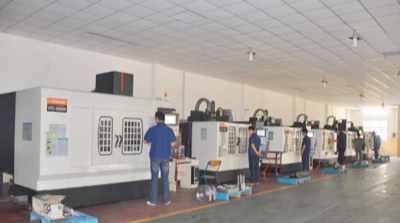
Advanced Japanese CNC machining centers.
Our in-house machining capabilities are extensive, featuring over 20 sets of advanced processing machinery including lathes, milling machines, high-precision grinding machines, boring machines, plate shears, bending machines, and wire cutting equipment. A significant upgrade occurred in 2012 with the integration of 8 sets of Japanese Mazak CNC machining centers. This investment allows us to undertake the production of high-standard components that demand large volumes, extreme precision, and non-standard specifications—qualities essential for building sophisticated equipment like vacuum metallizers.
We operate a vertically integrated production model, controlling the entire process from R&D and design to manufacturing, assembly, and sales. Coupled with our traceable after-sales management system, this independence ensures that we can independently produce high-precision parts, guaranteeing worry-free after-sales service and support. This dedication to self-sufficiency and quality control is what enables us to deliver reliable, high-performance industrial solutions.
While our primary product lines focus on meat processing, the engineering discipline, material knowledge, and precision manufacturing standards we uphold are universally applicable. We are equipped and experienced in building complex systems where precision, reliability, and performance are non-negotiable, making us an ideal partner for high-quality vacuum metallizer manufacturing or customization.
Frequently Asked Questions (FAQs)
1. What substrates can be vacuum metallized?
A wide variety of materials can be successfully metallized, including most plastics (ABS, PS, PP, PET, PC), glass, ceramics, and some metals. The surface must be able to withstand the vacuum conditions and the temperature of the process, and should be clean and free from contaminants.
2. What metals are commonly used for vacuum metallization?
Aluminum is by far the most common metal used for decorative vacuum metallization due to its high reflectivity, low cost, and ease of evaporation. Other metals like copper, gold, silver, chrome, and stainless steel can also be deposited, often using sputtering techniques for better adhesion and durability.
3. How thick is a typical vacuum-deposited metal layer?
The thickness of vacuum-deposited metal layers is extremely thin, typically ranging from 80 to 120 nanometers (0.08 to 0.12 microns) for decorative applications. Functional coatings can range from a few nanometers to several microns, depending on the required properties.
4. What is the typical cycle time for a vacuum metallizer?
Cycle times vary depending on the metallizer size, pumping speed, and the number of parts being coated. A typical cycle for a standard-sized machine with a moderate load might range from 15 minutes to 1 hour. This includes pump-down, deposition, and venting.
5. Does vacuum metallization require a primer or topcoat?
Often, a primer coat is applied to the substrate before metallization to improve adhesion and surface uniformity. A clear topcoat is almost always applied after metallization to protect the delicate metal layer from abrasion, chemicals, and UV light, enhancing durability and maintaining the finish.
6. How does vacuum metallization compare to chrome plating?
Vacuum metallization offers a comparable aesthetic to chrome plating but is generally more environmentally friendly (no hexavalent chromium), requires lower temperatures, and can be applied to a broader range of plastics that cannot withstand the electrochemical processes of chrome plating. However, true electroplated chrome can sometimes offer superior hardness and chemical resistance for extreme applications.
What Our Partners Say

Customer Inquiry

Technical Discussion

Order Confirmation
Client Testimonials

"The precision of the metallization we achieve with these systems is outstanding. It has significantly elevated the finish on our premium product line, leading to better market reception and fewer customer complaints about imperfections."
Sarah Chen, Purchasing Manager, AutoParts Innovators
"We needed a reliable coating for our flexible packaging that offered both visual appeal and a strong barrier. The vacuum metallization process has delivered precisely that, extending our product shelf life and giving us a competitive edge."
David Lee, Operations Director, Global Packaging Solutions
"The technical support provided by Hebei Yuanchang during the selection and setup phase was exceptional. Their understanding of precision manufacturing gave us confidence in their ability to deliver robust, high-performance equipment."
Mark Jenkins, Senior Engineer, TechGadgets Inc.
"We were looking for a more sustainable coating solution. Vacuum metallization has eliminated our VOC concerns and significantly reduced our waste, aligning perfectly with our corporate sustainability goals."
Emily Carter, Supply Chain Manager, EcoLiving ProductsElevate Your Product's Finish with Advanced Vacuum Metallization
Discover how our precision-engineered vacuum metallizers can enhance the aesthetics, functionality, and market appeal of your products. Leverage our 40 years of manufacturing expertise to secure a competitive advantage.
Contact Us Today:
Hebei Yuanchang Food Mechanism & Technology Co., Ltd.
+86 15830991513 | ycmeatmech@gmail.com
Shijiazhuang, Hebei Province, China
Visit Our Website