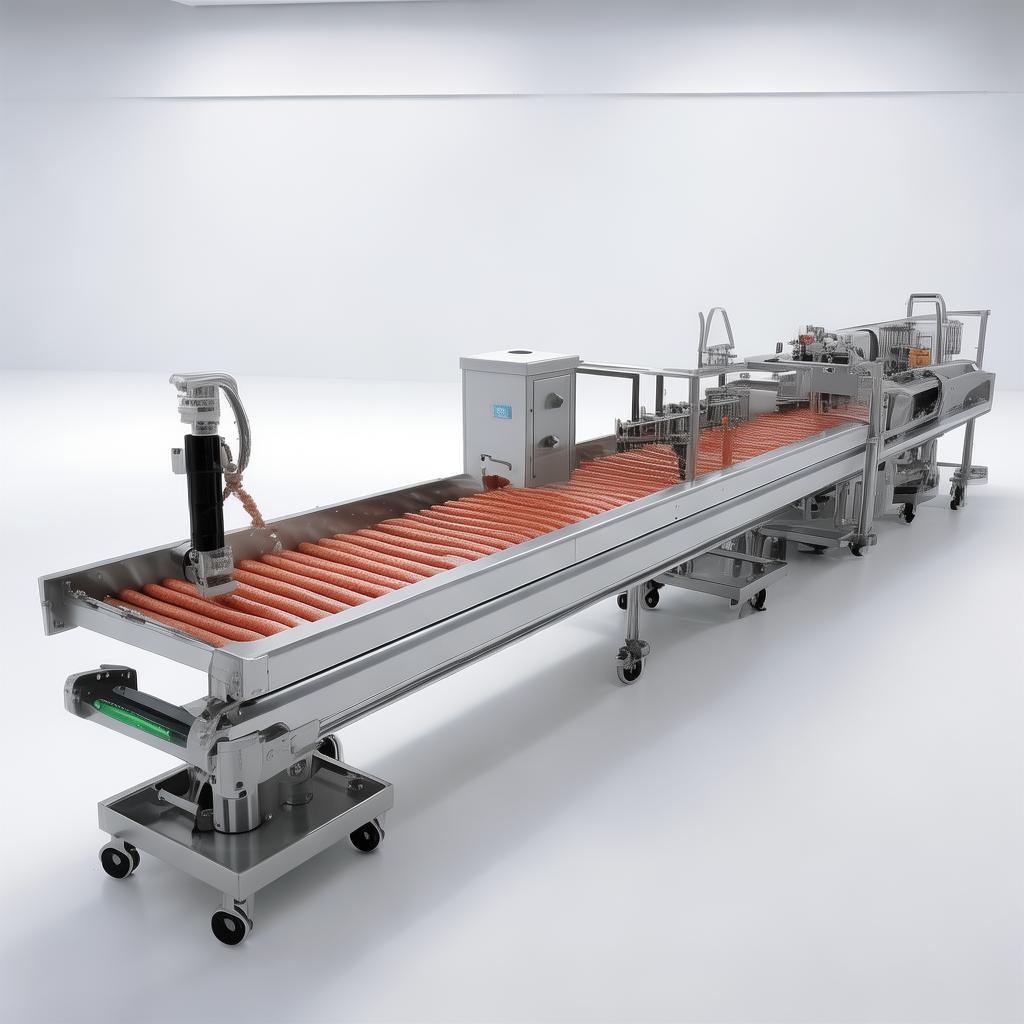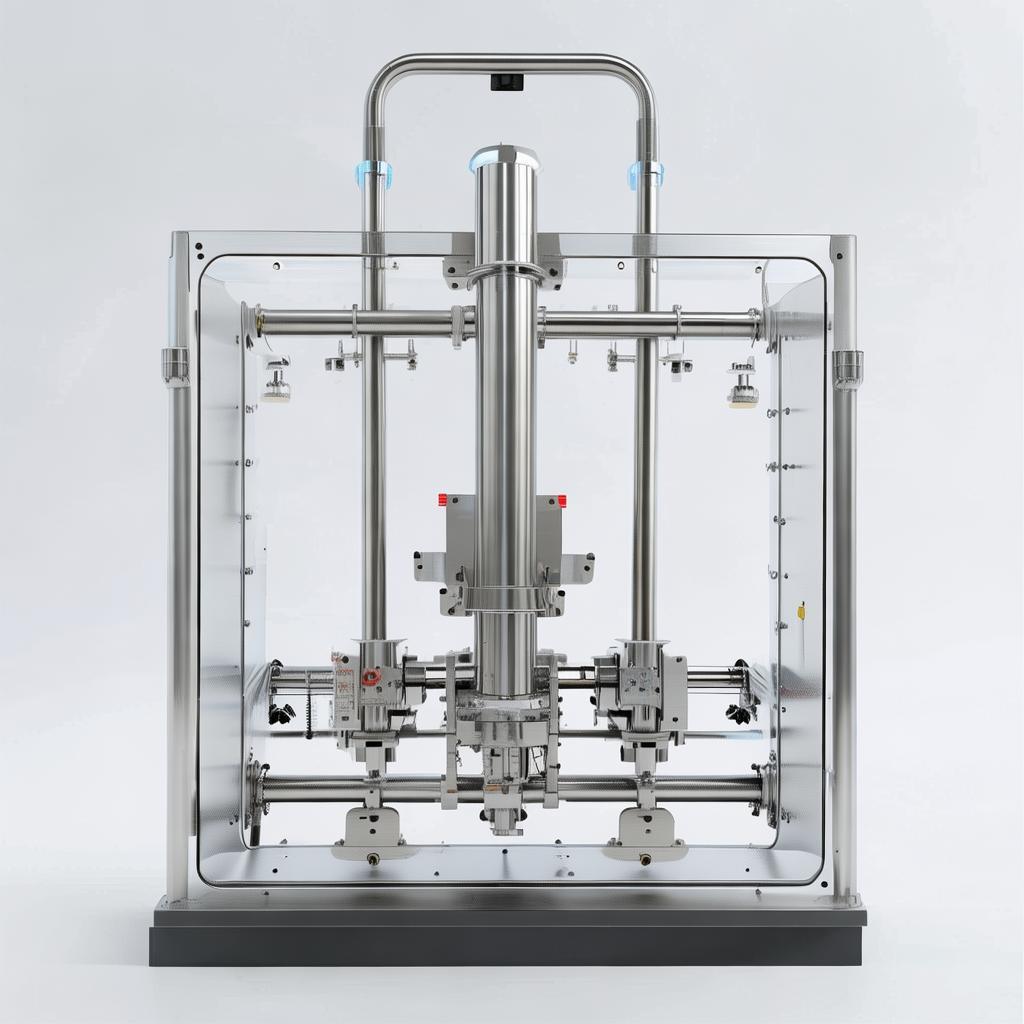
Pipe Vacuum Lifter
Pipe Vacuum Lifters: Precision Handling for Industrial Demands
Streamline your pipe installation and logistics with robust, reliable vacuum lifting solutions designed for efficiency and safety.



The Critical Role of Efficient Pipe Handling in Modern Industry
In the intricate world of industrial operations – from construction and infrastructure development to manufacturing and utility maintenance – the seamless and safe handling of pipes is paramount. Large-diameter pipes, whether made of steel, concrete, PVC, or ductile iron, represent significant investments and pose substantial logistical challenges. Traditional methods of manual lifting, rigging, or even basic mechanical aids often fall short, leading to increased risk of worker injury, damage to materials, project delays, and ultimately, inflated operational costs.
The demand for robust infrastructure projects globally, including water supply systems, sewage networks, oil and gas pipelines, and power conduits, continues to drive the market for industrial handling equipment. According to industry analysis, the global meat processing equipment market (which shares many parallels in terms of handling materials with precision and hygiene) was projected to reach substantial figures like USD 11.29 billion in 2025, growing to USD 17.39 billion by 2034 (Fortune Business Insights). While not directly comparable, this highlights the scale of investment in specialized machinery for material handling within industrial sectors. The principles of safety, efficiency, and precision in handling large, unwieldy items are universal across many manufacturing and processing industries.
Consider the sheer weight and dimensions of a 48-inch steel pipe intended for a major oil pipeline or a large-diameter concrete pipe for a municipal drainage project. Attempting to maneuver these components without specialized equipment is not just inefficient; it's a recipe for disaster. Strains, sprains, crushed limbs, and dropped loads are all too common outcomes when manual labor or inadequate machinery is employed. Beyond the immediate safety concerns, improper handling can lead to superficial damage like scratches or gouges on pipe surfaces, compromising their structural integrity and requiring costly repairs or replacements. In environments where pipe joints must be precisely aligned for welding or secure coupling, even minor distortions caused by rough handling can result in failed connections and extensive rework.
The operational tempo of modern projects demands speed. Delays in pipe laying or installation can have a cascading effect on project timelines, incurring penalties and impacting profitability. Relying on slow, labor-intensive methods directly impedes progress. Furthermore, the increasing focus on environmental, social, and governance (ESG) factors and workplace safety regulations mandates the adoption of solutions that minimize human risk and environmental impact. Regulatory bodies are increasingly scrutinizing job sites for safety compliance, making investment in advanced handling equipment a necessity rather than an option.
This is precisely where the humble yet indispensable pipe vacuum lifter emerges as a critical piece of machinery. These specialized devices leverage the power of vacuum technology to securely grip, lift, and precisely position pipes, dramatically reducing the need for manual intervention and complex rigging setups. They are engineered to provide a secure hold on a variety of pipe materials and surface finishes, ensuring that even the most challenging loads can be managed with confidence. The development and application of such equipment reflect a broader trend in industrial automation and material handling, aimed at creating safer, more productive, and more cost-effective work environments.
We understand the unique pressures faced by procurement managers, project engineers, and operations directors. You need solutions that are not only effective but also reliable, cost-efficient, and compliant with international standards. You're looking for equipment that simplifies complex tasks, minimizes risks, and contributes directly to the bottom line. This page delves into why pipe vacuum lifters are the definitive answer for many of these challenges, offering a closer look at their capabilities, applications, and the tangible benefits they bring to demanding industrial settings.
The Common Handling Challenges in Pipe Logistics
- Worker Safety Risks: Manual lifting of heavy pipes frequently leads to musculoskeletal injuries (strains, sprains, hernias), slips, falls, and severe crush injuries if a load is dropped. The sheer weight and awkwardness of large pipes make them inherently dangerous to handle without proper equipment.
- Material Damage: Traditional methods like slings, chains, or forklifts can cause surface damage, dents, or deformation to pipes, especially those with sensitive coatings or precise tolerances. This compromises structural integrity and aesthetic quality, leading to costly repairs or rejected materials.
- Operational Inefficiencies: Setting up complex rigging, coordinating multiple personnel for manual lifts, and slow maneuvering all contribute to significant project delays. This inefficiency impacts project timelines and increases labor costs.
- Limited Access & Precision: Many installation sites have confined spaces or require precise placement of pipes into trenches or onto supports. Manual handling or bulky equipment often struggles to navigate these environments effectively, and accurate positioning can be difficult.
- Surface Finish Concerns: For pipes requiring a pristine surface finish (e.g., for high-pressure applications, cleanroom environments, or aesthetic requirements), scraping, gouging, or contamination from handling equipment is a major concern.
- Compliance and Insurance: Stringent workplace safety regulations and rising insurance premiums for worker injuries necessitate adopting safer handling practices. Non-compliance can lead to hefty fines and project shutdowns.
- Variety of Pipe Types: Handling pipes made from diverse materials – steel, HDPE, concrete, PVC, GRP – each with different surface properties and weight distributions, requires versatile handling solutions. A single method may not be suitable for all pipe types.
Addressing these challenges isn't just about good practice; it's about operational resilience and economic viability. A system that can mitigate these risks directly translates to smoother project execution and a healthier bottom line.
Introducing the Pipe Vacuum Lifter: The Solution for Secure, Efficient Pipe Handling
A pipe vacuum lifter is a specialized material handling device engineered to securely grip cylindrical objects, primarily pipes, using a vacuum seal. Unlike traditional lifting methods that rely on mechanical clamps, slings, or magnets (which may not be suitable for all pipe materials or surfaces), vacuum lifters create a powerful, even suction across the pipe's exterior. This secure grip allows for precise lifting, maneuvering, lowering, and placement of pipes with minimal human physical effort and maximum safety.
Our pipe vacuum lifters are designed with the industrial operator in mind. They typically consist of a robust frame, a powerful vacuum pump system (often powered by electricity or a dedicated battery), a system of vacuum pads or cups designed to conform to pipe surfaces, and controls for operation. The vacuum pump creates a negative pressure between the pad and the pipe, forming a seal. When this seal is strong enough to overcome the weight of the pipe and any external forces, the pipe is securely held. The operator can then use the lifter, often mounted on an excavator, crane, or dedicated trolley, to move the pipe.
The beauty of vacuum lifting lies in its non-damaging nature. The force is distributed evenly across a significant surface area, preventing point-load stresses that can damage pipe walls or coatings. This makes them ideal for handling pipes made from materials like HDPE, PVC, coated steel, and even large-diameter concrete or ductile iron pipes where surface integrity is crucial. The operational simplicity also contributes to rapid deployment and ease of use, significantly reducing training time and enhancing site productivity.
From a procurement perspective, investing in a high-quality pipe vacuum lifter represents a strategic move to mitigate risks, improve efficiency, and enhance safety protocols. It’s a testament to adopting modern material handling technologies that directly impact project success and operational cost savings. We focus on delivering systems that are not just tools, but integral components of a streamlined, safe, and profitable workflow.

Precise handling of large-diameter pipes with our vacuum lifting system.
Key Features & Operational Advantages
Our pipe vacuum lifters are built with robust engineering and intelligent design to deliver unparalleled performance in the field. They are not just about lifting; they are about providing a complete, safe, and efficient handling solution.
Secure Vacuum Seal Technology
Utilizing high-capacity vacuum pumps and specialized seal materials, our lifters create a tenacious grip on pipe surfaces, ensuring load security even during slight movements or accelerations. Redundant safety features, like vacuum level indicators and alarms, provide real-time operational assurance.
Non-Marring Grip
The vacuum seal distributes lifting force evenly, preventing surface damage, scratches, or deformation. This is critical for pipes with protective coatings, sensitive materials, or where cosmetic integrity is important.
Versatile Pipe Compatibility
Designed to handle a wide range of pipe diameters and materials, including steel, concrete, PVC, HDPE, and GRP. Different pad configurations and sizes can be specified to optimize performance for your specific pipe types.
Enhanced Safety Features
Integrated safety systems, such as vacuum loss alarms, automatic shut-off, and visual/audible warnings, provide multiple layers of protection for operators and the load. This exceeds standard industry safety expectations.
Increased Productivity
Significantly reduces the time and manpower required for pipe handling compared to traditional methods. Faster cycle times mean quicker installation and reduced labor costs, directly improving project ROI.
Reduced Operator Fatigue
Automated lifting and precise control minimize the physical strain on operators, reducing fatigue and the incidence of work-related injuries. This contributes to a safer and more sustainable work environment.
Compact & Adaptable Design
Our lifters can be easily integrated with various carrier machines like excavators, cranes, or dedicated trolleys, allowing for flexible deployment across different job sites and operational setups. Some models offer compact storage and transport.
Ease of Operation
Intuitive controls and straightforward operation mean that operators can become proficient quickly, minimizing downtime for training and maximizing efficiency from day one.
Wide-Ranging Industrial Applications
The versatility and safety of pipe vacuum lifters make them indispensable across a multitude of sectors where pipe handling is a core activity. Their ability to handle various pipe sizes and materials efficiently ensures their broad applicability.
Civil Engineering & Construction
Laying large-diameter pipes for water mains, sewer systems, storm drains, and irrigation channels. Precise placement in trenches and connection alignment are critical.
Oil & Gas Industry
Handling steel pipes for pipelines, including during installation, welding preparation, and repositioning on pipe racks. Surface protection is often paramount.
Utilities & Infrastructure
Installation of pipes for power conduits, telecommunications, and geothermal systems. Safe handling in often challenging or confined installation environments.
Manufacturing & Fabrication
Moving and positioning pipes within fabrication shops for cutting, welding, or assembly into larger structures or skids.
Port & Terminal Operations
Loading and unloading pipes from ships, trains, and trucks. Requires efficient and secure handling during intermodal transfers.
Tunneling Projects
Installation of segmental lining pipes or service conduits within tunnel boring machine operations.
Technical Specifications & Model Options
We offer a range of pipe vacuum lifters tailored to different capacity requirements, pipe diameters, and operational needs. Below is a sample of our standard specifications. Custom configurations are always available upon request.
| Feature | Model PVL-1000 | Model PVL-3000 | Model PVL-6000 |
|---|---|---|---|
| Max Lifting Capacity | 1,000 kg (2,200 lbs) | 3,000 kg (6,600 lbs) | 6,000 kg (13,200 lbs) |
| Applicable Pipe Diameter Range | 200 mm - 800 mm (8" - 31.5") | 400 mm - 1200 mm (15.7" - 47.2") | 800 mm - 2000 mm (31.5" - 78.7") |
| Vacuum System Power | Electric (220V/380V) or Battery | Electric (380V) or Hydraulic | Heavy-Duty Electric or Hydraulic |
| Vacuum Pad Configuration | Standard (2-4 pads) | Heavy-duty (4-6 pads) | Customizable (6+ pads) |
| Safety Features | Vacuum indicator, audible alarm | Visual/audible alarms, auto-level monitor | Redundant safety systems, remote monitoring option |
| Materials Handled | Steel, PVC, HDPE, GRP, coated pipes | Steel, Concrete, ductile iron, large PVC/HDPE | Heavy steel, large concrete, specialized materials |
| Optional Attachments | Rotation, tilt functions | 90° tilt, 360° rotation | Heavy-duty rotation, specialized articulation |
Note: Specifications are subject to change without notice. Please consult with our technical sales team for detailed product datasheets and customized solutions.
Installation & Operational Insights
Integrating a pipe vacuum lifter into your existing fleet requires careful consideration of the carrier equipment and operational procedures. Our goal is to ensure a seamless transition and maximum operational uptime.
- Carrier Equipment Compatibility: Most vacuum lifters are designed to be mounted on standard hydraulic excavators, cranes, or specialized lifting frames. Ensure your carrier equipment has adequate hydraulic flow and lifting capacity for the chosen lifter model and pipe load. Consult our team for recommended carrier specifications.
- Power Source Considerations: Lifters can be electrically powered (requiring grid or generator access) or battery-operated for maximum mobility. For hydraulic lifters, a direct connection to the carrier machine's hydraulic system is standard.
- Surface Preparation: While vacuum lifters are designed for a variety of surfaces, exceptionally rough, porous, or heavily contaminated pipe surfaces may require cleaning for optimal vacuum seal. Smooth, clean surfaces yield the strongest and most reliable grip.
- Pre-Operation Checks: Before each use, operators should perform a visual inspection of vacuum pads for damage, check vacuum pump functionality, and test safety alarms. A brief vacuum hold test on the pipe before full lift is always recommended.
- Operator Training: While intuitive, proper training on lifter operation, safety protocols, and understanding vacuum level indicators is crucial. We provide comprehensive training materials and can offer on-site sessions for your team.
- Maintenance Schedule: Regular maintenance, including cleaning of vacuum pads, checking seals, inspecting hoses, and servicing the vacuum pump, is essential for longevity and reliability. Follow the recommended maintenance schedule outlined in the user manual.
Practical Warning: Never attempt to lift a pipe if the vacuum level indicator shows a pressure below the safety threshold. Always ensure the lifter is securely attached to the carrier and that the load is balanced before lifting.
Global Logistics & Supply Chain Efficiency
As an international supplier, we understand the complexities of global logistics and the importance of timely, cost-effective delivery. Our robust supply chain management ensures your pipe vacuum lifter reaches your project site efficiently, anywhere in the world.
Container Optimization
Our equipment is designed for efficient packing into standard shipping containers, maximizing space utilization and minimizing freight costs. We provide detailed packing lists and configurations.
International Shipping Expertise
We partner with reputable international freight forwarders, handling all necessary documentation, customs clearance, and compliance to ensure smooth transit via sea or air freight.
Flexible Delivery Options
From FOB at the port of origin to CIF at your destination port, or even door-to-door delivery, we offer flexible shipping terms to meet your project's logistical needs.
Lead Time Management
With our in-house manufacturing and efficient production planning, we strive to provide competitive lead times. We maintain clear communication regarding production and shipping schedules.
Reliable delivery is as critical as product quality for industrial procurement. We manage the complexities so you can focus on your project.
A Procurement Manager's Guide to Pipe Vacuum Lifters
Selecting the right pipe vacuum lifter involves more than just looking at lifting capacity. As experienced suppliers, we guide you through the critical factors to ensure you make a sound investment aligned with your operational needs and budget.
Key Procurement Considerations:
- Capacity vs. Load: Always match the lifter's maximum capacity to your heaviest expected pipe load, with a safety margin. Consider not just the pipe's static weight but also dynamic loads during movement.
- Pipe Diameter & Material: Ensure the lifter's pad configuration and diameter range are suitable for the specific pipes you handle. Different materials may require specific pad types or vacuum pressures.
- Carrier Integration: Confirm compatibility with your existing or planned carrier equipment (excavator, crane, etc.). Factor in hydraulic requirements, mounting points, and control system integration.
- Safety Standards: Verify that the lifter meets relevant industry safety standards (e.g., EN standards for lifting equipment). Robust safety features are non-negotiable.
- Power Source: Decide between electric (plug-in or battery), hydraulic, or pneumatic, based on site power availability and mobility requirements. Battery-powered units offer excellent flexibility.
- After-Sales Support & Parts: Investigate the supplier's warranty, availability of spare parts (especially vacuum pads and pump components), and technical support. Long lead times for parts can cripple project schedules.
- Total Cost of Ownership (TCO): Look beyond the initial purchase price. Consider energy consumption, maintenance costs, expected lifespan, and potential downtime. A reliable unit with good support often has a lower TCO.
- Supplier Reputation: Research the supplier's track record, industry experience, and customer reviews. Choosing an established manufacturer with proven expertise instills confidence.
Procurement Pitfall: Don't compromise on safety features for a lower price. In this industry, equipment failures can have severe consequences. Always prioritize certified safety systems.
Certifications & Compliance
Our pipe vacuum lifters are manufactured to meet stringent international standards, ensuring reliability, safety, and compliance for global markets. We understand that certifications are critical for your procurement decisions.

ISO 9001 Quality Management
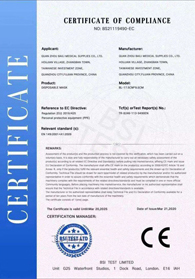
CE Marking
RoHS Compliant Components

FCC Certified Electronics
All our lifting equipment adheres to strict safety protocols and design principles, ensuring performance that meets or exceeds industry expectations. We are committed to delivering solutions that provide peace of mind.
What Our Clients Say
Real feedback from professionals who have integrated our pipe vacuum lifters into their operations.

TerraForm Construction
"We were struggling with the manual installation of large HDPE pipes on our latest water infrastructure project. The risk of injury was high, and progress was slow. Bringing in your PVL-3000 model completely changed the game. It's incredibly secure, and my crew feels much safer. We've cut our pipe laying time almost in half. The support from their technical team during setup was also excellent."

Global Pipe Solutions
"We needed a reliable solution for handling large-diameter steel pipes for a new refinery contract. The precision required for welding prep meant we couldn't risk any surface damage. Your PVL-6000 lifter with custom pads has been perfect. It grips firmly without marring, and the controls are very responsive. It's a robust piece of equipment that's stood up to demanding site conditions. Highly recommended for critical applications."

Asia Infrastructure Group
"Sourcing heavy-duty equipment internationally can be challenging. Hebei Yuanchang provided clear communication, competitive pricing, and crucially, delivered the PVL-3000 on schedule. The unit is well-built, performs as advertised, and has significantly improved our unloading efficiency at project sites. The after-sales support has been responsive, which is vital for our operations in remote locations."
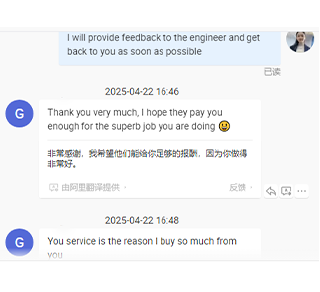
Customer Support in Action
We pride ourselves on responsive and knowledgeable customer support, assisting clients with technical inquiries, customization options, and procurement guidance.


Frequently Asked Questions
Addressing common questions to help you make an informed decision.
Q: What is the typical lifespan of vacuum pads?
Lifespan varies based on usage intensity, environmental conditions, and the material being handled. With proper care and regular inspection, most high-quality vacuum pads can last for hundreds of hours of operation. We recommend keeping a stock of spare pads for critical projects.
Q: Can your vacuum lifters handle pipes with rough surfaces?
Our lifters are designed for most common pipe surfaces. For extremely rough, uneven, or porous surfaces, a stronger vacuum system or specialized pad design might be required. We can assess your specific pipe types to recommend the best solution. Sometimes, a simple cleaning of the surface can significantly improve seal integrity.
Q: What are the power requirements for the electric models?
Our electric models typically operate on standard industrial voltages such as 220V or 380V, 3-phase. Battery-powered units utilize high-capacity rechargeable batteries, providing a full shift of operation on a single charge. Specific power requirements are detailed in each model's datasheet.
Q: Is a dedicated operator required for the vacuum lifter?
While some basic functions can be integrated into an excavator operator's workflow, a trained operator who understands the lifter's specific functions, safety checks, and vacuum monitoring is essential for safe and efficient operation. Our training programs are designed for quick competency.
Q: What is the typical warranty period for your equipment?
We offer a standard manufacturer's warranty, typically 12 months on the main structure and vacuum system components. Extended warranties and service contracts can be discussed based on your operational requirements and geographic location. Our commitment is to long-term reliability.
Ready to Optimize Your Pipe Handling?
Discover how our pipe vacuum lifters can dramatically improve safety, efficiency, and cost-effectiveness on your next project.
Or visit our contacts page: ycmeatmech.com/contacts.html