Vacuum Box Lifter
Precision Vacuum Box Lifters: Elevating Efficiency and Safety in Material Handling
 By: Michael Chen, Senior Export Manager
Specializing in Industrial Automation & B2B Wholesale Solutions
Introduction to Vacuum Box Lifters: The Smart Solution for Heavy Lifting
In the demanding world of warehousing, logistics, and manufacturing, the efficient and safe handling of boxed goods is paramount. Manual lifting of boxes, especially those that are bulky, heavy, or frequently moved, presents significant ergonomic risks. We're talking about strains, sprains, and the potential for serious, long-term injuries that impact not just the individual worker but also operational continuity and insurance costs. This is where advanced material handling solutions become indispensable. Among these, the vacuum box lifter has emerged as a highly effective, adaptable, and increasingly adopted technology. It's not just about reducing physical strain; it's about optimizing workflow, increasing throughput, and fundamentally improving the safety culture on the factory floor or in the distribution center.
The global meat processing equipment market, for instance, is projected to reach USD 17.39 billion by 2034, with significant demand for machinery that ensures hygiene and efficiency in handling various product forms. While our expertise lies in sophisticated food processing machinery, the principles of safe, efficient, and precise material handling are universal. Our vacuum box lifters draw upon this deep understanding of industrial mechanics and operational needs. These systems are designed to work with a wide array of box types and sizes, from lightweight corrugated cardboard containers to heavier, more robust packaging, ensuring consistent grip and controlled movement.
Consider the sheer volume of goods moved daily. Reports indicate the global processed meat market alone is expected to grow substantially. This translates to immense pressure on logistics and warehousing operations to handle a constant flow of packaged products. Manual handling simply cannot keep pace with modern supply chain demands without incurring unacceptable levels of risk and inefficiency. The adoption of automated and semi-automated lifting solutions, such as vacuum lifters, is not a luxury but a strategic imperative for businesses looking to remain competitive. A reliable vacuum box lifter system can reduce the time spent on repetitive lifting tasks by up to 30-50%, allowing personnel to focus on higher-value activities.
The core principle behind a vacuum box lifter is deceptively simple yet incredibly effective: it uses vacuum power to create a strong seal with the surface of the box, lifting and maneuvering it with minimal operator effort. This is achieved through a combination of a powerful vacuum generator, articulating arms, and specialized suction cups designed to conform to various box materials and shapes. The operator controls the lifting, tilting, and rotating functions through intuitive controls, often integrated into the lifting handle itself. This design philosophy prioritizes ease of use and safety, ensuring that even operators with minimal training can quickly and confidently operate the equipment. We've seen firsthand how implementing such solutions can transform operations, moving from a reactive approach to injury management to a proactive stance on worker well-being and productivity.
Our focus at Hebei Yuanchang Food Mechanism & Technology Co., Ltd. extends beyond just manufacturing; it's about providing comprehensive material handling solutions. With over 40 years of experience since 1986, and operating from our 14,000 square meter facility with a dedicated team of 80-100 employees, we understand the intricate demands of industrial operations. Our in-house machining capabilities, including over 20 sets of advanced processing machinery and Japanese Mazak CNC centers, allow us to produce high-precision components for our vacuum lifters, ensuring durability and reliability. We integrate R&D, production, and sales to deliver equipment that meets stringent international standards and provides tangible ROI for our clients worldwide. This deep manufacturing expertise is what allows us to offer vacuum box lifters that are not only effective but also built to last in rigorous industrial environments.
The market for industrial automation and material handling equipment is robust. The Food and Beverage Processing Equipment market is projected to grow significantly, with meat processing forming a substantial segment. Reports suggest the global meat processing equipment market will reach approximately USD 19.73 billion by 2034. While our core business has been in meat processing machinery, the fundamental engineering principles and the need for precision, safety, and efficiency in handling products are directly transferable. Our vacuum box lifters are a testament to this versatility, designed to serve a broad spectrum of industries that rely on the safe and efficient movement of packaged goods. We are committed to providing robust solutions that address real-world operational challenges, offering peace of mind alongside enhanced productivity.
Navigating the Complexities of Box Handling: Common Industry Pain Points
Handling boxes in an industrial setting is far more than just picking something up and moving it. The challenges are multifaceted and can significantly impact operational efficiency, worker safety, and ultimately, the bottom line. Recognizing these pain points is the first step toward implementing effective solutions.
- Ergonomic Hazards: Repetitive lifting, twisting, and awkward postures are direct contributors to musculoskeletal disorders (MSDs). These injuries are costly, leading to lost workdays, increased insurance premiums, and potential legal liabilities. Workers can experience back pain, shoulder injuries, and carpal tunnel syndrome.
- Reduced Throughput: Manual handling is inherently slower than mechanized solutions. The time taken to individually lift, carry, and place each box adds up, creating bottlenecks in production lines, packing stations, and shipping docks. This can directly affect order fulfillment times and customer satisfaction.
- Product Damage: Inconsistent grip, dropped boxes, or impacts during manual transit can lead to damaged goods. This results in product loss, wasted labor in repackaging, and customer complaints, impacting brand reputation.
- Variability in Box Types: Facilities often handle a wide range of box sizes, weights, and materials (corrugated, plastic, wood). Finding a single manual method that is efficient and safe for all is often impossible, leading to improvised and risky handling techniques.
- Space Constraints: Narrow aisles, crowded warehouses, and tight production areas can make manual maneuvering of boxes difficult and hazardous, increasing the risk of collisions and injuries.
- Labor Shortages & Costs: The increasing cost of labor and difficulties in finding reliable workers for physically demanding tasks make manual handling a less sustainable option. Businesses are actively seeking ways to automate or mechanize tasks to maintain operational capacity.
- Compliance and Safety Standards: Ensuring compliance with OSHA (Occupational Safety and Health Administration) guidelines and other industry-specific safety regulations requires robust risk management. Manual handling often presents significant compliance challenges.
Addressing these issues isn't just about compliance; it's about building a more resilient, efficient, and safe operational framework. The investment in appropriate material handling technology directly supports these goals, reducing operational friction and fostering a healthier work environment.
The Vacuum Box Lifter: An Engineered Solution for Seamless Handling
Our vacuum box lifters are meticulously engineered to tackle the aforementioned challenges head-on. They represent a sophisticated yet user-friendly approach to material handling, leveraging the power of vacuum technology to provide a secure, reliable, and ergonomic way to lift and move boxes. The system typically comprises several key components, each designed for optimal performance and safety.
At its heart is a powerful vacuum generator, often an electric pump or a venturi system, which creates the necessary suction. This vacuum is channeled through robust tubing to suction cups. These aren't just any cups; they are precision-molded from durable, high-adhesion materials designed to create a reliable seal on a variety of box surfaces, from smooth to slightly textured. The number and configuration of these cups can be customized based on the typical load sizes and shapes encountered in your operation.
The lifting mechanism itself is usually an articulating arm or boom system. This boom allows for vertical lift and provides a degree of lateral reach, enabling operators to precisely position boxes over pallet stacks, conveyor belts, or production machinery. Mounted on this arm is the operator interface and the lifting head. The operator controls are designed for intuitive use, typically featuring simple buttons or levers for engaging/disengaging the vacuum, raising, and lowering the load. Many models offer 360-degree rotation and tilt functionalities, allowing for precise orientation of the box.
Safety is integrated at every level. Redundant safety systems are standard, including automatic vacuum monitoring to ensure a secure grip before lifting, and often a fail-safe mechanism that maintains vacuum even during brief power interruptions. Load capacity is a critical specification, with models designed for everything from small, lightweight cartons to substantial, heavy-duty containers, up to 50 kg (110 lbs) or more, depending on the configuration.
We understand that off-the-shelf solutions don't always fit. That's why we emphasize our OEM/ODM capabilities. Our engineering team can work with you to tailor a vacuum box lifter to your specific requirements—adjusting arm length, cup configuration, lifting capacity, or integrating it into existing automated systems. This bespoke approach ensures you get a tool that perfectly matches your operational workflow and unique challenges.
Core Advantages: Why Choose Our Vacuum Box Lifters?
The benefits of integrating a vacuum box lifter into your operations are substantial and far-reaching. Beyond just moving boxes, these systems offer a tangible improvement in multiple facets of your business.
Enhanced Operator Safety & Ergonomics
Drastically reduces the risk of MSDs by eliminating manual lifting, bending, and twisting. This leads to a healthier workforce and fewer injury-related downtimes.
Increased Productivity & Throughput
Faster handling cycles mean more boxes moved per hour. This directly addresses bottlenecks in your supply chain and improves overall operational efficiency.
Versatile Box Handling
Our systems are designed to handle a wide range of box sizes, shapes, and materials. Customizable suction cup arrays ensure a secure grip on diverse packaging.
Precision Control & Maneuverability
With intuitive controls, operators can lift, lower, tilt, and rotate boxes with exceptional accuracy, ensuring precise placement and reducing the chance of damage.
Reduced Product Damage
The controlled lifting action and secure vacuum grip minimize impacts and drops, protecting your inventory and reducing associated losses.
Cost-Effective Operation
While an initial investment, the long-term savings in reduced injuries, decreased product damage, and increased throughput offer a compelling ROI.
Technical Specifications & Customization Options
Understanding the technical details is crucial for procurement managers and engineers. Our vacuum box lifters are built for performance, reliability, and adaptability. While specific configurations can be tailored, here are typical specifications you can expect:
| Feature | Standard Specification Range | Notes / Customization Options |
|---|---|---|
| Lifting Capacity | 20 kg - 100 kg (approx. 44 lbs - 220 lbs) | Customizable based on client load requirements. Higher capacities available with reinforced boom systems. |
| Power Source | Electric (110V/220V/380V, 50/60Hz) or Pneumatic | Configurable for regional power standards or compressed air availability. |
| Vacuum System | High-efficiency electric pump or venturi system | Integrated safety valve, filter, and visual/audible vacuum indicator. |
| Suction Cups | Configurable (2-6 cups typical) | Material: Durable EPDM or Silicone. Size, shape, and spacing customizable for different box surfaces and dimensions. |
| Articulation / Reach | Boom length: 1.5m - 3.0m (approx. 5ft - 10ft) | Vertical lift: 1.0m - 2.0m (approx. 3ft - 6.5ft). Swivel and tilt capabilities integrated. |
| Control System | Ergonomic handle with intuitive button controls | Includes vacuum engage/release, up/down controls. Optional integrated weighing or scanning features. |
| Safety Features | Automatic vacuum monitoring, pressure sensors, safety silencer | Fail-safe operation, overload protection, emergency stop button. |
| Materials | Steel, Aluminum, High-performance polymers | Corrosion-resistant finishes for demanding environments. |
box vacuum lifter vacuum bag lifter sheet vacuum lifter
We thrive on complex projects. If your box dimensions, weights, or operating environment fall outside these standard ranges, please discuss your specific needs with our engineering team. Our OEM/ODM capabilities mean we can design and manufacture a bespoke vacuum box lifter solution tailored precisely to your unique operational requirements. This includes specialized suction cup materials for oily surfaces, high-temperature environments, or non-porous materials.
Diverse Applications: Where Our Vacuum Box Lifters Excel
The versatility of vacuum box lifters makes them indispensable across a wide spectrum of industries. Their ability to adapt to different box types and operational needs ensures they provide significant value wherever packaged goods are handled.
Warehousing & Logistics
Effortless palletizing, de-palletizing, order picking, and loading/unloading of trucks and containers. Ideal for distribution centers handling high volumes.
Food Processing & Packaging
Handling raw material inputs, intermediate product packaging, and finished goods for shipping. Crucial for maintaining hygiene and preventing product damage. Relevant to sectors like the processed meat industry.
Manufacturing Plants
Moving components, finished products, and raw materials on production lines, from assembly stations to packing areas, and into storage.
E-commerce Fulfillment Centers
Rapidly and safely moving a high volume of diverse-sized boxes during the picking, packing, and dispatch processes.
Retail Distribution
Efficiently stocking shelves, moving merchandise from backrooms to sales floors, and managing inventory intake.
Pharmaceutical & Chemical Handling
Safely managing sealed containers and ensuring no contamination or damage, critical for sensitive products.
Installation, Operation, and Maintenance: Ensuring Long-Term Performance
Implementing a new piece of equipment requires careful consideration of installation, operational procedures, and ongoing maintenance. We provide guidance to ensure your vacuum box lifter performs optimally for years to come.
Installation Considerations:
Most of our vacuum box lifters are designed for relatively straightforward installation. Typically, this involves mounting the lifting arm to a fixed overhead structure (like a jib crane or an overhead gantry system) or integrating it with an existing rail system. Power supply (electrical or pneumatic) needs to be readily available at the point of operation. We provide detailed installation manuals and can offer on-site installation support or remote guidance for complex setups. Proper balancing and counterweighting, if applicable, are critical for smooth operation.
Operational Best Practices:
Operator training is key. Ensure all personnel using the lifter understand:
- Proper engagement of the suction cups to ensure a complete seal.
- The load capacity limits of the specific model.
- Safe lifting and lowering procedures, avoiding sudden movements.
- The function of all safety features and indicators.
- Emergency stop procedures.
Always inspect the suction cups for wear or debris before each use. Ensure the surface of the box being lifted is clean and free from dust or moisture that could compromise the vacuum seal.
Maintenance Schedule:
Regular maintenance ensures longevity and prevents unexpected downtime. A typical schedule includes:
- Daily Checks: Visual inspection of suction cups, hoses, and control handle. Test vacuum engagement.
- Weekly Checks: Clean suction cups and seals. Check vacuum generator filter. Test all articulated movements.
- Monthly Checks: Lubricate moving parts as per manual. Inspect electrical connections or pneumatic fittings. Verify safety system functionality.
- Annual Service: A comprehensive check by a qualified technician, including performance testing and replacement of wear parts like seals or filters.
We supply genuine spare parts and provide technical support to keep your equipment running smoothly. Proactive maintenance is far more cost-effective than reactive repairs.
Procurement Guidance: Selecting the Right Vacuum Box Lifter Partner
Purchasing industrial equipment is a significant investment. For procurement managers and operations directors, selecting the right supplier is as critical as selecting the right product. Here's what to consider when evaluating vacuum box lifter solutions and manufacturers.
Key Evaluation Criteria for Suppliers:
- Manufacturing Experience & Expertise: Look for suppliers with a proven track record. Companies with decades of experience, like Hebei Yuanchang (since 1986), bring invaluable practical knowledge. Expertise in related fields, such as precision engineering for food machinery, translates to robust industrial equipment.
- Customization & OEM/ODM Capabilities: Your needs might not fit standard offerings. A supplier's willingness and ability to offer bespoke solutions (OEM/ODM) is a major advantage. This indicates engineering depth and a customer-centric approach.
- Quality Control & Certifications: Does the manufacturer adhere to international standards (e.g., ISO certifications)? What quality control measures are in place during production? Certifications provide a baseline of trust and operational rigor.
- After-Sales Support & Spare Parts: Equipment downtime is costly. Evaluate the supplier's commitment to providing timely technical support, troubleshooting assistance, and readily available spare parts. A traceable after-sales management system is a significant plus.
- Lead Times & Logistics: Understand the typical production and delivery timelines. For international buyers, assess their experience in export logistics, documentation, and container optimization.
- Reputation & References: Seek testimonials, case studies, or references from existing clients, particularly those in similar industries or regions.
At Hebei Yuanchang, we combine 40 years of manufacturing experience with advanced machining capabilities, including Japanese CNC centers, to produce high-precision components. Our integrated R&D, production, and sales model ensures we can offer both standard and fully customized vacuum box lifters, backed by a traceable after-sales service. We understand the global market and are adept at handling international export requirements.
When comparing quotes, look beyond the price. Consider the total cost of ownership: the equipment's durability, expected lifespan, maintenance costs, potential for increased productivity, and the reduction in injury-related expenses. A slightly higher initial investment in a quality, reliable lifter from an experienced manufacturer often yields significant long-term savings and operational stability.
Our Manufacturing Strength: Precision, Scale, and Experience
Our commitment to quality and innovation is deeply rooted in our manufacturing capabilities. Hebei Yuanchang Food Mechanism & Technology Co., Ltd. is not just an assembler; we are a full-spectrum manufacturer with a strong engineering core.
- Extensive Facility: Our operations span approximately 14,000 square meters, providing ample space for R&D, advanced production, quality control, and warehousing.
- Experienced Workforce: A dedicated team of 80-100 skilled employees, including engineers, technicians, and production specialists, ensures expertise across all aspects of manufacturing.
- In-House Machining: We operate our own comprehensive machining workshop featuring over 20 sets of advanced processing machinery. This includes lathes, milling machines, high-precision grinders, boring machines, plate shears, bending machines, and wire cutting equipment.
- High-Precision CNC Capabilities: Since 2012, the integration of 8 Japanese Mazak CNC machining centers has significantly enhanced our ability to produce highly precise, non-standard components in large volumes, meeting stringent quality demands.
- Traceable Production: Our commitment to quality is reinforced by a traceable after-sales management system. This allows us to independently produce and track high-precision parts, ensuring reliability and peace of mind for our clients.
- Integrated Approach: We seamlessly integrate Research & Development, Production, and Sales, allowing for rapid innovation, efficient production cycles, and direct customer engagement.
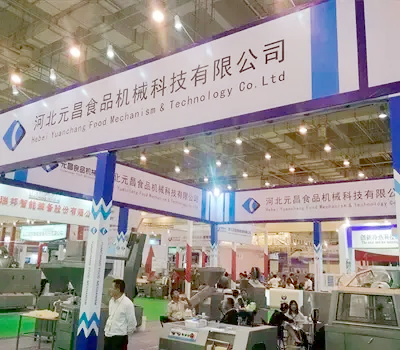
Our state-of-the-art facility ensures precision manufacturing.
This robust manufacturing infrastructure, combined with over 40 years of industrial experience since 1986, allows us to confidently deliver vacuum box lifters that meet the highest standards of performance, durability, and safety. We control the entire production process, from component fabrication to final assembly and testing, ensuring exceptional quality and consistency.
Our Commitment to Quality: Certifications and Compliance
Quality and safety are non-negotiable at Hebei Yuanchang. We ensure our products meet or exceed international standards to provide our global clientele with reliable and compliant equipment.

ISO 9001 Certified
Quality Management System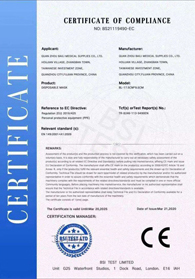
CE Marked
Conformity to European Standards
RoHS Compliant
Restriction of Hazardous SubstancesOur dedication to stringent quality control processes and adherence to international safety regulations ensures that every vacuum box lifter leaving our facility is built for performance and reliability.
Real Feedback from Our Global Partners

Operations Manager, Apex Logistics (USA)
"The vacuum box lifter from Hebei Yuanchang has been a game-changer for our palletizing operations. We've seen a noticeable reduction in worker complaints about back strain, and our team can now palletize twice as many boxes in the same timeframe. The build quality is robust, and the support from their export team was excellent throughout the process."

Production Supervisor, FreshHarvest Foods (Canada)
"We use the lifter for moving boxed ingredients and finished products on our line. It's highly maneuverable, which is crucial in our facility with tight spaces. The vacuum grip is very reliable, even on slightly imperfect cardboard. It’s a simple but effective piece of equipment that has significantly improved our workflow safety."

Warehouse Manager, GlobalPack Solutions (Japan)
"We ordered a custom configuration to handle specific box dimensions, and Hebei Yuanchang delivered exactly what we needed. The lifter performs flawlessly, reducing operator fatigue and speeding up our outbound shipping process. Their OEM service was professional and efficient."
Frequently Asked Questions (FAQ)
- Q: What types of boxes can the vacuum lifter handle?
- A: Our vacuum box lifters are designed to handle a wide range of materials, including corrugated cardboard, plastic containers, and some types of bagged goods, provided they have a reasonably smooth and non-porous surface for the suction cups to form a seal. We can customize suction cup types and configurations for challenging materials.
- Q: What is the typical lead time for a vacuum box lifter?
- A: For standard models, lead times are typically 4-6 weeks from order confirmation. For custom OEM/ODM solutions, lead times can vary depending on complexity, usually ranging from 6-12 weeks. We will provide a precise estimate upon order confirmation.
- Q: How is the vacuum generated? Is it reliable?
- A: Vacuum is generated by either an electric pump or a pneumatic venturi system, depending on the model and your facility's utilities. These systems are highly reliable and incorporate safety features like automatic vacuum monitoring and pressure loss alarms to ensure a secure grip at all times.
- Q: What kind of maintenance is required?
- A: Routine maintenance primarily involves cleaning the suction cups and seals, checking hoses for wear, and ensuring the vacuum generator filter is clean. We provide a detailed maintenance manual with recommended schedules and spare parts. Most tasks are simple and can be performed by your in-house maintenance team.
- Q: Do you offer installation support for international clients?
- A: Yes, we provide comprehensive installation documentation and remote technical support. For larger or more complex projects, on-site installation supervision can be arranged upon request, with associated travel and service fees.
Ready to Elevate Your Material Handling?
Discover how our precision vacuum box lifters can transform your operations, enhance safety, and boost productivity. Let's discuss your specific needs and tailor a solution that fits.