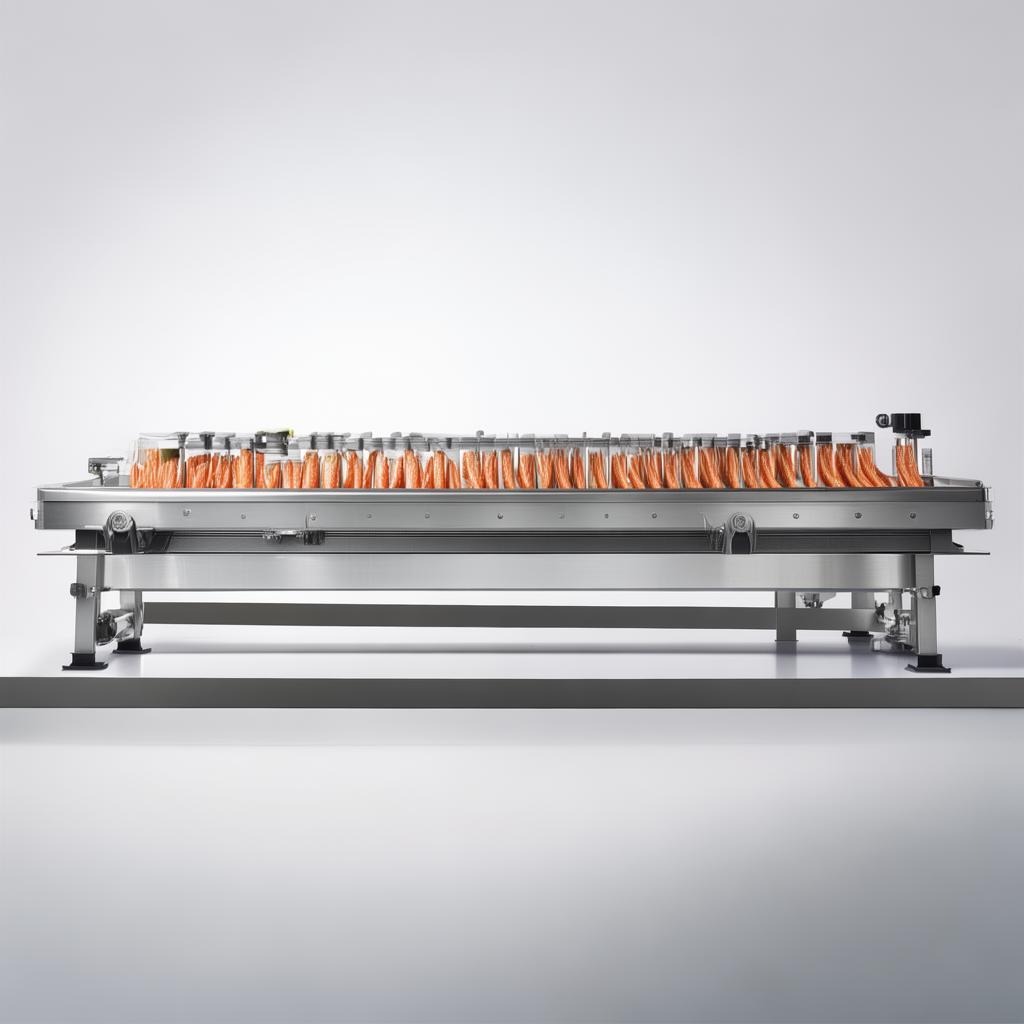
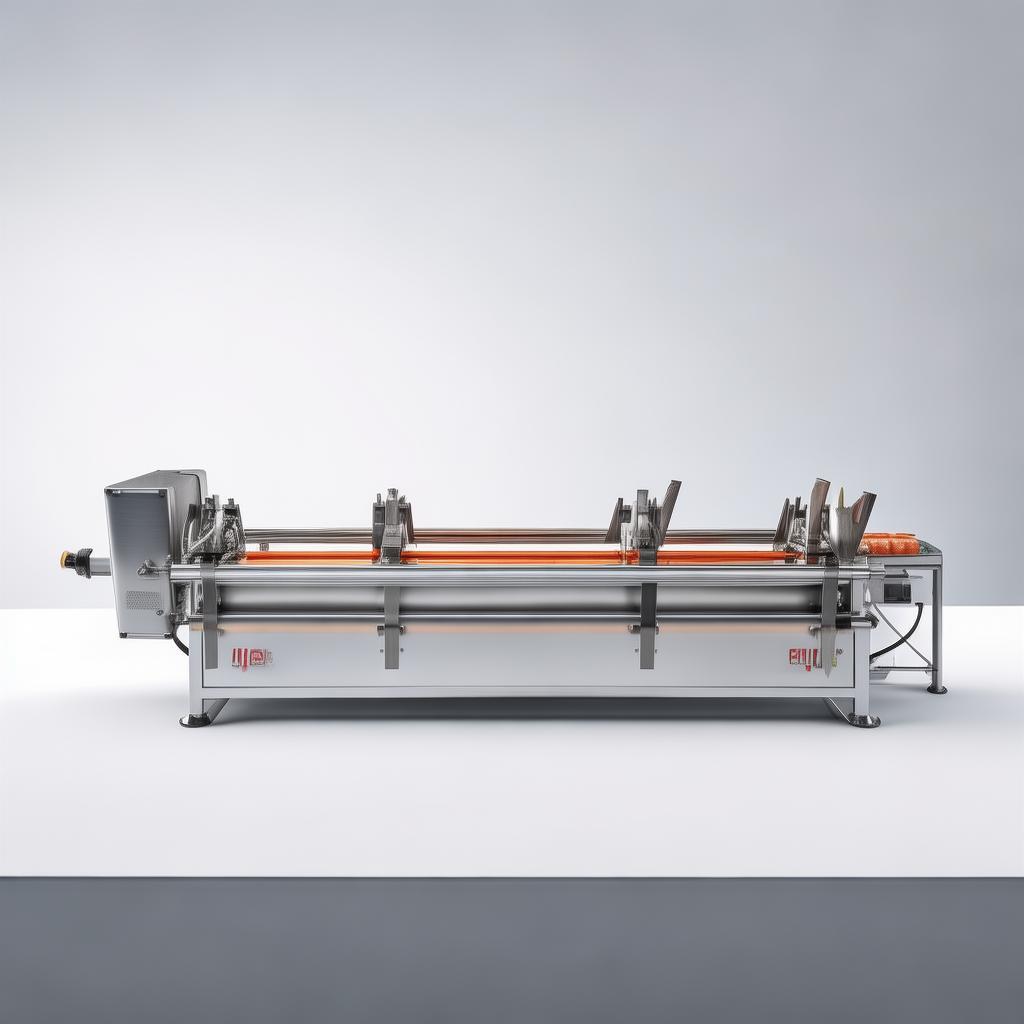
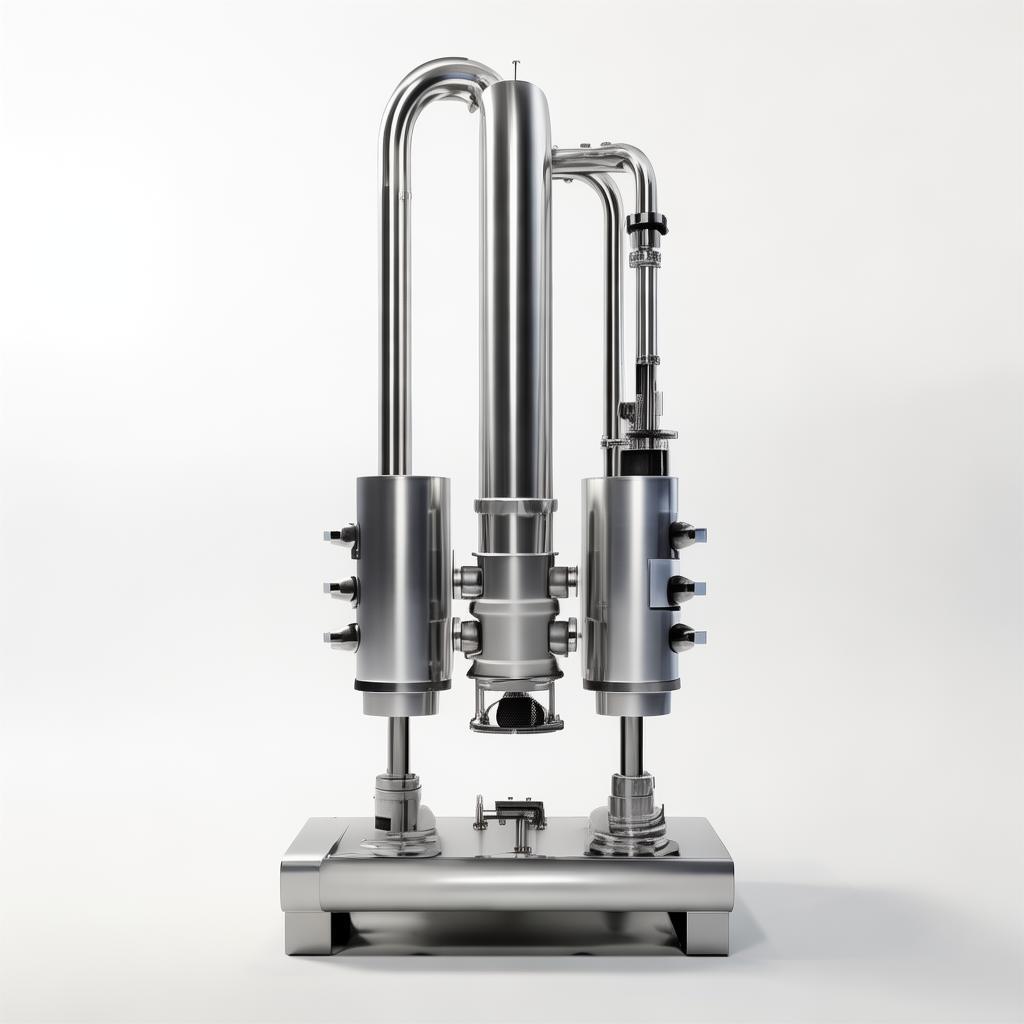
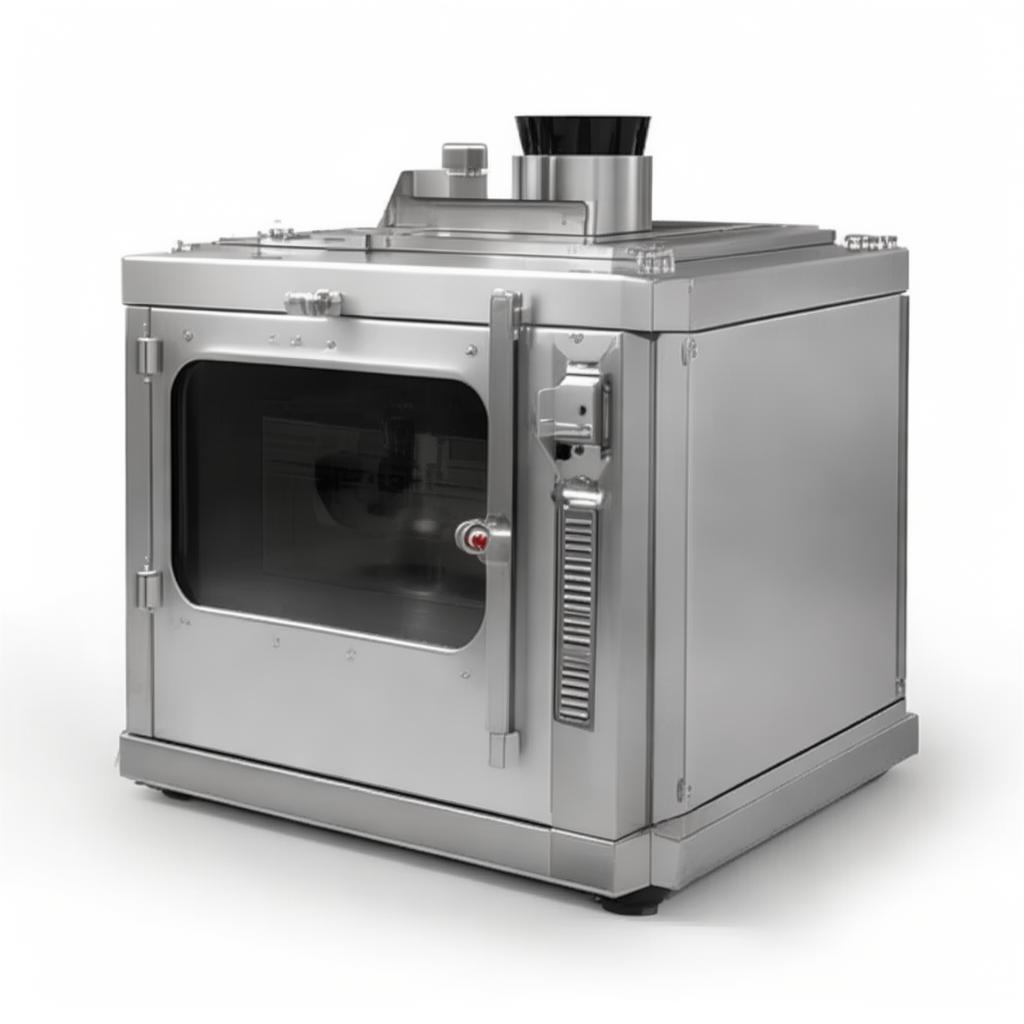
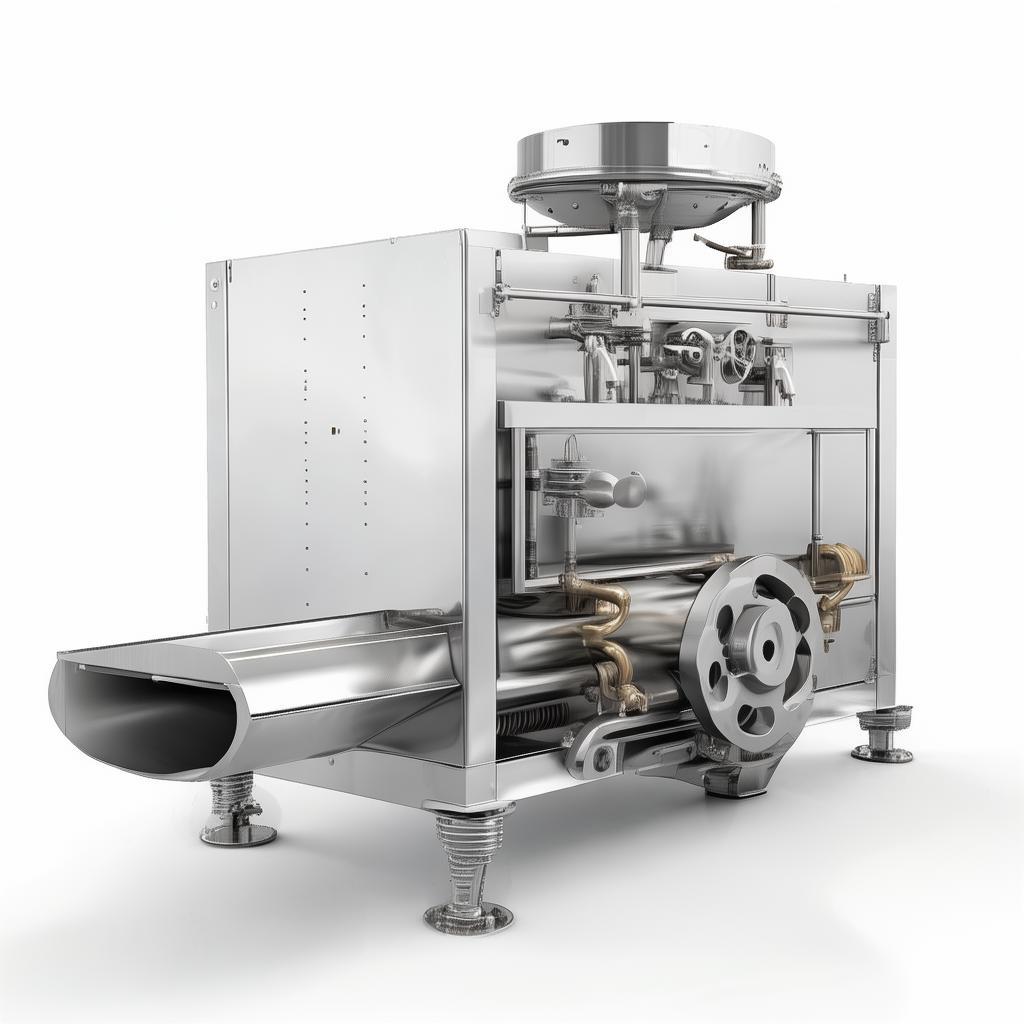
Vacuum Bag Lifter
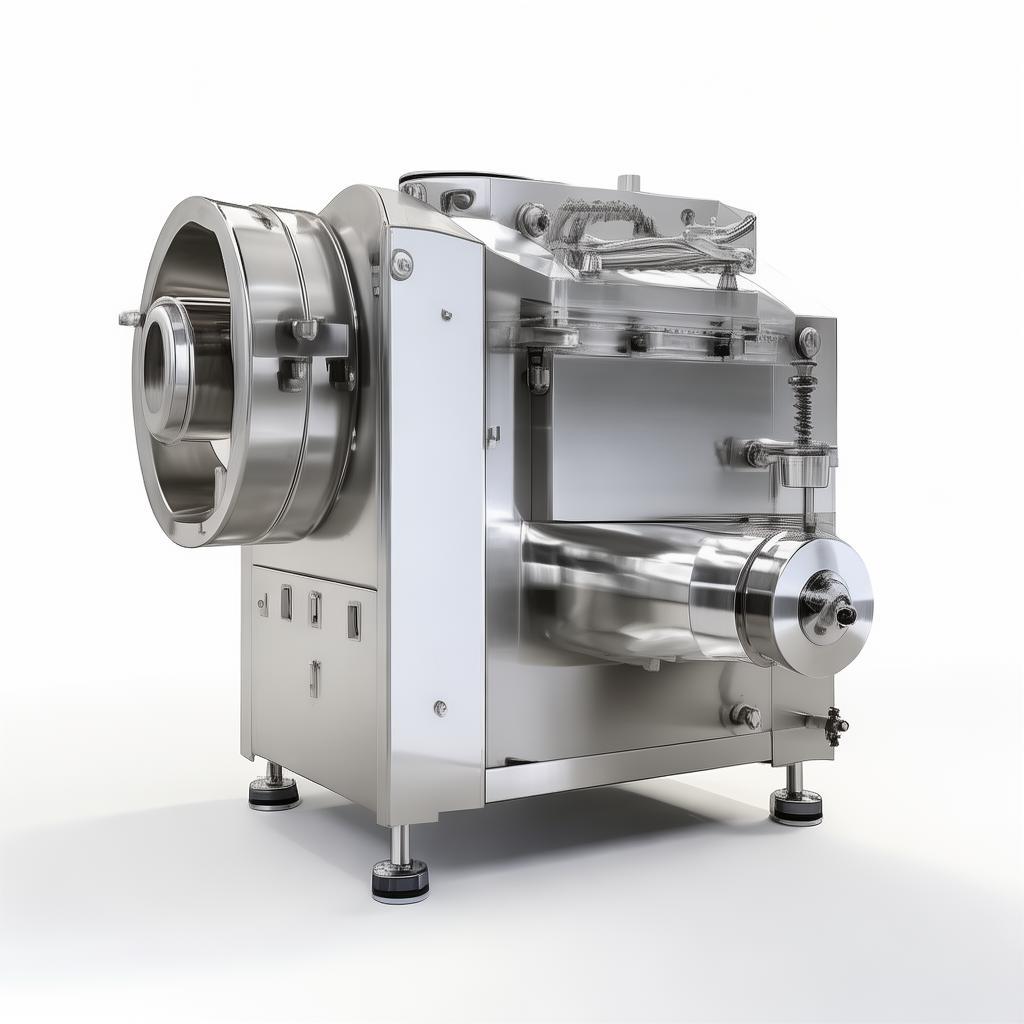
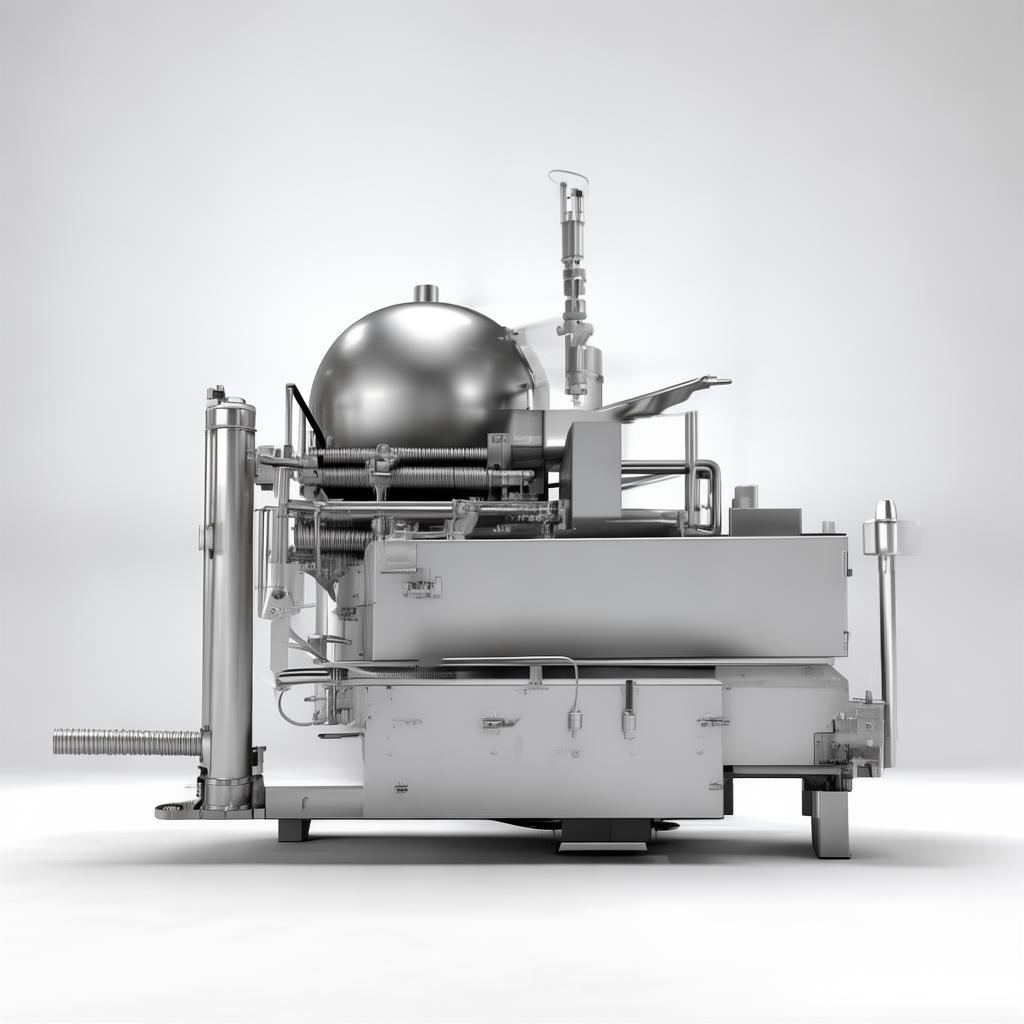
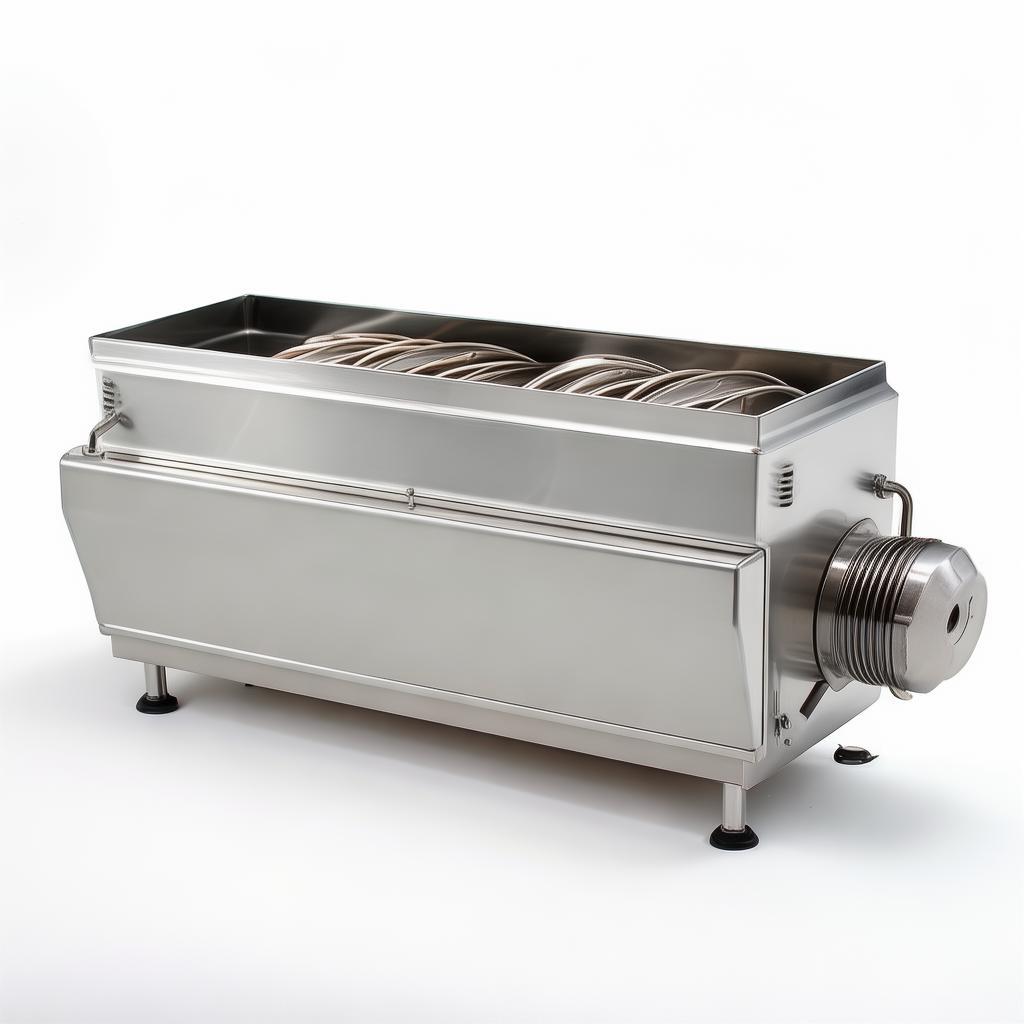
Vacuum Bag Lifters: The Precision Tool for Modern Meat Processing Efficiency
Streamlining Your Production with Reliable, High-Capacity Handling Solutions
 By: Dr. Jian Li, Senior Industrial Engineer & Export Specialist
Published:
Navigating the Demands of High-Volume Meat Processing
In today's competitive landscape, the meat processing industry is under constant pressure to enhance efficiency, maintain stringent hygiene standards, and deliver consistent product quality. For facilities handling large volumes of bagged products – from raw meats destined for further processing to finished goods like sausages, marinated cuts, or pet food – the manual handling of these often heavy and awkwardly shaped items presents a significant bottleneck. This is where specialized equipment becomes not just beneficial, but essential. A vacuum bag lifter, when properly selected and integrated, acts as a critical component in overcoming these operational hurdles. It's more than just a lifting device; it's a tool that impacts throughput, worker safety, product integrity, and ultimately, your bottom line.
The global meat processing equipment market, projected to reach USD 17.39 billion by 2034, highlights the industry's ongoing investment in advanced solutions. Within this vast sector, specialized handling equipment like vacuum bag lifters play a crucial, albeit sometimes overlooked, role. Consider the typical workflow: bagged products are filled, sealed, and then must be moved to ripening chambers, smoking units, packaging lines, or cold storage. Each manual lift, shift, or reposition carries inherent risks – potential for product damage, worker strain injuries, and costly delays. For operations dealing with hundreds or thousands of bags daily, the cumulative effect of these inefficiencies can be substantial. This is precisely why intelligent material handling, powered by vacuum technology, has become a cornerstone of modern processing plants.
Our experience at Hebei Yuanchang Food Mechanism & Technology Co., Ltd., spanning over 40 years since 1986, has shown us firsthand the evolution of these needs. We've seen facilities struggle with outdated methods, only to transform their operations once they adopt purpose-built solutions. A vacuum bag lifter isn't just about lifting; it's about precision control, reducing product deformation that can occur with mechanical grippers, and ensuring a clean interface with the product packaging. This is particularly vital for premium products or those requiring meticulous presentation. The technology leverages a fundamental principle – creating a vacuum to generate lifting force – but its application in meat processing requires robust engineering, food-grade materials, and an understanding of the specific challenges faced in this demanding environment.
The rise of processed meats, with a global market expected to hit USD 1,330.45 billion by 2035, directly translates to increased demand for the machinery that handles them. Whether it's forming sausages, curing hams, or packaging ready-to-eat meals, the initial and intermediate handling stages are critical. A vacuum bag lifter is designed to interface seamlessly with these processes. It allows for quick, ergonomic attachment to bags, gentle yet firm holding, and precise placement, minimizing the need for manual dexterity that can lead to errors or fatigue. This not only boosts operator safety by reducing physical strain but also contributes to maintaining the integrity of the product and its packaging. Think about the cost of a single damaged bag – the product loss, the re-packaging effort, the potential contamination risk. These are factors that a well-chosen lifter directly mitigates.
Furthermore, the integration of automation is a significant trend, with the global meat processing equipment market projected to reach USD 15.04 billion by 2030. While a vacuum bag lifter might seem like a standalone piece of equipment, its true value is unlocked when it becomes part of a larger automated or semi-automated workflow. It bridges the gap between manual loading and downstream conveyors, filling machines, or packaging units. This transition reduces reliance on manual labor, which is facing increasing shortages and rising costs in many regions, and allows skilled workers to focus on more complex tasks. Our in-house machining capabilities, including Japanese Mazak CNC centers, allow us to produce components with the high precision and reliability required for such integrated systems, ensuring that our lifters perform flawlessly even under demanding operational cycles.
When evaluating vacuum bag lifters, it's crucial to consider the specific types of bags and products you handle. Materials like polyethylene, often used for vacuum-sealed meat products, provide a good surface for vacuum attachment, but variations in thickness, texture, and seal quality can influence performance. The weight and volume of the bags are also primary considerations, dictating the required lifting capacity and the necessary vacuum generation system. At Hebei Yuanchang, we understand these nuances. Our expertise lies not just in manufacturing robust equipment but in advising clients on the optimal solution for their unique operational context. This consultative approach ensures that you invest in a system that truly enhances your production, rather than just adding another piece of machinery.
Common Operational Challenges in Bag Handling
- Worker Strain & Injury: Repeated lifting of heavy bags leads to musculoskeletal disorders, increasing WCB claims and downtime.
- Product & Packaging Damage: Inconsistent manual handling can cause tears, punctures, or deformation of bags, leading to product spoilage and waste.
- Slow Throughput: Manual bag manipulation is often a bottleneck, slowing down the entire production line, especially during peak loads.
- Hygiene Concerns: Direct manual contact with bags can introduce contaminants, posing a risk to food safety compliance.
- Ergonomic Deficiencies: Awkward postures and repetitive motions required for manual lifting create an unsafe and uncomfortable working environment.
- Limited Precision Placement: Difficulty in accurately positioning bags on conveyors or into machinery can cause jams and require rework.
Why Choose a Vacuum Bag Lifter from Hebei Yuanchang?
Our vacuum bag lifters are engineered to directly address these industry pain points, offering a robust and efficient solution for your meat processing operations. We focus on reliability, safety, and seamless integration.
Enhanced Operator Safety
By taking over the heavy lifting, our vacuum lifters significantly reduce the physical strain on your workforce, minimizing the risk of back injuries and other repetitive stress disorders. This promotes a safer, more ergonomic workplace.
Product & Packaging Integrity
The gentle yet secure grip of vacuum technology ensures that bags are handled without crushing, tearing, or damaging their contents or seals. This is critical for maintaining product quality and shelf life.
Increased Throughput & Efficiency
Automated lifting and precise placement significantly speed up material flow. Bags can be moved and positioned faster and more accurately than with manual methods, directly boosting your production capacity.
Superior Hygiene Standards
Minimizing direct human contact with product bags helps maintain a cleaner production environment, crucial for meeting stringent food safety regulations like HACCP and GFSI standards.
Versatile Application
Our lifters can be configured with various suction cup sizes and arrangements to accommodate different bag materials, sizes, and weights commonly found in meat processing.
Operational Simplicity
Designed for intuitive operation, our vacuum bag lifters require minimal training, allowing your team to quickly integrate them into daily workflows.
Customizable Vacuum Bag Lifter Specifications
We understand that no two processing lines are identical. Therefore, our vacuum bag lifters are designed for modularity and customization. Below are typical specifications, but we encourage you to discuss your precise needs for a tailored solution.
| Feature | Standard Configuration | Optional / Custom |
|---|---|---|
| Lifting Capacity | Up to 50 kg (110 lbs) | Up to 150 kg (330 lbs) or higher |
| Suction Cups | Food-grade silicone, 2-4 standard cups | Specialized materials, custom number/arrangement, anti-slip surfaces |
| Vacuum Source | Integrated electric vacuum pump (230V/400V) | Centralized vacuum system connection, higher flow rate pumps |
| Arm/Boom Type | Articulated joint arm, 2-3 meters reach | Telescopic arms, extended reach, wall-mounted options |
| Control System | Ergonomic handle with intuitive lift/lower/vacuum controls | Pendant control, foot pedal activation, PLC integration for automation |
| Materials | Stainless steel (304 grade), food-grade plastics | 316L stainless steel for high-corrosion environments |
| Safety Features | Vacuum monitoring, safety buffer tank, audible/visual alarms | Dual vacuum circuits, redundant safety systems |
vacuum box lifter box vacuum lifter vacuum tube lifter
Note: Specifications are subject to change based on specific product requirements and regional electrical standards.
Where Our Vacuum Bag Lifters Excel
The versatility of our vacuum bag lifters makes them indispensable across a wide range of meat processing applications:
Sausage & Formed Product Handling
Moving large vacuum-sealed packages of sausages, hams, or formed meat products from stuffing machines to ripening or smoking chambers.
Marinated & Prepared Meats
Handling bulk bags of marinated chicken, beef, or pork destined for further cooking or distribution.
Pet Food Processing
Efficiently moving heavy bags of raw or processed pet food from production to storage or packaging lines.
Bulk Ingredient Transfer
Loading and unloading large bags of meat components or pre-mixed ingredients from receiving to processing areas.
Cold Storage & Distribution
Facilitating the movement of bagged products within cold rooms and onto dispatch pallets, reducing manual effort in challenging temperature environments.
Integration with Other Equipment
Seamlessly placing bags onto or into other processing machinery like automated packaging systems or sorting conveyors.
Installation & Logistics Considerations
Proper installation and thoughtful logistics planning are key to maximizing the benefit of your vacuum bag lifter investment. We provide guidance to ensure a smooth integration.
Installation Requirements:
- Mounting Point: A stable overhead suspension point is required, capable of supporting the lifter's weight plus the maximum load. This could be an existing structure, a dedicated gantry, or a mobile floor-mounted column.
- Power Supply: The electric vacuum pump requires a reliable power source matching the specified voltage and frequency (e.g., 230V/400V, 50/60Hz). Ensure appropriate electrical connections and safety measures are in place.
- Clearance: Sufficient vertical and horizontal clearance is needed for the arm's reach and the full range of motion, avoiding collisions with machinery or overhead obstructions.
- Ergonomic Layout: Position the lifter's working area to facilitate a natural workflow, minimizing operator movement and maximizing efficiency from bag pickup to placement.
Logistics & Shipping:
As an international exporter, we have extensive experience in safely packaging and shipping our equipment worldwide. Our lifters are typically disassembled into manageable components and secured within sturdy crates or pallets. We work with reputable freight forwarders to ensure timely and cost-effective delivery to your facility. Detailed packing lists and assembly manuals are provided. For larger systems or integrated solutions, we can discuss on-site installation and commissioning services.
*Prior to installation, a site survey is recommended to confirm suitability and ensure compliance with local safety regulations.
Key Considerations for Purchasing Managers
Selecting the right vacuum bag lifter requires a strategic approach. Beyond the initial price, consider these factors to ensure a sound investment and mitigate procurement risks:
- Supplier Reputation & Experience: Partner with manufacturers with a proven track record in the food processing industry. Look for companies with significant export experience and a deep understanding of hygiene standards. Our 40 years in the business and specialized focus on meat processing equipment provides that assurance.
- Customization Capabilities: Off-the-shelf solutions rarely fit perfectly. Evaluate suppliers who offer flexible designs and can tailor equipment to your specific bag types, weights, and facility layout.
- Material Quality & Compliance: Ensure all parts in contact with products or packaging are made from food-grade, corrosion-resistant materials (e.g., stainless steel, FDA-approved plastics). Certifications like CE mark (for European markets) are indicators of compliance.
- After-Sales Support & Spare Parts: Reliable service and readily available spare parts are crucial for minimizing downtime. A manufacturer with an in-house machining workshop and a traceable management system, like ours, can ensure component availability.
- Total Cost of Ownership (TCO): Consider not just the purchase price, but also installation, training, maintenance, energy consumption, and potential downtime costs. A higher initial investment in a robust, efficient lifter often leads to lower TCO.
- Lead Time & Delivery: Understand production lead times and shipping schedules. For critical production lines, reliable delivery timelines are paramount.
We recommend obtaining detailed specifications and requesting a quote tailored to your application. Don't hesitate to ask about integration possibilities with your existing or planned processing lines.
Our Manufacturing Strength: Hebei Yuanchang Advantage
At Hebei Yuanchang, our 40-year legacy (since 1986) is built on a foundation of robust engineering and manufacturing excellence. We integrate R&D, production, and sales, offering unparalleled control over quality and customization.
- Extensive Facility: Operating from a 14,000 sq meter facility with 80-100 skilled employees.
- Advanced Machining: Over 20 sets of processing machinery, including lathes, milling machines, and high-precision grinding equipment.
- Precision Engineering: Investment in 8 Japanese Mazak CNC machining centers allows us to produce high-volume, high-precision, non-standard components.
- Independent Component Production: Our in-house capabilities ensure the quality and availability of critical parts, vital for reliable after-sales service.
- 40 Years of Expertise: Deep practical knowledge accumulated in complete meat processing lines, enabling us to design equipment that truly understands your operational needs.
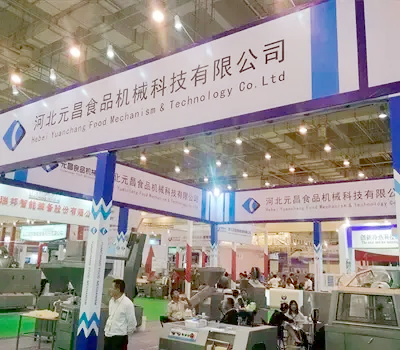
Our state-of-the-art machining workshop ensures precision in every component.
Quality Assurance & Compliance
We adhere to strict quality control and international standards to ensure our equipment meets your expectations for safety and performance.
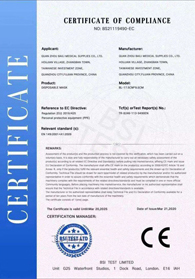


Our commitment to quality extends to ensuring compliance with relevant industry regulations and international standards.
What Our Clients Say
"Before we got the vacuum lifter, moving the large 25kg bags of marinated chicken was a real strain on our crew. Now, operations are smoother, and we've seen a noticeable reduction in lost time due to back issues. It's a solid piece of equipment."
 Mark Jenkins, Production Supervisor, USA
"We process hundreds of sealed product bags daily. The vacuum lifter has dramatically increased our line speed. The precision placement also means fewer issues with conveyor jams. Great support from the sales team in China."
 Sarah Chen, Operations Manager, Canada
"As a pet food manufacturer, we deal with bulky bags. This lifter has been a game-changer for our intake and dispatch. The build quality is robust, and it handles our varied bag sizes well. We appreciate the attention to food-grade materials."
 David Miller, Plant Manager, Australia
"We needed a solution that was both efficient and safe for our team in the cold room. The vacuum lifter fits the bill perfectly. It's easy to operate even with gloves on, and it's significantly reduced the manual handling burden. Highly recommend Hebei Yuanchang."
 Emily Carter, Logistics Coordinator, UK
Ensuring Trust and Transparency
We believe in building strong relationships based on trust and clear communication. See how we interact with our clients to provide the best solutions.
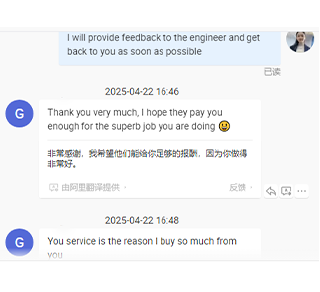
Confirming product specifications and delivery timelines.

Discussing customization options for a unique processing line.

Addressing a client's query regarding maintenance procedures.
Frequently Asked Questions
A: Lead times can vary based on the complexity of customization and our current production schedule. Typically, standard configurations might take 4-6 weeks, while heavily customized units could range from 8-12 weeks. We provide precise estimates upon order confirmation.
A: While standard suction cups work best on smooth, non-porous surfaces, we can equip lifters with specialized cups designed for improved grip on textured materials or in damp conditions. It's essential to discuss your specific bag types and operating environment with our sales engineers.
A: Routine maintenance typically involves cleaning the suction cups, checking vacuum lines for leaks, and ensuring the pump is operating correctly. Regular lubrication of arm joints is also recommended. We provide detailed maintenance schedules and are available for service contracts.
A: Yes, absolutely. We have extensive experience in providing OEM and ODM solutions. We can manufacture vacuum lifters under your brand or develop entirely new designs based on your specifications and market needs. Our advanced CNC capabilities are ideal for precise, large-volume custom production.