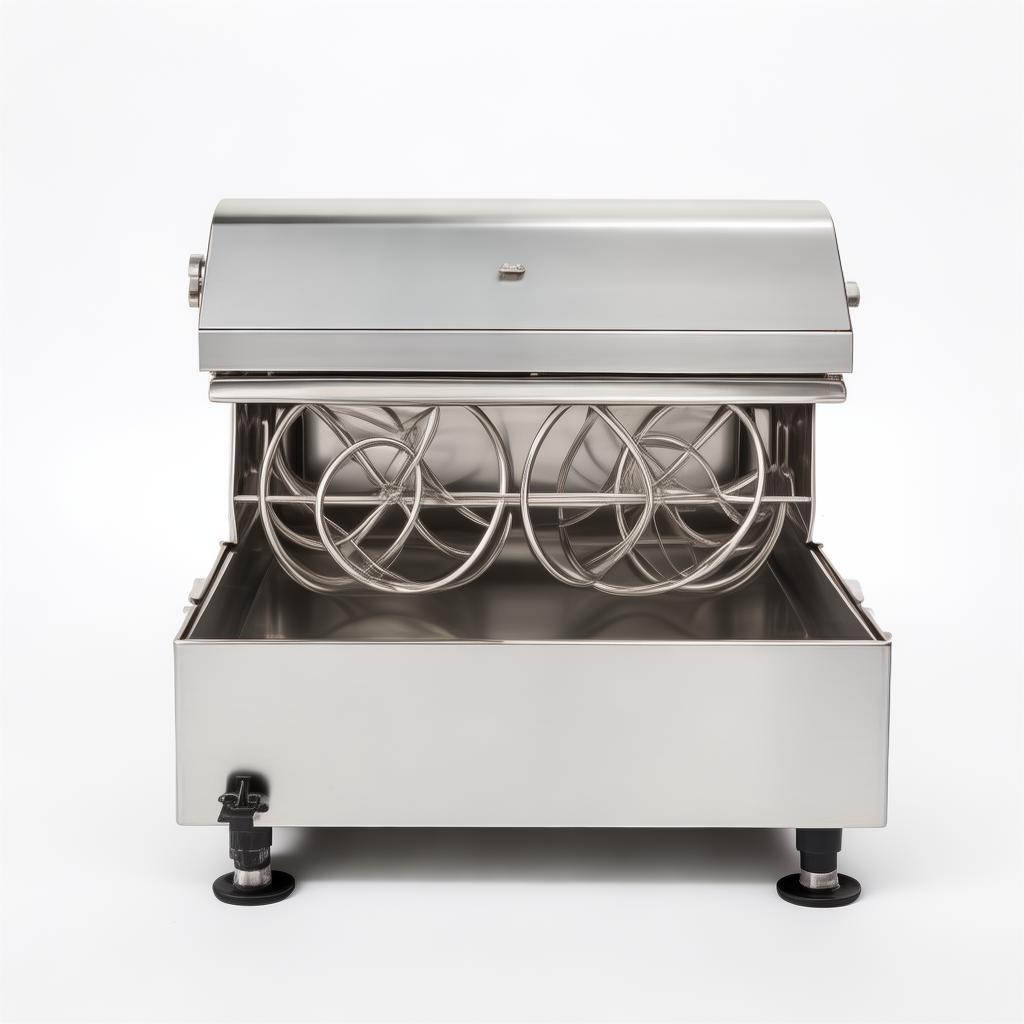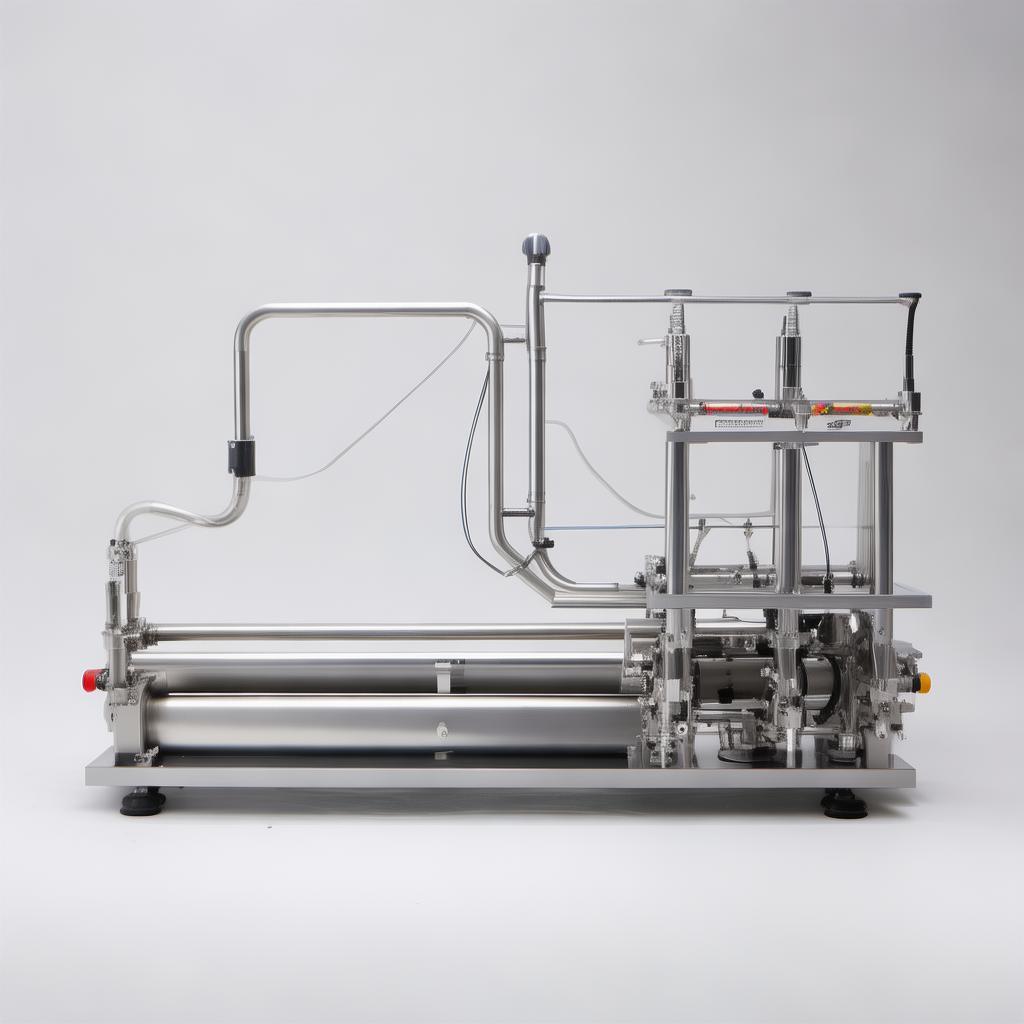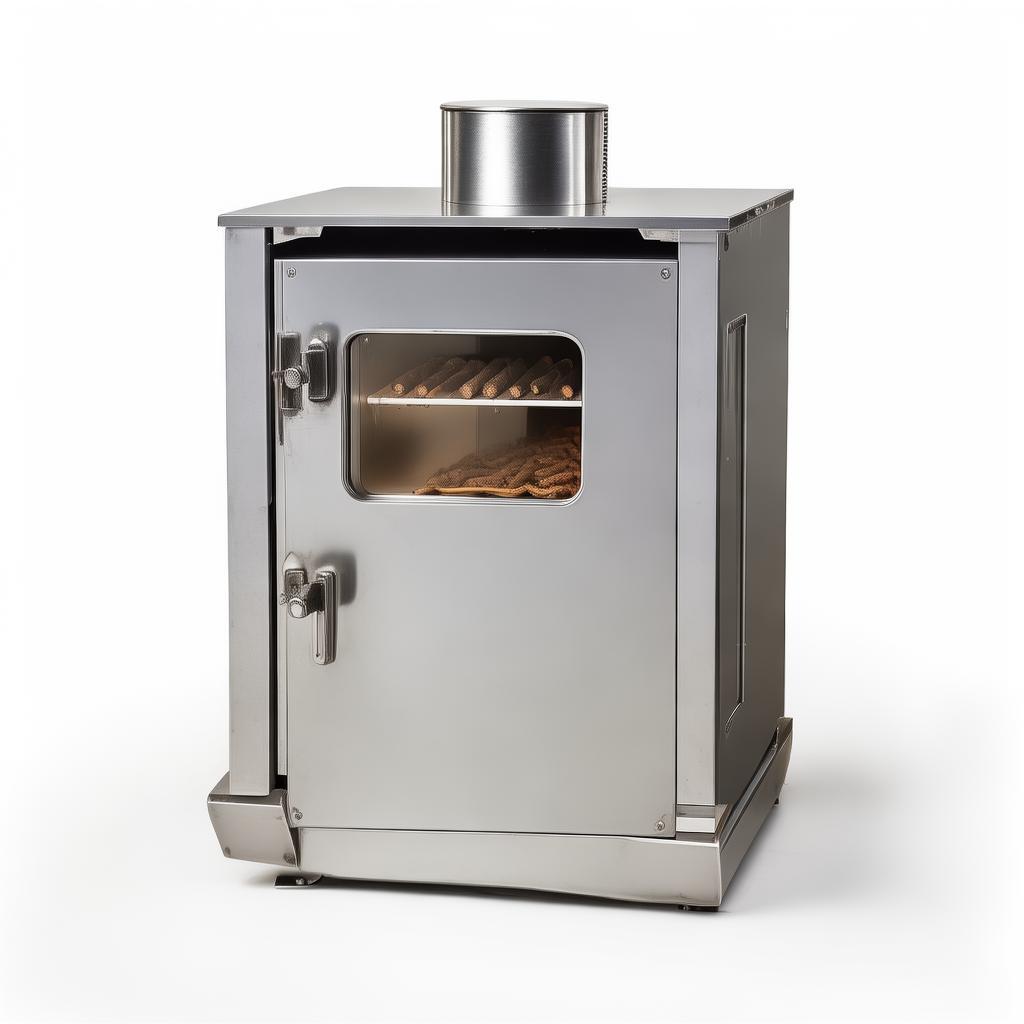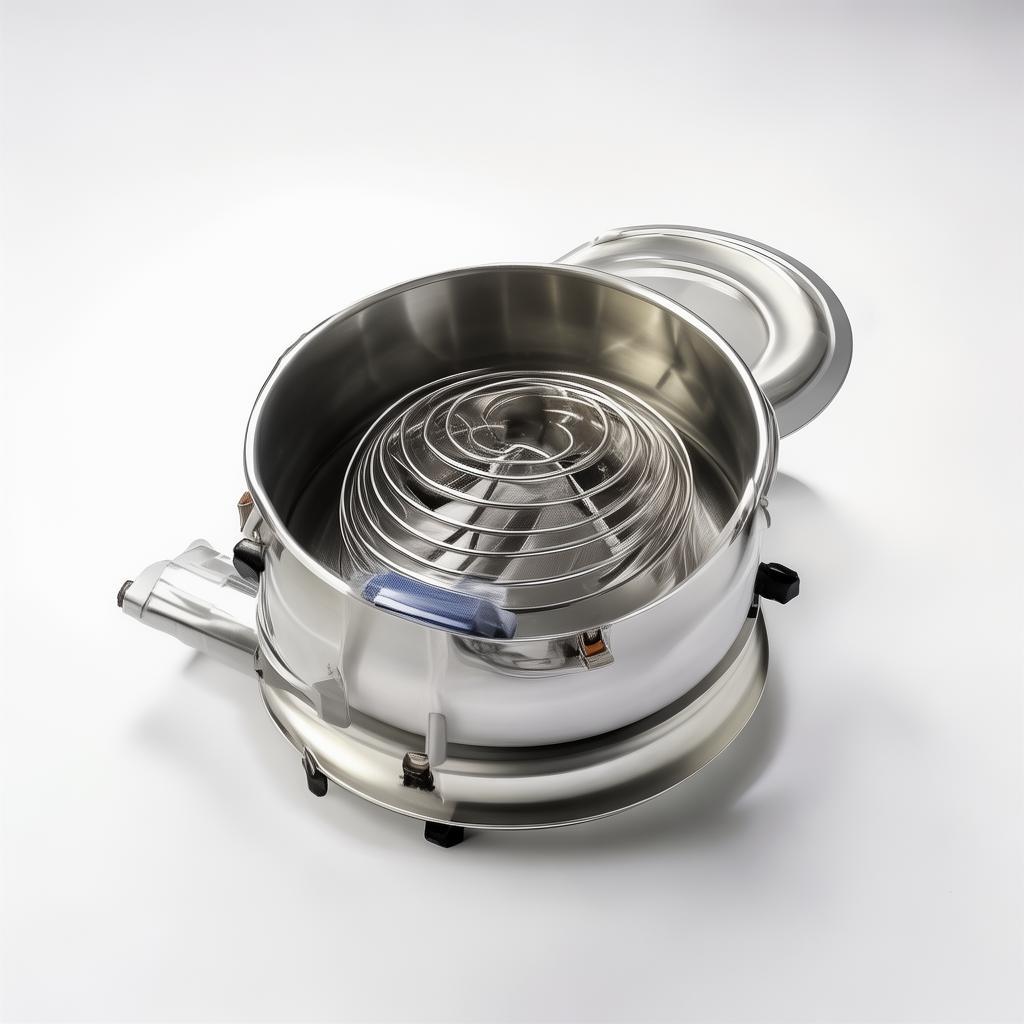
Meat Tumbler Commercial
Commercial Meat Tumblers: Elevate Your Production & Product Quality
Unlock consistent texture, enhanced flavor, and efficient processing for your meat products.
Navigating the Complexities of Modern Meat Processing
In today's competitive food processing landscape, achieving consistent quality, optimizing production workflows, and meeting evolving consumer demands are paramount. For businesses involved in manufacturing processed meats, from cured hams and sausages to marinated poultry and specialty jerky, the quest for that perfect texture, uniform marination, and extended shelf-life is a continuous one. This is where the role of a commercial meat tumbler becomes not just beneficial, but indispensable. These machines are more than just mixing vessels; they are sophisticated pieces of equipment designed to intricately process raw meat, fundamentally altering its physical and chemical properties to achieve desired end-product characteristics.
Consider the challenges faced by operations managers and procurement directors. They’re not just looking to buy a piece of machinery; they’re investing in a solution that impacts everything from raw material utilization and labor efficiency to final product appeal and brand reputation. The decision to integrate a commercial meat tumbler into a production line involves a deep understanding of its capabilities, the diverse types available on the market, and how it aligns with specific processing goals. Are you aiming for deeper flavor penetration in marinades? Enhanced binding for formed products? A more tender bite in your cured meats? Each objective points towards the sophisticated mechanical action that a well-designed tumbler provides.
The global meat processing equipment market is a testament to the industry's ongoing evolution. Valued at over USD 11 billion in 2025 and projected to exceed USD 17 billion by 2034, with a steady CAGR around 5.0% across various reports [1], it underscores a significant, sustained demand for advanced solutions. Key segments prominently feature massaging and tumbling equipment, critical for ripening and tenderizing, alongside filling and molding machines [1]. This growth is fueled by several interconnected factors: a surging global appetite for processed meat products, the imperative for automation to enhance hygiene and mitigate labor shortages, and the increasingly stringent food safety standards that manufacturers must adhere to [1]. Furthermore, the expansion of processing capabilities in regions like Asia-Pacific is creating new market dynamics and driving demand for both large-scale and specialized equipment [1].
What does this mean for a buyer like you? It means the market is robust, offering a wide array of options, but also demanding a discerning approach. You're likely comparing different capacities, vacuum capabilities, mixing styles (e.g., paddle vs. drum rotation), and material constructions (stainless steel is standard, but grade matters). The "commercial meat tumbler" search query itself is broad, encompassing a spectrum of needs from small artisanal producers to large-scale industrial operations. Understanding these nuances is the first step towards making an informed investment. The machinery must not only perform its core function reliably but also integrate seamlessly into your existing setup, minimize downtime, and contribute positively to your bottom line through improved product yield and reduced waste.
The operational realities are complex. A poorly chosen tumbler might over-process delicate muscle fibers, leading to a mushy texture, or under-process, resulting in uneven marination and reduced shelf appeal. For vacuum tumblers, the effectiveness of the vacuum system in drawing out air and allowing marinades to penetrate is critical. For non-vacuum types, the gentle yet thorough mixing action is key to achieving uniform distribution of cure, spices, or other additives without damaging the meat structure. Many of these machines are also used for ripening, where gentle, prolonged tumbling helps break down muscle proteins, naturally tenderizing the meat and improving its water-holding capacity. This process is particularly vital for whole muscle products like hams and bacon, where texture and juiciness are paramount. The ability to control speed, direction, and time is therefore not a luxury, but a necessity for precise process control.
Moreover, the choice of tumbler can significantly influence downstream processing. For example, properly tumbled meat for sausage production will bind more effectively during filling and molding, leading to fewer voids and a more consistent product. Similarly, meat prepared for further processing like smoking or cooking will benefit from uniform moisture and additive distribution achieved through tumbling. The investment in the right equipment is an investment in the overall quality and marketability of your entire product line. This is why we focus on providing not just machinery, but comprehensive solutions tailored to the specific operational needs and strategic goals of our international B2B clients. From understanding the nuances of different meat cuts and their processing requirements to ensuring compliance with international food safety standards, our expertise is at your service.
Looking ahead, the trend towards convenience foods and ready-to-eat meals continues to drive demand for efficient meat processing solutions. This includes everything from marinated portions for retail to pre-seasoned meats for food service. The need for consistency, safety, and cost-effectiveness in these high-volume sectors makes sophisticated equipment like commercial meat tumblers essential. As we delve deeper into the features and benefits, you'll see how Hebei Yuanchang Food Mechanism & Technology Co., Ltd. has leveraged decades of manufacturing experience to deliver machines that precisely meet these demands, offering durability, efficiency, and exceptional value.
The Core Functions & Benefits: Why a Meat Tumbler is Essential
At its heart, a commercial meat tumbler performs mechanical action to achieve several key objectives in meat processing. Understanding these fundamental functions is crucial for any buyer looking to optimize their operations. These machines are designed to gently yet effectively mix, massage, and agitate meat pieces, either with or without the addition of marinades, brines, spices, or cure ingredients. This mechanical action breaks down muscle fibers, opens up protein structures, and facilitates the absorption of liquids and additives.
Key Benefits of Using a Commercial Meat Tumbler:
- Enhanced Marination & Flavor Penetration: Tumbling ensures that marinades, brines, and seasonings are distributed evenly throughout the meat, leading to deeper flavor penetration and more consistent taste profiles. This is especially critical for products where marination is a primary driver of consumer appeal.
- Improved Texture & Tenderness: The mechanical action helps to tenderize meat by breaking down muscle fibers and connective tissues. This results in a softer, more palatable texture, particularly beneficial for tougher cuts or older animals. It's a key step in the ripening process.
- Increased Yield & Binding: Tumbling promotes protein extraction and hydration, which enhances the meat's ability to bind with itself or with other ingredients. This leads to better cohesion in formed products like sausages, patties, and deli meats, reducing product loss during cooking and increasing overall yield.
- Uniform Curing & Color Development: For cured products (like ham, bacon, and corned beef), tumbling ensures that curing agents are distributed uniformly, leading to consistent color development and safe, effective curing throughout the product mass.
- Reduced Processing Time: Compared to manual mixing or static soaking, tumbling significantly speeds up the marination, curing, and tenderizing processes, boosting overall production throughput.
- Automation & Consistency: Modern tumblers offer precise control over speed, time, and direction, allowing for repeatable results batch after batch. This automation reduces reliance on manual labor and ensures product consistency, a critical factor for brand reputation and B2B client satisfaction.
- Extended Shelf Life: Proper tumbling and vacuum processing can help reduce entrapped air, minimizing oxidation and microbial growth, which can contribute to a longer shelf life for the finished product.
The specific benefits realized will depend on the type of meat, the formulation being used, and the operational parameters set on the machine. For instance, in the context of processed meat and poultry, the market is expected to grow substantially, with some reports projecting it to reach USD 30.5 billion by 2035 at a CAGR of 7% [11]. This growth is directly correlated with the increasing demand for convenience products and the need for efficient processing technologies that can handle large volumes while maintaining quality. Filling, tenderizing, and smoking systems are highlighted as critical components in this expansion [11], with massaging (tumbling) equipment playing a vital role in the ripening process for many of these items.
Furthermore, the rise of reconstituted and formed meat products, driven by consumer preference for value-added items and innovative food formats, directly benefits from the capabilities of advanced tumblers. These machines are indispensable for achieving optimal binding and texture in products created from smaller meat pieces or restructured meat. The demand for such technologies is accelerating globally, making it a key area of investment for processors looking to diversify their offerings and capture new market segments.
Choosing the Right Commercial Meat Tumbler: Key Considerations
Selecting the appropriate commercial meat tumbler requires a thorough assessment of your specific operational needs, production volume, and product types. It’s not a one-size-fits-all decision. A procurement specialist or operations manager needs to consider several critical factors to ensure the investment yields maximum return and seamless integration.
Factors to Evaluate:
- Capacity & Throughput: Tumblers come in various capacities, from tens of liters to thousands of liters. Accurately estimate your daily or batch production needs. Over-specifying can lead to unnecessary capital expenditure, while under-specifying will bottleneck your entire line. Consider the "fit for now" aspect – will this machine accommodate projected growth?
-
Vacuum vs. Non-Vacuum:
- Vacuum Tumblers: Ideal for deep marination, curing, and achieving a dense, uniform texture. The vacuum draws out air, allowing marinades to penetrate effectively and proteins to bind more readily. Essential for products where maximum moisture and flavor absorption are critical.
- Non-Vacuum Tumblers: Suitable for gentler mixing, ripening, and for products where deep penetration isn't the primary goal, or where the meat structure is more delicate. They are generally simpler and can be more cost-effective for certain applications.
- Mixing Mechanism: Tumblers employ different internal designs, typically rotating drums or paddle systems. Paddle tumblers often offer more control over meat integrity and are excellent for delicate products. Drum tumblers are robust and efficient for larger volumes. The design impacts how thoroughly and gently the meat is agitated.
- Material Construction & Hygiene: Food-grade stainless steel (e.g., SUS304) is the industry standard for durability, corrosion resistance, and ease of cleaning. Ensure all contact surfaces are smooth and crevice-free to meet stringent hygiene regulations (e.g., HACCP compliance). Easy disassembly for cleaning is a significant operational advantage.
- Control System: Modern tumblers feature user-friendly control panels that allow precise adjustment of tumbling time, speed, direction (forward/reverse), and vacuum levels. Programmable recipes for different products are a major plus for efficiency and consistency.
- Loading & Unloading: Consider how raw materials will be loaded and finished products unloaded. Some models offer integrated loading systems or easy-tilt mechanisms for manual loading, while others are designed for forklift or conveyor integration.
- Footprint & Power Requirements: Ensure the machine will fit within your existing facility layout and that your power supply is compatible.
- After-Sales Support & Export Capabilities: For international buyers, reliable after-sales service, spare parts availability, and the supplier's experience in export logistics are paramount. Understanding lead times for critical components and the ease of technical support across time zones is essential for minimizing operational disruption.
The market for meat processing equipment is dynamic. While overall market growth rates for meat processing equipment hover around 5%, specific segments like filling and massaging (tumbling) equipment often show higher adoption rates due to their direct impact on product quality and consumer appeal [2]. For instance, the demand for sausages and other formed meat products, where tumblers play a crucial role in binding, is a significant driver.
When evaluating suppliers, look beyond just the price tag. Consider their manufacturing experience, technical documentation, and willingness to provide tailored solutions. A factory with in-house machining capabilities, like ours at Hebei Yuanchang, ensures higher precision and greater control over component quality, directly translating to the reliability and longevity of the final machine. This is particularly important for high-precision parts often required for vacuum systems and rotating mechanisms.
Technical Specifications & Our Solution: The YC Series Meat Tumbler
Understanding the technical intricacies of a commercial meat tumbler is key to matching it with your production needs. At Hebei Yuanchang, we engineer our tumblers with robustness, efficiency, and ease of operation in mind. Our YC series represents over 40 years of accumulated manufacturing expertise, refined through continuous R&D and client feedback.
| Feature | Specification | Description |
|---|---|---|
| Model | YC-500 | Our mid-range vacuum tumbler, ideal for medium to large operations. |
| Capacity (Liters) | 500 | Suitable for batch sizes up to approximately 300-350 kg, depending on product density. |
| Material Construction | SUS304 Stainless Steel | Food-grade stainless steel for drum, frame, and all product contact surfaces; meets international hygiene standards. |
| Vacuum System | High-efficiency rotary vane pump | Capable of achieving strong vacuum levels (-0.098 MPa typical) for optimal marination and binding. |
| Motor Power | 3.0 kW (Main Motor) + 0.55 kW (Vacuum Pump) | Robust motorization for consistent performance, even with dense product loads. |
| Drum Rotation Speed | Variable, 5-25 RPM | Precise speed control for delicate or rigorous tumbling as required. |
| Control Panel | PLC Touchscreen | Intuitive interface for setting time, speed, direction, and vacuum cycles. Programmable presets available. |
| Dimensions (L x W x H) | Approx. 1500 x 900 x 1400 mm | Compact footprint for efficient factory floor planning. |
| Power Supply | 380V/50Hz/3Ph (Customizable) | Standard industrial power requirements, adaptable to different regional voltages. |
| Optional Features | Pre-cooling, auto-loading arm, frequency conversion | Enhance functionality for specific processing environments. |
commercial meat tumbler meat dicer commercial commercial meat hopper
Our commitment to quality extends to our manufacturing processes. With over 20 sets of advanced machining equipment, including Japanese Mazak CNC centers, we can produce high-precision components in-house. This capability ensures that critical parts, like the vacuum sealing mechanisms or bearing assemblies, meet stringent tolerances, contributing to the longevity and reliable performance of our tumblers. This integrated approach to production is a core part of our EEAT (Experience, Expertise, Authoritativeness, Trustworthiness) philosophy.
The market for meat processing equipment is projected to reach USD 19.66 billion by 2033, with key segments including tenderizing and filling equipment [3]. Our tumblers directly serve these critical functions, enhancing both product quality and processing efficiency. The investment in automation and advanced machinery is a trend observed across various reports, driven by the need for consistency and hygiene in processed meat production [3].
Applications: Where Our Meat Tumblers Excel
The versatility of our commercial meat tumblers means they are integral to a wide range of meat processing applications, serving diverse product categories and market segments. Whether you're producing high-volume processed meats or artisanal specialty products, our equipment is designed to enhance your output and quality.
Common Applications Include:
- Sausage Production: Crucial for developing protein exudation and binding in ground meat mixes, ensuring cohesive sausages with excellent texture and minimal voiding after cooking or smoking. This is essential for both fresh and cured sausages.
- Deli Meats & Cooked Hams: Tumbling whole muscle cuts (pork shoulder, beef rounds) with brines and seasonings results in superior tenderness, juiciness, and uniform color distribution, leading to premium deli slices and hams.
- Marinated Products: Ideal for poultry, pork, and beef intended for retail or food service. Tumblers ensure marinades penetrate deeply and evenly, enhancing flavor and moisture retention through cooking. This is a cornerstone for value-added meat products.
- Jerky & Dried Meats: While different from traditional tumbling, some processes for jerky benefit from controlled agitation to ensure even application of curing agents and flavors before drying.
- Pet Food Processing: Our specialized tumblers can be adapted for the pet food industry, ensuring even coating of palatants and nutritional supplements onto kibble or processed meat ingredients for pet food.
- Restructured Meat Products: Essential for creating formed products from smaller meat pieces or trimmings, achieving optimal binding and texture for patties, nuggets, and other formed items.
The demand for processed meats, which often rely heavily on tumbling and marination technologies, is a significant market driver. Reports indicate the global processed meat market is projected to grow substantially, with figures varying but consistently showing a positive CAGR [10]. This growth directly translates into a sustained need for reliable, high-performance processing equipment like our tumblers.
Our expertise, honed over four decades, allows us to understand the specific requirements of each application. We don't just sell machines; we partner with clients to ensure the equipment is the right fit for their intended use, maximizing efficiency and product quality. This deep understanding of application scenarios is part of our commitment to being a trustworthy and knowledgeable supplier.
Logistics, Installation & After-Sales Support: Your Global Partner
As an international B2B supplier, we understand that the journey of a commercial meat tumbler doesn't end at the factory gate. Seamless logistics, straightforward installation, and robust after-sales support are critical components of your investment. Hebei Yuanchang Food Mechanism & Technology Co., Ltd. is equipped to manage these aspects, ensuring a smooth experience from order to operation.
Our Commitment to You:
- Export Expertise: We have extensive experience exporting our machinery globally. We manage packaging for international transit, documentation for customs clearance, and can work with your preferred freight forwarders or arrange reliable shipping solutions to major ports worldwide. Consider container loading optimization to manage shipping costs effectively.
- Installation Guidance: Our machines are designed for user-friendly installation. We provide detailed manuals and can offer remote technical assistance to guide your on-site team through the setup process. For critical installations or training requirements, on-site support can be arranged upon discussion.
- Maintenance & Training: Proper maintenance is key to the longevity of any industrial equipment. We provide comprehensive maintenance schedules and troubleshooting guides. Our team is available to train your operators and maintenance staff on best practices for operation and upkeep.
- Spare Parts & Service: With our in-house machining capabilities, we can ensure prompt availability of critical spare parts. Our traceable after-sales management system means we keep records and can provide support based on your machine's specific serial number and history. For urgent issues, our technical team is reachable.
- Customization: We understand that standard configurations may not always suffice. We are open to discussing modifications and customization options to better fit unique operational requirements or site constraints.
The global meat processing equipment market is characterized by a strong emphasis on automation and hygiene compliance [5]. Our robust construction, coupled with user-friendly controls and easy-to-clean designs, directly addresses these market demands. Moreover, the geographical expansion of food processing capabilities, particularly in emerging markets, highlights the importance of reliable suppliers who can offer comprehensive export and support services.
We pride ourselves on building long-term relationships with our clients. This partnership approach means we are invested in your success, from the initial inquiry to the ongoing operation of your commercial meat tumbler. Our goal is to minimize your risk and maximize your operational efficiency through dependable equipment and attentive service.
Why Partner with Hebei Yuanchang? Our Manufacturing Strength
Choosing a manufacturing partner for critical food processing equipment is a decision that impacts quality, reliability, and ultimately, your bottom line. Hebei Yuanchang Food Mechanism & Technology Co., Ltd. brings a unique combination of experience, technical prowess, and customer-centric focus to the global market.
Our Advantages:
- 40 Years of Experience (Since 1986): Our deep-rooted history in meat processing equipment means we possess unparalleled practical knowledge and a proven track record. We've seen industry trends evolve and have continuously adapted our designs and manufacturing processes.
- Integrated Manufacturing: Our 14,000 sq meter facility houses R&D, production, and sales. Crucially, our in-house machining workshop, equipped with over 20 advanced machines including Japanese Mazak CNC centers, grants us exceptional control over component precision and quality. This allows us to produce high-standard, non-standard parts independently, ensuring superior product integrity and facilitating worry-free after-sales service.
- Focus on Complete Production Lines: While we excel in individual machines like meat tumblers, our expertise extends to complete processing lines, giving us a holistic understanding of how each piece of equipment contributes to overall efficiency.
- Commitment to Quality & Compliance: We adhere to rigorous quality control standards throughout our production process. Our equipment is built for durability, hygiene, and optimal performance in demanding industrial environments. We understand the importance of compliance with international food safety regulations.
- Global Reach: We are experienced exporters, accustomed to navigating international trade complexities, ensuring reliable delivery and support for our global clientele.
The meat processing equipment market is expected to reach USD 18 billion by 2033 [5], and we are positioned to be a leading supplier through our dedication to manufacturing excellence. Our ability to produce high-precision parts in-house is a significant differentiator, offering clients greater assurance of reliability and long-term performance.
When you choose Hebei Yuanchang, you're not just buying a machine; you're gaining a partner with decades of industry-specific experience and a commitment to delivering value through superior engineering and manufacturing. We invite you to explore how our expertise can benefit your operations.
Hear From Our Clients: Real-World Impact
We believe the true measure of our equipment's success lies in the satisfaction of our clients. Here are a few testimonials from businesses that have integrated our commercial meat tumblers into their operations:

"We were struggling with inconsistent marination on our chicken wings. After installing the YC-300 vacuum tumbler, the difference was night and day. Marinade penetration is uniform, and our customers rave about the flavor. The machine's build quality is impressive, and the export process was smoother than expected."
— Mark Chen, Operations Manager, Poultry Processor, USA

"Our deli ham production required better binding and tenderness. The YC-500 vacuum tumbler from Hebei Yuanchang has significantly improved our product yield and texture. The PLC control makes it easy to set precise cycles for different cuts, and the stainless steel construction is exactly what we needed for hygiene compliance."
— Isabella Rossi, Production Lead, European Charcuterie, Italy

"As a manufacturer of specialty sausages, precise control over our mixing and curing process is vital. The YC-200 vacuum tumbler has been instrumental. It allows for gentle, effective mixing without damaging the meat structure, leading to consistently high-quality products. The support team was very responsive to our initial setup queries."
— Kenji Tanaka, Owner, Artisan Butcher, Japan
Frequently Asked Questions (FAQs) About Commercial Meat Tumblers
A: With proper maintenance and operation, our stainless steel tumblers are designed for longevity, often lasting 10-15 years or more. Factors like operating hours, maintenance frequency, and the type of products processed can influence this.
A: Regular cleaning involves rinsing with water, followed by a mild detergent wash. Detachable parts should be cleaned thoroughly. For deep cleaning, specific sanitizing agents can be used as per your HACCP plan. Our stainless steel construction and crevice-free design facilitate easier cleaning.
A: Yes, our tumblers are designed to handle marinades with various ingredients. For vacuum tumblers, the vacuum action aids in incorporating these solids. However, extremely large or abrasive solid pieces should be used with caution to avoid unnecessary wear on internal components.
A: We typically offer a one-year warranty on our main components against manufacturing defects. Specific terms and conditions are detailed in our sales agreements.
A: Basic installation, including power hookup and initial checks, can often be completed within a few hours by a qualified technician. Comprehensive operational training might extend this timeframe.
Ready to Enhance Your Meat Processing Operations?
Don't let inconsistent texture, flavor, or yield limit your product potential. Invest in a high-performance commercial meat tumbler from a manufacturer with over 40 years of dedicated experience.
Contact us today to discuss your unique processing challenges and discover how our commercial meat tumblers can elevate your business.