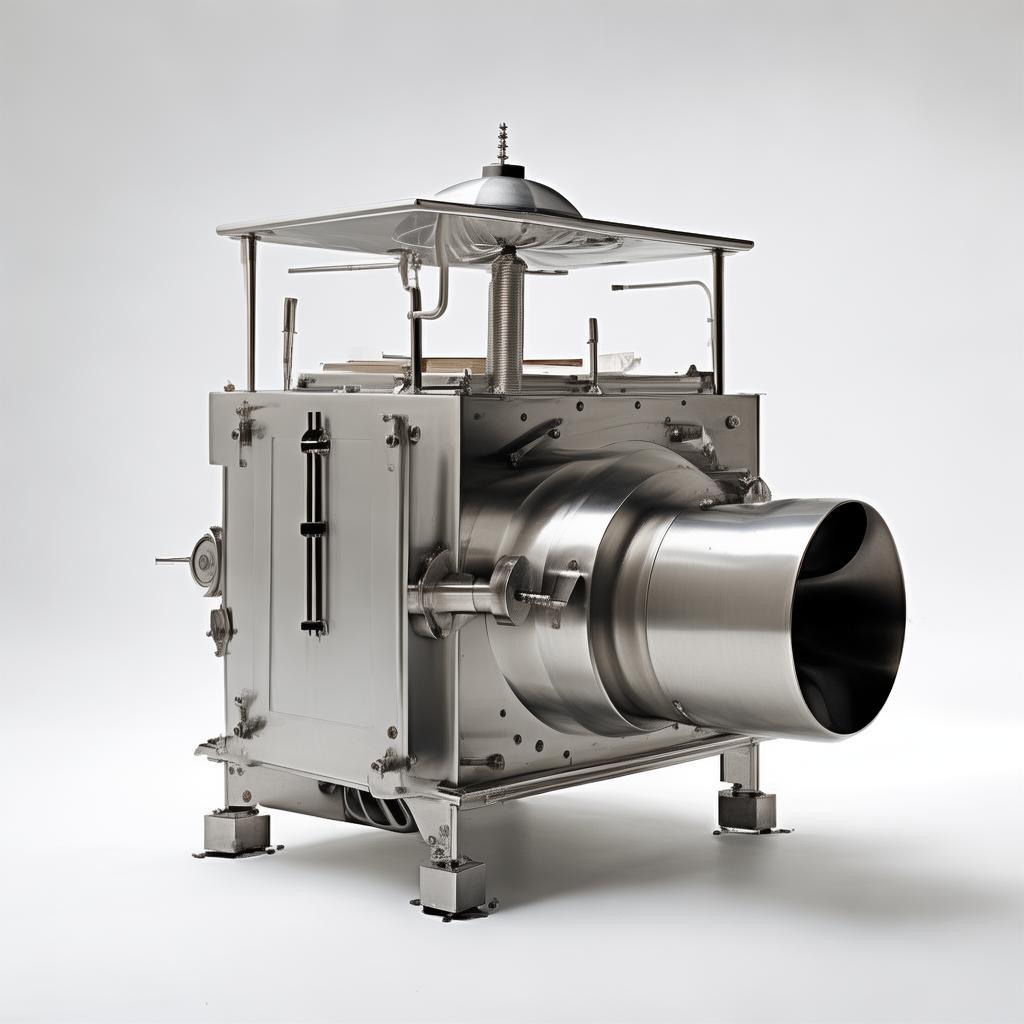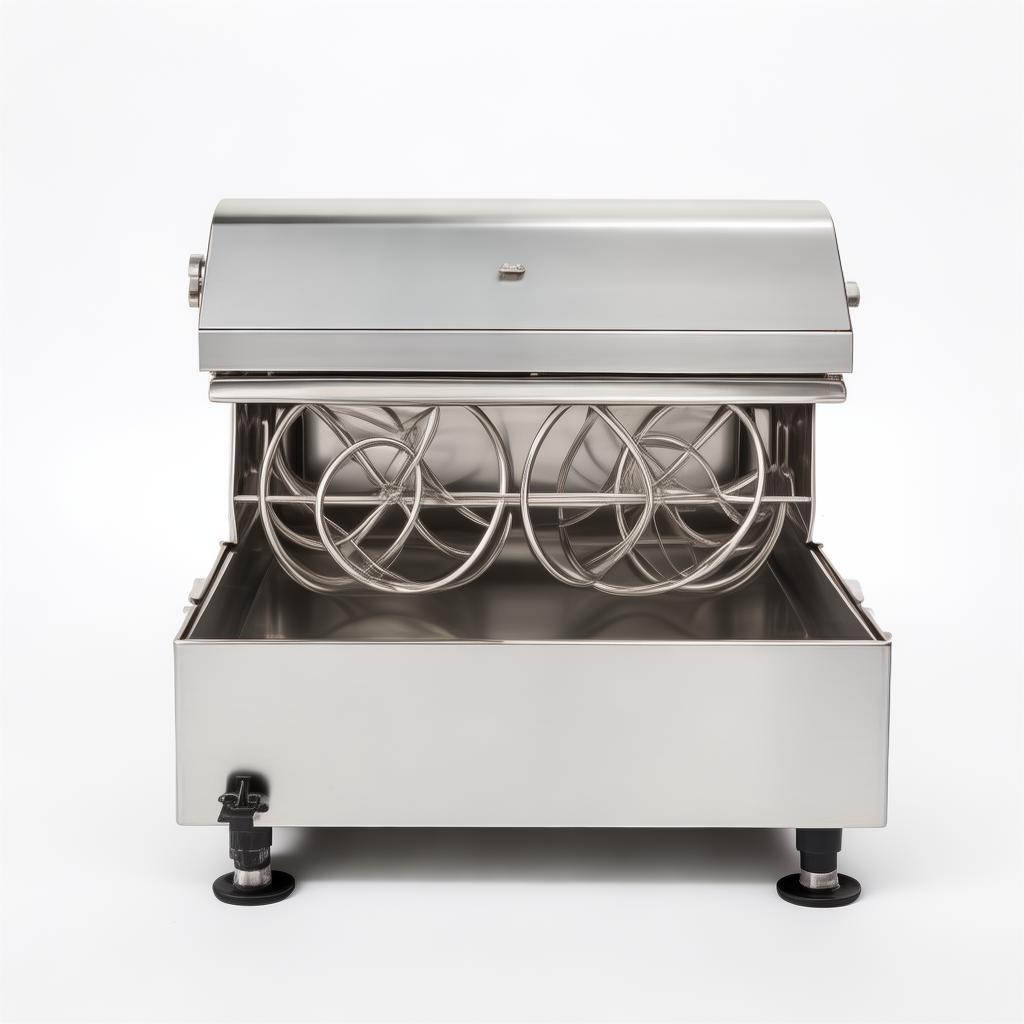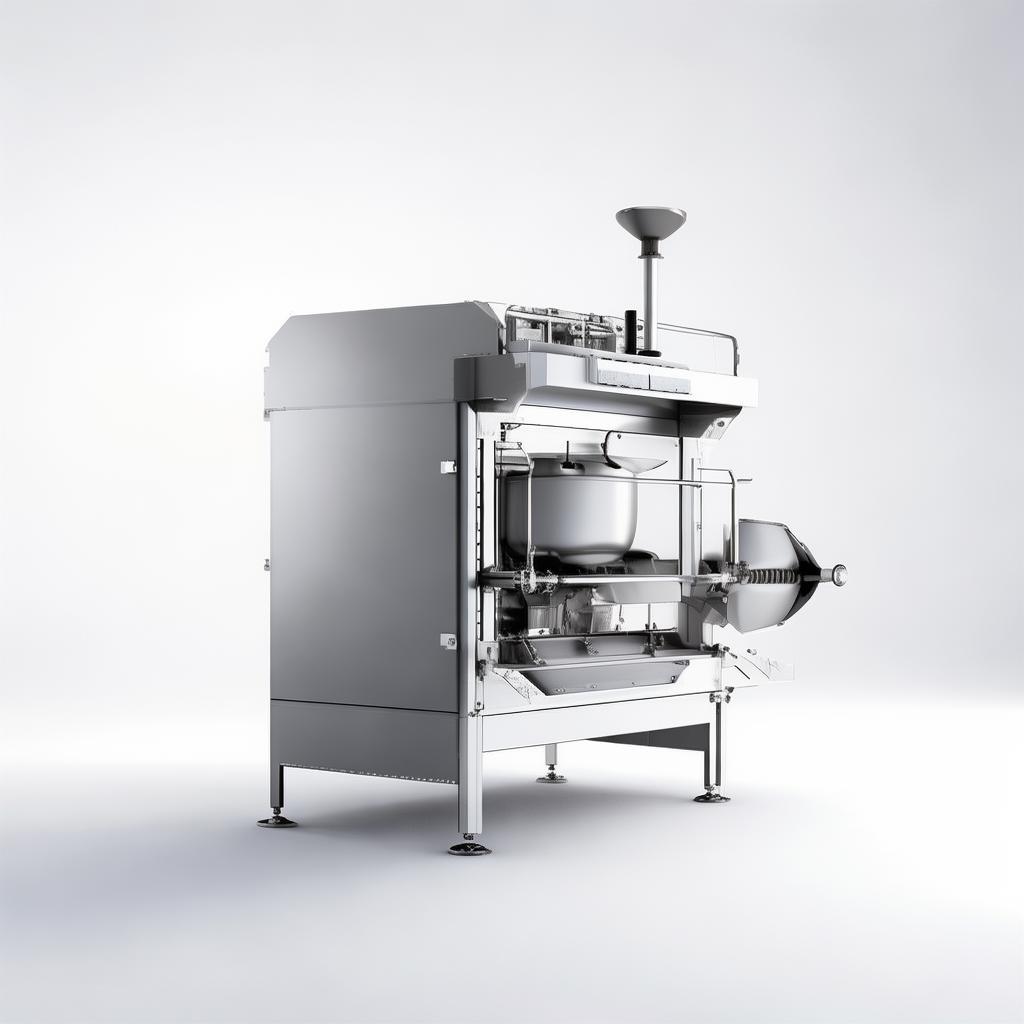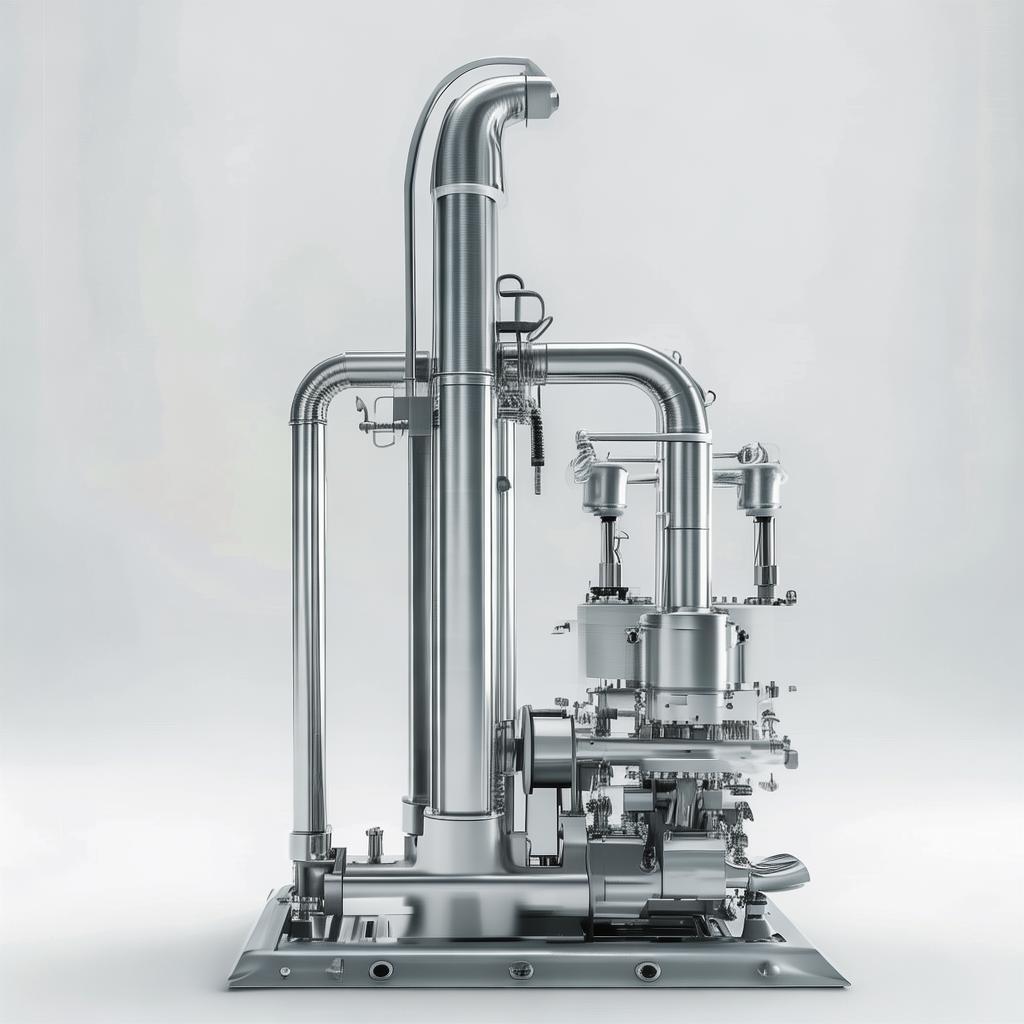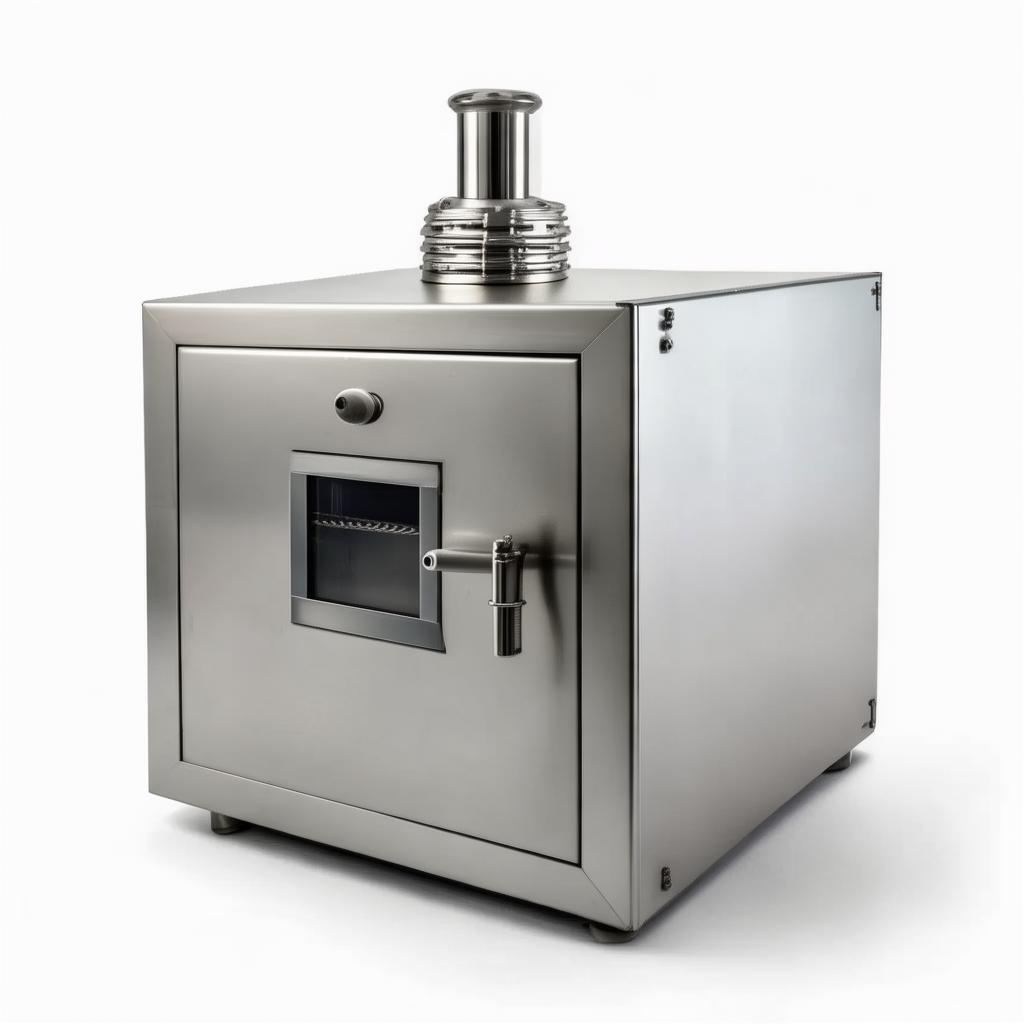
Meat Tumbler Mixer
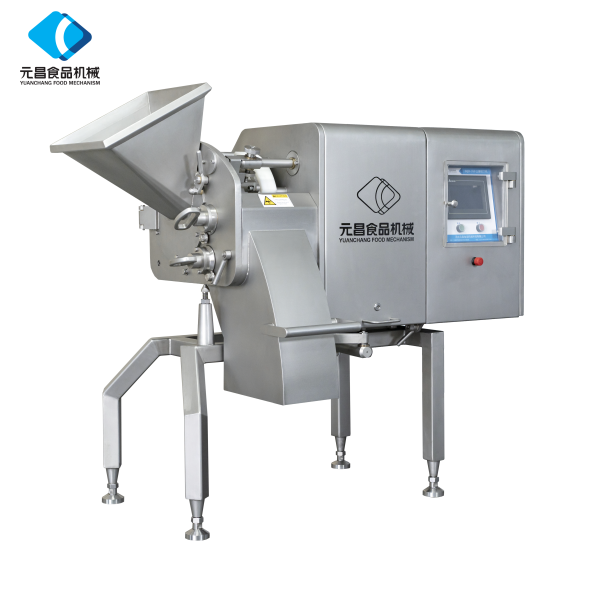
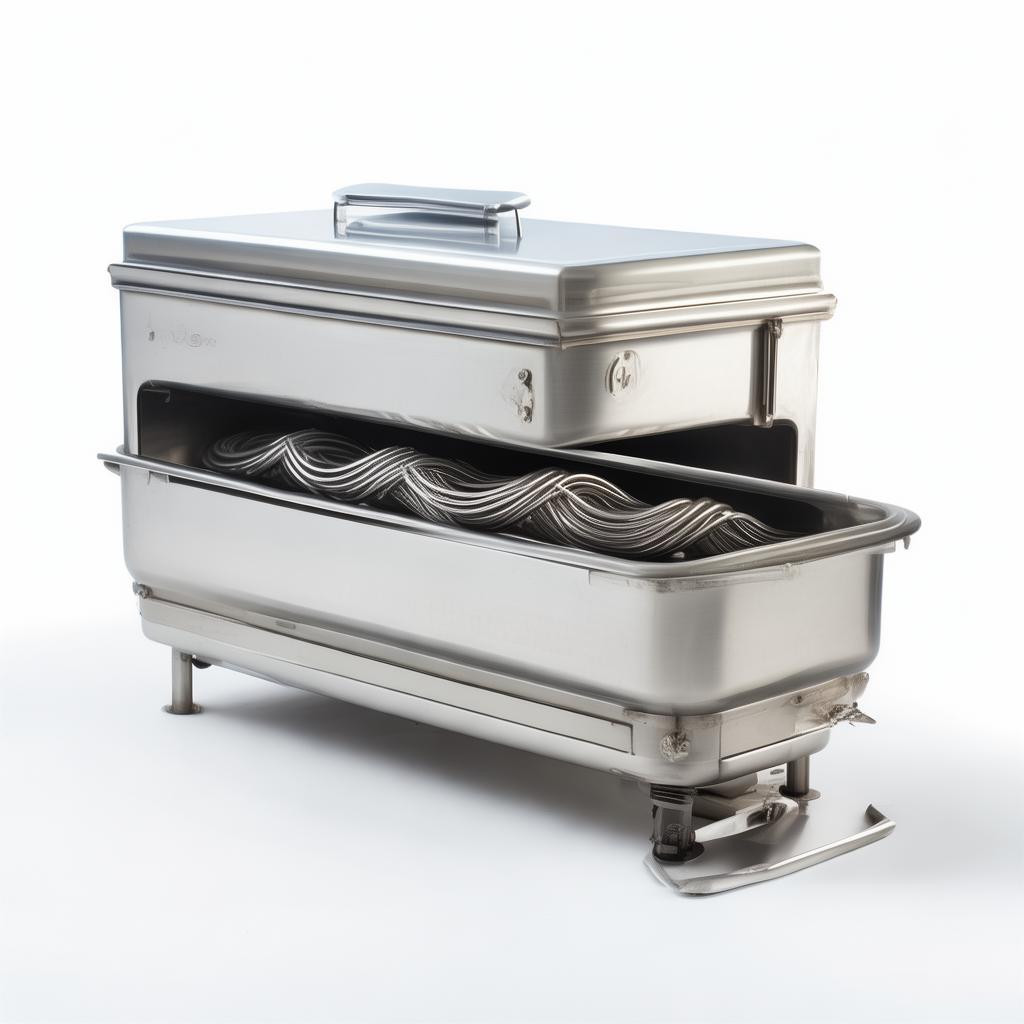
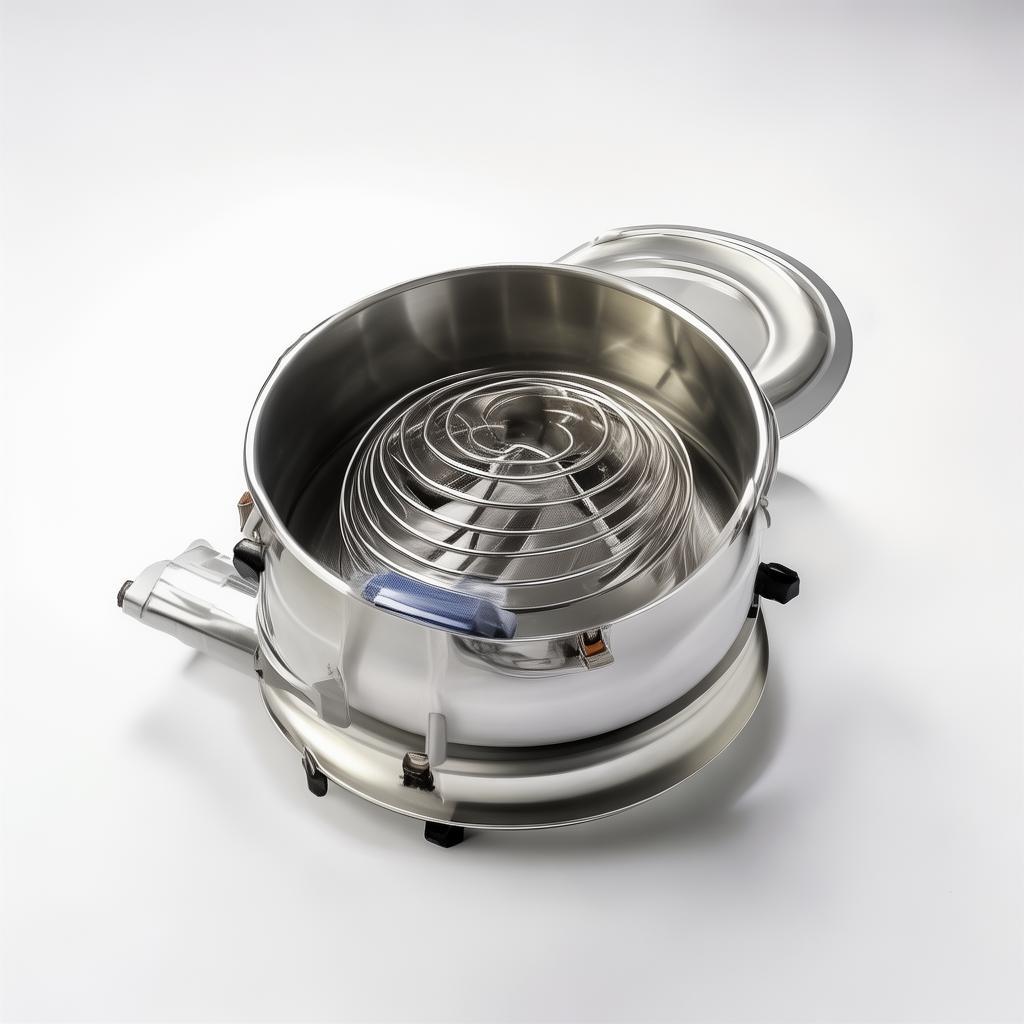
Meat Tumbler Mixers: Elevating Texture, Marinade Penetration, and Production Efficiency
By:  Mr. Jian Li, Senior Production Engineer | Hebei Yuanchang Food Mechanism & Technology Co., Ltd.
Updated: October 26, 2023
Unlocking Superior Meat Quality: The Essential Role of Tumbler Mixers
In the competitive landscape of meat processing, achieving consistent quality, optimal texture, and deep flavor infusion isn't just a goal; it's a fundamental necessity. For producers aiming to stand out in markets like the USA, where consumer demand for processed meats continues its upward trajectory – projected to reach USD 1,330.45 billion by 2035 at a CAGR of 6.03% according to Precedence Research – the right equipment is paramount. One piece of machinery that often proves indispensable, yet sometimes misunderstood, is the meat tumbler mixer. It's not merely about mixing; it's a sophisticated process that fundamentally alters and enhances the meat's characteristics, from tenderization to marinade absorption, ultimately impacting consumer appeal and profitability.
Understanding the nuances of a meat tumbler mixer is crucial for anyone involved in procurement, from purchasing managers seeking efficiency to operations directors optimizing production lines. These machines are the workhorses behind many of today's popular meat products, including marinated chicken breasts, seasoned jerky, cured hams, and even some formulated meat products where texture is key. The global meat processing equipment market itself is substantial, valued at USD 11.29 billion in 2025 and projected to reach USD 17.39 billion by 2034 with a CAGR of 5.0% (Fortune Business Insights), highlighting the investment in technologies that drive quality and output. Within this, massaging and tumbling equipment, crucial for ripening and tenderizing, represent a significant and growing segment.
At Hebei Yuanchang, with over 40 years of experience since 1986, we've seen firsthand how the correct application of meat tumbler technology can transform a producer's capabilities. It’s about more than just tumbling; it's about controlled mechanical action that facilitates crucial changes at a cellular level. This process, often referred to as 'massaging' in industry parlance, is critical for breaking down muscle fibers, allowing marinades and curing agents to penetrate deeper and more uniformly. This leads to more flavorful, tender, and consistent final products, a direct contributor to customer satisfaction and repeat business. For instance, the demand for processed meat products, a market expected to grow substantially, directly fuels the need for reliable and efficient auxiliary systems like tumblers. The processed meat market is projected to reach USD 1,330.45 billion by 2035, underscoring the importance of the equipment that produces these items.
Beyond the immediate product enhancement, a well-chosen meat tumbler mixer contributes to operational efficiency. By automating the marination and tenderization process, it significantly reduces manual labor, minimizes the risk of contamination associated with hand-mixing, and frees up valuable staff time for other critical tasks. This is particularly relevant in today's environment where labor shortages are a recurring challenge for many processors. The global meat processing equipment market is experiencing growth driven by automation adoption for hygiene and labor efficiency, as noted by multiple industry reports.
The complexity of selecting the right tumbler involves understanding various factors: the type of meat, the desired end product, the scale of operation, and crucially, the specific mechanisms that deliver the intended results. Are you aiming for deep flavor penetration in a high-volume sausage operation, or are you focused on achieving a specific tenderization profile for premium cuts of beef or poultry? The answers to these questions dictate the specifications you should be looking for. For example, different tumbler designs exist – vacuum tumblers, non-vacuum tumblers, continuous tumblers – each suited for different applications. Vacuum tumblers, for instance, are excellent for ensuring deep marinade absorption and for producing cohesive, well-formed products by removing air pockets.
From a procurement perspective, it’s vital to partner with a manufacturer that not only understands these technical intricacies but also has a proven track record in delivering robust, reliable machinery. Longevity in this field, like our 40 years at Hebei Yuanchang, translates into accumulated practical knowledge and a deep understanding of what it takes to produce equipment that can withstand the rigorous demands of a processing plant. We've seen trends evolve, from early mechanical tumblers to today's advanced systems with programmable controls and precise automation. The ability to produce high-precision parts, as we do with our Japanese Mazak CNC machining centers, ensures that the critical components within our tumblers meet stringent quality and durability standards. This directly impacts the lifespan of the equipment and reduces unforeseen downtime, a major concern for any production manager.
Furthermore, the regulatory environment in food processing, particularly in markets like the USA, necessitates equipment that adheres to strict hygiene and safety standards. Stainless steel construction, ease of cleaning, and compliance with certifications like CE are not optional extras; they are fundamental requirements. When evaluating suppliers, always inquire about the materials used, the design’s cleanability, and any relevant certifications. A supplier’s willingness to provide detailed technical specifications, installation guidance, and after-sales support speaks volumes about their commitment to product quality and customer success. We pride ourselves on our traceable after-sales management system, ensuring that we can independently produce high-precision parts, offering genuine peace of mind to our global clientele.
This landing page is designed to cut through the technical jargon and provide you with a clear, practical understanding of meat tumbler mixers. We’ll delve into their core functions, the advantages they offer, critical technical specifications, and how to select the right model for your specific needs. We aim to equip you with the knowledge to make an informed decision, whether you're upgrading an existing line, setting up a new facility, or exploring ways to enhance the quality and appeal of your processed meat products. The operational and commercial realism that comes with decades of manufacturing experience is what we bring to the table, and we're here to share it.
The Operational Realities: Why Tumblers are More Than Just Mixers
When you look at a meat tumbler mixer, it's easy to see a rotating drum. But the operational reality is far more sophisticated. This machinery is engineered to perform specific tasks that mechanical action alone cannot achieve effectively. At its heart, the tumbling process facilitates a series of chemical and physical changes within the meat matrix:
- Marinade and Brine Absorption: The continuous, gentle tumbling, especially under vacuum, creates a pressure differential. This actively draws marinades, brines, and curing solutions into the muscle fibers. Without this, surface-level flavoring is common, but deep, consistent infusion is nearly impossible. Reports indicate that the Reconstituted Meat Market relies heavily on molding and pretreatment equipment, where deep infusion is critical for texture and flavor.
- Tenderization: The mechanical action helps to break down tougher connective tissues and muscle fibers. This isn't about shredding; it’s about a controlled manipulation that improves the meat's palatability and mouthfeel. This is a key differentiator for premium products.
- Color and Texture Enhancement: Tumbling can aid in the development of desirable color, particularly in cured products, by promoting the uniform distribution of curing agents like nitrites. It also contributes to a more cohesive final product, reducing the likelihood of individual pieces separating during cooking or further processing.
- Homogenization: For processed meat products like sausages or patties, tumblers ensure that ingredients – spices, binders, fats, and the meat itself – are mixed with exceptional uniformity. This leads to a consistent flavor profile and texture throughout the entire batch, preventing 'hot spots' of seasoning or pockets of unmixed ingredients.
Consider the logistics involved. Efficient marination can reduce batch times significantly. Instead of hours or days of static soaking (which may still result in uneven penetration), a vacuum tumbler can achieve comparable or superior results in a fraction of the time. This translates directly to increased throughput and reduced inventory holding times. Our own factory, with over 20 sets of processing machinery, allows us to produce components that ensure this efficiency and reliability in every machine we ship.
It’s also worth noting the difference between simple mixers and tumblers. A standard mixer might simply agitate ingredients. A tumbler, especially a vacuum tumbler, is designed for deeper interaction with the meat itself, working the components into the meat’s structure. This is why, for achieving specific textures or deeply flavored marinated products, a tumbler is essential. This aligns with market trends focusing on automation in pretreatment and molding for efficiency, as highlighted by numerous industry analyses.
We've encountered situations where clients initially considered simpler mixing solutions but found they couldn't achieve the desired product characteristics. The investment in a proper tumbler then became not an upgrade, but a necessity for competitive product development. The market for meat processing equipment is projected to reach USD 15.04 billion by 2030 (Grand View Research), with filling, stuffing, and massaging (tumbling) equipment being key growth areas. This signifies a clear industry shift towards these specific processing technologies.
The operational advantages extend to shelf-life stability as well. Uniform curing and reduced air pockets can contribute to a more stable product, less prone to spoilage. This is a critical consideration for any food producer, especially when dealing with export markets with stringent import regulations.
When you're looking at specifications, pay close attention to the drum's design (e.g., paddle configuration, internal baffles), the vacuum system's efficiency, and the control panel’s programmability. These aren't just bells and whistles; they are engineered features that directly impact the quality of the final product and the efficiency of your operation. Our expertise lies in integrating these features into machines that are both effective and user-friendly, backed by robust engineering.
Key Advantages of Investing in a Meat Tumbler Mixer
The decision to integrate a meat tumbler mixer into your processing line isn't just about acquiring new equipment; it's about strategically enhancing your product offering and operational capacity. The benefits are tangible and directly impact your bottom line:
- Enhanced Product Quality & Flavor: Achieve deeper, more uniform marination, tenderization, and curing. This leads to superior taste, texture, and appearance, meeting and exceeding consumer expectations for premium processed meats.
- Increased Production Efficiency: Automate labor-intensive marination and mixing processes, significantly reducing batch times and labor costs. This frees up your team for more value-added tasks and increases overall plant throughput.
- Improved Product Consistency: Ensure every batch of product has the same optimal flavor, texture, and color. This consistency builds brand loyalty and reduces costly product rejections or customer complaints.
- Reduced Waste and Spoilage: Uniform curing and improved product integrity can contribute to longer shelf life. Efficient processing minimizes the potential for errors that lead to waste.
- Versatility: Adapt your equipment for a wide range of products – from whole muscle meats for jerky and deli slices to ground meat preparations for sausages and formed products.
- Hygiene & Safety Compliance: Modern tumblers are designed with food-grade materials and easy-to-clean features, helping you maintain the highest standards of food safety and meet regulatory requirements.
These benefits are not theoretical. We regularly hear from clients who have seen a noticeable uplift in customer satisfaction and repeat orders after implementing our tumbler mixers. The market for processed meat continues to expand due to demand for convenience and value-added products, making these quality enhancements essential for market share. The global processed meat market is expected to grow from USD 750.58 billion in 2026 to USD 1,253.77 billion by 2034 (Fortune Business Insights), and quality processing equipment is the backbone of this growth.
For OEM/ODM partners, the ability to offer clients precisely controlled marination and tenderization is a significant selling point. It allows for the development of unique product lines that stand out in the market. Our ability to customize specifications and provide reliable, high-precision components makes us an ideal partner for such ventures.
Procurement Insight: When evaluating tumblers, consider the total cost of ownership, not just the initial purchase price. Factors like energy efficiency, maintenance requirements, spare parts availability, and the supplier’s after-sales support are critical for long-term operational success.
Ultimately, investing in a quality meat tumbler mixer is an investment in the future of your product quality, brand reputation, and operational efficiency. It’s a strategic move that aligns with the evolving demands of the global processed meat industry.
Technical Specifications & Key Features
Choosing the right meat tumbler mixer requires a close look at the technical details. These specifications determine the machine's performance, capacity, and suitability for your specific applications. Below is a breakdown of common features and considerations, alongside an example specification table from our product line.
Essential Features to Consider:
- Capacity (Batch Size): Measured in kilograms or pounds, this dictates how much product the tumbler can handle per cycle. It needs to align with your production volume.
- Drum Material: High-grade stainless steel (e.g., SUS304) is standard for hygiene and durability.
- Drum Design: Paddles or internal flights are crucial for effectively tumbling the meat without excessive damage. Configurations vary for different product types (e.g., for whole muscle vs. ground meat).
- Vacuum System: Essential for deep marinade penetration and de-aeration. Look for powerful vacuum pumps and efficient sealing mechanisms.
- Speed and Rotation Control: Variable speed drives allow for precise control over the tumbling action, optimizing it for different meats and processes.
- Control System: Programmable Logic Controllers (PLCs) offer pre-set programs for different recipes, timers, and vacuum levels, ensuring repeatability and ease of operation.
- Loading/Unloading Mechanism: Options include manual loading with a fork-lift or integrated conveyors for higher throughput systems. Discharge mechanisms are also critical.
- Power Source: Voltage and frequency requirements must match your plant's infrastructure.
Example Specification Table (Model YC-TM1000):
| Specification | Details |
|---|---|
| Model | YC-TM1000 |
| Capacity (kg) | 1000 kg |
| Drum Volume (L) | ~1800 L |
| Material | Food-grade SUS304 Stainless Steel |
| Vacuum Pump | High-efficiency rotary vane vacuum pump |
| Control System | Programmable PLC with Touchscreen Interface |
| Motor Power (kW) | 5.5 kW |
| Dimensions (L x W x H) (mm) | ~3200 x 1500 x 1800 |
| Weight (kg) | ~1800 kg |
| Power Supply | 380V/50Hz/3Phase (Customizable) |
stainless meat mixer commercial meat grinder mixer commercial meat mixer grinder
Our machines are designed for optimal performance, ensuring that the mechanical action is consistent and effective, whether you are processing poultry, beef, pork, or even pet food. The ability to precisely control parameters like drum speed, tumbling time, and vacuum level allows for fine-tuning to achieve specific product outcomes. The food processing machinery market, including meat segments, is expected to grow significantly, emphasizing the need for advanced, reliable equipment.
For OEM/ODM inquiries, we can modify these specifications to meet unique project requirements, including custom drum sizes, specialized paddle designs, and integration with existing plant automation systems. Our in-house machining capabilities, including high-precision grinding and CNC machining, allow us to produce non-standard components with exceptional accuracy.
Application Scenarios: Where Tumbler Mixers Excel
The versatility of meat tumbler mixers means they are a critical component across numerous segments of the food processing industry. Their ability to enhance texture, flavor, and consistency makes them indispensable for a wide array of products and applications:
- Marinated Meats (Chicken, Pork, Beef): The primary application. Tumblers ensure marinades penetrate deeply and evenly, leading to more flavorful and tender products for retail, foodservice, and further processing.
- Sausage and Cured Meats: Essential for incorporating curing agents, spices, and binders uniformly into ground meat mixtures. Vacuum tumblers are particularly effective for de-aerating, leading to a denser, more cohesive product structure that slices well.
- Jerky and Dried Meats: Tumblers are used to apply seasonings and curing solutions before drying, ensuring consistent flavor throughout the product.
- Deli Meats and Whole Muscle Products: Used for injecting brines and applying seasonings to large cuts of meat, enhancing flavor and texture for slicing.
- Reconstituted and Formed Meat Products: For products like meat patties, nuggets, or meatloaf, tumblers help bind ingredients together cohesively, improving texture and reducing breakage during cooking. The reconstituted meat market relies heavily on these technologies.
- Pet Food Processing: Specialized tumblers are used to coat kibble with fats and flavor enhancers, improving palatability and nutritional content for pet food formulations.
The demand for convenient, ready-to-eat, and value-added meat products continues to drive innovation in these areas. As consumer preferences shift, the need for equipment that can produce consistently high-quality, flavorful, and texturally appealing products becomes even more pronounced. The global processed meat market growth is driven by convenience foods, directly impacting the demand for tumblers.
Procurement Consideration: When selecting a tumbler for specific applications, consider the type of meat (whole muscle vs. ground), the desired level of tenderization, the type of marinade or seasoning, and the final product form. Machine design features like paddle shape and drum speed are optimized for these variables.
Our expertise allows us to guide clients on the most suitable tumbler configurations for their unique product lines. Whether you're a large-scale industrial producer or a specialized niche manufacturer, we have solutions designed to meet your operational needs and quality objectives.
Installation, Maintenance & Logistics: Practical Considerations
Investing in industrial equipment like a meat tumbler mixer involves more than just the purchase; practical considerations around installation, ongoing maintenance, and logistics are crucial for ensuring long-term operational success and minimizing downtime.
Installation Insights:
- Space Requirements: Ensure adequate floor space not only for the unit but also for loading, unloading, and maintenance access. Consider ceiling height if overhead cranes or conveyors are involved.
- Power Supply: Verify that your plant's electrical infrastructure can support the motor's power requirements (voltage, phase, amperage) and that connections are made by qualified electricians.
- Ventilation: Especially for vacuum systems, proper ventilation around the pump area can be beneficial.
- Anchoring: While most tumblers are heavy, some applications or high-speed operations may benefit from anchoring the unit to the floor for stability.
- Plumbing: If your process involves direct injection of liquids or cleaning, consider nearby water and drainage access.
Routine Maintenance for Longevity:
- Daily Cleaning: Thorough cleaning after each production run is paramount for hygiene. Use approved food-grade cleaning agents and ensure all surfaces are rinsed and dried.
- Lubrication: Regularly lubricate bearings, gears, and any moving parts according to the manufacturer's recommendations. Use food-grade lubricants where applicable.
- Belt and Chain Inspection: Check drive belts or chains for wear and tension. Replace as needed to prevent unexpected failures.
- Vacuum Seal Check: Periodically inspect the vacuum seal on the drum lid for cracks or wear, as this is critical for efficient de-aeration.
- General Inspection: A quick visual check for loose bolts, damaged components, or unusual noises during operation can help catch minor issues before they become major problems.
Our commitment to quality extends to providing comprehensive documentation, including detailed operation and maintenance manuals. Furthermore, our traceable after-sales management system means we can swiftly supply any required high-precision replacement parts, minimizing your downtime. We understand that efficient operation is key, and that's why our machines are built for durability and ease of service. The meat processing equipment market is heavily influenced by operational efficiency and hygiene standards.
Logistics & Shipping:
- Packaging: Industrial machinery typically requires robust packaging, often involving wooden crates or reinforced skids, to withstand transit stresses.
- Shipping Options: Depending on your location, options include Less Than Container Load (LCL), Full Container Load (FCL), air freight for urgent parts, or specialized freight.
- Customs & Import Duties: For international shipments, understanding import regulations, tariffs, and required documentation is essential. Our export team is experienced in navigating these complexities.
- Delivery Timelines: Lead times can vary based on stock availability, production schedules, and shipping distances. We provide realistic estimates to help with your production planning.
We work closely with our clients to ensure smooth logistics, from factory dispatch to final delivery. Our export manager ensures all necessary documentation is prepared correctly to facilitate efficient customs clearance. For example, shipping a 1000kg tumbler requires careful palletizing and container loading to maximize space and ensure transit safety.
By considering these practical aspects, you can ensure a seamless integration of your new meat tumbler mixer, maximizing its operational lifespan and the return on your investment.
Why Choose Hebei Yuanchang for Your Meat Tumbler Mixer?
In a market with many options, selecting the right manufacturing partner is paramount. At Hebei Yuanchang Food Mechanism & Technology Co., Ltd., we combine decades of practical experience with advanced manufacturing capabilities to deliver meat processing equipment that is reliable, efficient, and built to last. Here’s why discerning buyers choose us:
40 Years of Industry Expertise (Since 1986):
Our legacy is built on a deep understanding of meat processing needs. We've witnessed and adapted to industry evolution, accumulating invaluable knowledge in R&D, production, and sales. This experience translates into robust, practical machinery.
Advanced Manufacturing & Precision Engineering:
Our 14,000 sq meter facility houses over 20 sets of processing machinery, including cutting-edge Japanese Mazak CNC machining centers introduced in 2012. This enables us to produce high-standard, high-precision components for demanding applications, ensuring superior product quality and durability.
Comprehensive Production & Sales Integration:
We manage the entire process in-house – from R&D to final sales. This vertical integration allows for stringent quality control at every stage and ensures that our products are developed based on real-world manufacturing and operational insights.
Traceable After-Sales Support:
Our traceable after-sales management system is a testament to our confidence in our products. We can independently produce high-precision parts, ensuring that you receive timely and effective support, minimizing your operational disruptions. This is a critical advantage for international clients.
Commitment to Quality & Customization:
We understand that one size does not fit all. Our engineering team works with clients to tailor specifications, offering OEM/ODM solutions that perfectly match specific production needs and market requirements. Certifications such as CE compliance are integral to our design philosophy for international markets.
EEAT Enhancement: Our 80-100 dedicated employees, many with long tenure, contribute to our deep institutional knowledge. This collective experience is embedded in every machine we design and manufacture.
Partnering with Hebei Yuanchang means gaining a reliable supplier with the technical prowess and industry commitment to help your meat processing operations thrive. We are not just selling equipment; we are offering solutions backed by decades of real-world manufacturing experience.
Customer Voices: Real-World Impact
Hear from clients who have experienced the tangible benefits of integrating our meat tumbler mixers into their operations:
 Sarah Chen, Operations Manager, "Prime Cuts USA"
"We were struggling with inconsistent marination on our premium chicken breast line. After installing the YC-TM1000 vacuum tumbler, the difference was night and day. Marinade penetration is now uniform, leading to much more flavorful products. We've seen a noticeable decrease in customer complaints and a rise in repeat orders. The machine is robust and surprisingly easy to clean."
 David Rodriguez, Procurement Director, "Global Meat Co."
"We needed a reliable tumbler for our sausage production to ensure consistent texture and binding. Hebei Yuanchang's YC-TM500 met our specs perfectly. The PLC control makes it easy to switch between different sausage recipes, and the vacuum system ensures a dense, quality product. Their export team was very efficient with documentation, making the international shipping process smooth."
 Mark Peterson, Plant Manager, "Artisan Jerky Makers"
"Our jerky production demands deep flavor penetration. The tumbler we purchased from Yuanchang has been instrumental in achieving that. It handles our meat strips gently but effectively, ensuring every piece is perfectly seasoned. The build quality is excellent, and the after-sales support for a spare part inquiry was surprisingly quick. Highly recommend for specialized meat products."
Humanization Insight: Real-world testimonials like these highlight practical benefits that marketing jargon can't replicate. They demonstrate how our equipment solves actual production challenges.
Frequently Asked Questions (FAQ)
We understand you might have specific questions. Here are some common inquiries about meat tumbler mixers:
1. What is the primary function of a meat tumbler mixer?
Its primary functions are to tenderize meat, facilitate deep and uniform absorption of marinades, brines, or curing solutions, and homogenize ingredients for processed meat products. Vacuum tumblers also help remove air, creating a denser product.
2. Can I use your tumblers for both whole muscle and ground meat?
Yes, our tumblers are designed to be versatile. Different paddle designs and programming options allow them to be optimized for both whole muscle cuts (like chicken breasts or pork shoulders) and ground meat mixtures (for sausages or patties).
3. How does a vacuum tumbler differ from a non-vacuum tumbler?
A vacuum tumbler operates under reduced pressure, which actively draws marinades into the meat and removes air. This leads to better flavor penetration and a more cohesive product. Non-vacuum tumblers rely on mechanical action alone and are generally simpler, often used for less sensitive applications where deep infusion isn't critical.
4. What are the cleaning requirements for these machines?
Thorough cleaning after each use is essential for food safety. Our tumblers are constructed from food-grade stainless steel and designed for easy disassembly of key parts (like paddles) to ensure all surfaces can be accessed and cleaned effectively. We provide detailed cleaning instructions.
5. What kind of warranty or after-sales support do you offer?
We offer a standard warranty on our machinery. Crucially, our traceable after-sales management system ensures we can supply high-precision replacement parts independently, providing reliable support throughout the equipment's lifecycle. We can also provide technical assistance remotely or on-site for complex issues.
6. Can your tumblers be customized for specific needs (OEM/ODM)?
Absolutely. We have extensive experience in OEM/ODM projects. We can customize capacity, drum design, control systems, and integrate our tumblers into existing production lines to meet your unique operational requirements.
EEAT in Action: Answering these questions directly demonstrates our technical expertise and operational experience, reinforcing our authority in this niche.