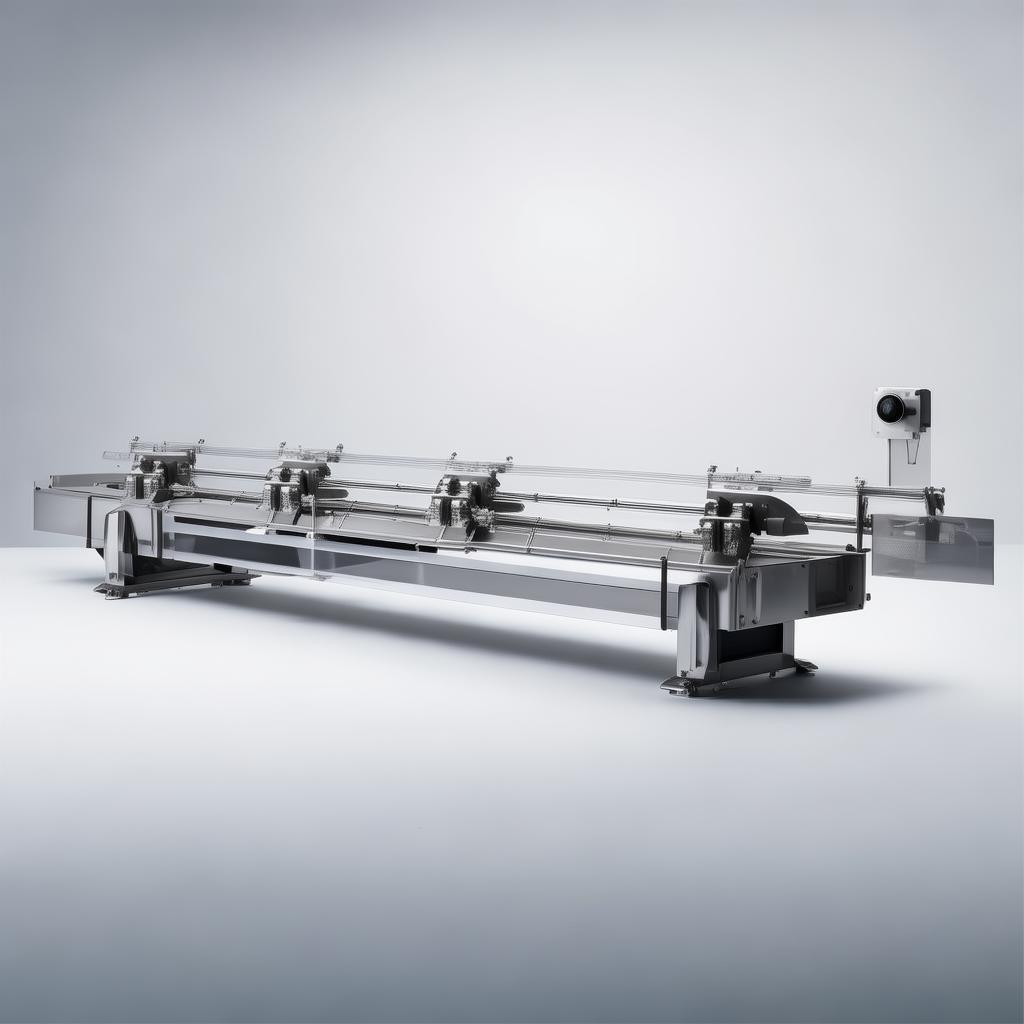
Meat Dicer Machine For Sale
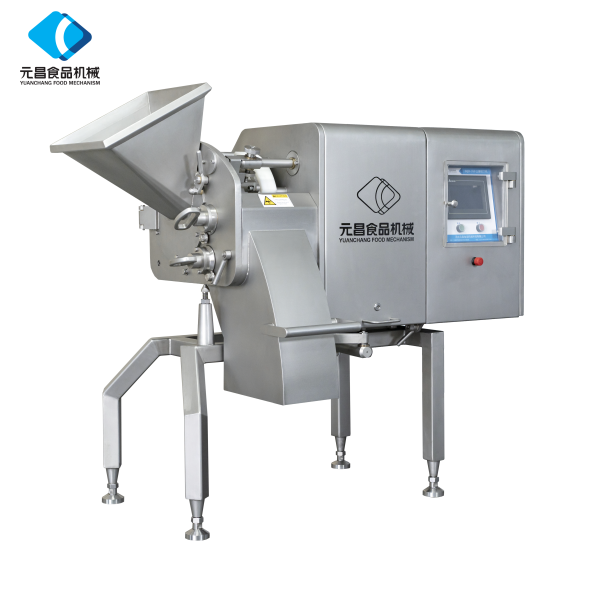
Industrial Meat Dicer Machines for Sale: Precision, Efficiency, and Volume for Wholesale Export
Enhance Your Meat Processing Output with Reliable, High-Performance Dicing Solutions
Streamlining Production: The Critical Role of High-Quality Meat Dicing Equipment
In the competitive landscape of international food processing and wholesale meat supply, efficiency, consistency, and product quality are non-negotiable. For businesses involved in creating pre-portioned meat products, sausages, deli meats, pet food, or ready-to-eat meals, the dicing of raw meat is a foundational step. It's not just about breaking down larger cuts; it's about achieving precise, uniform diced pieces that meet strict specifications for texture, appearance, and further processing. A truly effective meat dicer machine is more than just a piece of industrial equipment; it's a linchpin in a complex operational workflow, directly impacting throughput, labor costs, and the final product's marketability.
The market for meat processing equipment is robust and expanding. Reports indicate the global meat processing equipment market was valued at approximately USD 11.29 billion in 2025 and is projected to reach around USD 17.39 billion by 2034, with a CAGR of approximately 5.0% according to Fortune Business Insights. This growth is propelled by several factors: the escalating global demand for processed meat products, the essential drive towards automation to enhance hygiene and operational efficiency, the ever-tightening food safety standards that manufacturers must adhere to, and significant industrial expansion, particularly within the Asia-Pacific region. Precision dicing equipment is a key component within this broader market, supporting the production of everything from diced chicken for stir-fry to uniformly cubed beef for stews and pet food kibble.
When procuring machinery for your processing line, the selection of a meat dicer machine for sale requires careful consideration. It’s a decision that can influence everything from your production speed to your end-product consistency. Are you looking to scale up existing operations, establish a new product line, or perhaps replace outdated, inefficient machinery? Your needs will dictate the type, capacity, and features you require. We understand that procuring industrial equipment is a significant investment, and our aim is to provide you with the clarity and confidence needed to make the right choice. This page is designed to equip you with the insights needed to evaluate and select the best meat dicer machine to fit your specific wholesale export and manufacturing needs.
The process of dicing meat involves more than just cutting. It requires specialized blades, precise tolerances, and robust construction capable of handling various meat types and densities. From tough beef cuts to softer pork or poultry, the machine must perform consistently. Factors such as the desired cube size (e.g., 5mm, 10mm, 20mm), the throughput required (kilograms per hour), and the specific type of meat being processed all play a role in determining the most suitable model. For instance, processing frozen meat blocks at sub-zero temperatures demands a more powerful, specialized dicing machine than dicing chilled meat at ambient temperatures. Furthermore, the ease of cleaning and maintenance is paramount in any food processing environment to prevent cross-contamination and ensure compliance with stringent food safety regulations like HACCP and GMP.
Consider the complexities of international trade. Sourcing equipment from a reliable manufacturer with a proven track record in export is vital. This includes ensuring the machine meets relevant international standards (like CE certification for European markets or FDA compliance for certain applications), is built with food-grade materials (typically high-quality stainless steel), and is designed for straightforward shipping and installation across borders. Our experience in the global market means we understand these nuances. We've worked with importers and distributors across North America, Europe, and Asia, and our machinery is built with these diverse operational and regulatory requirements in mind.
This guide will walk you through the key considerations when purchasing a meat dicer machine. We’ll delve into the technical specifications that matter most, explore the different types of dicing machines available, discuss critical operational advantages, and provide practical advice on evaluating suppliers. Whether your focus is on bulk processing for large-scale distribution or creating niche, high-value diced meat products, understanding the capabilities of modern dicing technology is your first step towards optimizing your production line. Let's explore how a robust meat dicer machine can become a cornerstone of your business's success.
Addressing Production Bottlenecks: The Meat Dicer Machine Advantage
Many meat processing operations grapple with inefficiencies that stem from manual or outdated dicing methods. These can manifest as inconsistent cube sizes leading to uneven cooking or further processing, slow throughput that bottlenecks entire production lines, increased risk of operator injury, and challenges in maintaining stringent hygiene standards. A well-chosen industrial meat dicer machine directly tackles these pain points.
- Uniformity and Consistency: Achieve precise, uniform diced meat cubes, crucial for product presentation and predictable processing outcomes. This is particularly important for automated filling and molding processes where consistency is key.
- Increased Throughput: Significantly boost the volume of meat processed per hour, freeing up labor for other value-added tasks and meeting higher market demands.
- Labor Cost Reduction: Automating the dicing process minimizes the need for manual handling, reducing labor-intensive tasks and associated costs.
- Enhanced Food Safety: Minimize operator contact with the product, reducing the risk of contamination. Features like easy-clean designs and food-grade materials are standard.
- Versatility: Capable of handling a range of meat types (beef, pork, poultry, lamb) and some frozen states, depending on the model's specifications.
- Reduced Product Waste: Precise cutting minimizes offcuts and ragged pieces, maximizing yield from raw materials.
The operational benefits extend beyond the immediate dicing process. Consistent diced meat improves the quality and yield of downstream operations like sausage filling, patty forming, and marinades. The global meat processing equipment market, encompassing these vital machines, is on a strong growth trajectory. For instance, Mordor Intelligence reports the market is expected to grow from USD 9.62 billion in 2025 to USD 12.60 billion by 2031 at a CAGR of 4.94%, with grinding, mixing, and filling equipment being key components. This indicates a growing industry need for reliable, high-performance equipment like meat dicers.
Choosing the Right Meat Dicer: Key Considerations for Your Operation
Selecting the ideal meat dicer machine for sale involves a deep dive into your specific operational requirements. It’s not a one-size-fits-all scenario. The market offers various configurations, each suited to different scales and types of meat processing. Understanding these differences ensures you invest in a machine that truly enhances your productivity rather than creating new challenges.
Types of Meat Dicing Machines
Broadly, meat dicers fall into a few categories based on their cutting mechanism and application:
- Rotary Cutter Dicers: Often used for smaller-scale operations or less dense materials. They use rotating blades to cut meat. While common in some commercial kitchens, they may lack the power and precision for high-volume wholesale production.
- Cutter/Dicer Combinations: These machines can perform both chopping and dicing functions. They are versatile but might compromise on the absolute precision of a dedicated dicer for certain applications.
- Industrial Dicers (Cubic Style): These are the workhorses for large-scale operations. They typically employ a system of stationary knives and rotating cutting grids or cutters to achieve precise cube shapes. They are designed for high throughput and can often handle partially frozen meat blocks. These are most relevant for wholesale and export markets.
- Frozen Meat Dicers: Specifically engineered to cut through hard, frozen meat blocks. These machines feature extremely powerful motors, robust cutting mechanisms, and advanced blade systems to tackle challenging materials without bogging down.
Critical Specifications to Evaluate
When reviewing specifications for a meat dicer machine for sale, focus on these critical areas:
- Dicing Size Range: What are the minimum and maximum cube dimensions the machine can produce? Ensure it aligns with your product requirements (e.g., 5mm x 5mm x 5mm, 10mm x 10mm x 10mm).
- Throughput Capacity: Measured in kilograms or pounds per hour. This is your primary indicator of how much product the machine can handle. Consider peak demand scenarios.
- Motor Power & Voltage: A higher wattage or horsepower motor indicates greater capability, especially for frozen meat or denser cuts. Ensure compatibility with your facility's power supply.
- Material of Construction: Food-grade stainless steel (e.g., SUS304) is essential for hygiene, durability, and corrosion resistance. Blade materials should be high-carbon steel or specialized alloys for longevity.
- Cutting Mechanism Design: Look at the type of blades, cutters, and grids. Does it use a single-stage or multi-stage cutting process? A well-designed mechanism reduces meat shear and improves cube integrity.
- Frozen Meat Capability: If you process partially or fully frozen meat, this feature is crucial. It implies specialized blade geometry and motor strength.
- Ease of Cleaning and Maintenance: Removable parts, smooth surfaces, and accessible components significantly reduce cleaning time and improve hygiene compliance.
- Safety Features: Interlock systems, emergency stops, and blade guards are vital to prevent accidents.
Operational and Commercial Considerations
Beyond the technical specs, consider these practical aspects:
- Footprint and Installation: Does the machine fit your available space? Are there specific installation requirements (e.g., floor drainage, ventilation)?
- Noise Level: High-capacity industrial machinery can be loud. Consider your facility's environment and any local noise regulations.
- Spare Parts Availability: Can you easily source replacement blades, cutting grids, and other wear parts? A reliable supplier ensures minimal downtime.
- Warranty and After-Sales Support: What warranty is offered? What kind of technical support is available, especially for international clients?
The global demand for processed meat products is a significant market driver. Reports suggest the processed meat market is projected to grow significantly, with some forecasts reaching over USD 1.3 trillion by 2035 (Precedence Research). This sustained demand highlights the need for efficient processing solutions like industrial meat dicers.
Hebei Yuanchang: Your Trusted Partner for Precision Meat Dicing Solutions
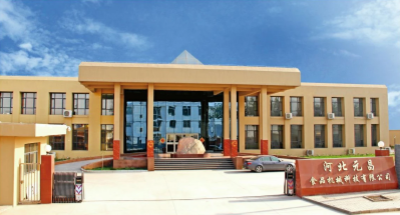
At Hebei Yuanchang Food Mechanism & Technology Co., Ltd., we have dedicated ourselves to advancing meat processing technology for over four decades. Since 1986, our factory has been a hub of innovation, research, and development, integrating R&D, production, and sales of specialized meat processing equipment. Our 14,000 square meter facility, staffed by 80-100 skilled professionals, is equipped to deliver high-volume, precision-engineered solutions for the global market.
We understand the demands of international trade and the need for robust, reliable machinery. Our in-house machining workshop boasts over 20 sets of advanced processing machinery, including CNC machining centers from Japanese Mazak. This capability allows us to manufacture high-standard, non-standard, and high-precision components independently. This not only ensures the quality and consistency of our meat dicer machines but also guarantees the availability of critical spare parts, providing our international clients with unparalleled peace of mind regarding after-sales service.
Our expertise spans the entire meat processing workflow, from pretreatment and filling to molding and ripening. When it comes to meat dicers, we focus on building machines that offer:
- Exceptional Durability: Constructed with high-grade stainless steel for longevity and hygiene.
- Precision Engineering: Designed for consistent dicing sizes, meeting strict industry standards.
- High Efficiency: Engineered for maximum throughput, reducing operational bottlenecks.
- Reliable Performance: Built to handle diverse meat types and processing demands.
- Export Readiness: Compliant with international quality and safety expectations.
Technical Specifications: Understanding Our Meat Dicer Models
To help you make an informed decision, here’s a look at the typical specifications for our industrial meat dicer machines. Please note that specific models may vary, and custom configurations are often possible to meet unique client requirements. We encourage you to contact us directly for detailed datasheets on the models that best suit your needs.
| Feature | Specification Example 1 (Mid-Capacity) | Specification Example 2 (High-Capacity/Frozen) |
|---|---|---|
| Model Name | YC-MD500 | YC-MD1000F |
| Power Supply | 380V/50Hz/3Phase | 380V/50Hz/3Phase (or 440V option) |
| Motor Power | 5.5 kW (7.5 HP) | 11 kW (15 HP) - Heavy Duty |
| Output Capacity | 300-500 kg/hour | 800-1200 kg/hour |
| Dicing Size | Adjustable: 10mm - 30mm cubes | Adjustable: 5mm - 25mm cubes (precise for frozen) |
| Max Meat Input Size | Max 120mm x 120mm x cut length | Max 150mm x 150mm x cut length (for frozen blocks) |
| Material | Food Grade SUS304 Stainless Steel | Food Grade SUS304 Stainless Steel, Hardened Alloy Blades |
| Safety Features | Emergency Stop, Safety Guards, Interlock System | Advanced Safety Interlocks, Overload Protection |
| Dimensions (L x W x H) | Approx. 1200 x 800 x 1300 mm | Approx. 1500 x 1000 x 1500 mm |
| Weight | Approx. 350 kg | Approx. 700 kg |
meat mincer machine for sale commercial meat dicer machine meat cutting machine for sale
Note: These are representative specifications. Actual product details and available configurations may vary. Please contact us for the most current information and custom options.
Applications Across the Meat Industry
Our meat dicer machines are engineered for versatility, serving a wide array of applications within the global meat processing sector. The demand for precise meat cuts is broad, driven by the increasing consumption of convenience foods and value-added meat products. Reports suggest the processed meat market is expected to grow significantly, with key segments including cured, smoked, and filled products, all of which benefit from accurate dicing and cutting (Fortune Business Insights).
- Sausage and Deli Meat Production: Uniformly diced meat is fundamental for achieving the correct texture and consistency in sausages, salamis, and other processed meat products.
- Ready-to-Eat Meals: Diced meat is a staple ingredient in pre-packaged meals, stews, casseroles, and stir-fries, requiring consistent sizing for even cooking.
- Pet Food Manufacturing: High-volume production of kibble and wet pet foods often requires precisely diced meat as a primary ingredient.
- Frozen Food Preparation: Diced meat is ideal for frozen convenience items, where uniform size ensures proper freezing and thawing.
- Spice and Marinade Integration: Smaller, consistent dice sizes allow for better absorption of marinades and even distribution of spices throughout the meat.
- Further Processing: For businesses that further process diced meat (e.g., forming patties, creating meat blends), consistent input is critical for machine efficiency and product quality.
The trend towards automation in food processing is undeniable. As industries look to improve hygiene, reduce labor costs, and increase output, machines like our dicers become indispensable. The global meat processing equipment market is projected to reach USD 17.39 billion by 2034 (Fortune Business Insights), underscoring the ongoing investment in efficient production technologies.
Installation, Operation, and Maintenance: Practical Insights
Implementing a new industrial meat dicer machine into your production line requires careful planning and ongoing attention. While our machines are built for robust performance, understanding best practices for installation, operation, and maintenance will ensure longevity and optimal output.
Installation Considerations
* Power Requirements: Verify that your facility's electrical supply (voltage, phase, amperage) matches the machine's specifications. Proper grounding is essential for safety. * Space and Access: Ensure adequate space around the machine for operation, cleaning, and maintenance. Consider ventilation and potential noise levels. * Floor Stability: Industrial machines are heavy. The installation area should have a stable, level floor capable of supporting the machine's weight. * Hygiene Protocols: Prepare the installation area to meet food processing hygiene standards. Ensure easy access to water for cleaning.
Operational Best Practices
* Operator Training: Ensure all personnel operating the machine are thoroughly trained on its functions, safety features, and proper startup/shutdown procedures. * Meat Preparation: While our machines are capable, removing large bones, excessively hard cartilage, or foreign objects can extend blade life and prevent jams. For frozen meat, ensure it meets the specified temperature range. * Avoid Overloading: Do not force more meat into the machine than its rated capacity. This can lead to motor strain, damage, and inconsistent dicing. * Regular Inspections: Before each use, perform a quick visual check for any damage or loose parts.
Maintenance for Longevity
* Daily Cleaning: Thoroughly clean the machine after each use. Disassemble accessible parts (cutting plates, knives) and wash them with appropriate food-grade detergents and sanitizers. Ensure all parts are dried completely before reassembly to prevent corrosion. * Blade Sharpening/Replacement: The sharpness of the blades is critical for clean cuts and efficiency. Establish a schedule for checking blade condition and professional sharpening or replacement. Dull blades can cause shredding and increased motor load. * Lubrication: Moving parts should be lubricated according to the manufacturer's recommendations, using food-grade lubricants where applicable. * Scheduled Inspections: Beyond daily cleaning, conduct periodic deep inspections of motors, belts, seals, and electrical components. A preventative maintenance schedule is far more cost-effective than reactive repairs. * Spare Parts: Maintain a stock of critical wear parts, such as blades and cutting grids, to minimize downtime during unexpected failures. Our robust supply chain ensures these are readily available for our export clients.
Proper care not only extends the life of your meat dicer but also ensures the highest standards of food safety and product quality, which are paramount for international B2B trade.
Procurement Guidance: Navigating the Purchase of Meat Dicer Machines
Purchasing industrial equipment, especially for export, involves more than just finding a competitive price. A strategic procurement approach minimizes risks and ensures you acquire machinery that delivers long-term value. We aim to be transparent and supportive throughout your acquisition process.
Evaluating Suppliers and Manufacturers
* Experience and Reputation: Look for manufacturers with a long history in the industry, especially those with extensive export experience. Over 40 years of operation, like Hebei Yuanchang, signifies deep-rooted expertise and market understanding. * Manufacturing Capabilities: Does the supplier have its own advanced machining capabilities? This is crucial for producing high-precision parts and ensuring consistent quality. Access to CNC machining centers is a strong indicator of advanced manufacturing. * Quality Control and Certifications: Inquire about their quality management systems (e.g., ISO certification) and whether their products meet international standards (e.g., CE for Europe). While not always mandatory for all markets, it reflects a commitment to quality. * After-Sales Support: This is critical for international buyers. What is their policy on spare parts? Do they offer remote technical assistance or are on-site visits possible (though costly)? A traceable after-sales management system is a major plus. * Communication and Responsiveness: How easily can you communicate your needs? Are they responsive to queries and willing to provide detailed information? This is a good predictor of future support.
Key Questions to Ask Potential Suppliers
* What is the lead time for manufacturing and shipping? * Can you provide detailed technical drawings and operational manuals? * What are the warranty terms and conditions? * What is your policy on handling defective parts or machinery under warranty? * What materials are used in critical components (blades, cutting plates)? * Can you provide references from clients in my region or with similar operations? * Are there options for customization to meet specific dicing sizes or throughput needs?
Logistics and Shipping for International Buyers
* Shipping Options: Understand the typical shipping methods (sea freight, air freight) and associated costs. Discuss packaging suitable for international transit to prevent damage. * Incoterms: Clarify the agreed-upon Incoterms (e.g., FOB, CIF) to understand responsibilities for shipping, insurance, and customs clearance. * Customs and Duties: Be aware of potential import duties, taxes, and required documentation in your destination country. * Container Optimization: For larger orders, discuss how machines can be packed efficiently into shipping containers to maximize space and minimize freight costs. Our factory can assist in planning for efficient container loading.
Procurement Tip:
When evaluating offers, consider the total cost of ownership – not just the initial purchase price. Factor in shipping, installation, potential import duties, operational costs, and long-term maintenance. A slightly higher upfront investment in quality, robust machinery from a reputable supplier can yield significant savings and operational advantages over its lifespan.
Trustworthy Partnerships: What Our Clients Say
We pride ourselves on building lasting relationships with our clients, grounded in quality, reliability, and exceptional service. Here's what some of our partners have shared about their experience with our meat processing equipment:

Operations Manager, USA
"The YC-MD500 dicer has been a game-changer for our sausage production line. The consistency of the cube size is remarkable, which has significantly improved our product quality and reduced waste. Setup was straightforward, and Hebei Yuanchang provided excellent support during the export process."

Procurement Director, Italy
"We needed a robust dicer for partially frozen meat blocks for our ready-to-eat meals. The YC-MD1000F exceeded our expectations. It handles frozen cuts with ease, delivering uniform dice at high speed. Their willingness to discuss custom specifications for our European market needs was greatly appreciated."

Production Lead, Japan
"The quality of the stainless steel and the precision of the cutting mechanism on our dicer are top-notch. Maintenance is manageable, and the availability of spare parts from Hebei Yuanchang means minimal disruption to our production schedule. A solid piece of machinery for any serious processor."
Ready to Enhance Your Meat Processing Efficiency?
Discover how our high-performance meat dicer machines can revolutionize your production.
Get In Touch
Please fill out the form below, and one of our specialists will contact you shortly.