Sheet Metal Vacuum Lifter
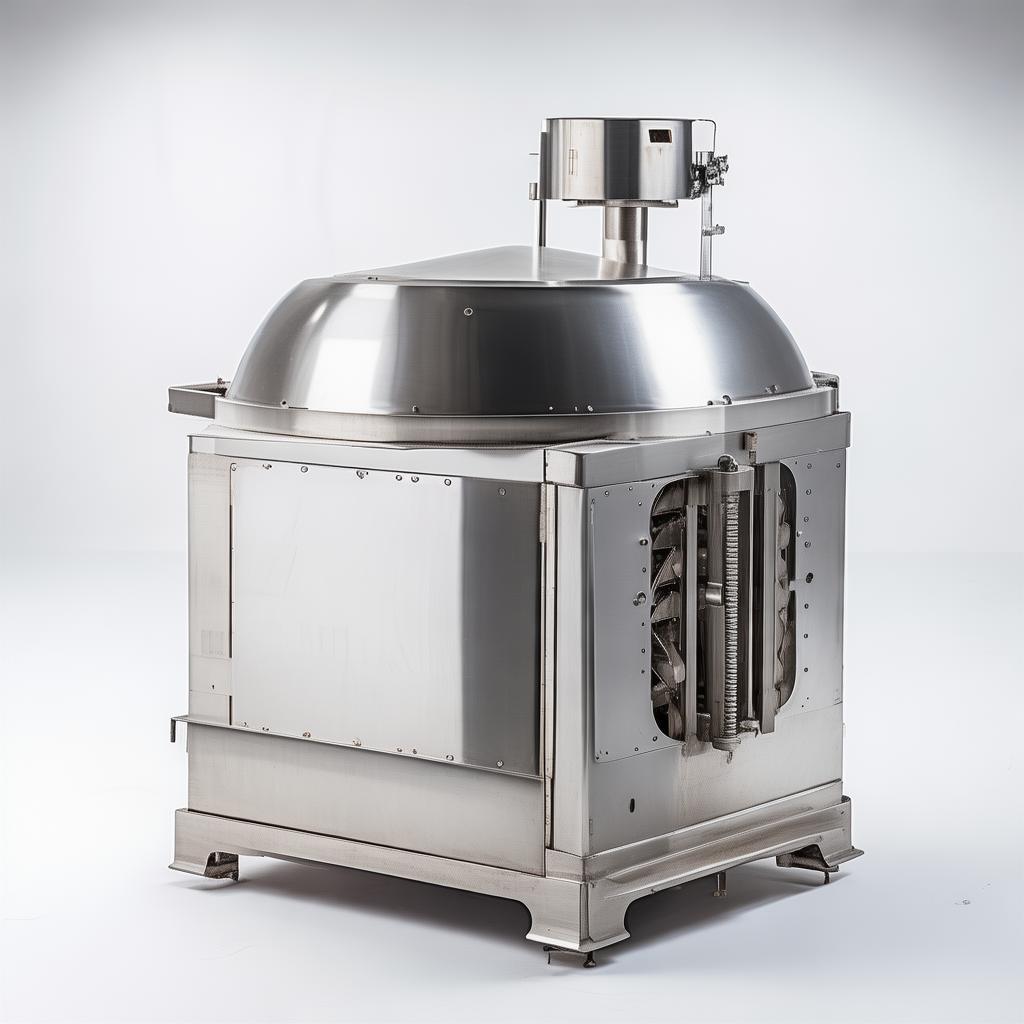
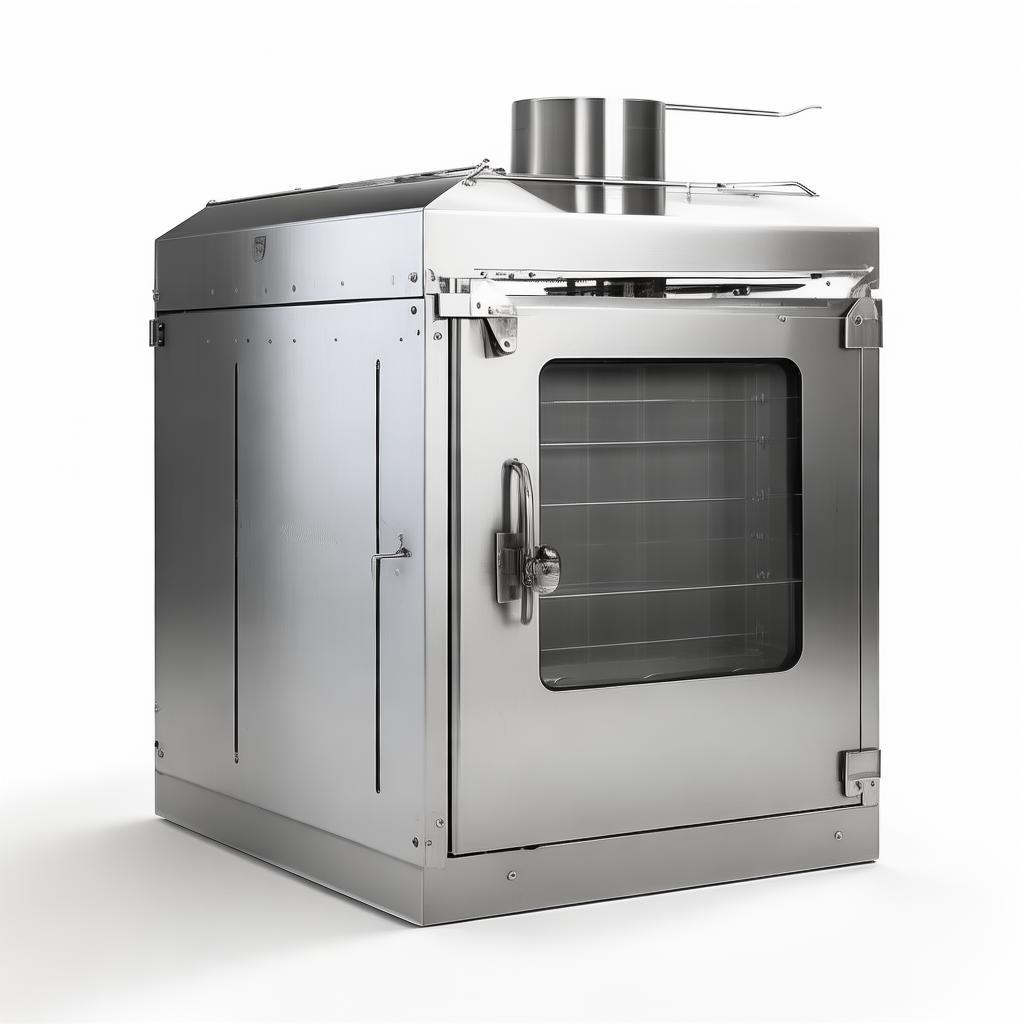
Sheet Metal Vacuum Lifters: Precision Handling for Modern Manufacturing & Construction
In the demanding environments of modern industrial fabrication, construction, and logistics, the safe, efficient, and precise movement of sheet metal is paramount. Every delay, every scratch, every mishandled panel translates directly to increased costs, project overruns, and potential safety hazards. This is where advanced sheet metal vacuum lifters become indispensable tools, offering a sophisticated solution for lifting, maneuvering, and positioning materials that are often bulky, heavy, and sensitive.

Specializing in B2B manufacturing efficiency and global supply chain optimization.
The complexity of today's fabrication processes, from automotive panels and aerospace components to architectural cladding and heavy machinery parts, requires handling equipment that not only lifts but also secures materials without damage. Traditional methods, often involving manual labor or less precise mechanical grippers, introduce inherent risks: worker strain, panel deformation, surface marring, and inefficient workflow. A well-designed vacuum lifter addresses these challenges directly, leveraging powerful suction technology to create a secure, non-damaging bond with smooth, non-porous surfaces.
The Real-World Challenges in Sheet Metal Handling
Procurement teams and operations managers face a consistent set of hurdles when it comes to moving sheet metal. The sheer variety of materials—from delicate aluminum alloys and stainless steel to robust carbon steel—each with its own surface finish and weight, complicates lifting strategies. The risk of surface damage is ever-present; even minor scratches or dents can render a piece unusable, especially in high-visibility applications or when strict cosmetic standards apply.
Ergonomic risks for manual handling are a significant concern, leading to worker fatigue, potential injuries, and increased insurance premiums. Think about a crew trying to maneuver a large, unwieldy steel panel into a precise position on a building facade—the risk of a dropped load or a strained back is substantial. Furthermore, traditional clamping or magnetic methods might not be suitable for all materials (e.g., non-ferrous metals) or surface conditions (e.g., pre-painted or coated sheets).
Workflow bottlenecks are another common pain point. Inefficient material movement slows down assembly lines, delays construction projects, and impacts overall production throughput. The need for speed, accuracy, and safety in material handling is not a luxury; it's a fundamental requirement for competitive operations.
- Surface Integrity: Preventing scratches, dents, and cosmetic defects on polished, coated, or sensitive metal surfaces.
- Worker Safety: Minimizing ergonomic strain and the risk of injury from manual lifting and handling of heavy or awkward loads.
- Material Compatibility: Ensuring lifting solutions work across various metal types (steel, aluminum, stainless steel) and finishes.
- Operational Efficiency: Speeding up material transfer, reducing cycle times, and improving overall productivity on the shop floor or construction site.
- Precision Placement: Achieving accurate positioning, crucial for automated processes, welding, and complex assemblies.
Understanding the Mechanics: How Sheet Metal Vacuum Lifters Operate
At its core, a sheet metal vacuum lifter functions on a simple yet powerful principle: creating a vacuum seal between the lifter's suction pad and the surface of the metal sheet. When this seal is established, atmospheric pressure on the outside of the pad exerts a strong force, holding the metal securely to the lifter. This force is directly proportional to the area of the suction pad and the degree of vacuum achieved.
The typical system involves a vacuum pump (electric or pneumatic), a vacuum reservoir (to maintain suction during brief power interruptions or pump cycles), control valves, and one or more suction pads. The pump creates a low-pressure environment within the system. When the pad is placed onto the sheet metal, and the valve is actuated, air is drawn out from under the pad, creating the vacuum. Safety features, such as vacuum level indicators and audible alarms, are critical to alert operators if the vacuum drops below a safe threshold.
For sheet metal applications, specialized pads are often employed to ensure a reliable seal even on slightly textured or less-than-perfectly flat surfaces. The design accounts for the specific weight and dimensions of the materials being handled, ensuring sufficient lifting capacity with a substantial safety margin. This robust design is why these lifters are now considered essential equipment in many advanced manufacturing facilities.
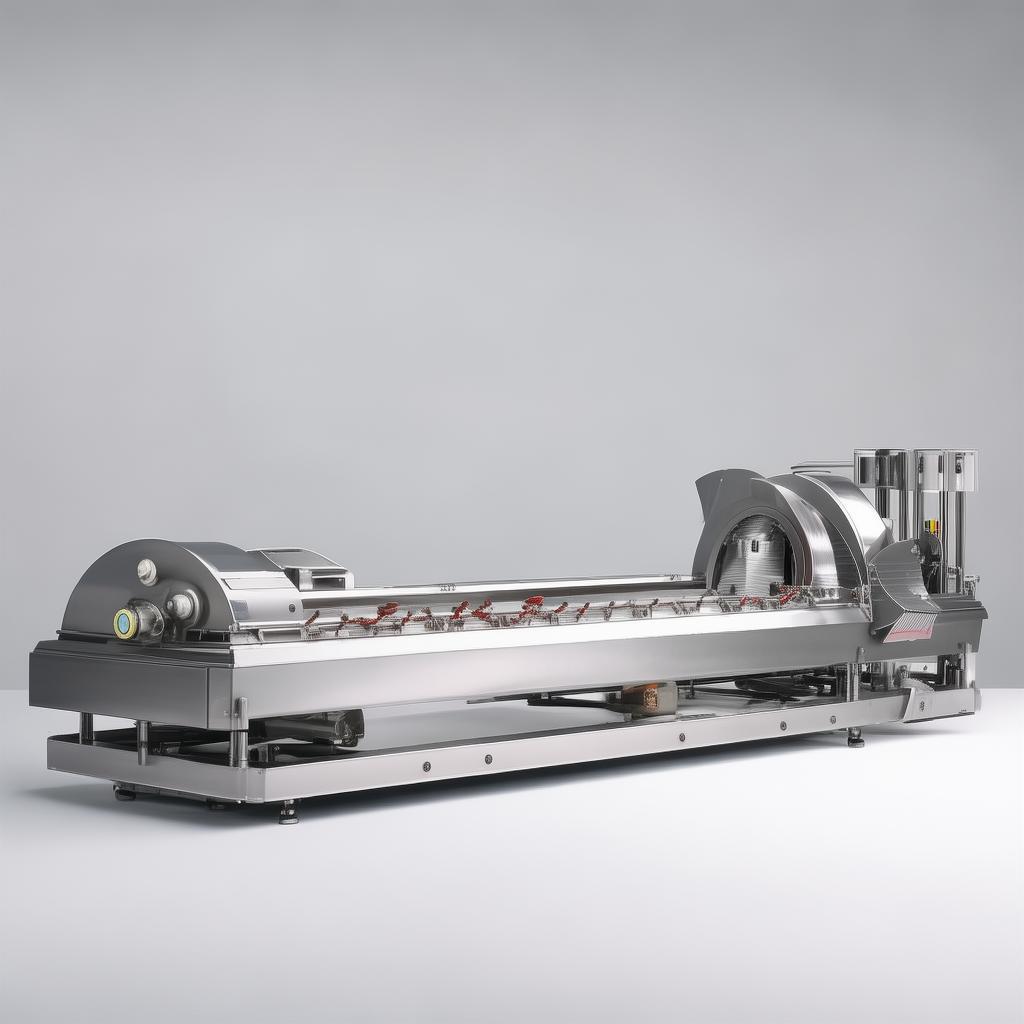
Precise and secure handling of metal sheets with a vacuum lifter.
Key Advantages: Why Invest in a Vacuum Lifter?
The ROI on a quality sheet metal vacuum lifter is often realized through a combination of factors that directly impact a company's bottom line and operational resilience. It's not just about lifting; it's about lifting smarter.
Enhanced Safety & Reduced Injury
By eliminating the need for manual lifting of heavy or awkwardly shaped sheets, vacuum lifters significantly reduce the risk of musculoskeletal injuries. This is a critical consideration for compliance with OSHA regulations and for maintaining a healthy, productive workforce. Procurement managers often cite safety improvements as a primary driver for adopting such technologies.
Minimized Material Damage
Unlike mechanical grippers or hooks, vacuum lifters apply force evenly across the suction pad surface. This non-marring contact protects delicate finishes, pre-painted surfaces, and polished metals from scratches and dents. This translates directly to lower scrap rates and reduced rework, especially vital in industries like automotive and appliance manufacturing where aesthetic quality is paramount.
Increased Operational Efficiency
A single operator can often maneuver large sheets with speed and precision, tasks that previously required multiple workers. This boosts productivity, reduces labor costs, and speeds up material handling cycles. Think of the time saved repositioning a large panel on a CNC press brake or loading it onto a cutting table.
Versatility and Material Compatibility
Modern vacuum lifters are designed to handle a wide range of non-porous sheet materials, including steel, aluminum, stainless steel, glass, and certain plastics. Interchangeable suction pads can often be specified to optimize performance for different materials and surface textures. This versatility makes them a sound investment for facilities working with diverse material portfolios.
Precision and Control
The ability to precisely position heavy sheets reduces errors in subsequent fabrication steps like welding, cutting, or assembly. This level of control is crucial for automated processes and for ensuring tight tolerances in complex assemblies.
Crucial Technical Specifications to Consider
Selecting the right sheet metal vacuum lifter isn't a one-size-fits-all decision. Buyers need to scrutinize the specifications to ensure the equipment aligns with their specific operational demands and safety protocols. Ignoring key technical details can lead to underperformance or, worse, safety incidents.
| Specification | Key Considerations for Sheet Metal | Why It Matters |
|---|---|---|
| Lifting Capacity | Rated load capacity (kg/lbs) vs. heaviest sheet weight + safety margin. | Ensures safe lifting without exceeding equipment limits. Often needs a 2:1 or 3:1 safety factor. |
| Suction Pad Type & Size | Material (e.g., Neoprene, EPDM), diameter, number of pads, suitability for surface finish. | Crucial for achieving a reliable seal on various metals; affects load capacity and distributes pressure. |
| Vacuum System | Type (electric/pneumatic), pump capacity, vacuum reservoir size, filter systems. | Determines speed of vacuum generation and retention. Electric offers independence; pneumatic leverages plant air. |
| Power Source | Battery-powered (rechargeable, voltage) or pneumatic (air pressure requirement). | Affects portability, operational environment, and integration with existing facility utilities. |
| Articulation & Maneuverability | Rotation (manual/powered), tilt, swivel capabilities. | Enables precise positioning and handling in tight or complex spaces. Essential for assembly tasks. |
| Safety Features | Vacuum level indicator, audible/visual alarms, backup power, redundant seals. | Non-negotiable for safe operation, alerting operators to any loss of vacuum integrity. |
| Frame/Gantry Design | Material, weight, compatibility with cranes, forklifts, or manipulators. | Ensures the lifter itself is structurally sound and integrates seamlessly into material handling workflows. |
vacuum lifter for sheet metal vacuum vacuum lifter sheet metal sheet vacuum lifter
When evaluating suppliers, always request detailed product datasheets and ask about compliance with relevant safety standards. A reputable manufacturer will be transparent about these specifications. Don't hesitate to ask for load testing verification.
Diverse Applications Across Industries
The utility of sheet metal vacuum lifters extends far beyond a single sector. Their precision, safety, and efficiency make them valuable assets in a broad spectrum of industrial and commercial operations.
Automotive Manufacturing
Handling car body panels, door skins, chassis components, and stamping press loading/unloading.
Aerospace & Defense
Precise manipulation of fuselage sections, wing components, and interior paneling.
Construction & Architecture
Installation of facade panels, roofing sheets, metal cladding, and structural components.
Appliance Manufacturing
Handling refrigerator doors, washing machine casings, and other formed metal parts.
Signage and Display Fabrication
Moving large format metal sheets for fabrication of signs, exhibition stands, and custom displays.
General Fabrication Shops
Versatile use in cutting, bending, welding, and assembly processes involving sheet metal.
Navigating Procurement: What Buyers Need to Know
Purchasing industrial equipment like a sheet metal vacuum lifter requires due diligence. It's crucial to look beyond just the price tag and consider the long-term value, reliability, and support offered by the supplier.
Supplier Experience Matters
Seek out manufacturers or authorized distributors with a proven track record in supplying vacuum lifting equipment for industrial applications. Look for case studies or testimonials relevant to your industry. A supplier with extensive experience can offer better guidance on selecting the appropriate model and understanding potential operational challenges.
After-Sales Support & Spares
What happens when a seal wears out or a pump needs servicing? Inquire about the availability of spare parts, the warranty period, and the process for technical support. Downtime is costly, so a responsive supplier offering readily available parts and expert service is invaluable. We pride ourselves on our traceable after-sales management system, ensuring you're supported long after delivery.
Customization & OEM/ODM Capabilities
Does your application have unique requirements? Some manufacturers offer OEM (Original Equipment Manufacturer) and ODM (Original Design Manufacturer) services. This means they can either build to your existing design or develop a custom solution based on your specifications. For specialized lifting needs, this flexibility is essential. Our extensive machining capabilities allow us to undertake custom component production.
Logistics and Shipping
Consider the lead times for manufacturing and delivery, especially for international shipments. Ask about crating, container loading optimization, and shipping insurance. A clear understanding of the logistics process prevents unexpected delays.
Our Manufacturing Expertise: Beyond the Lifter
As a manufacturer with over 40 years of experience since 1986, Hebei Yuanchang Food Mechanism & Technology Co., Ltd. brings a deep-seated understanding of precision engineering and robust production to every product we offer, including advanced material handling solutions like vacuum lifters. While our core expertise lies in food processing machinery, the principles of precision, durability, and reliability are universal.
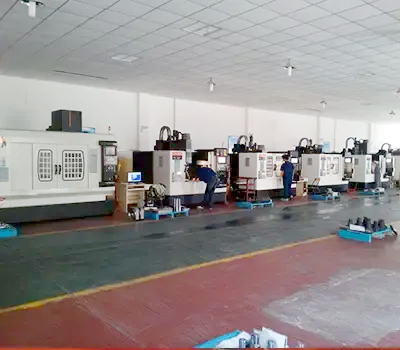
Our facility in Shijiazhuang, Hebei Province, spans approximately 14,000 square meters and is staffed by a dedicated team of 80-100 professionals. We integrate R&D, production, and sales, ensuring complete control over quality from concept to delivery. Our in-house machining workshop is equipped with over 20 sets of advanced processing machinery, including lathes, milling machines, high-precision grinding machines, boring machines, plate shears, bending machines, and wire cutting equipment.
A significant investment was made in 2012 with the acquisition of 8 sets of Japanese Mazak CNC machining centers. This technological leap allows us to undertake the production of high-standard components requiring large volumes, exceptional precision, and non-standard specifications—capabilities directly transferable to the manufacturing of high-performance vacuum lifters. Coupled with our traceable after-sales management system, this independent production of high-precision parts ensures worry-free after-sales service for our international clientele.

ISO 9001 Certified Quality Management
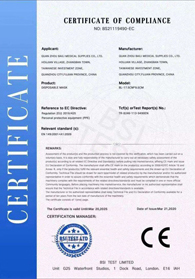
CE Marked for European Compliance

State-of-the-Art CNC Machining
Our commitment to engineering excellence and stringent quality control ensures that any vacuum lifter leaving our facility meets the highest international standards for performance and durability.
Frequently Asked Questions (FAQs)
Q1: Can these vacuum lifters handle textured or slightly oily metal sheets?
Effectiveness depends on the degree of texture or oiliness. Smooth, non-porous surfaces provide the best seal. For textured or oily surfaces, specialized vacuum pads or pre-cleaning might be necessary. We recommend consulting with our technical team for specific material assessments.
Q2: What is the typical lead time for a custom vacuum lifter order?
Standard models often have shorter lead times. For custom configurations, lead times can range from 4 to 12 weeks, depending on complexity and current production schedules. We provide estimated lead times at the quotation stage.
Q3: Are your vacuum lifters compatible with overhead crane systems?
Yes, many of our models are designed with lifting points or frame structures compatible with standard overhead cranes, hoists, or jib cranes. Specific compatibility details are available in product specifications.
Q4: What maintenance is required for a vacuum lifter?
Regular maintenance typically involves checking and cleaning suction pads, inspecting hoses for leaks, ensuring vacuum pump oil levels are correct (if applicable), and verifying the functionality of safety alarms. Detailed maintenance schedules are provided in the operation manual.
Q5: Do you offer installation support or training?
We provide comprehensive operation manuals and remote technical support. For large-scale deployments or specific training needs, on-site support or a dedicated training session can be arranged upon request.
What Our Clients Say

Operations Manager, Steel Fabrication USA
"The vacuum lifter we purchased from Yuanchang has streamlined our panel loading process significantly. We've seen a noticeable reduction in handling time and, more importantly, zero damage to our premium stainless steel sheets. The build quality is solid."

Procurement Director, Auto Parts Manufacturer Canada
"We were concerned about finding a lifter robust enough for our automotive body panels. Yuanchang's team understood our needs and recommended a model with excellent lifting capacity and specialized pads. It's met all expectations, especially regarding worker safety."

Site Supervisor, Construction Firm Mexico
"Installing facade panels requires precision. This vacuum lifter allows my crew to position sheets accurately and safely, reducing the risk of drops and damage. The after-sales support was also prompt when we had a query about pad replacement."
Elevate Your Sheet Metal Handling Capabilities
Ready to boost safety, eliminate material damage, and optimize your operational workflow? Discover how our precisely engineered sheet metal vacuum lifters can transform your manufacturing or construction processes.