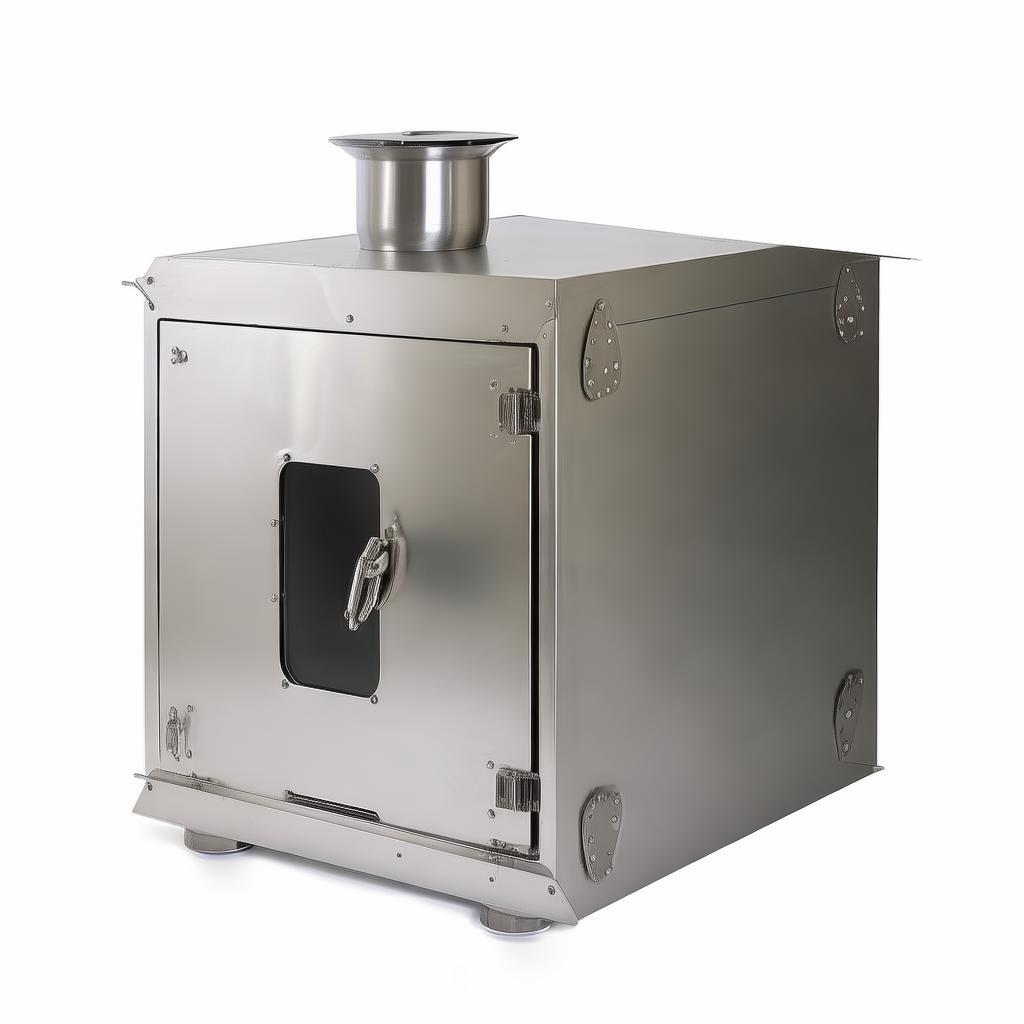
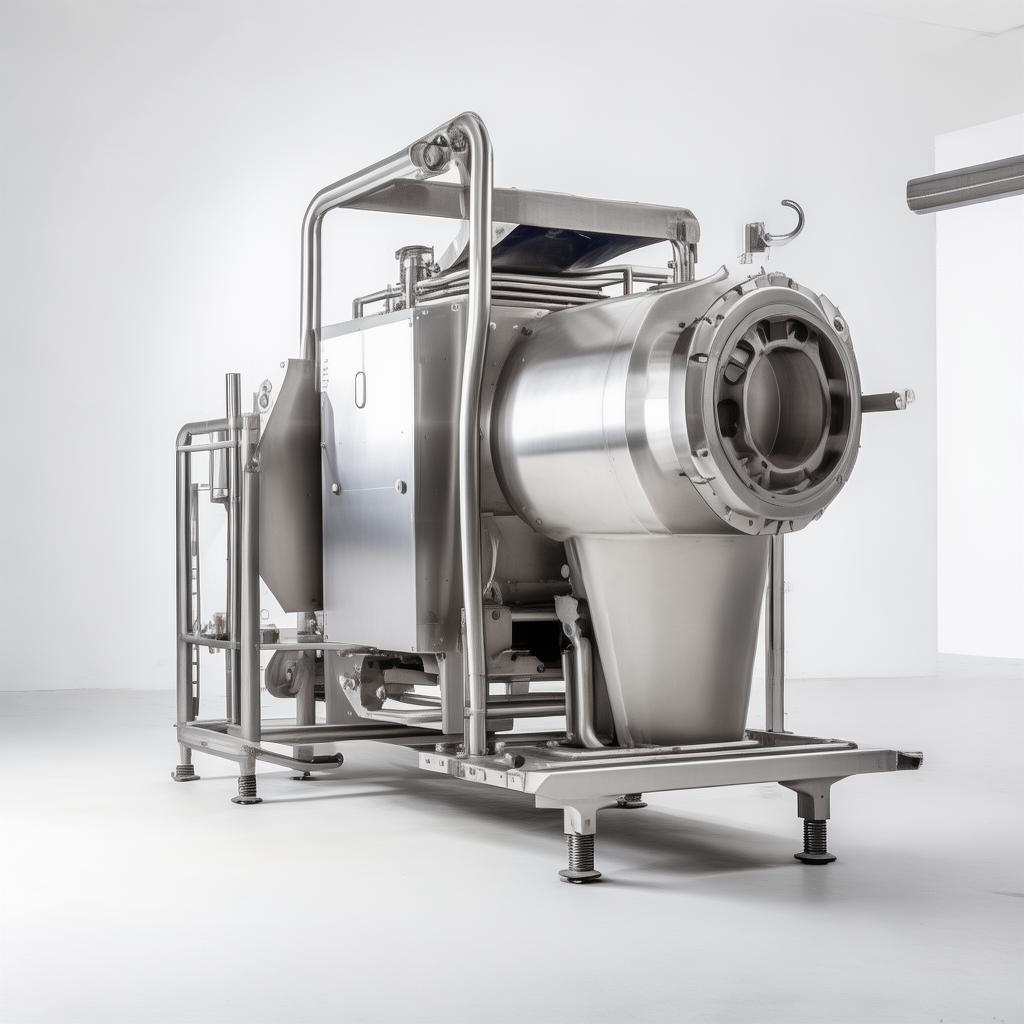
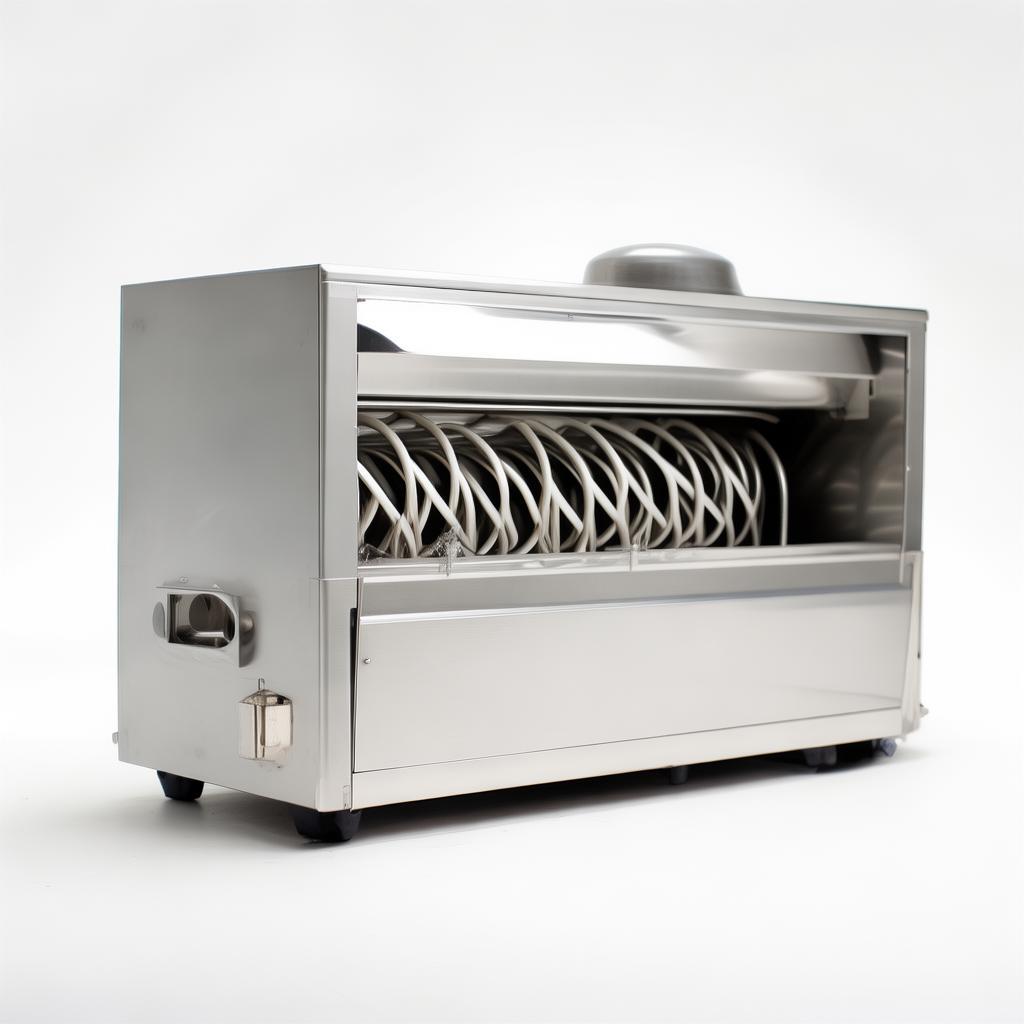
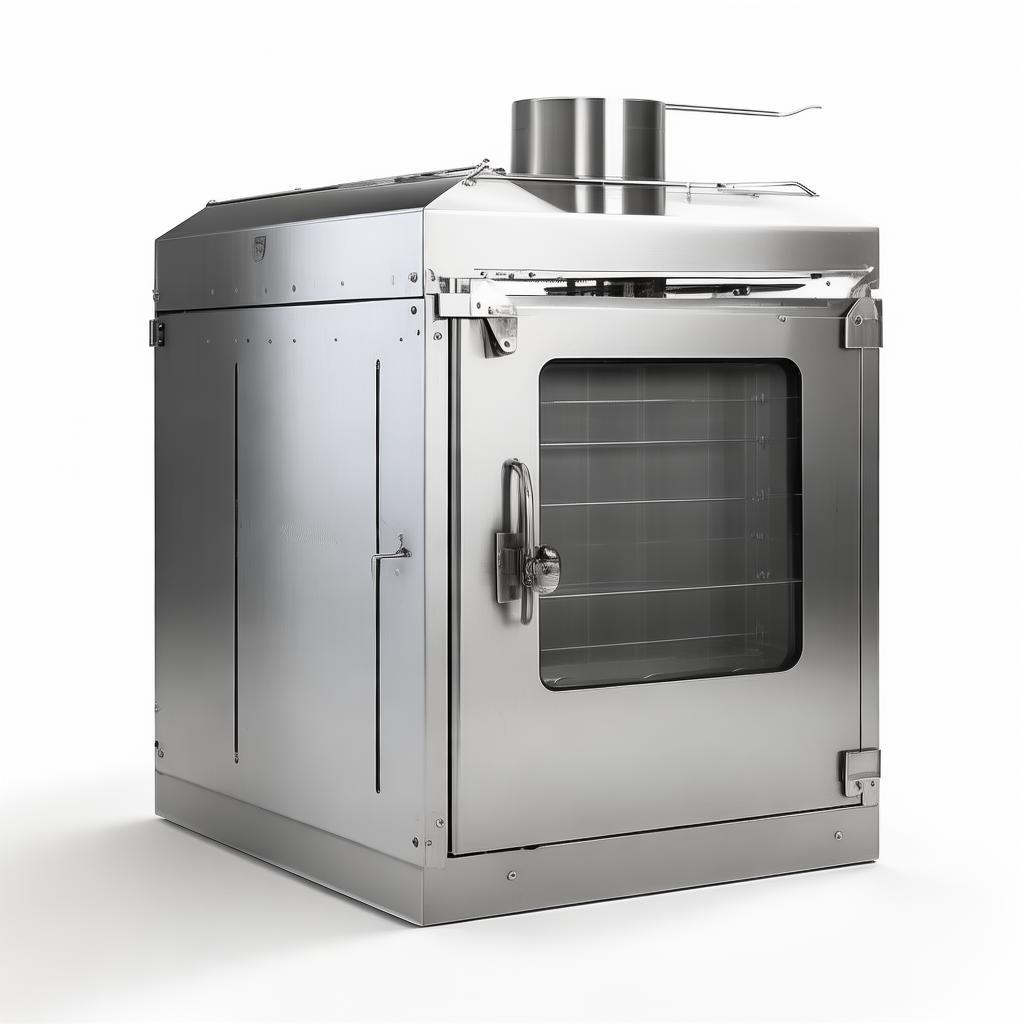
Pallet Elevator Lift
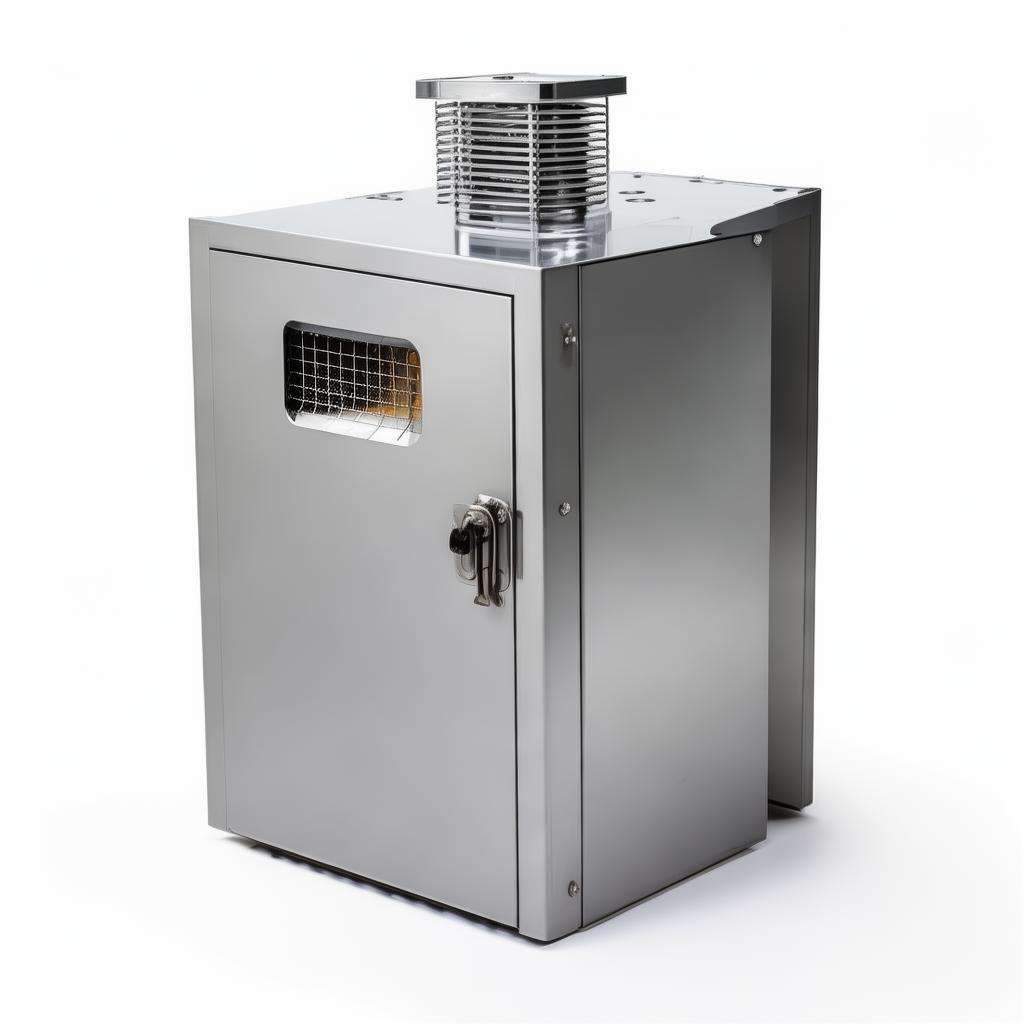
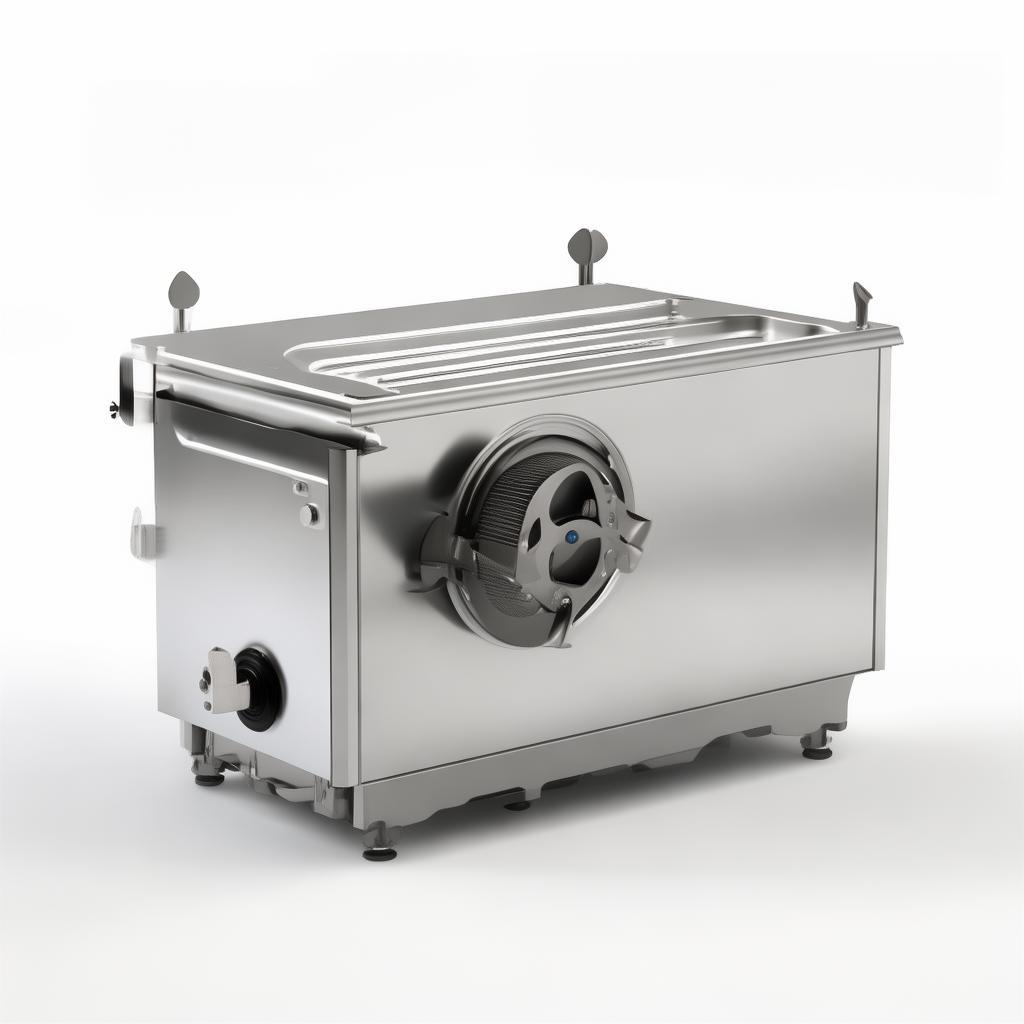
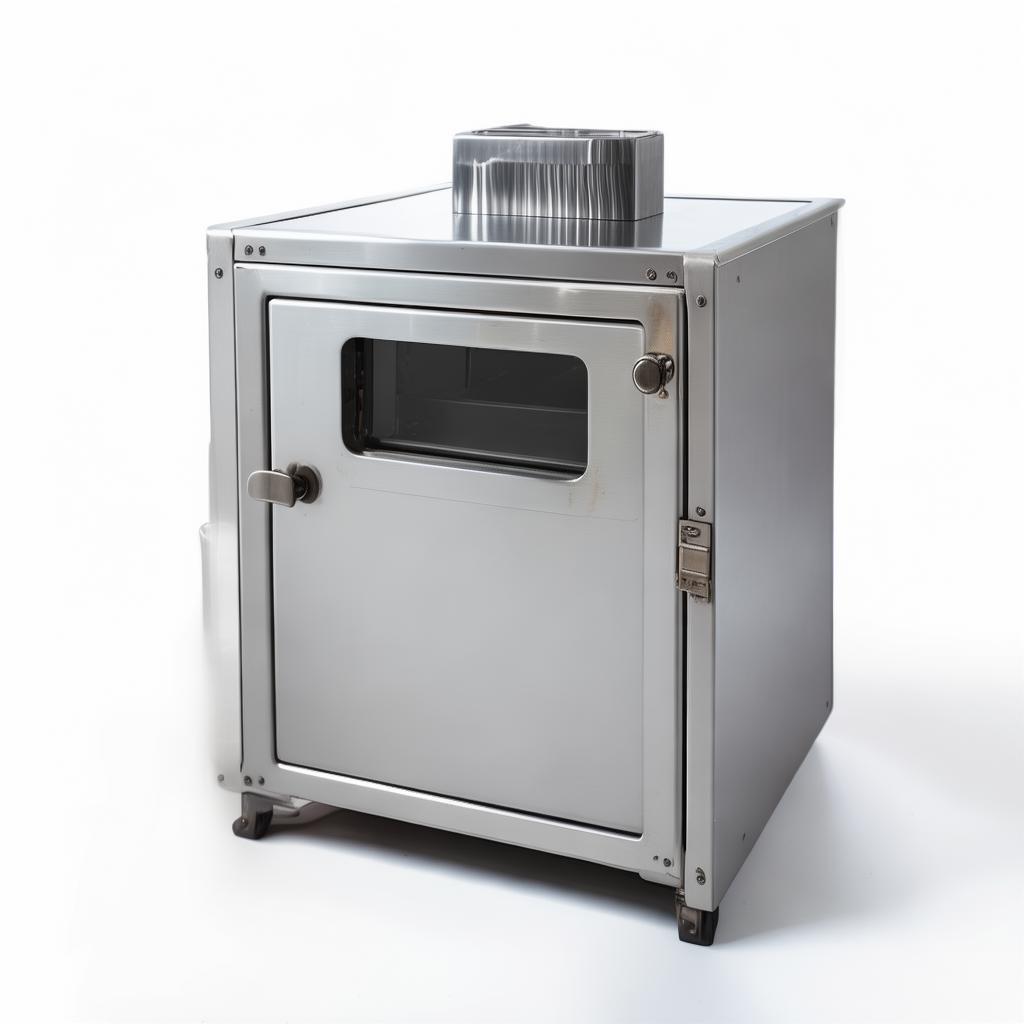
Pallet Elevator Lifts: Streamlining Material Handling for Industrial Efficiency
By Hebei Yuanchang Food Mechanism & Technology Co., Ltd. - Your Partner in Advanced Industrial Solutions

Navigating the Complexities of Material Handling: The Pallet Elevator Lift Solution
In the fast-paced world of manufacturing, warehousing, and logistics, efficient vertical material movement is not just a convenience; it's a critical operational necessity. The smooth flow of goods from one level to another directly impacts production throughput, labor costs, inventory management, and overall supply chain agility. For businesses dealing with palletized loads – a ubiquitous standard across industries from food processing to electronics assembly – the challenge of elevating these heavy, bulky items safely and reliably becomes a focal point for optimizing workflow. Traditional methods, such as forklifts navigating ramps or basic freight elevators, often present limitations. These can include significant space requirements, potential for product damage due to jerky movements, safety hazards for personnel, and considerable time spent in transit between floors. This is where the specialized design and robust engineering of a pallet elevator lift come into play, offering a dedicated, efficient, and secure solution for vertical pallet transport.
The global meat processing equipment market, for instance, is projected to reach USD 17.39 billion by 2034 at a CAGR of 5.0% (Fortune Business Insights), underscoring the scale of operations that demand precise material handling. Similar growth trends are seen across related sectors. Manufacturers and distributors are constantly seeking ways to enhance productivity while adhering to stringent safety and hygiene standards. This pursuit necessitates equipment that not only performs reliably but also integrates seamlessly into existing operational layouts. A well-designed pallet elevator lift addresses these needs by providing a controlled, automated, or semi-automated system that minimizes human intervention in the lifting process, thereby reducing the risk of accidents and improving consistency. It’s about moving product vertically with the same care and precision that goes into horizontal movement.
Consider the operational realities: a multi-level facility for food production requires that raw materials reach the processing floor, and finished goods are moved to dispatch or storage with minimal disruption. Each transfer point is a potential bottleneck. If a forklift must travel several floors, it occupies valuable time, consumes energy, and increases wear and tear on both the machinery and the facility's infrastructure. Furthermore, the manual operation of forklifts or the reliance on basic freight elevators can lead to inconsistencies in loading and unloading, potentially damaging the goods or the packaging. This is particularly problematic for delicate products or in environments where product integrity is paramount, such as pharmaceutical or high-end food manufacturing. The inherent precision of a pallet elevator lift, designed specifically for the dimensions and weight of standard pallets, mitigates these risks significantly.
The decision to invest in a pallet elevator lift often stems from a thorough analysis of operational costs, safety records, and throughput requirements. It’s a strategic move towards automation and efficiency. Unlike general-purpose lifting equipment, these systems are engineered with specific load capacities, lifting heights, and operational cycles in mind. This specialized focus allows for a more compact footprint, faster cycle times between floors, and enhanced safety features tailored to the nuances of palletized goods. For international trade, where efficient inventory management and timely shipments are crucial for maintaining competitive advantage, reliable vertical transport is a foundational element of a robust supply chain. The ability to quickly and safely move inventory between different levels of a warehouse or production facility directly translates into faster order fulfillment and reduced demurrage costs.
Our expertise, honed over 40 years in manufacturing specialized industrial machinery, has shown us that the 'best' solution is rarely a one-size-fits-all approach. For palletized vertical transport, however, the pallet elevator lift stands out as a highly effective and specialized tool. It’s designed to handle the consistent load profile of pallets, ensuring stability and safety throughout the vertical journey. This isn't just about lifting; it's about a controlled, predictable movement that integrates into the broader material flow of your facility. Whether you are looking to upgrade existing infrastructure or designing a new plant, understanding the capabilities and benefits of a pallet elevator lift is crucial for making an informed procurement decision. The economic impact is clear: reduced labor, minimized product damage, and increased operational uptime all contribute to a stronger bottom line. The market trends confirm this need, with a growing emphasis on automation and efficiency in food processing and other manufacturing sectors.
At Hebei Yuanchang Food Mechanism & Technology Co., Ltd., we understand that specialized equipment like pallet elevator lifts is an investment in your facility's future productivity and safety. Our long history, dating back to 1986, has provided us with unparalleled insights into the operational demands of various industries. We pride ourselves on offering solutions that are not only technically sound but also commercially realistic and operationally robust. Let’s delve into how a pallet elevator lift can transform your vertical material handling operations.



Common Bottlenecks in Vertical Pallet Handling
Many industrial facilities grapple with inefficient or hazardous methods for moving palletized goods between floors. This isn't just an inconvenience; it directly impacts productivity and can lead to unexpected costs. We've observed several recurring issues that highlight the need for specialized equipment like our pallet elevator lifts.
- Space Constraints: Traditional ramps or dedicated forklift aisles consume significant floor space, which could otherwise be used for storage or production. This is especially critical in urban or established facilities where expansion is limited.
- Safety Risks: Forklifts operating on inclines or near floor edges present inherent risks of tipovers, dropped loads, or collisions. Human error during manual loading onto basic freight elevators also poses a danger.
- Product Damage: Jerky movements, uneven surfaces, or improper loading on general-purpose lifts can lead to damaged goods, compromised packaging, and costly product write-offs. This is a major concern in food processing and pharmaceutical industries.
- Operational Delays: Waiting for elevators, navigating congested areas, or the time taken by forklifts to traverse multiple floors significantly slows down the movement of materials, creating bottlenecks in the production or distribution workflow.
- Labor Inefficiency: Dedicated forklift operators spending substantial time on vertical transport could be utilized more productively elsewhere. Moreover, the physical strain of guiding pallets into non-specialized lifts adds to the labor burden.
- Infrastructure Wear: Constant heavy traffic from forklifts on ramps and floors can accelerate wear and tear on the building structure, leading to increased maintenance costs over time.
- Inconsistent Throughput: The reliance on manual processes or shared-use elevators means that vertical transfer speed and reliability can vary greatly, making it difficult to plan and maintain consistent production schedules.
These challenges collectively drain efficiency, increase operational risk, and erode profitability. A dedicated pallet elevator lift is engineered to systematically resolve these issues.
Unlocking Efficiency: The Superior Advantages of Pallet Elevator Lifts
Investing in a pallet elevator lift is a strategic decision that delivers tangible benefits across your operations. It’s not just about moving goods; it’s about enhancing safety, boosting productivity, and ensuring product integrity. Our engineered solutions are built to deliver these advantages consistently.
Enhanced Safety Protocols
Designed with robust safety features, including interlocks, emergency stops, and secure pallet containment, these lifts drastically reduce the risk of accidents associated with manual handling or forklift operation on inclines. Compliance with industrial safety standards is paramount in our design.
Optimized Throughput
With faster, consistent cycle times compared to traditional methods, pallet elevator lifts significantly speed up the vertical movement of goods. This translates to quicker order fulfillment and a more agile supply chain, crucial in markets like processed meat where freshness and delivery speed matter.
Minimized Product Damage
Smooth, controlled lifting and lowering motions prevent the jarring that can damage sensitive products and packaging. This feature is invaluable for industries handling fragile items, high-value goods, or temperature-sensitive products.
Reduced Operational Costs
By minimizing labor needed for vertical transport, reducing product damage, and lowering the risk of costly accidents, these lifts offer a clear return on investment. Lower energy consumption compared to large freight elevators also contributes to savings.
Space Efficiency
Their vertical design often requires a smaller footprint than ramps or drive-through elevators, freeing up valuable floor space for other critical operational needs.
Integration & Automation
Modern pallet elevator lifts can be integrated with WMS (Warehouse Management Systems) and automated guided vehicles (AGVs) for a fully automated material handling solution, aligning with Industry 4.0 initiatives.
Technical Specifications: Engineering for Performance
Our pallet elevator lifts are designed for robustness, reliability, and specific operational demands. While exact configurations can be customized, the following specifications represent typical offerings, ensuring we meet diverse industrial requirements.
| Feature | Standard Configuration | Optional/Customizable |
|---|---|---|
| Load Capacity | 1000 kg - 2000 kg (approx. 2200 - 4400 lbs) | Up to 3000 kg (6600 lbs) or higher |
| Lifting Height | Up to 6 meters (approx. 20 ft) | Customizable for multi-floor applications |
| Platform Size | Standard pallet dimensions (e.g., 1200 x 1000 mm / 40 x 48 inches) | Custom sizes available for oversized or specialized pallets |
| Lifting Mechanism | Hydraulic or Heavy-Duty Chain Drive | Screw drive, Belt drive |
| Control System | Push-button control stations at each level, PLC based | Remote controls, integration with WMS/MES, automated loading/unloading signals |
| Power Requirements | 380V/50Hz/3Phase (customizable) | Other voltage and frequency options available |
| Safety Features | Safety gates, overload protection, emergency stop, anti-fall devices, platform leveling | Photoelectric sensors, alarm systems, specialized guarding |
| Material Construction | Heavy-duty steel construction, anti-corrosive paint | Stainless steel options for food-grade or washdown environments, specialized coatings |
| Installation Environment | Indoor industrial facilities | Outdoor rated, explosion-proof, cleanroom compatible |
industrial elevator lift Elevator elevator pulley
Our engineering team is adept at tailoring these specifications to meet unique site requirements and operational demands. We consider factors like ambient temperature, humidity, and the specific types of goods being handled. For example, in food processing facilities, stainless steel construction (SS304 or SS316) is often a requirement to meet strict hygiene standards (e.g., FDA compliance). Similarly, the load capacity must be carefully calculated based on the heaviest anticipated pallet load, including any secondary packaging or dunnage.
Versatile Applications Across Industries
The utility of a pallet elevator lift extends across a broad spectrum of industrial sectors, wherever efficient vertical material flow is essential. Their robust design and customizable features make them ideal for demanding environments.
Food & Beverage Processing
Moving raw ingredients, work-in-progress, and finished products between processing, packaging, and storage levels. Essential for maintaining hygiene and operational continuity. Think of moving palletized meat from refrigeration to processing lines, or finished packaged goods to dispatch.
Warehousing & Distribution Centers
Facilitating the movement of palletized inventory between mezzanines, different storage floors, or directly to packing stations. Crucial for optimizing warehouse layout and retrieval times. The global meat processing equipment market's growth implies larger distribution needs.
Manufacturing Plants
Transporting raw materials, components, sub-assemblies, and finished products within multi-story manufacturing facilities, ensuring a smooth production flow from receiving to shipping.
Automotive Industry
Moving heavy palletized components, tooling, or finished vehicle parts between different assembly lines or storage areas on multiple levels.
Pharmaceuticals & Chemicals
Handling palletized raw materials, intermediates, and finished products where strict environmental controls and product integrity are essential. Compliance with standards like ISO and Good Manufacturing Practices (GMP) is key.
E-commerce Fulfillment Centers
Streamlining the movement of palletized goods within large fulfillment operations, supporting high-volume picking, packing, and shipping processes.
Procurement Smartly: What to Look For in a Pallet Elevator Lift Supplier
Choosing the right supplier for a critical piece of equipment like a pallet elevator lift involves more than just comparing prices. As an experienced manufacturer with decades in the field, we emphasize a comprehensive evaluation process. Here’s what procurement professionals should prioritize:
1. Experience and Reputation
Look for suppliers with a proven track record in manufacturing and exporting industrial lifting equipment. Longevity in the industry, like our 40 years since 1986, often signifies deep technical expertise and a commitment to quality. Check for client testimonials and industry certifications. Reputation matters, especially for equipment critical to your operations.
2. Customization Capabilities
Standard models are a starting point, but most facilities have unique requirements. Can the supplier adapt the lift’s capacity, platform size, lifting height, and control systems? Our in-house CNC machining centers allow us to produce high-precision, non-standard components, which is vital for custom solutions.
3. Safety Compliance and Certifications
Ensure the equipment meets relevant safety standards for your region (e.g., OSHA in the US, CE in Europe). Ask about the certifications the manufacturer holds, such as ISO 9001 for quality management. Documentation is key for compliance and audits.
4. After-Sales Support and Spares
Downtime is costly. A reliable supplier offers prompt technical support, readily available spare parts, and clear maintenance guidelines. Our traceable after-sales management system ensures you can get the parts you need, when you need them, minimizing your operational disruption.
5. Manufacturing Strength and Quality Control
Inquire about their manufacturing facility. Do they have in-house machining capabilities? What is their quality control process? For instance, having over 20 sets of processing machinery, including advanced Japanese Mazak CNC machining centers, indicates a commitment to precision and quality.
6. Logistics and Installation Support
Understand their shipping capabilities, especially for international orders. What are the lead times? Do they offer guidance or support for installation? This planning is critical for project timelines and budget adherence. We aim to provide clear shipping plans and documentation.


What Our Clients Say
Real-world experiences from businesses like yours, who have integrated our pallet elevator lifts into their operations.
 Mark R., Operations Manager
"Before installing the pallet elevator lift from Yuanchang, moving raw materials between our grinding and filling stations was a constant bottleneck. Forklifts were slow and often congested the workspace. The new lift has been a game-changer. It’s faster, safer, and we've seen a noticeable reduction in product handling time. Their support during installation was also excellent."
- Midwest Meat Packers Inc. Sarah Chen, Logistics Director
"We operate a multi-story warehouse for distributing processed foods. Vertical movement was always a challenge, leading to delays and occasional damage to our palletized goods. The pallet elevator lift we purchased from Hebei Yuanchang has dramatically improved our inventory flow. The smooth operation minimizes transit damage, and the setup was handled professionally. We appreciate their attention to detail and export experience."
- Global Food Logistics Co. David Rodriguez, Plant Engineer
"Safety was our primary concern when looking to replace our old freight elevator. The pallet elevator lift provided by Yuanchang offered superior safety features and a more direct, faster transport path between our production and cold storage levels. Its robust construction means less maintenance downtime, which is crucial for our continuous operation. The ability to customize the platform size was a big plus for our non-standard pallets."
- Premium Protein ProcessorsFrequently Asked Questions (FAQs)
Addressing common queries to help you make an informed decision.
Lead times vary depending on the complexity of the customization and our current production schedule. Standard configurations might take 6-10 weeks, while highly specialized units could require 12-16 weeks. We provide a precise estimate upon order confirmation.
Installation requires a suitable pit or foundation for the base of the lift, clear vertical shaft space, and adequate electrical power supply. Our technical team provides detailed installation drawings and can offer on-site support if needed. Proper site preparation is key for optimal performance and safety.
Yes, we offer specialized models for such environments. This typically involves using stainless steel construction (SS304 or SS316), sealed electrical components, and appropriate lubricants. Please specify these requirements when requesting a quote.
Regular maintenance is essential for longevity and safety. This includes periodic checks of hydraulic fluid levels, lubrication of moving parts, inspection of cables or chains, and testing of safety features. We provide a detailed maintenance schedule with each unit.
Yes, we have extensive experience in OEM/ODM manufacturing. We can design and produce pallet elevator lifts under your brand or to your specific technical specifications. Our advanced manufacturing capabilities, including Japanese CNC machining centers, ensure high-quality, custom production.
Ready to Elevate Your Operations?
Discover how our expertly engineered pallet elevator lifts can transform your vertical material handling, boost efficiency, and enhance safety.
Hebei Yuanchang Food Mechanism & Technology Co., Ltd.
Shijiazhuang, Hebei Province, China
Phone: +86 15830991513 | Email: ycmeatmech@gmail.com
Visit us: www.ycmeatmech.com/contacts.html
Customer Interactions