Limestone Bucket Elevator
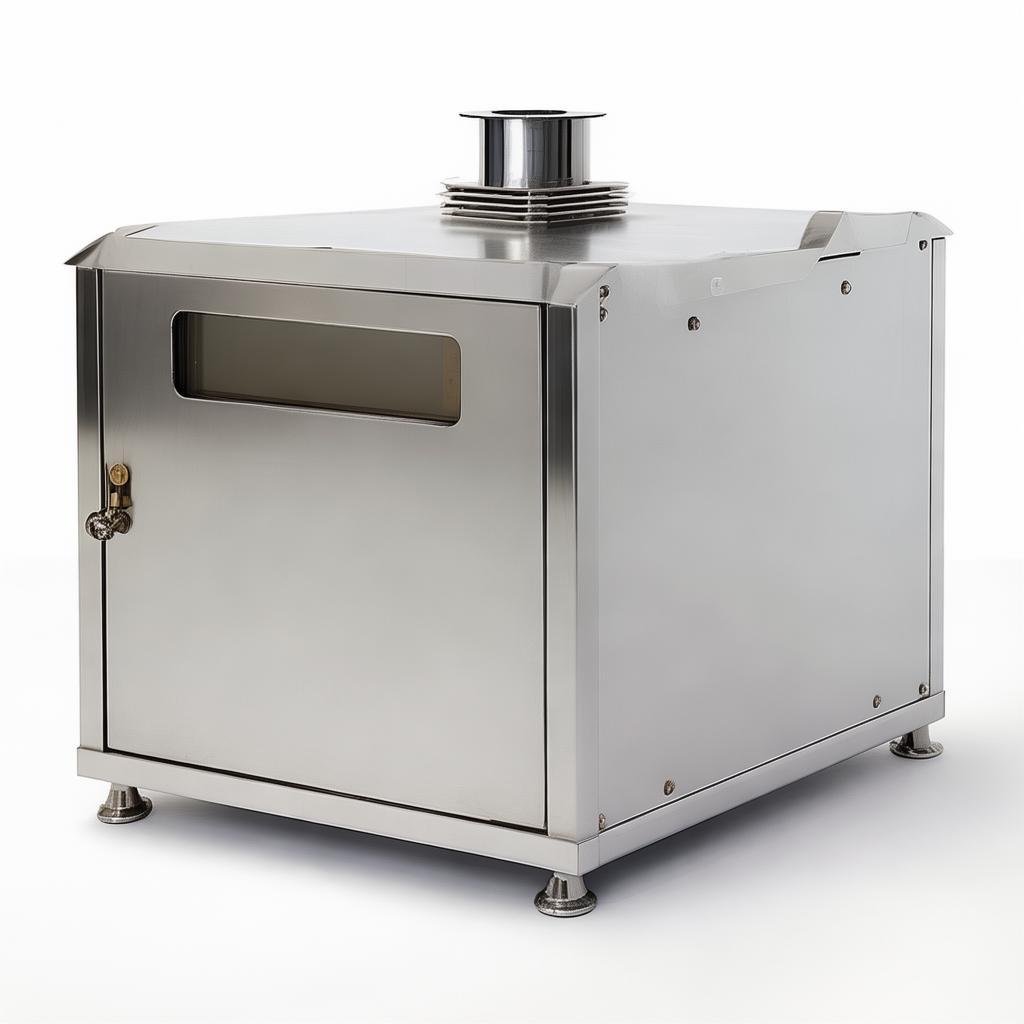
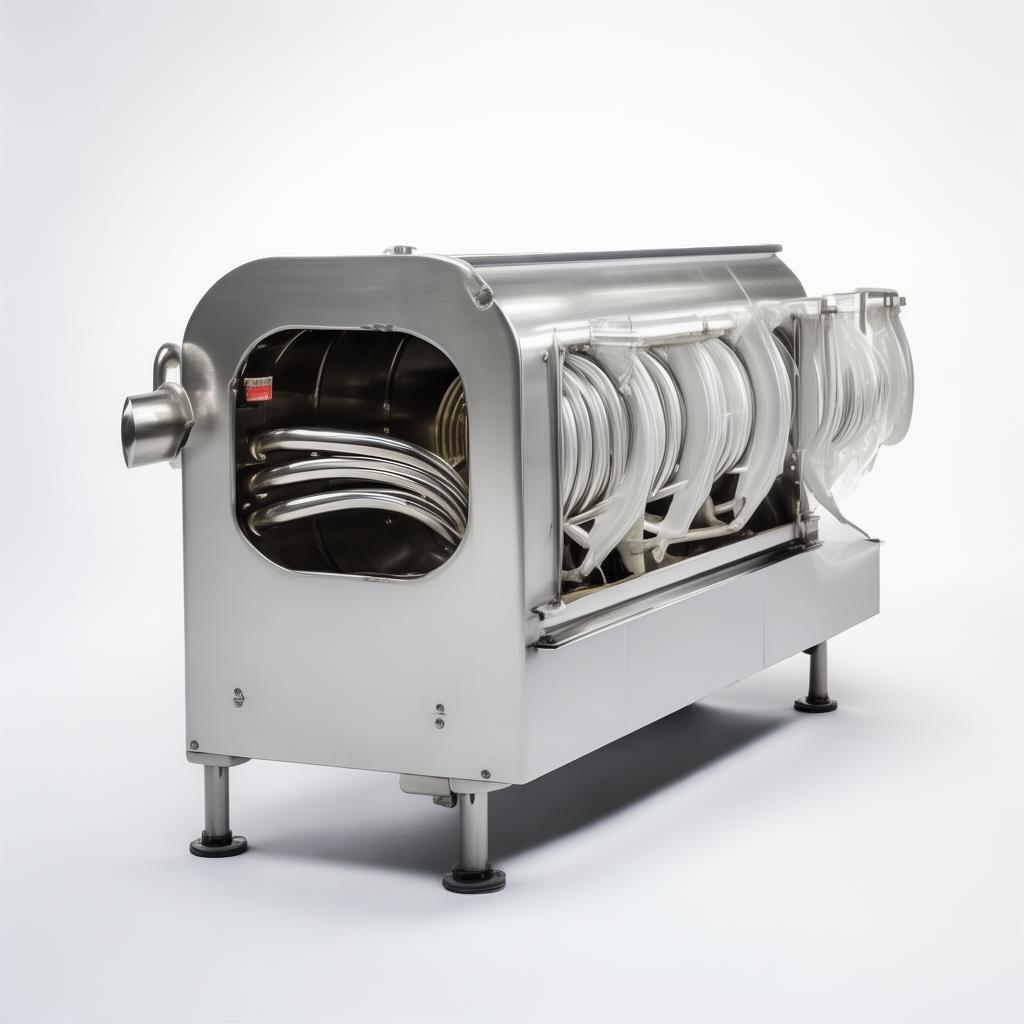
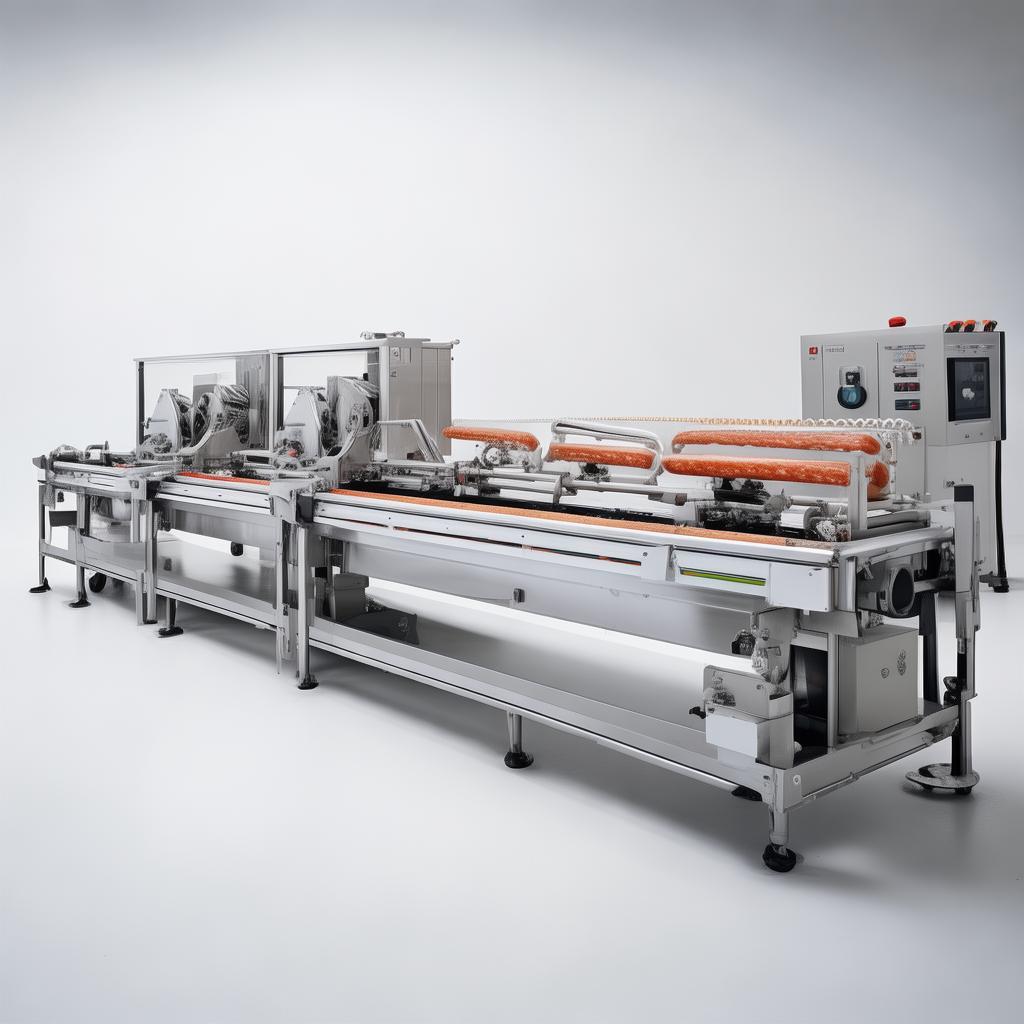
Limestone Bucket Elevator: Robust Material Handling for Industrial Operations
Your Trusted Partner for Efficient & Reliable Vertical Transport of Bulk Materials

By: Johnathan Reed
Senior Export Manager & Industrial Solutions Specialist
Navigating the Challenges of Bulk Material Elevation
When it comes to moving bulk commodities like limestone, efficiency, reliability, and safety aren't just buzzwords; they're operational imperatives. The quarrying, processing, and distribution sectors constantly face the challenge of elevating large volumes of material from one point to another, often vertically, with minimal loss and maximum throughput. Whether it's feeding crushers, filling silos, or loading transport vehicles, the method chosen has a direct impact on operational costs, production schedules, and even workplace safety. Many facility managers and procurement officers find themselves evaluating a range of options, each with its own set of pros and cons. Traditional conveyor systems can be space-intensive or require significant incline, while pneumatic conveying systems might not be ideal for abrasive materials like limestone or could introduce dust control issues. The search for a robust, space-saving, and dependable solution often leads back to a tried-and-true industrial workhorse: the bucket elevator.
Specifically, a limestone bucket elevator is designed to handle the unique demands of this hard, often abrasive, and sometimes dusty material. Unlike lighter-duty elevators, those built for limestone must incorporate enhanced durability in their construction. This means reinforced casings, abrasion-resistant bucket materials, and robust drive systems capable of handling the weight and friction involved. The primary function is simple: to scoop up material at the lower point and discharge it at an elevated point, forming a continuous flow. However, the nuances of designing, manufacturing, and implementing such a system for long-term, heavy-duty use are complex. It requires a deep understanding of material flow dynamics, component stress, and the specific environmental conditions under which it will operate.
Consider the procurement decision. It's not just about the initial purchase price. A poorly chosen bucket elevator, even if it seems cheaper upfront, can lead to escalating costs down the line. We're talking about excessive wear and tear, frequent downtime for repairs, material spillage that represents lost product and cleanup efforts, and potential safety hazards from component failure. Buyers need to look beyond the surface specifications and understand the engineering, the quality of materials used, and the reputation of the manufacturer. This is where experience in international sourcing and a keen eye for technical specifications become critical. The global market offers numerous options, from standard designs to highly customized units, and navigating this landscape requires informed decision-making.
Furthermore, the material properties of limestone itself present specific challenges. Its hardness means that components in contact with it – the buckets, the casing, and the drive chain or belt – must be exceptionally durable. Abrasion resistance is paramount. If a bucket wears down too quickly, it can affect scooping efficiency, leading to underfilling and reduced throughput. If the casing is not robust, it can be damaged by falling material or impact, leading to structural integrity issues. The potential for dust generation also needs careful consideration; effective dust suppression and collection systems are often integrated to meet environmental regulations and ensure a safer working environment. This is why selecting a bucket elevator specifically engineered for materials like limestone is not a luxury, but a necessity for consistent, cost-effective operations.
The demand for efficient bulk material handling solutions is evergreen across various industries. The meat processing equipment market, for instance, relies heavily on systems for filling and molding, with a reported market valuation of USD 11.29 billion in 2025, projected to reach USD 17.39 billion by 2034. While seemingly unrelated, this highlights a universal need for precise material movement. Similarly, the broader meat processing equipment market, valued at USD 11.28 billion in 2024 and expected to reach USD 15.04 billion by 2030, emphasizes the importance of specialized machinery for controlled material handling. Even in sectors focused on meat processing equipment market, where the CAGR is projected at 5.6%, the underlying principle of reliable vertical transport for powders and granules is a common thread. Understanding these market dynamics underscores the critical role of equipment designed for specific material properties.
At Hebei Yuanchang Food Mechanism & Technology Co., Ltd., we understand these challenges intimately. While our core expertise lies in food processing machinery, our 40 years of experience since 1986, coupled with our advanced in-house machining capabilities – including Japanese Mazak CNC centers – equip us to engineer and manufacture highly robust and precisely tailored industrial equipment. This includes heavy-duty material handling systems like the limestone bucket elevator. We don't just assemble parts; we design solutions grounded in practical engineering and extensive manufacturing knowledge, ensuring that your critical operations run smoothly, safely, and profitably. Our commitment extends from initial design consultation through to reliable after-sales support, making us a dependable partner for your industrial needs.
Table of Contents
- Industry Pain Points & Our Solutions
- Key Advantages of Our Limestone Bucket Elevator
- Engineering Excellence: Technical Specifications
- Versatile Applications in Limestone Handling
- Installation, Operation, and Maintenance Insights
- Procurement Guidance & Supplier Evaluation
- Our Manufacturing Prowess
- Frequently Asked Questions
- Ready to Elevate Your Operations?
Industry Pain Points & Our Solutions
The typical challenges faced when handling bulk limestone vertically are significant. Procurement managers and plant engineers grapple with:
- Material Wear and Tear: Limestone's abrasive nature quickly degrades standard components, leading to frequent replacements and costly downtime. Our solution involves using hardened steel or high-density polyethylene (HDPE) buckets and wear-resistant chains/belts designed for abrasive environments.
- Dust Emission Control: Limestone dust can be a health hazard and an environmental concern. Inadequate containment leads to compliance issues and increased housekeeping. We engineer our bucket elevators with sealed casings and integrate robust dust extraction points for efficient collection.
- Product Loss and Spillage: Inefficient scooping or discharge mechanisms result in material loss, reducing yield and creating mess. Our bucket designs optimize material capture, and the discharge chutes are engineered for clean, precise release, minimizing product loss.
- Operational Downtime: Unexpected breakdowns halt production. The meat processing equipment market also faces similar pressures regarding equipment reliability, with a projected growth to USD 12.60 billion by 2031. Our robust construction, high-quality components, and emphasis on preventative maintenance design minimize unplanned stoppages.
- Space Constraints: Many plants operate with limited footprints. Traditional conveyors can be cumbersome. The vertical design of a bucket elevator offers a highly space-efficient solution for significant elevation gains.
Our limestone bucket elevators are engineered to directly address these pain points. We integrate features like reinforced bucket lips, heavy-duty drive sprockets, and robust frame construction to ensure longevity and reliable performance, even under the most demanding conditions. The experience gained over 40 years in industrial machinery manufacturing means we understand how to build equipment that *works*, day in and day out.
Key Advantages of Our Limestone Bucket Elevator
Choosing a Hebei Yuanchang limestone bucket elevator brings tangible benefits to your operation:
Superior Durability
Constructed with high-grade steel for the casing and buckets made from wear-resistant alloys or heavy-duty polymers, ensuring a long service life even with abrasive materials. This is critical for materials like limestone, which can rapidly wear down inferior components.
High Throughput Efficiency
Optimized bucket geometry and variable speed drives allow for precise material handling and high volumetric efficiency, ensuring you move more material with less energy. This aligns with the broader industry trend towards automation for labor efficiency, as noted in the meat processing equipment market analysis.
Space-Saving Design
The compact vertical footprint makes it an ideal solution for facilities with limited horizontal space, allowing for significant material elevation without extensive plant modification.
Enhanced Safety Features
Includes safety guards, emergency stop mechanisms, and optional features like belt/chain misalignment sensors and over-speed protection. For materials like limestone, dust containment is also a key safety and environmental consideration.
Reliable Drive System
We utilize heavy-duty gearboxes and motors, coupled with robust chains or belts, to provide consistent power delivery and minimize the risk of drive failure, even under continuous load.
Customization Options
From bucket size and material to casing height and discharge angle, our elevators can be tailored to your specific operational requirements and material characteristics.
Engineering Excellence: Technical Specifications
Our limestone bucket elevators are built with precision and durability in mind. While specific configurations vary based on client needs, the core engineering principles remain consistent.
Standard Configuration Highlights:
| Component | Specification Details | Notes for Limestone Handling |
|---|---|---|
| Casing Material | Heavy-gauge carbon steel (e.g., Q235B/Q345B) with optional galvanization or epoxy coating. | Reinforced gauge and robust coating for abrasion and corrosion resistance. |
| Buckets | Fabricated from hardened steel, stainless steel, or high-density Polyethylene (HDPE). | Crucial selection: Hardened steel or specialized abrasion-resistant polymers recommended for limestone. Bucket shapes optimized for efficient loading and clean discharge. |
| Drive System | Heavy-duty industrial electric motor with gearbox (e.g., helical, worm gear). | Sized for continuous operation and peak load demands, ensuring reliable torque. Variable Frequency Drive (VFD) for speed control and energy efficiency is standard. |
| Conveying Medium | Heavy-duty steel chain (e.g., cast steel or welded steel) or reinforced rubber/polyurethane belt. | Chain typically preferred for high-abrasion applications like limestone. High-tensile strength, abrasion-resistant options are critical. |
| Pulley/Sprocket Material | Hardened steel or wear-resistant cast iron. | Grooved for optimal chain/belt engagement and long life. |
| Discharge Type | Centrifugal or gravity discharge, configured for optimal material release. | Chute design is critical for directing limestone into the next process stage (e.g., silo, crusher) with minimal dust escape. |
| Safety Features | Access doors, belt/chain tensioning devices, motor overload protection, optional backstop. | Integrated dust collection ports are essential for limestone. |
vertical bucket elevator industrial bucket elevator bucket elevator chain
*Specifications are subject to change based on specific application requirements and client consultation. We work closely with you to define the ideal configuration.
Versatile Applications in Limestone Handling
Our limestone bucket elevators are integral to a wide array of industrial processes where efficient vertical transport of bulk limestone is essential. These include:
- Quarrying and Mining Operations: Feeding crushed limestone from primary crushers to secondary screening or storage.
- Cement Production: Elevating raw limestone and clinker from grinding mills to kilns or silos.
- Aggregate Processing: Transporting sized limestone aggregates to different storage bins or bagging stations.
- Chemical Manufacturing: Supplying limestone powder or granules for various chemical processes, such as lime production or fertilizer manufacturing.
- Construction Material Supply: Filling silos for ready-mix concrete plants or distributing limestone for road base materials.
- Industrial Landfills and Waste Management: Moving bulk materials for processing or containment.
The ability to handle different particle sizes, from fine powders to coarse granules, makes our bucket elevators adaptable. We can even provide specialized designs for materials that may have slight variations in their physical properties, ensuring optimal performance across diverse limestone applications.
Installation, Operation, and Maintenance Insights
Proper installation and routine maintenance are key to maximizing the lifespan and efficiency of your limestone bucket elevator. Our team provides comprehensive support to ensure your equipment performs optimally from day one.
Installation Considerations:
- Foundation and Support: A stable, level foundation is critical to prevent stress on the structure and drive components. Ensure adequate vertical clearance for assembly and maintenance.
- Alignment: Precise vertical and horizontal alignment of the casing is essential for smooth operation and to prevent premature wear on the buckets and chain/belt.
- Drive System Connection: Proper coupling of the motor and gearbox, and correct chain/belt tensioning, are vital for efficient power transfer and component longevity.
- Dust Collection Integration: Connect your dust extraction system to the designated ports during installation to ensure effective dust control from the outset.
Operational Best Practices:
- Controlled Feed Rate: Avoid overloading the buckets. A consistent, controlled feed rate ensures optimal filling and minimizes stress on the drive.
- Monitor Load and Vibration: Listen for unusual noises and pay attention to increased vibration, which can indicate issues like worn components or misalignment.
- Regular Inspection: Conduct visual checks of buckets, chain/belt, and casing for signs of wear or damage during operation.
Routine Maintenance Schedule:
A proactive maintenance schedule is the best defense against costly breakdowns. We recommend:
Daily Checks: Visual inspection of casing for leaks, listening for abnormal sounds.
Weekly Checks: Inspect chain/belt tension, lubricant levels in gearbox, check for spillage at inlet/discharge.
Monthly Checks: Thorough inspection of bucket attachment points, wear on pulleys/sprockets, alignment, and condition of drive components.
Quarterly/Annual Checks: Detailed inspection of all wear parts, structural integrity, and motor/gearbox condition. Lubrication schedule adherence is critical.
Our after-sales support team can provide detailed maintenance manuals and training to your on-site personnel. Remember, just like in the processed meat market, where consistent quality requires reliable machinery, efficient bulk handling relies on well-maintained equipment.
Procurement Guidance & Supplier Evaluation
Selecting the right supplier for your limestone bucket elevator is a critical procurement decision. It impacts not just the initial capital expenditure but also long-term operational efficiency, safety, and overall ROI. Here’s what to look for:
Key Supplier Evaluation Criteria:
- Manufacturing Experience: Look for suppliers with a proven track record, especially in heavy-duty industrial equipment. 40 years of experience like ours at Hebei Yuanchang, specializing in precise industrial machinery, is a strong indicator of reliability and deep technical knowledge.
- Engineering and Customization Capabilities: Can they provide a standard solution, or do they have the engineering expertise to tailor a unit to your specific limestone type, plant layout, and throughput needs? Our in-house CNC machining centers allow for high-precision component manufacturing, crucial for custom builds.
- Material Quality and Component Sourcing: Inquire about the specific materials used for buckets, casing, chains, and drive systems. Ensure they are rated for abrasive materials. Traceability of components and adherence to international standards are important.
- After-Sales Support and Spares: What is their policy on spare parts availability, technical support, and warranty? A reliable supplier ensures minimal disruption should issues arise. Our traceable after-sales management system provides peace of mind.
- Certifications and Compliance: Do they adhere to relevant international quality and safety standards? (e.g., ISO certifications).
- Lead Times and Logistics: Understand their production lead times and their capabilities in handling international shipping, including packaging and documentation.
When comparing quotes, don't just look at the bottom line. Consider the total cost of ownership, which includes maintenance, expected lifespan, and potential downtime. A slightly higher initial investment in a superiorly engineered unit can yield significant savings over its operational life. This is a lesson learned across many industrial sectors, from meat processing equipment to heavy construction materials handling.
Our Commitment: At Hebei Yuanchang, we offer transparency in our manufacturing process and materials. We are happy to discuss your specific requirements in detail and provide custom quotes that reflect the true value of our engineering expertise.
Our Manufacturing Prowess
Hebei Yuanchang Food Mechanism & Technology Co., Ltd. boasts over 40 years of experience in manufacturing sophisticated industrial equipment. Our 14,000 square meter facility in Shijiazhuang, Hebei Province, China, is equipped with a comprehensive range of state-of-the-art machinery.
- Over 20 sets of precision machining equipment including lathes, milling machines, high-precision grinding machines, boring machines, plate shears, bending machines, and wire cutting.
- 8 Japanese Mazak CNC machining centers introduced in 2012, enabling production of high-standard, high-precision, large-volume, and non-standard components.
- A dedicated team of 80-100 skilled professionals with extensive practical knowledge in R&D, production, and sales.
- Independent production of high-precision parts ensures quality control and reliable after-sales service.
This integrated approach, from design to final assembly and rigorous quality checks, allows us to engineer and deliver industrial solutions like the limestone bucket elevator that meet stringent international standards.
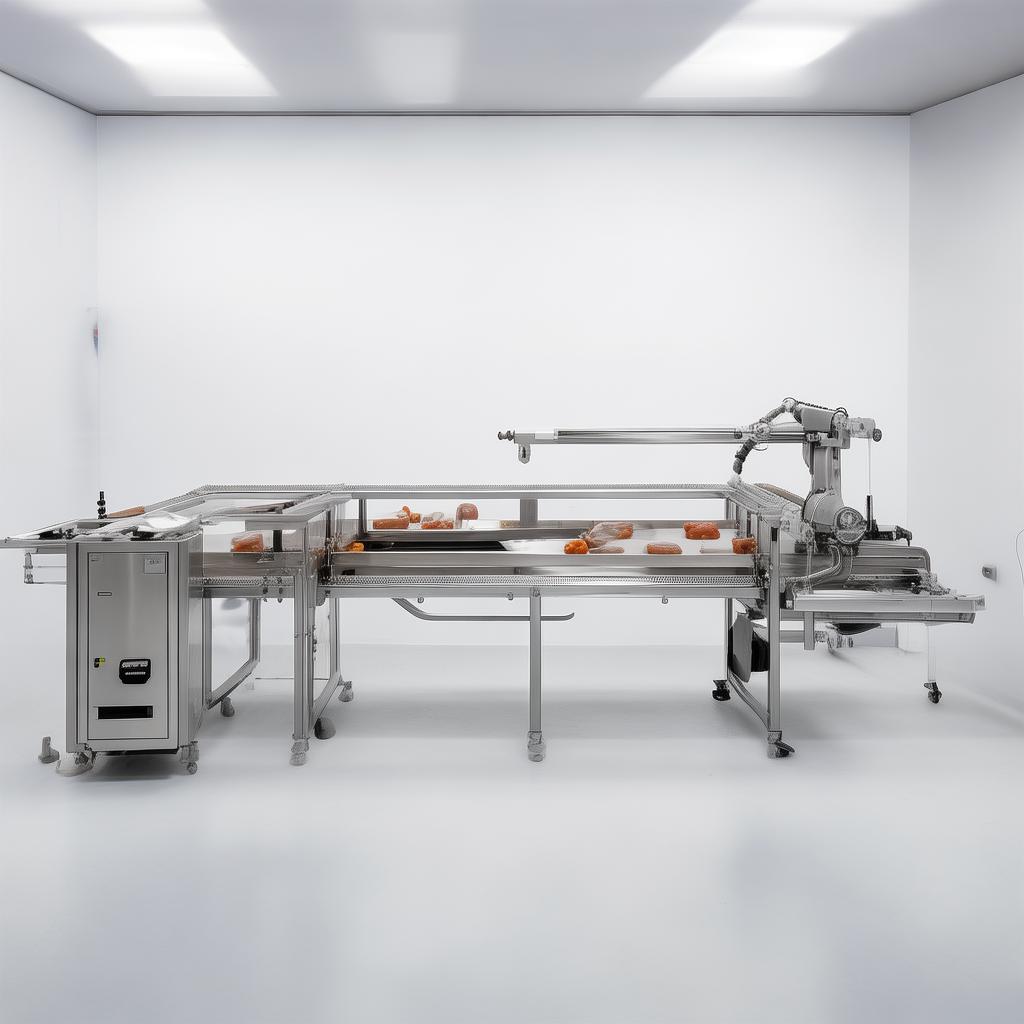
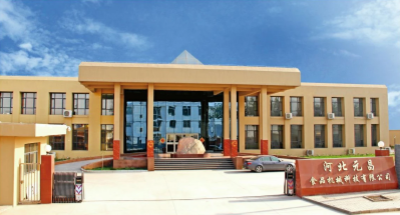 Our advanced machining workshop ensures precision for every component.

Frequently Asked Questions
Q1: What is the typical lifespan of a bucket elevator designed for limestone?
A: With proper installation, regular maintenance, and use of appropriate wear-resistant components, a limestone bucket elevator can last 15-25 years or more. Key factors include the abrasiveness of the specific limestone, operating hours, and adherence to maintenance schedules.
Q2: How do you ensure dust containment for limestone operations?
A: Our elevators are designed with fully enclosed casings, sealed inlet and outlet points, and dedicated dust extraction ports. We recommend connecting these ports to an external dust collection system for maximum efficiency and compliance with environmental regulations.
Q3: Can your bucket elevators handle different grades of limestone (e.g., powder vs. crushed rock)?
A: Yes, we can customize bucket shapes, sizes, and spacing to optimize handling for various particle sizes and densities. For fine powders, we might suggest smaller, closely spaced buckets with anti-dust features, while for coarser material, larger, robust buckets are used.
Q4: What are the main differences between belt and chain-driven bucket elevators for limestone?
A: For abrasive materials like limestone, chain-driven systems are generally preferred due to their superior durability and resistance to wear and tear compared to belts. Belts can be used in less abrasive applications or where noise reduction is a higher priority, but chain elevators typically offer longer service life in harsh environments.
Q5: What is the typical lead time for a custom-engineered limestone bucket elevator?
A: Lead times can vary based on the complexity of the design, current production schedules, and material availability. However, for a custom unit, expect a range of 8 to 16 weeks from order confirmation to shipment. We always aim to provide accurate timelines during the quotation process.
What Our Clients Say
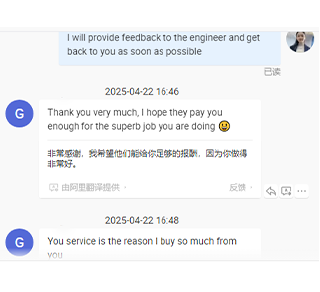
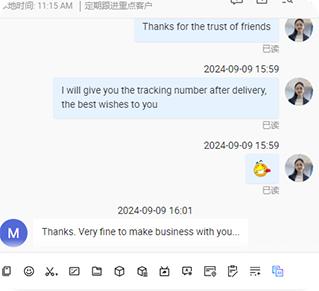
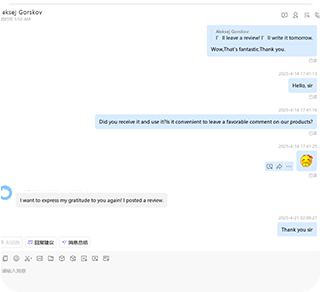
"We've been using Hebei Yuanchang's bucket elevator for our limestone aggregate processing for over a year now. The previous unit was a constant headache with wear and tear. This one is built like a tank. Material handling has been significantly more reliable, and we've seen a noticeable reduction in downtime. The custom discharge chute also solved a long-standing dust problem."

Mark Jennings
Operations Manager, StoneWorks USA
"Sourcing an industrial elevator for our new cement plant expansion was challenging. We needed something robust for raw limestone. Hebei Yuanchang provided excellent technical consultation and delivered a unit that exceeded our expectations. The precision of the fabricated components is impressive, and it integrates seamlessly with our existing grinding line. Their export support was also very efficient."

Sarah Chen
Procurement Director, Global Cement Corp.
"We were looking for a cost-effective yet reliable solution to elevate limestone powder to our mixing silos. The team at Hebei Yuanchang understood our constraints and proposed a highly suitable chain-driven model. Installation was straightforward, and performance has been consistent. The pricing was competitive, and the quality of build justifies the investment many times over."

David Miller
Plant Engineer, Industrial Minerals Ltd.
Elevate Your Limestone Handling Efficiency Today.
Don't let inefficient material handling slow down your operations. Partner with Hebei Yuanchang for robust, reliable, and customized limestone bucket elevator solutions.
We are committed to providing solutions that drive your business forward. Contact us to discuss your unique needs.