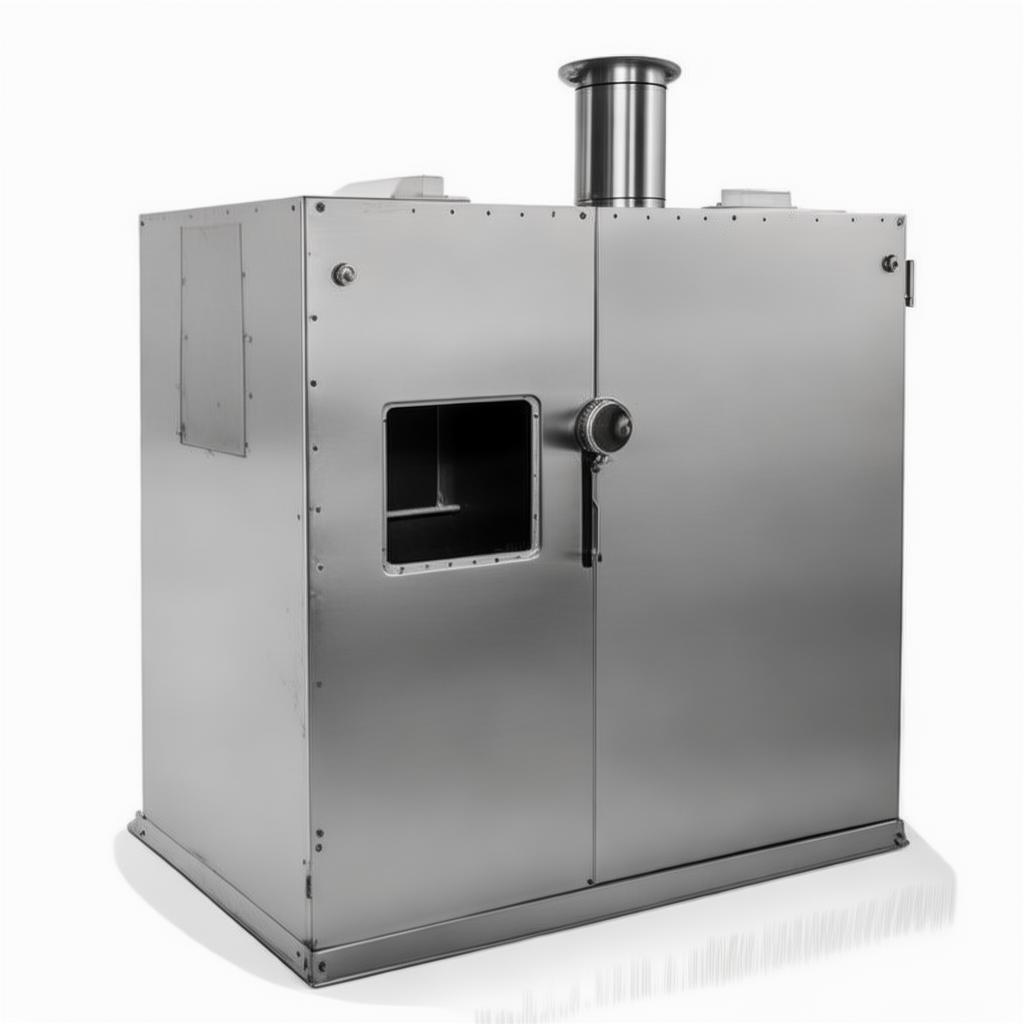
Vertical Bucket Elevator
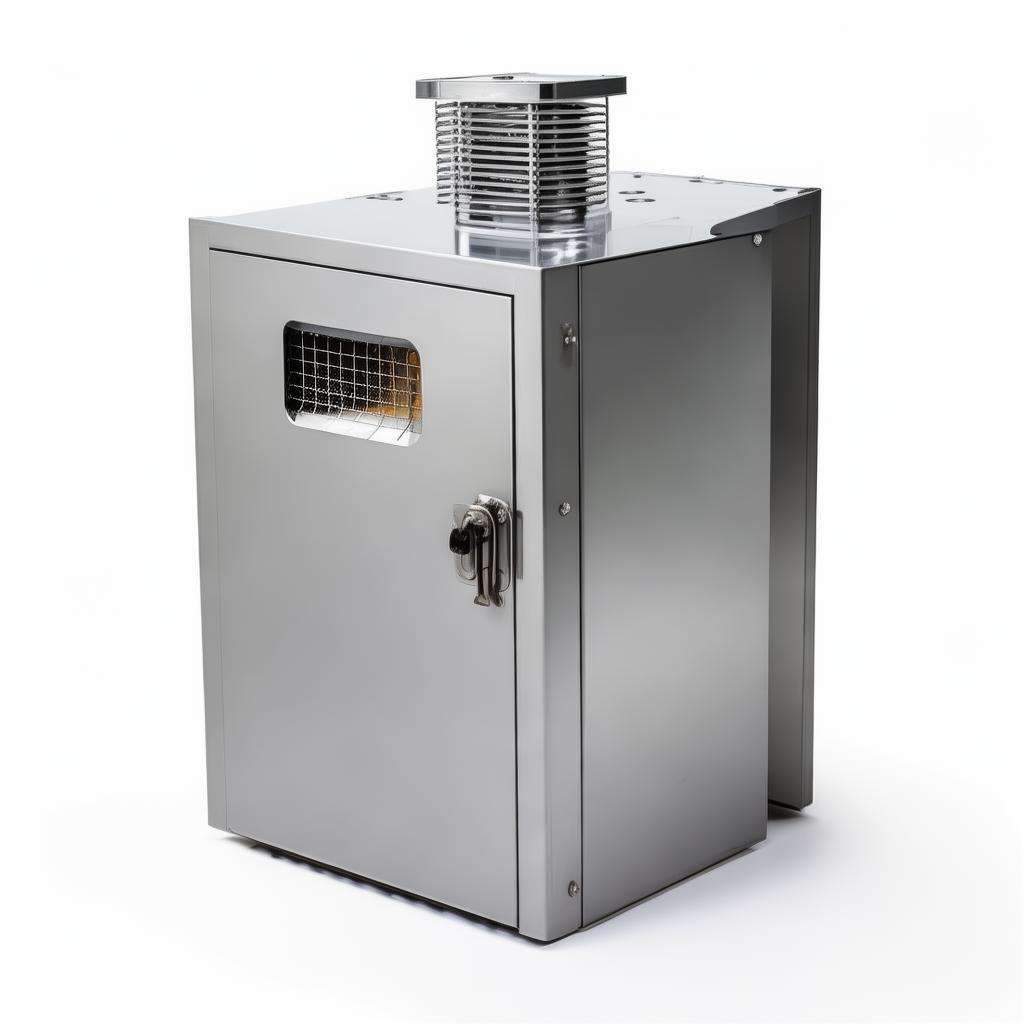
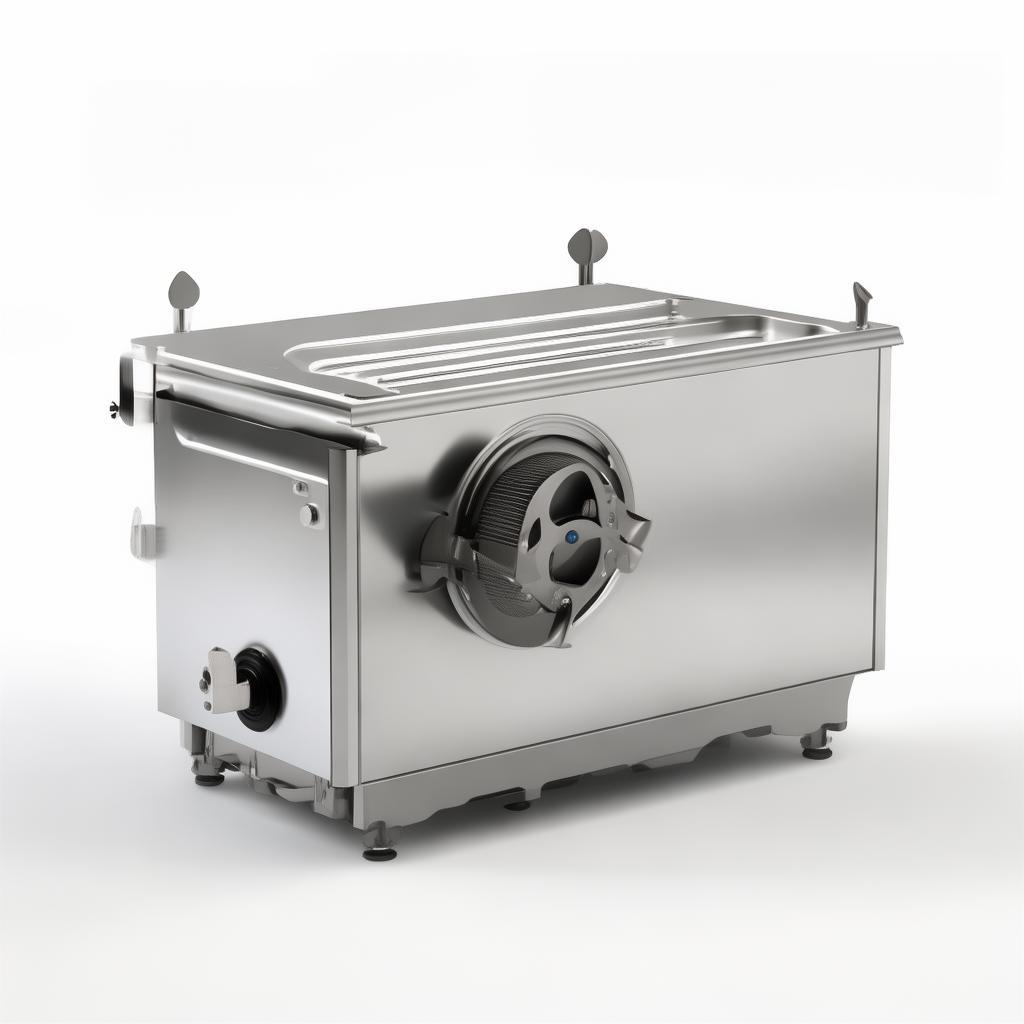
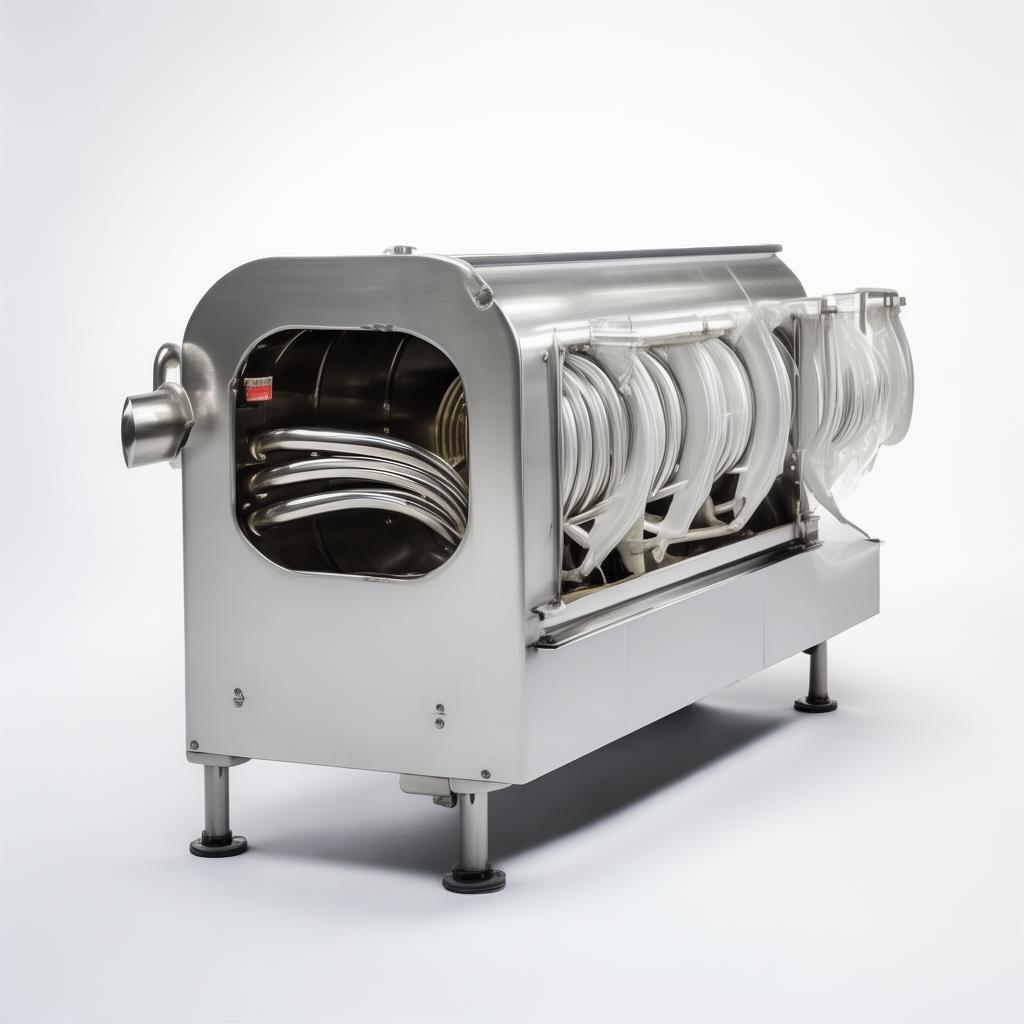
Vertical Bucket Elevators: The Workhorse for Bulk Material Handling
Reliable, efficient, and space-saving solutions for diverse industrial needs.
 By Alex Chen, Senior Export Manager
Navigating Bulk Material Transfer: Why Your Operation Needs a Vertical Bucket Elevator
In the intricate world of industrial processing, the seamless and efficient movement of bulk materials is more than just a logistical necessity; it's a cornerstone of operational success. Whether you're dealing with granular foodstuffs, industrial powders, agricultural commodities, or mineral aggregates, the way these materials are elevated from one stage to the next can significantly impact your production throughput, product integrity, and overall bottom line. This is where the vertical bucket elevator emerges as a critical piece of equipment, a trusted solution that has powered countless operations worldwide. Its design, fundamentally simple yet ingeniously effective, tackles one of the most persistent challenges in bulk handling: vertical transportation in confined spaces.
For decades, manufacturers and processors have grappled with how to move materials upwards efficiently. Traditional methods, like screw conveyors or pneumatic systems, often require significant horizontal space or can lead to product degradation due to friction or high-velocity air. The vertical bucket elevator offers a distinct advantage by minimizing the operational footprint. It lifts materials using a series of buckets attached to a belt or chain, moving them vertically along a casing. This elegant design allows for high-capacity throughput with a remarkably small footprint, a crucial consideration in plants where space is at a premium. The global meat processing equipment market, for instance, is projected to reach USD 17.39 billion by 2034, with a growing emphasis on automation and efficiency in every stage, including material handling. {{-- Reference 1 --}}
The choice of a bucket elevator isn't arbitrary. It often stems from specific operational demands. Are you looking to minimize product dusting and spillage? Do you need to maintain the structural integrity of delicate ingredients? Is energy consumption a key performance indicator for your plant? A well-specified vertical bucket elevator addresses these concerns directly. Its enclosed casing significantly reduces dust emissions, contributing to a safer working environment and preventing product loss. The gentle scooping action of the buckets ensures that materials are handled with care, preserving their quality – a vital aspect in sectors like pet food production, where product integrity directly translates to consumer trust. The industry's focus on auxiliary items like filling and molding equipment highlights the importance of maintaining material quality upstream.
Considering the broader industrial landscape, the demand for efficient bulk material handling equipment continues to surge. Reports indicate that the global meat processing equipment market alone is expected to reach USD 19.11 billion by 2035, with a significant portion driven by the need for reliable pretreatment and molding technologies. {{-- Reference 2 --}} This growth is fueled by increasing global demand for processed and convenience foods, rising urbanization, and the continuous push for automation to enhance hygiene and labor efficiency. In this context, a robust vertical bucket elevator system isn't just an accessory; it’s an enabler of higher production volumes and improved operational standards.
For procurement managers and operations directors, understanding the nuances of vertical bucket elevators is key to making an informed investment. This involves not just selecting the right model but also considering factors like material compatibility, bucket design, drive mechanisms, safety features, and crucially, the reliability and support offered by the manufacturer. We’ve seen operations falter because of equipment that wasn't suited for the specific bulk density or abrasive nature of their product, or because of inadequate after-sales service. A properly selected and installed unit, however, can operate for years with minimal downtime, becoming an almost invisible yet indispensable part of the production line.
This page is dedicated to providing you with the in-depth information needed to evaluate vertical bucket elevators for your specific application. We'll delve into the critical components, explore different configurations, discuss material considerations, and highlight what to look for when partnering with a supplier. Our aim is to equip you with the knowledge to select a system that not only meets your immediate material handling needs but also contributes to the long-term efficiency and profitability of your operation.
Key Takeaway: Vertical bucket elevators are essential for efficient, space-saving bulk material transport. Their design minimizes footprint, handles materials gently, and contains dust, making them a vital component in modern industrial processing. Understanding their capabilities and selecting the right supplier is crucial for operational success.
Common Operational Pains This Technology Solves
Every factory floor has its operational headaches, and many of them revolve around the less-than-ideal handling of bulk materials. If your current setup involves excessive manual labor, product damage, dust control issues, or simply a lack of vertical capacity without taking up too much valuable floor space, you're not alone. A well-designed vertical bucket elevator is often the direct answer to these pervasive problems.
-
Limited Floor Space: Many processing plants, especially in older facilities or urban areas, are constrained by their physical footprint. Traditional conveying systems that require long horizontal runs are often impractical.
The vertical configuration of a bucket elevator allows for significant material elevation with a minimal footprint, often fitting into corners or alongside existing equipment. -
Product Degradation: Moving granular or fragile products can lead to breakage, fines generation, or quality loss if the conveying method is too aggressive.
Bucket elevators move materials gently. Buckets scoop the product at the boot and discharge it at the head, minimizing impact and shear forces compared to pneumatic or screw conveyors. -
Dust and Containment Issues: Open conveyors or poorly sealed systems can release significant amounts of dust, creating health hazards, environmental concerns, and product loss.
The enclosed casing of a bucket elevator creates a contained environment. This is critical for food safety, worker safety (especially with fine powders), and maintaining product purity, reducing the need for extensive dust collection systems at transfer points. -
Inconsistent Feed Rates: Fluctuations in material flow into downstream equipment can disrupt processes, leading to quality variations or equipment malfunction.
Bucket elevators, when properly sized and fed, can deliver a consistent and predictable volume of material, helping to stabilize downstream processing like filling or molding machines. -
High Energy Consumption: Some conveying methods, particularly high-pressure pneumatic systems, can be energy-intensive.
Compared to many alternatives for the same throughput, bucket elevators often offer a more energy-efficient solution due to the mechanical lifting action. -
Labor-Intensive Handling: Manual loading or inter-stage transfers can be time-consuming and labor-intensive, increasing operational costs and posing ergonomic risks.
Automating material transfer with a bucket elevator reduces the need for manual intervention, freeing up staff for more value-added tasks.
The meat processing industry, for example, places high demands on hygiene and efficiency. Any equipment that introduces opportunities for contamination or requires excessive cleaning and manual handling is a liability. A well-sealed bucket elevator simplifies sanitation protocols and ensures product flows smoothly between stages like filling molding machines and ripening processes. In fact, the demand for filling and stuffing machines as part of the overall meat processing equipment market, valued at over USD 11 billion in 2024, underscores the need for reliable upstream material handling. {{-- Reference 3 --}}
Vertical Bucket Elevator: Core Components and How They Work
At its heart, a vertical bucket elevator is a system designed for robust and efficient bulk material transport. Understanding its key components is crucial for appreciating its functionality and for specifying the right unit for your application.
1. Casing: The Protective Shell
This is the main body of the elevator, typically a vertical housing constructed from steel (mild, stainless, or galvanized) or sometimes specialized materials for corrosive environments. The casing serves several vital functions:
- Enclosure: It contains the material being elevated, preventing spills and dust emissions, which is critical for safety and hygiene.
- Support: It houses and supports the belt or chain, the buckets, and the drive and tail pulleys.
- Protection: It shields the internal components from external environmental factors, dirt, and physical damage.
Access panels are usually incorporated for inspection and maintenance.
2. Buckets: The Carriers
These are the workhorses that hold the material. Bucket design is critical and depends heavily on the product characteristics:
- Material: Commonly made from steel (galvanized, stainless), high-density polyethylene (HDPE), or sometimes specialized plastics for food-grade or corrosive applications.
- Shape & Size: Designed to efficiently scoop material at the boot and discharge it cleanly at the head. Different profiles exist:
- Centrifugal Discharge: The most common type. Buckets are shallow, and material is thrown out by centrifugal force as the belt/chain changes direction at the head pulley. Ideal for free-flowing, granular materials.
- Continuous Discharge: Buckets are deeper and overlap each other, providing a gentler, more continuous flow. Suitable for a wider range of materials, including slightly sticky or dusty ones.
- Positive Discharge: Designed for sticky or difficult-to-handle materials, ensuring complete discharge through specialized bucket shapes and mounting.
- Mounting: Buckets are securely fastened to the belt or chain via bolts, often with rubber-faced spacers to cushion the impact and reduce wear.
3. Belt or Chain: The Conveying Medium
This is what carries the buckets. The choice depends on the application's load, speed, and environmental conditions:
- Belt: Typically made of reinforced rubber, PVC, or polyurethane. It offers flexibility and is often used for higher speeds and lighter loads. Needs to be compatible with the material (e.g., food-grade, oil-resistant).
- Chain: Usually constructed from steel, offering higher strength and durability for heavier loads and more abrasive materials. Can be single, double, or even quadruple strand.
4. Pulleys (Head and Tail): Guiding the Movement
Located at the top (head) and bottom (tail) of the elevator:
- Head Pulley: At the discharge end, it's typically driven by a motor and gearbox. Its diameter and surface (lagged or plain) are chosen for optimal belt/chain traction and material discharge.
- Tail Pulley: At the feed end, it's an idler pulley. It's often adjustable (via take-up screws) to maintain proper tension on the belt or chain.
5. Drive Unit: Powering the System
This comprises the motor, speed reducer (gearbox), and any coupling mechanisms. It provides the rotational force to drive the head pulley, moving the belt or chain and buckets.
- Motor: Electric motors are standard, often with options for hazardous environments (explosion-proof).
- Gearbox: A crucial component that reduces motor speed to the required belt/chain speed for efficient material handling and discharge.
- Safety Features: Often includes a backstop to prevent reverse rotation in case of power failure, and sometimes a torque limiter.
6. Boot & Feed Section: Where it Begins
The base of the elevator where material is introduced. It includes the tail pulley and a well-designed inlet chute to ensure efficient loading into the buckets as they pass.
- Loading: The angle and shape of the inlet chute are optimized for the material's flow characteristics.
- Cleanout: Access points are provided for removing accumulated material.
The synergy between these components allows for the continuous lifting of bulk materials. A well-engineered system ensures that the bucket fill rate, speed, and discharge characteristics are perfectly matched to the material being handled and the required throughput. For instance, in meat processing, ensuring that the filling and molding equipment receives a consistent feed from the bucket elevator is paramount for product uniformity.
Advantages: Why Choose a Vertical Bucket Elevator?
In a market with various conveying options, the vertical bucket elevator stands out for a compelling set of advantages that directly impact operational efficiency, cost-effectiveness, and product quality. When specifying material handling equipment, these benefits often drive the decision:
Space Efficiency:
This is perhaps the most significant advantage. By conveying materials vertically, these elevators require a minimal horizontal footprint. This is invaluable for plants with limited space or for integrating new lines into existing facilities without major structural changes.
High Throughput Capacity:
Bucket elevators are designed for high-volume material handling. With appropriate sizing, they can move substantial quantities of material per hour, efficiently feeding large-scale processing operations.
Gentle Material Handling:
The design minimizes product degradation. Buckets scoop and discharge material with less agitation and impact compared to many other conveying systems. This is crucial for food products, pharmaceuticals, and any application where maintaining particle integrity is important.
Dust Containment & Safety:
The enclosed casing effectively contains dust, improving workplace safety, reducing product loss, and simplifying environmental compliance. This is particularly important for fine powders and in industries with strict hygiene standards, like food processing.
Versatility in Materials:
With the right selection of bucket material, belt/chain type, and casing, bucket elevators can handle a vast array of bulk materials – from fine powders and grains to pellets, flakes, and even some lighter, irregularly shaped items.
Energy Efficiency:
For the volume of material moved, bucket elevators are generally more energy-efficient than pneumatic conveying systems. The mechanical lift requires less power per ton-mile.
Reliability & Durability:
When engineered and manufactured to high standards, bucket elevators are robust machines with long service lives and relatively low maintenance requirements, ensuring consistent operation.
The global processed meat market, valued at over USD 750 billion in 2026, relies heavily on consistent material flow to maintain production schedules. {{-- Reference 4 --}} A reliable bucket elevator directly supports this by ensuring that raw materials are fed efficiently and gently into pretreatment, molding, and ripening stages, minimizing bottlenecks and product spoilage.
Material Considerations: Matching the Elevator to Your Product
Selecting the correct materials for your vertical bucket elevator is not just about durability; it's about ensuring product integrity, hygiene, and operational safety, especially when dealing with specific substances like food products, chemicals, or abrasive minerals. The choice of materials impacts everything from the buckets and casing to the belt and seals.
Buckets
The material choice here is driven by product characteristics and regulatory requirements:
- Stainless Steel (e.g., 304, 316): The go-to for food processing, pharmaceuticals, and corrosive environments. Offers excellent hygiene, durability, and resistance to rust. 316L is preferred for highly corrosive or marine applications.
- Galvanized Steel: A cost-effective option for general industrial use, offering good corrosion resistance for many dry bulk solids.
- High-Density Polyethylene (HDPE) / UHMW-PE: Ideal for food-grade applications, gentle handling of delicate products (like snacks or candies), and where metal contamination is a concern. They are non-stick, non-corrosive, and lightweight.
- Polypropylene (PP) / Acetal (POM): Similar to HDPE, offering good chemical resistance and suitability for food contact in specific applications.
Casing
The casing needs to withstand the internal environment and external conditions:
- Galvanized Steel: Standard for many industrial applications. Offers a balance of cost and corrosion resistance.
- Stainless Steel: Essential for food, beverage, pharmaceutical, and chemical processing where hygiene and corrosion resistance are paramount.
- Painted Mild Steel: Suitable for non-corrosive dry bulk solids in less demanding environments.
- Specialty Coatings: For highly abrasive or chemically aggressive materials, specialized coatings (e.g., epoxy, abrasion-resistant liners) can be applied.
Belt
The belt material is critical for compatibility and longevity:
- EP (Polyester/Polyamide) or NN (Nylon/Nylon) Rubber: General-purpose belts offering good strength and flexibility.
- Food-Grade PVC or PU (Polyurethane): Essential for food and pharmaceutical applications, meeting FDA or other regulatory standards. PU is generally more durable and abrasion-resistant than PVC.
- Oil-Resistant (OR) or Heat-Resistant (HR): Specialized belts for environments with oil contamination or high temperatures.
Chain
For heavy-duty applications:
- Carbon Steel (Hardened/Alloy): Offers high tensile strength for demanding applications and abrasive materials. Often nickel-plated or galvanized for corrosion resistance.
- Stainless Steel: For corrosive environments or food-grade applications where chain is required.
The global demand for processed and convenience meats, driving the need for advanced processing equipment, underscores the importance of material selection for hygiene and durability. {{-- Reference 5 --}} For example, if you're handling sugary pet food kibble, a stainless steel bucket elevator with food-grade PU belting would be a wise choice to ensure both product purity and ease of cleaning. If you're conveying abrasive mineral powders, hardened steel chains and robust casing with wear liners would be more appropriate.
Technical Specifications: Key Parameters for Selection
Choosing the right vertical bucket elevator involves more than just selecting a size. A detailed understanding of key technical specifications ensures the unit will perform as expected, handle your specific material, and integrate seamlessly into your process. Here’s what to look for:
| Specification | Description & Importance | Considerations |
|---|---|---|
| Capacity (Tons/Hour or m³/Hr) | The volume of material the elevator can move per unit of time. This is dictated by bucket size, spacing, and belt/chain speed. | Must match or slightly exceed your peak production requirements. Don't undersize. |
| Belt/Chain Speed (m/min or ft/min) | The linear velocity of the conveying medium. Affects throughput and discharge characteristics. | Crucial for centrifugal discharge (speed determines throw). Needs to be matched to material properties to prevent cascading or insufficient discharge. |
| Bucket Size & Volume | The physical dimensions and carrying capacity of individual buckets. | Determines fill factor and overall capacity. Needs to be suitable for the bulk density and particle size of your material. |
| Bucket Spacing | The distance between consecutive buckets on the belt/chain. | Affects fill rate and material flow. Closer spacing for lighter materials, wider for heavier. |
| Overall Height (Elevating Height) | The vertical distance from the material feed point (boot inlet) to the discharge point (head outlet). | Standard heights are common, but custom heights are often required to match plant layout. |
| Drive Motor Power (kW or HP) | The horsepower of the electric motor, selected based on load, speed, and friction. | Ensure adequate power with a service factor for surge loads. Consider voltage and frequency compatibility. |
| Gearbox Ratio | Reduces motor speed to achieve the correct belt/chain speed. | A critical element for proper operation; mismatch can lead to poor performance or component wear. |
| Material of Construction (MOC) | Specifies the materials used for buckets, casing, belt, chain, pulleys, etc. | As discussed in the "Material Considerations" section; critical for product compatibility, hygiene, and durability. |
| Discharge Type | Centrifugal, continuous, or positive. | Dictated by the flow characteristics of the material. Centrifugal is most common. |
| Safety Features | Includes features like pulley guards, belt scrapers, monitoring systems, emergency stops, and backstop. | Essential for operator safety and equipment protection. Check local safety regulations (e.g., OSHA). |
When engaging with a supplier, be prepared to provide detailed information about your material: particle size distribution, bulk density, temperature, moisture content, abrasiveness, stickiness, and any potential hazards (e.g., explosiveness). This data allows the engineering team to select or design the optimal configuration. For example, handling a sticky meat product for filling machines might require specific bucket designs and internal casing treatments to prevent buildup.
Applications: Where You'll Find Vertical Bucket Elevators
The versatility and efficiency of vertical bucket elevators make them indispensable across a wide spectrum of industries. Their ability to handle diverse bulk materials in a contained, space-saving manner opens up numerous application possibilities:
Food & Beverage Processing
This is a primary sector. Applications include:
- Moving grains, flours, sugar, salt, spices, and coffee beans.
- Transferring pasta, cereals, snacks, and confectionery.
- Elevating pet food kibble to filling machines or packaging lines.
- Handling meat processing ingredients, diced meats, or poultry products before molding or cooking.
Agriculture & Animal Feed
Essential for handling:
- Grains (corn, wheat, barley, oats), soybeans, and feed pellets.
- Fertilizers and soil amendments.
- Seed handling and processing.
Chemical & Pharmaceutical Industries
For conveying:
- Powders, granules, and pellets of chemical compounds.
- Detergent powders, pigments, and plastic resins.
- Active Pharmaceutical Ingredients (APIs) and excipients.
Mining & Minerals
Handling bulk minerals:
- Aggregates, sand, gravel, cement, and coal.
- Ores and crushed stone.
- Clay and gypsum.
Other Industrial Uses
chain bucket elevator bucket elevator chain industrial bucket elevator
Including:
- Wood chips, sawdust, and recycled materials.
- Fertilizers and soil conditioners.
- Drying and processing plants for various industrial materials.
The adaptability of bucket elevators means they are found at virtually every stage of processing, from raw material intake to intermediate transfer points and final product feeding. Their ability to integrate with other equipment, such as mixers, screeners, and packaging machines, makes them a central element in automated production lines.
Installation & Maintenance: Keys to Longevity
Even the best-engineered vertical bucket elevator will underperform or fail prematurely if not installed and maintained correctly. These are not "set it and forget it" machines. They require attention to detail during installation and a structured preventative maintenance program.
Installation Considerations
Correct installation is foundational. Key points include:
- Structural Support: The elevator must be properly supported and plumb (vertically aligned). Inadequate support can lead to belt/chain misalignment and premature wear.
- Foundation: The base should be stable and capable of handling the elevator's weight and any vibration.
- Clearance: Ensure adequate clearance around the elevator for maintenance access, chute connections, and safe operation.
- Alignment: The drive and tail pulleys must be perfectly aligned with each other and perpendicular to the belt/chain path.
- Belt/Chain Tensioning: Proper tensioning is critical. Too loose, and it slips; too tight, and it stresses components and bearings. Use the take-up system to achieve the manufacturer's recommended tension.
- Electrical Connections: Ensure motor and control wiring comply with local codes and safety standards. Verify correct rotation direction for the motor.
- Feed and Discharge Chutes: These must be designed to mate properly with the elevator's inlet and outlet, preventing material escape or bridging.
Preventative Maintenance (PM) Schedule
A proactive maintenance approach minimizes unexpected downtime:
- Daily Checks: Listen for unusual noises, check for excessive vibration, inspect for visible leaks or damage.
- Weekly Checks: Inspect belt/chain for wear or damage, check pulley lagging, examine bucket mounting hardware, check motor and gearbox oil levels.
- Monthly Checks: Lubricate bearings (if not sealed for life), check belt/chain tension, inspect casing for wear or corrosion, verify safety guards are in place and secure.
- Annual/Semi-Annual Checks: Thorough inspection of all components, including shaft alignment, bearing condition, and potential wear on internal casing liners. Replace worn buckets or worn sections of belt/chain.
Operational Tip: Implementing a regular inspection log for your bucket elevator is crucial. It helps track wear patterns, identify potential issues before they become critical failures, and provides valuable data for future maintenance planning. Many plants find that investing in a spare set of buckets can significantly reduce downtime during a planned replacement.
For facilities handling food products, strict adherence to cleaning protocols is also part of maintenance. This ensures product safety and regulatory compliance. The global meat processing equipment market's growth is partly driven by hygiene standards, reinforcing the importance of easily maintainable designs. {{-- Reference 7 --}}
Procurement Guidance: What to Ask Your Supplier
Sourcing the right vertical bucket elevator requires more than just comparing prices. It's about ensuring you get a reliable, fit-for-purpose machine from a supplier who understands your needs and offers robust support. As an export manager with years in this field, I’ve learned that asking the right questions upfront can save immense trouble down the line.
Understanding Your Requirements
Before you even contact a supplier, be clear on:
- Material Properties: What are you conveying? (Density, particle size, abrasiveness, temperature, moisture, stickiness, corrosiveness, dust explosivity).
- Capacity Needs: What is your required throughput (tons/hour or m³/hr)? Consider peak demand.
- Elevating Height: The vertical distance needed.
- Environmental Conditions: Indoor/outdoor, ambient temperature, presence of dust or washdown requirements.
- Regulatory Compliance: Are there specific standards (FDA, USDA, ATEX, CE, etc.) you must meet?
Key Questions for the Supplier
When speaking with potential vendors, probe these areas:
- Engineering Expertise: "Can you recommend specific materials and configurations based on the properties of [your material]? Have you handled similar products before?"
- Customization Capabilities: "Do you offer standard models, or can you engineer a custom solution to fit our exact plant layout and material requirements?"
- Material of Construction Details: "What specific grades of stainless steel (e.g., 304, 316L) or belt materials are you proposing, and why?"
- Drive System & Safety: "What type of gearbox are you using? Does it include a backstop? What safety features (guards, monitoring) are standard?"
- Lead Times & Shipping: "What is your typical manufacturing lead time? What are the shipping options and estimated costs to [your location]?"
- Documentation & Support: "What documentation (manuals, drawings, certifications) is included? What kind of after-sales support, spare parts availability, and warranty do you offer?"
- Installation Assistance: "Do you provide on-site installation supervision or commissioning services?"
- Testimonials/References: "Can you provide references from clients in similar industries or regions?"
Consider a supplier's in-house machining capabilities. At Hebei Yuanchang, our 40 years of experience and advanced CNC centers mean we can independently produce high-precision parts, ensuring consistent quality and reliability for critical components of our machinery.
Choosing a supplier with OEM/ODM capabilities can be a significant advantage. It means they can adapt existing designs or create entirely new solutions tailored precisely to your process, ensuring optimal integration and performance rather than a one-size-fits-all approach.
Supplier Evaluation: Beyond the Specs
When you're evaluating potential suppliers for a critical piece of equipment like a vertical bucket elevator, it's not just about the technical specifications on paper. True long-term value comes from the manufacturer's overall capability, trustworthiness, and commitment to their clients.
Manufacturing Prowess
Look for manufacturers with a solid production infrastructure. A company like Hebei Yuanchang, with over 80-100 employees and 14,000 sqm of facility space, demonstrates the capacity for consistent, large-scale production. An in-house machining workshop equipped with over 20 sets of processing machinery, including modern CNC centers, indicates a commitment to precision and quality control. This capability is essential for producing reliable components and maintaining tight tolerances, reducing the risk of premature failure.

Experience & History
A long history in the industry, such as our 40 years of experience since 1986, translates directly into accumulated expertise. This means a deeper understanding of different materials, process challenges, and practical engineering solutions. It signals stability and a proven track record, which are vital for international trade where supplier reliability is paramount.
Quality Certifications
Look for internationally recognized certifications. While specific certifications vary by industry, evidence of adherence to quality management systems (like ISO 9001) or product safety standards (like CE for European markets) demonstrates a commitment to quality and compliance.

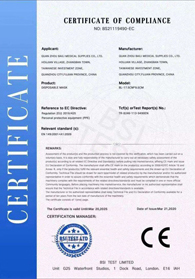
Traceable After-Sales Management
This is a crucial, often overlooked, aspect. A supplier that can independently produce high-precision parts and has a traceable after-sales management system means they can provide genuine support, spare parts, and address issues efficiently long after the sale. This "worry-free" after-sales service is a hallmark of a reputable manufacturer.
Choosing Hebei Yuanchang means partnering with a company that combines decades of practical experience with modern manufacturing precision, a commitment to quality, and a robust system for supporting its products globally.
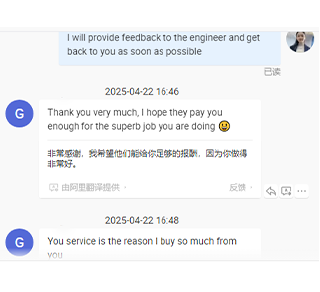
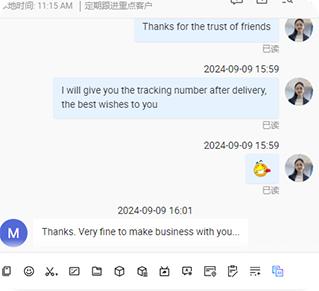
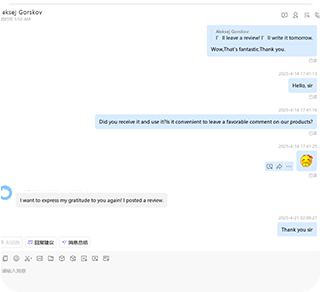
Customer Feedback: Real-World Performance
We believe that real-world experience speaks volumes. Here's what some of our clients have shared about their experience with our vertical bucket elevators.
"We integrated a stainless steel bucket elevator from Yuanchang into our pet food line to feed kibble into the packaging machines. The reduction in dust and the consistent flow rate have been remarkable. Installation was straightforward, and the support team was responsive during commissioning."
 - Mark Johnson, Operations Manager, USA
"Our previous material transfer system was a constant source of issues. Yuanchang provided a custom-designed bucket elevator that perfectly fits our limited factory space and handles our sensitive grain blends without breakage. The throughput increased by an estimated 15% due to the reliable feed."
 - Sarah Lee, Procurement Director, Canada
"We needed a robust solution for bulk chemical powders. Yuanchang's recommendation for a galvanized steel unit with a high-strength chain has performed exceptionally well. Minimal maintenance required so far, even in a dusty environment. We appreciate their technical consultation."
 - David Chen, Plant Engineer, Australia
"The OEM adaptation for our specific ingredient feed was flawless. The team at Yuanchang understood our requirements precisely and delivered a solution that integrated seamlessly with our existing processing line. Excellent communication throughout the project."
 - Maria Garcia, Production Manager, Mexico
Chat with Our Experts
Have a specific question about your material handling needs or our vertical bucket elevators? Our technical sales team is ready to assist you.
Don't hesitate to reach out! Whether it's about material compatibility, throughput calculations, or export logistics, we're here to help.
Ready to Enhance Your Bulk Material Handling?
Get a detailed quote or speak with an engineer about your specific vertical bucket elevator requirements.