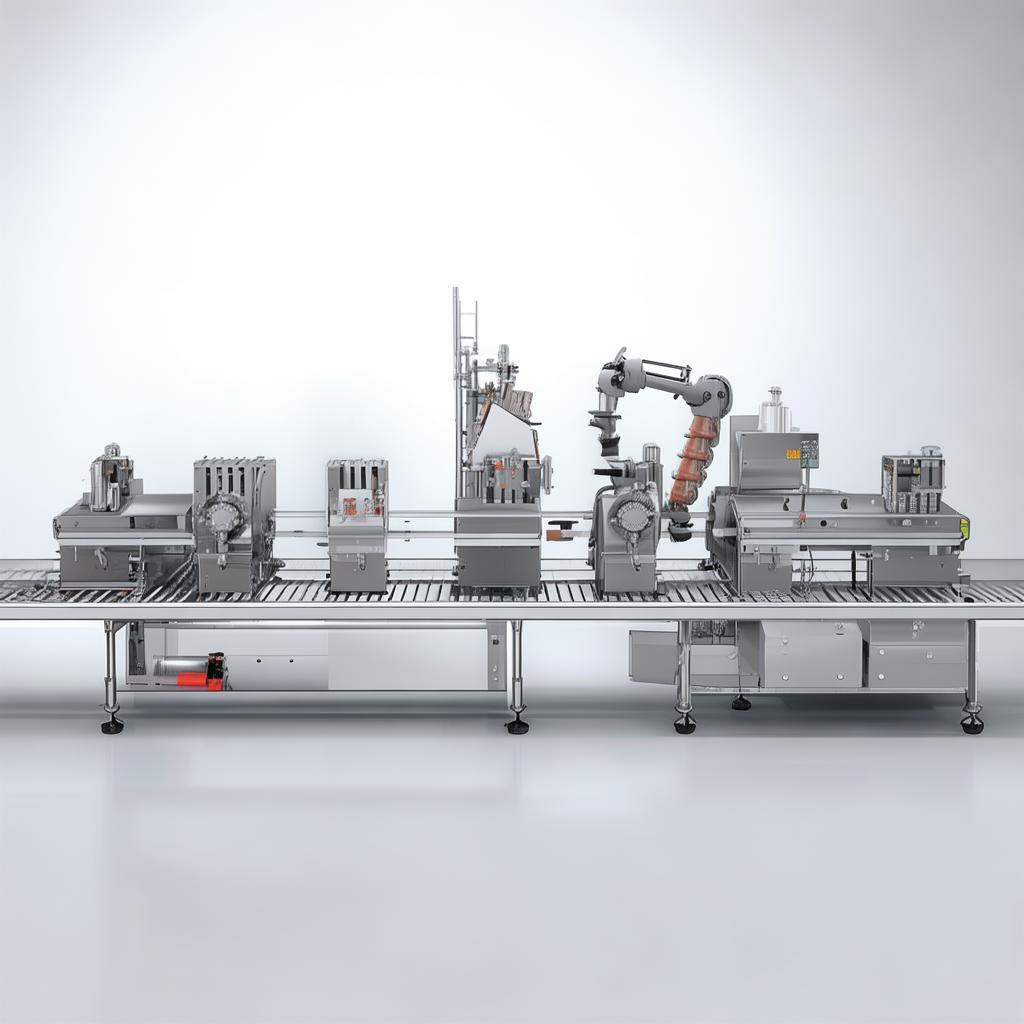
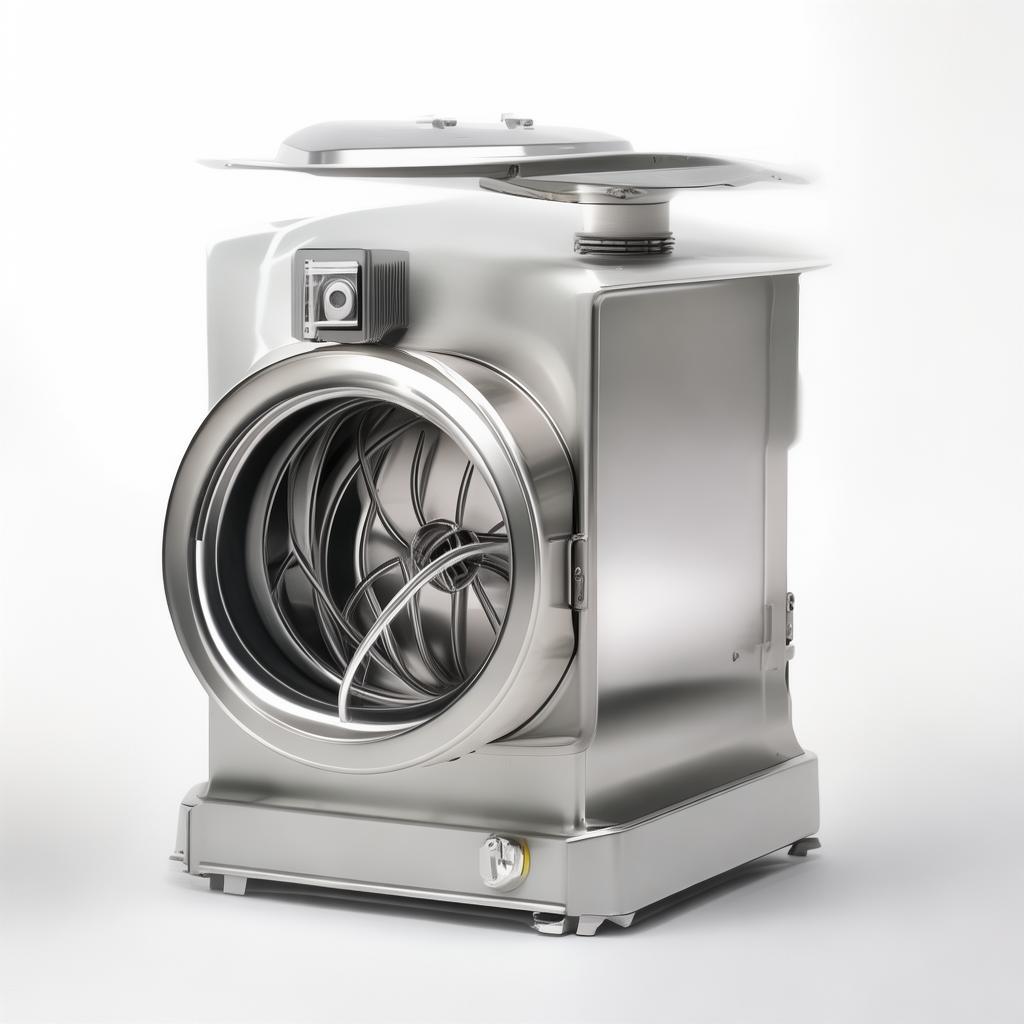
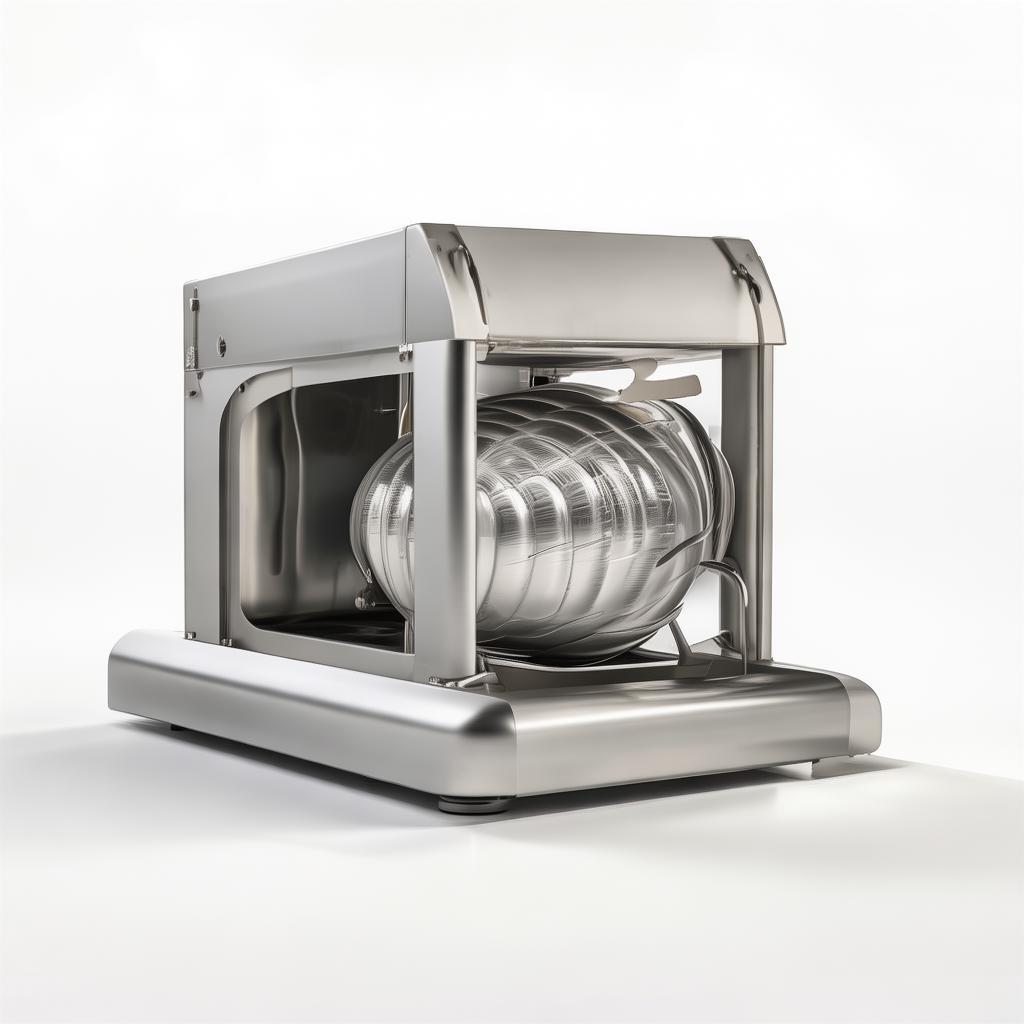
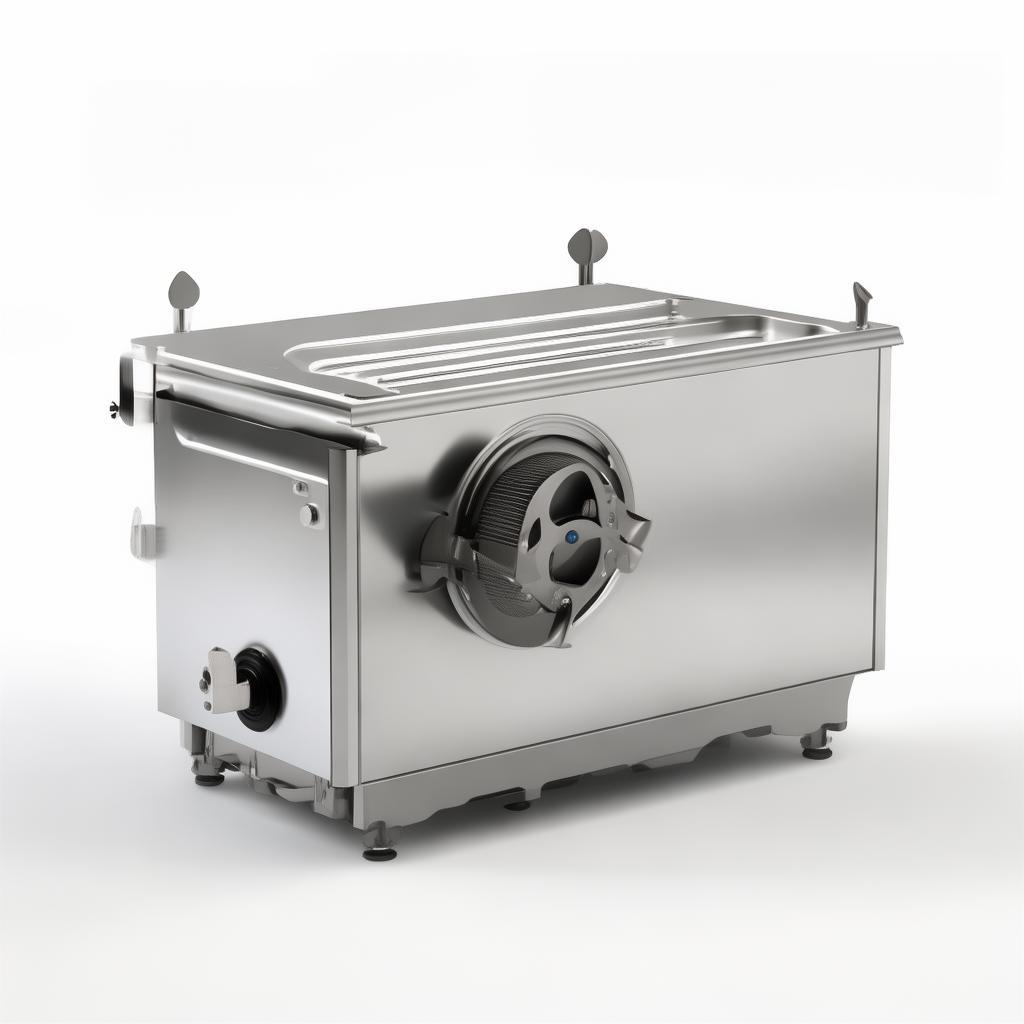
Receiving Hopper
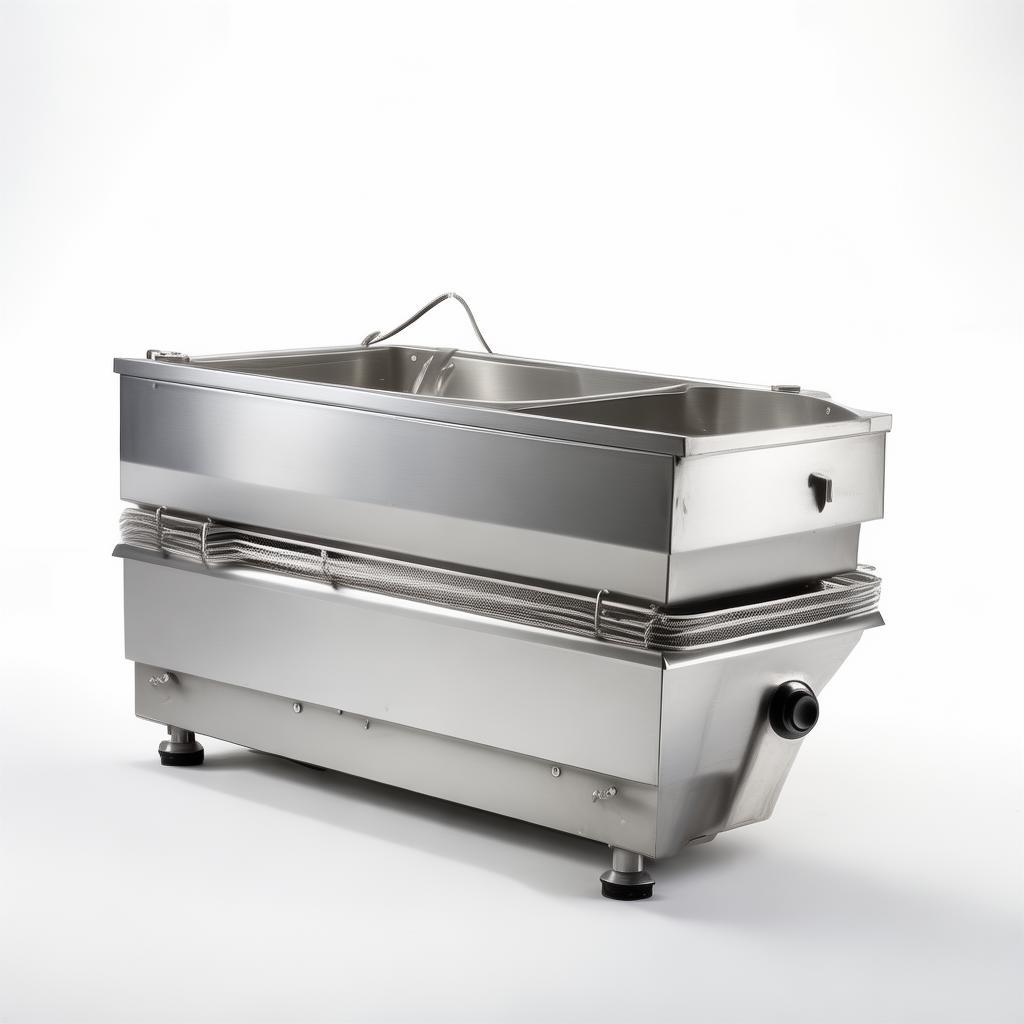
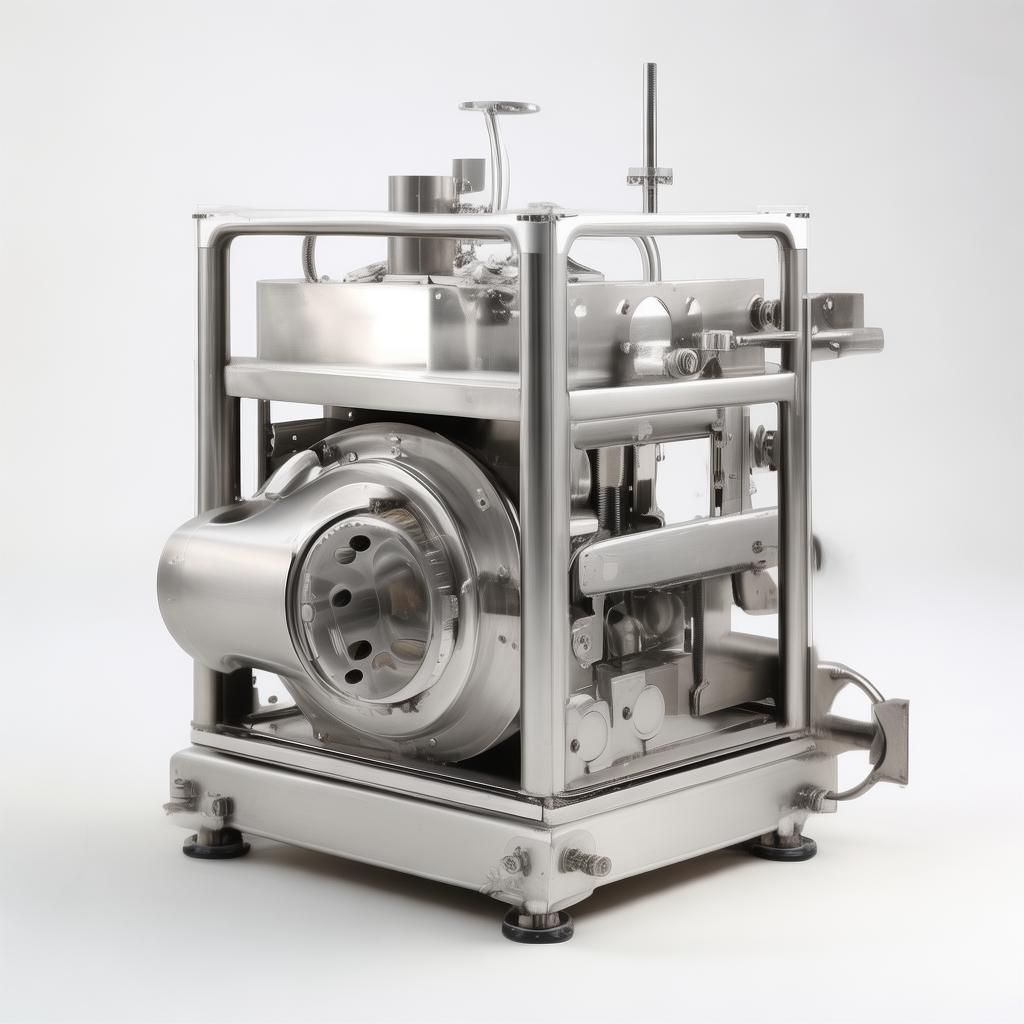
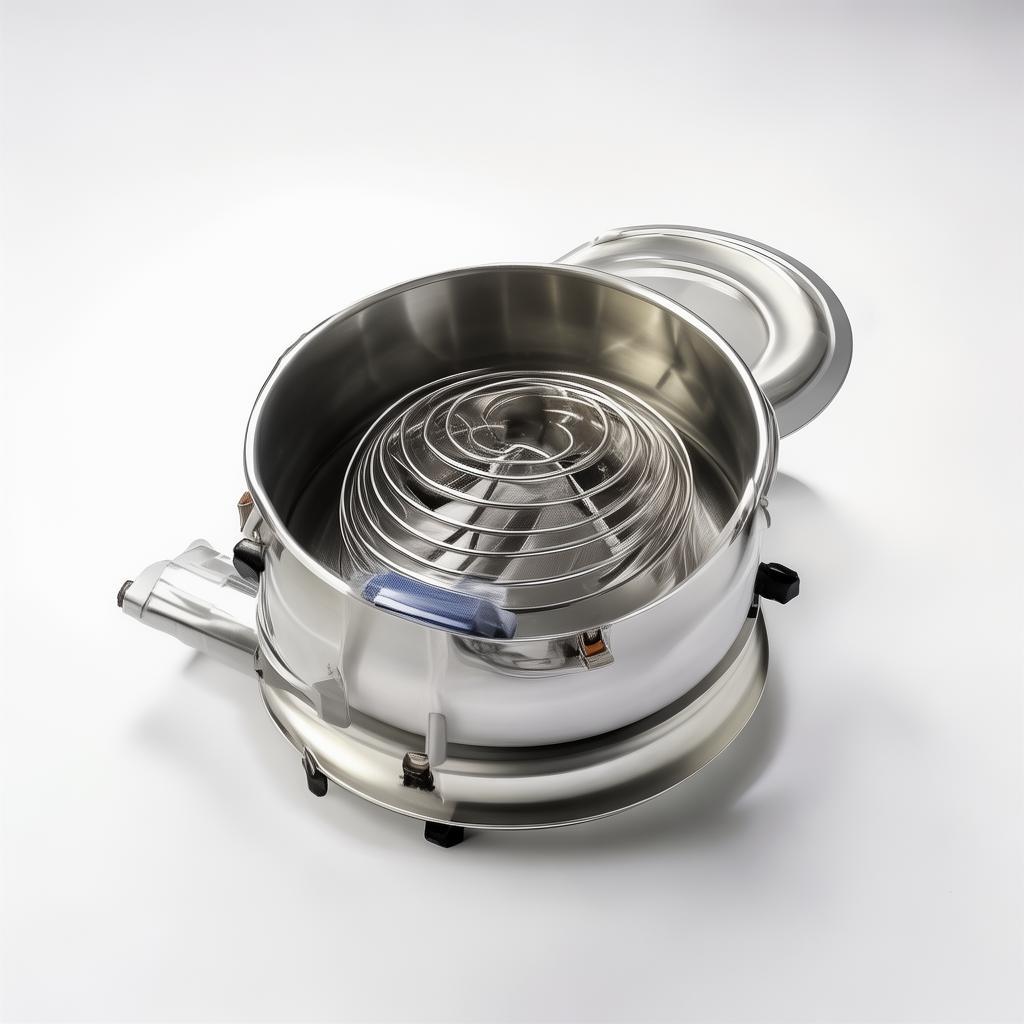
High-Capacity Receiving Hoppers: Streamlining Your Industrial Material Flow
By:
 Alex Chen, Export Director
|
Date: October 26, 2023
Alex Chen, Export Director
|
Date: October 26, 2023
Mastering Material Intake: The Critical Role of Receiving Hoppers in Modern Production
In the complex world of industrial manufacturing and wholesale export, the efficient handling of raw materials is the bedrock of operational success. It’s not just about the end product; it's about every step leading up to it. One often-overlooked, yet fundamentally crucial piece of equipment is the receiving hopper. Think of it as the gateway for your incoming goods – the initial point where bulk materials transition from transport to processing. Whether you're dealing with granular chemicals, bulk food ingredients, agricultural products, or any other processed or raw material, the design and functionality of your receiving hopper directly impact throughput, labor efficiency, material integrity, and ultimately, your bottom line.
At Hebei Yuanchang Food Mechanism & Technology Co., Ltd., with our 40 years of experience since 1986, we've seen firsthand how the right receiving hopper can transform a bottleneck into a smooth, continuous flow. We understand that procurement managers and operations directors aren't just looking for a steel box; they need a robust, reliable, and intelligently designed system that integrates seamlessly with their existing infrastructure. They're looking for solutions that minimize dust, prevent contamination, reduce manual handling risks, and ensure consistent material feed into downstream equipment like mixers, conveyors, or processing lines. The global meat processing equipment market alone, valued at approximately USD 11.29 billion in 2025 and projected to reach USD 17.39 billion by 2034, highlights the scale of industries where efficient intake systems are paramount. This growth is fueled by rising demand for processed meats and the critical need for automation that ensures hygiene and labor efficiency. Our expertise spans across various food processing equipment, including pretreatment, filling, molding, and ripening processes, where effective material intake is the first, indispensable step.
Choosing a receiving hopper involves more than just matching dimensions. It requires a deep understanding of the material being handled – its flow characteristics, particle size, density, abrasiveness, and any special requirements like temperature sensitivity or fragility. Are you receiving sticky powders that tend to bridge? Or perhaps abrasive granules that require wear-resistant materials? Do you need features for dust suppression or explosion protection in hazardous environments? These are the practical considerations that our engineering team tackles daily. We don't just manufacture hoppers; we engineer solutions tailored to the specific operational challenges of our clients. For instance, in the meat processing sector, where hygiene is non-negotiable, a receiving hopper must be designed for easy cleaning, often featuring smooth, crevice-free surfaces and specific material certifications to meet stringent food safety standards. The emphasis on automated solutions for hygiene and labor efficiency in this market, as noted by industry analysts, underscores the importance of well-designed intake equipment.
Our commitment extends beyond the initial sale. With over 20 sets of processing machinery in our in-house machining workshop, including advanced Japanese Mazak CNC machining centers, we ensure that every component meets the highest standards of precision and durability. This allows us to produce high-precision parts for custom configurations and volume orders, guaranteeing a product that performs reliably from day one. We also offer a traceable after-sales management system, providing peace of mind and ensuring that any component issues are addressed promptly. This level of integrated manufacturing capability is what sets us apart, allowing us to control quality and delivery timelines effectively, crucial factors for international B2B trade where lead times and product consistency are paramount. The intricate nature of OEM/ODM manufacturing demands this level of oversight and quality control.
This page aims to provide you with a comprehensive overview of receiving hoppers – their types, critical design elements, the benefits they bring to various industries, and how to select the right one for your specific needs. We will delve into the technical specifications, material options, and operational advantages that make our hoppers a superior choice for businesses looking to optimize their material handling processes. We also aim to demystify the procurement process, offering insights into factory capabilities, certifications, and the value of partnering with an experienced manufacturer. Whether you are involved in wholesale export of processed goods, operate an OEM/ODM factory, or manage a complex SaaS enterprise solution that relies on bulk material input, understanding the nuances of receiving hoppers is key to unlocking greater efficiency and profitability.
Key Takeaways for Procurement Professionals:
- Receiving hoppers are critical for material flow efficiency.
- Material properties dictate hopper design and construction.
- Hygiene, dust control, and operator safety are paramount.
- Integration with downstream equipment is essential.
- Supplier experience and manufacturing capability are key.
Understanding the Core Function: Why a Receiving Hopper Matters
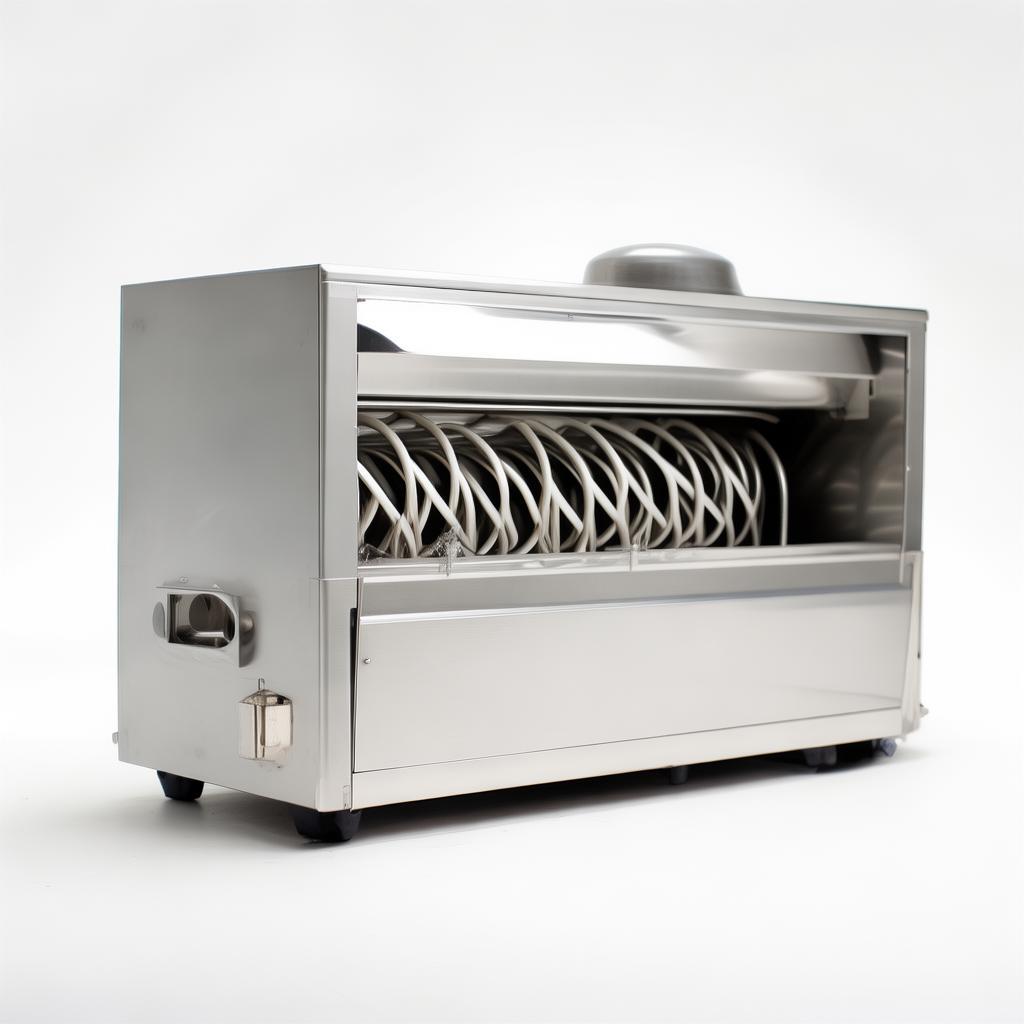
At its most basic, a receiving hopper is a large funnel or container designed to receive bulk materials from trucks, railcars, or other transport vehicles and hold them temporarily before they are fed into a processing system. However, the simplicity of this definition belies the engineering sophistication required for optimal performance. A well-designed receiving hopper acts as a buffer, smoothing out the intermittent nature of deliveries and providing a consistent supply to the next stage of production. This buffer effect is crucial for maintaining stable operation of machinery downstream, preventing costly shutdowns or overloads caused by sudden surges or shortages of material.
Consider the impact on labor. Instead of manually unloading bags or drums, which is labor-intensive, poses ergonomic risks, and is prone to spillage, a receiving hopper allows for efficient dumping from bulk containers. This frees up personnel for more value-added tasks, directly improving operational efficiency. Industry reports suggest the global meat processing equipment market is driven by factors like automation for labor efficiency and hygiene. A robust receiving hopper is the first step in this automation chain for many food production lines.
Furthermore, the integrity of the material itself is often preserved by a properly designed hopper. For food products, this means minimizing shear forces and preventing contamination. For industrial chemicals, it might mean avoiding degradation due to environmental exposure or preventing cross-contamination with previous batches. The choice of materials for construction – be it stainless steel for food-grade applications, or robust carbon steel with specialized coatings for heavy-duty industrial use – is therefore critical.
The role of receiving hoppers is pivotal across numerous sectors. In agriculture, they receive grains, seeds, and fertilizers. In the chemical industry, they handle powders, granules, and pellets. For beverage production, they might receive malt, hops, or sugar. And as mentioned, in food processing, especially meat and pet food, they are instrumental in the initial stages of handling raw materials. The broader food processing equipment market is projected to reach USD 19.66 billion by 2033, indicating substantial investment in systems that facilitate efficient material flow from intake onwards.
Key Features of High-Performance Receiving Hoppers
When evaluating receiving hoppers, several key features distinguish a high-quality, reliable unit from a basic container. These features directly impact performance, safety, and longevity.
Material of Construction:
The choice depends heavily on the application.
- Stainless Steel (e.g., 304, 316): Essential for food, pharmaceutical, and corrosive chemical applications where hygiene, corrosion resistance, and easy cleaning are paramount. Complies with FDA and similar standards.
- Carbon Steel: Often used for general industrial applications, typically coated with durable paints or epoxy for protection against mild corrosion.
- Abrasion-Resistant Alloys: For handling highly abrasive materials like certain minerals or recycled plastics, specialized wear-resistant steels are employed.
Capacity and Size:
Sized to match your delivery volume and downstream processing rate. Over-sizing can lead to material degradation, while under-sizing creates bottlenecks. Common capacities range from a few cubic meters to over 50 cubic meters for large-scale operations. We can engineer custom sizes for specific space constraints or throughput demands.
Discharge Mechanism:
This is critical for controlling material flow. Options include:
- Gravity Discharge: Simple and effective for free-flowing materials.
- Vibratory Feeders: Provide consistent, controlled flow for granular or slightly cohesive materials.
- Screw Feeders/Augers: Ideal for precise dosing and handling powders or sticky materials.
- Rotary Valves/Airlocks: Used for controlled discharge and maintaining system pressure or vacuum, common in pneumatic conveying.
Liner Materials:
For materials prone to sticking or bridging, specialized liners can dramatically improve flowability. Common materials include UHMW-PE (Ultra-High Molecular Weight Polyethylene), Teflon, or specialized coatings. These reduce friction and prevent material buildup.
Dust Control and Containment:
Essential for environmental compliance, worker safety, and product purity. Features can include:
- Sealed Lids and Connections: Minimize dust release during filling.
- Integrated Bag Dump Stations with Dust Collectors: For manual bag dumping.
- Connection Ports for Ventilation Systems: For direct connection to facility dust collection.
- Inflatable Seals: For a more robust seal during filling operations.
Structural Integrity and Support:
Hoppers must withstand the weight of bulk material, potential impacts from loading, and operational stresses. Robust frames, gusseted corners, and appropriate leg systems (or designed for integration with existing structures) are crucial. This is where our in-house fabrication and machining expertise, including CNC capabilities, ensures structural soundness.
Ease of Cleaning and Maintenance:
Especially critical in food and pharmaceutical industries. Designs often include sloped walls for complete drainage, smooth interior surfaces, and access points for cleaning. For meat processing, materials like stainless steel and crevice-free design are non-negotiable.
Industry Applications: Where Receiving Hoppers Excel
The versatility of receiving hoppers makes them indispensable across a broad spectrum of industries. Our 40 years of experience have seen us supply these critical components for diverse applications.
Food & Beverage Processing:
From raw meat and poultry intake to bulk ingredients for baking, confectionery, and beverages, stainless steel receiving hoppers are vital. They ensure hygiene, prevent contamination, and feed into mixers, tumblers (for ripening and tenderizing processes), filling machines, and conveying systems. The processed meat market is vast, projected to reach USD 1,330.45 billion by 2035, underscoring the need for efficient pretreatment and molding equipment, starting with the receiving hopper.
Pet Food Manufacturing:
Similar to human food processing, pet food requires hygienic handling of kibble ingredients, meat meals, and additives. Receiving hoppers ensure a steady supply to extruders and other processing lines. Our expertise in meat processing mechanisms extends to pet food equipment, ensuring compliance and efficiency.
Agriculture and Animal Feed:
Receiving grains, seeds, animal feed pellets, and other bulk agricultural products. Hoppers here often need to be robust to handle potentially abrasive materials and large volumes, integrated with conveyors or milling equipment.
Chemical and Pharmaceutical Industries:
Handling powders, granules, and pellets of raw chemicals, intermediates, or active pharmaceutical ingredients (APIs). Material selection is critical for compatibility and to prevent contamination. Dust containment is often a major concern, necessitating specialized designs.
Plastics and Polymers:
Receiving plastic pellets, granules, powders, or regrind for injection molding, extrusion, or compounding. Hoppers need to ensure consistent feed rates and prevent material degradation.
Mining and Construction Materials:
Handling bulk materials like sand, gravel, cement, or ores. These applications often require extremely robust construction with wear-resistant materials due to the abrasive nature of the products.
Technical Specifications: What to Look For
When specifying a receiving hopper, understanding the technical details is paramount for ensuring it meets your operational requirements. We provide detailed spec sheets for all our models, but here are the key parameters to consider:
| Parameter | Description & Considerations | Our Solutions |
|---|---|---|
| Volume Capacity | Measured in cubic meters (m³) or cubic feet (ft³). Determines how much material it can hold. Matched to typical delivery sizes and buffer needs. | Standard sizes from 2m³ to 40m³. Custom engineering available. |
| Material of Construction | Stainless Steel (304, 316), Carbon Steel, specialized alloys. Crucial for corrosion, abrasion, and hygiene. | SS304 standard for food; SS316 for aggressive chemicals. Painted carbon steel for general industrial use. |
| Discharge Outlet Size/Shape | Dimensions and geometry of the opening at the bottom. Must match downstream equipment connection (e.g., conveyor inlet, pipe flange). | Customizable outlet shapes and dimensions. Integrated flanges. |
| Hopper Wall Angle | Steepness of the internal walls. Critical for flowability of cohesive or sticky materials. Typically 45-60 degrees or more. | Standard slopes designed for good flow; steeper options for challenging materials. |
| Overall Dimensions (L x W x H) | Physical footprint and height. Must fit within plant layout and loading bay constraints. | Configurable to site requirements. Detailed drawings provided. |
| Discharge Equipment Integration | Compatibility with feeders, augers, valves, etc. | Designed for seamless integration with vibratory feeders, screw conveyors, rotary valves. |
| Dust Containment Features | Sealed lids, vents, connection ports for dust collectors. | Optional dust-tight lids, integrated bag dump station vents. |
Procurement Guidance: What Buyers Need to Know
Sourcing industrial equipment like receiving hoppers requires careful consideration to ensure you’re investing in a solution that will perform reliably for years. Here’s what procurement professionals should focus on when evaluating suppliers.
Experience and Specialization:
Look for manufacturers with a proven track record in your specific industry. 40 years in the business, like ours at Hebei Yuanchang, means deep practical knowledge across many applications. Understanding the nuances of meat processing, for example, translates into better-designed hoppers for that sector.
Manufacturing Capabilities:
Does the supplier have robust in-house manufacturing facilities? This includes advanced machinery like CNC centers, which are essential for high-precision components. This capability ensures better quality control, faster turnaround times, and the ability to handle custom designs. Our facility, equipped with over 20 sets of machinery including Japanese Mazak CNC centers, allows us to meet demanding specifications.
Certifications and Compliance:
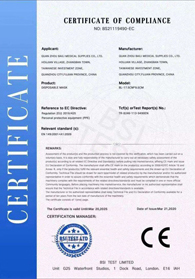
For food, pharmaceutical, or export markets, certifications are critical. This can include ISO certifications for quality management, CE marking for European markets, or specific food-grade material compliance (e.g., FDA, NSF). Ensure the materials used and the manufacturing processes meet relevant international standards. We can provide documentation for our ISO certifications and material compliance.


Customization and OEM/ODM:
Can the supplier adapt designs to your specific needs or even manufacture under your brand (OEM/ODM)? This flexibility is crucial for integrating the hopper into unique production lines or for distributors. Our engineering team excels at custom design and modifications.
After-Sales Support and Logistics:
A traceable after-sales system is vital for long-term support. Also, consider the supplier's ability to handle international shipping efficiently. Container optimization, documentation, and understanding export regulations are key. We have extensive experience in global logistics.
Installation and Maintenance Considerations
Proper installation and routine maintenance are key to maximizing the lifespan and performance of your receiving hopper. While installation can vary significantly based on the model and site integration, some general points apply.
Installation: Ensure the hopper is placed on a stable, level surface or properly supported by its integrated frame or foundation. Connect any discharge equipment (feeders, conveyors) ensuring alignment to prevent wear and material spillage. If dust collection systems are integrated, ensure proper ducting and connection. For units requiring electrical components (like vibratory feeders), ensure installation complies with local electrical codes and safety standards. We can provide detailed installation manuals and, if necessary, remote technical guidance.
Maintenance: Routine checks should include inspecting the hopper's interior and exterior for any signs of wear, corrosion, or material buildup. Ensure all seals and connections are intact to maintain containment. Lubricate any moving parts on integrated feeders or discharge mechanisms as per manufacturer recommendations. For food-grade units, thorough cleaning protocols between batches or product changes are essential. Follow a documented preventative maintenance schedule.
Practical Warning: Neglecting regular cleaning of food-grade hoppers can lead to cross-contamination, affecting product quality and posing significant food safety risks. Similarly, failing to address wear on abrasive material hoppers can lead to premature failure and costly downtime.
Why Partner with Hebei Yuanchang?
For 40 years, Hebei Yuanchang Food Mechanism & Technology Co., Ltd. has been a trusted name in industrial equipment manufacturing. We combine decades of hands-on experience with state-of-the-art production capabilities to deliver high-quality receiving hoppers that meet the demanding needs of international B2B clients. Our integrated R&D, production, and sales approach, coupled with our extensive machining workshop and advanced CNC technology, allows us to offer solutions that are both cost-effective and engineered for performance and durability. We are committed to providing reliable equipment and exceptional customer service, ensuring your material intake operations run smoothly and efficiently.
infeed hopper conveyor hopper hopper dispenser
Ready to optimize your material flow and enhance operational efficiency?
Let's discuss your specific requirements.
Request Factory Pricing Talk With Our EngineerCustomer Reviews & Testimonials

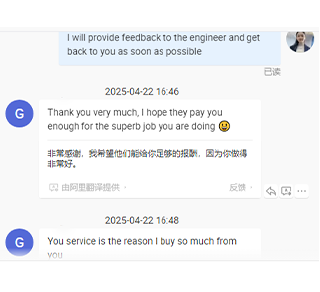
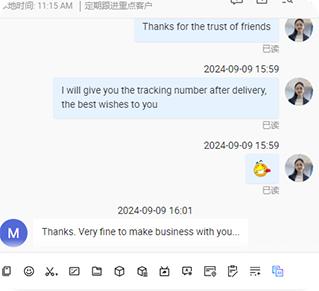
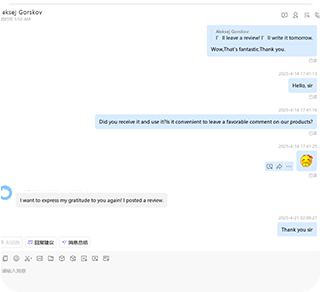
"The custom-sized grain receiving hopper from Hebei Yuanchang has been a game-changer for our facility. It fits perfectly into our existing setup and has significantly reduced the time it takes to unload shipments. The material flow is much more consistent now. Delivery was on time, and the integration was straightforward. Highly recommend their team for their understanding of bulk material handling."

"We needed a high-capacity stainless steel hopper for our meat processing line that met stringent hygiene standards. Hebei Yuanchang delivered exactly that. The construction is robust, easy to clean, and the discharge mechanism ensures a steady feed into our tenderizing machines. Their communication throughout the OEM process was excellent, and the final product exceeded expectations."

"Our chemical plant handles abrasive powders, and we were having constant issues with wear and tear on our old hoppers. Hebei Yuanchang proposed a solution with a specialized wear-resistant liner and robust construction. It's been over a year, and the performance is outstanding. Downtime related to hopper issues has been virtually eliminated."

"We source bulk ingredients from various international suppliers, and having reliable receiving equipment at our distribution centers is critical. The hoppers from Hebei Yuanchang are well-built, and their standard dimensions work well with many of our common unloading procedures. Their export team was professional and handled all the necessary documentation efficiently."
Frequently Asked Questions (FAQ)
Q: How do I determine the right capacity for my receiving hopper?
A: Consider the typical volume of your incoming deliveries and the throughput rate of your downstream processing equipment. It's best to have a buffer capacity that can handle at least one full delivery, or enough to maintain continuous operation for a set period (e.g., 1-2 hours). Our sales engineers can assist in this calculation.
Q: What is the typical lead time for a custom-designed receiving hopper?
Lead times vary depending on the complexity of the design, material availability, and our current production schedule. Standard models might be available sooner, while highly customized units can take anywhere from 6 to 12 weeks. We provide estimated delivery schedules upfront.
Q: Can your hoppers be integrated with existing conveyor systems?
Absolutely. Our designs are often specified with standard outlet flanges or can be custom-fabricated to match your existing system's interface. Providing us with your conveyor specifications will help us ensure a seamless integration.
Q: What are the advantages of using UHMW-PE liners?
UHMW-PE (Ultra-High Molecular Weight Polyethylene) liners offer extremely low friction and excellent non-stick properties, making them ideal for materials that tend to adhere to metal surfaces, such as sticky powders, molasses-based products, or certain food pastes. This significantly improves flowability and reduces bridging issues.
Q: Do you offer OEM/ODM services for receiving hoppers?
Yes, we do. Our advanced manufacturing capabilities, including CNC machining, allow us to produce high-precision components and complete units under your brand or to your specific design requirements. This is a core part of our international B2B offering.
Q: What are the shipping and logistics like for international orders?
We have extensive experience exporting our machinery globally. We ensure robust packaging for transit, work with reliable freight forwarders, and can optimize container loading to reduce costs. We handle all necessary export documentation to ensure smooth customs clearance.
Have a question not covered here?
Our experts are ready to assist.
Get a Custom Quote Request Product CatalogChat with Our Experts: