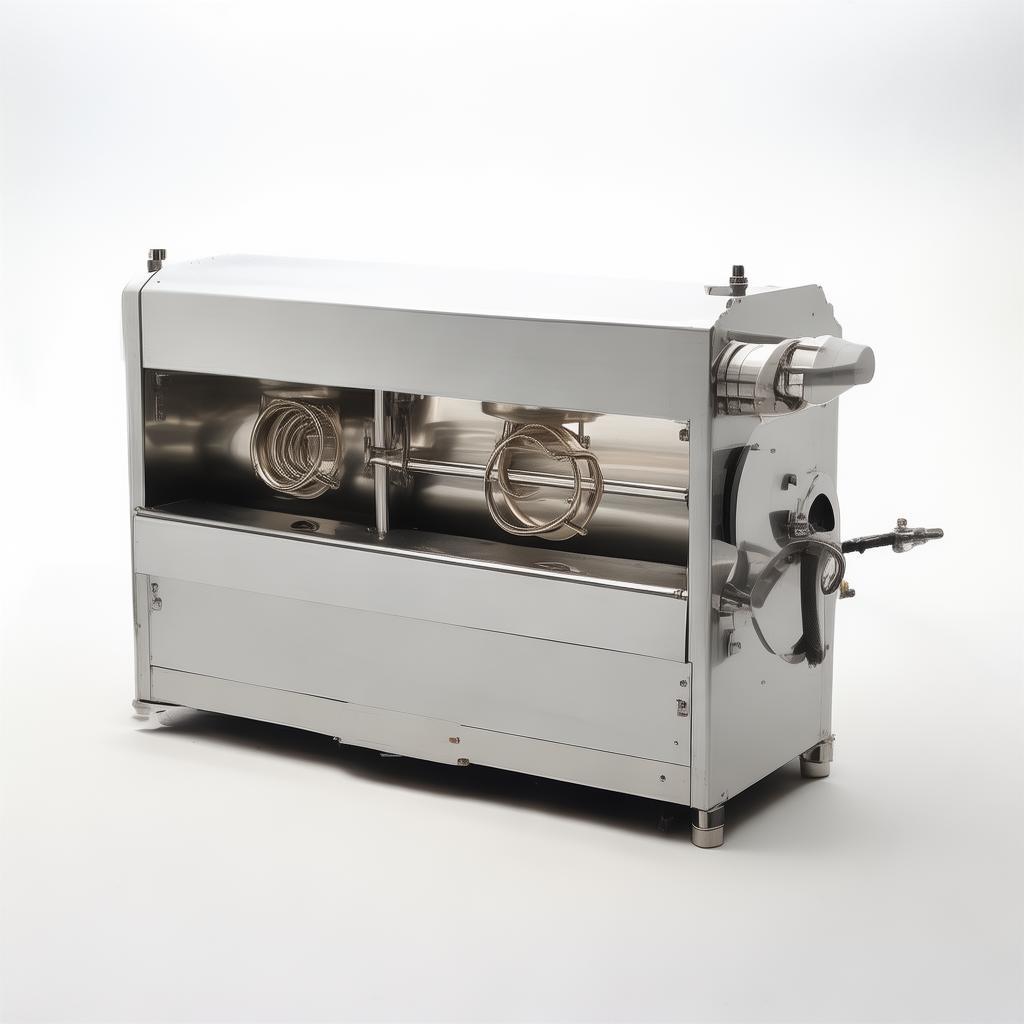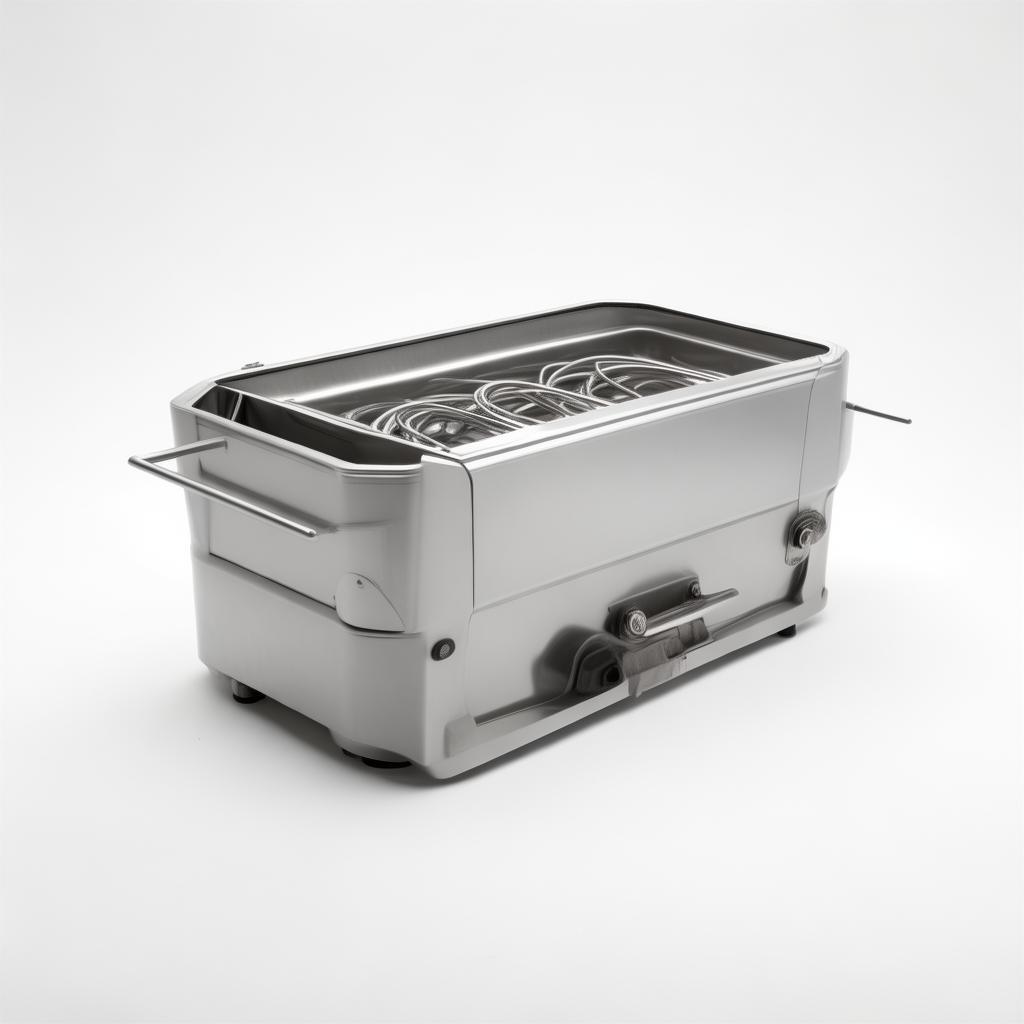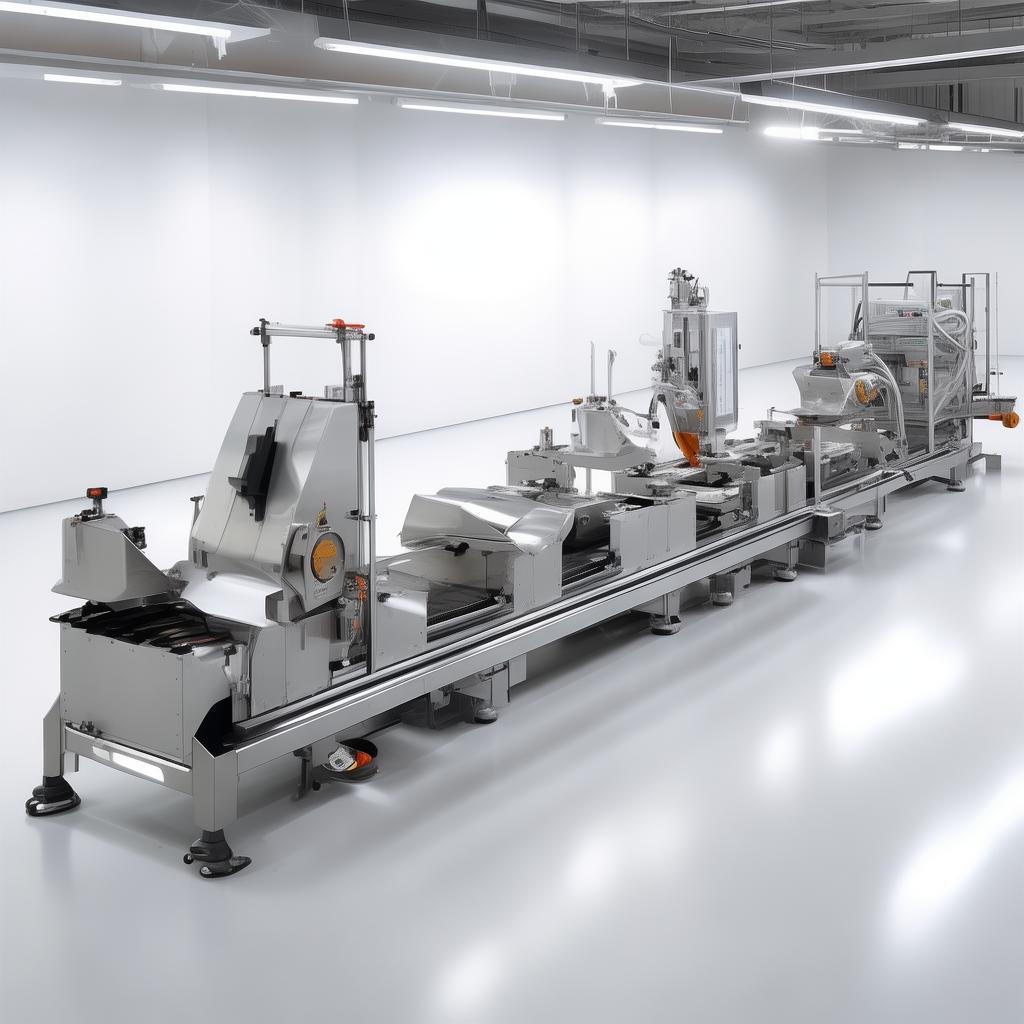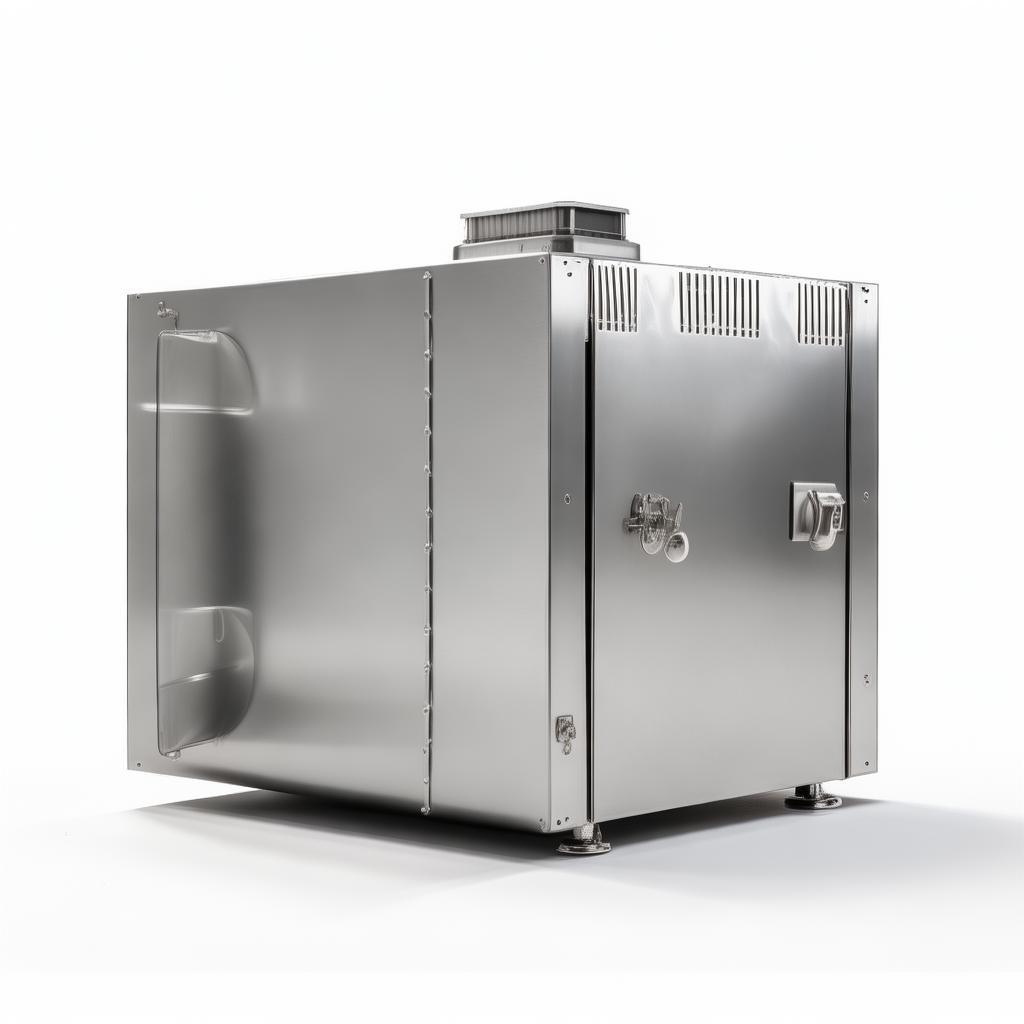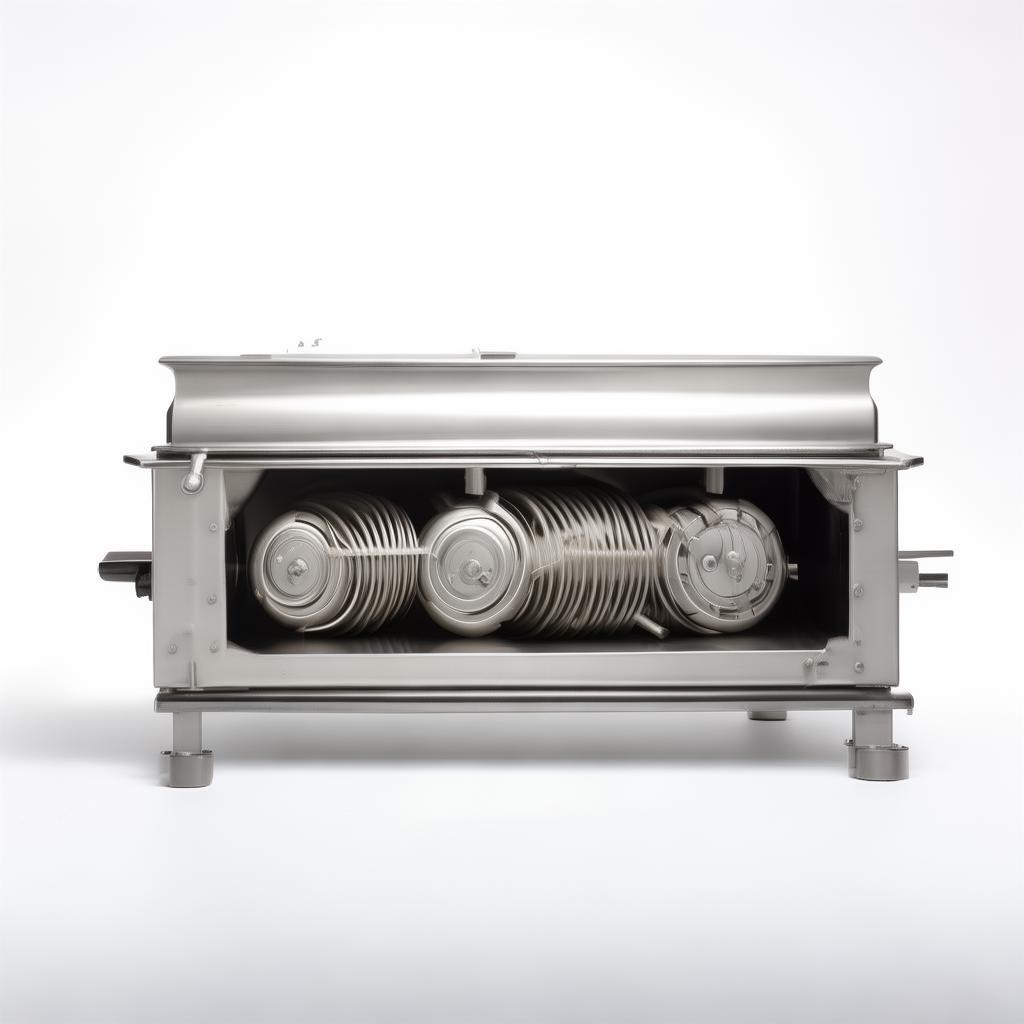
Plastic Material Hopper Loaders
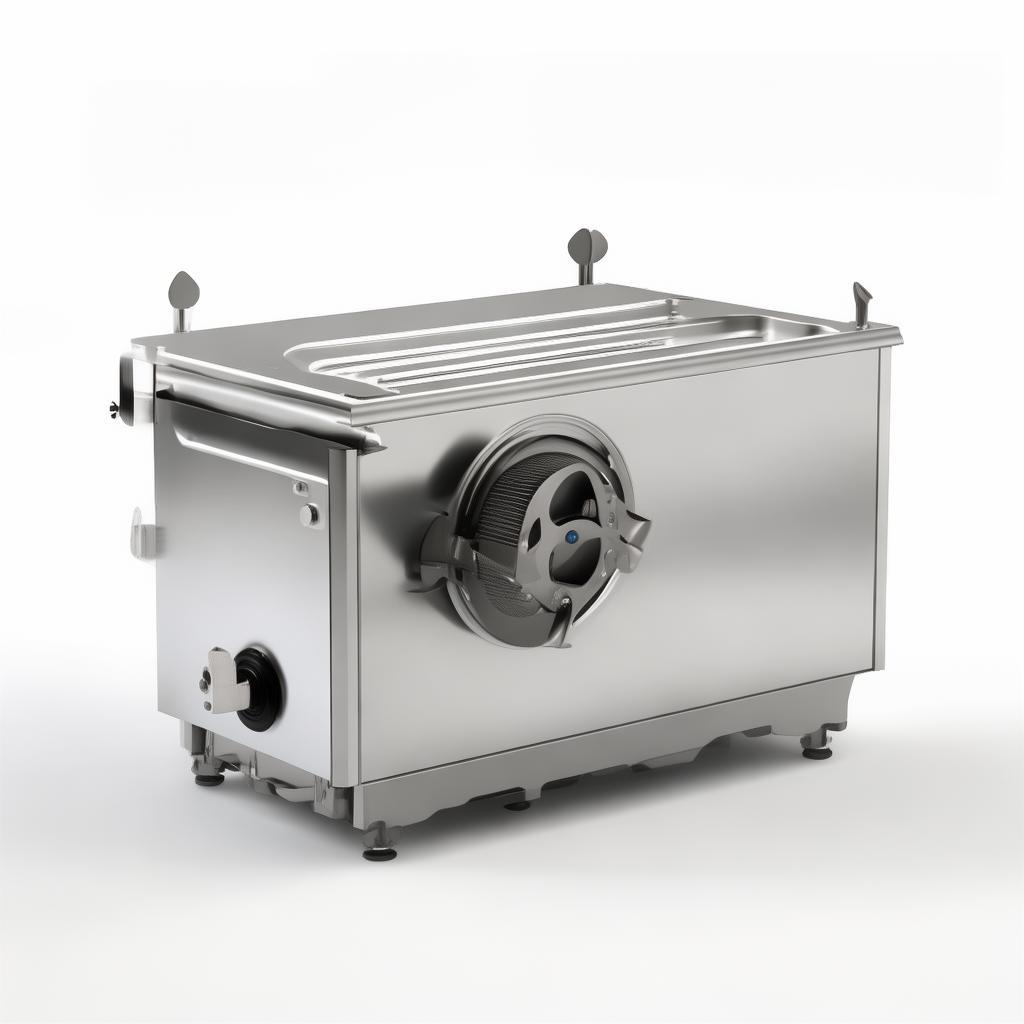
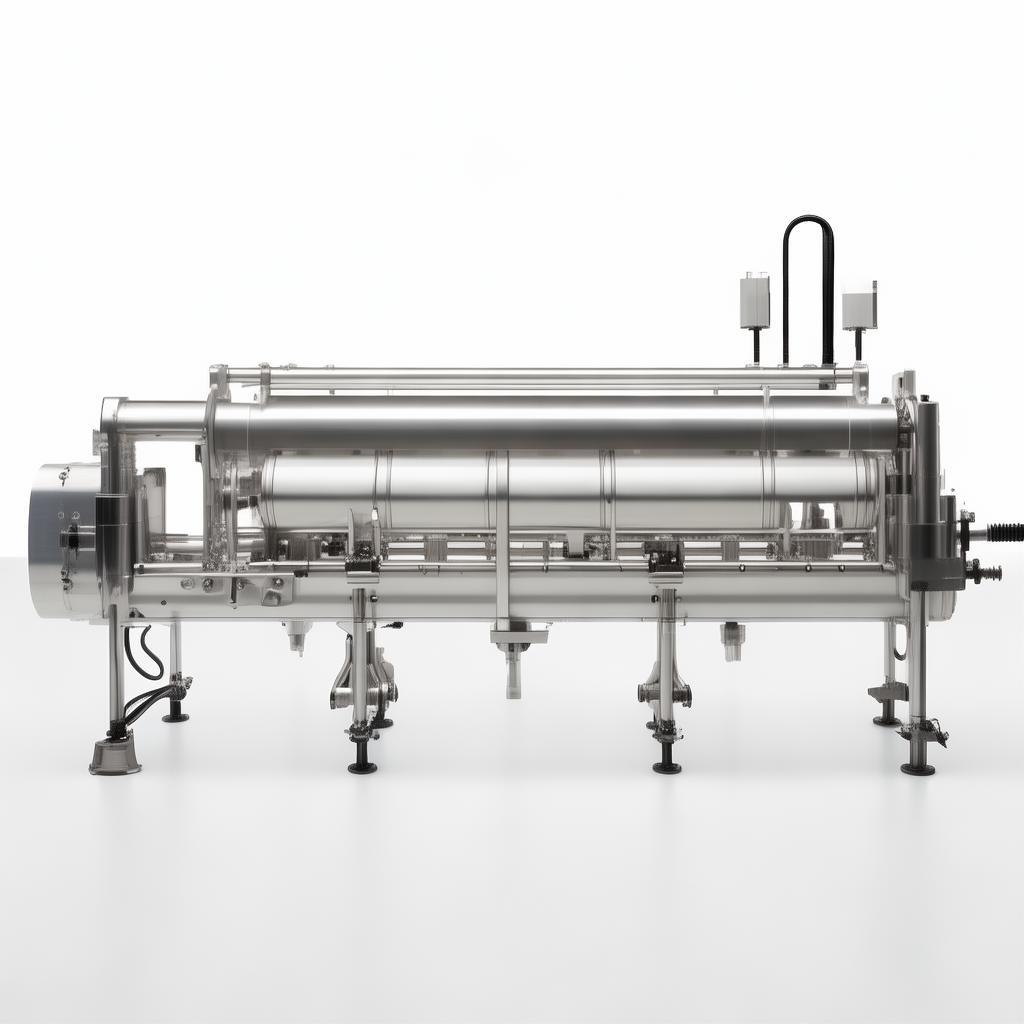
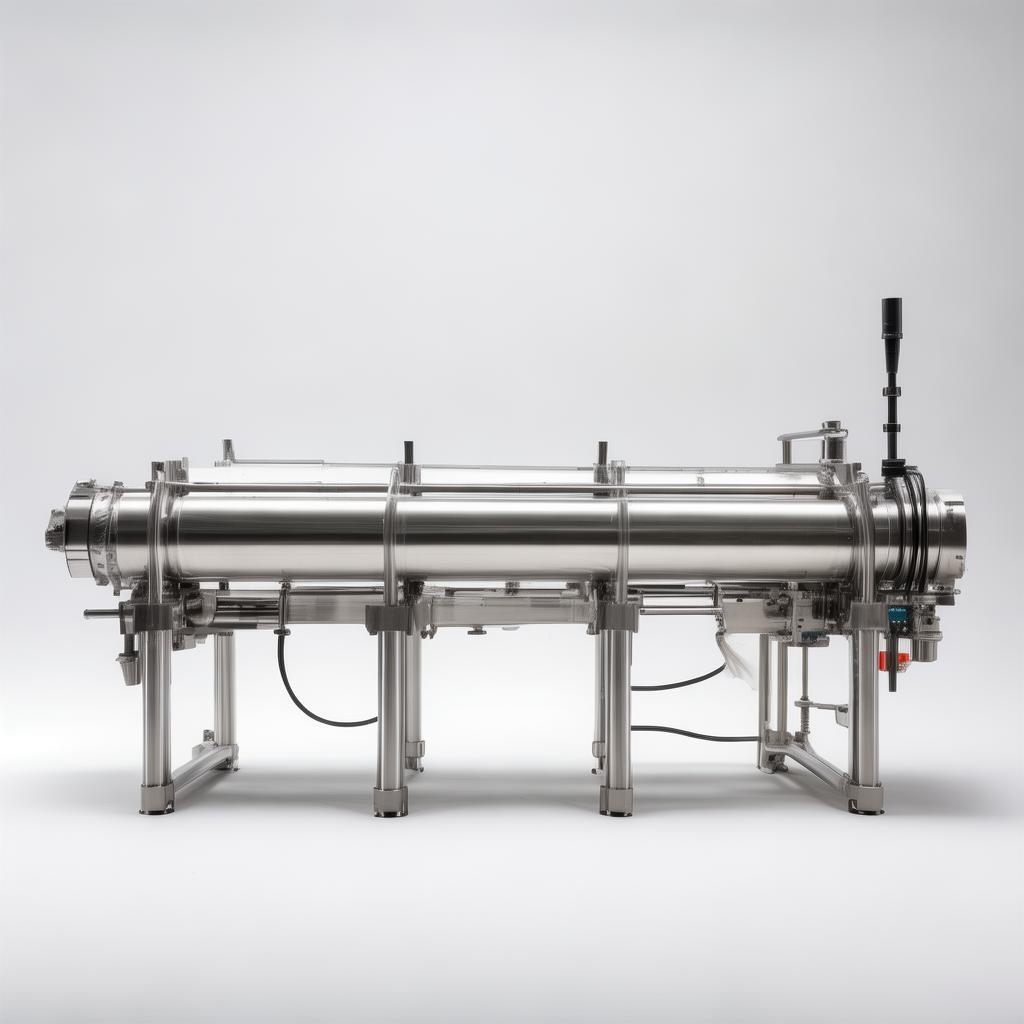
Industrial Plastic Material Hopper Loaders: Enhancing Your Manufacturing Throughput
 By: John Chen, Senior Export Manager
Published: October 26, 2023
Introduction: The Unseen Workhorse of Production
In the complex ecosystem of modern manufacturing, especially within the plastics industry, efficiency is paramount. Every second saved, every material waste reduction, and every increase in operational uptime directly translates to improved profitability and market competitiveness. While sophisticated injection molding machines, extruders, and compounding lines often capture the spotlight, the upstream processes—specifically, the reliable and consistent delivery of raw materials—are equally critical. This is where the humble yet indispensable plastic material hopper loader plays a pivotal role. These systems are the unsung heroes, ensuring that your high-value production machinery never starves for material, thereby maintaining the delicate balance of your workflow.
For many operations, the manual transfer of plastic pellets, granules, or powders from bulk bags or drums to the processing machine's feed throat is a bottleneck. It’s labor-intensive, prone to contamination, and can lead to inconsistent feed rates. The integration of automated hopper loaders addresses these issues head-on. They are designed to transport materials efficiently and cleanly, reducing manual labor, minimizing material degradation, and ensuring a steady, uninterrupted supply to your production lines. This isn't just about convenience; it's about engineered precision designed to meet the demanding pace of industrial output.
Consider the economics. According to various market analyses, the global meat processing equipment market, a sector with similar material handling demands, is projected to reach significant figures, with substantial segments focusing on filling, tenderizing, and ripening equipment. While this is a different industry, the underlying principle of efficient material processing and handling is universal. [Meat Processing Equipment Market Size, Share & Industry Analysis - https://www.fortunebusinessinsights.com/meat-processing-equipment-market-115455 - The global meat processing equipment market was valued at USD 11.29 billion in 2025 and is projected to reach USD 17.39 billion by 2034 at a CAGR of 5.0%. Key segments include filling & stuffing equipment... Growth is driven by rising demand for processed meat, automation adoption for hygiene and labor efficiency, strict food safety standards, and strong expansion in Asia-Pacific. Filling and molding equipment are critical for sausages and formed products, while massaging equipment enhances ripening and texture.] This illustrates the significant investment and focus on optimizing material flow and processing efficiency across various industrial domains. The principles of automation, hygiene, and consistent supply are directly transferable to the plastic manufacturing sector.
Our focus here is on plastic material hopper loaders—specifically, the robust, reliable, and technologically advanced solutions that Hebei Yuanchang Food Mechanism & Technology Co., Ltd. offers. We understand that procuring equipment for your facility involves more than just a transaction; it's about finding a partner who can deliver tangible improvements to your operational efficiency, product quality, and bottom line. This page aims to provide a comprehensive overview, delving into the operational advantages, technical considerations, and procurement strategies involved in selecting the right hopper loader system for your specific needs.
Whether you're dealing with virgin resins, regrinds, or custom compounds, the method of delivery to your processing machinery can significantly impact cycle times, part consistency, and material purity. Manual loading is a common pain point, leading to dust ingress, material segregation, and increased labor costs. Automated hopper loaders, powered by vacuum or mechanical means, offer a solution by creating a closed-loop system that transfers materials directly from storage (like Gaylord boxes or silos) to the machine hopper. This not only frees up your operators for more value-added tasks but also dramatically reduces the risk of contamination and material degradation, which is crucial for maintaining tight quality control, especially for sensitive applications like medical devices or food-grade packaging.
The efficiency gains are substantial. Imagine reducing material loading times from minutes per bin to mere seconds, with minimal operator intervention. This translates directly into higher machine utilization rates. For operations running 24/7, even small improvements in uptime and material availability can lead to significant increases in annual output. Furthermore, precise material feed rates prevent the common issues of short shots or overfilling in molding processes, leading to better part quality and fewer rejects. This is the tangible impact of having a well-designed hopper loading system integrated into your manufacturing workflow.
We'll explore the different types of hopper loaders, from simple vacuum conveying systems to more sophisticated gravimetric and volumetric feeders, and discuss how to match the system's capacity and features to your specific processing equipment and material types. The goal is to empower you with the knowledge to make an informed decision, ensuring that your investment in material handling technology delivers maximum ROI. This isn't about selling a product; it's about providing a solution that fundamentally enhances your manufacturing capabilities.
Operational Challenges in Material Handling
Manufacturing operations, particularly those involving plastics, frequently encounter recurring challenges in material handling that can impede efficiency and product quality. Recognizing these pain points is the first step toward implementing effective solutions.
- Labor Intensiveness: Manual scooping or carrying of plastic pellets and granules from storage containers (like bags or drums) to machine hoppers is time-consuming and requires dedicated personnel. This diverts valuable labor from more skilled tasks, increasing operational costs.
- Material Contamination: Open handling of raw materials exposes them to dust, dirt, moisture, and other environmental contaminants on the factory floor. This can compromise the integrity of the final product, especially critical for high-purity applications or when using sensitive resins.
- Inconsistent Feed Rates: Manual loading often leads to irregular amounts of material entering the processing machine's hopper. This fluctuation can cause inconsistencies in melt temperature, pressure, and cycle times, resulting in defective parts and increased scrap rates.
- Material Degradation: The repeated handling and potential exposure to heat during manual transfer can lead to material degradation, impacting the mechanical properties and aesthetic finish of the end product.
- Material Segregation: In blends or multi-component materials, manual handling can cause segregation, where lighter particles rise to the top or heavier ones settle at the bottom. This leads to non-uniform material composition during processing.
- Safety Concerns: Lifting heavy bags or drums, repetitive motions, and the general chaos of manual material movement can contribute to workplace injuries.
- Dust and Housekeeping Issues: Spillage and dust generated during manual loading create a housekeeping burden and can pose respiratory health risks to workers.
Addressing these operational hurdles is essential for any manufacturer aiming to optimize throughput and maintain high standards. Automated material handling systems, like our range of plastic material hopper loaders, are specifically engineered to mitigate these issues.
Understanding the Plastic Material Hopper Loader
A plastic material hopper loader, at its core, is an automated system designed to convey plastic raw materials (pellets, granules, powders, flakes) from a source bin, hopper, or bulk bag directly into the feed throat of a processing machine, such as an injection molding machine, blow molding machine, or extruder. The most common type utilizes vacuum technology.
A typical vacuum hopper loader system comprises:
- Loading Hopper: This is the vessel where the raw material is stored, usually positioned above the processing machine. It can range in capacity from a few kilograms for small machines to several cubic meters for large extruders.
- Vacuum Blower/Pump: The power source that generates the vacuum needed to draw material through the conveying system.
- Conveying Hose: A flexible or rigid tube through which the material is transported.
- Control Unit: This is the "brain" of the system, managing cycles, fill levels, and safety interlocks. It typically features a microprocessor for precise control over loading duration and material sensing.
- Material Pickup/Feed Port: Located at the source, this is where material enters the conveying line. It could be a wand for direct pickup from a bin or a specialized adapter for bulk bags.
- Dust Filter: Crucial for separating fine dust particles from the material during the conveying process, protecting the vacuum blower and ensuring material purity.
The operation is straightforward: upon sensing a low material level in the processing machine's hopper, the control unit activates the vacuum blower. A vacuum is created in the conveying line, and material is drawn from the source. Once the sensor in the machine hopper detects that it's full, the vacuum is released, material flow stops, and the dust filter is typically purged (often with compressed air) to clear any accumulated fines, preparing the system for the next cycle. This entire process is automated, requiring minimal operator intervention.
Beyond simple vacuum conveying, more advanced systems exist, including mechanical auger feeders for precise volumetric feeding or gravimetric feeders that accurately weigh material before dispensing. However, for general-purpose plastic resin handling, vacuum hopper loaders remain the industry standard due to their balance of efficiency, cost-effectiveness, and reliability. The choice depends heavily on the material type, processing machine requirements, and desired level of precision.
Why Choose a Dedicated Hopper Loader?
Investing in a dedicated plastic material hopper loader offers a compelling suite of benefits that directly impact your manufacturing operations. It's more than just an accessory; it's a strategic upgrade.
Enhanced Efficiency & Throughput
Automated material delivery ensures continuous feeding of your machinery, minimizing downtime between batches or during material replenishment. This boosts overall equipment effectiveness (OEE) and increases production output significantly.
Reduced Labor Costs
Operators are freed from the manual, repetitive task of loading materials. They can reallocate their time to critical machine monitoring, quality control, or other value-added activities, optimizing your workforce deployment.
Improved Material Purity & Quality
Closed-loop conveying systems prevent contamination from airborne dust, debris, and operator handling. This is essential for maintaining the visual and physical properties of your plastic parts, especially in sensitive industries.
Consistent Material Feed
Automated systems provide a steady, controlled supply of material to the processing machine. This consistency is key to stable processing temperatures, pressures, and cycle times, leading to uniform part quality and reduced scrap.
Reduced Material Waste
Minimizing spillage and ensuring complete transfer of material from source to machine reduces overall material waste, contributing to cost savings and more sustainable operations.
Improved Workplace Safety
Eliminating the need for manual lifting of heavy material bags or drums significantly reduces the risk of musculoskeletal injuries and accidents.
Technical Specifications & Features
Selecting the right hopper loader involves matching its specifications to your material handling needs and processing equipment. Our range is designed for versatility and performance.
| Feature/Specification | Description / Range | Impact on Operations |
|---|---|---|
| Hopper Capacity | 5L to 500L+ (Customizable) | Determines batch size and refill frequency. Larger hoppers reduce operator intervention for smaller production runs. |
| Conveying Capacity | 50 kg/hr to 1000+ kg/hr | Crucial for matching the feed rate of your processing machinery. Must meet or exceed machine consumption. |
| Conveying Distance | Up to 50m (Vertical & Horizontal) | Flexibility in machine layout and material source placement. Longer distances may require more powerful blowers. |
| Material Compatibility | Virgin resins, regrinds, powders, flakes (up to specified particle size) | Ensures the loader can handle your specific material without causing blockages or damage. Special considerations for abrasive or fine powders. |
| Power Requirement | 220V/380V/415V, 50/60Hz (Customizable) | Needs to be compatible with your factory's electrical infrastructure. |
| Control System | Microprocessor-based with user-friendly interface, load sensors. Optional batching or timing controls. | Ease of operation, precise control over loading cycles, and integration capabilities. |
| Dust Filtration | High-efficiency filters (e.g., pleated cartridge, bag filters) with automatic purge. | Protects vacuum motor, ensures material purity, and maintains conveying efficiency. |
| Construction Material | Stainless steel (food grade available), powder-coated carbon steel. | Durability, corrosion resistance, and compliance with industry-specific standards (e.g., FDA for food contact). |
Key features to consider include:
- Automatic Load Level Sensors: Precisely detect when the machine hopper is full, preventing overfilling and material spillage.
- Integrated Dust Collection: Ensures a clean operational environment and protects sensitive processing equipment.
- Easy Maintenance Access: Quick release clamps for hoppers and accessible filters simplify cleaning and servicing.
- Variable Speed Control: Allows fine-tuning of conveying rates for different materials.
- Optional Features: Material shortage alarms, batch counters, remote monitoring capabilities.
Versatile Applications Across Industries
The efficiency and reliability of plastic material hopper loaders make them indispensable across a broad spectrum of manufacturing sectors. Their ability to handle various forms of plastic resins ensures applicability wherever precise material delivery is needed.
Typical industries and applications include:
Injection Molding
Feeding resins to injection molding machines for producing automotive parts, consumer electronics, housewares, toys, and medical devices.
Extrusion
Supplying plastic pellets to extruders for pipes, films, sheets, profiles, and wire coating applications.
Blow Molding
Delivering material to blow molding machines for manufacturing bottles, containers, and large hollow parts.
Compounding
Feeding virgin resins and additives into compounding extruders for creating custom plastic blends and masterbatches.
Thermoforming
Supplying plastic sheets or rolls to thermoforming machines for packaging and consumer goods.
Recycling Operations
Handling processed plastic regrinds for reintroduction into the manufacturing process, reducing waste and costs.
The global processed meat market, projected to reach significant figures, highlights the importance of specialized equipment for consistent output. [Processed Meat Market Size, Share & Growth Report - https://www.fortunebusinessinsights.com/industry-reports/processed-meat-market-100556 - The global processed meat market is projected to grow from USD 750.58 billion in 2026 to USD 1,253.77 billion by 2034 at a CAGR of 6.62%. Demand for cured, smoked, and filled products drives need for pretreatment, molding, and ripening technologies including auxiliary smoking and tenderizing equipment.] This mirrors the plastic industry's need for reliable material handling systems to ensure product quality and meet market demand.
Installation & Maintenance Considerations
Proper installation and routine maintenance are vital for the long-term performance and reliability of any hopper loader system. Neglecting these can lead to costly downtime and reduced efficiency.
Installation Insights
While installation can be relatively straightforward for basic vacuum loaders, careful planning ensures optimal results. Key considerations include:
- Location: Position the loader and processing machine to allow for easy access to material sources and minimal conveying distances. Ensure adequate ventilation for the vacuum blower.
- Power Supply: Verify that the electrical connection matches the hopper loader's specifications to prevent motor damage or operational issues.
- Conveying Line Routing: Avoid sharp bends or kinks in the conveying hose, as these can restrict material flow and increase wear. Keep lines as short and straight as possible.
- Material Source Integration: If using bulk bags, ensure a secure and stable connection to prevent dust leaks. For silos or bins, proper discharge mechanisms are essential.
- Testing: After installation, perform a dry run to check for leaks, verify vacuum levels, and ensure smooth material transfer.
Routine Maintenance Practices
Regular upkeep is not optional; it's a necessity for sustained performance. Following a defined maintenance schedule will save you money and headaches down the line:
- Filter Cleaning/Replacement: This is paramount. Dust filters should be inspected daily and cleaned or replaced as per manufacturer recommendations (often weekly or bi-weekly, depending on material and usage). Clogged filters reduce vacuum, increase motor strain, and impact material flow.
- Hose Inspection: Periodically check the conveying hose for signs of wear, abrasion, or leaks. Replace damaged hoses promptly to maintain system integrity.
- Vacuum Blower Check: Ensure the blower is running smoothly, free from unusual noises, and that oil levels (if applicable) are maintained.
- Sensor Calibration: Periodically verify that the load level sensors are functioning accurately to prevent overfilling or premature cycle initiation.
- General Cleaning: Keep the hopper loader unit clean and free from dust and debris to prevent potential issues and maintain a safe working environment.
We provide comprehensive manuals and support to guide you through installation and maintenance. Don't hesitate to reach out to our technical team for assistance or to schedule a professional service check.
Procurement Insights for Buyers
Selecting the right plastic material hopper loader involves a strategic procurement process. As an industrial buyer, your focus is on ROI, reliability, and long-term support. Here’s what to keep in mind:
Define Your Requirements Clearly
Before engaging with suppliers, thoroughly document your needs:
- Material Type: What are you conveying? (e.g., PET, PVC, ABS, regrind). Are there any special handling requirements (e.g., hygroscopic materials needing drying, abrasive materials)?
- Processing Machine: What is the consumption rate of your primary machines (e.g., injection molding machine tonnage, extruder throughput)? This dictates the required conveying capacity.
- Layout & Distance: What is the maximum vertical and horizontal distance between your material source and the processing machine feed throat?
- Volume Requirements: What hopper capacity do you need to minimize refill interruptions for your typical production runs?
- Environmental Factors: Are there specific hygiene requirements (e.g., food-grade, medical-grade)? Is the environment dusty or corrosive?
- Budget: Establish a realistic budget, considering not just the initial purchase price but also installation, maintenance, and energy costs.
Key Procurement Considerations
When evaluating potential suppliers and their offerings:
- System Design & Engineering: Does the proposed system appear robust and well-engineered? Consider the quality of materials used and the overall build. Look at the control system—is it intuitive and reliable?
- Performance Guarantees: Does the supplier offer performance guarantees regarding conveying capacity, efficiency, and uptime?
- After-Sales Support: This is critical. What level of technical support, spare parts availability, and service are provided? A 40-year history, like ours at Hebei Yuanchang, signifies deep experience and commitment to customers.
- Lead Times & Delivery: Understand the production and shipping lead times. For international orders, factor in logistics, customs, and potential delays.
- Customization Capabilities: Can the standard models be adapted to your unique requirements? For example, non-standard hopper sizes or specific material handling needs.
- Total Cost of Ownership (TCO): Beyond the sticker price, consider energy consumption, maintenance costs, expected lifespan, and the impact on your production efficiency. A slightly higher upfront investment in a more durable, efficient unit can yield significant savings over its lifetime.
Consider the context of the broader industrial equipment market. For instance, advancements in meat processing equipment, driven by demand for processed meats and automation, show a strong emphasis on efficient material handling and consistent output. [Meat Processing Equipment Market Size, Share Report, 2030 - https://www.grandviewresearch.com/industry-analysis/meat-processing-equipment-market - The global meat processing equipment market was estimated at USD 11.28 billion in 2024 and is projected to reach USD 15.04 billion by 2030. Segments cover tenderizing, filling, grinding, slicing, and massaging equipment essential for pretreatment, molding, and ripening processes. Rising consumption of ready-to-eat meats, automation for labor shortages and hygiene, and infrastructure investments in emerging markets drive demand. Filling & stuffing machines and massaging systems for ripening are high-growth areas supporting consistent product quality and food safety compliance.] This parallels the plastic industry's need for optimized feeding systems to maintain product quality and meet market demand.
Engaging directly with a manufacturer, rather than a distributor, often provides better pricing, direct access to technical expertise, and clearer communication regarding customization and after-sales support. This is precisely the advantage we offer at Hebei Yuanchang.
Evaluating Your Supplier: What to Look For
Choosing a supplier for industrial equipment like hopper loaders is a critical decision. Beyond the product itself, the supplier's capabilities and commitment play a significant role in your operational success. Here’s a practical checklist:
- Experience & Track Record: How long has the company been in business? Do they specialize in material handling solutions for plastics? A supplier with decades of experience, like Hebei Yuanchang's 40 years since 1986, demonstrates deep industry knowledge and resilience.
- Manufacturing Capability: Do they manufacture in-house, or do they resell? In-house manufacturing, complete with advanced machining capabilities (like our Japanese Mazak CNC centers), ensures control over quality, precision, and the ability to produce custom components. It also streamlines the supply chain.
- Technical Expertise: Can their engineers provide informed advice on system selection, integration, and troubleshooting? Direct access to their technical team is invaluable.
- Global Reach & Logistics: For international buyers, does the supplier have experience with export documentation, shipping arrangements, and understanding international logistics? Can they manage container loading efficiently?
- After-Sales Support & Spare Parts: This is a non-negotiable. What is their policy on spare parts? How responsive are they to service requests? A traceable after-sales management system provides peace of mind.
- Certifications & Quality Standards: Do they adhere to relevant international quality standards (e.g., ISO)? While specific certifications vary by product, a commitment to quality is key.
- References & Testimonials: Can they provide references from satisfied clients, particularly those in similar industries or regions? Real-world feedback is incredibly valuable.
- Transparency: Are they open about their manufacturing processes, lead times, and pricing structures?
Choosing a supplier is about building a relationship. You need a partner who understands your operational context and can provide ongoing support, not just a one-time transaction. Our extensive experience in designing and manufacturing industrial equipment means we can offer solutions tailored to the demanding needs of international clients.
Industry Standards and Certifications
Adherence to industry standards and the possession of relevant certifications are hallmarks of a reliable manufacturer. While specific certifications for general-purpose plastic hopper loaders might be less common than for specialized machinery, the underlying manufacturing quality and safety practices are universally important.
At Hebei Yuanchang, our manufacturing processes are guided by principles that align with international quality benchmarks. While we may not directly certify our hopper loaders with standards like CE or FDA unless specifically requested for a particular application (e.g., food-grade resin handling), our production facilities operate under strict quality control protocols, akin to those required for ISO certification. Our dedication to precision machining, evidenced by our investment in advanced Japanese CNC centers, ensures that components are manufactured to tight tolerances, contributing to the overall reliability and performance of our equipment.
For machinery handling materials intended for food packaging or medical applications, specific certifications like  FDA (Food and Drug Administration) compliance for materials in contact with food, or
  ISO standards for Quality Management Systems, are crucial. We can configure our hopper loaders with food-grade stainless steel and appropriate sealing materials to meet these requirements upon customer request. Similarly, if operating in regions with specific electrical safety standards, components can be sourced to meet requirements like
 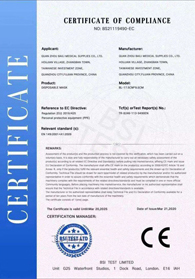 CE marking for the European market.
Our commitment to quality is embedded in our 40 years of manufacturing experience. We ensure that every piece of equipment leaving our facility is built to last, performs reliably, and meets the practical demands of industrial operations. We maintain rigorous internal quality checks that parallel the intent behind global standards, focusing on durability, safety, and operational efficiency.
Our Manufacturing Prowess
Hebei Yuanchang Food Mechanism & Technology Co., Ltd. isn't just a supplier; we are a seasoned manufacturer with deep roots in industrial equipment production. Our extensive experience, spanning 40 years since 1986, underpins our capability to deliver high-quality, reliable plastic material hopper loaders and other industrial machinery.

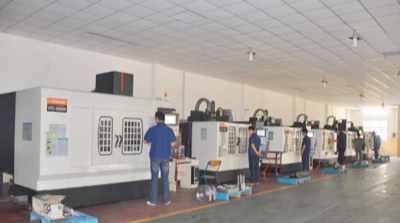
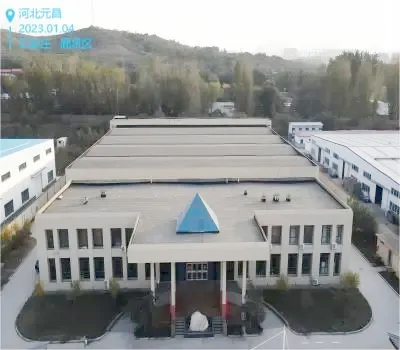
Our state-of-the-art facility covers approximately 14,000 square meters and houses a dedicated team of 80-100 skilled professionals. We integrate Research & Development, production, and sales to offer a seamless customer experience. Our in-house machining workshop is equipped with over 20 sets of advanced processing machinery, including:
- Lathes
- Milling machines
- High-precision grinding machines
- Boring machines
- Plate shears and bending machines
- Wire cutting equipment
A significant investment in 2012 saw the introduction of 8 sets of Japanese Mazak CNC machining centers. This advanced capability allows us to undertake the production of high-standard components that demand large volumes, exceptional precision, and non-standard specifications—essential for custom industrial equipment like tailored hopper loaders.
Crucially, our traceable after-sales management system ensures that we can independently produce high-precision parts. This not only guarantees the quality and longevity of our equipment but also provides you with unparalleled, worry-free after-sales service. When you partner with Hebei Yuanchang, you’re engaging with a manufacturer that has the infrastructure, expertise, and commitment to deliver.
Frequently Asked Questions
Q1: What is the typical lead time for a standard plastic material hopper loader?
A1: For standard models, lead times typically range from 4 to 8 weeks from order confirmation. This can vary based on current production schedules and any specific customization requirements. We always aim to provide the most accurate estimated delivery timeline upon order placement.
Q2: Can your hopper loaders handle fine powders or abrasive materials?
A2: Yes, we can configure our hopper loaders for powders and abrasive materials. This often involves selecting wear-resistant materials for critical components, specialized filter types, and potentially different conveying mechanisms to ensure optimal performance and durability. Please specify your material type when inquiring.
Q3: What voltage options are available for your hopper loaders?
A3: Our standard models are typically designed for 380V, 50Hz or 60Hz. However, we are experienced in configuring our equipment for different voltage requirements (e.g., 220V, 415V) to match international electrical standards. Please specify your factory's power supply when ordering.
Q4: How is installation handled for international orders?
A4: We provide detailed installation manuals and remote technical support to assist your local technicians. For complex installations or if required, we can arrange for one of our engineers to travel to your site at an additional cost. We also offer comprehensive guidance on proper setup and initial operation.
Q5: What is the warranty period for your hopper loaders?
A5: Our plastic material hopper loaders come with a standard 12-month warranty against manufacturing defects from the date of shipment. This covers parts and labor for repairs carried out by our authorized service personnel or through replacement of defective components, subject to terms and conditions.
What Our Clients Say
Real feedback from manufacturers who have integrated our hopper loaders into their operations:

Operations Manager, Polymer Solutions Inc. (USA)
"We were struggling with manual material handling for our injection molding lines, leading to inconsistent fill rates and excessive downtime. The hopper loaders from Yuanchang were a game-changer. Installation was straightforward, and the automated feeding has significantly improved our cycle times and part consistency. Their support team was helpful throughout the process."

Procurement Director, Plastique Innovante (Canada)
"Reliability was our primary concern when sourcing hopper loaders for our extrusion plant. The units we received from Hebei Yuanchang have exceeded expectations. They're robust, efficient, and the automated dust filtration keeps our workspace clean. The communication regarding shipping and customs was excellent."

Plant Supervisor, Proyectos Plásticos Ltda. (Mexico)
"We ordered a custom hopper loader solution for our unique recycling process. Yuanchang's team was very responsive, understood our material handling challenges with regrinds, and delivered a system that perfectly integrated with our existing machinery. The build quality is top-notch."

Purchasing Agent, Global Pack Solutions (UK)
"We needed to upgrade our material feeding system to improve hygiene for food packaging material. The stainless steel option from Hebei Yuanchang was ideal. The system is easy to clean, and the automated loading has reduced operator exposure. We’re very satisfied with the quality and performance."
We pride ourselves on delivering solutions that drive real operational improvements. Our clients consistently report increased efficiency, reduced costs, and enhanced product quality.
Ready to Optimize Your Material Handling Operations?
plastic hoppers hopper plastic bulk material handling hopper
Discover how our robust and efficient plastic material hopper loaders can elevate your manufacturing output, reduce costs, and improve product quality. Let us help you find the perfect solution for your facility.