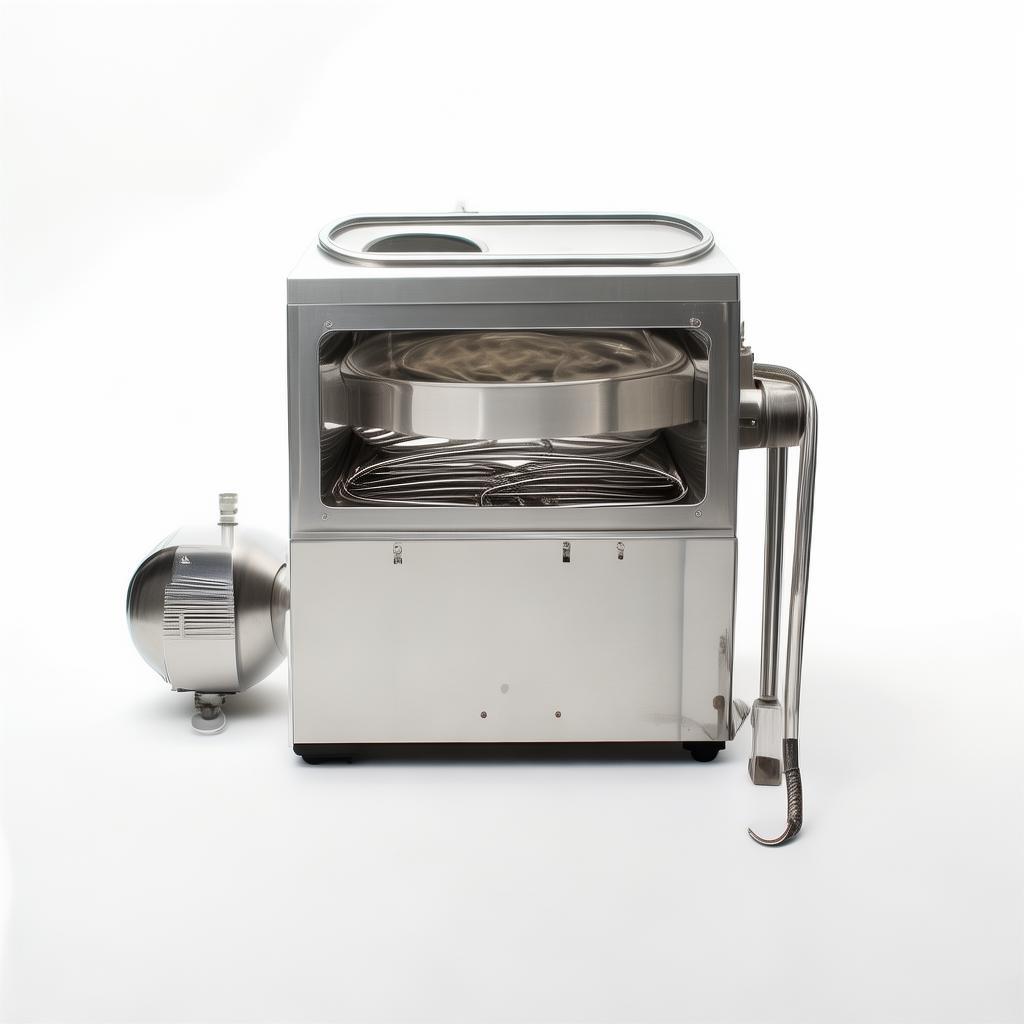
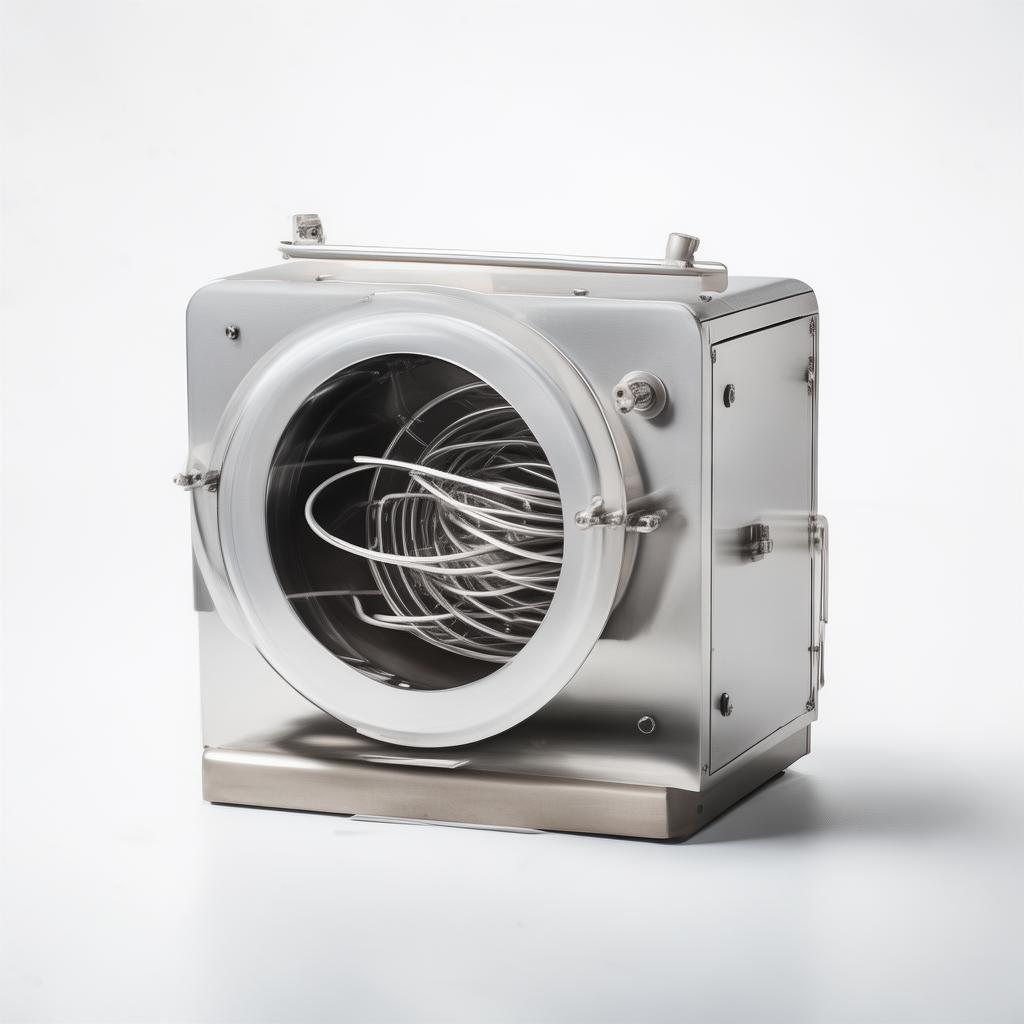
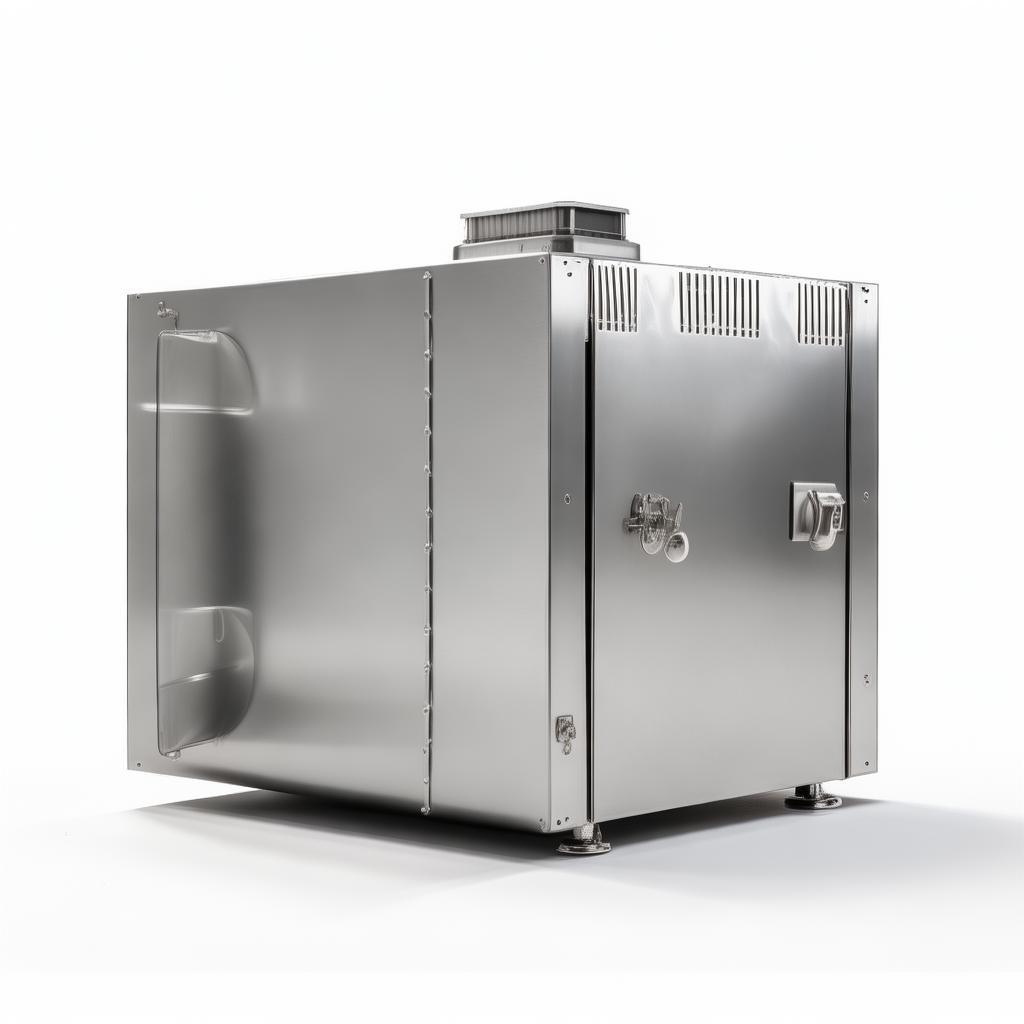
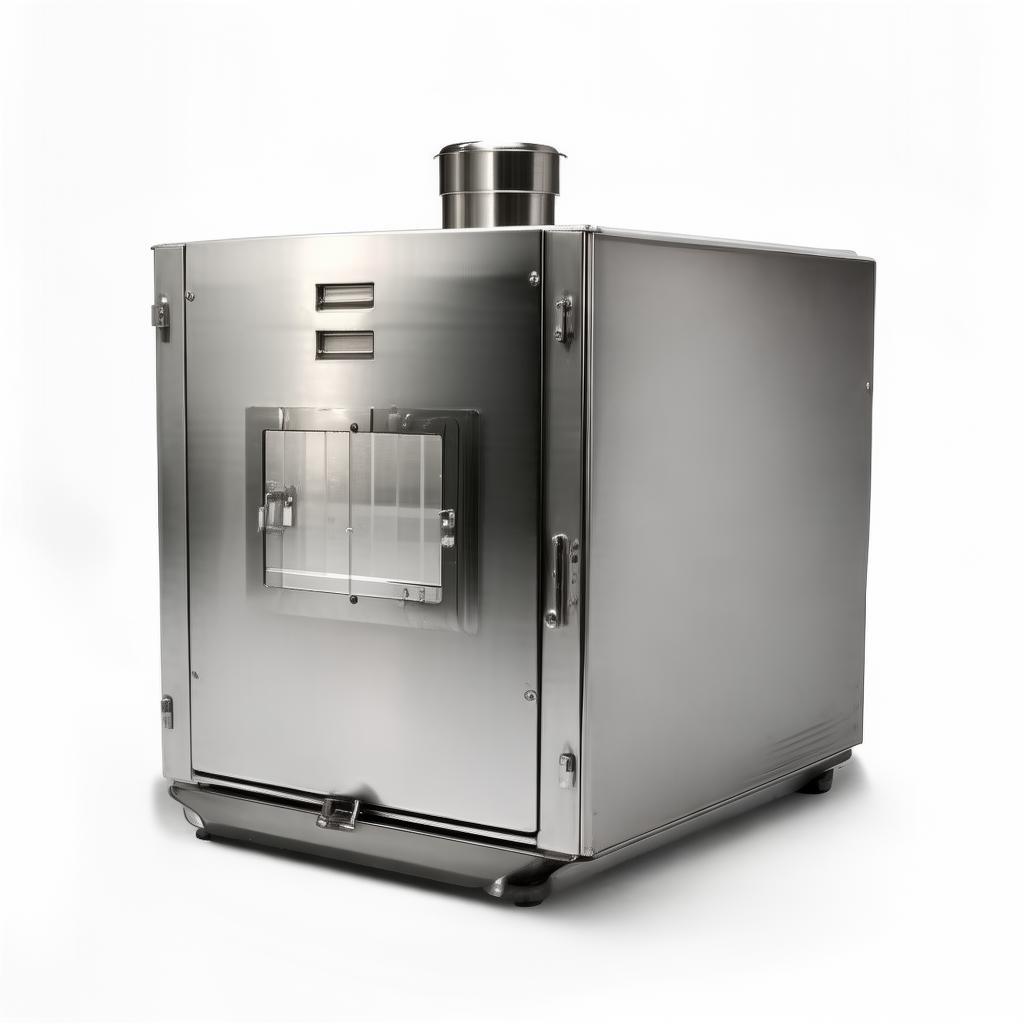
Pallets Washer
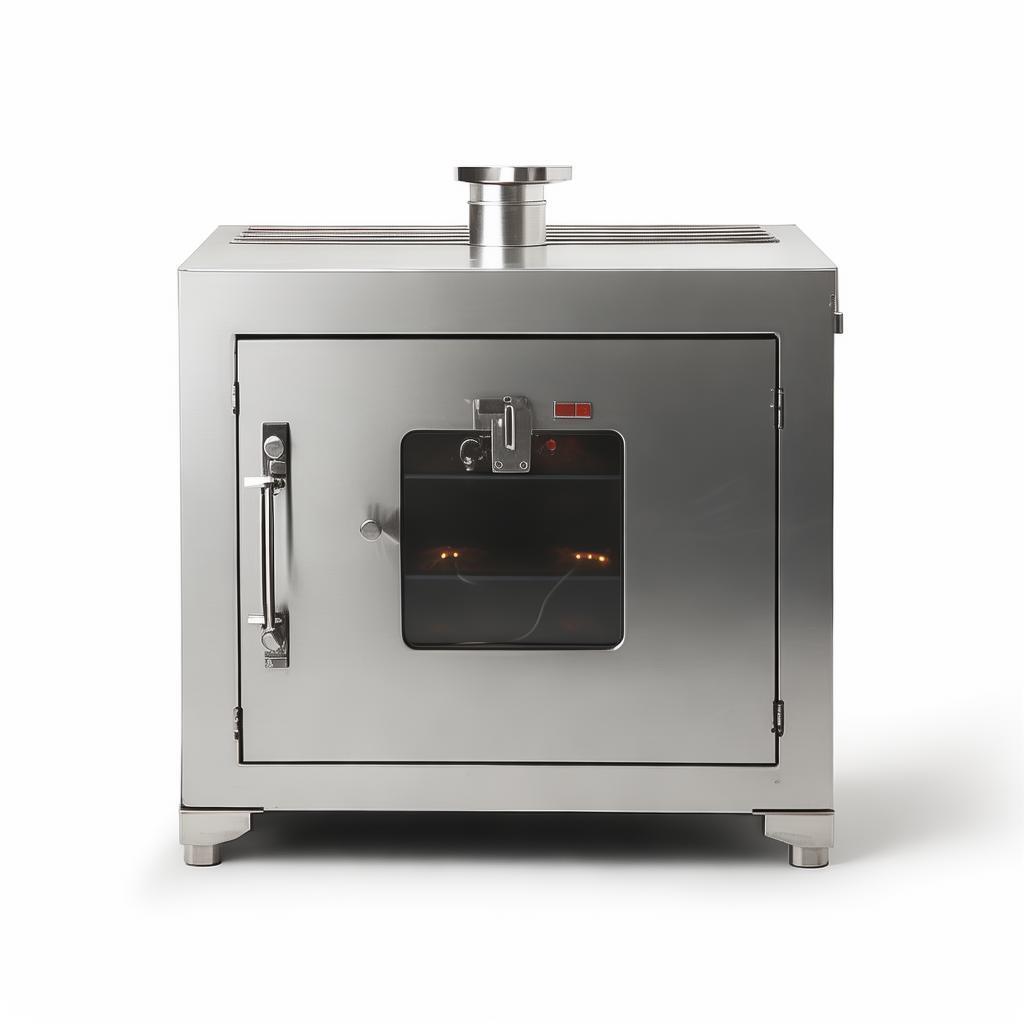
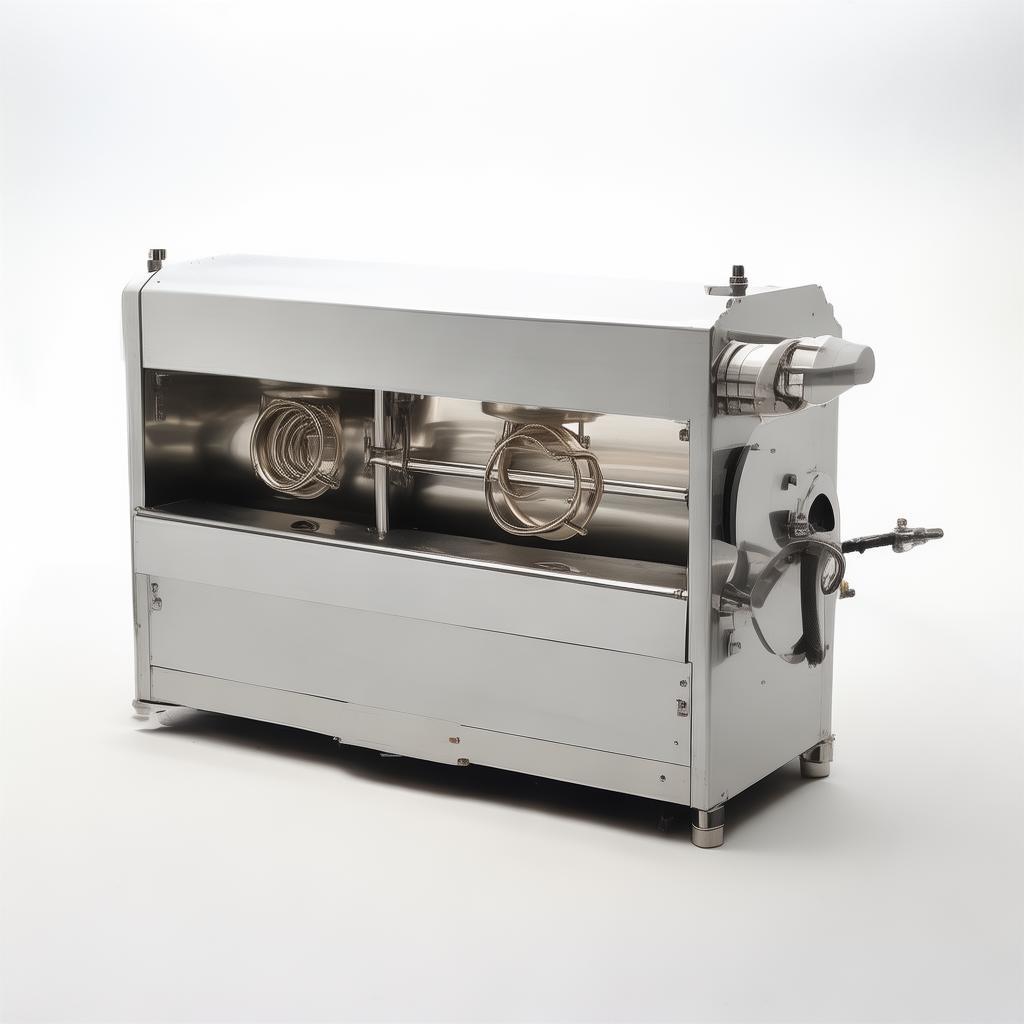
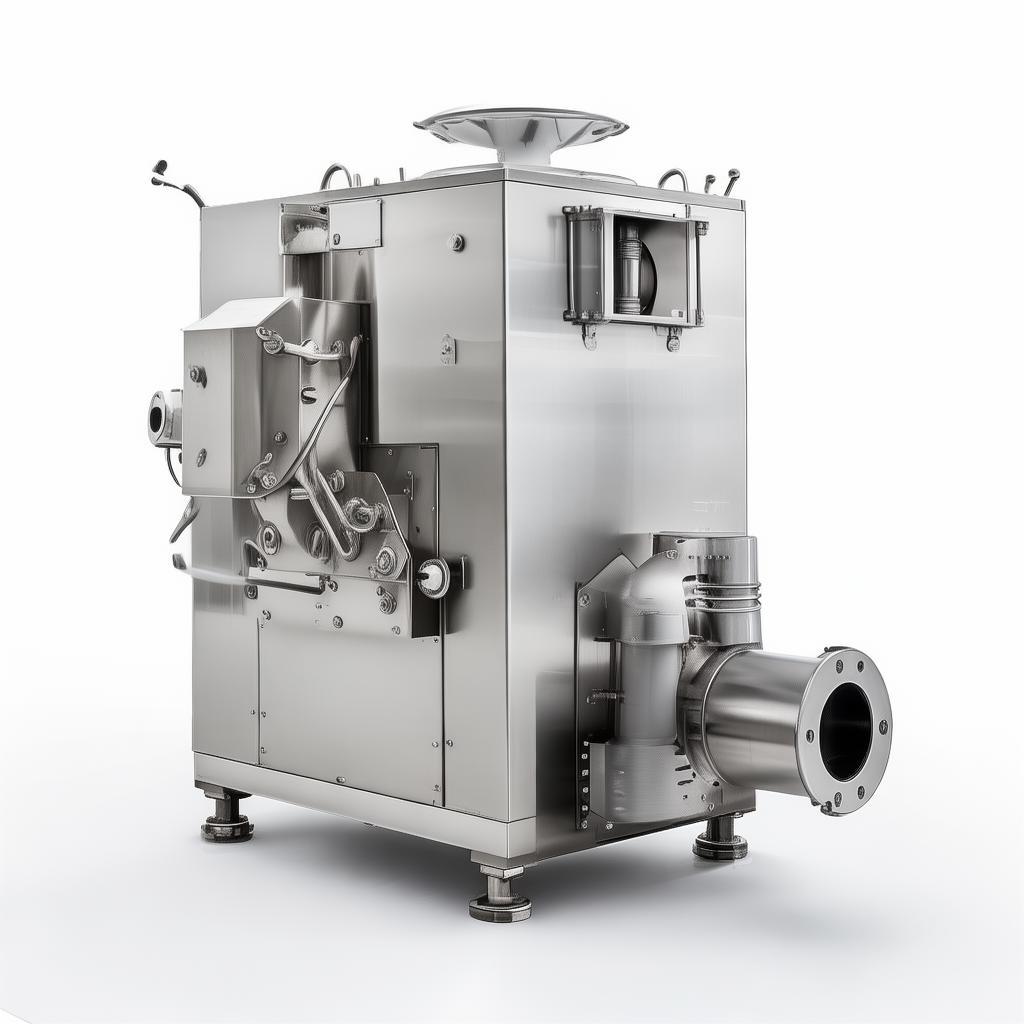
Revolutionize Your Workflow with Advanced Pallet Washers: Efficiency, Hygiene, and ROI
Streamline operations, enhance product safety, and cut costs with our industrial-grade pallet washing solutions.
Table of Contents
- Navigating Operational Bottlenecks: Why Manual Pallet Cleaning Fails
- The Industrial Pallet Washer: More Than Just Cleaning
- Under the Hood: Key Components and Technology
- Material Choices: Durability Meets Performance
- Technical Specification Overview
- Versatile Applications Across Industries
- Installation, Operation, and Long-Term Care
- Shipping and Logistics: Global Reach
- Procurement Insights: What Buyers Need to Know
- Ensuring Quality and Compliance: Our Certifications
- Why Partner with Hebei Yuanchang? Our Manufacturing Edge
- What Our Clients Say
- Frequently Asked Questions
- Ready to Upgrade? Let's Talk.
Navigating Operational Bottlenecks: Why Manual Pallet Cleaning Fails
In the fast-paced world of wholesale export and industrial manufacturing, efficiency isn't just a buzzword; it's the bedrock of profitability. Yet, a common bottleneck often overlooked is the humble pallet. Whether you're dealing with food-grade materials, sensitive chemicals, or simply ensuring the integrity of your shipments, dirty or contaminated pallets present a cascade of problems.
Think about the manual labor involved. Scrubbing pallets by hand, or relying on makeshift systems, is time-consuming, labor-intensive, and frankly, hazardous. It diverts valuable personnel from core production tasks. Beyond the sheer effort, there's the critical issue of hygiene. In industries like food processing or pharmaceuticals, cross-contamination from dirty pallets can lead to rejected batches, costly recalls, and severe damage to brand reputation. Even in general warehousing, residual dirt can compromise product quality over time.
Consider the inconsistencies. Human effort varies. A quick rinse might suffice for some, while others might get a more thorough cleaning – if they're lucky. This lack of standardization means unpredictable hygiene levels and potential compliance failures. Furthermore, manual methods rarely achieve the deep clean required for certain applications, leaving behind organic matter or chemical residues that can fester or degrade products.
Then there's the environmental aspect. Inefficient manual cleaning can lead to excessive water usage and chemical runoff. For any responsible international exporter, managing resource consumption and environmental impact is not only good practice but increasingly a regulatory and customer expectation.
From a procurement perspective, the hidden costs of poor pallet management are significant: damaged goods, lost productivity, potential fines, and the reputational hit from compromised quality. It's clear that a more robust, automated solution is not just desirable—it's essential for any operation serious about optimizing its supply chain.
The global meat processing equipment market, for instance, saw substantial growth, projected to reach USD 17.39 billion by 2034. This expansion is heavily reliant on clean and hygienic handling of materials throughout the supply chain, including pallets used for raw ingredients and finished products. Investing in proper pallet washing technology directly supports these critical downstream processes. The demand for processed and convenience meats, driving the processed meat market to projected figures of USD 1,253.77 billion by 2034, necessitates stringent hygiene standards at every stage. Dirty pallets can undermine all efforts to maintain product integrity.
Procurement Alert: Are you factoring in the true cost of manual pallet cleaning – labor, downtime, waste, and potential quality issues? An automated solution can deliver a demonstrable ROI.
The Industrial Pallet Washer: More Than Just Cleaning
Our industrial pallet washers are engineered to be the cornerstone of a cleaner, more efficient, and more compliant operation. We don't just offer a machine; we provide a comprehensive solution designed to tackle the complexities of modern B2B logistics and manufacturing.
At its core, an automated pallet washer delivers unparalleled consistency. Each pallet receives the same thorough treatment, eliminating human variability and ensuring that your hygiene standards are met every single time. This is crucial for operations dealing with regulatory bodies or aiming for certifications like ISO standards, where documented, repeatable processes are paramount.
Efficiency Gains: By automating the cleaning process, you reclaim significant labor hours. Personnel can be redeployed to higher-value tasks. The speed and throughput of our machines mean you can process a large volume of pallets during off-peak hours or quickly clean a batch before a critical shipment, minimizing downtime and keeping your operations fluid.
Superior Hygiene: Our systems utilize high-pressure water jets, often combined with precise chemical dosing (depending on the model and application), to effectively remove dirt, debris, grease, and microbial contaminants. For industries requiring the highest levels of cleanliness, such as food and beverage or pharmaceutical manufacturing, this level of deep cleaning is non-negotiable.
Cost Reduction: While the initial investment is a consideration, the long-term savings are substantial. Reduced labor costs, minimized product spoilage or rejection due to contamination, lower water and chemical consumption (compared to inefficient manual methods), and extended pallet lifespan (clean pallets degrade slower) all contribute to a strong ROI.
Environmental Responsibility: Our machines are designed with water and energy efficiency in mind. Advanced filtration and recycling systems can be integrated, significantly reducing overall water usage and ensuring that any discharged water meets environmental regulations. This aligns with growing global demands for sustainable manufacturing practices.
Versatility: Whether you're cleaning plastic, wooden, or metal pallets, our customizable solutions can be adapted. Different cleaning cycles, water temperatures, and detergent options allow for tailored cleaning to suit specific pallet materials and contaminant types.
Operational Insight: Implementing an automated pallet washer can directly contribute to achieving and maintaining certifications like HACCP or GMP, opening doors to markets with stricter quality control requirements.
Under the Hood: Key Components and Technology
Understanding the engineering behind our pallet washers reveals why they deliver such reliable performance. These are not simple sprayers; they are sophisticated industrial machines built for demanding environments.
Robust Construction: Typically fabricated from high-grade stainless steel (e.g., SS304 or SS316 for food-grade applications), our machines offer exceptional resistance to corrosion, chemicals, and the harsh conditions of an industrial washdown environment. This ensures longevity and minimal maintenance requirements.
Advanced Spraying Systems: Multiple rotating spray bars, equipped with specially designed nozzles, ensure complete 360-degree coverage of the pallet. These nozzles are strategically positioned to maximize impact and reach all surfaces, including undersides and corners, effectively dislodging stubborn debris. Pressure can be adjusted based on cleaning needs.
Heating Systems: For tougher cleaning tasks, integrated water heating systems (electric, steam, or gas) are available. Hot water significantly enhances the removal of grease, oils, and other stubborn contaminants. Temperature control is precise for optimal cleaning and energy efficiency.
Detergent/Sanitizer Dosing: Automated chemical dosing systems ensure accurate and consistent application of cleaning agents and sanitizers. This is vital for achieving reproducible hygiene results and for complying with specific industry standards. We work with clients to recommend food-grade or industrial-strength solutions.
Filtration and Water Management: Multi-stage filtration systems capture debris, preventing recirculation of contaminants and protecting pump and nozzle integrity. Many models include water recycling capabilities, drastically reducing consumption. Effective wastewater management is a key design consideration.
Conveyor Systems: Pallets are typically fed through the wash chamber via a robust, integrated conveyor system. This can be chain-driven, belt-driven, or roller-based, designed to handle the weight and movement of pallets smoothly and reliably. Variable speed drives allow for adjustment of cleaning cycle times.
Control Panel & Safety Features: User-friendly PLC control panels offer pre-programmed wash cycles and allow for customization. Essential safety features, such as emergency stop buttons, interlock systems on access doors, and overload protection for motors, are standard.
Integration Capabilities: Our machines can be integrated into existing production lines, often with custom infeed and outfeed conveyors or connections to upstream and downstream equipment for a seamless automated workflow.
Technical Note: The selection of nozzle type, spray pressure, water temperature, and chemical concentration are critical parameters. We work closely with clients to fine-tune these settings based on the specific pallet material (e.g., HDPE, wood, metal) and the types of soils encountered.
Material Choices: Durability Meets Performance
The choice of materials for both the pallets themselves and the washing equipment is critical for longevity, hygiene, and operational efficiency. While our washers are designed to handle various pallet types, understanding their properties is key.
Pallet Materials – Pros and Cons:
| Material | Advantages | Disadvantages | Washer Compatibility |
|---|---|---|---|
| Plastic (HDPE/PP) | Durable, lightweight, easy to clean, resistant to moisture, chemicals, and pests. Consistent dimensions. | Higher initial cost, can be brittle at low temperatures, static charge can attract dust. | Excellent. High-pressure, hot water, and detergents are very effective. |
| Wood (Hardwood/Softwood) | Lower initial cost, readily available, repairable. | Absorbent (can harbor bacteria/moisture), prone to damage, splinters, pest infestation. Inconsistent dimensions. | Good, but thorough drying is essential to prevent mold. May require more aggressive cleaning for embedded residues. |
| Metal (Steel/Aluminum) | Extremely durable, high load capacity, resistant to many chemicals and pests. | Heavy, higher initial cost, can corrode if not properly coated/maintained, potential for product damage. | Excellent. High-pressure and heat are highly effective. Corrosion resistance is key for pallet washer longevity. |
industrial pallet washer pallet washer machine pallet washing systems
Pallet Washer Construction Materials:
Our industrial pallet washers are primarily constructed from:
- Stainless Steel (SS304/SS316): The workhorse for our machines. SS304 offers excellent corrosion resistance for general industrial use. For applications involving acidic products, high salinity, or stringent pharmaceutical/food-grade requirements, SS316 is preferred due to its enhanced molybdenum content, providing superior protection against pitting and crevice corrosion. This is non-negotiable for hygiene-critical applications.
- High-Tensile Polymers/Reinforced Plastics: Used for specific components like spray nozzles, pump impellers, or conveyor parts where flexibility, chemical resistance, or weight reduction is beneficial.
- Industrial-Grade Seals and Gaskets: Typically made from EPDM or Viton, chosen for their resistance to heat, water, and common cleaning chemicals.
Buyer's Tip: When specifying your pallet washer, always consider the material of the pallets you intend to clean. Our engineers can advise on the optimal machine configuration and cleaning agents for specific material combinations.
Technical Specification Overview
To help you select the right pallet washer, here’s a general overview of key specifications. Note: Actual specifications vary by model. Please contact us for detailed datasheets.
| Parameter | Typical Range / Details | Notes |
|---|---|---|
| Capacity (Pallets/Hour) | 20 - 120+ | Depends on pallet size and wash cycle time. |
| Pallet Dimensions (Max) | 1200 x 1000 x 250 mm (L x W x H) | Customizable for non-standard sizes. |
| Washing Chamber Size | Variable, e.g., 2500 x 1500 x 1200 mm (L x W x H) | Sized to accommodate pallet and spray bar movement. |
| Water Pressure (Bar) | 5 - 50+ | Adjustable, higher pressure for tougher soils. |
| Water Temperature (°C) | Ambient - 85°C | Optional heating system. Crucial for grease removal. |
| Water Consumption (L/Pallet) | 1.5 - 5 (with recycling) | Highly dependent on system configuration and recycling features. |
| Power Supply | 380V/400V/415V, 50Hz/60Hz, 3-Phase | Customizable to regional standards. |
| Material of Construction | SS304 / SS316 Stainless Steel | SS316 for stringent hygiene requirements. |
| Detergent System | Automated Dosing Unit | Optional, capacity varies. |
| Rinsing Stage | Included (often separate nozzles/jets) | Ensures all detergent residue is removed. |
| Optional Features | Air Knife Drying, Water Recycling, Special Treatments (e.g., UV sterilization) | Enhance efficiency and hygiene. |
Technical Data Point: Efficient water recycling systems can reduce water consumption by up to 70-80%, leading to significant operational cost savings and a smaller environmental footprint.
Versatile Applications Across Industries
The need for clean, reusable pallets spans nearly every sector involved in physical goods handling. Our pallet washers are designed for adaptability, making them a valuable asset for a wide range of industrial applications:
- Food & Beverage Processing: Essential for maintaining strict hygiene standards. Washing pallets used for raw ingredients, packaging materials, and finished goods prevents contamination, reduces spoilage, and helps meet regulatory requirements like HACCP and FDA guidelines. Think of wineries needing clean pallets for grape transport, bakeries for flour sacks, and meat processing plants for raw meat handling. The market for meat processing equipment itself underscores the critical need for hygiene at every step. With the processed meat market projected to reach USD 1,253.77 billion by 2034, maintaining sanitation via clean pallets is paramount.
- Pharmaceutical & Chemical Manufacturing: Ensuring that pallets used for transporting raw materials or finished products do not introduce contaminants is vital. Our machines can handle demanding cleaning cycles required for GMP compliance and preventing cross-contamination of sensitive materials.
- Logistics & Warehousing: High-volume distribution centers and 3PL providers rely on clean, durable pallets. Automating pallet cleaning reduces labor, speeds up inventory turnover, and prevents dirt and debris from damaging other goods in transit or storage.
- Automotive Manufacturing: Components are often shipped on specialized pallets. Keeping these clean prevents debris from entering sensitive assembly lines or contaminating finished vehicles.
- Agriculture & Horticulture: Pallets used for transporting fruits, vegetables, or soil require thorough cleaning to remove organic matter, pesticides, and potential pathogens.
- Retail Distribution: Ensuring that products arrive at retail locations in pristine condition starts with clean handling equipment, including pallets.
- Rental Companies: Pallet rental services benefit immensely from efficient, high-throughput cleaning to ensure their inventory is always ready for deployment and meets client standards.
The broader food processing equipment market, valued at USD 11.28 billion in 2024, relies on integrated solutions where pallet hygiene is a foundational element. Similarly, the reconstituted meat market, growing rapidly, demands specialized equipment for molding and pretreatment, all of which function optimally with consistently clean handling materials.
Industry Application Insight: In the beverage industry, for example, pallets used for transporting bottles or cans must be free of sugar residue or sticky substances that can attract pests or create unsanitary conditions.
Installation, Operation, and Long-Term Care
Getting our pallet washers operational and keeping them that way is straightforward, thanks to robust design and comprehensive support.
Installation Considerations:
- Space Requirements: Machines vary in footprint, but typically require dedicated floor space for the unit itself, plus clearance for maintenance access and in/outfeed operations.
- Utilities: Ensure adequate connections for electricity (appropriate voltage and phase), hot and cold water supply, and drainage. Steam or gas heating options have their own utility needs.
- Flooring: The installation area should have a non-slip, durable, and easily cleanable floor with adequate drainage.
- Ventilation: Depending on the washing process and heating method, proper ventilation may be required.
- Integration: If connecting to existing conveyor systems or automation, consult with our engineering team early in the planning process.
Operation:
- Pre-operation Checks: Verify water levels, detergent reservoirs, and check for any obstructions.
- Cycle Selection: Choose the appropriate wash program based on pallet type and soil level via the user-friendly control panel.
- Loading: Place pallets onto the infeed conveyor or designated loading area. The machine then automates the transport through the washing, rinsing, and any optional drying stages.
- Monitoring: Basic monitoring of cycle progress and alarms is typically all that’s required during operation.
Maintenance:
Regular maintenance is key to maximizing the lifespan and performance of your pallet washer:
- Daily: Clean filters, check for obvious leaks or damage, ensure spray nozzles are clear.
- Weekly: Inspect conveyor belts/chains, check pump operation, replenish detergent/sanitizer.
- Monthly/Quarterly: Lubricate moving parts (as per manual), inspect electrical connections, perform more thorough cleaning of wash chambers and tanks.
- Annually: Consider a full service by our trained technicians, including pump servicing, seal checks, and calibration.
Operational Advice: Proper training for your operators is critical. Ensure they understand the machine's functions, safety protocols, and basic maintenance procedures to prevent downtime and ensure optimal performance.
Shipping and Logistics: Global Reach
As a company with extensive experience in international B2B trade, Hebei Yuanchang Food Mechanism & Technology Co., Ltd. understands the intricacies of global logistics. We are equipped to deliver our industrial pallet washers to clients worldwide, ensuring they arrive safely and efficiently.
Our machines are typically shipped partially disassembled for optimal container loading and reduced freight costs. They are meticulously crated and protected to withstand the rigors of international transit, whether by sea freight (most common for large industrial equipment) or air freight for urgent requirements.
We handle all necessary export documentation, including commercial invoices, packing lists, certificates of origin, and customs declarations. Our team works closely with trusted freight forwarders to secure competitive shipping rates and ensure timely delivery to your nearest port or directly to your facility, depending on the Incoterms agreed upon.
Key Logistics Considerations:
- Containerization: We optimize packing to maximize space utilization within standard 20ft or 40ft containers.
- Insurance: Cargo insurance is highly recommended and can be arranged to cover your investment during transit.
- Import Duties & Taxes: Clients are responsible for any import duties, taxes, or local handling fees applicable in their destination country. We can provide HS codes to assist with this assessment.
- Lead Times: Production lead times vary based on customization and current factory load, typically ranging from 4-8 weeks. Shipping times then depend on the destination.
Our 40 years of experience since 1986 means we have refined our export processes, ensuring a smooth transaction from order placement to final delivery. We can also provide guidance on port handling and customs clearance procedures in major international markets.
Logistics Tip: Clearly define your Incoterms (e.g., FOB, CIF, DDP) early in the negotiation process to ensure clarity on responsibilities and costs related to shipping and delivery.
Procurement Insights: What Buyers Need to Know
Sourcing industrial equipment involves more than just comparing prices. As experienced B2B suppliers, we understand the procurement decision workflow and want to equip you with the knowledge to make the best choice.
Evaluating Your Needs:
- Volume & Throughput: How many pallets do you need to clean daily/hourly? This dictates the required capacity.
- Pallet Type: Material (plastic, wood, metal), size, and condition of your pallets.
- Contaminant Type: What are you cleaning off? Food residue, grease, chemicals, general dirt? This influences cleaning power and chemical use.
- Hygiene Standards: Are you aiming for general cleanliness or meeting specific industry regulations (e.g., food-grade, pharmaceutical)?
- Utilities: What are your existing site capabilities for water, power, and drainage?
Supplier Evaluation Criteria:
- Experience & Reputation: Look for suppliers with a proven track record in industrial equipment manufacturing and international export. 40 years in business (since 1986) is a strong indicator.
- Technical Expertise: Can they offer engineering support and customization? Do they understand your specific application challenges?
- Manufacturing Capabilities: In-house machining, quality control processes, and certifications (e.g., ISO) are vital.
- After-Sales Support: Availability of spare parts, technical assistance, and warranty terms. A traceable after-sales management system provides peace of mind.
- Price vs. Value: Don't just look at the sticker price. Consider the total cost of ownership, including operational efficiency, maintenance, and lifespan.
The global meat processing equipment market, with segments like filling & stuffing and massaging equipment experiencing strong growth, highlights the demand for specialized, reliable machinery. Buyers in this space prioritize hygiene, efficiency, and compliance. Similarly, the processed meat market's expansion fuels the need for robust auxiliary systems, including effective pallet cleaning solutions.
Procurement Risk Mitigation: Always request detailed technical drawings, material certifications, and references from previous clients in similar industries. Verify supplier accreditations and export capabilities.
Ensuring Quality and Compliance: Our Certifications
At Hebei Yuanchang, quality and compliance are not afterthoughts; they are built into our manufacturing processes. We adhere to international standards to ensure our equipment is reliable, safe, and meets the expectations of global buyers.

ISO 9001: Demonstrates our commitment to robust quality management systems, ensuring consistent product quality and customer satisfaction.
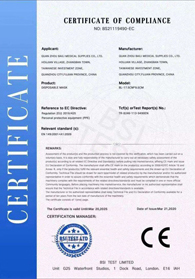
CE Marking: Indicates that our machinery complies with health, safety, and environmental protection standards for products sold within the European Economic Area (EEA).
RoHS Compliance: Relevant for electrical components, ensuring restricted hazardous substances are not present above specified limits.

FDA Compliance: For machines intended for food contact applications, we utilize materials and designs that meet FDA standards for safety and hygiene.
While specific certifications are tied to individual machine models and intended markets, our general manufacturing and quality control processes are guided by these principles. We are equipped to pursue additional certifications or specific material compliance (like NSF for food-grade applications) as required by client projects.
Trust Factor: Compliance isn't just about a label; it's about ensuring safety, reliability, and market access. Our adherence to these standards provides confidence to our international partners.
Why Partner with Hebei Yuanchang? Our Manufacturing Edge
Our strength lies not just in the products we deliver, but in the foundation of our manufacturing prowess. With over 40 years of experience since 1986, Hebei Yuanchang Food Mechanism & Technology Co., Ltd. has cultivated a deep understanding of industrial machinery, driven by a commitment to quality and precision.
Extensive Facility & Skilled Workforce: Operating from a facility spanning approximately 14,000 square meters, our team of 80-100 dedicated employees integrates R&D, production, and sales. This comprehensive in-house capability allows us to control every aspect of the manufacturing process.
Advanced Machining Capabilities: Our in-house machining workshop is the backbone of our precision manufacturing. It’s equipped with over 20 sets of advanced processing machinery, including lathes, milling machines, high-precision grinding machines, boring machines, plate shears, bending machines, and wire cutting equipment. This ensures we can produce components to exact specifications.
Japanese CNC Technology: A significant investment in 2012 saw the introduction of 8 sets of Japanese Mazak CNC machining centers. This capability is a game-changer, allowing us to undertake the production of high-standard components that demand large volumes, extremely high precision, and non-standard specifications. This is crucial for meeting OEM/ODM requirements and ensuring the tight tolerances needed for reliable industrial equipment.
Independent Component Production: By mastering the production of high-precision parts in-house, we significantly reduce reliance on external suppliers. This translates to better quality control, shorter lead times, and greater flexibility in accommodating custom orders. It also forms the basis of our traceable after-sales management system, ensuring we can always supply the correct, high-precision parts for your machine.
Focus on Complete Lines: While we offer specialized machines like pallet washers, our expertise extends to complete production lines, particularly in meat processing. This holistic view of industrial processes informs our approach to designing and building individual components that integrate seamlessly and contribute to overall operational efficiency.
Manufacturing Philosophy: Our commitment to owning and mastering critical manufacturing processes, including advanced CNC machining, ensures that every piece of equipment leaving our facility embodies the quality and reliability our international clients expect.
What Our Clients Say
"We were struggling with manual pallet cleaning at our distribution hub. The time and labor costs were mounting. Investing in Yuanchang's pallet washer was a turning point. It's incredibly efficient, and the hygiene levels are now consistently high, which is critical for our food-grade clients. The installation was smooth, and their support team has been responsive."

Operations Manager, AgriLogistics Inc. (USA)
"Our pharmaceutical packaging facility demands absolute cleanliness. Manual pallet washing was a constant headache, prone to human error. The automated pallet washer from Hebei Yuanchang has exceeded our expectations. It handles our plastic pallets perfectly, removing all residues. The stainless steel construction gives us confidence in its durability and hygienic properties for the long term."

Procurement Director, PharmaPack Solutions (Canada)
"As an exporter of processed meats, maintaining food safety standards is paramount. We needed a reliable way to clean our wooden pallets between batches. Yuanchang's team helped us select a model that effectively cleans and dries our pallets, preventing moisture issues. The efficiency gains have been significant, allowing us to increase our processing throughput without compromising hygiene."

Plant Manager, Premium Meat Processors (Mexico)
Frequently Asked Questions
1. What types of pallets can your machines clean?
Our industrial pallet washers are designed to handle a wide range of pallet materials, including plastic (HDPE, PP), wood, and metal. We offer different configurations and spray pressures to effectively clean various types and sizes. Please consult our sales team with your specific pallet details for the best recommendation.
2. How much water and energy does a pallet washer consume?
Water consumption varies by model and cycle, but our machines with optional water recycling systems can significantly reduce usage, often by over 70%. Energy consumption depends on the heating system, pump size, and conveyor speed. We design for efficiency, and detailed specifications for each model are available.
3. Can I use my own cleaning agents?
Yes, most of our systems allow for the use of approved industrial detergents and sanitizers. Our automated dosing systems ensure precise application. We can advise on suitable cleaning agents based on your specific needs and pallet materials, recommending food-grade options where necessary.
4. What is the typical lead time for a pallet washer?
Production lead times typically range from 4 to 8 weeks, depending on the complexity of the machine, any customizations required, and our current production schedule. Shipping times are additional and vary based on the destination.
5. Do you offer OEM/ODM services?
Absolutely. We have extensive experience in OEM (Original Equipment Manufacturer) and ODM (Original Design Manufacturer) projects. Our advanced CNC machining capabilities and engineering team allow us to develop and manufacture custom solutions tailored to specific client requirements, including unique pallet washer designs or integration into broader OEM equipment lines.
6. What kind of after-sales support do you provide?
We offer comprehensive after-sales support, including a traceable management system for spare parts, remote diagnostics (where applicable), and technical assistance. We can also arrange for on-site commissioning and training for your personnel.
Ready to Enhance Your Operational Efficiency?
Discover how our industrial pallet washers can transform your cleaning processes, improve hygiene, and boost your bottom line. Let our experts guide you to the perfect solution.
Hebei Yuanchang Food Mechanism & Technology Co., Ltd. | Shijiazhuang, Hebei Province, China
Need a detailed quote or specific product information?
Request a Custom Quote