Pallet Elevator Cost
Pallet Elevator Cost: A Strategic Investment for Efficient Material Handling
Understanding the Investment Factors for Optimal Workflow Integration

By: [Author Name - e.g., David Chen]
Senior Industrial Solutions Engineer | Hebei Yuanchang Food Mechanism & Technology Co., Ltd.
40 Years of Manufacturing Expertise
Navigating the Realities of Pallet Elevator Investment
When procurement teams and operations managers start investigating the pallet elevator cost, they're often looking beyond just the sticker price. It's about a comprehensive understanding of how this essential piece of material handling equipment integrates into existing workflows, impacts operational efficiency, and ultimately contributes to the bottom line. In industries ranging from food processing and pharmaceuticals to warehousing and logistics, the ability to safely and effectively move pallets between different levels or workstations is critical. A well-chosen pallet elevator isn't just a lift; it's a linchpin for smoother operations, reduced manual labor, and enhanced safety protocols.
The global meat processing equipment market, for instance, is projected to reach USD 17.39 billion by 2034, growing at a CAGR of 5.0%. This expansion fuels the demand for sophisticated handling solutions like pallet elevators that support hygiene, automation, and efficiency in these demanding environments. 【Meat Processing Equipment Market Size, Share & Industry Analysis - https://www.fortunebusinessinsights.com/meat-processing-equipment-market-115455 - Key segments include filling & stuffing equipment, massaging & tumbling (for ripening/tenderizing), cutting, grinding, and smoking machines. Growth is driven by rising demand for processed meat, automation adoption for hygiene and labor efficiency, strict food safety standards, and strong expansion in Asia-Pacific.】 Similarly, the broader food and beverage processing machinery market is expected to reach USD 109.61 billion by 2035. These figures highlight a sector where reliable, efficient material handling is not a luxury but a necessity. Understanding the cost of a pallet elevator needs to be framed within this larger context of industrial productivity and market growth.
A common pitfall is focusing solely on the initial purchase price, neglecting crucial factors like installation, maintenance, energy consumption, and the potential productivity gains. This can lead to selecting a system that, while cheaper upfront, incurs higher operational expenses or fails to meet specific workflow demands. Our objective here is to demystify the pallet elevator cost by breaking down the various components that influence pricing and discussing how to align your investment with your operational requirements. We'll explore different types of pallet elevators, their applications, and the critical considerations that inform a wise purchasing decision. For businesses in international trade, especially those dealing with wholesale export or operating as OEM/ODM factories, understanding these nuances is paramount for maximizing ROI and ensuring supply chain robustness.
Consider the workflow of a typical food processing plant. Pallets of raw ingredients arrive, need to be moved to preparation areas, and then finished goods must be transported for packaging and shipping. Each step involves potential bottlenecks. A poorly designed or inadequate pallet lifting system can lead to delays, increased risk of product damage, and strain on personnel. This is where specialized equipment like pallet elevators prove their worth. They are designed for specific load capacities, heights, and operational environments, often requiring robust construction to withstand demanding conditions, whether it's washdown requirements in food production or the rigorous use in a busy warehouse.
The decision-making process for procurement managers is complex. They need to balance budget constraints with the long-term operational benefits. Factors such as lead times, customization options, integration with existing conveyor systems, and the supplier's ability to provide ongoing support all play a role. When evaluating pallet elevator cost, think about it as an investment in efficiency, safety, and reliability. This article aims to equip you with the knowledge to make an informed choice that best serves your company's needs, aligning with our expertise in industrial manufacturing and wholesale export.
With over 40 years of experience at Hebei Yuanchang Food Mechanism & Technology Co., Ltd., we've seen firsthand how the right equipment can transform operations. We understand the challenges faced by businesses looking to optimize their material handling processes. Our goal is to provide clarity on the factors that influence pallet elevator pricing, helping you secure a solution that not only fits your budget but also enhances your operational capabilities and contributes to sustained business growth. We'll delve into specifics, providing practical insights rather than generic marketing claims.
Key Cost Drivers for Pallet Elevators
The total pallet elevator cost is an aggregation of several critical factors. Understanding these will help you request accurate quotes and make a well-informed decision. It's not just about the unit itself; it's the entire lifecycle of acquisition and operation.
-
Type of Pallet Elevator:
- Vertical Reciprocating Conveyors (VRCs): Often the most common type for general-purpose pallet lifting. Costs vary based on lifting height, capacity, and complexity of the system (e.g., single-stage vs. multi-stage). These are robust and widely used.
- Scissor Lift Tables: Versatile for raising and lowering pallets to ergonomic working heights or bridging small vertical gaps. Their cost is influenced by the maximum lift height, load capacity, and whether they are stationary or mobile.
- Pallet Stackers/Lifters: Often more manual or semi-automated, these are typically for smaller operations or specific tasks like stacking pallets in a racking system. Their cost is generally lower but with more limited functionality.
- Automated Pallet Elevators: Integrated into fully automated systems, these are the most complex and expensive, involving advanced controls, integration with AGVs or other automation.
- Load Capacity: The maximum weight a pallet elevator is designed to lift directly impacts its structural integrity and component specifications (e.g., motor size, frame strength, hydraulics/pneumatics). Higher capacity naturally leads to higher costs due to the need for more robust engineering and materials.
- Lifting Height & Travel Distance: The greater the vertical distance the elevator needs to cover, the more complex the structure, guide mechanisms, and safety features become. This translates directly into increased material and engineering costs.
- Automation & Control Systems: Basic up/down controls are standard. However, advanced features like PLC integration, automatic pallet sensing, integration with sorters, variable speed drives, or custom safety interlocks add significant cost but also boost efficiency and safety.
- Material and Build Quality: Industrial-grade steel construction, stainless steel for washdown environments, or specialized coatings for corrosive atmospheres will affect the price. Higher quality materials and superior welding/fabrication techniques ensure durability and longevity, often justifying a higher initial investment.
- Customization & Special Features: Standard models are cost-effective. However, if your operation requires specific platform dimensions, specialized guarding, integrated weighing systems, or unique integration points with your production line, these custom modifications will increase the pallet elevator cost.
- Safety Features: Compliance with industry standards (like ANSI or European directives) necessitates robust safety measures. This includes interlocks, emergency stops, load sensors, guardrails, and safety chains. While essential, these add to the overall price.
- Brand & Manufacturer Reputation: Established manufacturers with a proven track record, strong warranty support, and adherence to quality certifications (e.g., ISO) often command higher prices than lesser-known brands. This reputation is built on reliability and customer satisfaction.
Installation, Logistics, and Ongoing Costs
The initial purchase price is just one part of the equation. For effective integration and long-term value, consider these additional cost components:
| Cost Component | Considerations |
|---|---|
| Installation | Requires skilled technicians. Site preparation (foundation, power) is crucial. Integration with existing systems (conveyors, controls) can add complexity and labor. Cost varies significantly based on site complexity and labor rates. |
| Shipping & Logistics | Freight costs depend on size, weight, destination, and shipping method (e.g., LCL, FCL for international). Customs duties and import taxes for international orders must be factored in. |
| Maintenance | Regular lubrication, inspection of chains/cables, hydraulic fluid checks, and electrical component servicing. Scheduled maintenance prevents costly breakdowns and extends equipment life. Spare parts availability is also a factor. |
| Energy Consumption | Motor efficiency and usage patterns dictate electricity costs. Modern, energy-efficient motors can offer long-term savings, especially with frequent operation. |
| Training | Operators and maintenance staff may require training on safe operation and basic upkeep, especially for more complex automated systems. |
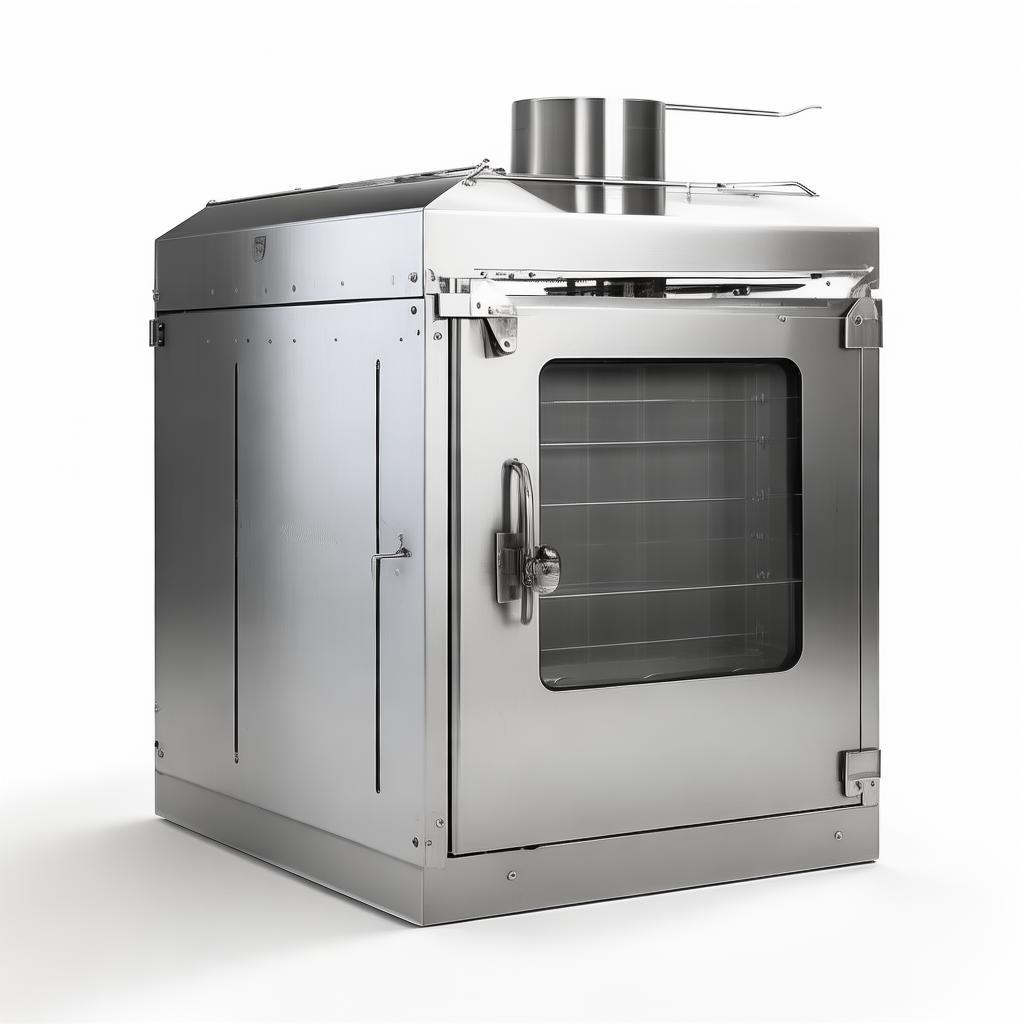
pallet elevator lift Elevator elevator pulley
When evaluating pallet elevator cost, it's imperative to request a detailed breakdown that includes all these potential charges. A supplier who is transparent about these aspects is generally a more reliable partner.
Comparing Pallet Elevator Types for Your Application
The "best" pallet elevator for your needs depends entirely on your specific operational context. Here’s a look at common types and their typical cost implications:
Vertical Reciprocating Conveyors (VRCs)
Ideal for moving pallets between different floor levels in multi-story facilities, warehouses, and manufacturing plants. They offer good throughput and can be integrated with other conveyor systems.
Typical Use: Inter-floor pallet transport.
Cost Range: Moderate to High, depending on capacity, height, and speed.
Key Benefits: High capacity, efficient for bulk transport.
Scissor Lift Tables
Excellent for ergonomic lifting, bridging small vertical gaps, or serving as loading/unloading stations. They are highly versatile and can be customized for specific platform sizes.
Typical Use: Workstation height adjustment, small elevation changes.
Cost Range: Low to Moderate, depending on size and lift height.
Key Benefits: Versatility, ergonomic benefits, compact footprint when lowered.

Pallet Stackers/Lifters
Often used for manual or semi-automated pallet stacking and unstacking within a confined area, or for precise placement into racking. More common in smaller operations or for specialized tasks.
Typical Use: Pallet stacking, placement in racking.
Cost Range: Low, especially for manual versions.
Key Benefits: Cost-effective for simple stacking needs.
Industry Applications & ROI Considerations
The pallet elevator cost is justified by its contribution to operational efficiency and safety across numerous sectors. For example, the meat processing equipment market is anticipated to grow significantly, driven by automation for hygiene and labor efficiency.
Food & Beverage Processing: Essential for moving raw materials, intermediate products, and finished goods between processing stages, packaging, and dispatch. Washdown capabilities and stainless steel construction are often required, impacting cost but ensuring compliance with stringent hygiene standards. The demand for processed meat, valued at USD 750.58 billion in 2026 and projected to reach USD 1,253.77 billion by 2034, underscores the need for efficient material handling in this sector. 【Processed Meat Market Size, Share & Growth Report - https://www.fortunebusinessinsights.com/industry-reports/processed-meat-market-100556】
Warehousing & Logistics: Critical for vertical storage and retrieval, connecting loading docks with storage areas, and moving goods between different facility levels. High throughput and reliability are key, influencing the choice and cost of VRCs.
Manufacturing (OEM/ODM): Moving components, sub-assemblies, and finished products between production lines, quality control stations, and dispatch. Integration with automated manufacturing lines often requires custom solutions.
Pharmaceuticals & Chemicals: Strict safety, containment, and material handling protocols are paramount. Elevators may need specialized explosion-proof features or materials resistant to chemical corrosion. Understanding these requirements is vital when discussing pallet elevator cost.
Return on Investment (ROI):
- Labor Savings: Reduced manual lifting and transport, freeing up personnel for higher-value tasks.
- Increased Throughput: Faster, more reliable movement of materials streamlines production and fulfillment.
- Reduced Product Damage: Minimizes risks associated with manual handling and falls.
- Enhanced Safety: Significantly lowers the risk of workplace injuries related to lifting and transport.
- Space Optimization: Efficient vertical movement can improve storage density.
When calculating ROI, look beyond direct savings to include risk reduction and productivity enhancements.
Expert Insights: Choosing the Right Supplier
Selecting a reliable supplier is as critical as choosing the right equipment. For international buyers, this is even more important. Here are some points to consider when evaluating pallet elevator cost and suppliers:
Demonstrate Experience
Look for manufacturers with a long history in industrial equipment, particularly those specializing in material handling solutions. Our 40 years of experience at Hebei Yuanchang means we've encountered and solved a vast array of operational challenges. This depth of practical knowledge is invaluable.
Technical Expertise
Can the supplier clearly explain the technical specifications, safety features, and integration capabilities? Do they offer engineering support to tailor solutions? For instance, understanding the nuances of motor power, hydraulic systems, and control logic is key to specifying the correct elevator for a specific task.
Manufacturing Capabilities
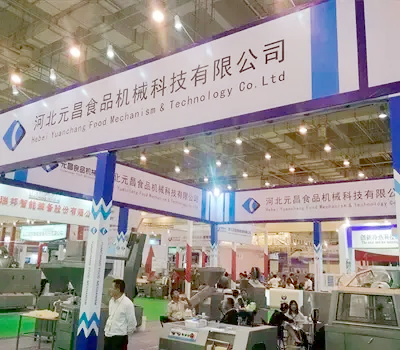
A strong in-house machining workshop with advanced CNC capabilities, like our Japanese Mazak centers, allows for the production of high-precision components and custom parts. This ensures quality control and reduces reliance on external suppliers, leading to more reliable equipment and shorter lead times.
Certifications and Compliance
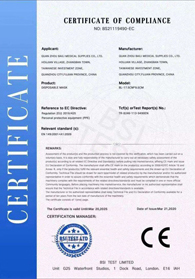
Ensure the manufacturer adheres to international quality and safety standards. Certifications like ISO 9001 demonstrate a commitment to quality management. For relevant markets, CE marking (Europe) or adherence to ANSI standards (USA) are often non-negotiable. We maintain rigorous quality control processes to meet these demands.

After-Sales Support & Logistics
A traceable after-sales management system is vital. This includes readily available spare parts, technical assistance, and support for international shipping. Our export experience ensures smooth handling of customs, documentation, and container loading for global clients.
Understanding the "Fit For Now" Aspect in Pallet Elevator Selection
In today's rapidly evolving industrial landscape, "Fit For Now" (and looking towards 2026 and beyond) means selecting equipment that not only meets current demands but also offers flexibility for future growth and technological integration. A pallet elevator is a significant capital investment, and its lifespan should extend well beyond the immediate operational needs.
Consider these future-proofing aspects when evaluating pallet elevator cost:
- Scalability: Can the system be easily upgraded or modified if your throughput needs increase or your product mix changes?
- Automation Readiness: Does the elevator's control system allow for future integration with advanced automation technologies, such as IoT sensors, AI-driven logistics, or robotic systems?
- Modularity: Are key components standardized and easily replaceable, facilitating maintenance and potential upgrades without requiring a complete system overhaul?
- Energy Efficiency: Investing in energy-efficient models now can lead to substantial savings in operating costs over the equipment's lifetime, especially as energy prices fluctuate.
- Adaptability to New Standards: Will the elevator comply with evolving safety regulations or material handling best practices anticipated in the coming years?
Choosing a partner like Hebei Yuanchang, with a strong R&D focus and a commitment to continuous improvement, ensures that the equipment you purchase today remains a viable, efficient solution for years to come. Our 80-100 employees are dedicated to innovating and refining our product lines to meet the dynamic demands of global industries.
Frequently Asked Questions (FAQs) About Pallet Elevators
Q1: What is the typical lifespan of a pallet elevator?
With proper installation, regular maintenance, and adherence to operating guidelines, industrial-grade pallet elevators can have a lifespan of 15-20 years or even longer. Quality of construction and the operating environment play significant roles.
Q2: Are pallet elevators complex to operate?
Basic operation is typically straightforward, often involving simple push-button controls. More complex automated systems may require specific training, but manufacturers aim for user-friendly interfaces. Our goal is to make integration seamless.
Q3: What are the main safety concerns with pallet elevators?
Key safety concerns include proper load management, ensuring the area around the elevator is clear, adherence to lockout/tagout procedures during maintenance, and the presence of all safety interlocks and guarding. Reputable manufacturers build safety into the design from the ground up.
Q4: Can a pallet elevator be customized for my specific facility layout?
Absolutely. Customization is often a key offering. Manufacturers can adjust platform size, lift height, speed, and integrate special features to match your unique operational requirements. This is a core strength for OEM/ODM partners.
Q5: How do I get an accurate quote for a pallet elevator?
Provide detailed specifications: required load capacity, maximum lift height, platform dimensions, desired speed, operating environment (e.g., washdown, ambient temperature), and any integration needs. A direct consultation with a supplier's sales or engineering team is highly recommended.
Real-World Feedback: What Our Clients Say
"We were struggling with manual pallet transfers between our curing and packaging areas. The custom scissor lift table from Yuanchang has been a game-changer. Reduced strain on staff and significantly sped up our lines. The consultation process was thorough, and they understood our specific needs for a food-grade environment."

Operations Manager, "Artisan Meats Co."
"Integrating a pallet elevator into our multi-story distribution center was a complex project. Hebei Yuanchang's team provided expert guidance from design to installation. Their VRC solution handles our pallet volumes efficiently and has improved our inventory management. The after-sales support has been responsive."

Logistics Director, "Global Warehousing Solutions"
"As an OEM supplier, we needed a robust and reliable pallet elevator for our production line. Yuanchang delivered a highly customized unit that perfectly interfaces with our automated filling machines. The build quality is excellent, and the precision ensures minimal product handling issues. Highly recommend their engineering capabilities."

Production Engineer, "Precision Food Tech"
Ready to Optimize Your Material Handling?
Understanding the true pallet elevator cost involves more than just the price tag. It's about a strategic investment in efficiency, safety, and long-term operational success. Let our 40 years of manufacturing experience and technical expertise guide you to the right solution.
Or talk to an engineer: +86 15830991513