Industrial Elevator Lift
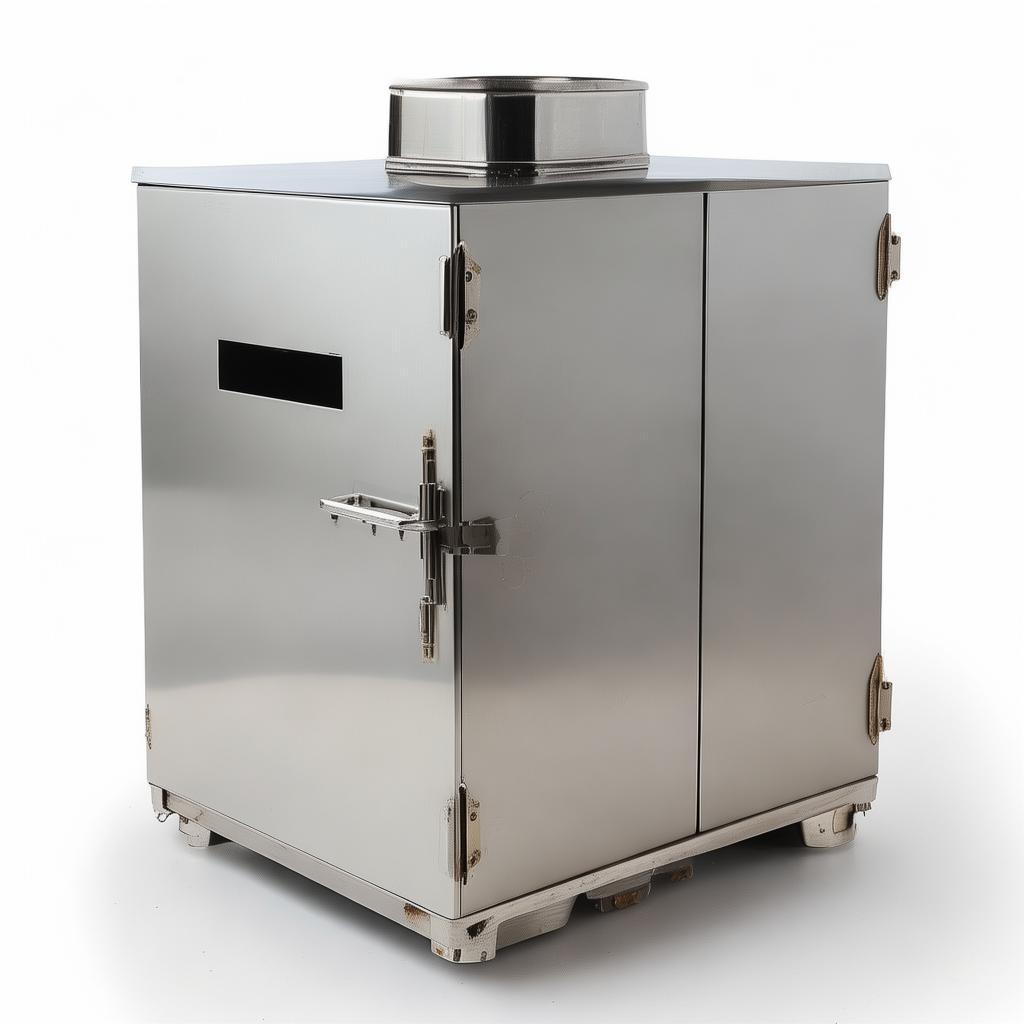
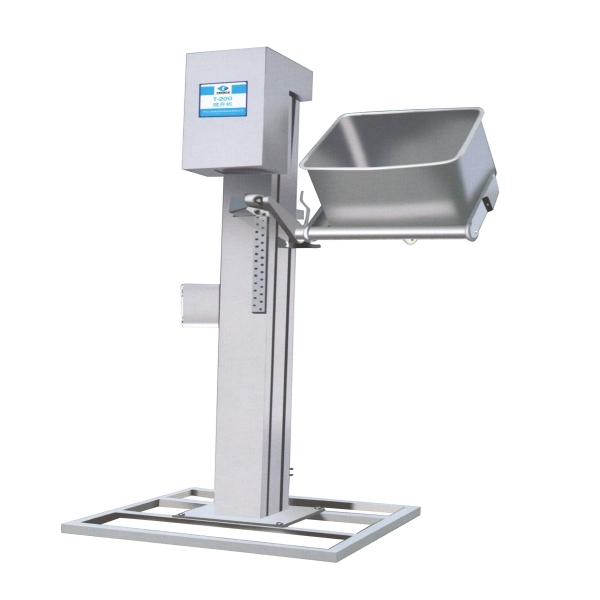
Industrial Elevator Lifts: Enhancing Throughput and Safety in Demanding Environments
 Johnathan Reed, Senior Export Manager
Navigating the Critical Role of Industrial Elevator Lifts in Modern Manufacturing
In the high-stakes world of industrial operations, moving materials efficiently, safely, and reliably isn't just a convenience; it's a fundamental requirement for maintaining productivity, minimizing downtime, and ensuring workplace safety. This is precisely where robust industrial elevator lifts come into play. These aren't your typical passenger elevators; they are heavy-duty workhorses engineered to withstand rigorous use, harsh conditions, and substantial loads, facilitating vertical transport of goods, equipment, and sometimes even personnel in environments ranging from sprawling manufacturing plants and busy warehouses to specialized processing facilities and high-rise construction sites. The demand for such solutions is intrinsically linked to the growth of industries that rely on continuous material flow. For instance, the global meat processing equipment market, a sector that heavily utilizes specialized lifting and material handling systems, was valued at approximately $11.29 billion in 2025 and is projected to reach $17.39 billion by 2034, growing at a compound annual growth rate (CAGR) of around 5.0%. This expansion is directly correlated with the need for reliable internal logistics, highlighting the importance of integrated lifting solutions.
Consider the complexities within a large-scale food processing plant. Raw materials need to be moved from receiving docks to processing lines, intermediate goods from one stage to the next, and finished products to packaging and shipping areas. Throughout these processes, hygiene, temperature control, and the prevention of cross-contamination are paramount. An industrial elevator lift, when correctly specified and maintained, becomes a critical component of this workflow. It can transport entire batches of product – perhaps in specialized trolleys or containers – between different levels of the facility, drastically reducing manual handling. Manual handling is not only labor-intensive and prone to errors but also a significant contributor to workplace injuries. By automating this vertical movement, companies can see tangible improvements in operational speed and, more importantly, in the well-being of their workforce. This isn't just about moving things up and down; it's about optimizing a plant's internal logistics chain, ensuring that bottlenecks are minimized and that products are processed and moved with the utmost care and efficiency.
Furthermore, the operational landscape for industrial elevator lifts is constantly evolving. As industries embrace automation and smart factory concepts, these lifts are increasingly being integrated with advanced control systems. This integration allows for predictive maintenance, optimized dispatching based on real-time demand, and seamless communication with other automated systems within the facility, such as conveyor belts or automated guided vehicles (AGVs). The ability to precisely schedule the movement of goods can prevent costly disruptions. Imagine a scenario where a critical raw material delivery is delayed; an intelligent elevator system can reroute other available resources or alert supervisors to potential downstream impacts, allowing for proactive management. The rise of e-commerce and the demand for faster order fulfillment also place immense pressure on warehouse operations, making efficient vertical transport indispensable.
From a procurement perspective, selecting the right industrial elevator lift involves a deep understanding of operational requirements, safety regulations, and long-term cost of ownership. It's not merely about identifying the cheapest option; it's about investing in a solution that offers durability, reliability, and compliance with stringent industry standards. Factors like load capacity, travel height, speed, platform size, door configurations, and environmental resilience (e.g., resistance to moisture, dust, or corrosive substances) must be carefully evaluated. The choice of manufacturer also plays a critical role. Partnering with a supplier that possesses a proven track record, offers comprehensive technical support, and can provide certifications like ISO or CE markings instills confidence. For businesses looking to export their own products, the efficiency of their internal logistics, including material handling via lifts, can also impact their overall competitiveness and ability to meet international delivery schedules.
This page delves into the multifaceted world of industrial elevator lifts, exploring their design, applications, technical considerations, and the critical role they play in enhancing operational efficiency and safety across a diverse range of industries. We'll touch upon the practical aspects of selection, installation, and maintenance, drawing on our experience as a supplier with extensive knowledge of industrial material handling solutions. Our aim is to equip purchasing managers, operations directors, and technical engineers with the insights needed to make informed decisions for their vertical transportation needs, ensuring that their facilities operate at peak performance.
Where Industrial Elevator Lifts Make the Difference: Key Applications
The versatility of industrial elevator lifts means they are indispensable across numerous sectors. Understanding these applications helps pinpoint the specific features and capabilities required for optimal performance.
- Manufacturing & Assembly: Moving components, sub-assemblies, finished goods, and tooling between different production floors, mezzanines, or storage areas. This is crucial for maintaining continuous production flow and preventing manual strain.
- Warehousing & Distribution: Facilitating the vertical movement of palletized goods, individual items, or order pickers within multi-level storage facilities. Efficiency here directly impacts order fulfillment speed. The global meat processing equipment market, for example, sees significant demand for reliable material handling to manage inventory across different ripening, processing, and storage zones.
- Food & Beverage Processing: Transporting ingredients, intermediate products, and finished goods between processing stages. This requires lifts that meet strict hygiene standards (e.g., stainless steel construction, easy-to-clean surfaces) and can operate in environments that might involve temperature extremes or high humidity.
- Automotive Industry: Handling engines, transmissions, body panels, and other heavy components on assembly lines or in parts distribution centers. Precision and reliability are key to avoiding production line stoppages.
- Pharmaceuticals & Chemicals: Moving raw materials, finished products, and equipment, often in controlled environments where contamination prevention and precise material handling are critical. Compliance with specific industry standards is usually non-negotiable.
- Construction & Building Materials: Transporting materials like drywall, lumber, pipes, and machinery to different levels of a construction site, improving safety and reducing labor time.
- Aerospace: Lifting large components, engines, or aircraft sections during assembly or maintenance. This demands extremely high load capacities and precise positioning.
Each application presents unique challenges, from the weight and volume of materials to the environmental conditions and regulatory compliance needed. This underscores the importance of selecting an industrial elevator lift that is specifically designed or can be customized for its intended role.
Understanding the Core Components: What Makes an Industrial Lift Robust?
Industrial elevator lifts are built for durability and performance. Unlike their commercial counterparts, they incorporate heavier-duty components designed to handle sustained stress and demanding operating conditions.
Heavy-Duty Platform Construction
Constructed from thick gauge steel, often reinforced, capable of supporting substantial dynamic and static loads. Surface treatments might include anti-slip coatings or checker plate for enhanced safety.
Robust Drive System
Typically employs heavy-duty electric motors, robust gearboxes, and durable chains or wire ropes designed for continuous operation and high torque requirements. Variable Frequency Drives (VFDs) are common for smooth acceleration and deceleration.
Reinforced Hoisting Mechanisms
Includes heavy-duty sheaves, guide rollers, and specialized lifting chains or cables engineered for safety and longevity under continuous stress. Safety brakes and load-limiting devices are standard.
Industrial-Grade Safety Features
Incorporates multiple safety interlocks, emergency stops, overload sensors, robust door interlocks, and often photoelectric safety curtains or light beams to prevent accidents during operation.
Durable Shaft and Enclosure
The supporting structure (shaft) and enclosure are built with strong steel frames, designed to withstand external impacts and support the lifting mechanism securely. Materials and finishes vary based on the operating environment.
Advanced Control Systems
Programmable Logic Controllers (PLCs) manage operations, diagnostics, and integration with plant-wide control networks. Customizable logic for specific material handling workflows is common.
Technical Specifications: What to Look For
When evaluating industrial elevator lifts, understanding the technical specifications is crucial for ensuring the unit meets your operational demands. Here’s a breakdown of key parameters:
| Specification | Description | Considerations |
|---|---|---|
| Load Capacity | Maximum weight the platform can safely lift. | Measured in kilograms (kg) or pounds (lbs). Essential to account for the heaviest loads anticipated, plus a safety margin. |
| Platform Size (Internal) | Internal dimensions of the lift platform. | Must accommodate the typical footprint of items being moved (e.g., standard pallets, specialized carts, large machinery). |
| Travel Height / Lifting Height | The maximum vertical distance the lift can travel. | Determined by the number of floors or the height difference between loading and unloading points. |
| Speed | Vertical travel speed of the platform. | Crucial for throughput. Faster speeds mean quicker cycle times but may require more powerful motors and precise control. |
| Power Requirements | Voltage, phase, and frequency required for operation. | Must be compatible with existing facility electrical infrastructure. |
| Door Configurations | Types of doors at each landing (e.g., sliding, swing, automatic). | Needs to facilitate easy loading/unloading for specific equipment or personnel. Safety interlocks are critical. |
| Material of Construction | Materials used for platform, shaft, and components. | Stainless steel for food/pharma, painted carbon steel for general industrial, corrosion-resistant finishes for harsh environments. |
| Environmental Ratings (IP) | Ingress Protection rating against dust and water. | Essential for dusty, wet, or wash-down environments. |
Installation & Integration: Practical Considerations
Installing an industrial elevator lift is a significant undertaking that requires careful planning and execution. It's not a DIY project and typically involves specialized engineering and construction.
Site Preparation: Before installation, the site must be prepared. This involves ensuring adequate space for the shaft, machinery, and pit (if required), as well as providing the necessary power supply and communication lines. Structural integrity of the supporting floors and walls is paramount.
Shaft Construction: The lift shaft must be built to precise dimensions to accommodate the lift mechanism and ensure smooth, safe travel. Depending on the lift type and facility, this might involve reinforcing existing structures or constructing a new, freestanding steel frame. Compliance with building codes and safety regulations is mandatory.
Integration with Existing Systems: For maximum efficiency, the elevator lift should be integrated with other plant systems. This could involve connecting it to a Warehouse Management System (WMS) for automated dispatch or to production line controllers. This level of integration often requires custom programming by experienced technicians.
Testing and Commissioning: Post-installation, a thorough testing and commissioning process is essential. This includes load testing, functional checks of all safety features, and verification of operational speed and accuracy. The commissioning phase ensures the lift operates as specified and meets all safety standards before being put into regular service. Many manufacturers offer comprehensive installation and commissioning services.
"We faced challenges integrating a new lift into our existing, somewhat dated, warehouse layout," notes Sarah Chen, Operations Director at a large logistics firm. "The supplier's engineering team worked closely with our maintenance crew, providing detailed schematics and on-site support. The installation took longer than initially projected due to unforeseen structural issues in the building, but their proactive problem-solving ensured a safe and reliable outcome."
Procurement & Supplier Selection: Your Checklist for Success
Choosing the right supplier for your industrial elevator lift is as critical as selecting the right equipment. A reliable partner ensures quality, compliance, and crucial ongoing support.
- Experience & Track Record: Look for manufacturers with a proven history in industrial lifting solutions, especially within your specific industry. Ask for references and case studies.
- Customization Capabilities: Can they tailor a solution to your exact needs, or are you limited to off-the-shelf options? OEM/ODM capabilities are a significant advantage here.
- Technical Expertise: Does their sales and engineering team understand your operational challenges? Can they offer informed advice on design, materials, and integration?
- Certifications & Compliance: Verify that their products meet relevant international and regional safety standards (e.g., ASME, CE, ANSI).
- After-Sales Support & Maintenance: What warranty do they offer? What is their service network like? Availability of spare parts and responsive technical support are vital for minimizing downtime. Our own experience, with over 40 years in machinery, including complex integrated systems, emphasizes the critical role of a traceable after-sales management system.
- Lead Times & Logistics: Understand their production lead times and how they handle international shipping. Reliable delivery schedules are key for project planning.
"We evaluated three potential suppliers for our new meat processing facility," recalls Mark Jenkins, Procurement Manager. "One stood out due to their deep understanding of food-grade requirements and their ability to provide documentation for every component, ensuring compliance with HACCP principles. Their lead time was competitive, and their proposal included a detailed training program for our maintenance staff."
Procurement Risk Alert:
Be wary of suppliers who over-promise on delivery times or have a limited understanding of your industry's specific demands (e.g., hygiene, explosion-proofing, extreme temperatures). A rushed or ill-suited installation can lead to costly downtime and safety hazards.
Maintenance: Keeping Your Industrial Elevator Lift Running
Regular maintenance is not optional; it's essential for the longevity, safety, and reliable operation of any industrial elevator lift. Proactive maintenance prevents costly breakdowns and ensures compliance with safety regulations.
Routine Inspections: Daily or weekly visual checks by on-site personnel can identify obvious issues like leaks, unusual noises, or damaged components.
Preventive Maintenance (PM): Scheduled PM by qualified technicians is crucial. This typically includes lubrication, inspection of cables and chains, testing of safety devices, checking electrical connections, and calibrating controls. PM schedules are usually based on operating hours, cycles, or calendar intervals.
Corrective Maintenance: When a fault occurs, prompt and effective corrective maintenance is vital. Having access to a reliable service provider and readily available spare parts can significantly reduce downtime.
Record Keeping: Maintaining detailed records of all inspections, maintenance activities, and repairs is a best practice. This not only helps track equipment health but is often required for insurance and regulatory compliance.
Our company's 40-year experience since 1986 in industrial machinery has taught us that a well-maintained piece of equipment, even if complex, will consistently outperform a neglected one. We have implemented a traceable after-sales management system to support our clients effectively.
Trust and Reliability: Our Commitment to Your Operations
At Hebei Yuanchang Food Mechanism & Technology Co., Ltd., while our primary focus has been on specialized meat processing equipment, our understanding of robust mechanical systems, precision engineering, and demanding operational environments translates directly to the quality and reliability we can offer in industrial lifting solutions. Our in-house machining workshop, equipped with over 20 sets of advanced processing machinery including Japanese Mazak CNC machining centers, allows us to produce high-standard components that require large volumes, high precision, and non-standard specifications. This capability is fundamental to manufacturing any heavy-duty industrial equipment where durability and performance are paramount.
We pride ourselves on our deep industry experience, dating back to 1986. This 40-year accumulation of practical knowledge means we understand the pressures and requirements of manufacturing environments. We are not just suppliers; we aim to be partners, offering solutions that are commercially realistic and operationally sound. For industrial elevator lifts, this translates to ensuring that any solution we provide or recommend is built to last, meets stringent safety standards, and is supported by a robust after-sales service.
Why Partner with Us?
Our dedication to precision manufacturing and extensive experience in industrial machinery means we deliver on quality and reliability. We offer:
- 40 Years of Manufacturing Excellence
- In-house Precision Machining Capabilities
- Commitment to ISO Standards
- Customization for Specific Needs
- Traceable After-Sales Support
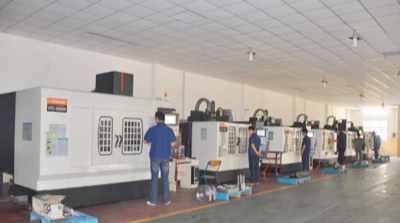
Our advanced CNC machining centers ensure component accuracy.
Frequently Asked Questions (FAQ)
Q1: What is the typical lifespan of an industrial elevator lift?
A well-maintained industrial elevator lift, designed for its intended application, can typically last 15-25 years or more. Regular preventive maintenance is the key factor in achieving this longevity, alongside using high-quality components and avoiding overloading.
Q2: Are industrial elevator lifts customizable for specific applications?
Absolutely. This is a hallmark of reputable manufacturers. Customization can involve platform size, load capacity, speed, specific materials of construction (e.g., stainless steel for food-grade applications), door types, and integration with existing automation systems. We excel at providing OEM/ODM solutions tailored to unique requirements.
Q3: What safety certifications should I look for?
Key certifications depend on the target market. In North America, ASME A17.1 codes are critical. In Europe, CE marking is mandatory, indicating compliance with EU directives. Manufacturers should be able to provide documentation confirming adherence to relevant safety standards for their equipment.
Q4: How does an industrial lift differ from a commercial elevator?
Industrial lifts are built for durability and heavy-duty service, often moving goods rather than primarily passengers. They feature more robust construction, higher load capacities, simpler cabin interiors (or no cabin at all), and are designed to withstand harsher conditions. Commercial elevators prioritize passenger comfort, speed, and sophisticated aesthetics.
Q5: What are the power requirements for these lifts?
Power requirements vary significantly based on lift size and capacity. They commonly operate on 3-phase industrial power (e.g., 208V, 230V, 460V, 60Hz in North America, or 400V, 50Hz in Europe). It's crucial to confirm compatibility with your facility's electrical infrastructure before purchase.
Ready to Optimize Your Vertical Logistics?
Don't let inefficient material handling slow down your operations. Discover how a tailored industrial elevator lift solution can boost productivity, enhance safety, and streamline your workflow.
Get in Touch
Contact Information
Hebei Yuanchang Food Mechanism & Technology Co., Ltd.
Address: Shijiazhuang, Hebei Province, China
Phone: +86 15830991513
E-mail: ycmeatmech@gmail.com
Website: ycmeatmech.com
Chat with Us