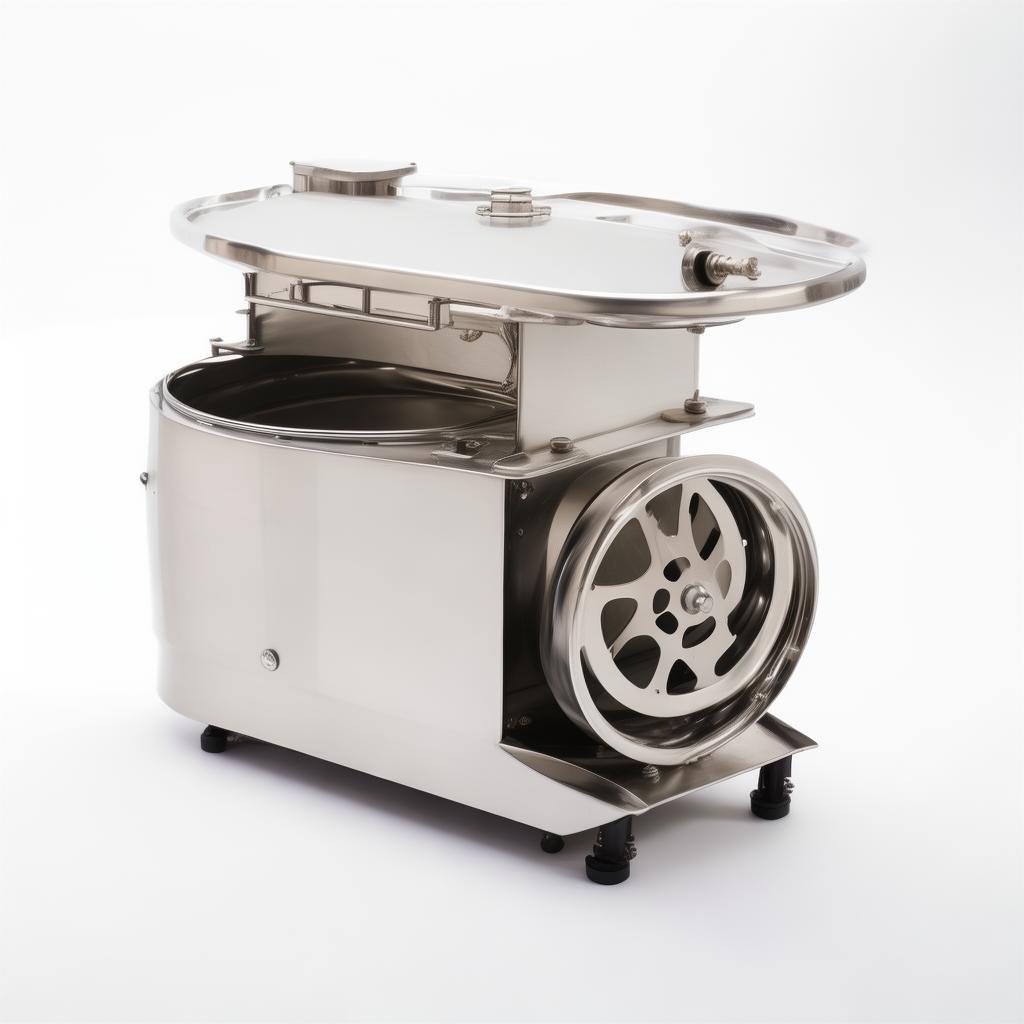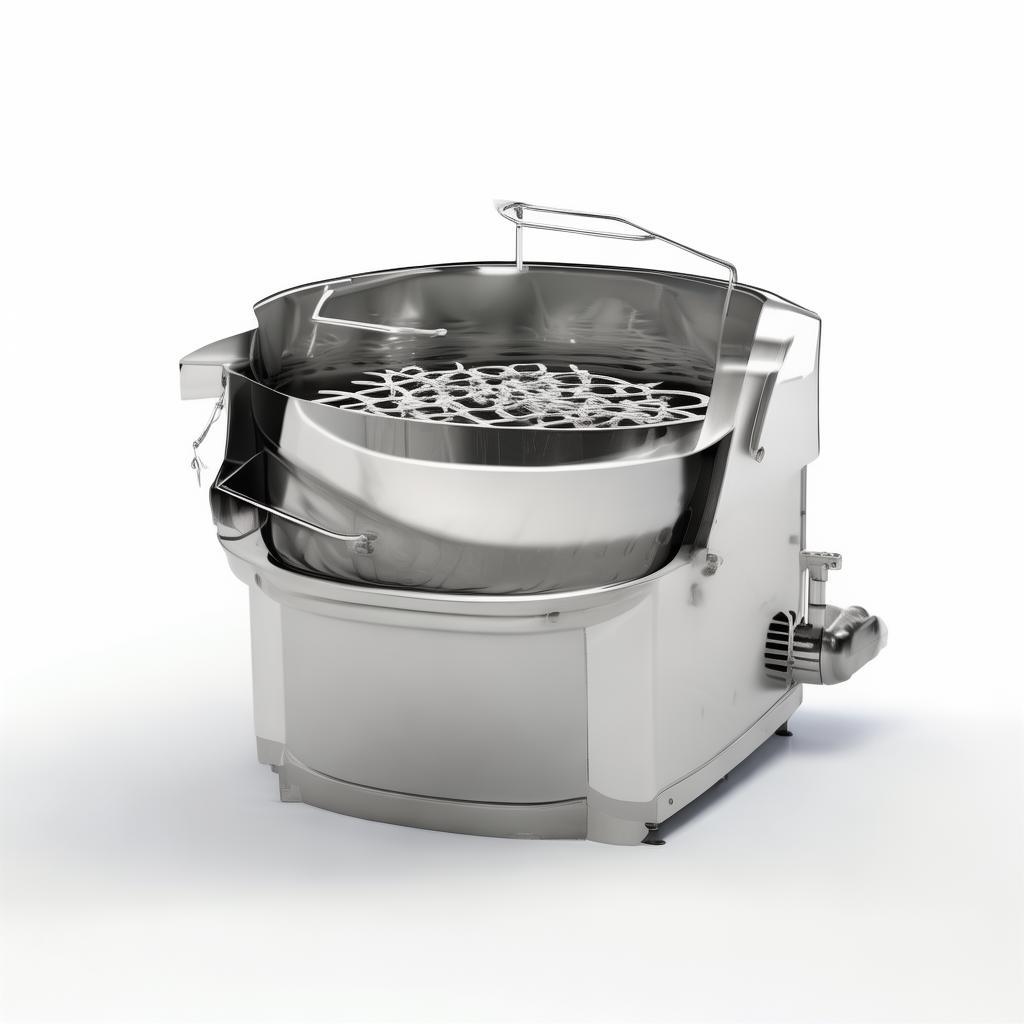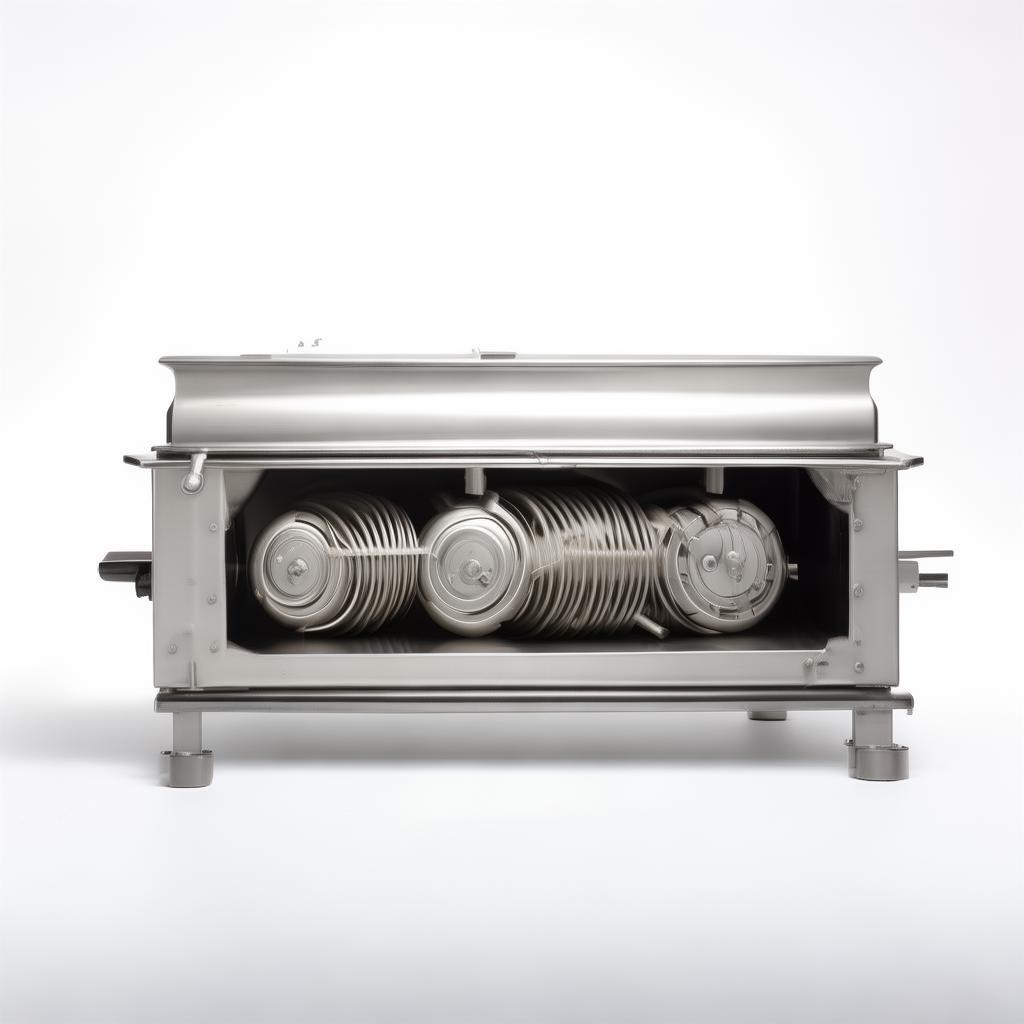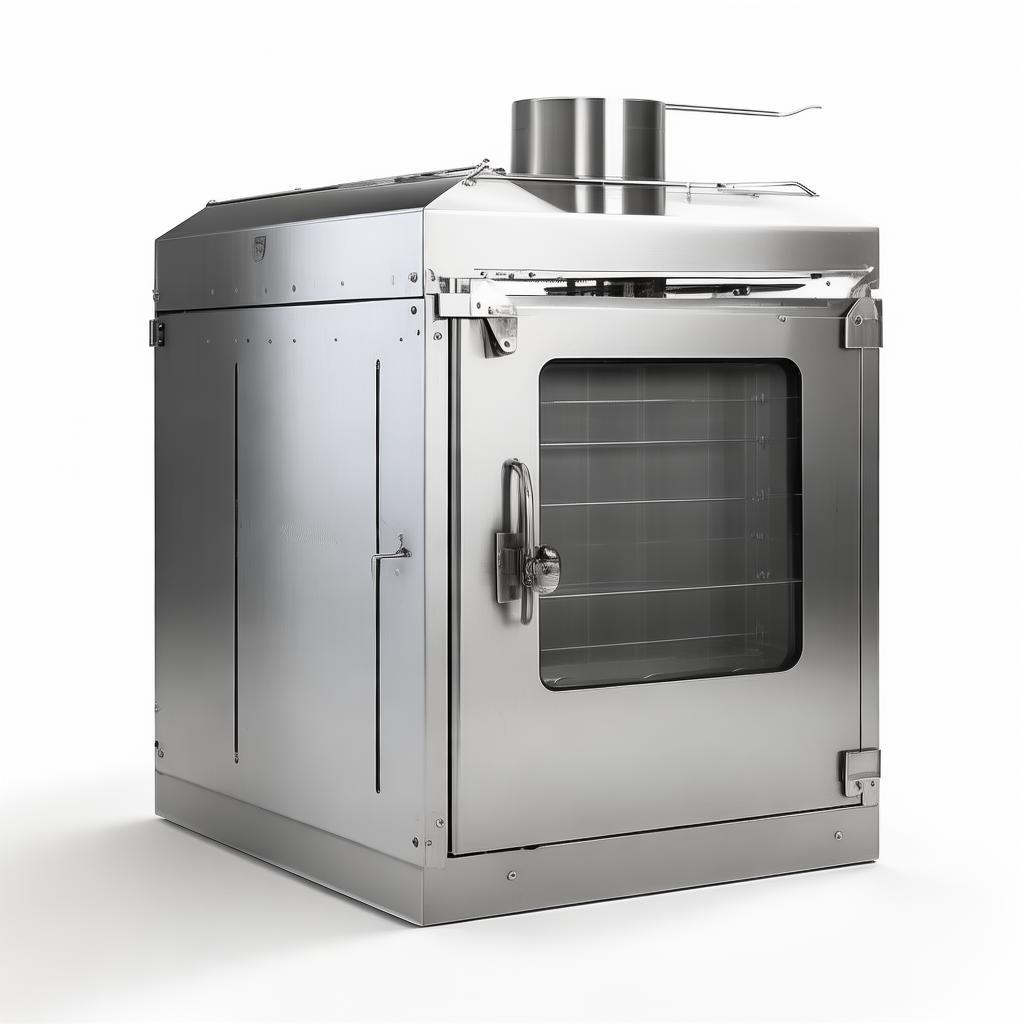
Tote Lifter
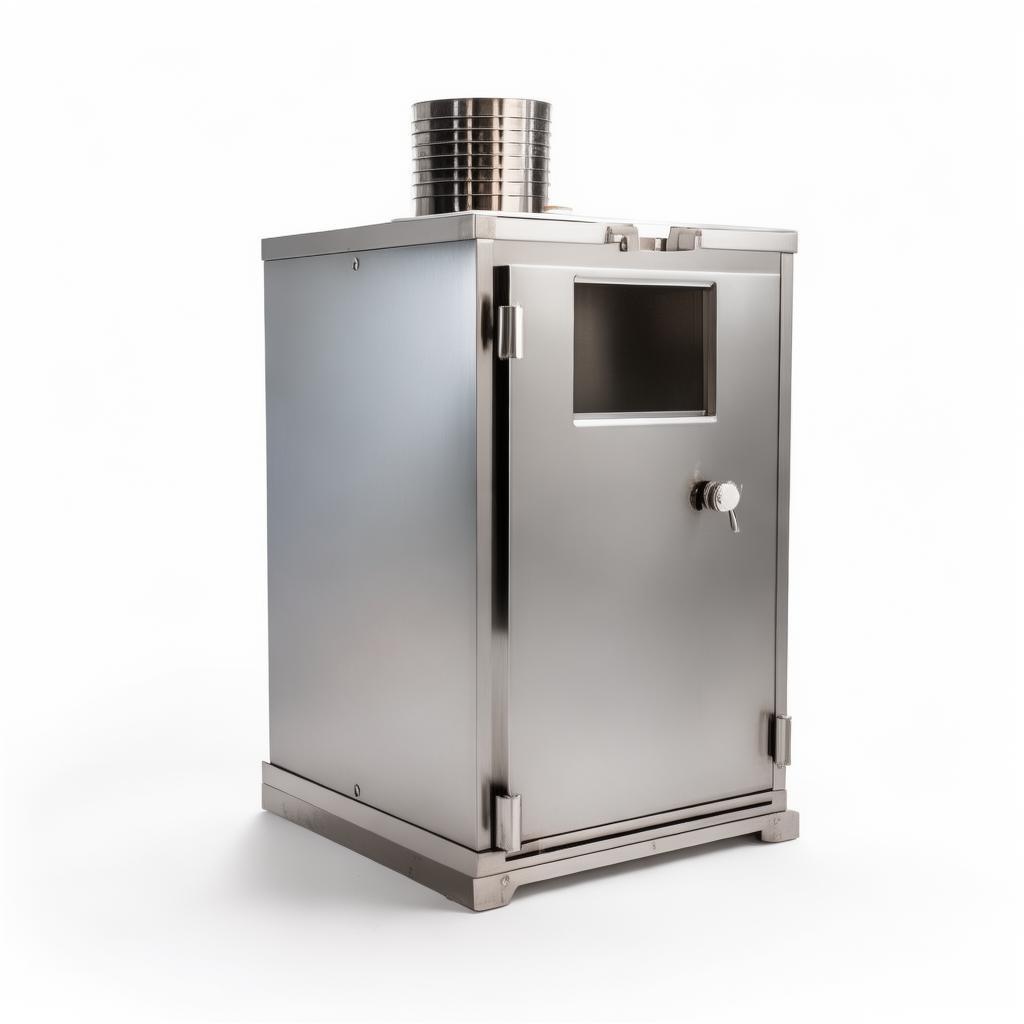
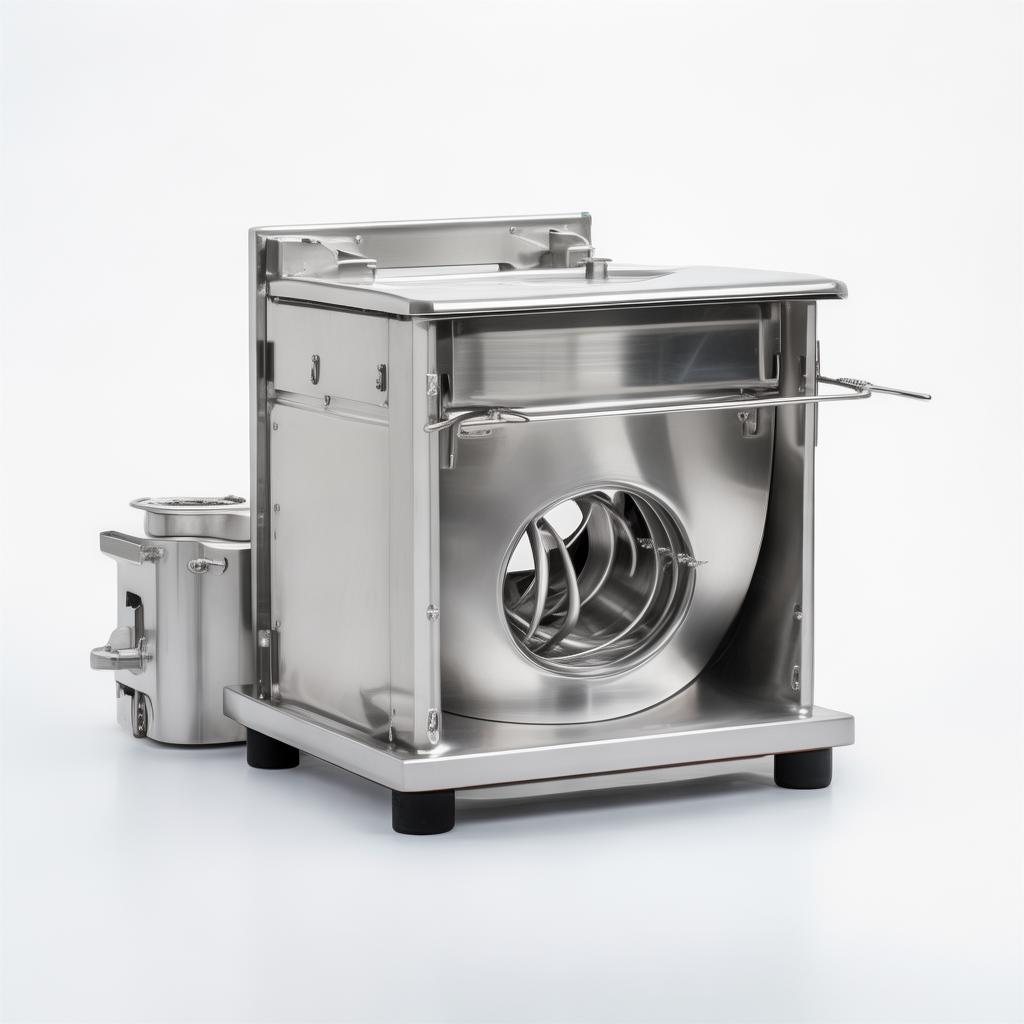
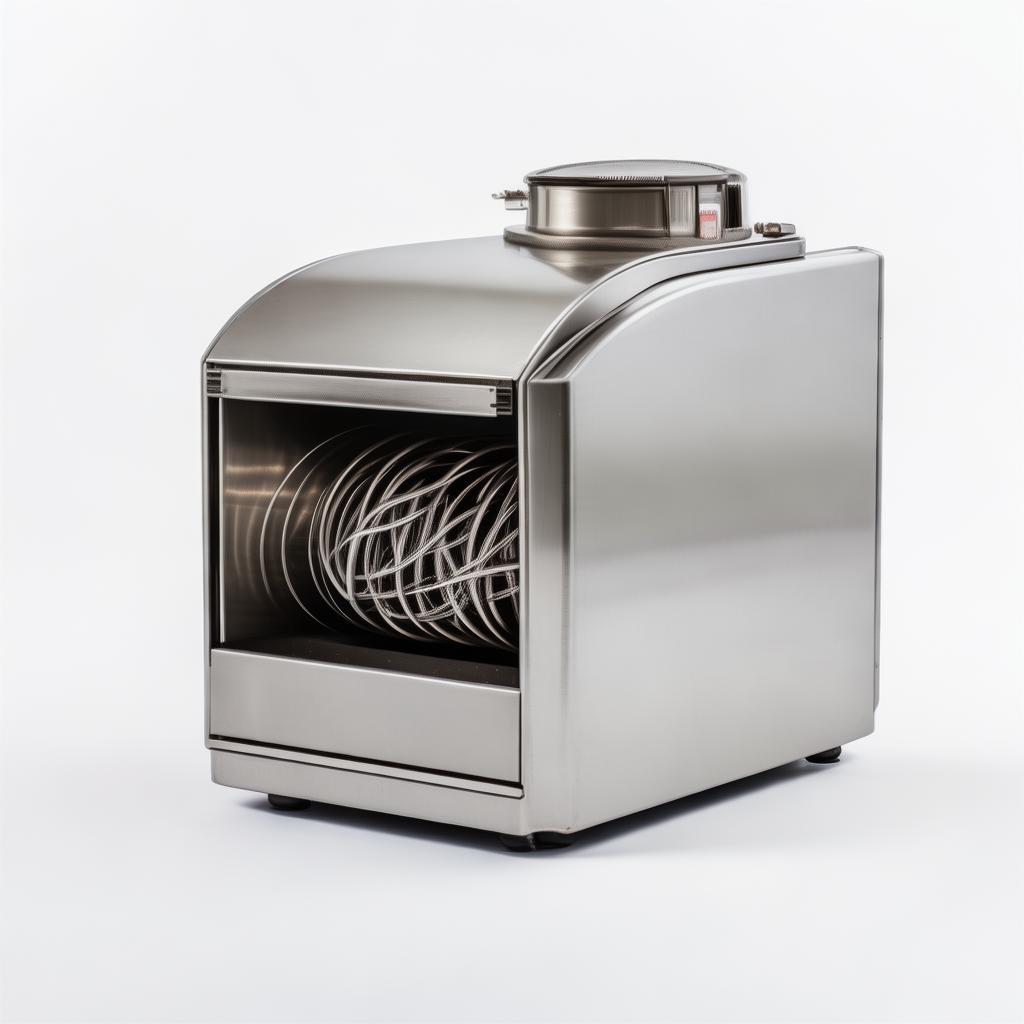
Tote Lifters: Streamlining Material Handling for Enhanced Productivity and Safety
Expert Insights on Selecting and Implementing the Right Tote Lifting Solutions
 David Chen - Senior Export Manager at Hebei Yuanchang Food Mechanism & Technology Co., Ltd.
Navigating the Complexities of Material Handling: Why Tote Lifters Are Indispensable
In the dynamic landscape of modern manufacturing, warehousing, and logistics, the efficient and safe movement of materials is not just a operational detail; it's a critical determinant of overall productivity, cost control, and workplace safety. Among the myriad of challenges faced by operations managers, procurement directors, and frontline workers, the manual handling of totes, bins, and containers presents a persistent hurdle. These often bulky, awkwardly shaped, and heavy items, when moved manually, expose personnel to significant ergonomic risks, leading to strains, sprains, and long-term musculoskeletal disorders. The implications extend beyond immediate worker well-being; they translate directly into increased absenteeism, higher insurance premiums, reduced throughput, and potential quality issues due to dropped or damaged goods. This is precisely where the strategic deployment of tote lifters becomes not just beneficial, but essential.
A tote lifter, in its fundamental function, is designed to mechanically lift, transport, and often position totes with minimal human effort. This seemingly simple mechanism can profoundly transform operational workflows. Consider a typical scenario in a food processing facility, a common area of our expertise at Hebei Yuanchang. Raw ingredients arrive in totes, intermediate products are moved between processing stations, and finished goods are readied for distribution, all within various types of containers. Without specialized equipment, teams would spend considerable time and energy physically manipulating these totes. This manual effort diverts valuable labor from core production tasks and introduces an inherent risk of injury with every lift, carry, and place. The integration of appropriate lifting equipment, therefore, is a direct investment in operational efficiency and, more importantly, in the health and longevity of your workforce.
The global meat processing equipment market, a sector where we possess four decades of experience, underscores this need. Reports consistently highlight the growth of this industry, projecting figures that reach into the tens of billions of dollars annually. This expansion is fueled by rising demand for processed meats, the increasing adoption of automation for hygiene and labor efficiency, and stringent food safety standards. Within this bustling market, the ability to handle intermediate product totes, ingredient bins, and finished product containers with precision and safety is paramount. For example, the Meat Processing Equipment Market Size by Fortune Business Insights notes that segments like filling & stuffing equipment, massaging & tumbling (for ripening/tenderizing), and auxiliary items are critical. Efficient tote handling directly supports these processes by ensuring a steady, safe, and hygienic flow of materials into and out of these specialized machines.
Furthermore, the broader industrial context cannot be ignored. The Meat Processing Equipment Market Size by Grand View Research also points to the overall market value, emphasizing the need for integrated solutions that enhance productivity. Beyond food processing, manufacturing plants producing automotive parts, electronics, consumer goods, and pharmaceuticals all rely heavily on the movement of components and finished items within totes. The operational tempo in these sectors demands equipment that is not only robust and reliable but also adaptable to varying tote sizes, weights, and workflow configurations. A versatile tote lifter can significantly reduce bottlenecks, speed up cycle times, and minimize product damage during transit within the facility.
The decision to invest in tote lifters is often driven by a confluence of factors: the sheer volume of material being moved, the weight and dimensions of the totes, the distance they need to travel, and the critical need to mitigate ergonomic risks. From a procurement standpoint, it’s about identifying a solution that offers a tangible return on investment through reduced injury claims, improved labor allocation, and increased operational output. It’s also about ensuring compliance with occupational safety regulations. Ignoring these aspects can lead to costly downtime, regulatory penalties, and a damaged reputation. As an experienced manufacturer with deep roots in precision machinery and export, we understand that the right equipment isn't just a purchase; it's a strategic component of a resilient and efficient supply chain. Our own journey, starting in 1986 and expanding to include advanced Japanese CNC machining centers, reflects a commitment to delivering high-precision, reliable solutions that meet and exceed international standards. This background informs our perspective on the critical role equipment like tote lifters plays in maintaining competitive operational advantages.
Common Operational Challenges Unaddressed by Manual Handling
Ergonomic Risks & Worker Safety
Manual lifting of totes, especially heavy or awkwardly positioned ones, is a leading cause of workplace injuries, including back strain, hernias, and repetitive stress injuries. These incidents disrupt workflow and lead to significant healthcare and compensation costs.
Reduced Throughput & Bottlenecks
The physical limitations of manual lifting can create bottlenecks, particularly in high-volume operations. Slowing down the movement of materials directly impacts production schedules and delivery times, potentially causing missed deadlines.
Product Damage & Spoilage
Accidental drops, bumps, or improper stacking during manual transport can lead to damaged goods, product spoilage (especially critical in food and pharmaceutical sectors), and costly waste. This directly impacts profitability and customer satisfaction.
Inefficient Labor Allocation
Assigning personnel to manual tote handling tasks diverts them from higher-value activities that require specialized skills or critical thinking, leading to an inefficient use of human capital and increased operational overhead.
The Tote Lifter Solution: Enhancing Efficiency and Safety
Tote lifters are engineered to tackle these challenges head-on. By mechanizing the lifting and transport of totes, they introduce a level of efficiency and safety that manual methods simply cannot match. At their core, these machines reduce the physical strain on operators, ensuring that materials are moved without compromising worker health. This isn't about replacing labor; it's about augmenting it with intelligent technology that allows your team to focus on more value-added tasks.
For businesses operating in sectors like meat processing, where hygiene, precise handling, and rapid turnaround are non-negotiable, a well-chosen tote lifter is a critical piece of auxiliary equipment. Consider the workflow from receiving raw materials to packaging. Totes filled with raw product need to be moved to cutting stations, then to filling or molding machines, and finally to ripening or packaging areas. Each transfer point presents an opportunity for delay or error if handled manually. A tote lifter, whether it's a simple fork attachment for a forklift, a mobile hydraulic lifter, or a fully integrated robotic arm, ensures that this flow is smooth, consistent, and safe. The market reports consistently point to the growing demand for automation and efficiency in these processes, and tote lifters are a foundational element of that automation.
The advantages extend to cost savings. While there is an initial investment, the reduction in injury-related costs, decreased product damage, and increased throughput contribute to a substantial return on investment. Furthermore, by optimizing material flow, you can potentially reduce the need for excessive manual labor during peak times, leading to better labor cost management. A study by Mordor Intelligence on the meat processing equipment market indicates growth driven by automation and investments in emerging markets, which aligns perfectly with the strategic advantages offered by effective material handling solutions like tote lifters.
We understand that selecting the right lifting equipment requires a deep understanding of specific operational needs. Factors such as the average and maximum weight of totes, their dimensions, the typical travel distances, the required lifting height, and the environment of operation (e.g., cold storage, wet areas, clean rooms) all play a crucial role. Our 40 years of experience in manufacturing precision machinery have taught us that a one-size-fits-all approach rarely succeeds. It’s about matching the technology to the task, ensuring robust performance and long service life. Whether you're dealing with small, lightweight totes or large, heavy-duty containers, there's a tote lifter solution designed to enhance your operations.
Types of Tote Lifters & Their Applications
The term "tote lifter" can encompass a range of equipment. Understanding the distinctions is key to selecting the most appropriate solution for your specific workflow. Each type offers unique benefits suited to different operational environments and handling requirements.
- Pallet Jacks with Tote Attachments: For facilities already using forklifts or pallet jacks, specialized attachments can be fitted to lift and transport totes. These are versatile for moving totes that are already on pallets or can be placed onto a pallet. They offer a cost-effective way to upgrade existing material handling capabilities.
- Mobile Hydraulic Tote Lifters: These standalone units are highly flexible. Operated manually or with powered hydraulic systems, they can be wheeled directly to a tote, lifted, and then transported to a new location. Ideal for smaller facilities or for tasks requiring frequent relocation of the lifting equipment itself. They are excellent for ergonomic lifting at workstations.
- Vacuum Lifters: Utilizing vacuum suction cups, these lifters are excellent for totes with smooth, non-porous surfaces. They offer precise control and can be beneficial in cleanroom environments or where traditional gripping mechanisms might be unsuitable. They reduce the risk of damaging the tote or its contents.
- Drum & Tote Lifters (Combined Functionality): Some units are designed to handle both drums and totes, offering broader utility in facilities that manage a variety of container types. These often feature robust construction for heavier loads.
- Automated Guided Vehicles (AGVs) & Robotic Arms: For high-volume, repetitive tasks in sophisticated operations, AGVs or robotic arms equipped with custom end-effectors can automate the entire tote handling process. This represents the pinnacle of efficiency and can be integrated into Industry 4.0 frameworks.
The choice often hinges on factors like existing infrastructure, budget, required lift capacity, and the specific nature of the totes being handled. For instance, a food processing plant might opt for stainless steel mobile hydraulic lifters for hygiene and maneuverability, while a large distribution center might integrate AGVs for continuous inbound/outbound flow.
Key Technical Specifications to Consider
When evaluating tote lifters, several technical specifications are critical for ensuring the equipment meets your operational demands and safety standards. Overlooking these can lead to underperformance or premature equipment failure. Our 40 years of experience in manufacturing complex machinery have ingrained in us the importance of detailed specifications.
| Specification | Considerations | Why It Matters |
|---|---|---|
| Lift Capacity | Maximum weight the lifter can safely handle. Consider both average and peak load weights. | Ensures safe operation and prevents equipment damage or failure. Essential for preventing workplace accidents. |
| Lifting Height | Maximum vertical distance the tote can be raised. | Crucial for stacking totes, loading/unloading onto higher surfaces, or integrating with other machinery. |
| Tote Dimensions Compatibility | Minimum and maximum dimensions (L x W x H) and gripping range. | Guarantees the lifter can securely hold and maneuver the specific totes used in your operation. |
| Power Source | Electric (battery-powered), hydraulic, pneumatic, or manual. | Impacts operational cost, maneuverability (cordless vs. corded), environmental suitability (e.g., explosion-proof requirements), and ease of use. |
| Maneuverability & Mobility | Wheel type, turning radius, overall dimensions. | Determines ease of navigation in aisles, around machinery, and within tight spaces. |
| Material of Construction | Stainless steel, powder-coated steel, specialized polymers. | Critical for durability, corrosion resistance, and hygiene compliance, especially in wet or demanding environments like food processing. We often specify stainless steel for our food mechanism clients. |
| Safety Features | Emergency stops, overload protection, safety interlocks, non-slip surfaces. | Reduces risk of accidents, protects operators, and ensures compliance with safety regulations. These are non-negotiable. |
tote lifting equipment industrial platform lift concrete vacuum lifter
Industry Applications: Where Tote Lifters Excel
The versatility of tote lifters makes them valuable across a wide spectrum of industries. Their ability to handle various container sizes and weights, coupled with ergonomic benefits, positions them as essential tools for improving operational flow. The Market Research Future report on meat processing equipment highlights the growth in demand for forming machines, grinders, mixers, and slicing equipment, all of which are supported by efficient material handling systems.
Food & Beverage Processing
Critical for moving ingredient totes, intermediate product containers, and finished goods. Hygiene standards are paramount, often requiring stainless steel construction and easy-to-clean designs. Think of moving totes of meat trimmings, produce, or packaged items.
Warehousing & Distribution
Essential for order fulfillment, inventory management, and loading/unloading trucks. Efficient tote movement directly impacts picking accuracy and speed, as well as dock turnaround times.
Manufacturing & Assembly
Used to transport parts, components, and work-in-progress materials between production stages. Reduces manual effort on assembly lines and improves workflow consistency.
Pharmaceuticals & Chemicals
High-demand for precision, containment, and material integrity. Lifters must meet stringent hygiene and safety standards, sometimes requiring specialized materials or cleanroom certifications.
E-commerce & Logistics
Rapid order processing relies on swift and accurate movement of items. Tote lifters streamline the handling of diverse products in high-volume distribution centers.
Procurement Insights: Choosing Your Supplier Wisely
Selecting the right tote lifter is only half the battle; choosing a reliable manufacturer and supplier is equally crucial. As a company with over 40 years in precision machinery manufacturing and a focus on international export, we've seen firsthand how supplier quality directly impacts long-term operational success. It's not just about the initial price point.
Here are key considerations when evaluating potential suppliers:
- Manufacturing Experience & Certifications: Does the supplier have a proven track record in manufacturing industrial equipment? Are they certified to relevant international standards (e.g., ISO)? Our own certifications and extensive machining capabilities, including Japanese Mazak CNC centers, are a testament to our commitment to quality.
- Technical Expertise & Customization: Can they offer technical consultation to help you select the best model? Do they have the capability to customize solutions if standard models don't perfectly fit your needs? We pride ourselves on our ability to tailor solutions, especially for specialized industries like food processing.
- After-Sales Support & Spare Parts: What kind of warranty is offered? How accessible are spare parts, and what is the typical lead time? A robust, traceable after-sales management system, like the one we maintain, ensures long-term operational continuity and peace of mind.
- Logistics & Export Capabilities: If you're sourcing internationally, can the supplier manage complex export logistics efficiently? Understanding container loading optimization, shipping documentation, and customs procedures is vital. We have extensive experience exporting our machinery globally.
- Reputation & Client Testimonials: What do their existing clients say? Look for verifiable reviews and case studies that demonstrate reliability and customer satisfaction.
At Hebei Yuanchang, we combine decades of manufacturing heritage with a forward-looking approach, ensuring that our equipment, including tote lifters, meets the rigorous demands of global industries. Our in-house machining workshop, equipped with over 20 sets of processing machinery, allows us to maintain unparalleled precision and control over component quality.
Ready to Optimize Your Material Handling?
Discover how our high-quality tote lifters can revolutionize your operations, enhance safety, and boost productivity.
Request a Custom Quote & ConsultationFrequently Asked Questions (FAQ)
Q1: What is the typical lifespan of a industrial-grade tote lifter?
A well-maintained, quality-built tote lifter can last 10-15 years or more. Factors like material quality, build robustness, and adherence to a regular maintenance schedule are critical. At Hebei Yuanchang, we build for longevity, using high-grade steel and precision engineering.
Q2: Are tote lifters difficult to operate?
Generally, no. Most mobile hydraulic and electric tote lifters are designed for intuitive operation. Controls are typically straightforward, focusing on lift, lower, and directional movement. Comprehensive training is usually provided by the supplier, and we ensure our equipment comes with clear operational manuals.
Q3: Can tote lifters be used in cold storage environments?
Yes, many models can be adapted for cold storage. However, it's crucial to specify this requirement when ordering. Lubricants, seals, and battery performance may need to be rated for low temperatures. We have experience supplying equipment for such demanding conditions.
Q4: What kind of maintenance is required?
Routine maintenance typically involves daily checks of hydraulic fluid levels, lubrication of moving parts, inspection of wheels and tires, and ensuring all safety features are functional. Periodic professional servicing is recommended. We provide detailed maintenance guidelines with all our equipment.
Q5: How do I determine the right lift capacity for my needs?
You should weigh your heaviest anticipated tote load and add a safety margin (typically 10-20%). It's always better to have a slightly higher capacity than needed to ensure longevity and prevent strain on the equipment. Consulting with our technical team can help you pinpoint the exact requirement.
Hear From Our Clients
"The mobile tote lifter we purchased from Hebei Yuanchang has been a game-changer. Moving our raw meat totes between the receiving dock and the processing lines used to take two people and significant effort. Now, one operator can do it safely and efficiently. The stainless steel construction is perfect for our hygiene requirements."

Operations Manager, Prime Cuts Meats
"We needed a reliable way to lift and position ingredient totes onto our filling machines. Hebei Yuanchang understood our specific needs and recommended a hydraulic tote lifter with custom forks. The precision and ease of use have significantly improved our line efficiency and reduced operator fatigue. Excellent export support too."

Procurement Director, Global Snacks Co.
"The quality of the tote lifter is impressive. It handles heavy loads with ease and feels incredibly stable. Delivery was prompt, and the team at Hebei Yuanchang was very responsive throughout the entire process, from inquiry to installation support. Highly recommend their equipment for any industrial application."

Warehouse Supervisor, Distribution Masters Inc.
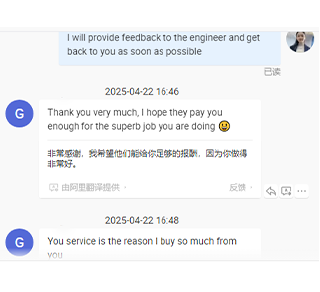
Enhance Trust with Real Conversations
We believe in transparency and direct communication. Below are snippets of real interactions where we've helped clients find the right solutions.


Get in Touch for a Custom Solution
We are ready to discuss your specific material handling needs and provide tailored recommendations. From standard models to custom OEM/ODM solutions, we have the expertise to deliver.
Contact Us Directly:
Phone: +86 15830991513
Email: ycmeatmech@gmail.com
Address: Shijiazhuang, Hebei Province, China