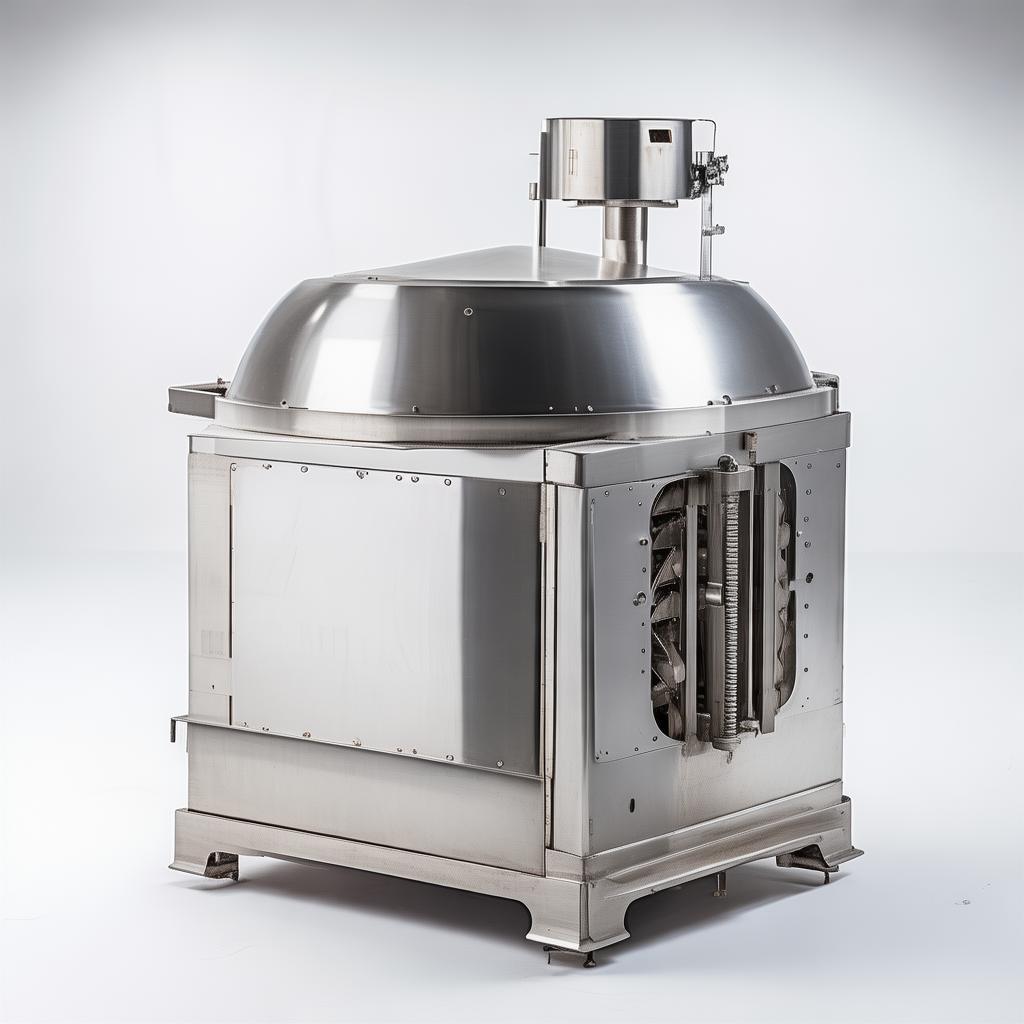
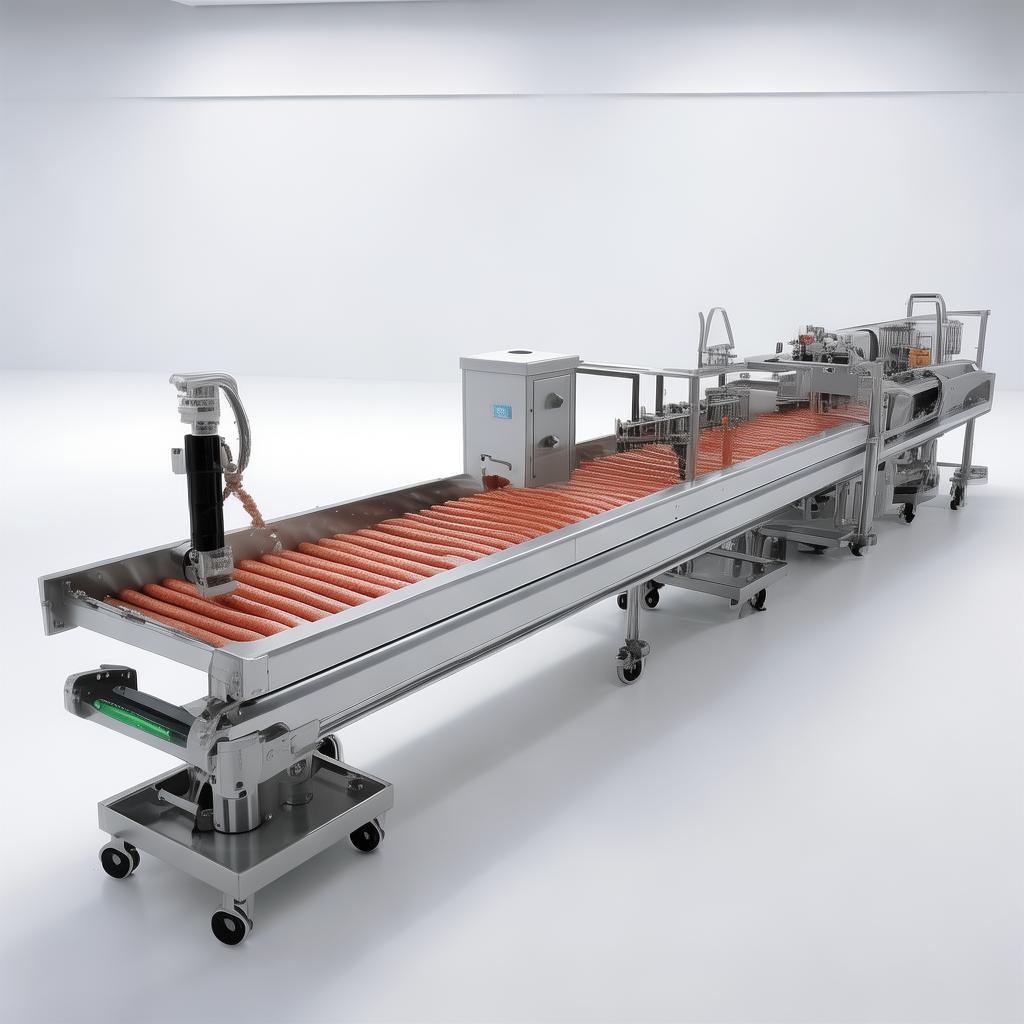
Tote Lifting Equipment
Tote Lifting Equipment: Streamlining Your Operations with Efficiency and Safety
Hebei Yuanchang Food Mechanism & Technology Co., Ltd. – Your Partner in Advanced Manufacturing Solutions

By: Li Wei, Senior Export Manager
October 26, 2023
Industry Challenges & Your Operational Bottlenecks
In today's fast-paced industrial and manufacturing environments, efficient material handling isn't just a convenience – it's a critical component of operational success. We understand the daily grind: the constant push for higher throughput, the unyielding demand for safety, and the relentless pressure to reduce operational costs. Many of our clients grapple with outdated or inadequate lifting solutions that lead to worker strain, potential injuries, and significant downtime. Think about the manual labor involved in repeatedly lifting heavy totes, the risk of dropped loads, or the ergonomic challenges that contribute to long-term health issues among your team.
The global meat processing equipment market, for instance, is projected to reach USD 17.39 billion by 2034, with key segments including filling, massaging, and molding equipment. This growth is driven by rising demand for processed meat and automation for hygiene and labor efficiency. While this specific market is our core, the principles of efficient material handling apply universally. Inefficient lifting of totes containing raw materials, semi-finished goods, or even finished products can become a substantial bottleneck. This isn't just about moving items; it's about doing so safely, reliably, and without compromising the integrity of the product or the well-being of your staff.
Consider the procurement decision workflow in large-scale operations. Decisions are rarely made in a vacuum. They involve operations managers looking for productivity gains, safety officers prioritizing risk mitigation, engineers assessing technical feasibility, and finance departments scrutinizing ROI. If your current tote handling system is contributing to spillage, damaging packaging, causing delays in downstream processes, or leading to repetitive strain injuries, it's directly impacting your bottom line and your reputation.
The statistics paint a clear picture of the market demand for better solutions. Reports suggest the meat processing equipment market alone is expanding significantly, with automation and hygiene being key drivers. This implies a broader trend across industries: a move towards more sophisticated, integrated systems that enhance efficiency and ensure compliance. For businesses handling anything from food ingredients to industrial components, the manual or semi-manual lifting of totes can become a major point of failure in an otherwise optimized workflow.
We've seen firsthand how outdated methods lead to:
- Increased risk of musculoskeletal injuries (MSIs) due to awkward lifting postures and excessive force.
- Product damage from mishandling or dropped totes, leading to waste and quality issues.
- Slower production cycles because of inefficient material transfer points.
- Higher labor costs associated with manual handling tasks that could be automated.
- Compliance challenges with occupational health and safety regulations.
Identifying these pain points is the first step towards finding the right solution. Your investment in appropriate tote lifting equipment is an investment in your workforce, your product quality, and your overall operational resilience.
Understanding Tote Lifting Equipment
At its core, tote lifting equipment encompasses a range of mechanical devices designed to safely and efficiently lift, move, and position various types of containers, commonly referred to as totes, bins, or boxes. These systems are engineered to take the strain off human operators, reducing the risk of injury and increasing the speed and accuracy of material transfer. Whether you're dealing with standard plastic totes, metal containers, or specialized bulk bins, the right lifting solution can dramatically transform your workflow.
The complexity and capability of tote lifting equipment can vary significantly. We're talking about everything from simple manual hoists and pneumatic lifters for lighter loads and frequent, precise movements, to robust, automated systems that integrate seamlessly into larger conveyor lines or robotic work cells. The key is finding a system that aligns with your specific operational demands: the weight and dimensions of the totes, the frequency of lifting, the required lift height, and the available workspace.
In the context of industries like food processing, where hygiene and product integrity are paramount, specialized tote lifters are essential. Imagine a large meat processing facility; the efficient and safe movement of large totes filled with raw product, marinated items, or finished sausages requires equipment that not only handles the weight but also adheres to strict sanitary standards. This means smooth surfaces, easy-to-clean materials, and designs that minimize places where bacteria can accumulate. We recognize this critical intersection of functionality and sanitation.
The market for such equipment is dynamic. For example, the global meat processing equipment market is experiencing robust growth, driven by factors such as increasing demand for processed and convenience meats, coupled with a strong emphasis on automation for improved hygiene and labor efficiency. This trend underscores the need for specialized equipment like tote lifters that contribute to these broader industry objectives. Our role is to provide solutions that not only meet current demands but also anticipate future operational needs.
Consider the procurement risks associated with choosing the wrong equipment. An under-specced lifter can lead to frequent breakdowns and safety incidents. An over-specced, unnecessarily complex system can lead to high initial costs and extended training periods. Our goal is to guide you toward a balanced solution – one that offers optimal performance, cost-effectiveness, and long-term reliability.
We specialize in providing solutions that address these nuances. Our range of tote lifting equipment is designed with an understanding of the practical realities of industrial environments. We don't just sell a product; we offer a pathway to improved operational efficiency, enhanced safety, and greater overall productivity for your business.
Key Technical Considerations & Our Solutions
Selecting the right tote lifting equipment hinges on a deep understanding of its technical specifications and how they align with your operational environment. It’s more than just lifting capacity; it’s about the interplay of power source, control systems, lifting mechanisms, safety features, and ergonomic design.
Lifting Capacity: This is your primary metric. It must exceed the maximum weight of the totes you handle, with a safety margin. Overloading is a common cause of equipment failure and accidents. We offer lifters with capacities ranging from light-duty (e.g., 50 kg) to heavy-duty (e.g., 500 kg or more), ensuring a fit for almost any application.
Power Source: Options include manual, pneumatic, electric, or battery-powered.
- Manual: Simple, cost-effective for infrequent use, but labor-intensive.
- Pneumatic: Offers smooth, precise control and is ideal for cleanroom or hazardous environments as it’s explosion-proof. Requires an air supply.
- Electric: High power and efficiency, suitable for continuous operation. Requires access to power outlets.
- Battery-Powered: Offers flexibility and mobility, ideal for areas without easy power access. Requires recharging.
Lifting Mechanism: Common types include:
- Forked Lifters: Designed to slide under the tote's base, lifting it from below.
- Gripper/Clamp Lifters: Securely grasp the sides of the tote for lifting.
- Drum Lifters: Specialized for cylindrical containers.
Lift Height & Reach: Consider the maximum height you need to lift and the horizontal distance the equipment needs to cover. This is crucial for processes like loading into mixers, filling machines, or onto high shelves.
Control System: Options range from simple manual controls to sophisticated pendant controls, foot pedals, or even automated systems integrated with PLCs. Ergonomics are key here; controls should be intuitive and easily accessible. Our pendant controls feature emergency stop buttons and intuitive up/down functions for safe operation.
Safety Features: Essential features include overload protection, emergency stop functions, secure locking mechanisms, and stable bases or outriggers. For applications in environments like meat processing, explosion-proof features and compliance with FDA or EU hygiene standards are paramount. We integrate these meticulously into our designs.
Mobility: Will the equipment be fixed in one location, or does it need to be moved between workstations? Options include fixed-base units, wheeled bases (some with steering capabilities), or units designed for integration with overhead crane systems.
The Hebei Yuanchang Food Mechanism & Technology Co., Ltd. difference lies in our ability to tailor these technical aspects. With our in-house machining workshop and advanced CNC centers, we can go beyond standard configurations to deliver bespoke solutions. This includes custom fork dimensions, specialized gripper materials for food-grade applications, or integrated control systems for automated lines.
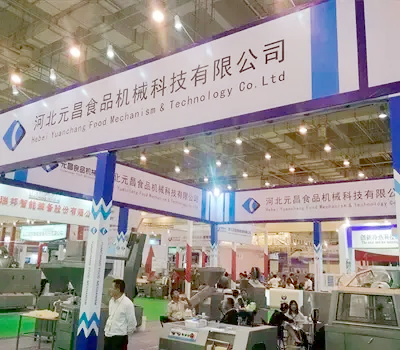
When discussing your requirements, we focus on these technical details to ensure the equipment performs reliably and safely, day in and day out. For instance, in meat processing, the market trend towards automation and hygiene means our pneumatic and electric tote lifters with stainless steel components and easy-clean designs are in high demand.
Material Science in Lifting: Durability Meets Demand
The choice of materials for tote lifting equipment is fundamental to its longevity, performance, and suitability for specific environments. It's a critical factor that impacts everything from weight capacity and corrosion resistance to ease of cleaning and overall operational cost. While steel and aluminum are common structural materials, the demands of specialized industries often call for more nuanced material selection.
Stainless Steel: This is often the material of choice in hygienic applications, particularly in the food and pharmaceutical industries. Grades like 304 and 316 offer excellent resistance to corrosion, making them ideal for frequent washing and exposure to various food products or cleaning agents. While it can be heavier and more expensive than carbon steel, its durability and sanitization benefits are invaluable. We utilize high-grade stainless steel for components that come into contact with products or are exposed to washdown environments.
Carbon Steel with Coatings: For general industrial applications where extreme corrosion resistance isn't the primary concern, carbon steel offers a robust and cost-effective solution. It's often treated with powder coating or specialized industrial paints to provide a barrier against moisture and minor abrasion. This is a practical choice for warehouses or manufacturing floors where the environment is more controlled.
Aluminum Alloys: Lighter than steel, aluminum is sometimes used for specific components or in applications where weight is a critical factor, such as mobile lifting units. It offers good corrosion resistance but may not match the sheer strength and impact resistance of steel for heavy-duty applications.
High-Performance Plastics & Composites: In areas like rollers, bushings, or certain gripper pads, advanced polymers (like UHMW-PE or specialized nylons) are employed. These materials can offer low friction, excellent wear resistance, and are often food-grade compliant. They are lightweight and can reduce noise during operation.
The meat processing equipment market, as noted in various industry analyses, is increasingly driven by automation and hygiene. This directly influences material choices. For instance, equipment designed for handling raw meat requires materials that can withstand rigorous cleaning protocols and resist microbial growth. This is where our expertise in food-grade stainless steel and appropriate polymer components comes into play, ensuring compliance and operational integrity.
When you engage with us, we don't just specify "metal." We discuss the operational environment – the presence of moisture, salt, acidic substances, cleaning chemicals, or abrasive materials – to recommend the most suitable material combination. This ensures your investment is not only functional today but also durable for years to come, minimizing costly replacements or repairs. It's about engineering for the specific realities of your plant floor.
| Material | Pros | Cons | Typical Applications |
|---|---|---|---|
| Stainless Steel (304/316) | Excellent corrosion resistance, hygienic, durable. | Higher cost, heavier than aluminum. | Food processing, pharma, wet/corrosive environments. |
| Carbon Steel (Coated) | High strength, cost-effective, durable. | Susceptible to rust if coating is damaged, not for highly corrosive environments. | General industrial, warehouses, manufacturing. |
| Aluminum Alloys | Lightweight, good corrosion resistance. | Lower strength-to-weight ratio than steel, can be more costly. | Mobile units, where weight is critical. |
Versatile Applications Across Industries
The utility of robust tote lifting equipment extends far beyond a single sector. Its fundamental purpose – the safe and efficient manipulation of containers – makes it indispensable in a wide array of industrial settings. Understanding these diverse applications can help you envision how these systems can optimize your own operations, even if your core business isn't directly related to meat processing.
Food & Beverage Processing: This is a primary sector where our expertise shines. From receiving raw ingredients in large totes to transferring marinated products to ovens or filling machines, efficient lifting is key. The need for food-grade materials and easy-to-clean designs, often mandated by regulations similar to FDA standards, makes specialized lifters essential. Think of handling bulk ingredients, dough, or packaged goods. The market reports confirm the strong growth here, with automation and hygiene driving demand for precise handling systems.
Pharmaceutical & Chemical Industries: Similar to food processing, these sectors demand high levels of hygiene and containment. Totes containing sensitive chemicals, raw materials for medication, or finished pharmaceutical products need to be handled with extreme care to prevent contamination and ensure operator safety. Stainless steel construction and precise, controlled lifting motions are vital.
Warehousing & Logistics: Efficiently moving inventory between storage racks, sorting areas, and loading docks is a daily challenge. Tote lifters can significantly speed up the process of picking and placing goods, reducing manual labor and the risk of accidents. Mobile units on wheels are particularly valuable here, offering flexibility across large facilities.
Manufacturing & Assembly Lines: In many manufacturing processes, parts or components are delivered in totes. Lifting these totes to the correct height for machine feeding or assembly stations can be a bottleneck. Automated or semi-automated lifters can ensure a steady supply of materials, keeping production lines running smoothly.
Automotive: Component parts, from small nuts and bolts to larger assemblies, are often transported in totes on factory floors. Lifting these to assembly stations or quality control points requires robust, reliable equipment.
Agriculture: Moving harvested produce, soil amendments, or other bulk materials in totes within farms or processing facilities benefits greatly from specialized lifting solutions.
The meat processing equipment market itself highlights the need for diverse handling solutions, projecting significant growth. This growth is fueled by the increasing demand for processed meats, which inherently involves extensive material transfer. Our tote lifters play a crucial role in this value chain, supporting everything from initial ingredient handling to the movement of semi-finished and packaged goods.
We pride ourselves on our ability to adapt our designs to meet the unique requirements of each industry and application. Whether it's a high-volume food processing plant needing food-grade stainless steel, or a logistics hub requiring robust, mobile units, we have the engineering capability and manufacturing experience to deliver.
Navigating Procurement: What to Look For
Procuring industrial equipment is a significant decision, and for tote lifting equipment, it's crucial to approach it strategically. Buyers often face a multitude of options, technical specifications, and supplier claims. To ensure you make a choice that optimizes your ROI and operational efficiency, consider these key factors.
Define Your Needs Precisely: Before you even look at equipment, map out your operational requirements. What is the typical weight and size of the totes you need to lift? What is the maximum lift height required? How frequently will the equipment be used? What is the available space? Are there specific hygiene or environmental considerations (e.g., washdowns, explosive atmospheres)? Clearly defining these will narrow down your options significantly.
Prioritize Safety Features: This cannot be overstated. Look for equipment with robust safety mechanisms: overload protection, emergency stop buttons, stable bases, secure gripping or fork designs, and compliance with relevant safety standards (e.g., CE marking for European markets, OSHA guidelines for the US). A small upfront saving on safety features can lead to catastrophic consequences down the line.
Evaluate Supplier Credibility & Experience: Choose a supplier with a proven track record in manufacturing and exporting industrial equipment. How long have they been in business? Do they understand your specific industry's needs? Look for manufacturers with in-house engineering and production capabilities, which signifies greater control over quality and customization options. Our 40 years of experience since 1986 at Hebei Yuanchang speaks to our deep understanding of manufacturing processes and client needs.
Assess Material Quality and Construction: The materials used directly impact durability and lifespan. For food-grade applications, ensure stainless steel is specified and certified. For general industrial use, inspect the quality of welds, coatings, and overall structural integrity. Poor construction can lead to premature wear and costly repairs.
Consider Ease of Operation and Maintenance: Equipment that is intuitive to operate reduces training time and minimizes user error. Similarly, consider the ease of maintenance. Are spare parts readily available? Is the design modular for quick replacements? A complex, hard-to-maintain system can become a significant operational burden. We offer traceable after-sales management systems to ensure you get the support you need.
Look for Customization Capabilities: Standard equipment may not always be the perfect fit. Can the supplier modify dimensions, lifting heights, grip types, or control systems to meet your exact requirements? OEM/ODM capabilities are a strong indicator of a manufacturer's flexibility and engineering prowess. Our Japanese Mazak CNC machining centers allow us to produce high-precision, non-standard components.
Understand Lead Times and Logistics: Beyond the price, factor in the time it will take to manufacture and deliver the equipment. For international buyers, consider shipping costs, import duties, and transit times. Clear communication on lead times and a reliable logistics network are essential.
When evaluating suppliers, ask detailed questions about their manufacturing processes, quality control measures, and after-sales support. For example, in the context of the booming meat processing market, where reliability is paramount, understanding a supplier's ability to provide certified components and ongoing technical assistance is key. Don't hesitate to ask for references or case studies relevant to your industry.
Making an informed procurement decision for tote lifting equipment is an investment in your operational future. By focusing on these critical aspects, you can select a solution that delivers lasting value, enhances safety, and drives productivity.
Our Manufacturing Prowess: 40 Years of Expertise
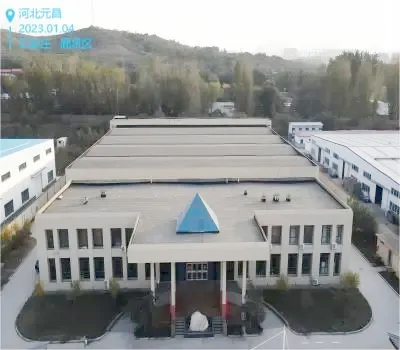
At Hebei Yuanchang Food Mechanism & Technology Co., Ltd., our commitment to delivering high-quality, reliable tote lifting equipment is built on a foundation of 40 years of manufacturing experience, dating back to 1986. We are not merely assemblers; we are dedicated engineers and manufacturers deeply invested in the precision and robustness of every machine that leaves our facility.
Spanning approximately 14,000 square meters, our production facility is equipped with a comprehensive suite of advanced machinery. This includes over 20 sets of processing equipment such as lathes, milling machines, high-precision grinding machines, boring machines, plate shears, bending machines, and wire cutting equipment. This in-house capability allows us to maintain strict control over every stage of production, from raw material processing to the final assembly of complex components.
A significant milestone in our manufacturing evolution was the introduction of 8 sets of Japanese Mazak CNC machining centers in 2012. This investment dramatically enhanced our capacity to produce high-standard components requiring large volumes, exceptional precision, and non-standard specifications. It means we can undertake the most demanding custom fabrication projects, ensuring that even specialized tote lifter parts meet rigorous engineering tolerances. This technological edge is what allows us to offer bespoke solutions tailored to your unique operational challenges.
Our team of 80-100 skilled professionals integrates R&D, production, and sales, fostering a culture of continuous improvement and customer focus. This cohesive structure ensures that innovative designs are efficiently translated into high-performance equipment. Whether it's developing a new gripper mechanism for a specific tote profile or integrating sophisticated control systems for an automated line, our team has the expertise to deliver.
Furthermore, our commitment extends to after-sales service. We have implemented a traceable after-sales management system. This means that every component produced is accounted for, enabling swift identification and replacement of parts should the need arise. This independent capability to produce high-precision parts ourselves is a cornerstone of our promise of worry-free after-sales support, a critical factor for businesses operating in demanding sectors like meat processing, where downtime is costly.
We understand that reliable equipment is the backbone of efficient production. The insights from industry reports, such as the projected growth in the meat processing equipment market driven by automation and hygiene, reinforce our dedication to manufacturing excellence. Our facility is not just a place of production; it's a hub of innovation and quality assurance, designed to meet and exceed the expectations of our global clientele.
Choosing Hebei Yuanchang means partnering with a manufacturer that possesses the technical depth, manufacturing capability, and historical expertise to deliver tote lifting solutions that are built to last and engineered for performance.
| Capability | Description |
|---|---|
| Experience | 40 years (since 1986) in machinery R&D, production, and sales. |
| Facility Size | Approx. 14,000 sq. meters. |
| Team Size | 80-100 skilled employees. |
| In-house Machining | 20+ sets of processing machinery (lathes, mills, grinders, etc.). |
| Advanced CNC | 8 sets of Japanese Mazak CNC machining centers (since 2012). |
| Customization | High-precision, large-volume, non-standard component production. |
| After-Sales | Traceable management system for worry-free support. |
Quality Assurance and Global Standards
For international trade, especially in sensitive sectors like food and pharmaceuticals, adherence to global standards and certifications is not just a formality—it's a prerequisite for trust and market access. At Hebei Yuanchang, we understand this critical aspect of compliance and build quality assurance into every step of our manufacturing process.
While specific certifications vary based on the product and target market, our commitment to quality is reflected in our manufacturing capabilities and adherence to best practices. For our machinery, especially those destined for food processing applications, we prioritize designs that align with standards such as those set by the FDA (Food and Drug Administration) in the USA or equivalent EU regulations concerning hygiene and food contact materials. This often translates into the use of stainless steel, smooth finishes, and designs that facilitate easy cleaning.
Our advanced manufacturing processes, including the use of Japanese Mazak CNC machining centers, enable us to produce components with extremely tight tolerances. This precision directly contributes to the reliability and safety of our equipment, minimizing the risk of operational failures.
We are equipped to supply equipment that meets various international quality marks and compliance requirements. For instance, many of our clients require CE marking for access to the European market, indicating conformity with health, safety, and environmental protection standards. For electronic components within our machinery, we can ensure compliance with directives like RoHS (Restriction of Hazardous Substances).
The growing global demand for processed meat, which drives the market for specialized equipment, also necessitates stringent quality control. Industry reports consistently highlight automation, hygiene, and food safety as key growth drivers. Our manufacturing protocols are designed to support these very drivers. We maintain robust internal quality checks throughout the production cycle.
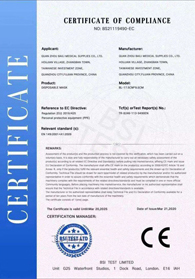

When you partner with Hebei Yuanchang, you are choosing a manufacturer committed to delivering not just functional equipment, but also compliant and trustworthy solutions. We are always open to discussing specific certification requirements for your region or industry. Our goal is to ensure your imported equipment seamlessly integrates into your operations and meets all necessary regulatory standards.
What Our Partners Say
Hear directly from businesses that have integrated our solutions into their operations.

Maria Sanchez, Operations Manager
AgriHarvest Foods, USA
"We were struggling with manual handling of large ingredient totes, leading to back strain injuries. Hebei Yuanchang's custom pneumatic lifter has been a game-changer. It's precise, incredibly safe, and has cut our loading time by almost 30%. The stainless steel construction is perfect for our washdown environment."

Kenji Tanaka, Production Lead
Nihon Pharma Co., Ltd., Japan
"Reliability is paramount in pharmaceutical manufacturing. The electric tote lifter we procured from Hebei Yuanchang performs flawlessly. It integrates smoothly into our line, and the precision control prevents any spillage or contamination of sensitive materials. Their responsiveness to our technical queries was also excellent."

David Miller, Warehouse Manager
GlobalLogistics Solutions, UK
"We needed a cost-effective solution for moving heavy totes between sections of our warehouse. The wheeled model from Hebei Yuanchang is robust, easy to maneuver, and significantly reduced the manual effort required. The build quality is impressive for the price point. Definitely a worthwhile investment for improving warehouse efficiency."
Frequently Asked Questions
- Q: What is the typical lead time for a custom tote lifting equipment order?
- Lead times can vary based on the complexity of the customization and our current production schedule. Generally, for standard models, it can range from 30-60 days. For highly customized solutions, this may extend to 60-90 days or more. We provide a precise estimated lead time upon order confirmation.
- Q: Do you offer installation and training services?
- We provide comprehensive installation manuals and video guides. For large-scale projects or complex automated systems, we can arrange for our engineers to provide on-site installation and training services, subject to additional costs and travel arrangements.
- Q: How do I determine the correct lifting capacity for my needs?
- The best approach is to weigh your heaviest common tote load and add a safety margin of at least 10-20%. We can also assist you by asking specific questions about your typical loads and operational context to recommend an appropriate capacity.
- Q: What kind of after-sales support do you offer for tote lifters?
- We offer a comprehensive after-sales support system, including technical assistance, spare parts supply, and maintenance guidance. Our traceable management system ensures that we can quickly identify and source any required components for your equipment.
- Q: Are your machines suitable for export to the USA or Europe?
- Yes, absolutely. We design and manufacture equipment that adheres to international standards. We can provide documentation and ensure compliance with requirements such as CE marking for Europe and relevant safety standards for the US market.
Ready to Elevate Your Operations?
Don't let inefficient material handling slow you down or compromise safety. Discover how Hebei Yuanchang's expert-engineered tote lifting equipment can transform your workflow.