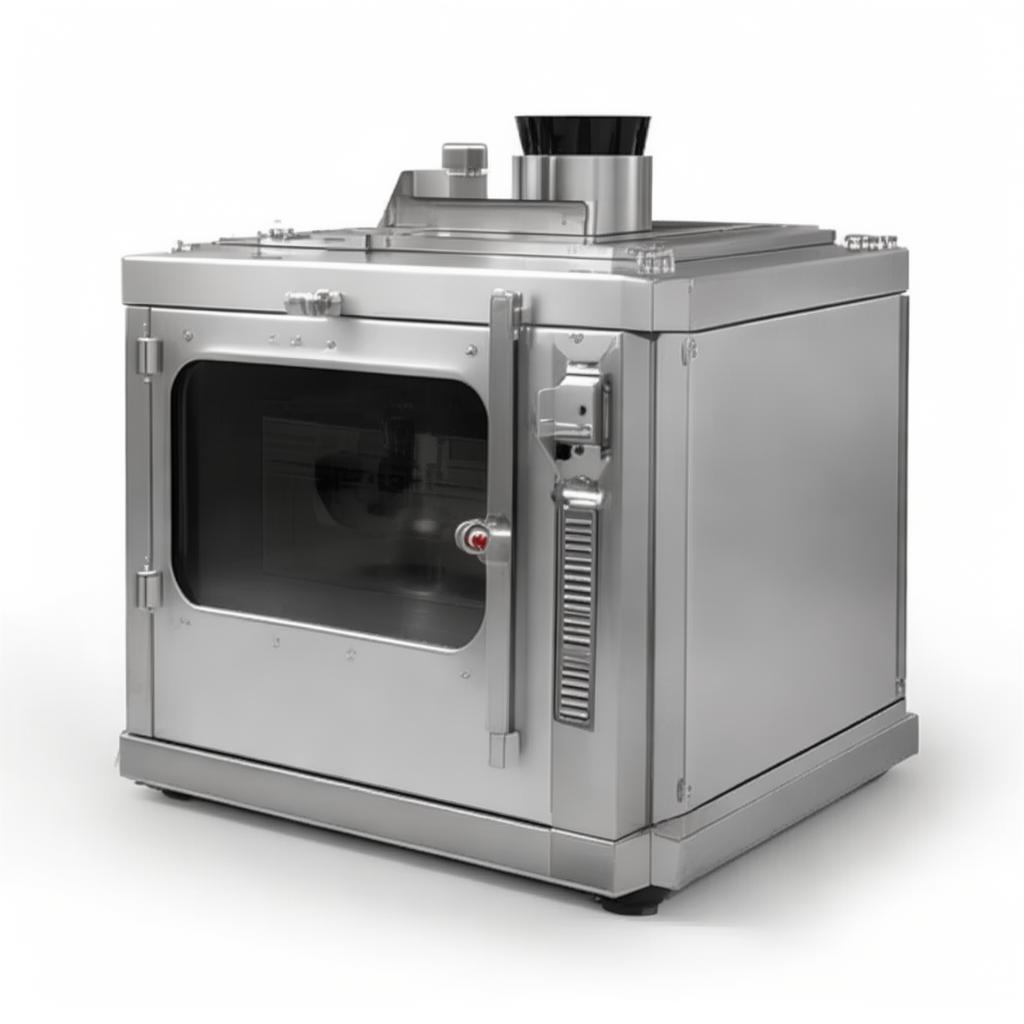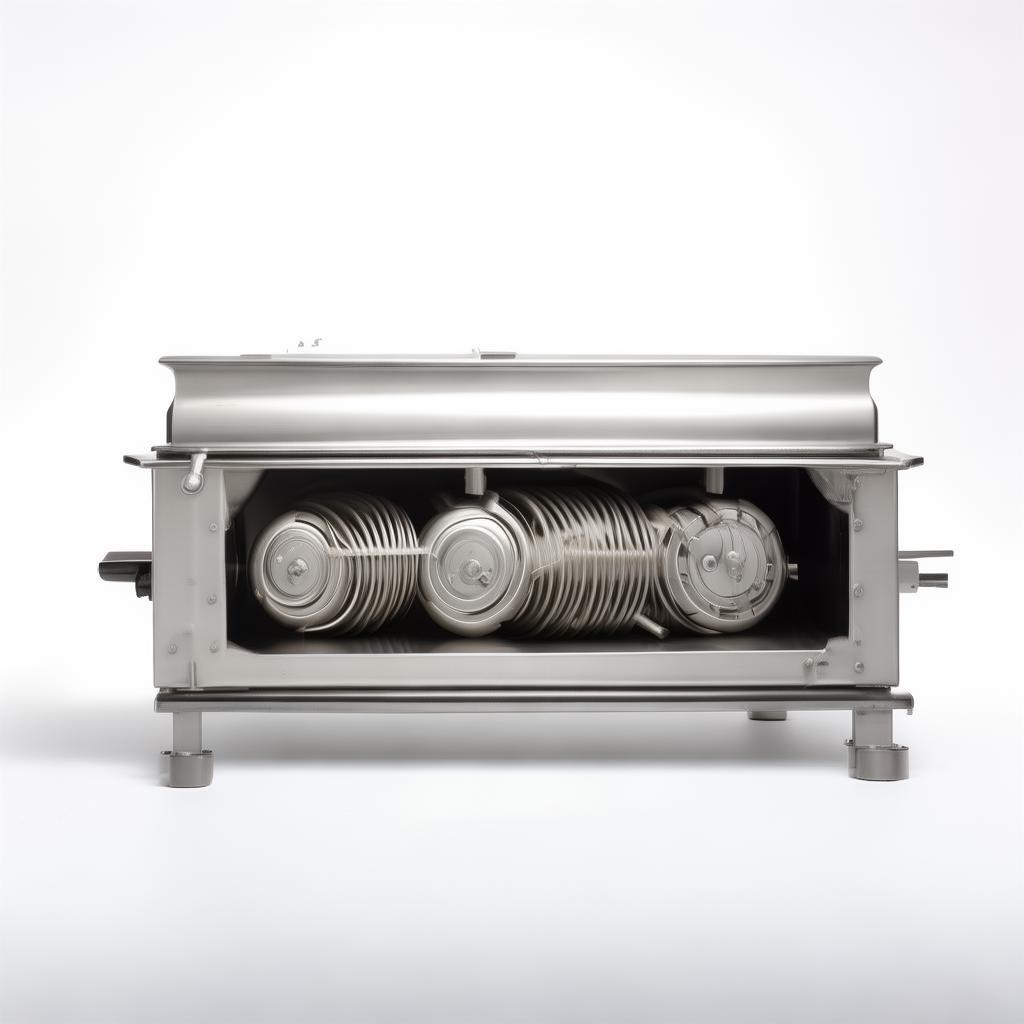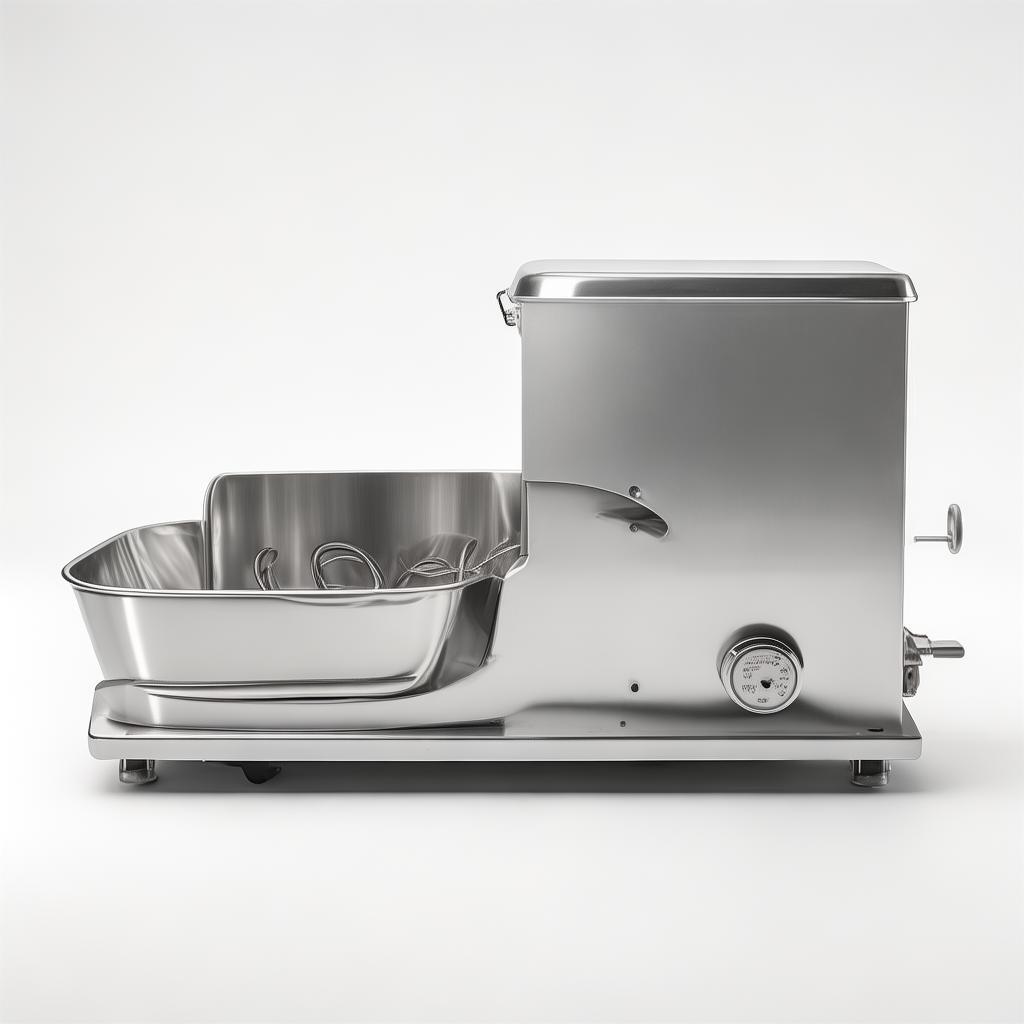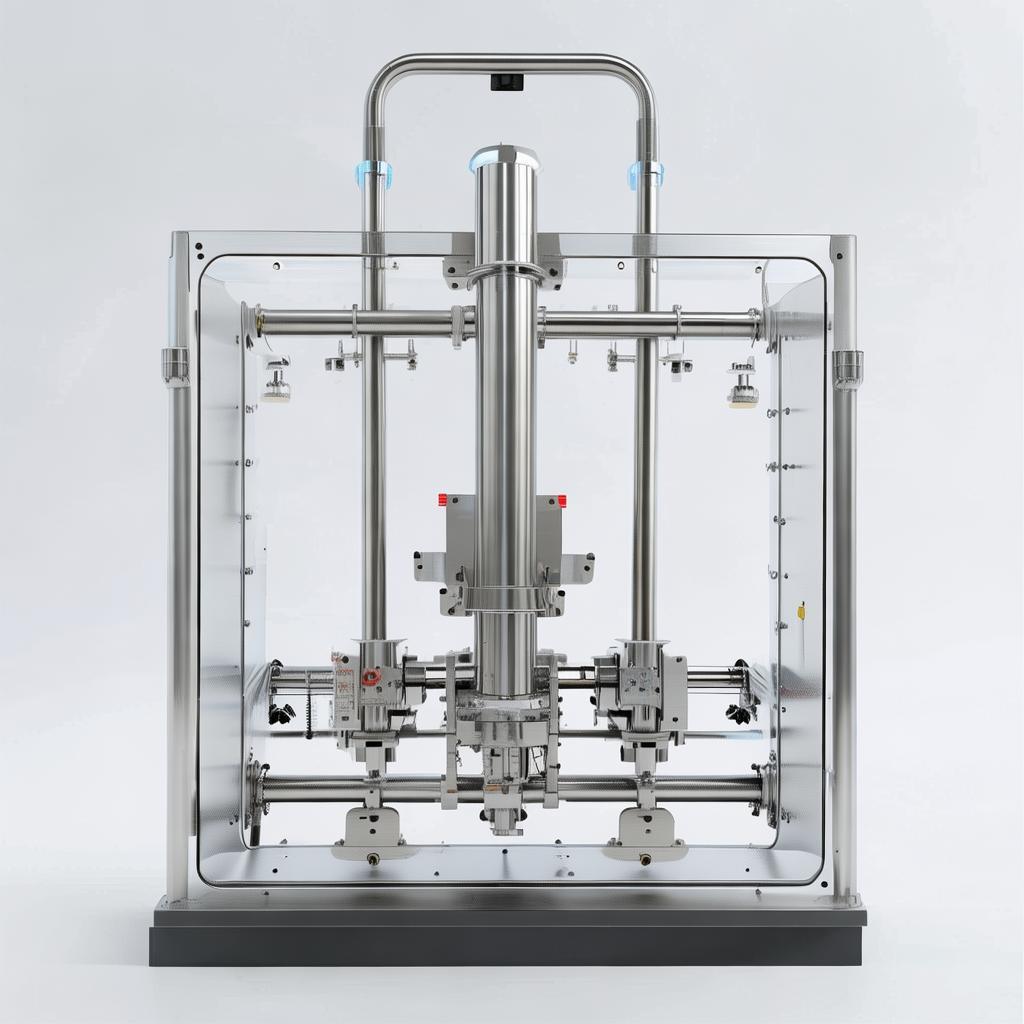
Unloading Hopper
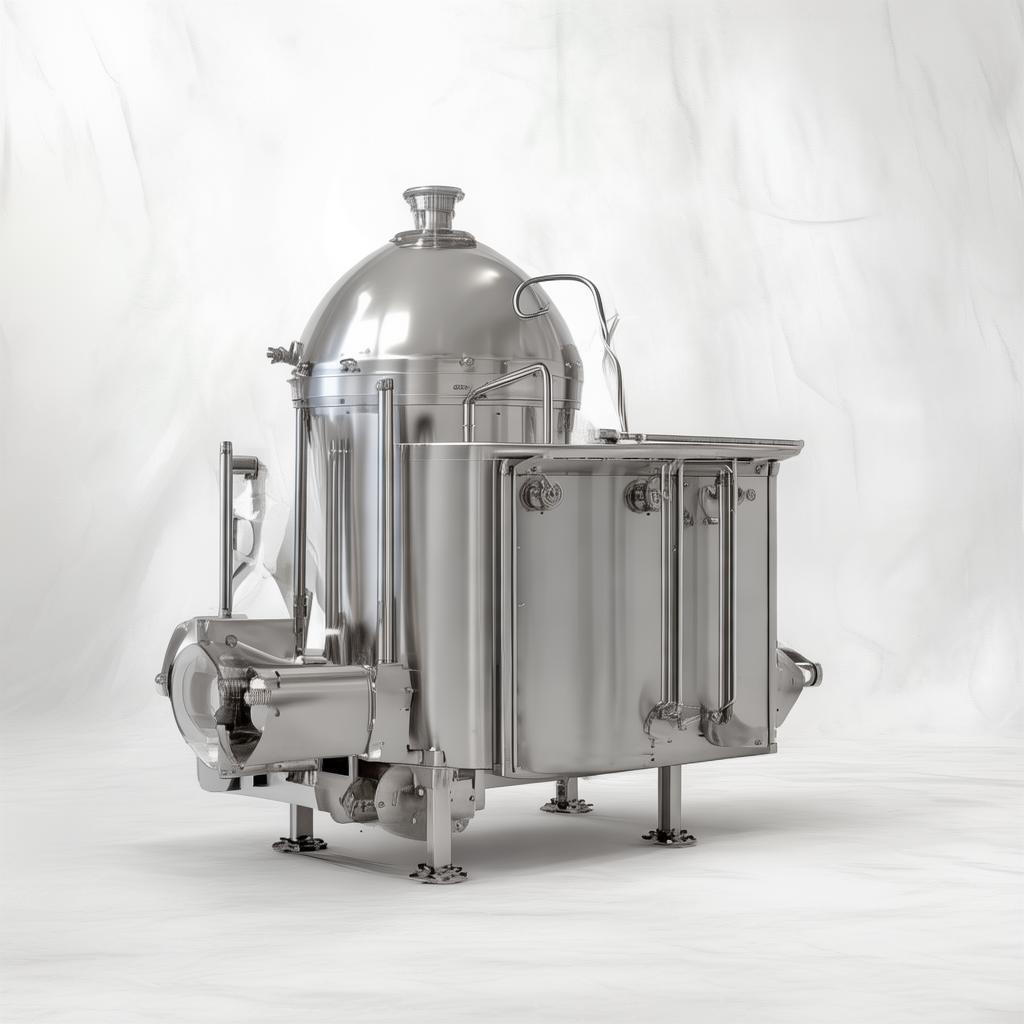
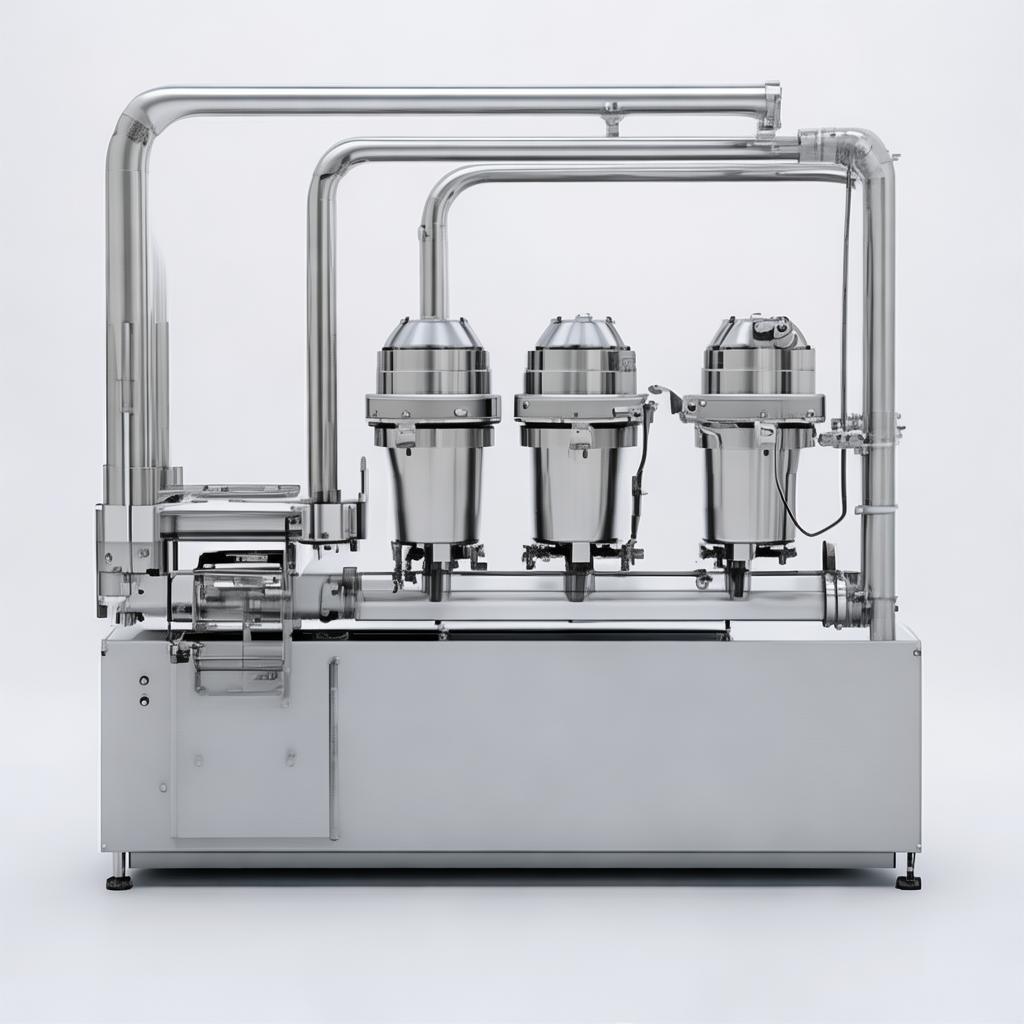
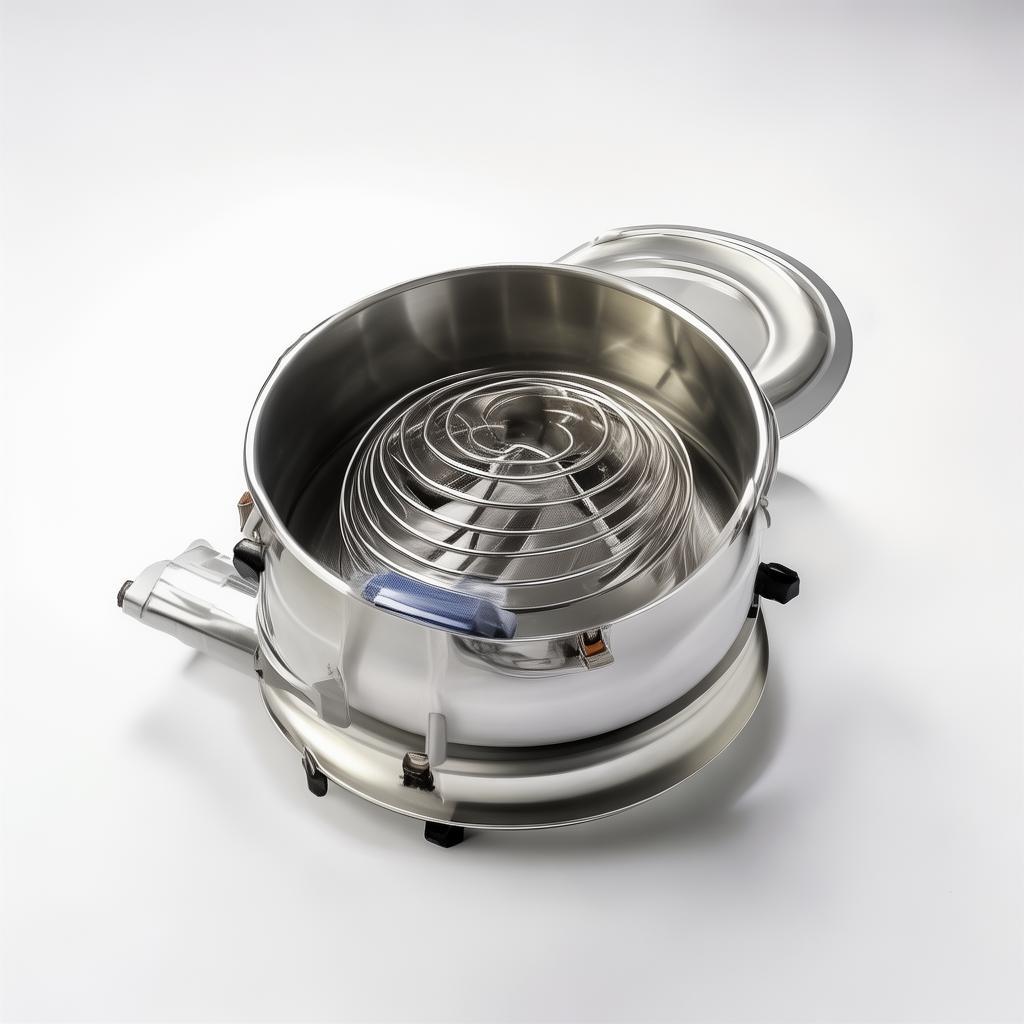

Unloading Hoppers: Maximizing Efficiency and Safety in Bulk Material Handling
By David Chen, Export Manager at Hebei Yuanchang Food Mechanism & Technology Co., Ltd.
Published:
Table of Contents
- Introduction: The Crucial Role of Unloading Hoppers
- Operational Bottlenecks: Why Your Current Unloading Method Isn't Cutting It
- Introducing the Yuanchang Unloading Hopper: Engineered for Performance
- Key Features and Technical Specifications
- Material Considerations: Durability Meets Application
- Versatile Applications Across Industries
- Installation, Integration, and Logistics Insights
- Procurement Smartly: What Buyers Need to Know
- Our Manufacturing Prowess: Why Choose Hebei Yuanchang
- What Our Clients Say
- Frequently Asked Questions
- Ready to Optimize Your Material Handling?
Introduction: The Crucial Role of Unloading Hoppers
In the fast-paced world of industrial processing, particularly within sectors like food manufacturing, chemicals, and agriculture, the efficient and safe handling of bulk materials is paramount. The journey of raw ingredients often begins with a crucial step: unloading. Whether it's grains from a delivery truck, spices from bulk bags, or even semi-finished components from shipping containers, the method of transfer directly impacts operational workflow, product integrity, and worker safety. This is where the humble yet vital piece of equipment, the unloading hopper, takes center stage.
An unloading hopper isn't just a funnel; it's a carefully engineered solution designed to receive, store temporarily, and controllably discharge bulk materials. Its design directly influences how quickly and safely materials can be moved from their transport vessel into the next stage of processing. Inefficiencies here can cascade through an entire operation, leading to production delays, increased labor costs, product contamination, and even workplace injuries. For businesses aiming to scale, maintain quality, and meet increasingly stringent regulatory standards, optimizing this initial transfer point is non-negotiable.
The global meat processing equipment market, for instance, is a testament to the importance of specialized handling. Reports suggest this market was valued at approximately USD 11.29 billion in 2025 and is projected to reach USD 17.39 billion by 2034, driven by rising demand for processed meats and the adoption of automation for hygiene and efficiency. Within this vast industry, efficient unloading of raw meats, marinades, or casings is a foundational step. Similarly, the broader food processing machinery market, which includes meat processing, is expected to reach USD 109.61 billion by 2035. These figures underscore a universal truth: efficient material handling underpins successful large-scale production.
Our experience at Hebei Yuanchang Food Mechanism & Technology Co., Ltd., spanning over 40 years since 1986, has shown us that even the most advanced processing lines can be crippled by a poorly designed or implemented unloading system. We've seen firsthand how vital it is to select the right unloading hopper – one that aligns with the specific properties of the material being handled (granule size, flowability, density, abrasiveness), the volume of incoming product, and the downstream processing equipment. A standard hopper might suffice for a small bakery, but for a large-scale meat processing plant dealing with tons of raw materials daily, a robust, high-capacity, and easily sanitized unit is essential.
The demand for specialized unloading solutions is further amplified by the growth in processed and reconstituted meat products. The reconstituted meat market alone is projected to grow significantly, relying heavily on effective molding and pretreatment equipment, where efficient material feeding via hoppers is key. This necessitates equipment that can handle diverse textures and prevent material degradation.
This page delves into the critical aspects of selecting and utilizing unloading hoppers. We will explore the common pain points faced by operations without adequate solutions, highlight the innovative features of the hoppers we manufacture, discuss technical specifications, and provide practical advice for procurement, installation, and maintenance. Our goal is to equip you, the purchasing manager, operations director, or plant engineer, with the knowledge needed to make an informed decision that enhances your production efficiency, ensures product quality, and prioritizes worker safety. Let's look at how the right unloading hopper can become a cornerstone of your operational success.
It's worth noting the broader market trends: The global meat processing equipment market is projected to reach USD 15.44 billion by 2035, with automation and hygiene being key drivers. This indicates a clear industry shift towards more sophisticated, integrated solutions. Unloading hoppers are not isolated units; they are integral components of a larger automated workflow, feeding material into filling machines, mixers, or conveyors. The efficiency and reliability of the hopper directly impact the performance of these subsequent machines.
Operational Bottlenecks: Why Your Current Unloading Method Isn't Cutting It
Many facilities operate under the assumption that "good enough" is sufficient for material intake. However, in today's competitive landscape, anything less than optimal at the receiving end creates significant downstream problems. We often encounter companies struggling with issues that, upon investigation, trace back to their unloading process.
- Slow Discharge Rates: If your hopper releases material too slowly, it creates a backlog. Trucks or bags wait longer, increasing demurrage costs. More critically, downstream equipment may sit idle, slashing valuable production time. This is particularly problematic when dealing with high-volume, time-sensitive inputs.
- Material Bridging and Arching: Sticky, moist, or poorly flowing materials can form stubborn bridges or arches within the hopper, preventing them from reaching the outlet. This requires manual intervention – often involving risky poking or hammering – which is inefficient, hazardous, and can damage the material or the equipment.
- Product Degradation and Contamination: Harsh unloading methods or poorly designed surfaces can cause product breakage, oxidation, or loss of essential characteristics. If the hopper isn't easily cleanable or made of appropriate food-grade materials, cross-contamination becomes a serious risk, leading to costly recalls or batch rejections.
- Safety Hazards: Manual shoveling, climbing into vessels, or dealing with unstable material flows poses significant safety risks to personnel. Falls, repetitive strain injuries, and exposure to dust are common issues. Regulatory bodies like OSHA are increasingly focused on these workplace safety aspects.
- Inconsistent Feeding: If the material flow from the hopper is erratic, it disrupts the consistent operation of subsequent machines like fillers or extruders. This leads to variations in product weight, density, or fill levels, impacting final product quality and customer satisfaction.
- Poor Space Utilization: Inefficient hopper designs may not effectively utilize the space available, requiring larger footprints or leading to wasted material remaining in corners.
Consider the procurement decision workflow. Purchasing managers are often under pressure to reduce capital expenditure. However, opting for a low-cost, low-quality hopper can be a false economy. The true cost emerges in lost productivity, increased maintenance, potential downtime, and the risk of non-compliance with safety and hygiene standards. The global meat processing equipment market sees significant investment in automation precisely to mitigate these issues. A robust unloading hopper is the first step in this automation chain.
The meat processing industry, for example, faces unique challenges. Raw meat can be sticky, temperature-sensitive, and requires strict hygiene protocols. Using standard, difficult-to-clean hoppers can lead to bacterial growth and contamination, a risk that processors cannot afford. Similarly, the rise of reconstituted and formed meat products demands precise material feeding for consistent molding, making hopper performance critical.
Introducing the Yuanchang Unloading Hopper: Engineered for Performance
At Hebei Yuanchang, we don't just build hoppers; we engineer solutions. Our unloading hoppers are designed with decades of practical manufacturing experience, addressing the very pain points our clients face daily. We understand that your material handling needs are specific, and our equipment is built to perform reliably, safely, and efficiently.
Our design philosophy integrates industry best practices with our deep understanding of material flow dynamics. This results in equipment that offers:
- Optimized Material Flow: Our hoppers feature scientifically calculated angles and smooth internal surfaces. This design minimizes friction and prevents bridging and arching, ensuring a consistent, gravity-fed discharge even for challenging materials.
- Enhanced Durability and Hygiene: Constructed from high-grade stainless steel (often SS304 or SS316L for food-grade applications), our hoppers are built to withstand demanding industrial environments. They are designed for easy cleaning and sanitization, crucial for food safety and compliance with regulations like HACCP and GMP.
- Modular and Scalable Designs: We offer a range of standard sizes and configurations, but critically, our hoppers can be customized to integrate seamlessly with your existing processing lines and specific material types. This includes options for variable discharge rates and specialized outlet configurations.
- Worker Safety Integration: Features such as integrated dust collection ports, ergonomic access points, and safety guards are standard. We design with the operator in mind, reducing manual handling and minimizing exposure risks.
- Reduced Product Degradation: The gentle flow path and smooth finishes prevent damage to delicate materials, preserving their quality and integrity from receiving to processing.
- Cost-Effective Operation: By increasing discharge speed and reducing downtime, our hoppers directly contribute to higher throughput and lower operational costs. Their robust construction also ensures a long service life with minimal maintenance.
We believe that the right equipment isn't just a purchase; it's an investment in operational excellence. For businesses in the meat processing sector, our stainless steel hoppers are designed to meet rigorous hygiene standards, ensuring the safety and quality of products destined for consumers. The consistent flow they provide is vital for downstream filling and molding machines, directly impacting the uniformity of sausages, patties, or other formed products.
Our 40 years of experience since 1986 means we've learned what works and what doesn't. We've refined our designs based on real-world feedback and continuous innovation in our in-house machining workshop, which includes advanced Japanese Mazak CNC machining centers. This allows us to produce high-precision components essential for reliable hopper performance, even for non-standard specifications.
Key Features and Technical Specifications
To truly understand the value a Yuanchang unloading hopper brings, it's essential to look at the details. Our standard models are highly adaptable, but they are built upon a foundation of robust engineering principles.
Standard Features:
- Material Construction: Food-grade Stainless Steel (SS304 standard, SS316L optional for corrosive environments).
- Hopper Shape: Tapered, steep-angle design for optimal material flow.
- Surface Finish: Smooth, polished interior surfaces to minimize material adhesion and facilitate cleaning. Mirror finish available for highly sanitary applications.
- Discharge Outlet: Standard flanged outlet for easy connection to downstream equipment (e.g., screw conveyors, feeders, valves). Custom sizes and shapes available.
- Legs/Support Structure: Robust stainless steel legs for stable mounting. Adjustable height options available.
- Safety Features: Integrated guard on discharge outlet, optional dust collection ports.
- Capacity: Available in a range of standard capacities (e.g., 500L, 1000L, 2000L). Custom capacities are a core offering.
Optional Features & Customizations:
- Vibrators/Agitators: To assist with the flow of difficult or sticky materials.
- Bottom Gate Valves: For precise control over material discharge.
- Heating/Cooling Jackets: For temperature-sensitive materials.
- Integrated Weighing Systems: For accurate batching and inventory control.
- Specialized Linings: For abrasive materials.
- Integrated Load Cells: For precise weight monitoring during filling.
- Custom Inlet Chutes: To accommodate various bulk bag unloaders or delivery systems.
Example Technical Specification Table (Model YC-UH1000):
| Parameter | Specification |
|---|---|
| Model | YC-UH1000 |
| Capacity | 1000 Liters (approx. 800 kg depending on material density) |
| Material | SS304 Stainless Steel |
| Overall Dimensions (L x W x H) | 1.5m x 1.2m x 1.8m (approx.) |
| Discharge Outlet Diameter | 300mm (Standard, customizable) |
| Hopper Wall Angle | 60 degrees |
| Weight | ~250 kg |
| Certifications | CE Marked, Food Grade Compliance (optional FDA) |
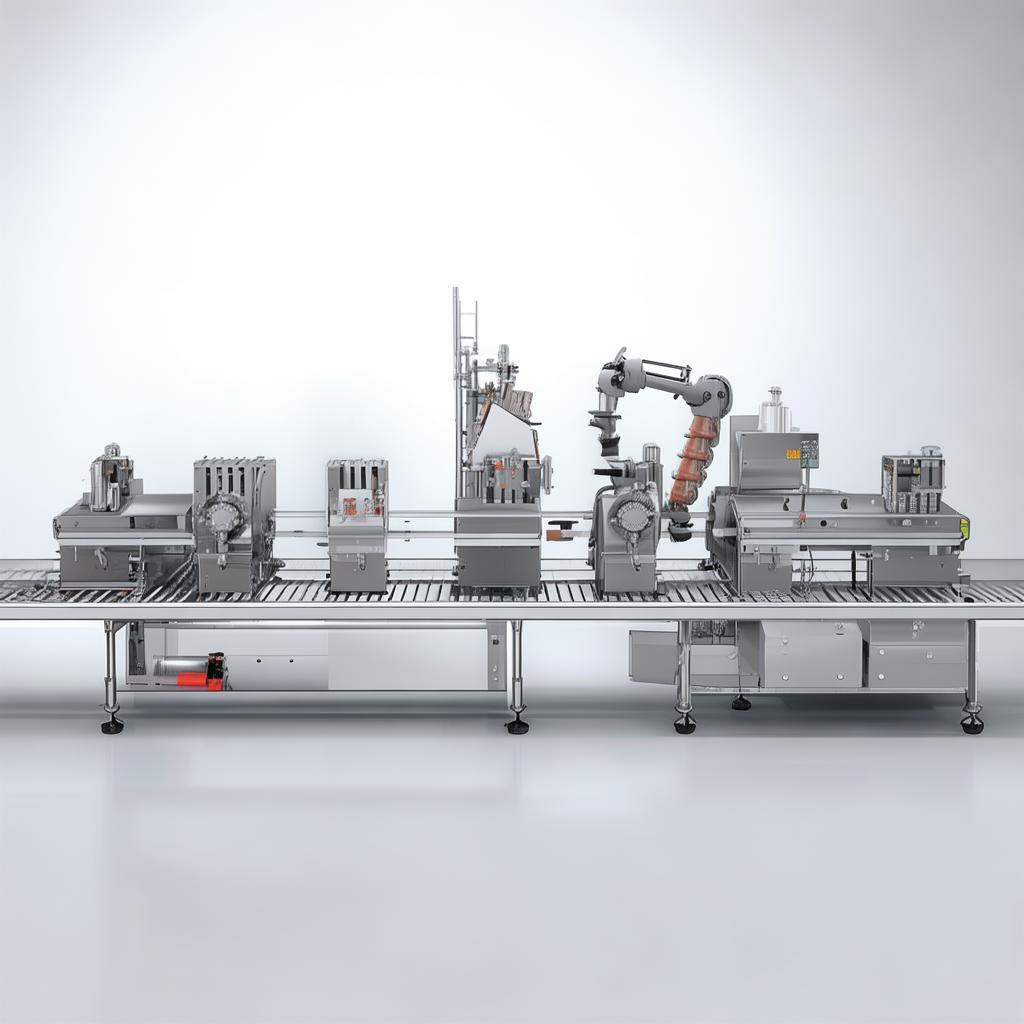
hopper loader conveyor with hopper conveyor hopper
These specifications represent a baseline. Our engineering team works closely with clients to tailor dimensions, capacities, and features to match precise operational requirements. For example, a client processing viscous sauces might need a hopper with a wider, more steeply angled outlet and potentially a gentle agitator, while a granulator might require a robust lining.
Material Considerations: Durability Meets Application
The choice of material for an unloading hopper is critical and depends heavily on the substance being handled. For most food processing, chemical, and pharmaceutical applications, stainless steel is the undisputed champion. However, the specific grade and finish matter significantly.
Stainless Steel Grades:
- SS304: This is our standard offering. It provides excellent corrosion resistance for general food processing, including dairy, baking, and some meat applications. It's durable, easy to clean, and cost-effective.
- SS316/SS316L: For applications involving highly corrosive agents, salt-laden environments, or aggressive chemicals, SS316 or SS316L (low carbon) is recommended. The molybdenum content in SS316 offers superior resistance to pitting and crevice corrosion. This is often specified for food processing in coastal areas or for certain chemical slurries.
Surface Finish:
The internal surface finish directly impacts material flow and cleanability.
- Standard Mill Finish: Adequate for many dry, free-flowing granular materials.
- Brushed/Satin Finish: Offers a smoother surface than mill finish, improving flow and ease of cleaning.
- Polished/Mirror Finish: The highest level of finish, ideal for sticky, viscous, or highly sanitary applications (e.g., dairy, pharmaceuticals, high-end food processing). This finish minimizes adhesion and is critical for effective CIP (Clean-In-Place) systems.
Considerations for Specific Materials:
When evaluating a material, think about:
- Flowability: Is it a fine powder, granular, sticky, or lumpy? This dictates hopper angle and the potential need for vibrators.
- Abrasiveness: Does the material contain particles that can wear down the hopper over time? Abrasive materials may require hardened steel components or specialized linings.
- Corrosivity: Does it react with standard stainless steel?
- Temperature Sensitivity: Does it need to be kept hot or cold during transfer? This might necessitate jacketed hoppers.
- Sanitary Requirements: What are the industry standards (e.g., FDA, USDA, EC)? This dictates material grade, finish, and design for ease of cleaning.
For instance, handling meat trimmings might require a robust SS304 hopper with a steep angle and potentially a vibrator due to its tendency to stick. If dealing with corrosive brine solutions, SS316L with a high polish would be the judicious choice. Our team can guide you through these material choices based on your specific application.
Versatile Applications Across Industries
The modular design and customization options of Hebei Yuanchang unloading hoppers make them suitable for a remarkably broad range of industrial applications. Their ability to handle diverse bulk materials efficiently and safely is a key asset for businesses looking to streamline their operations.
Key Sectors Served:
- Food & Beverage: This is a cornerstone for us. Our hoppers are used for:
- Meat Processing: Unloading raw meat chunks, trimmings, marinades, spices, and casings into mixers, tumblers, filling machines, or molding equipment.
- Poultry & Seafood: Handling prepared pieces, IQF (Individually Quick Frozen) items, breading mixes, and flavorings.
- Bakery: Receiving flour, sugar, grains, nuts, and dough mixes from bulk bags or delivery systems.
- Dairy: Transferring powders, cheese curds, or milk solids into processing equipment.
- Confectionery: Handling sugar, cocoa powder, chocolate chips, and various inclusions.
- Chemical Processing: Transferring powders, granules, resins, and additives into reactors, mixers, or packaging lines.
- Pharmaceuticals: Handling powders, granules, and tablets where high purity, containment, and ease of cleaning are critical. Our SS316L with polished finishes excel here.
- Agriculture: Unloading grains, animal feed, fertilizers, and seeds into processing or storage systems.
- Plastics & Polymers: Receiving plastic pellets, powders, and masterbatches for extrusion or molding processes.
- Mining & Minerals: Handling ores, powders, and granular materials in less corrosive applications.
The versatility extends to how materials are received. Our hoppers can be integrated with:
- Bulk Bag (FIBC) Unloaders: Providing a controlled drop-off point.
- Trucks and Railcars: For direct unloading from bulk deliveries.
- Silos and Storage Tanks: For controlled dispensing.
- Manual Bag Dumping Stations: Ensuring dust containment during manual tipping.
For example, in the processed meat market, which is projected to reach USD 1.33 trillion by 2035, the demand for consistency is paramount. Our hoppers feeding into forming machines ensure that the meat mixture is delivered uniformly, leading to consistent product dimensions and texture, which is a key differentiator for brands.
Installation, Integration, and Logistics Insights
Acquiring the right unloading hopper is only part of the equation. Proper installation and thoughtful integration are crucial for realizing its full operational benefits. At Hebei Yuanchang, we aim to make this process as smooth as possible for our international clients.
Installation Considerations:
- Foundation & Support: Ensure the floor or supporting structure can handle the weight of the hopper when fully loaded. Our leg designs are robust, but the substrate matters.
- Positioning: The hopper should be positioned to allow easy access for delivery vehicles or bag dumpers, and ideally, it should be located close to the downstream processing equipment to minimize transfer distances.
- Connection to Downstream Equipment: Precise alignment with the inlet of conveyors, fillers, or mixers is essential. We can provide custom outlet flanges or adapters to facilitate this.
- Utility Connections: If your hopper includes options like vibrators or heating elements, ensure the appropriate electrical power and controls are readily available. Dust collection ports will need to be connected to your central dust collection system.
- Cleanliness: Before initial use, and as part of regular maintenance, thorough cleaning is essential, especially for food-grade applications.
Integration with Processing Lines:
Our hoppers are designed as modular components. They can be integrated with:
- Screw Conveyors: For controlled, enclosed transfer of powders and granules.
- Bucket Elevators: For vertical transport of bulk materials.
- Pneumatic Conveying Systems: For long-distance or complex routing of materials.
- Automated Filling & Molding Machines: Ensuring a consistent feed rate for high-speed production.
Logistics and Shipping:
As an experienced exporter, Hebei Yuanchang understands the complexities of international shipping.
- Packaging: Our hoppers are typically crated or palletized securely for international transit to prevent damage.
- Shipping Options: We work with reliable freight forwarders to offer sea freight (FCL or LCL) and air freight options. We provide all necessary export documentation.
- Lead Times: Standard models can often be produced within 3-6 weeks, with custom orders potentially taking longer depending on complexity. We always provide realistic lead times based on our current production schedule.
- Container Optimization: For multiple-unit orders, we can advise on container loading to maximize space efficiency and minimize shipping costs.
A key operational insight: a poorly integrated hopper can lead to significant dust generation. Implementing a dust collection port and ensuring a good seal with downstream equipment is not just about hygiene; it's about operator health and environmental compliance.
Procurement Smartly: What Buyers Need to Know
Sourcing industrial equipment from international suppliers requires diligence. As a purchasing manager or procurement director, understanding the supplier and the product's total cost of ownership is paramount.
Key Questions to Ask Suppliers:
- What is the lead time for production and delivery? Be realistic about your project timeline.
- What are the payment terms? Common terms include T/T (Telegraphic Transfer) for a percentage upfront and the balance before shipment.
- What are the warranty terms? Typically, industrial equipment comes with a 12-24 month warranty against manufacturing defects.
- What is included in the scope of supply? Ensure you know what accessories or documentation are provided.
- Can you provide references or case studies relevant to my industry/application? This helps assess their experience.
- What are the shipping costs and Incoterms (e.g., FOB, CIF)? Understand who is responsible for shipping and insurance.
- What spare parts are recommended, and are they readily available? Planning for future maintenance is key.
Evaluating Hebei Yuanchang:
When considering us, remember:
- 40 Years of Experience: Since 1986, we've specialized in food processing machinery, giving us deep practical expertise.
- In-House Manufacturing: Our 14,000 sqm facility with over 20 CNC machining centers allows us to control quality from component fabrication to final assembly. This is crucial for precision and customization.
- Traceable After-Sales: Our system ensures that if a part needs replacement, we can identify and produce it accurately.
- Export Experience: We regularly ship globally and are familiar with export procedures and documentation.
- Customization Capability: We excel at tailoring equipment to specific needs, not just selling off-the-shelf solutions.
Procurement risks often involve communication barriers, quality control issues, or unmet technical specifications. By choosing an experienced manufacturer with transparent processes like Hebei Yuanchang, you mitigate these risks significantly. We believe in building long-term partnerships, not just transactional sales. The global processed meat market's growth (projected to hit USD 1.33 trillion by 2035) signifies increasing demand for reliable, high-volume production, making smart equipment sourcing more critical than ever.
Remember, the lowest initial price doesn't always equate to the lowest total cost of ownership. Factors like energy consumption, maintenance needs, lifespan, and the prevention of costly downtime are vital considerations that often outweigh minor upfront savings.
Our Manufacturing Prowess: Why Choose Hebei Yuanchang
Our capability to deliver high-quality, reliable unloading hoppers stems directly from our robust manufacturing infrastructure and deep-seated expertise. We are not simply assemblers; we are manufacturers who control the entire production chain.
Facility and Equipment:
Spanning 14,000 square meters, our facility is equipped to handle complex fabrication and precision machining. Our investment includes:
- Over 20 Sets of Processing Machinery: Including lathes, milling machines, high-precision grinding machines, boring machines, plate shears, bending machines, and wire cutting equipment.
- 8 Japanese Mazak CNC Machining Centers (since 2012): These high-precision machines allow us to produce complex, non-standard, and high-tolerance components in-house. This is a critical differentiator, enabling us to meet exact specifications for critical parts like discharge valves or connection flanges.
- Dedicated Fabrication Area: For welding, polishing, and assembly of stainless steel structures.
Expertise and Experience:
Our team of 80-100 skilled professionals includes engineers, technicians, and manufacturing specialists with 40 years of collective experience. This hands-on knowledge, built since 1986, means we understand the practical challenges of material handling. We are adept at:
- Custom Engineering: Designing solutions tailored to unique material properties and process flows.
- Material Science: Selecting the appropriate stainless steel grades and finishes for optimal performance and longevity.
- Quality Control: Implementing rigorous checks at every stage, from raw material inspection to final equipment testing.
Traceable After-Sales Service:
Because we produce many of our own components, we can provide traceable and reliable after-sales support. If a part needs replacing years down the line, we have the records and manufacturing capability to supply an exact match, ensuring minimal disruption to your operations. This is a significant advantage over companies that rely heavily on third-party component suppliers.
Our commitment to quality and in-house manufacturing capabilities ensure that when you invest in a Hebei Yuanchang unloading hopper, you're getting a piece of equipment built for endurance, efficiency, and reliability.
What Our Clients Say
Real feedback from businesses like yours is the best testament to the quality and performance of our unloading hoppers.

Operations Manager, AgriFeed Solutions
"We switched to Yuanchang's custom-sized hopper for our grain receiving line. The difference in flow rate was immediate. No more bridging, and we can unload a full truck in half the time. The stainless steel construction is also a big plus for hygiene."

Plant Supervisor, Global Meat Packers
"The hopper we received for our sausage line is excellent. The polished finish makes cleaning much easier, and the consistent feed it provides to our filling machine has reduced product giveaway. Yuanchang understood our stringent hygiene requirements."

Procurement Specialist, BioChem Solutions
"We needed a specialized hopper for some rather abrasive chemical powders. Yuanchang’s team recommended the SS316L with a specific internal lining. It’s holding up exceptionally well, and we’ve had zero issues with material sticking or wear. Their technical advice was invaluable."

Production Supervisor, SpiceMasters Inc.
"Our previous hopper was a bottleneck. The Yuanchang unit, especially with the optional vibrator, handles our sticky spice blends perfectly. Deliveries were on time, and installation was straightforward. A solid piece of equipment."
We have many more testimonials available upon request. We are proud of the relationships we build with our clients.
Frequently Asked Questions
1. What is the typical lifespan of a Yuanchang unloading hopper?
With proper maintenance and based on typical industrial usage, our stainless steel unloading hoppers are designed for a lifespan of 15-20 years or more. The durability of stainless steel and our robust construction methods contribute to this longevity.
2. Can your hoppers handle extremely fine powders without dust leakage?
Yes, we can equip our hoppers with specialized sealing mechanisms and dust extraction ports that integrate with your facility's dust collection system. For very fine or sensitive powders, a polished finish and precise outlet seals are crucial, which we can provide.
3. How do I determine the right size hopper for my application?
Sizing depends on several factors: the volume of material you receive per delivery, the density of the material, and the required discharge rate to keep up with your downstream process. We recommend providing us with your material specifications and process throughput requirements. Our sales engineers can then help you select or design the optimal capacity.
4. What is the process for ordering a custom-designed hopper?
The process typically involves an initial consultation to understand your needs, followed by detailed technical discussions. Our engineering team will then develop a design proposal, including CAD drawings, for your review and approval. Once approved, we proceed with manufacturing, keeping you informed throughout the production cycle.
5. Do you offer installation support or guidance?
While we don't typically offer on-site installation services globally due to logistical complexities, we provide comprehensive installation manuals and detailed technical support. Our team is available via phone or email to answer any questions your installation crew may have during setup.
6. What are your payment terms for international orders?
Our standard terms for international orders are typically a 30% deposit via T/T upon order confirmation, with the remaining 70% due before shipment. We can discuss variations based on order volume and client history.
Direct Communication Insights
Sometimes, a quick chat can clarify complex needs. Here are a few snippets from recent client interactions:
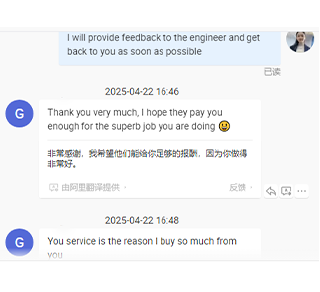
Discussing material flow challenges for a sticky food product.
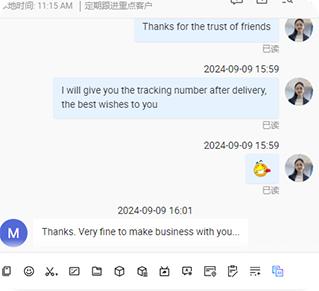
Clarifying custom outlet dimensions for integration.
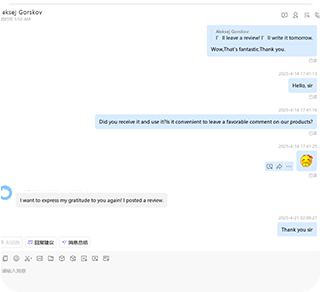
Confirming lead times and shipping logistics for a bulk order.
Ready to Optimize Your Material Handling?
Don't let inefficient material unloading slow down your production or compromise your quality. Partner with Hebei Yuanchang, a trusted manufacturer with 40 years of experience.