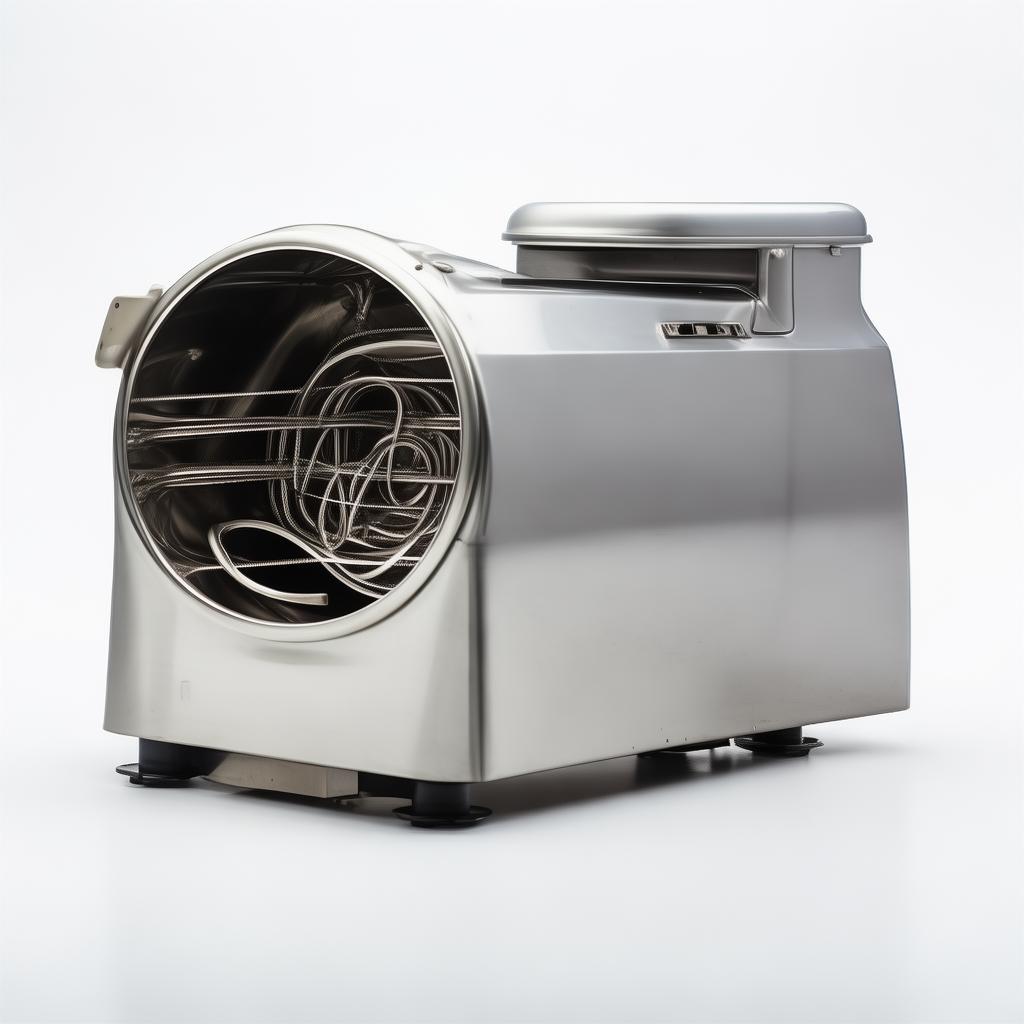
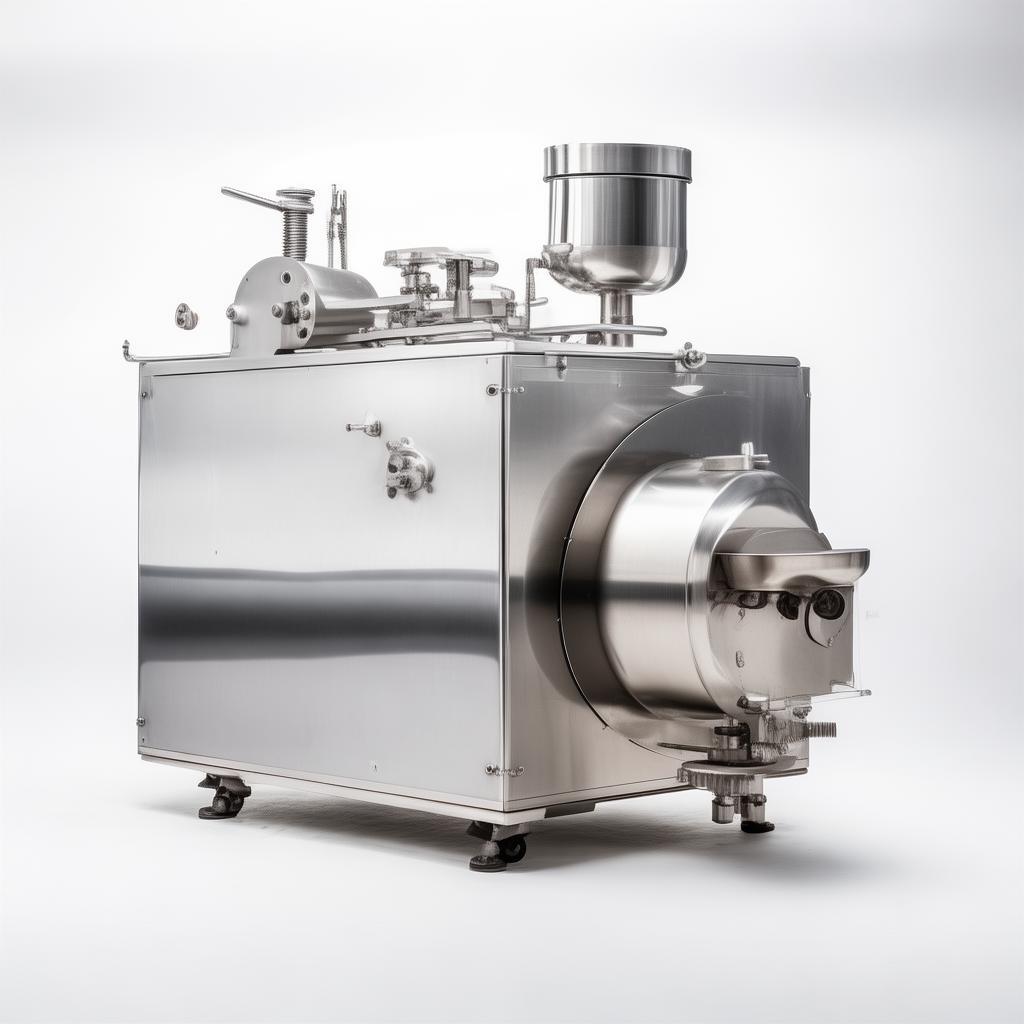
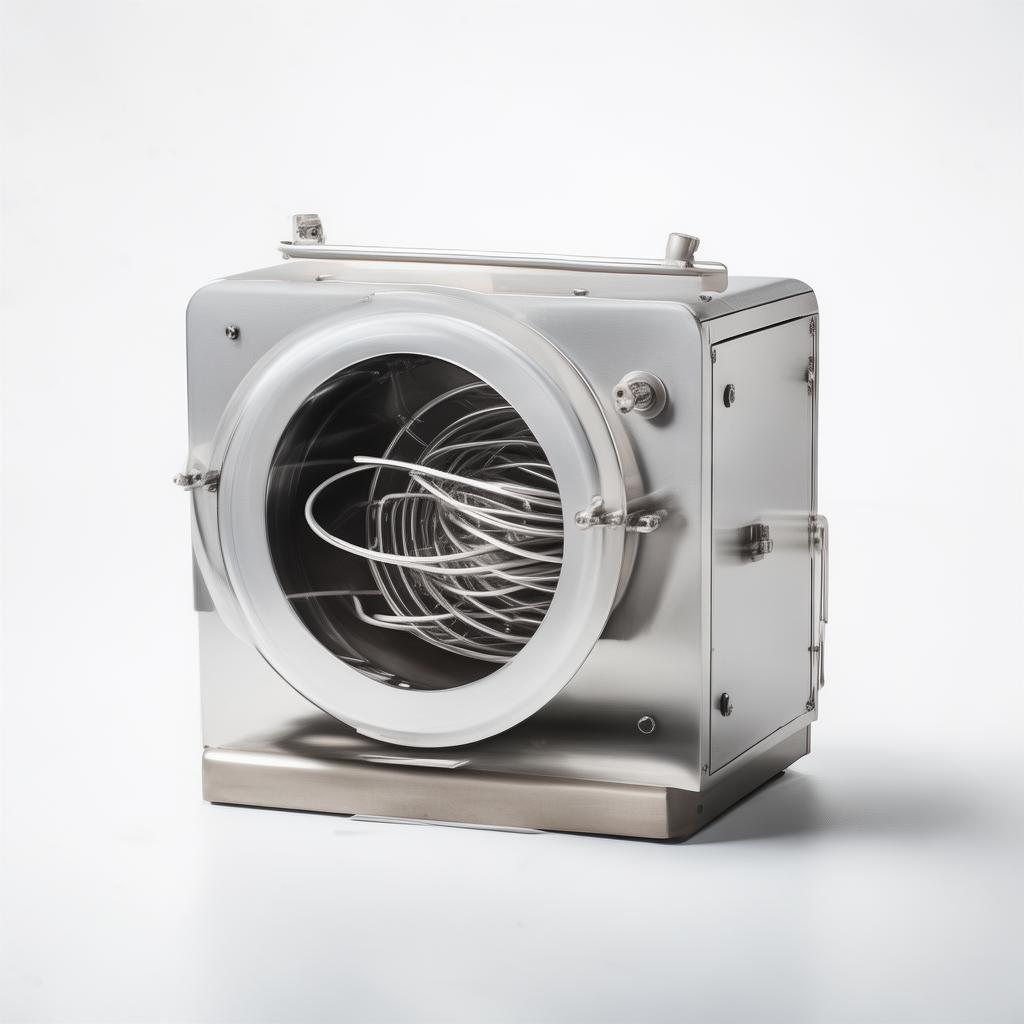
Vacuum Test Chamber
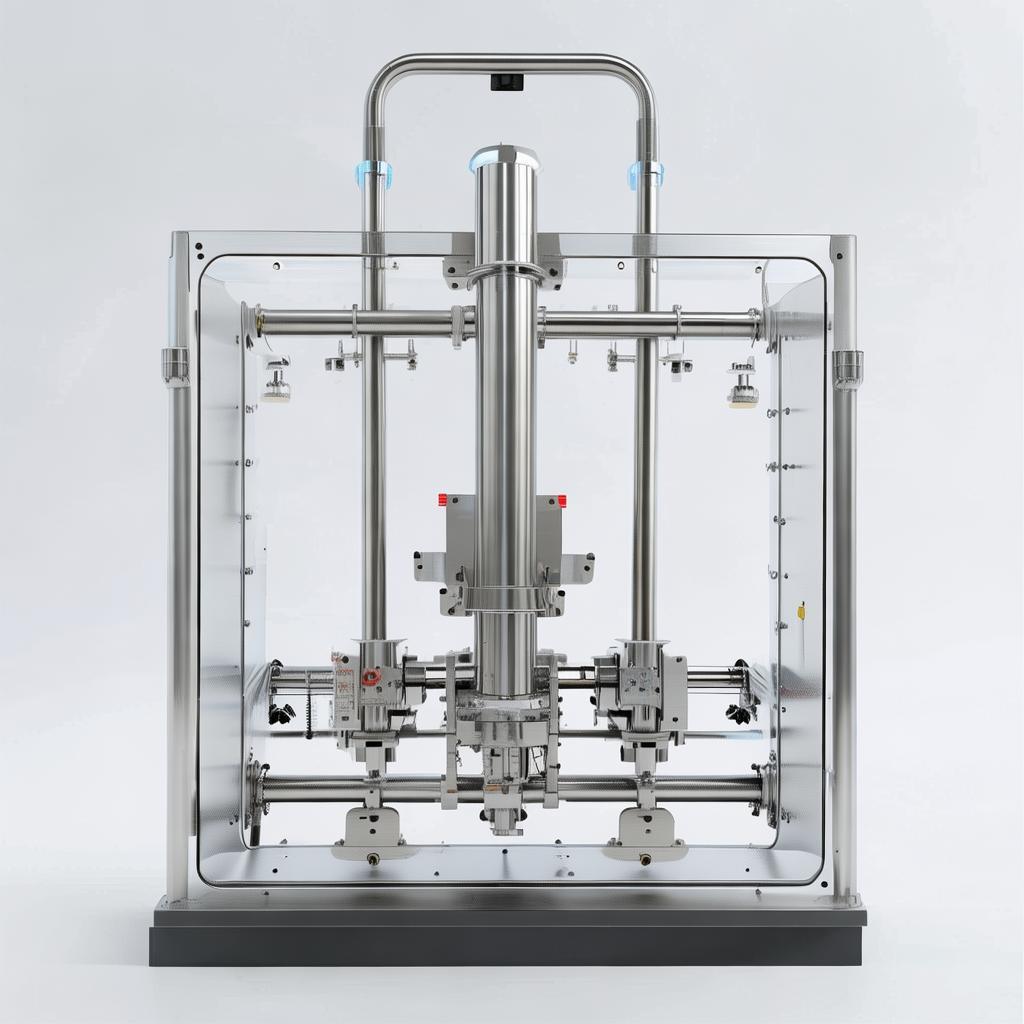
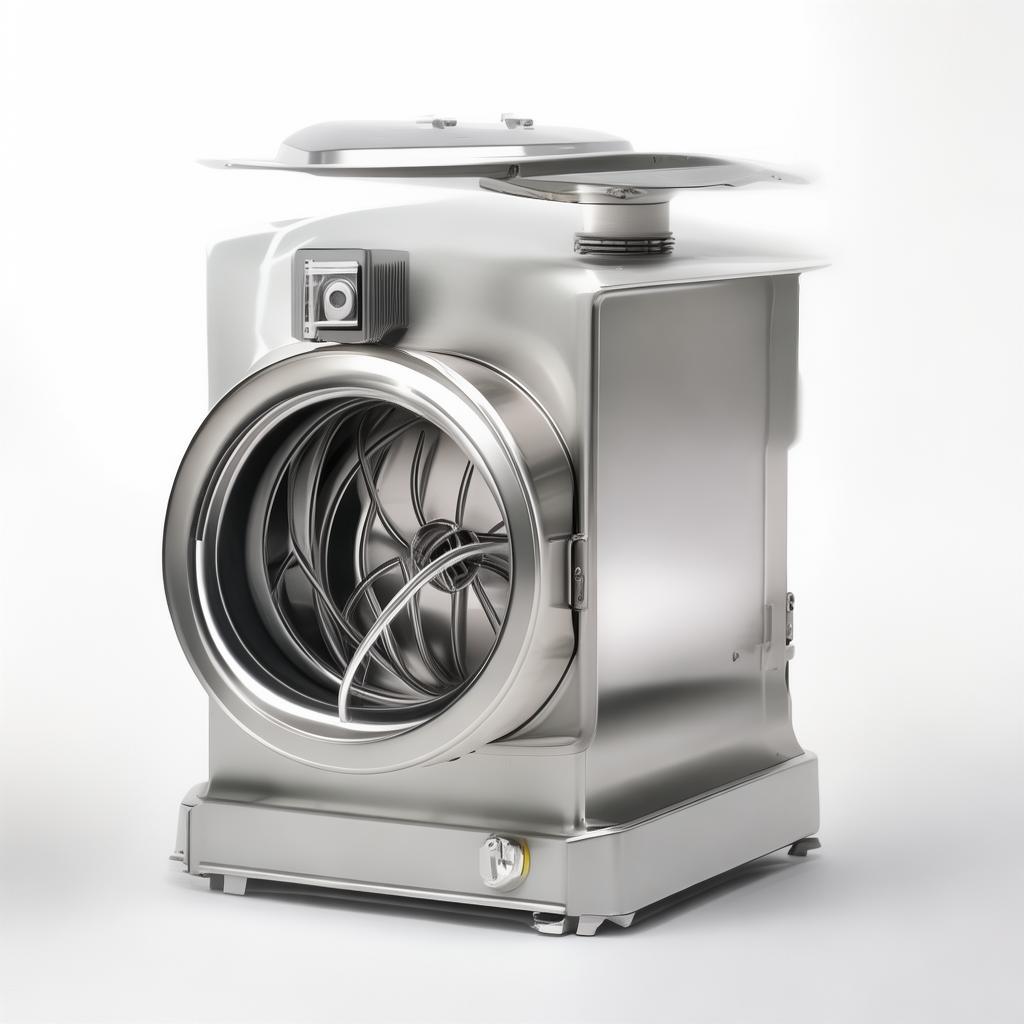
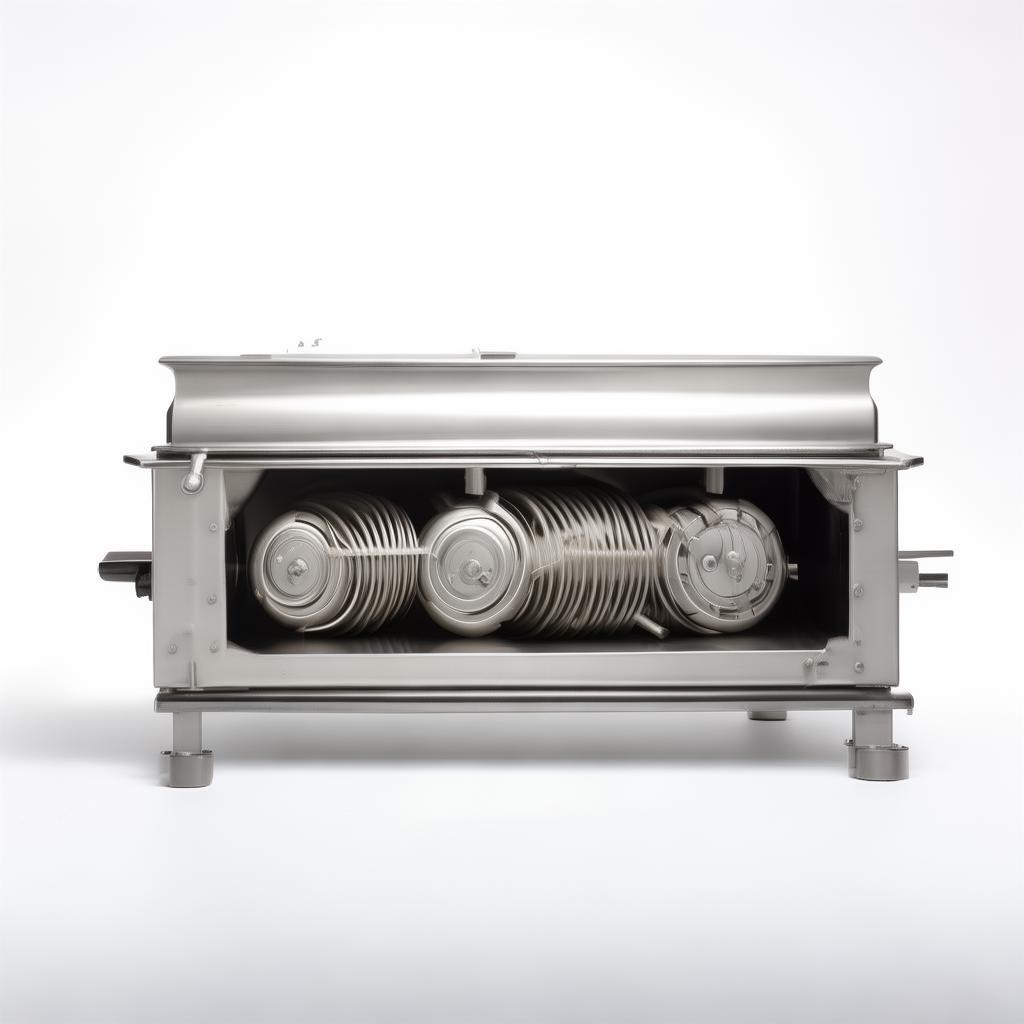
Precision Vacuum Test Chambers: Ensuring Product Integrity and Performance
Your reliable partner for advanced vacuum testing solutions designed for rigorous industrial applications.

Table of Contents
- Introduction to Vacuum Test Chambers
- Why Vacuum Testing is Crucial
- Key Applications Across Industries
- Our Vacuum Test Chamber Solutions
- Technical Specifications & Customization
- Manufacturing Excellence & Quality Assurance
- Procurement Guidance: What to Consider
- What Our Clients Say
- Frequently Asked Questions
- Get in Touch for a Tailored Solution
Understanding the Critical Role of Vacuum Test Chambers in Modern Manufacturing
In today's hyper-competitive global market, the integrity and performance of manufactured goods are paramount. From aerospace components to sensitive electronics and medical devices, failure is not an option. This is where precision environmental testing equipment, specifically vacuum test chambers, plays an indispensable role. These sophisticated systems are designed to simulate the extreme low-pressure conditions found at high altitudes or in outer space, allowing manufacturers to rigorously test their products under simulated operational environments before they ever reach the end-user.
The need for reliable vacuum testing is driven by several key factors. Firstly, the increasing complexity and miniaturization of components mean that even minute atmospheric variations can have significant impacts on functionality. Secondly, the demand for products to perform flawlessly in diverse and often harsh conditions necessitates a thorough understanding of their behavior under simulated environmental stresses. Thirdly, stringent industry regulations and international standards (such as those governing aerospace, automotive, and medical sectors) mandate specific testing protocols to ensure safety, reliability, and compliance.
A vacuum test chamber creates a controlled environment where pressure can be reduced to very low levels, often to near-perfect vacuum. This allows engineers to assess how materials, components, and complete systems react to the absence of air pressure. Key phenomena examined include outgassing (the release of trapped gases from materials), material degradation under vacuum, seal integrity, and the operational stability of electronic or mechanical systems that rely on atmospheric pressure for certain functions. Without this capability, product defects that might only appear under specific atmospheric conditions could lead to catastrophic failures in the field, resulting in significant financial losses, reputational damage, and potential safety hazards.
The global market for meat processing equipment, for example, is expanding rapidly. Reports suggest the market was valued at USD 11.28 billion in 2024 and is projected to reach USD 15.04 billion by 2030. While this might seem disparate, the underlying principle of ensuring product quality and consistency through controlled processing environments is universal. Similarly, the processed meat market, projected to hit USD 1,330.45 billion by 2035, relies heavily on equipment that guarantees precise conditions for everything from filling and molding to ripening. While our expertise lies in vacuum test chambers, this demonstrates a broader industrial trend: the critical importance of precisely controlled manufacturing and testing environments. Our vacuum test chambers serve a similar purpose – ensuring that products not only meet specifications but also perform reliably under the most demanding conditions imaginable, far beyond typical atmospheric pressures.
At Hebei Yuanchang Food Mechanism & Technology Co., Ltd., while our heritage is deeply rooted in high-precision food processing machinery – a testament to our 40 years of experience since 1986 – we have evolved to apply our engineering rigor and commitment to quality to other critical industrial sectors. Our state-of-the-art manufacturing facility, equipped with over 20 sets of advanced processing machinery, including Japanese Mazak CNC machining centers, allows us to produce components with the high precision and non-standard specifications demanded by vacuum technology. This robust in-house capability ensures that we can deliver vacuum test chambers that meet the exacting standards of industries like aerospace, telecommunications, defense, and scientific research.
Understanding the nuances of vacuum technology requires more than just assembling metal and pumps. It involves a deep appreciation for material science, thermodynamics, and the intricate interactions of components in a vacuum. Our team of experienced engineers and technicians brings this level of expertise to every project. We don't just build chambers; we engineer solutions that provide reliable, repeatable, and accurate testing environments. This article will delve into the critical applications of vacuum testing, the advantages of our specific chamber designs, and how our commitment to quality assurance and customer support makes us the ideal partner for your advanced testing needs. We aim to provide a comprehensive overview that speaks directly to the operational and technical considerations you face as a procurement or engineering professional.
The Indispensable Value of Vacuum Testing for Product Reliability
Why go to the trouble of creating a vacuum? It boils down to simulating extreme conditions that are critical for understanding product behavior and ensuring long-term performance. Many products are designed to operate in environments where atmospheric pressure is significantly lower than at sea level – think of aircraft flying at cruising altitude, satellites in orbit, or even components subjected to rapid pressure changes during ascent or descent. Testing under these conditions is not merely a recommendation; it's often a mandatory requirement.
One of the primary reasons is to identify and mitigate outgassing. When materials are exposed to a vacuum, they can release trapped gases and volatile organic compounds (VOCs). For sensitive applications like space exploration, semiconductor manufacturing, or optical systems, outgassing can contaminate critical surfaces, degrade performance, or even cause irreversible damage. A vacuum test chamber allows manufacturers to measure and manage outgassing rates, selecting appropriate materials and coatings that exhibit low outgassing properties.
Another critical aspect is assessing material stability and degradation. Certain materials can become brittle, warp, or otherwise degrade when subjected to low pressure and the associated temperature changes. Testing reveals these vulnerabilities, preventing field failures. For example, seals and O-rings used in vacuum systems must maintain their integrity under extreme pressure differentials. A chamber test can quickly determine if a proposed seal material will perform as expected or if it will leak or fail prematurely.
Furthermore, the functional performance of electronic and mechanical devices can be significantly affected by the absence of air pressure. Motors may behave differently, thermal management systems can become less effective due to the lack of convective cooling, and the dielectric properties of gases can change, impacting high-voltage components. A vacuum test chamber provides a controlled environment to verify that these systems operate within their intended parameters under vacuum conditions.
Compliance with industry standards is a non-negotiable aspect for many sectors. Organizations like NASA, ESA, and various military bodies have stringent requirements for materials and equipment used in space or high-altitude applications. Standards such as ASTM E595 (Total Hemispherical Radiance) for low outgassing or specific MIL-STD requirements often necessitate testing in a vacuum. Our chambers are engineered to meet these rigorous demands, providing the necessary precision and reliability.
The investment in a vacuum test chamber is directly tied to reducing the risk of costly recalls, warranty claims, and mission failures. It's a proactive measure that ensures product quality, enhances brand reputation, and ultimately contributes to a stronger bottom line by preventing failures before they occur in real-world deployment.
Where Precision Vacuum Testing Makes a Difference: Key Industry Applications
The versatility of vacuum test chambers means they are integral to quality assurance and R&D across a broad spectrum of demanding industries. Understanding these applications can help you identify how a chamber could benefit your specific operations.
Aerospace & Defense
Testing components and materials for spacecraft, satellites, aircraft, and missiles to ensure performance in vacuum, extreme temperatures, and radiation. This includes verifying the low outgassing properties of materials used in sensitive optical instruments and payload bays.
Electronics & Semiconductors
Assessing the reliability of electronic components, circuit boards, and semiconductor devices under vacuum, especially those that might experience thermal cycling or outgassing issues. Crucial for vacuum-sealed devices and high-reliability applications.
Medical Devices & Pharmaceuticals
Sterilization processes (like vacuum drying), packaging integrity testing, and material validation for implants, diagnostic equipment, and drug delivery systems where contamination control and material stability are critical.
Automotive
Testing components like sensors, seals, and coatings for performance and durability under varying pressure conditions, particularly for advanced automotive systems and electric vehicle components.
Telecommunications
Verifying the performance and longevity of equipment deployed in high-altitude or varied atmospheric conditions, including fiber optic components and sensitive communication modules.
Scientific Research & Development
Essential for experiments requiring controlled low-pressure environments, material science research, and testing prototypes for future technologies where precise atmospheric simulation is key.
Each of these sectors faces unique challenges where a vacuum test chamber provides invaluable data. Whether it's ensuring a satellite component won't outgas and blind its optics, or confirming a medical implant material won't degrade under atmospheric shifts, the requirement for rigorous vacuum testing is undeniable. Our goal is to equip you with the reliable tools to meet these challenges head-on.
Hebei Yuanchang's Vacuum Test Chambers: Engineered for Excellence
At Hebei Yuanchang, we leverage our extensive manufacturing experience to deliver vacuum test chambers that are not only technically advanced but also built for reliability and ease of operation. Our chambers are designed to provide precise control over vacuum levels, temperature, and other environmental parameters, ensuring repeatable and accurate test results.
Our core offering includes a range of standard chamber sizes and configurations, but we excel in providing customized solutions. We understand that off-the-shelf equipment may not always meet the unique requirements of your specific applications. That's why we work closely with clients to design and manufacture chambers tailored to their exact needs – whether it's a specific internal volume, an unusual test configuration, or integration with existing testing infrastructure.
Robust Construction
Our chambers are constructed from high-quality stainless steel (e.g., SS304 or SS316L for corrosion resistance) or other suitable industrial materials, ensuring durability and longevity even in demanding operational environments. Welds are meticulously performed and inspected to maintain vacuum integrity.
Advanced Vacuum Systems
We integrate reliable vacuum pump systems (e.g., rotary vane, diffusion, turbomolecular pumps, depending on the required vacuum level and speed) coupled with precision vacuum measurement instruments to achieve and maintain desired low-pressure environments, from rough vacuum to ultra-high vacuum (UHV) if needed.
Intuitive Control Systems
User-friendly interfaces, often incorporating PLCs and touch-screen HMIs, allow for easy programming of test cycles, precise control of vacuum levels, and real-time monitoring of test parameters. Data logging capabilities are standard for comprehensive record-keeping.
Optional Environmental Controls
Many of our chambers can be equipped with optional heating, cooling, or humidity control modules to simulate a wider range of environmental conditions in conjunction with vacuum, offering comprehensive testing capabilities in a single unit.
Our commitment extends beyond the initial sale. We provide comprehensive support, from initial consultation and design to installation, training, and after-sales service, ensuring your vacuum testing investment delivers maximum value over its lifecycle.
Detailed Technical Specifications & Customization Possibilities
To give you a clearer picture of our capabilities, here are typical specifications for our vacuum test chambers. Please note that these are examples, and our strength lies in tailoring these parameters to your exact requirements. We frequently handle requests for specialized chambers that go beyond standard offerings.
| Feature | Standard Configuration (Example) | Customization Options |
|---|---|---|
| Chamber Volume | 1 cubic meter (1m x 1m x 1m) | From 0.1 m³ up to 10+ m³; custom shapes |
| Chamber Material | SS304 Stainless Steel | SS316L, Aluminum Alloys, Titanium (for specific applications) |
| Base Pressure Achieved | 1 x 10⁻² mbar (with rotary vane pump) | 1 x 10⁻⁶ mbar (with diffusion/turbo pumps); UHV capability |
| Pumping System | Single-stage Rotary Vane Pump | Two-stage pumps, dry pumps, cryopumps, turbopumps, boosters |
| Vacuum Measurement | Pirani Gauge | Pirani/Capacitance Manometer, Ion Gauge, Bayard-Alpert gauge |
| Door Seal | O-ring Seal (Viton/EPDM) | Metal seals, special elastomers for higher temps/better vacuum |
| Temperature Control | Ambient only | Optional heating jackets (-40°C to +200°C typical range) |
| Feedthroughs | Power feedthrough | RF, data, thermocouple, fluid, gas inlet/outlet, viewports |
| Control System | Manual valves, basic display | PLC with HMI touchscreen, programmable cycles, data logging, remote access |
| Safety Features | Pressure relief valve | Interlocks, emergency stop, gas ballast control |
vacuum chamber leak tester vacuum chamber leak test commercial vacuum chamber machine
Our engineering team is adept at integrating specialized features such as internal sample manipulators, radiation shielding, specific gas introduction systems, or chambers designed for cleanroom compatibility. We also ensure that our chambers comply with relevant international standards, such as CE marking where applicable for the European market, demonstrating our commitment to global compliance. Understanding your precise operational needs is the first step. We encourage you to discuss your application with our technical sales team.
Our Manufacturing Edge: Quality, Precision, and Reliability
The foundation of any high-performance industrial equipment lies in its manufacturing process. At Hebei Yuanchang, we don't just build machines; we meticulously engineer solutions. With our 40 years of experience, we've honed our capabilities to ensure that every vacuum test chamber leaving our facility meets the highest standards of quality and precision.
Our in-house machining workshop is the cornerstone of our manufacturing prowess. It's equipped with over 20 sets of advanced processing machinery, including:
- Lathes and Milling Machines for precise shaping
- High-Precision Grinding Machines for achieving superior surface finishes
- Boring Machines for accurate internal diameters
- Plate Shears and Bending Machines for fabricating custom enclosures
- Wire Cutting Equipment for intricate component creation
Crucially, since 2012, we have integrated 8 sets of Japanese Mazak CNC machining centers. This investment significantly elevates our capability to produce components requiring high volumes, extreme precision, and non-standard specifications. For vacuum test chambers, this means:
- Unparalleled Precision: Components fit together with minimal tolerance, essential for maintaining vacuum integrity.
- Material Integrity: Machining processes are optimized to preserve the material properties crucial for vacuum applications.
- Complex Geometries: Ability to create intricate internal structures or specialized flange designs as required.
Beyond precision machining, our quality assurance process is rigorous. Every chamber undergoes thorough leak testing, functional checks of the vacuum system, and calibration of control instruments. We maintain detailed production records and material traceability, providing you with confidence in the equipment's performance and reliability.
Our  ~14,000 square meter facility and a dedicated team of 80-100 skilled professionals allow us to manage projects from raw material sourcing through to final assembly and testing. This vertical integration is key to our ability to offer competitive pricing without compromising on quality. It also means we can respond efficiently to custom orders and complex engineering challenges.
Our traceable after-sales management system, combined with our in-house manufacturing capabilities, ensures that we can provide seamless support, including the production of high-precision replacement parts. This independent production capability means fewer delays and greater peace of mind for our global clientele.
We are proud to hold certifications such as ISO 9001, underscoring our commitment to quality management systems. Specific product certifications like CE marking are available for relevant markets.
Procurement Guidance: Selecting the Right Vacuum Test Chamber
Sourcing industrial equipment like vacuum test chambers involves more than just finding the lowest price. It's about securing a solution that meets technical specifications, integrates smoothly into your operations, and provides reliable performance over its intended lifespan. As procurement specialists, we understand the typical concerns and decision-making factors.
When evaluating potential suppliers, consider these critical aspects:
- Technical Specification Alignment: Does the chamber meet your required vacuum levels (e.g., mbar, torr, Pa), volume, temperature range, and any specific gas handling needs? Scrutinize the specifications carefully.
- Material Quality and Construction: Look for durable materials (e.g., stainless steel grades), robust welding, and high-quality seals. The chamber's construction directly impacts its ability to hold vacuum and its longevity.
- Vacuum Pump Performance and Reliability: Understand the type of pump used, its pumping speed, ultimate vacuum capability, and maintenance requirements. Is it suitable for your continuous operational needs?
- Control System Sophistication: Does the control interface offer the programmability, data logging, and ease of use your team requires? Consider future needs as well.
- Customization Capabilities: If your application is unique, does the supplier have a proven track record of engineering custom solutions? This is where experience and in-house capabilities are crucial.
- After-Sales Support and Service: What warranty is offered? What is the lead time for spare parts? Is technical support readily available, especially for international clients? Our traceable after-sales management system and independent part production are key advantages here.
- Certifications and Compliance: Does the equipment meet relevant industry standards and regulatory requirements for your target markets (e.g., CE, ISO)?
- Supplier Reputation and Experience: Look for established manufacturers with a history in precision engineering. Our 40 years of experience in complex machinery provides a solid foundation of trust.
Consider the total cost of ownership, not just the upfront purchase price. Factors like energy consumption, maintenance costs, and potential downtime due to equipment failure all contribute to the overall economic viability of your investment.
We recommend engaging directly with our technical sales team early in your procurement process. They can guide you through the options, discuss your specific application requirements, and help you identify the most cost-effective and technically sound solution. Getting a tailored quote is straightforward and provides the clarity you need for informed decision-making.
Procurement Insight:
When specifying vacuum levels, be precise. A system rated for "high vacuum" can mean very different things to different manufacturers. Clearly state your target pressure in mbar or torr to avoid ambiguity and ensure you receive accurate proposals. Also, consider the pump-down time required; this impacts overall testing efficiency and can influence the choice of pumping system.
What Our Clients Are Saying

Aerospace R&D Engineer, USA
"We needed a custom vacuum chamber for testing satellite component outgassing. Hebei Yuanchang delivered precisely what we specified, including intricate feedthroughs for our sensors. The pump-down speed is excellent, and the data logging feature is invaluable for our research."
Reviewed: 3 months ago

Operations Manager, Canada
"We acquired a standard vacuum chamber for testing our electronic sensors. The setup was straightforward, and the chamber has proven very reliable. The team was responsive to our questions regarding integration with our testing rigs. Good value for the performance."
Reviewed: 8 months ago

Quality Control Lead, India
"Our medical device components require extremely clean processing. We use their vacuum chamber for final testing and cleaning verification. The consistent vacuum levels and build quality give us the confidence needed for regulatory compliance. Their export process was also very smooth."
Reviewed: 1 year ago
Frequently Asked Questions about Vacuum Test Chambers
Q: What is the typical lead time for a custom vacuum test chamber?
A: Lead times can vary significantly based on complexity and current production schedules. For standard configurations, it might range from 6-10 weeks. Highly customized chambers can take 12-20 weeks or more. We provide an estimated lead time with every quote.
Q: Can your chambers be integrated with existing data acquisition systems?
A: Yes, absolutely. Our PLC-based control systems are designed with integration in mind. We can incorporate standard communication protocols (e.g., Ethernet/IP, Modbus) or provide specific data outputs to interface with your existing SCADA or DAQ systems. Please provide details of your current system.
Q: What kind of maintenance is required for these chambers?
A: Routine maintenance typically includes checking and replacing pump oil (for oil-sealed pumps), inspecting and cleaning seals, ensuring electrical connections are secure, and periodic calibration of vacuum gauges. Our manual provides detailed maintenance schedules. We also offer service contracts.
Q: Do you provide installation and training?
A: Yes, we offer installation services and comprehensive operational training at your facility for an additional fee. Alternatively, we can provide remote support and detailed documentation for self-installation and training.
Q: How do you handle international shipping and customs?
A: We have extensive experience exporting machinery worldwide. We manage all export documentation, ensure proper crating and packaging for transit, and can work with your preferred freight forwarders or arrange shipping ourselves. We aim to make the international procurement process as seamless as possible.
Ready to Ensure Your Products Meet the Highest Standards?
Partner with Hebei Yuanchang for reliable, precise, and customized vacuum test chamber solutions. Let our 40 years of manufacturing expertise work for you.