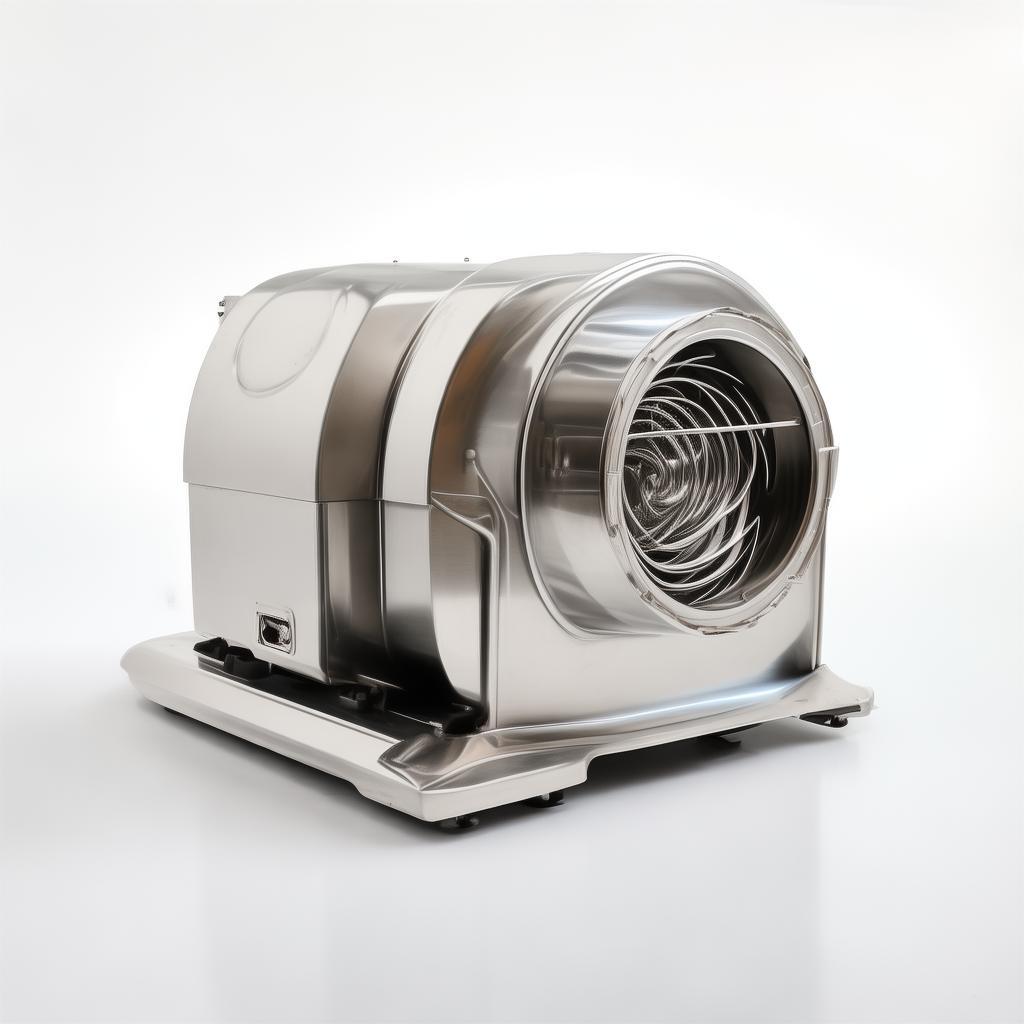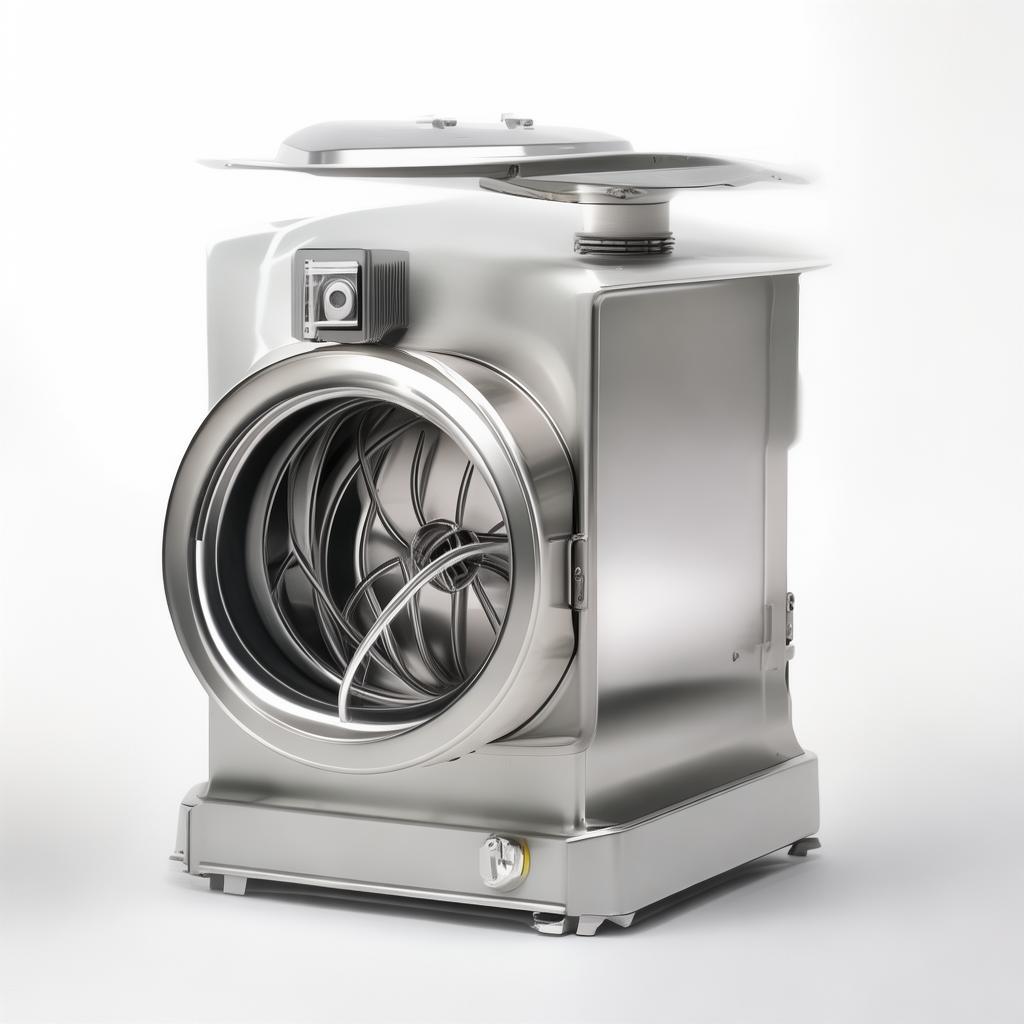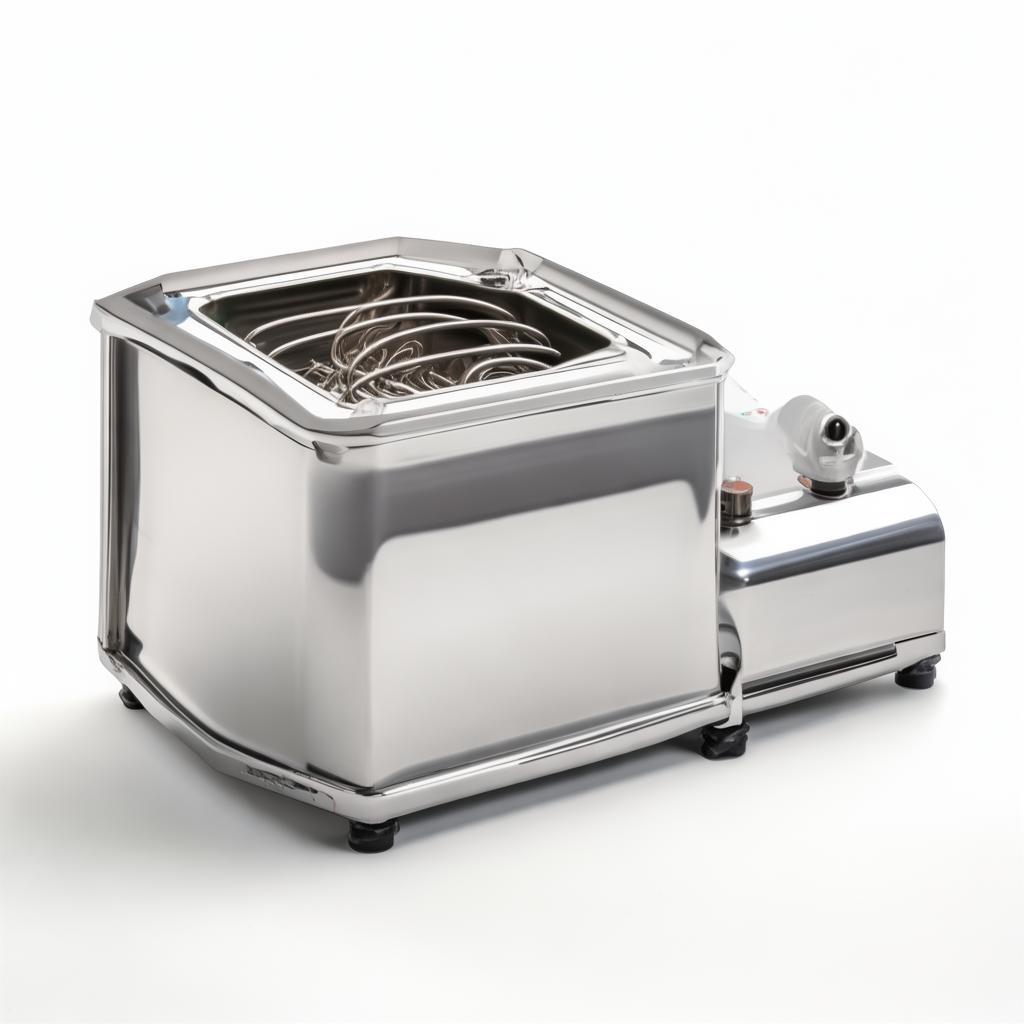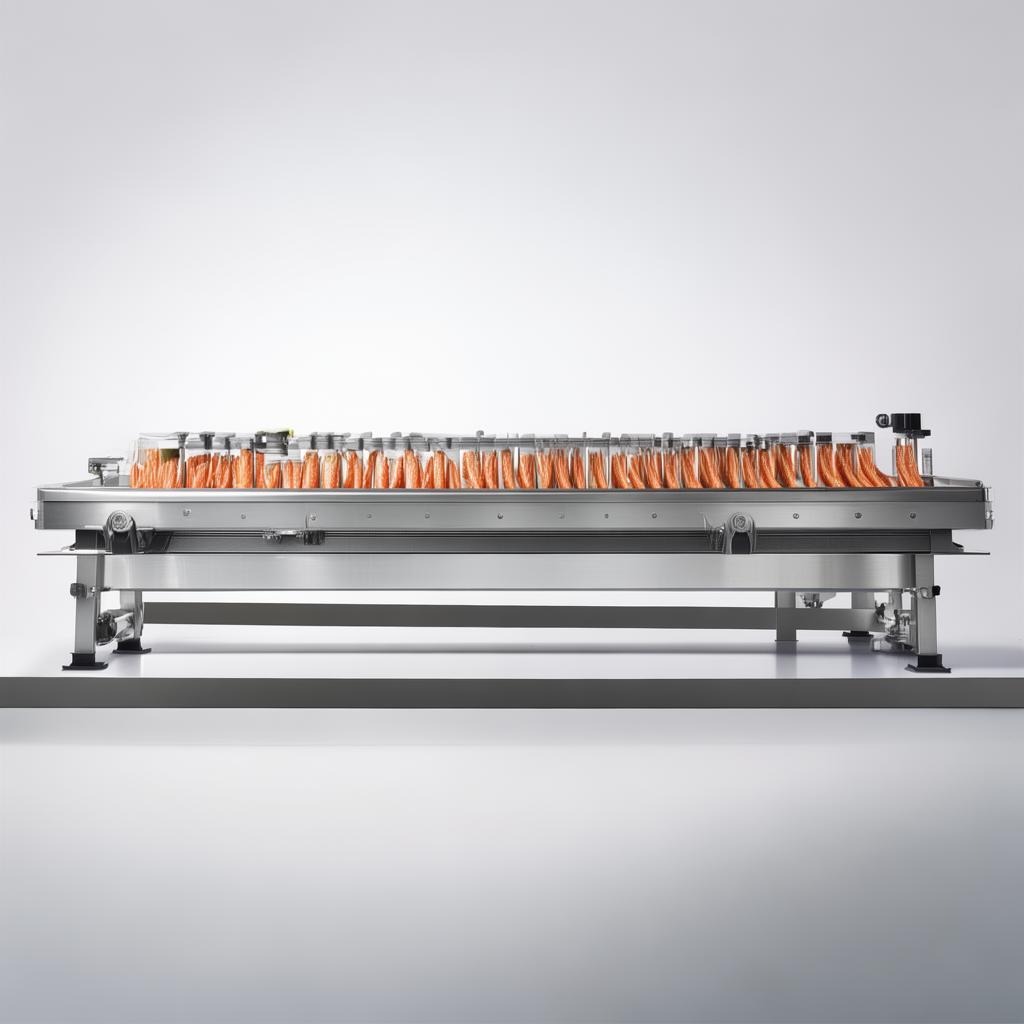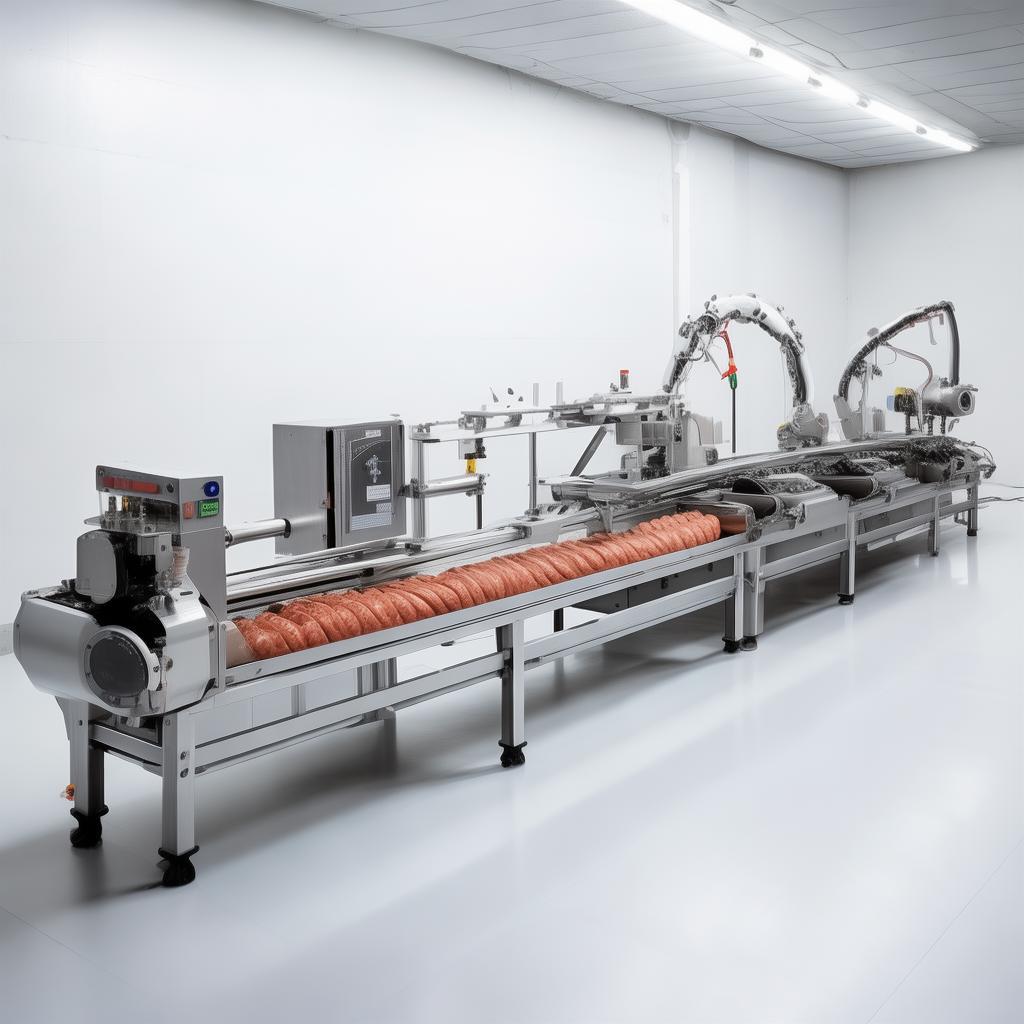
Vacuum Chamber Leak Test
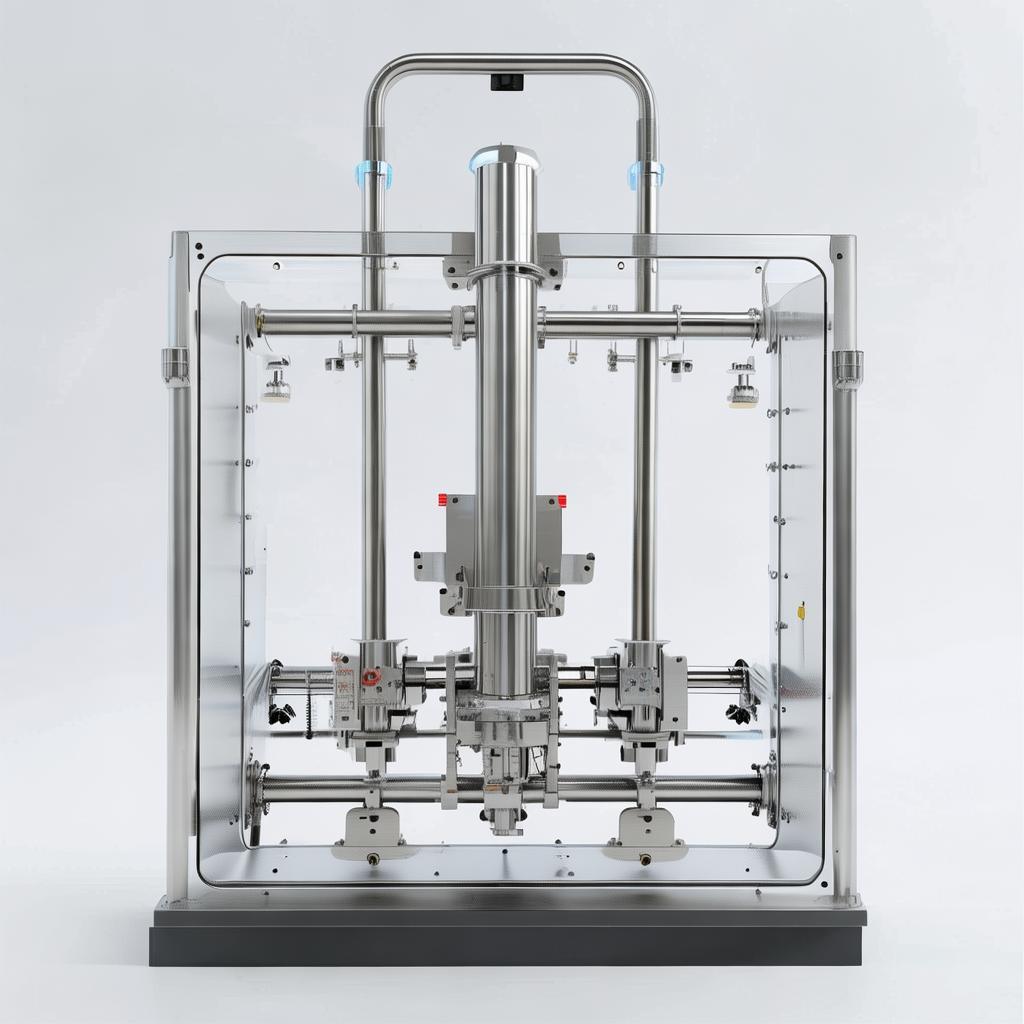
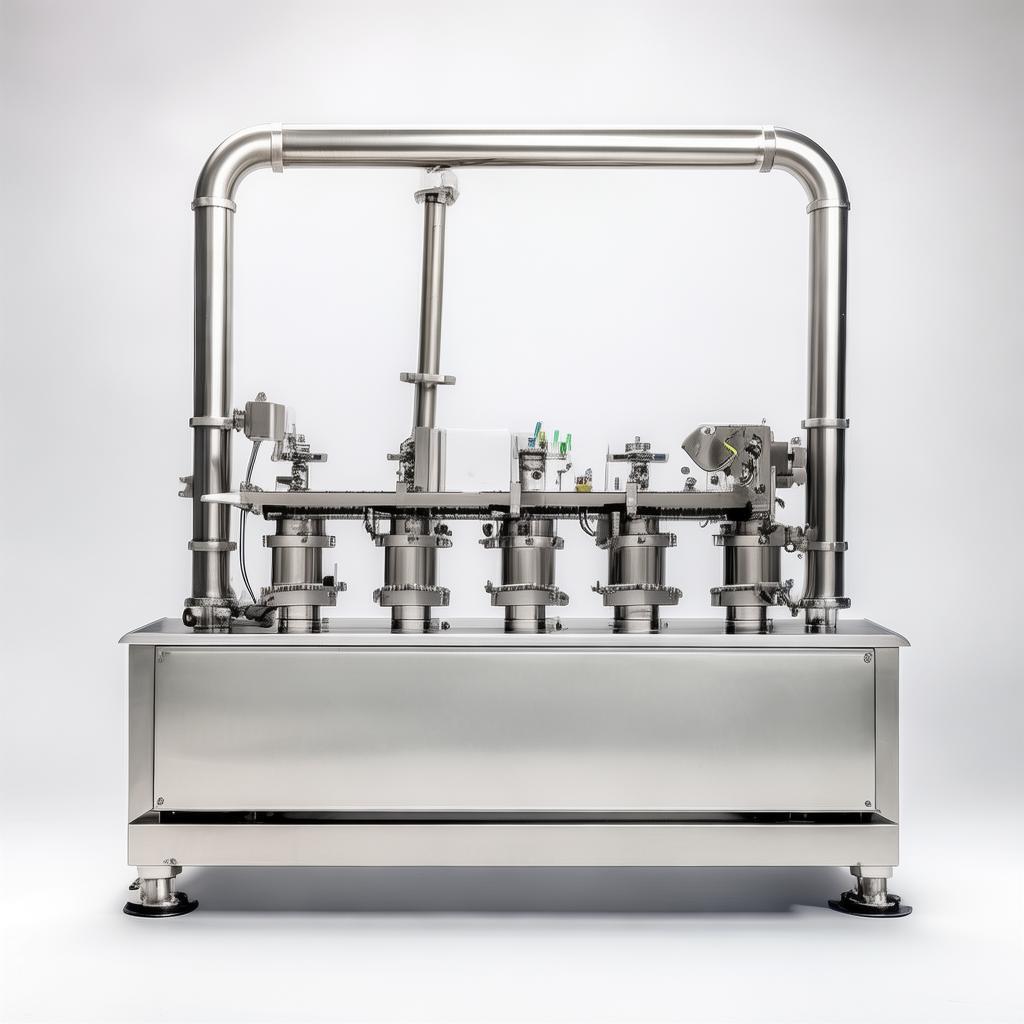
Advanced Vacuum Chamber Leak Testing Solutions for Industrial Precision
Ensuring Product Integrity and Manufacturing Excellence with State-of-the-Art Leak Detection.
 By Alex Chen, Senior Export Manager
Published: October 26, 2023
By Alex Chen, Senior Export Manager
Published: October 26, 2023
Table of Contents
- Introduction: The Criticality of Leak Testing
- Industry Challenges: Why Traditional Methods Fall Short
- Understanding Vacuum Chamber Leak Testing
- Key Advantages of Our Vacuum Leak Test Systems
- Where Precision Matters: Application Scenarios
- Technical Specifications & Customization
- Our Manufacturing Prowess: Beyond the Equipment
- Procurement Insights: What to Look For
- Installation & Maintenance Considerations
- Commitment to Quality: Certifications & Standards
- Frequently Asked Questions
- What Our Clients Say
- Ready to Enhance Your Quality Control?
The Unseen Threat: Why Vacuum Chamber Leak Testing is Non-Negotiable
In the complex world of industrial manufacturing and international trade, product integrity is paramount. A seemingly minor defect, such as a microscopic leak in a sealed component, can cascade into catastrophic failures, leading to costly recalls, reputational damage, and potential safety hazards. For manufacturers exporting goods globally, especially those dealing with sensitive materials, pharmaceuticals, electronics, or even food products, ensuring a hermetic seal is not just a quality control step – it's a fundamental requirement for market access and customer trust. This is where advanced vacuum chamber leak testing emerges as an indispensable tool.
The global market for meat processing equipment, for instance, is projected to reach significant figures, with key segments including filling and stuffing equipment, and ripening processes. These areas rely heavily on consistent product quality and sealing integrity. Reports suggest the meat processing equipment market was valued at USD 11.29 billion in 2025 and is expected to grow significantly. Similarly, the broader food processing machinery market is also expanding. This growth underscores a universal need for reliable testing methods across various industries. Whether you're producing intricate medical devices, robust automotive parts, or sealed food packaging, the stakes are high. A faulty seal can compromise sterility, allow contamination, degrade performance, or lead to premature product failure.
Traditional leak detection methods, while sometimes useful for rudimentary checks, often fall short when precision and repeatability are critical. Methods like visual inspection can miss sub-millimeter breaches. Dye testing can be messy and isn't always suitable for the production line. Pressure decay tests, while better, can be influenced by temperature fluctuations and may not detect very slow leaks effectively. For applications demanding the highest levels of assurance, particularly those governed by strict industry standards like ISO certifications or FDA regulations, a more rigorous and sensitive approach is essential.
This is precisely the domain where vacuum chamber leak testing excels. By creating a controlled vacuum environment, these systems can detect even the most minute ingress or egress of gases that would otherwise go unnoticed. This method is non-destructive, highly repeatable, and provides quantifiable results, allowing manufacturers to fine-tune their processes, identify root causes of leaks, and confidently deliver products that meet stringent international quality benchmarks. As industries increasingly adopt automation and seek to optimize their supply chains for global markets – think of cross-border commerce in electronics or specialized industrial components – the demand for reliable, efficient, and accurate leak detection solutions like vacuum chamber testers is only set to accelerate. The need to comply with diverse international standards and ensure product safety and efficacy means that investing in a robust leak testing strategy is no longer a luxury, but a strategic imperative for sustained business success.
Our focus at Hebei Yuanchang Food Mechanism & Technology Co., Ltd. has always been on providing robust, reliable machinery. While our heritage is in meat processing equipment, our precision engineering capabilities, honed over 40 years, extend to manufacturing high-standard components essential for various industrial applications, including critical testing equipment. We understand that in B2B international trade, consistency, accuracy, and traceability are key. This is why we offer advanced vacuum chamber leak testing solutions designed to meet the rigorous demands of modern manufacturing and export operations.
The journey of a product from the factory floor to the international market is fraught with potential quality challenges. Ensuring each unit is precisely as intended requires sophisticated testing. For components where hermetic sealing is vital – be it in aerospace, automotive, medical devices, or advanced packaging – the consequences of a leak are amplified. An undetected leak can lead to premature failure in harsh operating environments, compromise sensitive electronic components, or lead to the spoilage of packaged goods. This is where the science of vacuum chamber leak detection becomes a critical safeguard.
The underlying principle is deceptively simple yet remarkably effective. By placing a product within a sealed chamber and evacuating the air, we create a pressure differential. Any leakage path, no matter how small, will allow air to rush in, or if the product itself is under internal pressure, its contents might leak out. Sophisticated sensors then measure the rate of pressure change within the chamber. This measurement provides a direct, quantifiable indication of the leak rate. This level of detail is crucial for many applications. For instance, in the automotive sector, a leak in a sealed electronic control unit could lead to intermittent failures, frustrating end-users and leading to expensive warranty claims. In the medical device industry, a breach in a sterile packaging can render the entire product unusable and pose a significant health risk.
Our experience, particularly in the demanding meat processing industry, has taught us the value of precision and durability. Forty years of manufacturing, including the use of advanced Japanese CNC machining centers for high-precision parts, has equipped us with the engineering acumen to design and build testing equipment that is not only accurate but also built to last. We understand the operational realities of a busy factory floor: equipment needs to be reliable, easy to operate, and provide consistent results batch after batch. This is why our vacuum chamber leak test systems are designed with these principles at their core, aiming to reduce downtime and optimize your quality assurance processes.
Furthermore, international trade regulations and varying consumer expectations across different regions necessitate a robust quality assurance framework. Companies are increasingly looking for suppliers who can demonstrate adherence to global standards, offering transparent manufacturing processes and reliable product performance. Our commitment to quality is reflected in our certifications and our in-house machining capabilities, ensuring that the components used in our testing equipment are manufactured to the highest tolerances. This approach minimizes the risk of equipment malfunction and ensures the integrity of your product testing.
The insights from industry reports, such as those on the meat processing equipment market highlighting growth driven by automation and hygiene standards, are indicative of broader trends. Across manufacturing sectors, there's a clear push towards automated quality control and enhanced safety protocols. Vacuum chamber leak testing fits perfectly into this paradigm, offering an automated, precise, and non-destructive method to verify product integrity.
The Cost of Compromise: Common Leak Detection Challenges
For procurement managers and operations directors, the quest for reliable leak detection solutions often brings them face-to-face with a common set of challenges. Relying on outdated or inadequate methods can lead to a cascade of problems that impact the bottom line and erode market confidence.
- Inconsistent Results: Manual or less sophisticated testing methods are prone to human error and environmental variables. This leads to a high rate of false positives or, worse, false negatives, where faulty products slip through the net.
- Product Damage: Aggressive testing methods or improper setup can inadvertently damage the product being tested, leading to unnecessary waste and increased production costs.
- Limited Sensitivity: Many common methods simply aren't sensitive enough to detect the micro-leaks that can become significant issues over time or under specific operating conditions. This is particularly true for high-purity applications or where extreme environmental resistance is required.
- Slow Throughput: If a leak test process takes too long, it can become a bottleneck on the production line, significantly reducing overall manufacturing efficiency and increasing lead times for your customers. This directly impacts your ability to meet global demand.
- Difficult Root Cause Analysis: When leaks are detected, it's often hard to pinpoint the exact source or mechanism of the failure using less precise methods. This hinders process improvement and iterative design refinement.
- Compliance Gaps: In regulated industries (medical, aerospace, food), failing to meet specific leak testing standards can result in product rejection, market access issues, and significant regulatory penalties.
Considering the growth in processed meats and the demand for automation, efficiency is key. Reports indicate the global meat processing equipment market is expanding, and within this, the need for reliable filling, molding, and ripening equipment is high. If your testing methods are a bottleneck, you're not only compromising quality but also operational velocity.
For companies engaged in OEM/ODM manufacturing, ensuring that the products you produce for your clients consistently meet their specifications, including seal integrity, is vital for maintaining strong partnerships and securing repeat business. A single batch of leaky products can severely damage your reputation as a reliable manufacturing partner.
The Science Behind the Seal: How Vacuum Chamber Leak Testing Works
At its core, vacuum chamber leak testing leverages fundamental physics to detect even the smallest breaches in a sealed component or product. It’s a highly effective, non-destructive method that offers unparalleled sensitivity.
1. Creating the Vacuum
The product or component to be tested is placed inside a sealed, robust vacuum chamber. A high-performance vacuum pump then rapidly evacuates the air from within the chamber, reducing the internal pressure to a predetermined low level.
2. Stabilisation Period
Once the target vacuum level is reached, the chamber is sealed off from the pump. A brief stabilization period may follow, allowing any initial pressure fluctuations to settle.
3. Leak Detection
This is where the magic happens. As the chamber maintains its vacuum, any leak within the tested product will cause a change in pressure. If there's an external leak (air entering the product), the chamber pressure will rise. If there's an internal leak (product contents escaping), the chamber pressure might also change depending on the nature of the contents. Highly sensitive pressure transducers constantly monitor the chamber pressure. The system measures the rate of pressure increase over a defined period.
4. Pass/Fail Indication
The measured pressure change rate is compared against pre-set thresholds, which are determined by the product's specifications and required leak rate. If the rate is below the acceptable limit, the product passes. If it exceeds the limit, the product fails. This can be communicated through visual indicators (lights), audible alarms, or automated rejection mechanisms.
This entire process can be highly automated. For example, in the context of meat processing, imagine needing to ensure the vacuum seal on pre-packaged meats is perfect. A vacuum leak tester integrated into the packaging line can check each package without human intervention, flagging any potential breach instantly. This efficiency is critical, especially given the global market growth for processed meats and the need for high-volume, safe production.
The accuracy of this method makes it invaluable for industries where even minute leaks are unacceptable. Think about medical devices requiring absolute sterility, or electronics sensitive to moisture ingress. The precision of the vacuum measurement directly translates to the reliability of your quality assurance.
While our primary expertise lies in manufacturing, our precision engineering background enables us to implement these sophisticated testing principles into robust, industrial-grade equipment. We understand the demands of international supply chains and the need for equipment that can perform consistently across different operational environments.
Beyond Detection: The Strategic Advantages of Our Vacuum Leak Test Systems
Implementing our vacuum chamber leak testing solutions offers more than just leak detection; it provides a strategic advantage for your manufacturing and export operations.
Unrivaled Sensitivity
Detects leaks down to micron levels, far exceeding the capabilities of many other testing methods. Essential for high-specification products and compliance with stringent international standards.
Non-Destructive Testing
The test process does not damage or alter the product, ensuring that every unit tested is still ready for sale or further assembly. This saves costs and reduces waste.
High Repeatability & Accuracy
Automated control and precise sensors ensure consistent, reliable results every time, eliminating human error and providing quantifiable data for quality control records. Crucial for ISO certification and global compliance.
Fast Cycle Times
Optimized vacuum and vent cycles minimize testing time per unit, preventing production bottlenecks and maximizing throughput. This is vital for high-volume export manufacturing.
Versatile Application
Adaptable for a wide range of products and materials, from delicate electronics to robust industrial components. Custom chamber sizes and fixtures are available to meet specific needs.
Reduced Operational Costs
By preventing faulty products from reaching the market, you reduce recalls, warranty claims, and customer complaints, leading to significant long-term cost savings.
Our 40 years of experience in manufacturing, especially with precise machinery like Japanese CNC centers, means we build equipment that integrates seamlessly into your existing workflows. We understand that reliable operation is non-negotiable for international trade, where downtime can be incredibly costly.
Moreover, for businesses involved in OEM/ODM services, offering a superior level of quality assurance through advanced testing like this can be a significant competitive differentiator. It assures your clients that the products you manufacture for them adhere to the highest global standards of integrity and performance.
Precision in Practice: Diverse Applications for Vacuum Leak Testing
The versatility of vacuum chamber leak testing makes it an essential quality control tool across a broad spectrum of industries. Its ability to provide sensitive, repeatable, and non-destructive measurements ensures product integrity where it matters most.
- Medical Devices: Critical for testing the sterility and functional integrity of sealed implants, drug delivery systems, diagnostic kits, and sterile packaging. A compromised seal can lead to infection or device malfunction.
- Automotive Components: Ensuring seals on electronic control units (ECUs), sensors, lighting assemblies, and battery enclosures are watertight to prevent corrosion and electrical failure from moisture ingress.
- Electronics and Semiconductors: Protecting sensitive components from environmental factors like moisture and contaminants by verifying seals on packaged microchips, sensors, and consumer electronics.
- Food and Beverage Packaging: Verifying the hermetic seal of vacuum-packed foods, ready-to-eat meals, and sensitive ingredients to maintain freshness, prevent spoilage, and ensure food safety compliance. This aligns with the growth in processed and convenience foods.
- Aerospace and Defense: Testing seals on critical components, fuel systems, and electronic assemblies where failure can have catastrophic consequences.
- Industrial Manufacturing: Quality control for sealed hydraulic and pneumatic components, pressure vessels, and specialized industrial equipment.
- Consumer Goods: Ensuring the integrity of sealed cosmetic packaging, batteries, and other consumer products where leakage can impact performance or safety.
For example, in the food industry, market trends show a significant rise in processed and convenience meats. Ensuring vacuum-sealed packaging maintains its integrity throughout the supply chain is paramount for preventing spoilage and meeting consumer demand for safe, ready-to-eat products. Our equipment can integrate into these high-volume lines, providing critical quality checks.
The global nature of modern commerce means products are shipped and stored in diverse climates. A robust seal, verified by vacuum testing, protects your investment and your brand reputation across these varied conditions. Our experience in international trade means we understand these logistical challenges.
Precision Engineering: Our Vacuum Chamber Leak Test Specifications
We pride ourselves on robust engineering and meticulous manufacturing. While exact specifications can be tailored to your unique requirements, our standard vacuum chamber leak test systems are built for performance and reliability.
| Feature | Specification | Notes |
|---|---|---|
| Chamber Material | High-grade Stainless Steel (SS304/316) or Powder-Coated Steel | Corrosion resistance, durability |
| Seal Type | EPDM, Silicone, or Viton Gaskets | Chemical resistance, temperature range |
| Vacuum Pump | Rotary Vane or Dry Screw Type | High efficiency, low maintenance |
| Ultimate Vacuum Level | ≤ 10 Pa (Absolute Pressure) | Achieves deep vacuum for high sensitivity |
| Pressure Measurement | High-precision Digital Pressure Transducer | Accuracy ±0.1% FS |
| Leak Detection Sensitivity | Configurable, down to 1 x 10⁻³ mbar·L/s | Adjustable based on product requirements |
| Control System | PLC with HMI Touchscreen Interface | User-friendly operation, data logging |
| Power Supply | 220V/380V, 50/60Hz (Customizable) | Global compatibility |
| Safety Features | Emergency Stop, Interlocks, Pressure Relief Valves | Operator safety is paramount |
vacuum chamber leak tester vacuum leakage tester vacuum test chamber
Customization Options:
- Chamber Dimensions: From small benchtop units to large walk-in chambers for industrial-scale products.
- Fixturing: Custom jigs and fixtures to securely hold products of various shapes and sizes.
- Integration: Options for integration into existing automated production lines, including automated loading/unloading and rejection systems.
- Data Reporting: Advanced software for detailed test reports, statistical process control (SPC), and integration with MES/ERP systems.
Our in-house machining workshop, equipped with over 20 sets of processing machinery and 8 Japanese Mazak CNC machining centers, allows us to manufacture high-standard, high-precision components. This capability is crucial for building customized testing equipment that meets non-standard specifications and volume requirements for export markets.
Understanding your specific application is the first step. Whether it’s for a critical component in medical engineering or a high-volume consumer product, our technical team can advise on the optimal configuration.
The Yuanchang Advantage: Decades of Manufacturing Excellence
Hebei Yuanchang Food Mechanism & Technology Co., Ltd. isn't just an equipment supplier; we are manufacturers with a deep-rooted history of precision engineering. With 40 years of experience since 1986, we've cultivated an expertise that underpins the quality and reliability of every product we offer, including our advanced vacuum chamber leak test systems.
 Our state-of-the-art machining workshop.
40 Years of Proven Experience
Since 1986, we've honed our skills in R&D, production, and sales, accumulating invaluable practical knowledge in designing and manufacturing complex machinery. This experience translates directly to the robustness and longevity of our testing equipment.
Advanced Machining Capabilities
Our 14,000 sq meter facility houses over 20 sets of advanced processing machinery, including lathes, milling machines, and high-precision grinders. The addition of 8 Japanese Mazak CNC machining centers in 2012 allows us to produce components with exceptional precision, critical for sensitive testing equipment.
Integrated R&D and Production
We control the entire process from design to final assembly, ensuring quality at every stage. This vertical integration is key to offering reliable, high-performance solutions for international markets.
Traceable After-Sales Service
Our independently produced high-precision parts, coupled with a traceable after-sales management system, mean you can count on us for ongoing support and readily available spare parts, ensuring worry-free operation even in remote international locations.
This commitment to manufacturing excellence is particularly relevant when discussing industrial equipment. The global meat processing equipment market, for example, is expected to grow substantially, driven by automation and hygiene standards. Our ability to produce high-precision components is a testament to our capacity to build sophisticated testing systems that meet these evolving demands.
When you partner with Hebei Yuanchang, you're not just buying a piece of equipment; you're leveraging four decades of manufacturing integrity and a commitment to delivering robust solutions for your international business needs.
Smart Sourcing: A Procurement Guide to Vacuum Leak Testers
Choosing the right vacuum chamber leak testing equipment is a critical procurement decision that can significantly impact your product quality, production efficiency, and long-term operational costs. Here’s what procurement professionals should consider:
Define Your Leak Rate Requirements
What is the maximum allowable leak rate for your specific product? This will dictate the required sensitivity of the testing equipment. Consult product specifications, industry standards (like ISO), and customer requirements. For sensitive electronics or medical devices, this will be significantly tighter than for general industrial parts.
Assess Product Size and Volume
Consider the dimensions of the products you need to test. This determines the required chamber size. Also, think about your production volume – will you need a single benchtop unit, a multi-station system, or an inline automated solution to keep pace with your manufacturing output?
Evaluate Testing Speed & Automation
How quickly does each test need to complete to avoid becoming a bottleneck? Automated systems with rapid vacuum and vent cycles are essential for high-throughput production lines. Consider integration with your existing automation.
Supplier Experience and Reputation
Look for manufacturers with a proven track record in industrial equipment and international sales. Companies with robust engineering capabilities, like Hebei Yuanchang with its 40 years of experience and advanced CNC facilities, are more likely to offer reliable and well-supported products. Check for certifications and references.
Risk Mitigation: When sourcing internationally, consider lead times, shipping logistics, import duties, and after-sales support. A supplier with experience in global export, like ours, can streamline this process. Our traceable after-sales management system and independent production of high-precision parts ensure you can rely on us for ongoing support.
Understanding the procurement workflow for industrial machinery is key. It often involves technical validation, ROI analysis, and long-term service agreements. Ensure your chosen supplier can provide comprehensive documentation and support throughout these stages.
For businesses involved in wholesale export, the consistency of your product quality is your strongest selling point. Investing in a reliable leak testing system from a reputable manufacturer is an investment in your brand's international credibility.
CTA: Request a Free Consultation to discuss your specific application and receive a tailored equipment recommendation.
Seamless Integration: Installation and Maintenance for Longevity
Proper installation and routine maintenance are crucial for ensuring the optimal performance and longevity of your vacuum chamber leak testing system. This is especially important when operating in diverse international environments.
Installation Considerations
Site Preparation: Ensure a clean, stable, and level surface capable of supporting the equipment's weight. Adequate power supply and compressed air connections (if applicable) are required. Ventilation is important, especially for systems with vacuum pumps that generate heat.
Environmental Factors: Consider ambient temperature, humidity, and potential dust or corrosive agents in the operating environment. Our systems are designed for industrial resilience, but extreme conditions may require specific adaptations.
Integration: If integrating into an automated line, ensure compatibility with PLCs, conveyors, and rejection mechanisms. Our team can provide guidance and interface specifications.
Routine Maintenance Schedule
Daily Checks: Visually inspect seals for wear or debris, ensure all indicators are functioning correctly. Check for any unusual noises.
Weekly/Monthly: Clean the chamber interior and external surfaces. Inspect and clean vacuum filters. For vacuum pumps, check oil levels (if applicable) and general operational status.
Quarterly/Annually: Calibrate pressure transducers according to manufacturer specifications. Inspect electrical connections and pneumatic fittings. For vacuum pumps, follow the manufacturer's recommended service intervals (e.g., oil changes, seal replacements).
Our focus on creating high-precision parts means the components within our systems are engineered for durability. However, like any industrial machinery, periodic attention ensures peak performance. We provide comprehensive manuals detailing all maintenance procedures.
Logistics of spare parts is a key concern for international clients. With our traceable after-sales management system and in-house production of critical components, we aim to provide timely support to minimize any potential downtime, regardless of your location.
Investing in operator training during installation can significantly improve maintenance adherence and prevent accidental damage, ensuring the equipment serves your quality control needs for years to come.
Assurance of Quality: Our Commitment to Standards
In the realm of international B2B trade, adherence to recognized standards is not just a preference; it's a necessity for market access and customer trust. At Hebei Yuanchang, our commitment to quality is demonstrated through our manufacturing processes and the certifications we uphold.
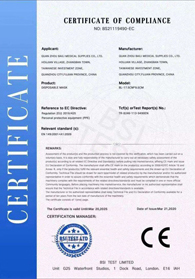

Our manufacturing facility operates under stringent quality management systems, often aligned with principles required for ISO 9001 compliance. While specific certifications for the leak testing equipment may vary based on application and regional requirements, the underlying engineering and production quality adhere to international best practices.
For equipment intended for markets with specific regulatory demands, such as the European Union, compliance with CE marking standards is crucial. Similarly, for applications involving food contact or medical devices, adherence to guidelines like those from the FDA or RoHS is paramount. Our systems are designed with these considerations in mind, and we can work with clients to ensure the equipment meets the necessary certifications for their target markets.
Our 40-year history, coupled with our investment in advanced manufacturing technology like Japanese CNC machining centers, ensures that the components we use and the finished products we deliver are of the highest quality. This dedication to precision engineering provides a strong foundation for any testing equipment requiring certified accuracy and reliability.
When evaluating suppliers for critical testing equipment, ask about their quality management systems and the certifications they hold or can provide for the intended application. This transparency is a hallmark of a trustworthy B2B partner.
Your Questions Answered: Vacuum Chamber Leak Testing FAQs
Q1: What is the typical lead time for a custom vacuum chamber leak test system?
Lead times can vary based on complexity and current production schedules, typically ranging from 6 to 12 weeks. Our experienced export department can provide an accurate estimate upon order confirmation.
Q2: Can your systems test products that are already under pressure?
Yes, our systems are designed to handle various test configurations. For products already under internal pressure, we can adapt the test protocol to detect leaks based on pressure decay within the product itself as observed by the chamber's external sensors, or by monitoring the rate at which the product's internal pressure drops.
Q3: How do I choose the right chamber size?
The chamber size should accommodate your largest product with sufficient clearance (typically 10-20 cm on all sides) for proper sealing and sensor readings. We offer a wide range of standard sizes and can engineer custom chambers to fit your specific needs.
Q4: What kind of training is provided for operating the equipment?
We provide comprehensive operation and maintenance manuals. Installation and operator training services can also be arranged, either remotely or on-site, depending on the scope of the project and your location.
Q5: How does vacuum testing compare to pressure decay testing?
Vacuum testing is generally more sensitive for detecting small leaks because the pressure differential is much larger. It's also ideal for testing components that cannot withstand internal pressure. Pressure decay testing is suitable for robust parts and can sometimes be faster if the leaks are larger. Both have their place, but vacuum testing offers superior sensitivity for critical applications.
Q6: Can I use this equipment for testing materials like food packaging?
Absolutely. This is a critical application for food and beverage packaging to ensure product freshness and safety. Our systems can be configured with food-grade materials and integrated into packaging lines for high-volume testing, aligning with market trends for convenience foods.
Client Success Stories: Real-World Impact
Don't just take our word for it. Hear from manufacturers who have enhanced their quality control and export capabilities with our vacuum chamber leak testing solutions.
"We were struggling with inconsistent seal quality on our electronic components destined for the US market. Since implementing Yuanchang's vacuum tester, our defect rate has dropped dramatically. The machine is robust and the support from their export team was excellent."
 David Lee, Operations Manager, Apex Electronics Corp.
"As a supplier of sealed medical device packaging, leak integrity is our absolute top priority. The precision and repeatability of the vacuum system from Hebei Yuanchang give us the confidence to meet stringent FDA regulations and serve our global clientele without worry. Their customization options were vital for our unique product shapes."
 Maria Garcia, QA Director, MediSeal Solutions
"We needed a durable and fast leak testing solution for our automotive sensor housings. Yuanchang delivered a system that integrates perfectly into our production line. The reduced inspection time has significantly boosted our throughput, and the reliability is top-notch. Highly recommend their export service."
 Kenji Tanaka, Lead Engineer, Global Auto Parts Ltd.
Enhance Your Product Integrity. Secure Your Global Market Position.
Don't let leaks compromise your quality and reputation. Discover how our advanced vacuum chamber leak testing solutions can provide the precision, reliability, and efficiency your manufacturing and export operations demand.
Contact us today for personalized solutions and expert advice.
Phone: +86 15830991513 | Email: ycmeatmech@gmail.com
Client Interactions: Trust & Transparency
 Discussing OEM options for testing systems.
 Clarifying technical specifications for international shipping.
 Confirming lead times and installation support.