Vacuum Pump Check Valve

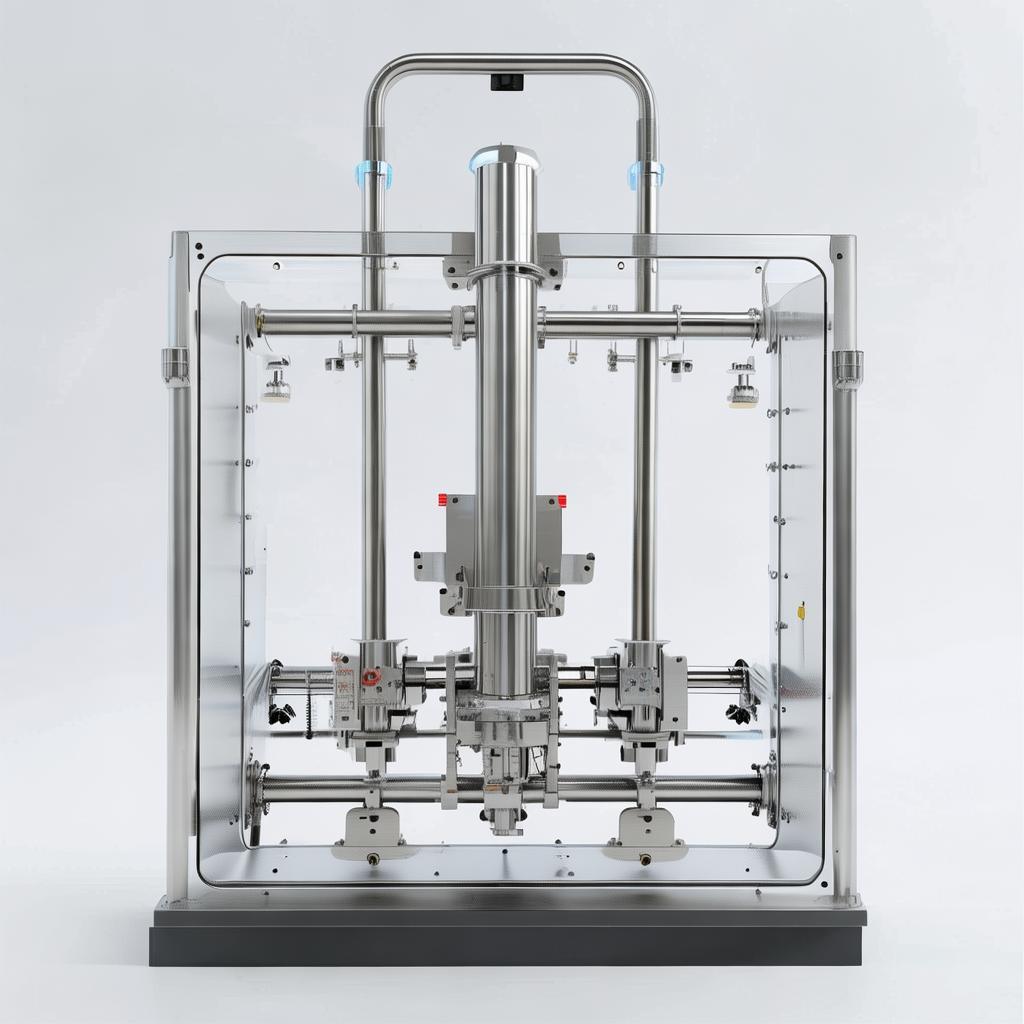
Precision Vacuum Pump Check Valves: Ensuring System Integrity and Performance
Protecting your critical vacuum systems starts with reliable components. Discover how our vacuum pump check valves deliver unparalleled performance, efficiency, and peace of mind for demanding industrial applications.

By: Alex Chen
Senior Industrial Systems Engineer
Understanding Vacuum Pump Check Valves: The Unsung Heroes of System Efficiency
In the complex world of industrial operations, maintaining a stable and efficient vacuum environment is paramount. Whether you're involved in food processing, medical device manufacturing, chemical handling, or sophisticated research and development, the reliability of your vacuum systems directly impacts product quality, operational safety, and overall profitability. At the heart of many such systems lies a component often overlooked but critically important: the vacuum pump check valve. This unassuming device plays a pivotal role in preventing backflow, safeguarding sensitive equipment, and ensuring optimal performance.
A vacuum pump check valve, also known as a non-return valve or backflow preventer in vacuum applications, is designed with a singular, vital purpose: to allow fluid (in this case, gases or vapors) to flow in one direction only. When your vacuum pump is operating, it pulls air or other substances out of a sealed system. A check valve installed on the exhaust or within the intake line ensures that once these substances are removed, they cannot re-enter the vacuum chamber or flow backward into the pump itself when it's stopped, or when system pressure changes unexpectedly. This prevents contamination, protects pump components from potential damage, and maintains the desired vacuum level.
Consider the implications of a failed check valve. If your vacuum pump stops unexpectedly, or if external atmospheric pressure increases significantly, a faulty check valve could allow ambient air to rush back into the vacuum chamber. For a food processing plant packaging sensitive products, this could lead to spoilage and costly product recalls. In a pharmaceutical environment, it could compromise the sterility of critical processes. For research labs, it might invalidate delicate experiments. The financial and operational ramifications can be substantial. Therefore, selecting a high-quality, reliable vacuum pump check valve isn't just a technical decision; it's a strategic investment in system integrity and operational continuity.
The market offers a variety of check valve designs, each suited for different operational parameters, fluid types, and pressure ranges. For vacuum pump applications, the focus is often on low cracking pressure (the minimum pressure differential required to open the valve), rapid response time, and compatibility with potentially corrosive or volatile media. Furthermore, the physical construction – the materials used, the sealing mechanism, and the overall robustness – directly influences its lifespan and effectiveness in harsh industrial settings. Many applications require check valves that can operate efficiently with minimal pressure drop, ensuring that the vacuum pump doesn't have to work harder than necessary, which translates to energy savings and reduced wear and tear on the pump itself.
As industrial processes become more sophisticated and demand for precision increases, so does the requirement for high-performance ancillary components. We understand that purchasing managers and engineers are not just looking for a part; they are looking for a solution that minimizes risk, maximizes uptime, and integrates seamlessly into their existing infrastructure. This means a vacuum pump check valve must not only perform its core function flawlessly but also be constructed from materials that can withstand the specific operating conditions – temperature extremes, chemical exposure, and continuous cycling. The "Fit For Now (2026)" principle implies selecting components that are not only robust for today's needs but also anticipate future operational demands and evolving industry standards. This is where Hebei Yuanchang Food Mechanism & Technology Co., Ltd. distinguishes itself. With our extensive experience in precision manufacturing, we engineer check valves that are built to last, designed for performance, and backed by decades of industrial know-how.
This guide will delve into the critical aspects of vacuum pump check valves, from understanding their fundamental role and the challenges they address to exploring the technical features, material science, and practical considerations that go into selecting the right component for your specific needs. We aim to provide you with the insights necessary to make an informed decision, ensuring your vacuum systems operate at peak efficiency and reliability. Our aim is to go beyond generic product descriptions and offer a perspective grounded in real-world application and engineering expertise. We'll discuss common failure points in vacuum systems and how a well-chosen check valve acts as a crucial defense mechanism.
Common Challenges in Vacuum Systems That Demand Reliable Check Valves
Operating industrial vacuum systems is a nuanced task, and several persistent challenges can compromise efficiency and longevity. Recognizing these pain points helps underscore the critical function of a robust vacuum pump check valve.
- Pump Damage from Backflow: Without an effective check valve, atmospheric air or process media can surge back into the pump during shutdowns or power interruptions. This can lead to rapid corrosion, mechanical stress on pump components (like vanes or rotors), and significantly reduced pump lifespan. Many maintenance teams report unexpected pump failures directly attributable to this issue.
- Loss of Vacuum Level: Holding a stable vacuum is crucial for many processes. A leaky check valve can allow air to seep back into the system, preventing the pump from achieving or maintaining the target vacuum pressure. This directly impacts process quality and cycle times.
- Contamination and Cross-Contamination: In sterile or sensitive environments (pharmaceutical, food, semiconductor), backflow can introduce contaminants into the process stream or pump oil, leading to product spoilage, batch rejection, or compromised sterile conditions.
- Oil Backstreaming: Oil-sealed rotary vane pumps are particularly susceptible. If the check valve fails, oil can be drawn back into the vacuum chamber or process lines, causing contamination and requiring frequent oil changes and system cleaning.
- System Instability and Inefficiency: Fluctuations in vacuum level due to unreliable check valves can lead to inconsistent product processing, longer cycle times, and increased energy consumption as the pump works harder to compensate.
- Increased Maintenance Costs: The cumulative effect of pump damage, contamination, and system inefficiency translates directly into higher operational costs due to frequent repairs, replacement parts, and unplanned downtime.
- Safety Hazards: In certain applications, uncontrolled backflow could create hazardous conditions, such as the back-diffusion of flammable vapors or the rapid pressure increase in a system designed for low pressure.
Addressing these issues proactively through the selection of high-quality vacuum pump check valves is a cornerstone of efficient and safe vacuum system operation. It's an area where investing in premium components pays dividends in reduced operational expenditure and enhanced reliability.
The Yuanchang Advantage: Precision-Engineered Vacuum Pump Check Valves
At Hebei Yuanchang, we don't just manufacture components; we engineer solutions. Our vacuum pump check valves are the result of decades of experience in precision machining and a deep understanding of industrial fluid dynamics. We've built our reputation on delivering robust, reliable, and high-performance parts for demanding applications, and our check valves are no exception.
What sets our check valves apart? It's a combination of meticulous design, superior materials, and advanced manufacturing processes. We focus on:
Our commitment extends beyond the product itself. We understand the procurement process. Whether you're looking for standard off-the-shelf solutions or require custom OEM/ODM development, our team is equipped to meet your specifications. We leverage our 40 years of experience since 1986 to provide not just parts, but also the technical consultation and support that B2B buyers value. We pride ourselves on our traceable after-sales management system, ensuring that every component leaving our facility meets rigorous quality standards.
In essence, when you choose Yuanchang for your vacuum pump check valve needs, you're opting for a partner dedicated to enhancing your operational efficiency, reducing your maintenance burden, and safeguarding your valuable vacuum systems. We believe in building lasting relationships based on trust, quality, and unparalleled performance.
Key Technical Specifications & Features
Selecting the right vacuum pump check valve hinges on understanding its technical capabilities and how they align with your system's demands. Here are the critical specifications to consider:
| Specification | Description | Importance for Vacuum Systems |
|---|---|---|
| Cracking Pressure | The minimum differential pressure required to open the valve. | Crucial for low-pressure systems. A low cracking pressure ensures the valve opens quickly and doesn't impede pump-down speed. Aim for the lowest practical value. |
| Operating Pressure Range | The range of pressures the valve can safely and effectively operate within. | Must encompass both the desired vacuum level and potential fluctuations. Consider both positive and negative pressure capabilities. |
| Flow Rate Capacity | The maximum volume of gas the valve can handle at a given pressure. | Should be sized to match or exceed the pump's displacement to prevent restriction. Undersizing leads to pump strain. |
| Sealing Integrity | The valve's ability to form a leak-tight seal when closed. | Essential for holding vacuum and preventing backstreaming of pump oil or contaminants. Measured in leak rates (e.g., sccm, mbar-l/s). |
| Connection Type & Size | Threaded (NPT, BSP), flanged, or specialized fittings. | Must be compatible with your existing plumbing and pump connections for a secure, leak-free installation. |
| Temperature Range | The ambient and media temperatures the valve can withstand. | Critical for applications involving heated processes or located in extreme ambient conditions. |
| Media Compatibility | Resistance to corrosion, chemical attack, or degradation from the gases being pumped. | Directly tied to material selection. Incorrect material can lead to premature failure. Consult material charts for specific chemicals. |
vacuum check valve vacuum check valves check valve for vacuum
Beyond these core specifications, features such as visual indicators for valve position, integrated silencing for quieter operation, or specialized coatings for extreme environments can add significant value. Our engineering team is available to discuss your specific operational parameters to help you select the optimal check valve configuration.
Material Science for Uncompromising Durability
The choice of materials for a vacuum pump check valve is not a trivial matter; it's fundamental to its performance, longevity, and compatibility with your process media. At Hebei Yuanchang, we leverage our extensive machining expertise to work with a range of high-performance materials, selected for their specific properties.
Common materials we utilize include:
- Stainless Steel (e.g., 304, 316): Widely used for its excellent corrosion resistance, mechanical strength, and suitability for a broad spectrum of vacuum applications, including those involving mild acids or solvents. Grade 316 offers enhanced resistance to chlorides and other aggressive chemicals.
- Aluminum Alloys: Lightweight and offering good corrosion resistance, aluminum is often used in less chemically demanding applications where weight or cost are significant factors.
- Brass/Bronze: Traditional materials offering good machinability and moderate corrosion resistance. Often chosen for compatibility with certain gases or specific plumbing standards. However, for deep vacuum or aggressive media, they may be less ideal.
- Engineered Polymers (e.g., PTFE, PEEK): For applications requiring exceptional chemical inertness, low friction, or non-metallic sealing solutions, high-performance polymers are invaluable. PTFE (Teflon) is chemically inert, while PEEK offers high strength and temperature resistance alongside chemical stability. These are particularly useful for preventing contamination in sensitive processes.
Our in-house machining workshop, equipped with over 20 sets of processing machinery and advanced Japanese Mazak CNC machining centers, allows us to achieve high precision and utilize these materials effectively. We can produce high-standard components that require large volumes, high precision, and non-standard specifications. This capability ensures that whether you need a standard stainless steel check valve or a custom-engineered unit from exotic alloys or advanced polymers, we can deliver precisely what your application demands.
When specifying your requirements, consider not just the materials of construction for the valve body and seal, but also any internal components that might come into contact with the pumped media. Proper material selection prevents premature wear, chemical degradation, and costly system failures. Our team is always ready to provide guidance on material suitability for your specific operating environment.
Versatile Applications Across Industries
The fundamental role of a vacuum pump check valve makes it an indispensable component across a wide spectrum of industries and applications. Its ability to maintain vacuum integrity and prevent backflow is critical for efficiency, safety, and product quality.
Our vacuum pump check valves are engineered for reliability in:
The global meat processing equipment market, for instance, is projected to reach over USD 19 billion by 2035, with increasing automation driving demand for reliable ancillary components like check valves. 【Meat Processing Equipment Market Size, Share & Industry Analysis - https://www.fortunebusinessinsights.com/meat-processing-equipment-market-115455 - The global meat processing equipment market was valued at USD 11.29 billion in 2025 and is projected to reach USD 17.39 billion by 2034 at a CAGR of 5.0%.】 Our valves are integral to maintaining the high standards required in these expanding sectors. Whether your application involves simple air evacuation or complex gas mixtures, our engineered check valves provide the reliable performance you need.
Installation & Maintenance Insights: Maximizing Valve Lifespan
Proper installation and routine maintenance are key to ensuring your vacuum pump check valve performs reliably for its intended service life. Even the highest quality components can underperform or fail prematurely if these aspects are overlooked.
Installation Best Practices:
- Orientation: Most check valves are designed to operate in a specific orientation. Typically, for vacuum pump applications, they are installed in line with the direction of flow. Always consult the manufacturer's guidelines for correct installation direction. Incorrect orientation can lead to failure.
- Cleanliness: Ensure the connection points and the valve itself are free from debris, pipe sealant residue, or foreign matter before installation. Even small particles can compromise the sealing surface.
- Sealant: Use appropriate pipe sealant or PTFE tape on threaded connections. Avoid excess sealant that could break off and enter the valve or system. Ensure sealant is compatible with vacuum service and your process media.
- Secure Connections: Tighten connections securely to prevent leaks, but avoid overtightening, which can damage threads or warp the valve body, leading to leaks or operational issues.
- Accessibility: Install the valve in a location that allows for future inspection and potential replacement without major system disassembly. This is a common oversight that can significantly increase maintenance time and cost.
Maintenance Considerations:
While check valves are often considered "fit-and-forget" components, regular checks can prevent surprises:
- Periodic Inspection: If possible, visually inspect the valve for any signs of external damage or leakage. Listen for unusual noises from the pump, which could indicate backflow.
- Operational Checks: Monitor system vacuum levels. If you notice a degradation in vacuum performance or difficulty holding vacuum, the check valve is a prime suspect and should be tested.
- Testing: For critical applications, periodic functional testing may be warranted. This can involve isolating the pump and observing if vacuum is maintained, or more formal leak testing.
- Replacement Schedule: While they can last for years, check valves are wear items. Consider a preventative replacement schedule based on operating hours, media aggressiveness, and criticality of the application. A proactive replacement every 2-3 years, depending on usage, is often more cost-effective than dealing with a failure.
Our traceable after-sales management system and the inherent quality of our products mean you can rely on them, but understanding these practical aspects of installation and maintenance will further extend their reliable service life and protect your investment.
Procurement & Partnership: Navigating Your Supply Chain
As a purchasing manager or procurement director, your focus is on securing reliable supply chains, managing costs, and mitigating risks. Sourcing critical components like vacuum pump check valves requires a partner who understands these priorities. Hebei Yuanchang Food Mechanism & Technology Co., Ltd. is built on the principles of quality, reliability, and customer-centric service, making us an ideal partner for your international B2B trade needs.
When you engage with us, you benefit from:
We understand that procurement decisions are based on a balance of cost, quality, lead time, and supplier reliability. Our 40 years of experience since 1986 have taught us the importance of these factors. We are committed to transparency in our processes and pricing, helping you make informed decisions that align with your ROI objectives.
Procurement Risk Mitigation: A key risk in sourcing industrial components is inconsistent quality or unreliable delivery. Our integrated R&D, production, and sales model, combined with our in-house machining capabilities and traceable after-sales management, significantly reduces these risks. You can trust that what you order is what you will receive, and when you expect it.
Our Manufacturing Prowess: Precision from Concept to Completion
Hebei Yuanchang Food Mechanism & Technology Co., Ltd. isn't just a supplier; we are a vertically integrated manufacturer with a deep commitment to precision engineering. Our 14,000 square meter facility in Shijiazhuang, Hebei Province, China, houses a robust operation capable of producing high-quality industrial components, including specialized vacuum pump check valves.

Our state-of-the-art manufacturing facility.

Advanced Japanese Mazak CNC machining centers.
With a dedicated team of 80-100 skilled professionals, we integrate research and development, production, and sales. Our 40-year legacy since 1986 has equipped us with unparalleled practical knowledge in complete production lines and component manufacturing.
Our Machining Capabilities:
- Over 20 sets of essential processing machinery: lathes, milling machines, high-precision grinding machines, boring machines, plate shears, bending machines, and wire cutting equipment.
- Key Investment: In 2012, we invested in 8 sets of Japanese Mazak CNC machining centers. This pivotal upgrade enables us to undertake the production of high-standard components requiring large volumes, exceptional precision, and non-standard specifications. This is critical for producing vacuum pump check valves that meet stringent industrial tolerances.
- Quality Control: Every stage of production is monitored. Our traceability system ensures that each part can be accounted for, from raw material to finished product, guaranteeing consistent quality and enabling swift problem-solving if any issues arise.
This robust in-house capability means we have complete control over the manufacturing process, allowing for flexibility, rapid prototyping, and the assurance of producing parts that meet your exact requirements. Whether it's standard components or bespoke OEM/ODM designs, our factory is equipped to deliver.
Frequently Asked Questions (FAQs)
A: Its primary function is to allow gas flow in one direction (away from the pump or vacuum source) and prevent reverse flow when the pump is off or system pressure changes, thereby protecting the pump and maintaining vacuum integrity.
A: Signs of failure include difficulty holding vacuum, noticeable leaks when the pump is off, oil backstreaming into the system, or unusual noises from the pump. If you observe these symptoms, your check valve warrants inspection.
A: Not always. Vacuum applications often require check valves with very low cracking pressures, specific materials for media compatibility, and excellent sealing capabilities that standard air check valves might not offer. It's crucial to select valves specifically designed for vacuum service.
A: OEM (Original Equipment Manufacturer) means we can manufacture parts to your specifications to be included in your own manufactured equipment. ODM (Original Design Manufacturer) means we can design and manufacture a product for you based on your general requirements. We offer both to provide flexible solutions.
A: Lead times vary based on order volume and current production schedules. For standard items, it can range from 2 to 4 weeks. For custom or large orders, we will provide a detailed lead time estimate upon quotation.
A: Yes, we can work with a wide range of materials, including various grades of stainless steel, aluminum, brass, and high-performance polymers like PTFE and PEEK. Our engineering team can advise on the best material for your specific media and operating conditions.
A: You can contact us directly via phone at +86 15830991513, email us at ycmeatmech@gmail.com, or fill out the contact form on our website. We encourage you to provide as much detail about your application as possible.
What Our Clients Say

Sarah Jenkins
Operations Manager, TechPack Solutions
"We were experiencing consistent issues with our vacuum sealing machines losing vacuum overnight, leading to product spoilage. Yuanchang's custom-designed check valves were a game-changer. Installation was straightforward, and the valves hold a perfect vacuum. Reduced our spoilage rate by nearly 15%."
Reviewed on: July 10, 2023

David Lee
Senior Procurement Specialist, PharmaGlobal Inc.
"The quality of the stainless steel check valves from Yuanchang is top-notch. We needed valves resistant to specific sterilization agents, and they delivered precisely what was required, meeting our stringent quality controls. The supply chain management has been very reliable."
Reviewed on: June 25, 2023

Maria Rodriguez
Plant Engineer, Global Food Packagers
"We switched to Yuanchang's check valves for our main vacuum pumps. The reduction in pump maintenance downtime has been noticeable. Their technical team was helpful in selecting the correct model for our specific gas mixture. Pricing is very competitive for the quality offered."
Reviewed on: May 15, 2023

Kenji Tanaka
Purchasing Director, Precision Manufacturing Co.
"Reliable delivery and consistent quality are paramount for our production lines. Yuanchang has proven to be a dependable supplier for our vacuum pump check valve needs. Their proactive communication regarding production and shipping is appreciated."
Reviewed on: April 28, 2023
Ready to Enhance Your Vacuum System Reliability?
Don't let inadequate components compromise your operations. Partner with Hebei Yuanchang for high-performance vacuum pump check valves engineered for your specific needs.
Hebei Yuanchang Food Mechanism & Technology Co., Ltd. | Shijiazhuang, Hebei Province, China
Phone: +86 15830991513 | Email: ycmeatmech@gmail.com
Copyright © 2024 Hebei Yuanchang. All rights reserved.
Trust & Transparency: Our Commitment to You
At Hebei Yuanchang, we understand that building trust is essential in B2B international trade. We are committed to transparency in our operations, quality in our products, and reliability in our service.

Example of technical consultation.

Confirming order details.

Logistics and shipping coordination.
Our goal is to make your procurement process as smooth and efficient as possible, providing clear communication and dependable support every step of the way.