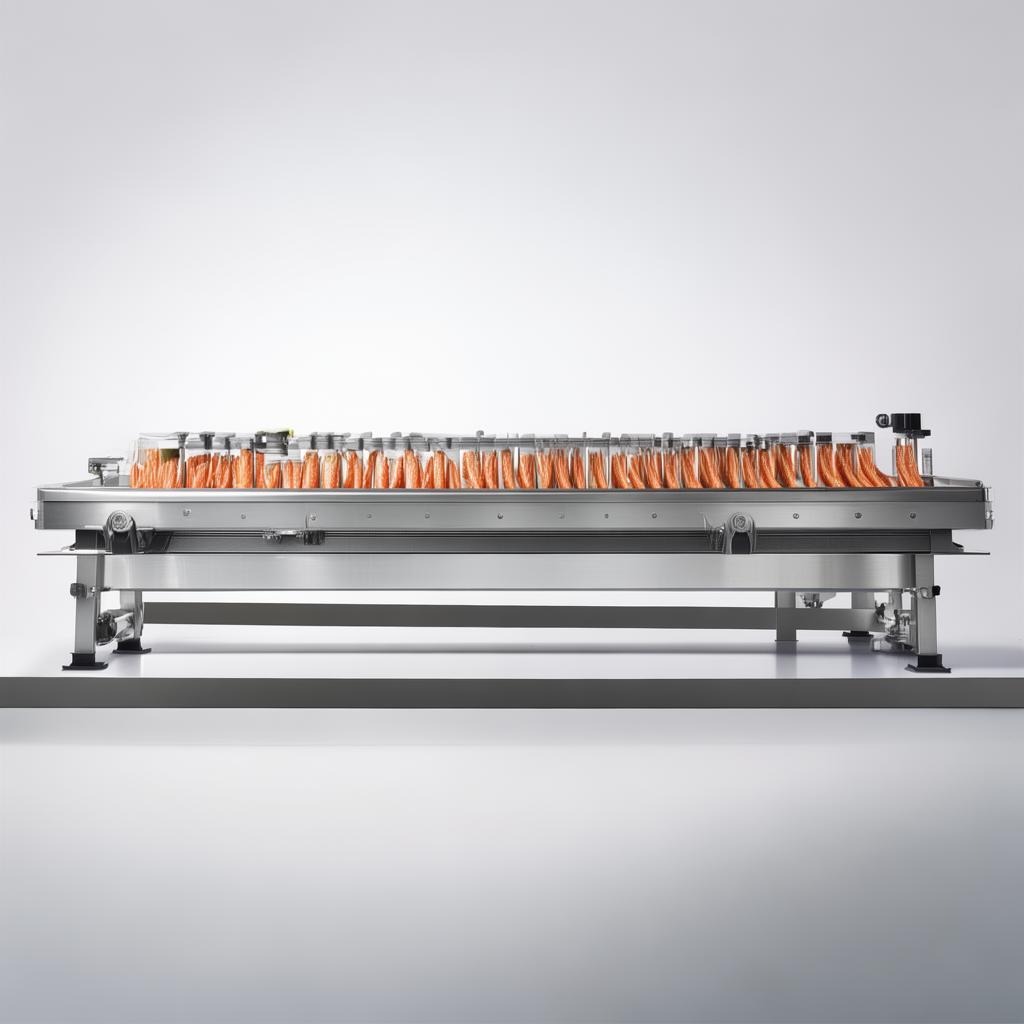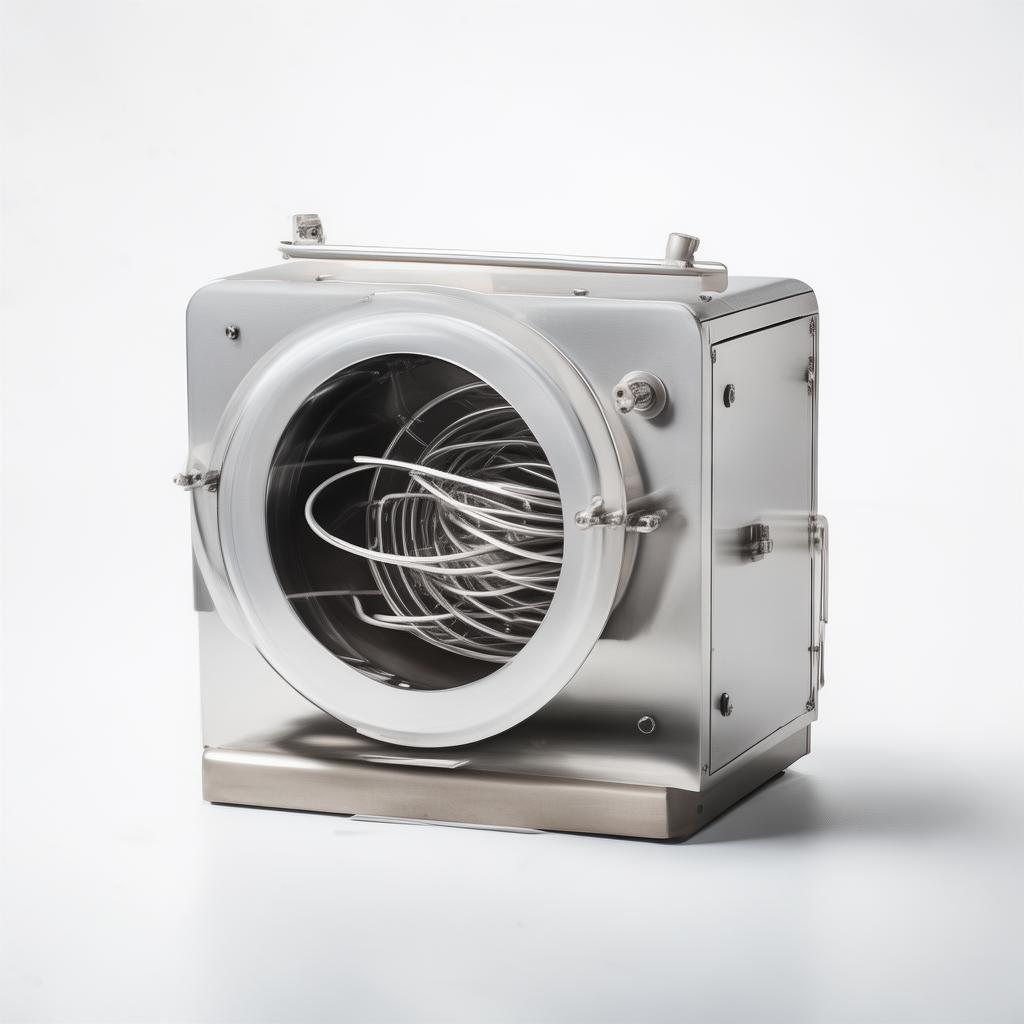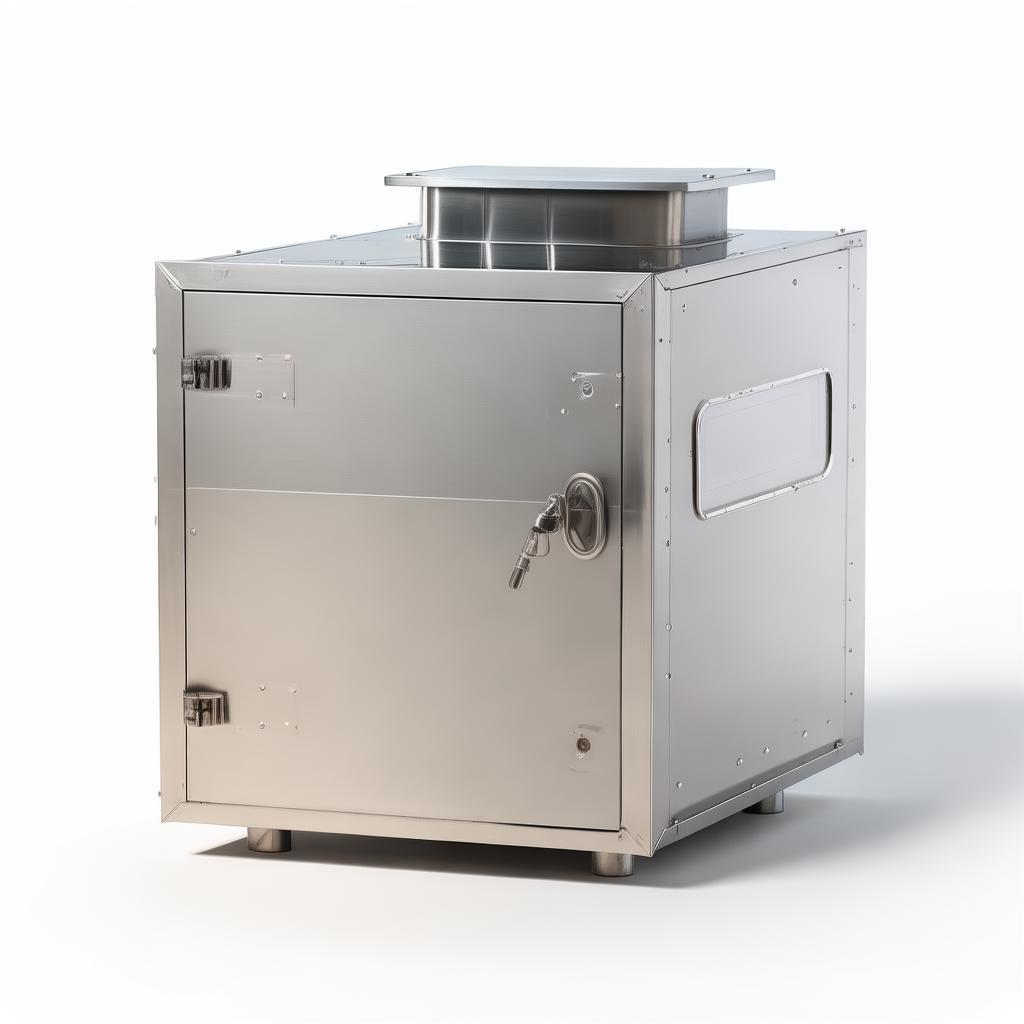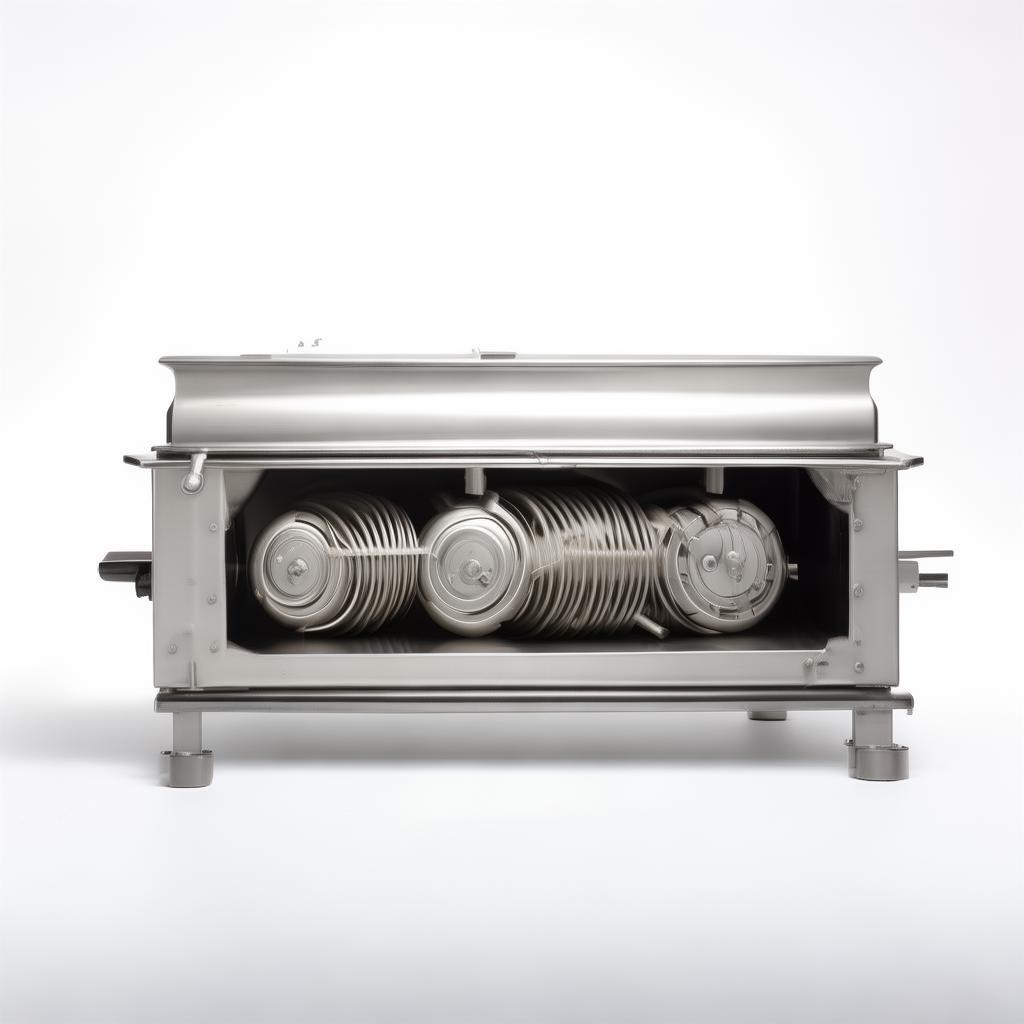
Vacuum Deposition Equipment
Unlocking Advanced Material Properties with Precision Vacuum Deposition Equipment
Your Partner for High-Performance Thin Film Solutions

Revolutionizing Surface Engineering for Global Industries
In today's rapidly evolving technological landscape, the performance and functionality of countless products hinge on the precise manipulation of their surfaces at a microscopic level. This is where vacuum deposition equipment emerges as a cornerstone technology, enabling manufacturers worldwide to impart advanced properties like enhanced durability, conductivity, optical clarity, and barrier protection to a vast array of materials. Whether you're in the semiconductor, optics, aerospace, medical device, or automotive sector, achieving superior product performance often means mastering the art and science of thin film deposition.
At Hebei Yuanchang, we understand that selecting the right vacuum deposition solution isn't just about purchasing machinery; it's about securing a critical component of your manufacturing strategy. It's about ensuring consistency, achieving specific material characteristics, and maintaining a competitive edge in your market. We've built our reputation over 40 years, not just as manufacturers, but as problem-solvers, dedicated to helping businesses like yours overcome complex surface engineering challenges. Our commitment extends from the initial consultation and system design through to installation, training, and ongoing support, ensuring your investment yields tangible, long-term benefits.
The demand for sophisticated thin films continues to surge across diverse applications. From anti-reflective coatings on lenses that improve visual acuity to biocompatible layers on implants that prevent rejection, and from conductive traces on flexible circuits to wear-resistant coatings on critical components, the requirements are increasingly stringent. This necessitates deposition equipment that offers unparalleled control over film thickness, uniformity, composition, and adhesion. It requires systems that are not only precise but also robust, reliable, and scalable to meet production demands, whether you're a startup developing a novel device or a multinational corporation optimizing a high-volume manufacturing line. Our expertise, honed since 1986, is dedicated to meeting these demands with cutting-edge solutions.
The global market for meat processing equipment, for instance, highlights a broader industrial trend: the continuous drive for efficiency, quality, and specialized output. Reports indicate the market is projected to reach USD 19.66 billion by 2033, with segments like filling, molding, and ripening equipment playing crucial roles in delivering consistent product characteristics. This mirrors the precision required in vacuum deposition – achieving repeatable, high-quality results for critical surface treatments. Just as meat processors rely on advanced machinery for texture, safety, and shelf-life, industries utilizing vacuum deposition rely on our equipment for critical material properties that define product performance and longevity.
We recognize that investing in vacuum deposition technology is a significant undertaking. Procurement decisions are rarely made in isolation. They involve careful consideration of technical specifications, operational uptime, maintenance requirements, integration with existing workflows, and, crucially, the long-term partnership with the supplier. Our approach is built on transparency and a deep understanding of these buyer considerations. We aim to provide not just equipment, but a comprehensive solution that empowers your manufacturing processes and drives your business forward.
This page will delve into the intricacies of vacuum deposition, its applications, the critical factors in selecting the right equipment, and why Hebei Yuanchang stands out as a trusted partner for businesses seeking excellence in surface engineering. We'll explore the core technologies, the challenges you might face, and how our extensive experience, combined with modern manufacturing capabilities, equips us to deliver unparalleled value.

Author: Li Wei
Senior Export Manager & Surface Engineering Specialist
Table of Contents
Understanding Vacuum Deposition: The Science of Thin Films
At its core, vacuum deposition is a process used to apply extremely thin films of material onto a substrate within a high-vacuum environment. The vacuum is crucial because it prevents unwanted chemical reactions between the vaporized deposition material and the atmosphere, ensuring the purity and integrity of the deposited film. It also allows for the controlled movement of atoms or molecules from a source to the substrate surface.
This controlled environment allows for the creation of films with precise thicknesses, often measured in nanometers (nm) or angstroms (Å). The ability to deposit a wide range of materials – metals, ceramics, polymers, and alloys – makes it an incredibly versatile technology. The precise control over film properties means we can engineer surfaces for specific functions, a capability vital for industries pushing the boundaries of material science and product performance. The complexity of forming high-quality films is akin to achieving consistent texture and safety in processed meats; both demand meticulous control over the process.
The global market for meat processing equipment illustrates the demand for specialized machinery that delivers precise outcomes. Reports indicate this market is substantial, with projections reaching USD 15.44 billion by 2035. While seemingly disparate, the underlying principle is the same: sophisticated equipment enabling repeatable, high-quality results. Just as meat processors depend on filling and molding machines for product consistency, industries using vacuum deposition rely on our systems for the flawless application of critical material layers.
Several primary techniques fall under the umbrella of vacuum deposition, each suited for different materials, applications, and desired film properties. Understanding these methods is key to selecting the appropriate equipment for your specific needs.
Key Vacuum Deposition Methods
We specialize in and support equipment utilizing these core deposition principles:
Physical Vapor Deposition (PVD)
PVD involves the physical transfer of material from a source to the substrate. Common PVD techniques include:
- Evaporation: Material is heated in a vacuum until it vaporizes, then condenses onto the substrate. This is good for simple, high-purity films.
- Sputtering: Ions (usually from an inert gas like Argon) bombard a target material, ejecting atoms that then deposit onto the substrate. Sputtering offers better control over film composition and adhesion, especially for alloys and compounds.
Commonly used for metals, oxides, and nitrides.
Chemical Vapor Deposition (CVD)
CVD uses chemical reactions to deposit films. Gaseous precursors are introduced into the vacuum chamber and react on the substrate surface, forming a solid film. This method is excellent for depositing complex compounds and achieving conformal coatings.
Variations include Plasma-Enhanced CVD (PECVD) for lower temperature processing and Atomic Layer Deposition (ALD) for ultra-precise, layer-by-layer control, enabling atomic-level thickness accuracy.
Ideal for semiconductors, dielectrics, and advanced materials.
Ion Implantation
While not strictly deposition, ion implantation is a surface modification technique often discussed alongside it. Ions of a desired element are accelerated and embedded directly into the substrate's surface, altering its composition and properties without forming a separate layer.
Used for doping semiconductors and hardening surfaces.
Other Specialized Techniques
Depending on the application, we also consider equipment for techniques like:
- Molecular Beam Epitaxy (MBE): For highly controlled crystal growth.
- Pulsed Laser Deposition (PLD): Versatile for complex materials.
Critical for R&D and niche manufacturing.
Where Precision Thin Films Make a Difference: Key Applications
The versatility of vacuum deposition means its impact is felt across nearly every advanced manufacturing sector. At Hebei Yuanchang, we serve clients who leverage these technologies for a wide range of critical applications:
Electronics & Semiconductors:
- Metallization for integrated circuits (IC) and printed circuit boards (PCBs).
- Dielectric layers for insulation and capacitance.
- Barrier layers to prevent diffusion.
- Conductive coatings for flexible electronics and displays.
Optics & Photonics:
- Anti-reflective (AR) and high-reflective (HR) coatings for lenses and mirrors.
- Optical filters for specific wavelength transmission/reflection.
- Protective coatings for optical components.
- Thin film phosphors for displays and lighting.
Medical Devices:
- Biocompatible coatings (e.g., titanium nitride, diamond-like carbon) for implants and surgical instruments.
- Antimicrobial coatings to prevent infections.
- Hydrophobic/hydrophilic coatings for catheters and diagnostic devices.
Automotive & Aerospace:
- Wear-resistant coatings for engine components, tools, and molds.
- Corrosion-resistant coatings for harsh environments.
- Decorative coatings for interior and exterior components.
- Thermal barrier coatings for engine parts.
Energy:
- Transparent conductive oxides (TCOs) for solar cells.
- Protective coatings for batteries and fuel cells.
The increasing demand for higher performance, smaller form factors, and greater durability across these sectors directly fuels the need for advanced vacuum deposition capabilities. It's a cycle of innovation where improved materials enable new product designs, which in turn require more sophisticated manufacturing processes.
Procurement Guidance: Selecting Your Vacuum Deposition Partner
As a procurement manager or operations director, making the right choice for vacuum deposition equipment is critical. Beyond the initial price tag, a host of factors influence the total cost of ownership and the long-term success of your manufacturing line. We’ve seen many buyers focus too narrowly on a few specs and regret it later. Consider these points carefully:
Technical Capabilities & Flexibility
Does the equipment support the specific deposition method (PVD, CVD, etc.) and materials you need? Can it handle different substrate sizes and types? Is there flexibility for future process development or material changes? A system that's too rigid can quickly become obsolete.
Uptime and Reliability
Downtime is expensive. Look for robust construction, proven components, and a design that minimizes maintenance interruptions. Understand the expected Mean Time Between Failures (MTBF) and Mean Time To Repair (MTTR).
Process Control & Repeatability
Achieving consistent film properties batch after batch is paramount. Evaluate the system's control interface, sensor capabilities, and historical performance data for critical parameters like film thickness uniformity and composition. Inconsistent quality leads directly to product rejects and lost revenue.
Scalability and Throughput
Will the equipment meet your projected production volumes? Can it be scaled up or integrated into a larger automated line? Consider cycle times and loading/unloading efficiency. This is crucial for managing growing demand.
Supplier Expertise & Support
This is where 40 years of experience truly matters. Does the supplier have a deep understanding of your application? What level of technical support, training, and spare parts availability can you expect? Look for a partner, not just a vendor.
Total Cost of Ownership (TCO)
Look beyond the sticker price. Factor in installation, training, consumables, maintenance, energy consumption, and potential downtime costs. A slightly higher upfront investment in a reliable, efficient system can yield significant savings over its lifespan.
Navigating these considerations requires a supplier who can provide transparent answers and demonstrate a genuine understanding of your operational realities. We pride ourselves on offering this clarity.
Technical Specifications: What to Expect from High-Performance Equipment
The specific technical specifications will vary greatly depending on the deposition method and intended application. However, certain parameters are universally important when evaluating vacuum deposition equipment. We offer systems designed to excel in these areas:
| Parameter | Typical Range / Consideration | Importance |
|---|---|---|
| Vacuum Level | 10⁻⁶ to 10⁻⁹ Torr (or better for specific applications like MBE) | Critical for film purity and process control. |
| Chamber Size / Substrate Capacity | Varies from small R&D units to large batch production chambers (e.g., 12", 18", 24" wafer capability). | Determines throughput and product size compatibility. |
| Deposition Rate | Varies by material and method; typically 0.1 to 50 nm/sec. | Impacts cycle time and productivity. |
| Film Thickness Uniformity | +/- 2% to +/- 10% across substrate. | Absolutely vital for performance-critical applications. |
| Process Control System | PLC, PC-based HMI with recipe management, data logging. | Ensures repeatability and simplifies operation. |
| Source Options | Thermal evaporators, e-beam evaporators, magnetron sputtering sources, RF/DC sources, PECVD/ALD precursors. | Dictates material compatibility and deposition method. |
| Temperature Control | Substrate heating/cooling (e.g., up to 600°C or cryogenic). | Crucial for film adhesion, crystal structure, and stress. |
Our engineering team works closely with clients to define and achieve these specifications. We understand that precise control over parameters like sputtering power, gas flow rates, substrate rotation, and deposition time directly translates into the quality and functionality of the final product. This level of detail is what separates true manufacturing partners from equipment suppliers.
Hebei Yuanchang: Your Foundation for Precision Thin Film Manufacturing
For over 40 years, Hebei Yuanchang has been a stalwart in providing robust, high-quality manufacturing equipment. While our roots are in meat processing machinery, our evolution has led us to apply the same principles of precision engineering, operational reliability, and customer-centric support to advanced manufacturing sectors, including vacuum deposition. Our extensive experience with complex production lines means we deeply understand the critical role of every component in your workflow.
Deep Manufacturing Expertise
Our in-house machining workshop boasts over 20 sets of advanced processing machinery, including Japanese Mazak CNC centers. This capability allows us to produce high-precision components, often exceeding standard specifications, ensuring the quality and reliability of our vacuum deposition systems.
Commitment to Quality & Reliability
We understand that production uptime is paramount. Our equipment is designed for durability and consistent performance, backed by a traceable after-sales management system. This means you can rely on our systems for your critical manufacturing processes, day in and day out.
Scalable OEM/ODM Solutions
Whether you need a standard configuration or a custom-engineered solution, our OEM/ODM capabilities allow us to tailor equipment precisely to your application requirements and production scale. From laboratory setups to full-scale production lines, we adapt.
Global Reach, Local Support
With extensive export experience, we understand the complexities of international logistics and support. We are committed to providing responsive service and comprehensive training to ensure your team operates our equipment efficiently and effectively, no matter where you are located.
Operational Realities: Installation, Maintenance & Longevity
The journey from acquiring vacuum deposition equipment to achieving consistent, high-yield production involves more than just the initial purchase. We provide guidance and support to ensure a smooth operational lifecycle:
Installation & Commissioning
Proper installation is crucial. This includes site preparation (power, cooling, ventilation, exhaust), physical setup, and system integration. Our teams provide comprehensive commissioning services to ensure the equipment meets all specified performance parameters from day one. This often involves precise alignment of components and vacuum leak checks, a process familiar to any high-precision manufacturing operation.
Routine Maintenance
vacuum deposition machine vacuum packaging equipment vacuum machinery pack
Regular maintenance is key to maximizing equipment lifespan and minimizing unexpected downtime. This typically involves:
- Chamber cleaning to remove process residues.
- Inspection and replacement of seals and O-rings.
- Pump maintenance (oil changes, filter replacements).
- Calibration of sensors and control systems.
- Target replacement for sputtering systems.
Troubleshooting & Support
When issues arise, quick and effective troubleshooting is essential. Our technical support team is available to assist with diagnosing problems, whether it's vacuum leaks, process anomalies, or equipment malfunctions. We offer remote support and on-site services to get your production back online swiftly. Our traceable after-sales management system ensures accountability and efficiency.
Investing in a well-maintained vacuum deposition system ensures not only product quality but also operational efficiency and a lower overall cost of ownership. It’s about building a robust manufacturing foundation.
Client Success Stories
See what our partners are saying:



Trusted by Industry Leaders

Dr. Anya Sharma
Senior Engineer, OptiCoat Solutions
"We were looking for a sputtering system for advanced optical filters. Hebei Yuanchang not only provided a robust system but also worked with us to fine-tune the process parameters. Their team's understanding of vacuum technology is evident. The film uniformity we achieve is consistently within ±3%, which is critical for our high-end applications."
Review Date: 2023-11-15

Mark Jensen
Procurement Director, TechFlex Circuits
"Integrating a new PVD system for our flexible electronics line was a major undertaking. Hebei Yuanchang's team was instrumental in ensuring a smooth installation and comprehensive training. The system's reliability has been exceptional, significantly reducing our production downtime and enabling us to scale up our output."
Review Date: 2024-02-20

Carlos Rodriguez
Operations Manager, MedDevices Inc.
"We needed a reliable vacuum coater for biocompatible PVD applications on our implants. The support from Hebei Yuanchang, especially the post-installation follow-up and spare parts availability, has been top-notch. Their dedication to customer service is a significant advantage for us."
Review Date: 2023-09-01

Sarah Chen
Head of R&D, Advanced Materials Lab
"As a research lab, we require flexibility and precision. The custom-configured system we received from Hebei Yuanchang has exceeded expectations, allowing us to explore novel thin-film deposition techniques. The responsive technical support has been invaluable for our experimental work."
Review Date: 2024-01-10
Frequently Asked Questions About Vacuum Deposition
Q1: What is the typical lead time for a vacuum deposition system?
Lead times can vary significantly based on the system's complexity, customization level, and current production schedules. For standard configurations, it might range from 8 to 16 weeks. Custom-engineered systems may require longer lead times, often 16 to 24 weeks or more. We'll provide a realistic estimate during the quoting process.
Q2: What kind of training do you provide for operating the equipment?
We offer comprehensive training packages, typically conducted on-site during installation and commissioning. This includes theoretical training on the principles of vacuum deposition and the specific system operation, as well as hands-on practical training for operators and maintenance personnel. We also provide detailed user manuals and ongoing remote support.
Q3: Can your equipment handle large substrate sizes?
Yes, we offer systems designed for various substrate sizes, from small R&D samples to larger industrial components. Our OEM/ODM capabilities allow us to engineer chambers and load locks that accommodate your specific product dimensions. Please specify your maximum substrate size requirements when you inquire.
Q4: What is the difference between PVD and CVD for my application?
PVD (Physical Vapor Deposition) physically transfers material, ideal for metals, simple oxides, and nitrides where precise stoichiometric control is less critical or achievable via sputtering. CVD (Chemical Vapor Deposition) relies on chemical reactions and is often preferred for complex compounds, dielectrics, and applications requiring highly conformal coatings or specific crystalline structures. The best choice depends heavily on the material you're depositing and the desired film properties. Our technical team can guide you through this decision.
Q5: How do you ensure equipment meets international standards (e.g., CE, RoHS)?
We engineer our equipment with international compliance in mind. While specific certifications depend on the configuration and target market, we can provide systems designed to meet requirements like CE marking for the European market, and RoHS compliance for restrictions on hazardous substances. Please specify any required certifications during your initial inquiry so we can ensure full compliance.