Vacuum Packaging Equipment
Advanced Vacuum Packaging Equipment: Preserving Quality, Extending Shelf Life, and Optimizing Your Export Operations
By Alex Chen, Senior Export Manager & Food Processing Specialist

Hebei Yuanchang Food Mechanism & Technology Co., Ltd.
Why Vacuum Packaging is Critical for Modern Food & Industrial Exports
In today's competitive global marketplace, extending the shelf life and maintaining the integrity of products during transit is not just a preference; it's a fundamental requirement for profitability and reputation. For a wide array of industries, from processed meats and specialty foods to sensitive industrial components and medical devices, effective packaging is the first line of defense against spoilage, contamination, and damage. Among the most robust and widely adopted solutions, vacuum packaging stands out as a cornerstone technology. It systematically removes air from the package before it's sealed, creating a tight barrier that significantly inhibits the primary agents of degradation: oxygen and moisture.
The impact of oxygen is profound. It fuels oxidative rancidity in fats, leading to off-flavors and odors, especially in meat and seafood products. It also supports the growth of aerobic microorganisms – bacteria, molds, and yeasts – which are the main culprits behind spoilage. By evacuating the air, vacuum packaging drastically slows down these processes. This directly translates to longer shelf life, which is crucial for reducing waste, enabling wider distribution networks, and allowing for more flexible inventory management. Consider the implications for a frozen meat exporter; extending shelf life by even a few weeks can mean the difference between a profitable shipment and a costly loss due to freezer burn or quality degradation.
Beyond microbial control and oxidation, vacuum packaging offers significant physical protection. The reduced volume and rigid seal help to prevent crushing, tearing, and punctures during handling and transportation. This is particularly vital for fragile items or products with intricate shapes. For international trade, where goods often endure complex logistics chains involving multiple transfers, container stacking, and varied environmental conditions, this added resilience is invaluable. It minimizes the risk of product damage, leading to fewer customer complaints and a stronger brand image.
Market data consistently underscores the growing importance of efficient processing and preservation. The global meat processing equipment market, a key sector utilizing vacuum packaging, was valued at approximately USD 11.29 billion in 2025 and is projected to reach USD 17.39 billion by 2034, growing at a CAGR of 5.0% (Fortune Business Insights). This expansion is driven by rising demand for processed meats, increasing adoption of automation for hygiene and labor efficiency, and stringent food safety standards. Similarly, the broader food processing machinery market, which includes vacuum packaging solutions, is expected to reach USD 109.61 billion by 2035 (Market Research Future). These figures highlight a clear industry trend towards sophisticated processing and packaging technologies that enhance product quality and market reach.
Furthermore, the adoption of vacuum packaging can optimize shipping volumes. By removing excess air, packages become more compact, allowing more units to fit into a standard shipping container. This container optimization directly reduces freight costs per unit, a significant factor in international B2B trade. For businesses looking to gain a competitive edge through cost efficiency and superior product presentation, investing in reliable vacuum packaging equipment is a strategic imperative. It's not merely about packaging; it's about safeguarding investment, enhancing product appeal, and building a robust supply chain.
Core Advantages: Beyond Just Preservation
While extending shelf life and preventing spoilage are the primary drivers, the benefits of effective vacuum packaging extend far beyond these fundamental aspects. For procurement managers and operations directors, understanding the full spectrum of advantages can unlock significant improvements in efficiency, cost savings, and market positioning.
- Enhanced Product Quality & Appearance: By minimizing oxidation and moisture loss/gain, vacuum packaging helps products retain their natural color, flavor, and texture. This is critical for high-value items and those where sensory attributes are paramount. For instance, vacuum-sealed jerky or dried fruits retain their chewiness and flavor profile far better than air-exposed alternatives.
- Reduced Spoilage and Waste: This is the most direct financial benefit. Longer shelf life means fewer returns, less product discarded at various points in the supply chain, and improved inventory turnover. For many food producers, especially those dealing with perishable goods, this can significantly improve profit margins. Estimates suggest that improved preservation techniques can reduce food waste by up to 30% in certain supply chains.
- Improved Shipping Efficiency & Cost Savings: As mentioned, compact packaging reduces shipping volumes, leading to lower freight costs. This makes your products more competitive in international markets where logistics expenses are substantial. Optimization of container loading is a recurring theme in successful export strategies.
- Tamper Evidence & Security: A well-sealed vacuum package provides a degree of tamper evidence. Any compromise to the seal is immediately visible, giving end-users confidence in the product's integrity, which is crucial for sectors like pharmaceuticals and high-end consumer goods.
- Compliance with Regulations: Many international markets have strict regulations regarding food safety and product preservation. Vacuum packaging helps meet these requirements by controlling microbial growth and preventing contamination. For example, compliance with FDA or EU food safety standards often necessitates robust packaging solutions.
- Aesthetics and Market Appeal: Products presented in a clear, tightly sealed vacuum package often look more professional and appealing on retail shelves or in e-commerce listings. The "clean" look can convey quality and care.
Navigating the Equipment Landscape: Types and Applications
Choosing the right vacuum packaging equipment is crucial and depends heavily on your specific production volume, product type, and operational scale. At Hebei Yuanchang, we understand these nuances and offer a range of solutions designed to meet diverse needs.
Benchtop/Tabletop Vacuum Sealers
These are compact, often single-chamber machines ideal for smaller operations, laboratories, or businesses with lower throughput. They are cost-effective and easy to operate. Applications include sealing individual portions of food, small batches of non-food items, or for sample packaging.

Ideal for: Start-ups, R&D, small retail, specialized product lines.
Single Chamber Vacuum Packaging Machines
A step up in capacity, these machines feature a single chamber where the sealing bar is located. The lid closes, vacuum is pulled, and then the seal is made. They are more robust than tabletop models and suitable for medium-volume production. Many models allow for gas flushing (Modified Atmosphere Packaging - MAP) for enhanced preservation.
Ideal for: Medium-scale food processors, meat shops, cheese producers, and light industrial applications.
Double Chamber Vacuum Packaging Machines
These machines significantly boost efficiency by having two chambers. While one chamber is undergoing the vacuum and sealing cycle, the other can be prepared with the next product. This continuous operation minimizes downtime and is essential for higher-volume production environments. They are robust, reliable, and widely used in industrial settings.

Ideal for: High-volume food manufacturers, large-scale meat processors, industrial parts packaging, and export-oriented facilities.
Continuous Vacuum Packaging Machines (Conveyor Systems)
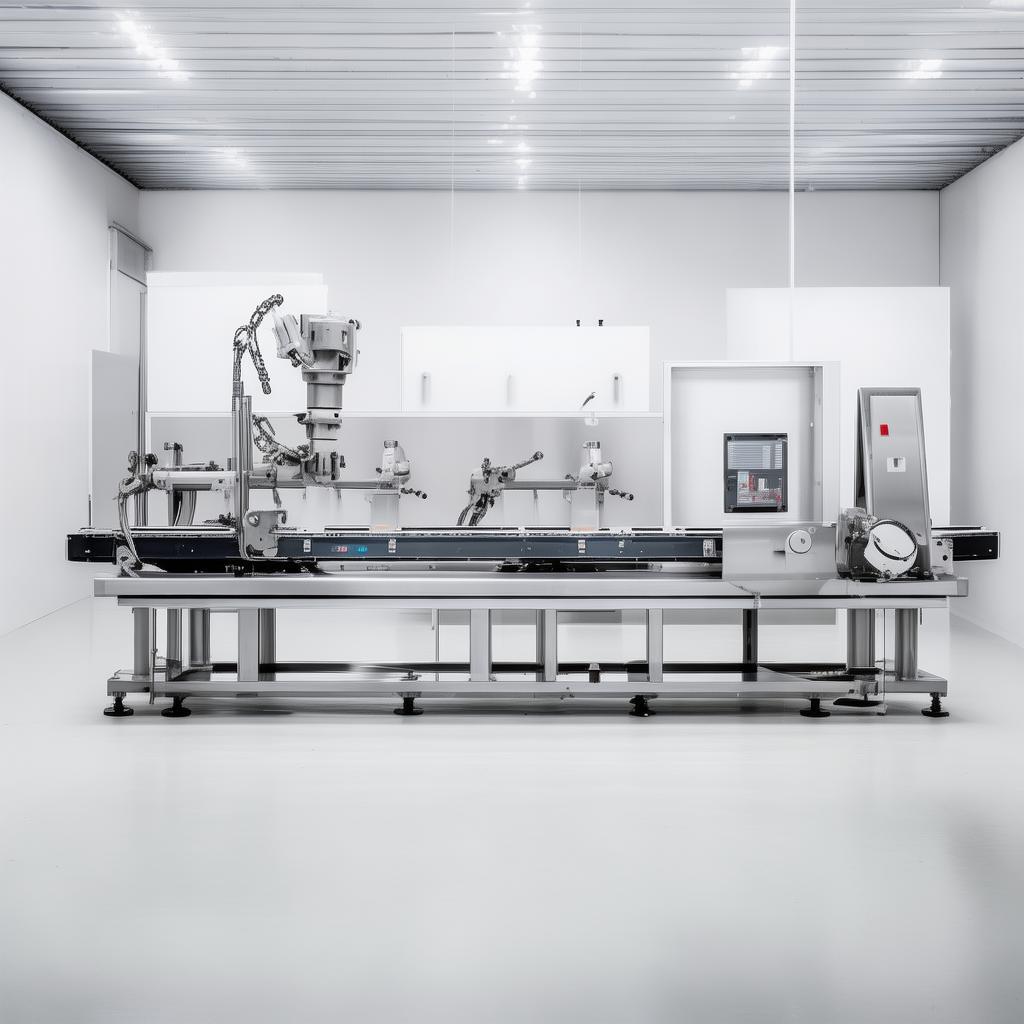
For very high-volume, automated production lines, continuous vacuum sealers are the solution. Products move through the machine on a conveyor belt, undergoing vacuum and sealing automatically. These are integrated systems designed for maximum throughput and minimal human intervention.

Ideal for: Large industrial food plants, large-scale OEM suppliers, automated production environments.
Selecting the right type involves assessing your daily/hourly output requirements, the size and shape of your products, and whether you require additional features like gas flushing, specific seal lengths, or integration into an existing automated line. Our team can guide you through this critical decision process.
Understanding the Technical Backbone: What to Look For
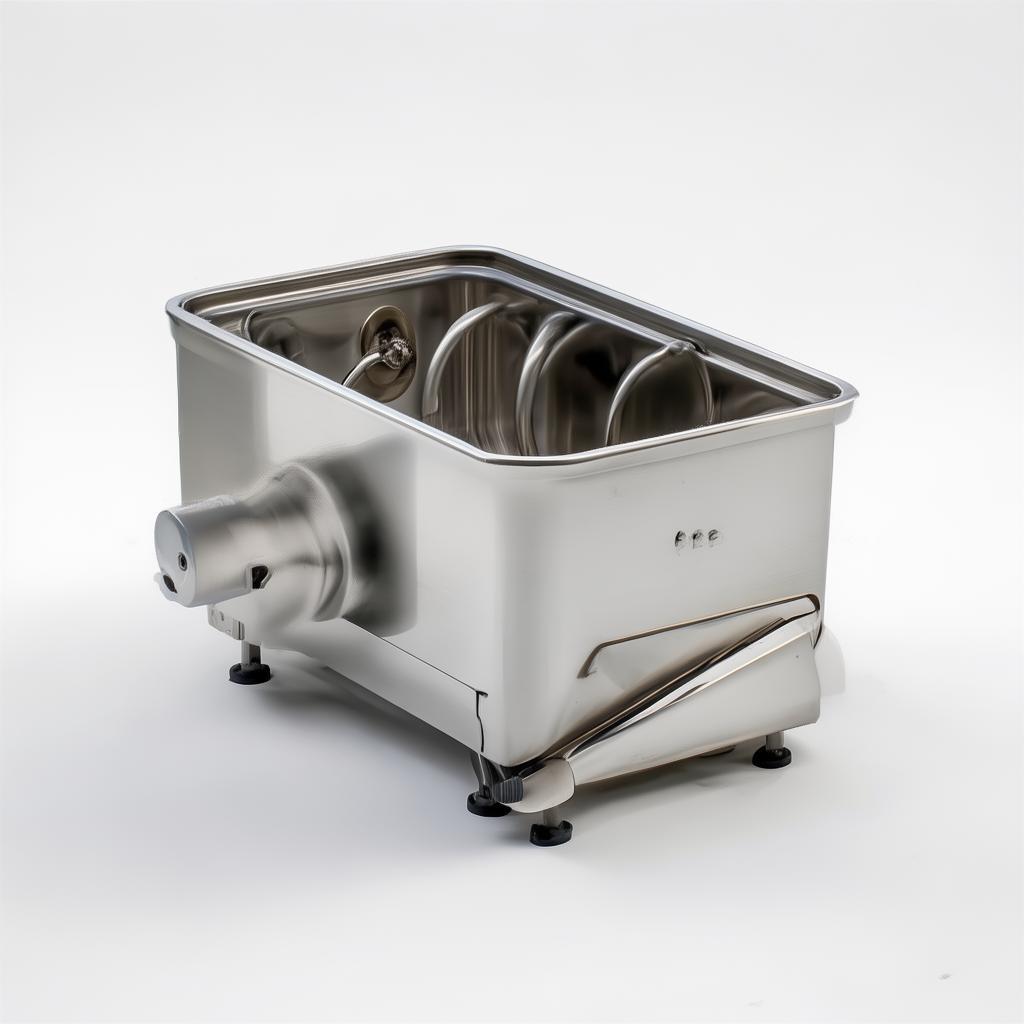
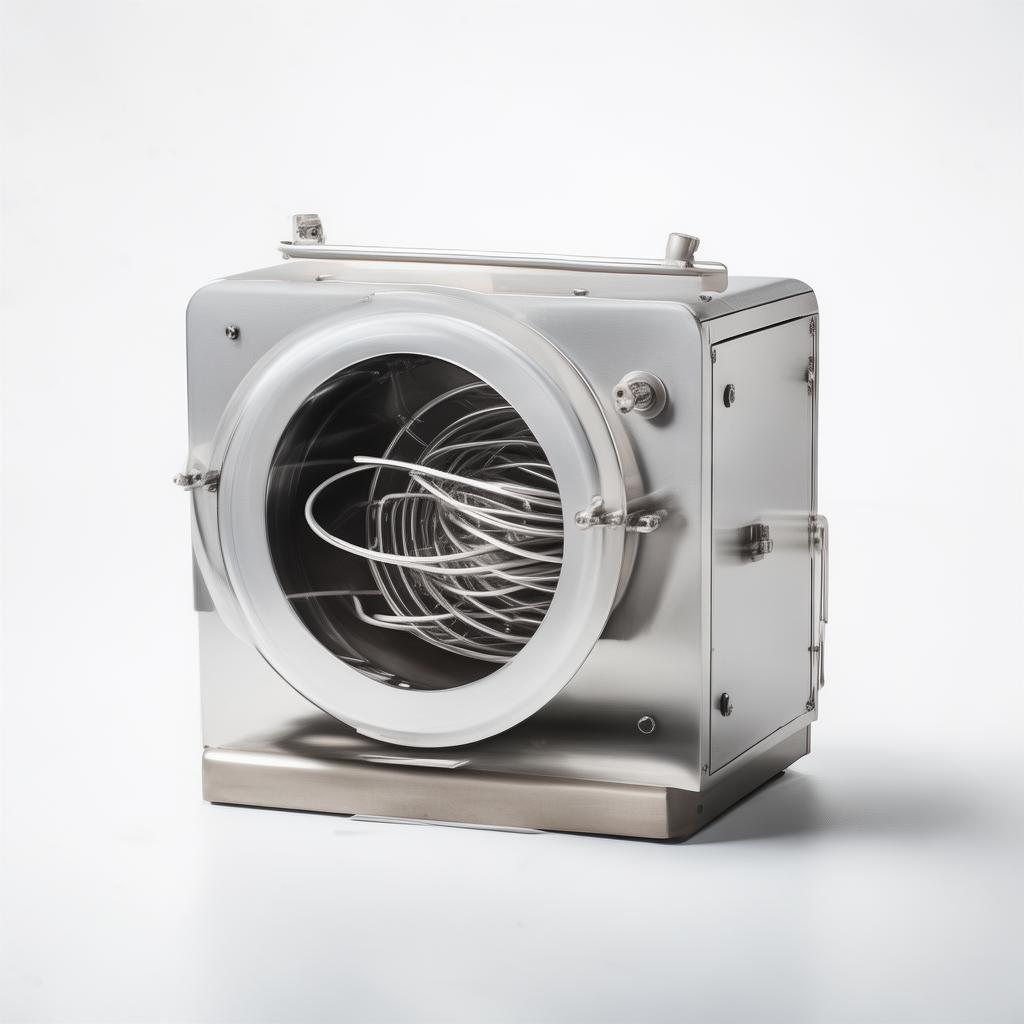
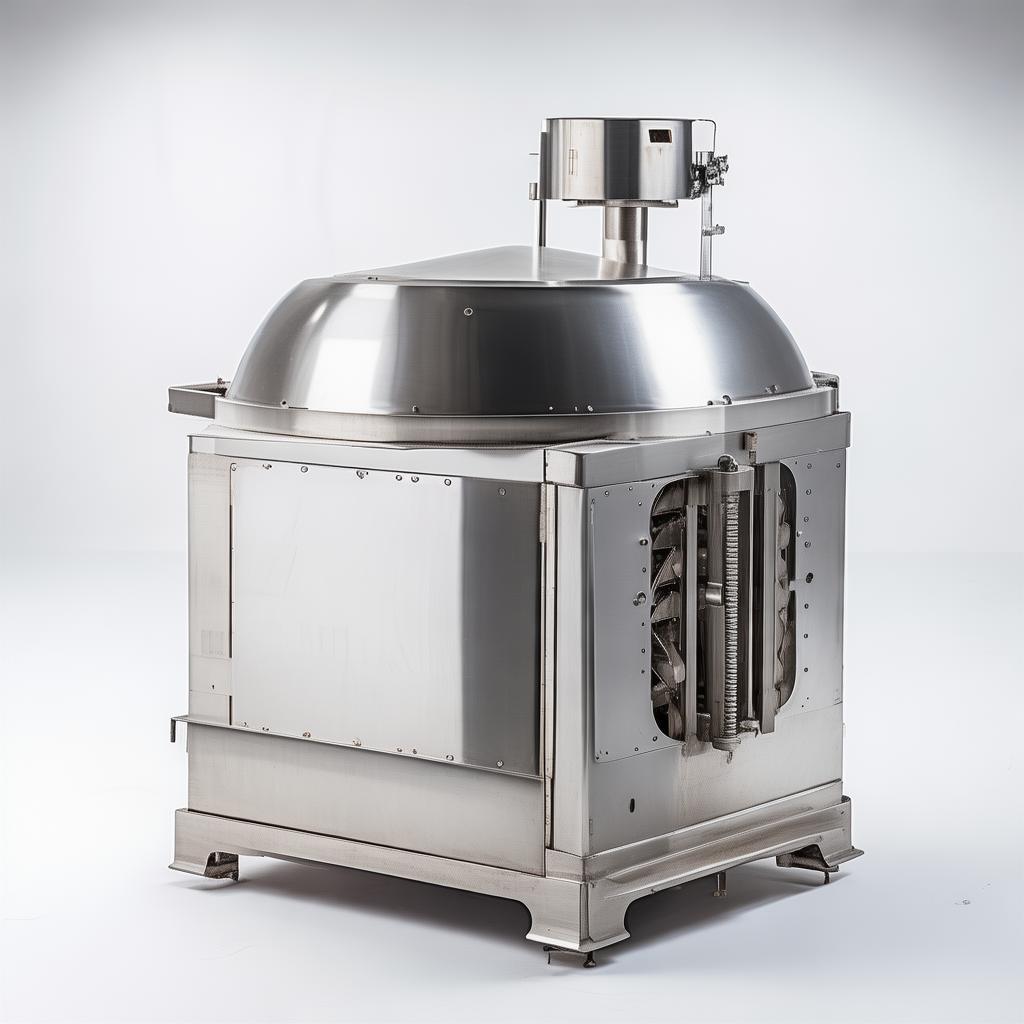
vacuum machine packaging packaging vacuum machines vacuum packaging machinery
When evaluating vacuum packaging equipment, especially for international trade where reliability and performance are non-negotiable, a deep dive into the technical specifications is essential. Don't just look at the vacuum level; consider the entire package.
Key Specification Points:
- Vacuum Pump Capacity: This is often measured in m³/h or L/min. A higher capacity pump means faster evacuation of air from the chamber, leading to shorter cycle times. For double chamber machines, the combined capacity is key. We typically specify pumps from reputable brands known for durability.
- Seal Bar Length & Width: Ensure the seal bar is long enough to accommodate your widest products and that the seal width is sufficient for a strong, reliable closure. Common widths are 8mm or 10mm. Double seals offer added security.
- Chamber Dimensions & Bag Size Compatibility: Verify the internal dimensions of the chamber can fit your products comfortably, leaving adequate space for sealing. Also, check the maximum bag size the machine can handle.
- Cycle Time: This is the total time from closing the lid to the seal being complete. Lower cycle times directly translate to higher throughput. Factors influencing this include pump speed, chamber size, and vacuum level.
- Construction Material: Stainless steel (e.g., 304 grade) is preferred for food contact and wet environments due to its corrosion resistance and ease of cleaning. Robust construction throughout the machine frame ensures longevity.
- Control System: Look for intuitive digital controls with programmable settings for different products. Features like gas flushing capability, variable seal time, and precise temperature control are valuable. PLC-driven systems offer greater flexibility and automation potential.
- Power Requirements: Ensure the machine's voltage and frequency match your factory's power supply (e.g., 220V/380V, 50Hz/60Hz). This is critical for international installations.
At Hebei Yuanchang, our equipment is engineered with precision and durability in mind, often incorporating components from leading global suppliers to ensure consistent performance. For instance, our double-chamber machines boast powerful vacuum pumps capable of achieving -0.1MPa vacuum levels rapidly, coupled with robust sealing systems that provide a secure closure every time.
| Parameter | Specification | Notes |
|---|---|---|
| Power Supply | 380V/50Hz/3Ph | Customizable for export markets |
| Vacuum Pump Capacity | 2 x 20 m³/h | High-speed evacuation |
| Max. Vacuum | -0.1 MPa | Industry standard for optimal preservation |
| Seal Bar Length | 2 x 550 mm | Accommodates larger products |
| Chamber Size (L x W x H) | 570 x 420 x 100 mm | Generous capacity |
| Net Weight | 220 kg | Robust construction |
Procurement & Operational Considerations for Global Buyers
Sourcing industrial equipment internationally involves more than just comparing features and price. For purchasing managers and procurement directors, evaluating suppliers and understanding potential operational impacts is key to a successful acquisition. At Hebei Yuanchang, we aim to be transparent throughout this process.
Supplier Evaluation: Beyond the Datasheet
When you engage with an overseas manufacturer like us, consider these points:
- Manufacturing Experience & Certifications: A long history, like our 40 years since 1986, signifies deep expertise and adaptability. Look for ISO certifications (e.g., ISO 9001 for quality management) that indicate a commitment to standardized processes. We hold relevant certifications demonstrating our adherence to quality.
- In-house Manufacturing Capabilities: A supplier with its own machining workshop, equipped with CNC machines, can ensure high-precision parts and better control over lead times and quality. Our facility, boasting over 20 sets of processing machinery including Japanese Mazak CNC centers, allows us to produce critical components in-house, offering unparalleled quality control and after-sales support.
- After-Sales Support & Spare Parts: What happens after delivery? A traceable after-sales management system and readily available spare parts are crucial for minimizing downtime. We maintain detailed records and have a system in place to ensure you receive necessary parts promptly.
- Customization Options (OEM/ODM): Can the equipment be modified to fit your specific production needs or integrated into your existing line? We offer OEM/ODM services, allowing for tailored solutions. Discuss your requirements early.
- Communication & Logistics: Clear communication is vital. We work with experienced freight forwarders to manage international shipping, ensuring efficient and cost-effective delivery to your port of choice. Understanding Incoterms (e.g., FOB, CIF) is important.
Operational Integration & Maintenance
Think about the practical aspects of implementation:
- Installation: Most of our vacuum packaging machines are designed for straightforward installation. We provide comprehensive manuals and can offer remote assistance or on-site support if required, though for standard models, it's usually plug-and-play after connecting power and air.
- Training: Operator training is key to efficiency and safety. We provide documentation and can offer remote training sessions. Investing time in training your team will pay dividends in consistent operation and reduced errors.
- Routine Maintenance: Regular maintenance ensures longevity and optimal performance. This typically involves cleaning the sealing area, checking seals for wear, replacing filter elements, and lubricating moving parts. Our team can advise on a specific maintenance schedule based on your usage. For example, vacuum pump oil should be checked regularly and changed according to manufacturer recommendations.
- Consumables: Ensure a reliable supply of vacuum bags/films that are compatible with your machine and product. We can advise on suitable materials, and for certain products, we can also supply compatible packaging materials.
We recognize that investing in industrial equipment is a significant decision. Our commitment extends beyond the sale to ensure your operational success and satisfaction.
Hebei Yuanchang: Your Trusted Partner for Precision Vacuum Solutions
With over four decades of experience since 1986, Hebei Yuanchang Food Mechanism & Technology Co., Ltd. has established itself as a leader in manufacturing high-quality food processing and packaging equipment. Our 14,000 square meter facility houses a dedicated team of 80-100 skilled professionals committed to R&D, production, and sales excellence.

Our strength lies in our comprehensive, in-house manufacturing capabilities. Our advanced machining workshop is equipped with over 20 sets of precision processing machinery, including high-precision grinding machines and CNC machining centers. This allows us to independently produce high-tolerance, non-standard components, ensuring that every piece of equipment we deliver meets stringent quality and performance benchmarks. This control over component manufacturing is key to our reliable after-sales service.
While our expertise spans various meat processing equipment, our vacuum packaging solutions are designed with the same commitment to precision, durability, and operational efficiency demanded by international B2B clients. We understand the critical role packaging plays in product preservation, export readiness, and overall supply chain integrity. We are not just a manufacturer; we are a solutions provider dedicated to helping your business thrive in the global market.
Core Strengths:
- 40 Years of Industry Experience: Deep understanding of processing and packaging needs.
- ISO Certified Quality Management: Commitment to excellence and consistency.
- Advanced CNC Machining: High-precision in-house component manufacturing.
- Traceable After-Sales System: Worry-free support and parts availability.
- OEM/ODM Capabilities: Flexible solutions tailored to your needs.
- Global Export Expertise: Streamlined logistics and documentation.
Certifications:
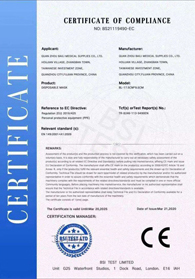
We invite you to explore our comprehensive range of vacuum packaging equipment and discover how our expertise can enhance your operational efficiency and product quality for global markets.
Frequently Asked Questions (FAQs)
Here are answers to common questions prospective buyers have about our vacuum packaging equipment.
Q1: What is the typical lead time for an order?
Lead times can vary based on the model complexity and current production schedule. For standard double-chamber models, it typically ranges from 15 to 30 days after order confirmation. Customized solutions may require additional assessment. We strive to provide accurate estimates upon inquiry.
Q2: What are the shipping terms you offer?
We offer flexible shipping terms, commonly FOB (Free On Board) Shijiazhuang or CIF (Cost, Insurance, Freight) to your designated port. We work with reliable international logistics partners to ensure your equipment arrives safely and efficiently. We can provide detailed shipping quotes upon request.
Q3: How is after-sales support handled for international clients?
We provide comprehensive operation manuals and remote technical support via email or video calls. For critical issues or major repairs, we can arrange for a technician to travel, though this would incur additional costs. Access to spare parts is also a key part of our after-sales service; we maintain inventory and can ship parts globally.
Q4: Can your machines handle different types of food products?
Yes, our vacuum packaging machines are versatile and can be used for a wide range of food products, including meat, poultry, seafood, dairy, baked goods, and produce. For specific products like liquids or powders, special accessories or machine settings might be required, which we can discuss.
Q5: What is the warranty period for your equipment?
Our vacuum packaging machines typically come with a 12-month warranty against manufacturing defects. This warranty covers parts and labor under normal operating conditions. Wear and tear parts are excluded.
What Our Clients Say
Real feedback from businesses that have integrated our vacuum packaging solutions into their operations.

West Coast Foods USA
"We recently upgraded our packaging line with two of Hebei Yuanchang's double-chamber vacuum machines. The improvement in cycle time and seal integrity was immediate. Our product spoilage rate has dropped noticeably, and the compact packaging has helped optimize our container loads for export to Asia. The communication during the ordering and shipping process was excellent."

Global Gourmet Meats, Canada
"We needed a reliable solution for vacuum sealing our premium jerky products for export. Hebei Yuanchang's single-chamber machine has been a workhorse. It delivers consistent, strong seals that maintain product freshness and prevent freezer burn during long transit. The robust construction gives us confidence in its longevity."

Fresh Produce Exports Inc., USA
"For our vacuum-sealed fresh herbs destined for Europe, quality and consistency are paramount. The YC-DZ series machines from Hebei Yuanchang have proven to be incredibly reliable. The efficient vacuum pull and strong seal ensure our delicate products reach their destination in optimal condition, reducing rejection rates significantly."
Ready to Enhance Your Packaging and Export Capabilities?
Discuss your specific vacuum packaging equipment needs with our expert team. We offer tailored solutions and competitive factory pricing.
Contact Us: +86 15830991513 | ycmeatmech@gmail.com | Shijiazhuang, Hebei Province, China