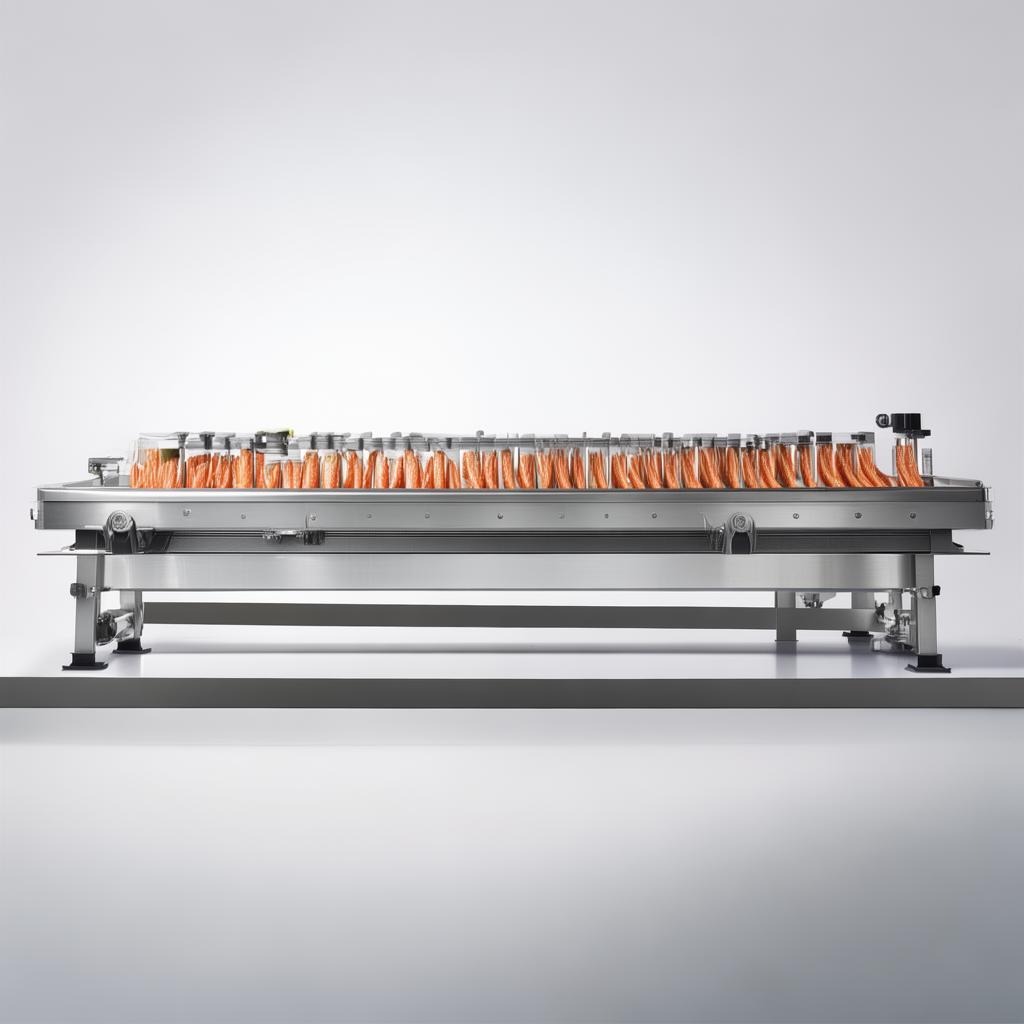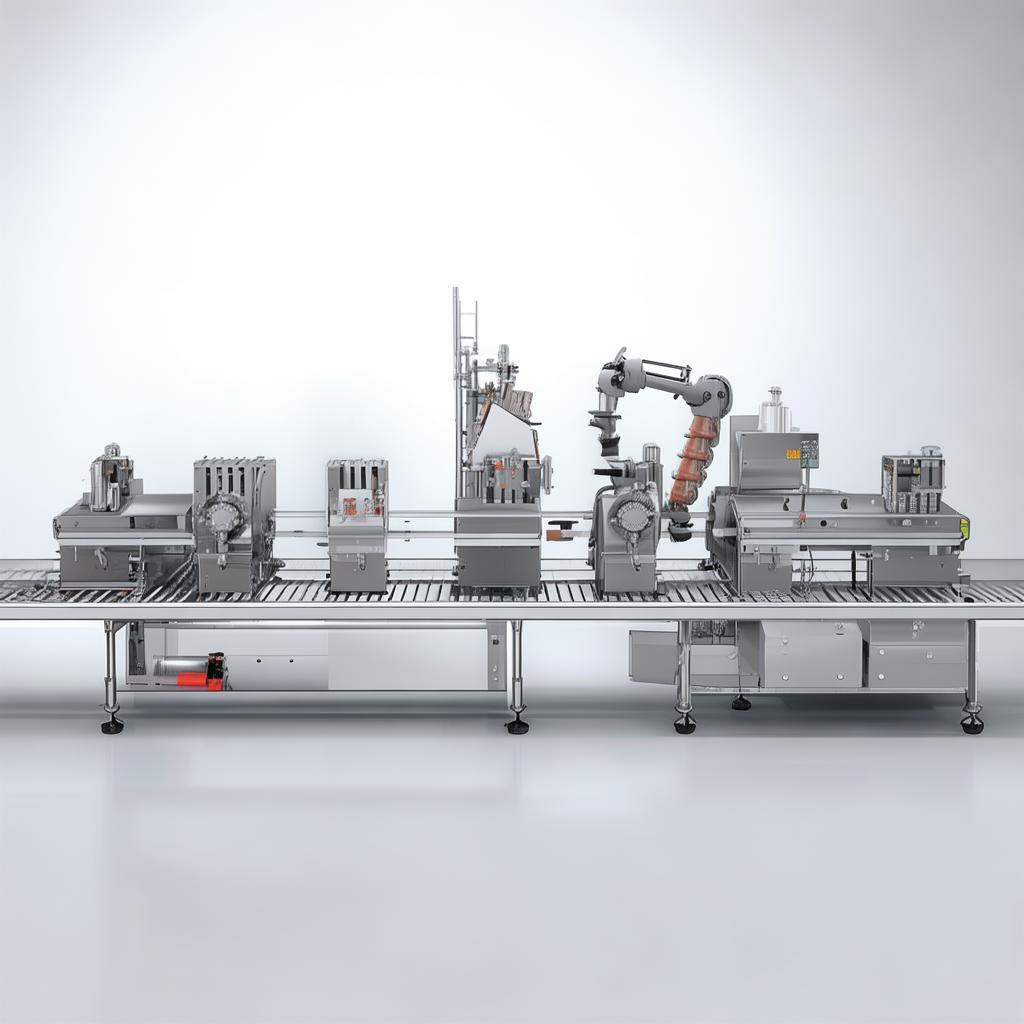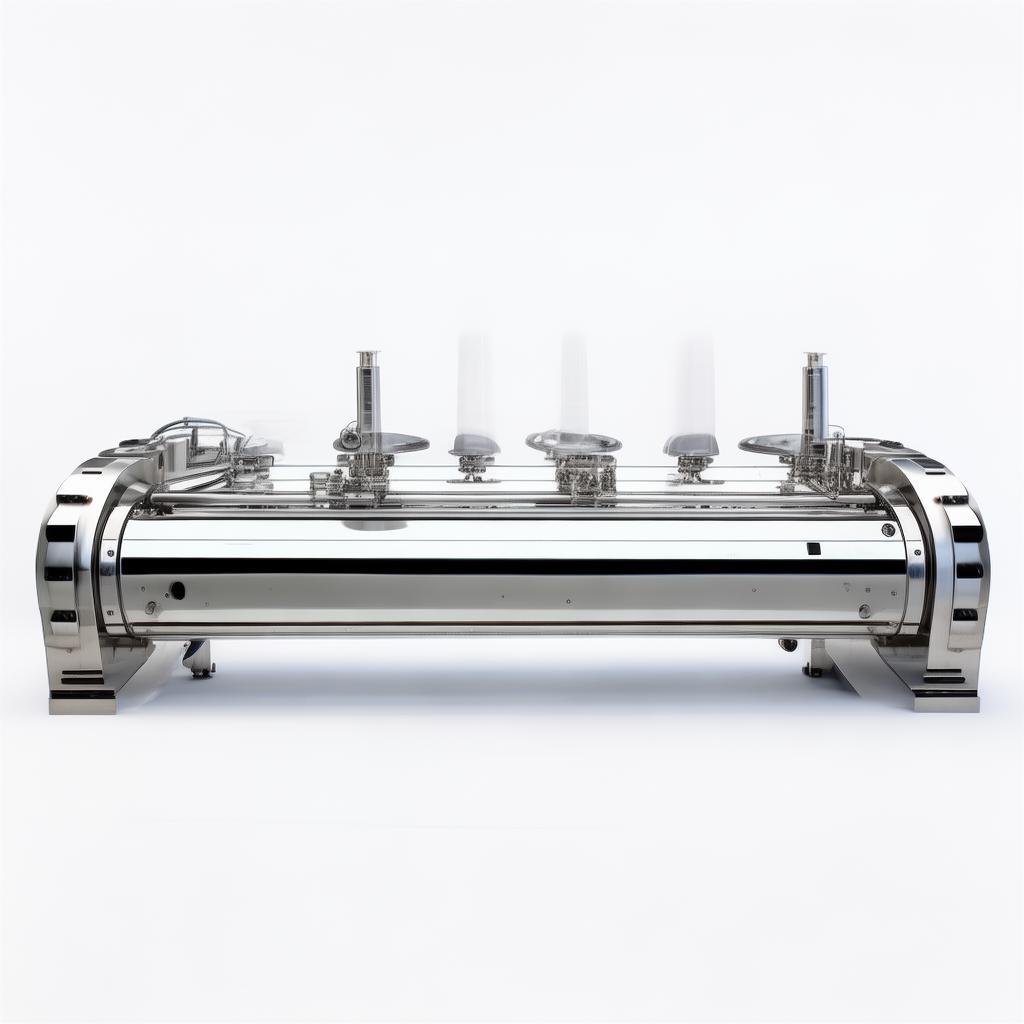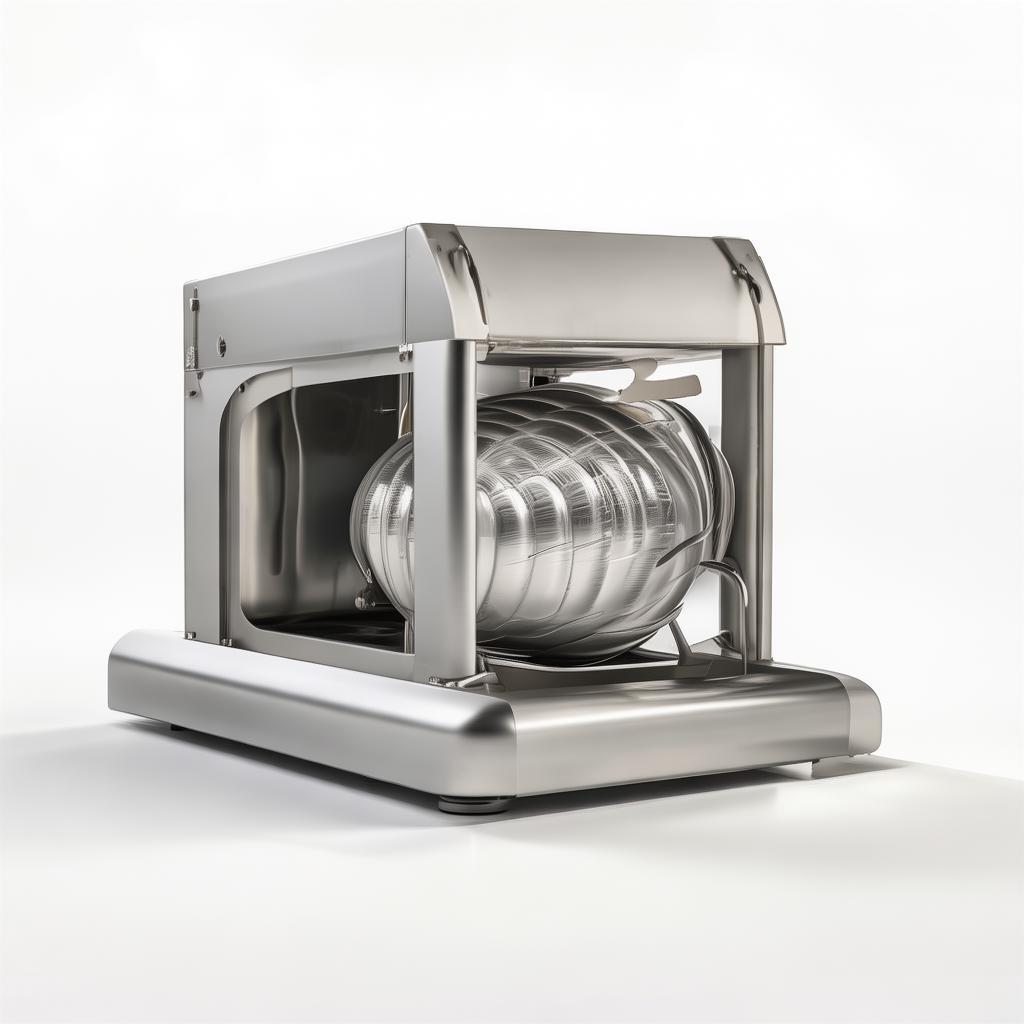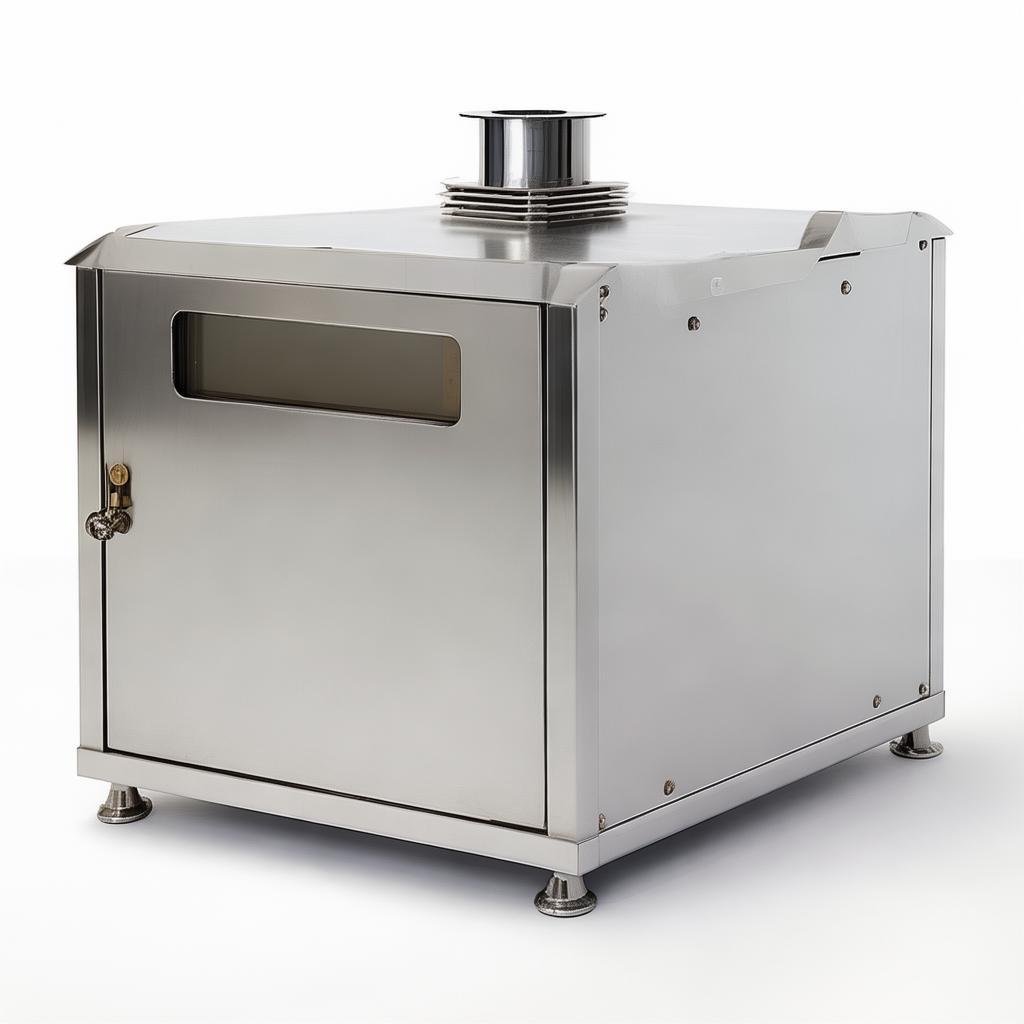
Vacuum Conveyor System
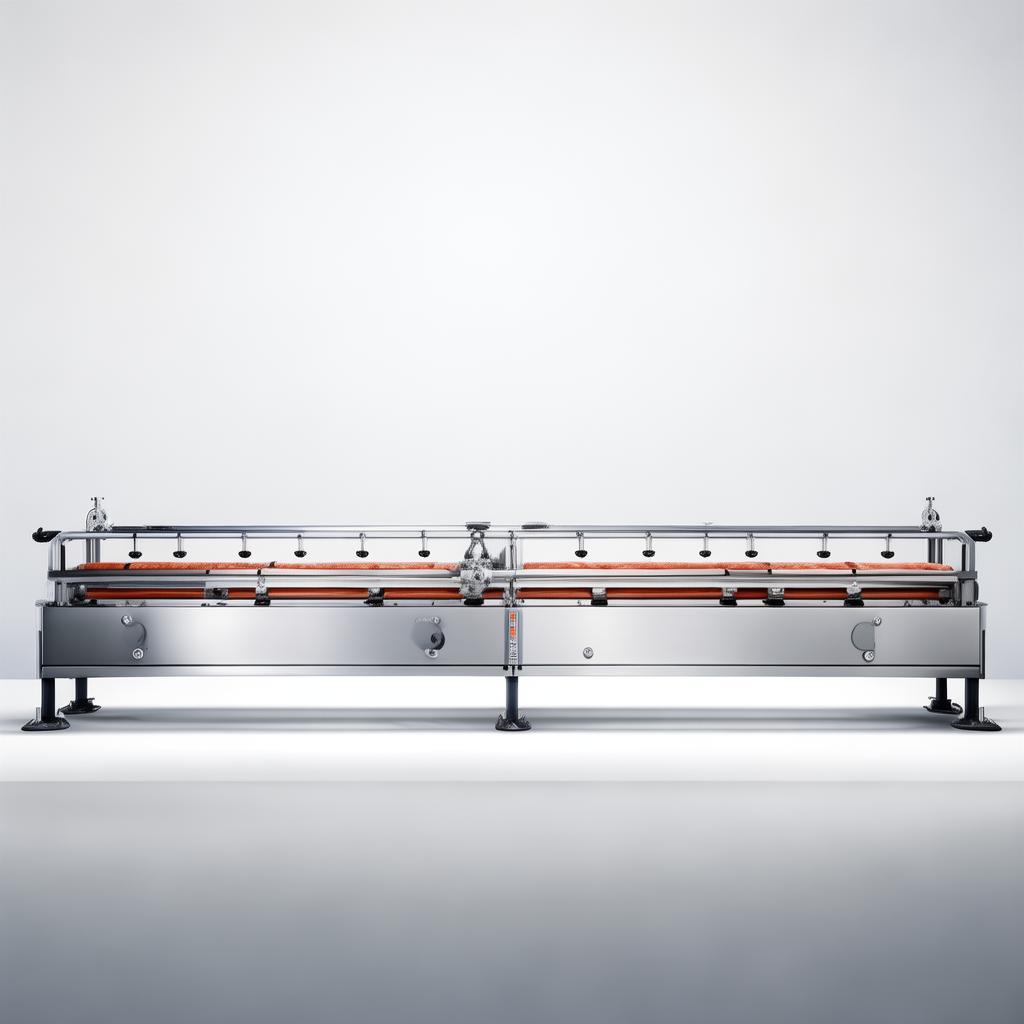
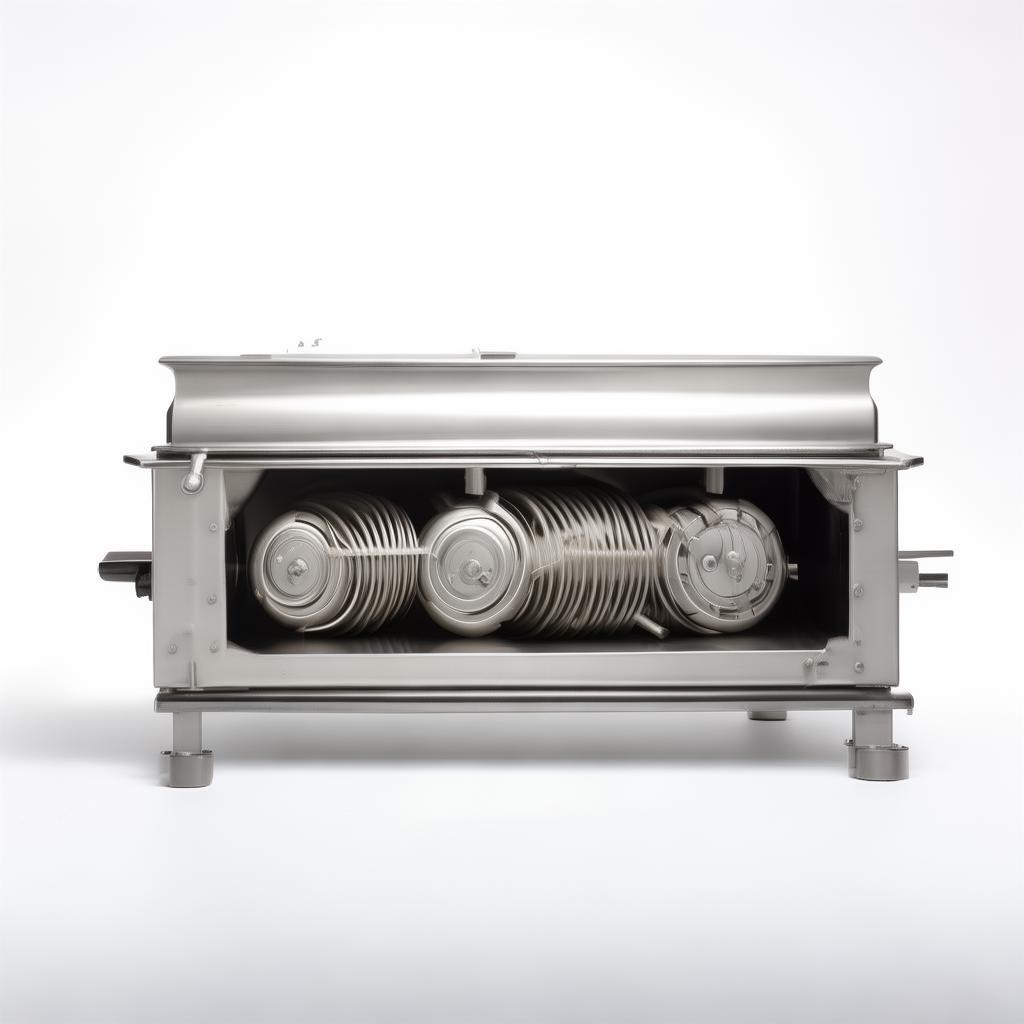
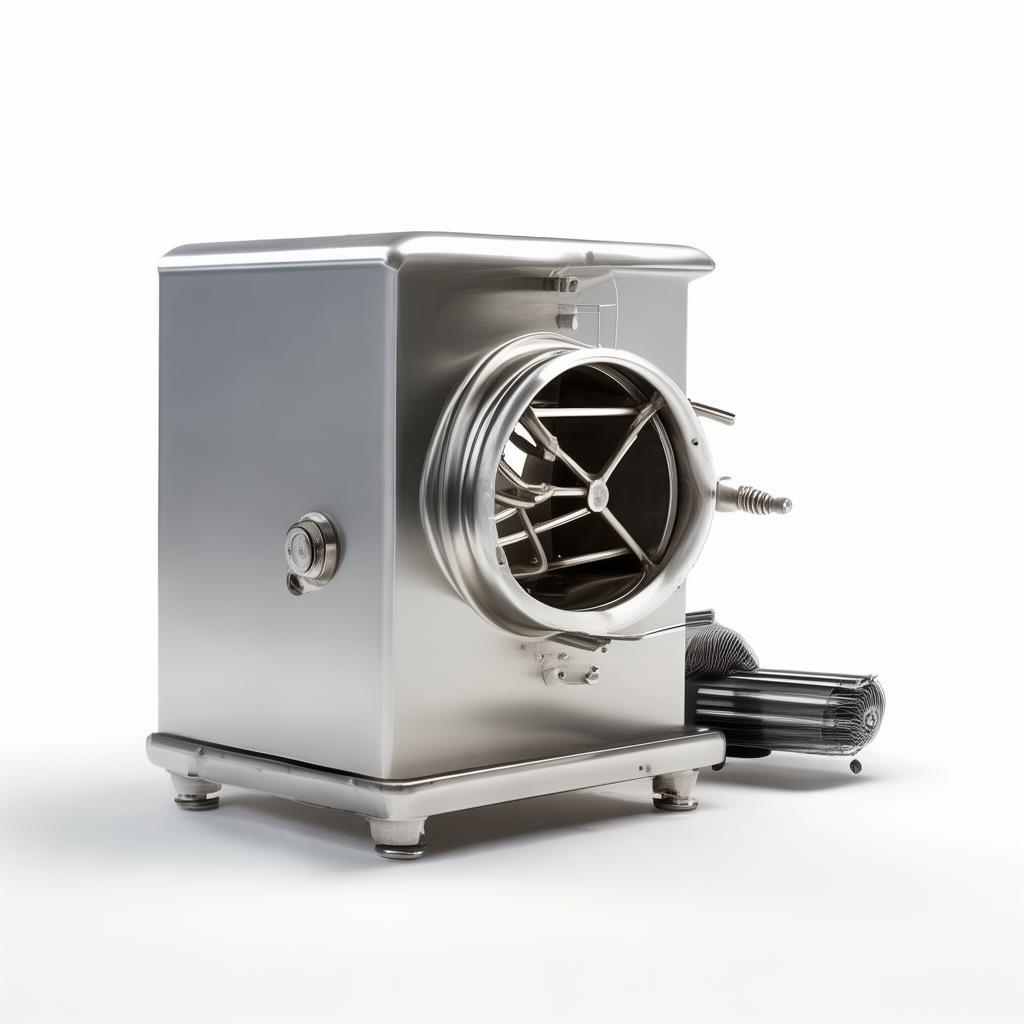
Vacuum Conveyor Systems: Streamlining Material Handling for Peak Production Efficiency
Optimizing Your Operations with Reliable, Automated Material Transfer Solutions
 By: Alex Chen, Senior Industrial Engineer
Published: October 26, 2023
Table of Contents
- Introduction: The Evolving Landscape of Material Handling
- Addressing Common Material Handling Challenges
- Understanding the Mechanics: How Vacuum Conveyors Operate
- The Strategic Advantages of Vacuum Conveyor Systems
- Versatile Applications Across Industries
- Material Compatibility and Selection
- Key Technical Specifications to Consider
- Installation, Integration, and Maintenance Insights
- Procurement: What Buyers Need to Know
- Evaluating a Vacuum Conveyor System Supplier
- Compliance and Certifications: Ensuring Quality and Safety
- Real-World Impact: Customer Success Stories
- Frequently Asked Questions (FAQs)
- Ready to Optimize Your Material Flow?
Introduction: The Evolving Landscape of Material Handling
In today's competitive industrial environment, efficiency isn't just a goal; it's a necessity. The seamless, safe, and reliable transfer of bulk materials from one point to another is fundamental to the productivity of countless manufacturing operations. Whether you're dealing with fine powders, granular solids, or even delicate pellets, the method chosen for conveyance directly impacts throughput, product integrity, operational costs, and overall workplace safety. Manual handling, while seemingly simple, is increasingly recognized for its inherent inefficiencies, potential for product contamination, and significant risks to personnel. This has driven a continuous evolution in material handling technology, pushing industries towards more automated, contained, and intelligent solutions.
For decades, various mechanical conveying systems – like screw conveyors, belt conveyors, and bucket elevators – have been workhorses in many facilities. However, these systems can present challenges such as product degradation due to mechanical stress, dust emission leading to environmental and health concerns, and difficulties in cleaning, especially in industries with stringent hygiene requirements like food processing or pharmaceuticals. The constant pressure to reduce downtime, minimize product loss, and adhere to increasingly rigorous safety and environmental regulations necessitates a look at advanced conveying methodologies. This is where vacuum conveyor systems emerge as a sophisticated and highly effective solution.
The global market for meat processing equipment, for instance, is a significant indicator of this trend towards automation and efficiency. Reports suggest the market was valued at approximately USD 11.28 billion in 2024 and is projected to reach around USD 15.04 billion by 2030. This growth is fueled by rising consumption of processed meats, the adoption of automation for labor efficiency and hygiene, and expanding infrastructure in emerging markets. Essential components within this sector include filling, stuffing, and massaging equipment, all of which rely on precise and controlled material transfer. Similarly, the broader food processing machinery market, which includes meat processing as a key segment, is expected to reach over USD 109 billion by 2035, underscoring the widespread need for efficient handling systems.
A vacuum conveyor system operates on a fundamental principle: using a vacuum to draw material through a sealed pipe or hose from a pick-up point to a receiving vessel. This simple yet powerful concept unlocks a multitude of benefits. It offers a contained transfer, drastically reducing dust and cross-contamination risks, which is paramount in sectors like pharmaceuticals, food & beverage, and chemical manufacturing. The gentle conveying action minimizes product attrition, preserving the integrity of sensitive materials. Furthermore, their flexible design allows for intricate routing, overcoming spatial limitations common in older plant layouts or specialized production environments. As industries continue to focus on smart manufacturing, Industry 4.0 integration, and lean operational principles, the role of advanced material handling solutions like vacuum conveyors becomes even more critical for achieving optimal plant performance and a strong return on investment.
The demand for processed and convenience foods is a major driver behind the adoption of advanced processing equipment. The global processed meat market, for example, is projected to grow from approximately USD 750 billion in 2026 to over USD 1.2 trillion by 2034. This escalating demand necessitates robust, efficient, and hygienic material handling to keep pace with production volumes. Vacuum conveyor systems are well-positioned to meet these evolving needs, offering a reliable method for transferring ingredients, powders, and finished products within these complex processing chains. Their ability to handle a wide range of particle sizes and densities, combined with their inherent containment features, makes them an indispensable tool for modern manufacturing facilities aiming for both superior product quality and operational excellence.
When considering a shift to automated material handling, particularly for bulk powders and granular materials, vacuum conveying presents a compelling case. It addresses many inherent drawbacks of traditional mechanical systems, such as dust leakage, material degradation, and difficult cleaning. The ability to create a closed-loop system not only enhances product quality and safety but also contributes to a cleaner and safer working environment. This is crucial as companies increasingly focus on ESG (Environmental, Social, and Governance) factors. We'll delve into the specifics of how these systems work, their advantages, ideal applications, and what factors to consider when selecting and implementing one for your facility.



Addressing Common Material Handling Challenges
Many manufacturing operations grapple with persistent material handling bottlenecks that hinder productivity and inflate costs. These issues aren't just minor annoyances; they can significantly impact your bottom line and operational reliability.
- Product Degradation: Mechanical conveyors can subject delicate powders, granules, or food ingredients to shear forces, breakage, or segregation, compromising final product quality and leading to material loss.
- Dust and Contamination: Open or poorly sealed conveying systems release fine particles into the air, creating slip hazards, posing respiratory risks to workers, and increasing the risk of product cross-contamination. This is a major concern in food, pharma, and chemical industries.
- Limited Flexibility: Fixed conveyor routes can be restrictive, making it difficult to adapt to changing plant layouts or to transfer materials across complex machinery and different elevation levels.
- Space Constraints: Traditional bulk handling equipment can be bulky and require significant floor space, which is often at a premium in established manufacturing facilities.
- Difficult Cleaning and Changeovers: Thorough cleaning of screw, belt, or chain conveyors can be time-consuming and labor-intensive, especially when dealing with multiple product runs and stringent hygiene standards.
- High Maintenance Costs: Mechanical conveyors often have numerous moving parts subject to wear and tear, leading to frequent maintenance, downtime, and associated costs.
- Manual Labor Inefficiencies: Relying on manual labor for material transfer is slow, labor-intensive, inconsistent, and carries a high risk of ergonomic injuries.
These challenges collectively impact efficiency, product quality, safety, and profitability. Finding a system that mitigates these issues is key to optimizing any bulk material handling process.
Understanding the Mechanics: How Vacuum Conveyors Operate
At its core, a vacuum conveyor system is deceptively simple, yet its design and operation are highly effective for a wide range of bulk solids. The process relies on creating a pressure differential to move materials through a network of pipes or hoses.
 Conceptual diagram of a typical vacuum conveying loop.
The system typically comprises several key components:
- Vacuum Generator: This is the powerhouse of the system, usually an industrial vacuum pump (e.g., rotary vane, ring-blower, or liquid ring). It creates a low-pressure environment within the conveying pipeline.
- Conveying Pipeline: A network of food-grade or industrial-grade pipes and flexible hoses connects the material source to the destination. These are typically made of stainless steel or durable plastics, designed to withstand the vacuum and material flow.
- Pick-up Point/Ingestion Device: This is where the material enters the system. It can range from a simple inlet at the bottom of a hopper to more sophisticated devices like vacuum wands for manual pick-up or automated inlets directly coupled to process equipment.
- Receiving Vessel/Filter Receiver: This is the destination, typically a hopper, silo, mixer, or packaging machine. Crucially, it contains a filtration system. As material enters, the vacuum is broken locally, and the material falls into the vessel, while the air is drawn through the filters.
- Filtration System: High-efficiency filters (e.g., pleated cartridge filters or bag filters) are essential. They capture any fine dust particles, ensuring that only clean air is drawn by the vacuum pump, protecting the pump and preventing environmental release. These filters are often equipped with automated pulse-jet cleaning mechanisms to maintain airflow and reduce maintenance.
- Control System: Sophisticated controllers manage the vacuum levels, cycle times, filter cleaning, and safety interlocks, ensuring consistent and reliable operation.
The process unfolds in distinct phases:
- Vacuum Phase: The vacuum generator creates negative pressure throughout the sealed conveying line.
- Material Ingestion: At the pick-up point, the external atmospheric pressure forces material into the low-pressure zone and into the conveying line.
- Conveying: The vacuum pulls the material along the pipeline towards the filter receiver. Depending on the material and system design, this can be a dense-phase (plug-like flow) or dilute-phase (suspended in air) conveying action.
- Discharge and Filtration: Material enters the filter receiver. As it deposits, a local mechanism (like a rotary valve or an iris valve) discharges the material into the vessel below. The air then passes through the filters before returning to the vacuum pump.
- Filter Cleaning: Periodically, or when a certain pressure drop is detected across the filters, a pulse of compressed air is released onto the filters to dislodge accumulated dust, which falls into the receiver.
This closed-loop, vacuum-driven approach ensures contained transfer, minimal product degradation, and easy integration into existing processing lines. It’s a robust method for moving powders, granules, and other bulk solids without exposing them to the environment or mechanical damage.
The Strategic Advantages of Vacuum Conveyor Systems
Implementing a vacuum conveyor system offers a significant operational uplift, addressing numerous pain points inherent in traditional material handling methods. The benefits extend across product quality, worker safety, environmental compliance, and overall cost-efficiency.
- Enhanced Product Integrity: Unlike mechanical conveyors, vacuum systems convey materials gently, minimizing breakage, attrition, and segregation. This is crucial for maintaining particle size distribution and ensuring consistent product quality, especially for fragile materials like resins, seeds, or food snacks.
- Dust Containment & Hazard Reduction: The sealed nature of vacuum conveying systems dramatically reduces dust emissions. This directly improves workplace air quality, minimizes housekeeping requirements, lowers the risk of dust explosions, and prevents cross-contamination. For industries handling fine powders or allergenic substances, this containment is non-negotiable.
- Flexibility and Space Efficiency: Vacuum conveying pipelines can be easily routed through walls, around obstacles, and across multiple levels using flexible hoses or rigid piping. This adaptability makes them ideal for retrofitting into existing facilities with limited space or complex layouts, unlike the fixed infrastructure often required by belt or screw conveyors.
- Simplified Cleaning and Faster Changeovers: The smooth interior surfaces of the pipes and the absence of complex internal mechanisms simplify cleaning. Many systems are designed for rapid disassembly or feature automated cleaning cycles, significantly reducing downtime between product batches or formulations. This is a massive advantage for multi-product facilities.
- Reduced Operating Costs: While the initial investment may be higher than simpler mechanical options, vacuum conveyors often offer lower lifetime operating costs. They require less maintenance due to fewer moving parts, consume less energy than some alternatives, and minimize product loss through spillage or degradation.
- Improved Workplace Safety: By automating material transfer and reducing dust, vacuum systems create a safer working environment. This lowers the risk of slips, trips, falls, and exposure to hazardous airborne particles, contributing to fewer workplace accidents and reduced liability.
- Automated & Efficient Operation: Integrated with PLCs and control systems, vacuum conveyors can operate autonomously, responding to process demands and reducing reliance on manual labor. This consistency and reliability contribute to higher overall plant uptime and throughput.
- Compliance with Regulations: Many vacuum systems are designed to meet stringent industry standards (e.g., FDA, ATEX, GMP), making them suitable for food, pharmaceutical, and chemical applications where regulatory compliance is paramount.
These combined advantages make vacuum conveyor systems a strategic investment for manufacturers seeking to optimize efficiency, enhance product quality, and ensure a safe and compliant operation.
Versatile Applications Across Industries
The inherent benefits of vacuum conveying systems make them exceptionally versatile, finding application in a broad spectrum of industries where the efficient and safe transfer of bulk solids is critical.
Food & Beverage Processing:
Crucial for handling ingredients such as flour, sugar, salt, spices, coffee beans, cocoa powder, dried fruits, and snack components. The ability to maintain hygiene, prevent cross-contamination, and preserve product integrity (e.g., preventing breakage of extruded snacks or delicate grains) makes vacuum conveying ideal. It's also used for transferring finished products like confectionery or cereals to packaging lines.
The global processed meat market's projected growth highlights the importance of reliable ingredient handling. With demand for ready-to-eat and convenience meats escalating, precise transfer of spices, binders, and other additives via vacuum conveyors ensures consistent product quality and batch-to-batch uniformity.
Pharmaceuticals & Nutraceuticals:
In these highly regulated sectors, containment is paramount. Vacuum systems are used to transfer active pharmaceutical ingredients (APIs), excipients, granules, powders, and tablets between blenders, tablet presses, capsule fillers, and packaging machines. The closed-loop design prevents contamination, protects sensitive compounds, and ensures operator safety from potent powders. ATEX-certified systems are available for potentially explosive environments.
Chemical & Petrochemical Industries:
Transfer of plastic pellets, resins, pigments, additives, catalysts, and fine chemical powders. Vacuum conveying offers a safe way to move materials that may be abrasive, hazardous, or sensitive to moisture. The containment feature is critical for preventing the release of fine dust into the environment and for protecting operators from exposure.
Plastics Manufacturing:
Efficiently moving virgin resins, regrind, masterbatches, and additives from silos or bags to extruders, injection molding machines, or blenders. This application demands high throughput, precise material management, and minimal contamination to maintain the quality of plastic products.
Minerals & Metallurgy:
Handling of powdered ores, mineral supplements, foundry sands, and metal powders. The systems can manage abrasive materials and operate in demanding industrial environments. Their flexibility allows for routing in compact plant setups or in mobile applications.
Other Applications:
Detergent powders, abrasive materials, glass frit, ceramics, battery materials, and agricultural products like animal feed or grain are also successfully handled by vacuum conveyor systems. Essentially, any free-flowing or semi-free-flowing bulk solid material that needs to be moved reliably and hygienically is a candidate.
The ability to customize pipeline routes, integrate with existing machinery, and handle a wide range of material properties makes vacuum conveying a truly adaptable solution for diverse manufacturing challenges.
Material Compatibility and Selection
The effectiveness of a vacuum conveyor system hinges significantly on understanding the properties of the material being conveyed. Not all materials behave the same way under vacuum or in pneumatic transport. Proper material characterization is key to designing a reliable and efficient system.
Key Material Properties to Consider:
- Particle Size & Distribution: Fine powders (<100 microns) behave differently than granular materials (1-5 mm) or pellets (>5 mm). Finer powders are more prone to dusting and may require finer filtration and potentially dense-phase conveying to prevent clogging. Larger granules flow more freely.
- Bulk Density: The weight per unit volume of the material impacts the required vacuum level and conveying capacity. Heavy materials need stronger vacuum or more airflow to be lifted and transported.
- Flow Characteristics: Is the material free-flowing, or does it tend to cake, bridge, or aerate easily? Sticky or cohesive materials may require specialized pick-up devices or consideration of system velocity to prevent blockages.
- Moisture Sensitivity: Hygroscopic materials (which absorb moisture from the air) require highly effective drying of the conveying air and robust sealing to prevent degradation or clumping.
- Fragility/Attrition Resistance: Delicate materials like puffed snacks, cereals, or certain encapsulated products require very gentle conveying (often dilute-phase at lower velocities) to prevent breakage and maintain product integrity.
- Abrasiveness: Highly abrasive materials (e.g., certain minerals, glass frit) can wear down pipework and components. Hardened steel alloys, thicker pipes, or specialized wear-resistant linings might be necessary.
- Temperature Sensitivity: Materials that degrade or melt at elevated temperatures require shorter conveying distances and potentially cooled conveying air.
- Hazardous Properties: Flammable dusts (ATEX compliance), toxic powders, or reactive chemicals necessitate specialized system designs, including explosion protection, inert gas conveying, and specific material compatibilities for all components.
Based on these properties, engineers can select the appropriate conveying mode:
- Dilute Phase (Lean Phase): Material is suspended in a high volume of air at high velocity. Best for non-fragile, free-flowing materials over longer distances.
- Dense Phase: Material moves as a plug or slug in a low-velocity, high-pressure air stream. Ideal for fragile, abrasive, or cohesive materials over shorter distances, minimizing degradation and dusting.
For bulk material handling in food processing, for example, ensuring materials like flour or sugar are free-flowing and not overly hygroscopic is key. If the material has a tendency to clump, adjustments to conveying air temperature or velocity might be needed. The global market for meat processing equipment underscores the need to handle diverse ingredients – from fine powders like spices to granular protein isolates. Each requires specific consideration in a vacuum conveying setup to maintain quality and efficiency.
When discussing material properties, it’s also vital to consider potential chemical compatibility with system components (pipes, seals, filters). Stainless steel (e.g., 304 or 316L) is common for food and pharma, while specialized alloys might be needed for corrosive chemicals. Accurate material data sheets and pilot testing are invaluable for ensuring the chosen vacuum conveyor system meets operational demands.
Key Technical Specifications to Consider
Selecting the right vacuum conveyor system requires a detailed review of its technical specifications. These parameters dictate performance, suitability, and integration capabilities. Below are critical aspects to evaluate:
| Specification | Description | Why It Matters |
|---|---|---|
| Conveying Capacity | Typically measured in kg/hr or lbs/hr (e.g., 500 kg/hr, 2000 lbs/hr). | Must match or exceed your process throughput requirements. Under-specifying leads to bottlenecks. |
| Vacuum Level (Pressure) | Measured in mbar, kPa, or in. H2O (e.g., -0.8 bar, -80 kPa). | Determines the lifting power for material. Higher vacuum is needed for denser or heavier materials, or longer distances. |
| Airflow Rate | Measured in m³/hr or CFM (e.g., 150 m³/hr, 90 CFM). | Essential for dilute-phase conveying; ensures material is fluidized and transported effectively. Affects conveying velocity. |
| Pipe Diameter & Length | Standard pipe sizes (e.g., 50mm, 75mm, 100mm) and maximum permissible conveying length. | Influences conveying velocity, capacity, and energy consumption. Longer distances or larger pipes may require different vacuum pump sizing. |
| Filter Efficiency | e.g., HEPA, MERV rating (e.g., MERV 15), Micron rating (e.g., 1 micron). | Crucial for containment and air quality. Higher efficiency is required for fine powders, APIs, or hazardous materials. |
| Material of Construction | e.g., SS304, SS316L, Food-grade polymers, wear-resistant alloys. | Must be compatible with the product being conveyed (chemical resistance, hygiene standards) and operational environment (corrosion, abrasion). |
| Power Requirements | Voltage, phase, motor wattage/HP. | Ensure compatibility with your plant's electrical infrastructure. |
| Control System Type | PLC-based, simple relay logic, HMI interface. | Impacts ease of integration, automation capabilities, and operator interface. |
vacuum conveyor for industrial application vacuum conveyor manufacturers vacuum conveyor belt
When evaluating specifications, it's not just about the numbers. Consider the interplay between these parameters. For instance, a longer conveying distance might require a higher vacuum level or a larger diameter pipe, which in turn affects airflow and power consumption. Consulting with an experienced supplier who can perform calculations based on your specific material properties and plant layout is highly recommended. For instance, a system designed for transferring flour in a bakery will have different specifications than one used for transporting abrasive chemical powders.
The industry context also shapes these specs. In food processing, stainless steel construction (SS304 or SS316L) and FDA-compliant seals are standard. For pharmaceuticals, GMP design and validated filter performance are critical. Understanding these industry-specific requirements ensures compliance and operational suitability. The global meat processing equipment market often demands systems that are easily cleaned and meet strict hygiene standards; this translates to smooth surfaces, minimal crevices, and rapid disassembly features in the specifications.
Thoroughly reviewing these technical details prevents costly mistakes and ensures the selected system performs optimally for your unique material handling needs.
Installation, Integration, and Maintenance Insights
Successfully implementing a vacuum conveyor system extends beyond selecting the right model; it involves careful planning for installation, seamless integration into your existing workflow, and a proactive approach to maintenance.
Installation Considerations:
- Site Assessment: Before installation, a thorough site survey is essential. Identify optimal routes for piping, locations for the vacuum generator and filter receiver, access points for maintenance, and proximity to power and compressed air (if required for filter cleaning).
- Structural Support: While vacuum lines are relatively light, significant lengths or elevated runs may require appropriate mounting and support brackets to prevent sagging and ensure pipeline integrity.
- Electrical & Control Integration: Proper electrical connections for the vacuum pump and control panel are critical. Integration with existing plant PLCs or control systems should be planned to ensure automated operation and safety interlocks function correctly.
- Dust Management during Installation: If installing in an operational area, containment measures should be in place to manage any residual dust from the old system or the installation process itself.
Integration into Your Process:
A key strength of vacuum conveyors is their adaptability. However, successful integration requires:
- Matching Inlet/Outlet Points: Ensuring the pick-up point aligns with your source (e.g., silo discharge, bag dump station) and the receiver integrates smoothly with your downstream equipment (e.g., mixer inlet, packaging machine hopper).
- Optimizing Control Logic: Configuring the control system to synchronize with your production cycles. This might involve setting specific vacuum levels, conveying times, or linking operation to the availability of downstream equipment.
- Commissioning and Testing: Running the system with your actual product to fine-tune parameters and verify performance before full-scale operation. This step is crucial for validating throughput, material transfer quality, and system reliability.
Routine Maintenance:
While generally low-maintenance, regular checks ensure peak performance and longevity:
- Filter Inspection and Replacement: Regularly check filters for wear, damage, or clogging. Replace them according to manufacturer recommendations or when performance indicates. Blocked filters are the most common cause of reduced vacuum and throughput.
- Seal Checks: Inspect gaskets and seals on the filter receiver, valves, and pipe connections for leaks or wear. Leaks can reduce vacuum efficiency and increase energy consumption.
- Vacuum Pump Maintenance: Follow the vacuum pump manufacturer's guidelines for oil changes (if applicable), seal checks, and general servicing.
- Pipeline Inspection: Periodically inspect the inside of the pipework for excessive wear, particularly at bends, if conveying abrasive materials.
- Control System Checks: Verify sensors, actuators, and the control panel are functioning correctly.
A well-maintained vacuum conveyor system minimizes unexpected breakdowns and ensures consistent material transfer, which is critical for synchronized production processes. For example, in food processing, a system prone to leaks could compromise hygiene, leading to costly product recalls. Proactive maintenance is an investment in operational continuity and product safety.
Proper installation and a commitment to routine maintenance are fundamental to realizing the full benefits of your vacuum conveying investment.
Procurement: What Buyers Need to Know
Purchasing a vacuum conveyor system is a significant capital investment. Making an informed decision requires understanding the procurement process and key considerations that go beyond just price. Procurement managers and operations directors need to factor in total cost of ownership, long-term reliability, and integration capabilities.
Defining Your Requirements:
Before engaging with suppliers, clearly define your needs:
- Material Characteristics: Detailed information on the material(s) to be conveyed (as discussed earlier).
- Throughput Requirements: Maximum and typical hourly rate needed.
- Conveying Distance & Elevation: Horizontal and vertical distances the material must travel.
- Plant Layout Constraints: Any space limitations or specific routing needs.
- Industry Standards: Compliance requirements (FDA, ATEX, GMP, etc.).
- Existing Infrastructure: Power availability, compressed air (if needed), control system compatibility.
- Budgetary Considerations: Understand your allocated budget for the equipment and installation.
Total Cost of Ownership (TCO):
Look beyond the initial purchase price:
- Installation Costs: Including labor, potential modifications to your facility, and commissioning.
- Energy Consumption: Operating costs of the vacuum pump and any associated systems.
- Maintenance & Spare Parts: Cost of routine maintenance, filter replacements, and common wear parts over the system's lifecycle.
- Downtime Impact: The cost of production loss due to system failures or maintenance periods.
- Product Loss: Cost associated with material degradation or spillage that a well-designed system would prevent.
Supplier Engagement:
When you approach potential suppliers:
- Request Detailed Quotes: Ensure quotes are comprehensive, detailing all components, materials, controls, and options.
- Ask for References: Inquire about installations in similar industries or with similar materials.
- Clarify Warranties: Understand what is covered and for how long.
- Discuss Lead Times: Get realistic delivery and installation timelines.
- Pilot Testing/Demos: If possible, arrange for your material to be tested on a similar system at the supplier's facility.
For international buyers, particularly those in the US sourcing from overseas, understanding shipping costs, import duties, currency exchange rates, and lead times for international transit is vital. A factory like ours with 40 years of experience understands these logistics and ensures clear communication regarding timelines and costs.
When evaluating suppliers, consider their expertise in your specific industry. For example, a supplier experienced in handling bulk ingredients for a meat processing plant will understand nuances like hygiene requirements and material flow specific to that sector. This specialized knowledge is invaluable.
Procuring the right vacuum conveyor system is about partnering with a supplier who understands your operational challenges and can provide a solution that offers long-term value, not just a piece of equipment. A thorough procurement process ensures you invest in a system that genuinely enhances your facility's performance.
Evaluating a Vacuum Conveyor System Supplier
Choosing the right supplier is as critical as selecting the right system. A reputable manufacturer will not only provide a quality product but also offer the technical support and expertise to ensure your project's success. Here’s what to look for:
Technical Expertise & Industry Experience:
- Application Knowledge: Do they understand your specific industry (e.g., food, pharma, plastics) and material challenges? Can they demonstrate past successes with similar applications?
- Engineering Support: Do they offer robust engineering support for system design, customization, and troubleshooting? Are their engineers accessible and knowledgeable?
- Material Testing Capabilities: Can they perform pilot tests with your material to validate system performance and design parameters?
Manufacturing Quality & Certifications:
- Manufacturing Facilities: What are their production capabilities? Do they have in-house machining (like our 20+ sets of advanced machinery and Japanese Mazak CNC centers) which ensures quality control of critical components?
- Quality Control Processes: What quality assurance measures are in place during manufacturing?
- Compliance: Do their systems meet relevant industry standards (e.g., CE, ISO, ATEX, FDA compliance)?
After-Sales Support & Reliability:
- Warranty: What is the warranty period and what does it cover?
- Spare Parts Availability: Can they reliably supply spare parts, especially critical ones, in a timely manner, both domestically and internationally? A traceable after-sales management system is a significant advantage.
- Technical Service: What level of ongoing technical support is available (phone, email, on-site visits)?
- Training: Do they offer training for your operators and maintenance staff?
Global Reach & Logistics:
For international buyers, consider:
- Export Experience: Do they have experience shipping to your region and handling export documentation?
- Logistics Support: Can they assist with shipping, customs, and delivery arrangements?
- Communication: Are they responsive and easy to communicate with, especially across different time zones and languages?
At Hebei Yuanchang Food Mechanism & Technology Co., Ltd., with our 40 years of experience, extensive in-house manufacturing capabilities including Japanese Mazak CNC centers, and a dedicated traceable after-sales system, we are equipped to handle complex international orders. We pride ourselves on delivering not just equipment, but comprehensive solutions supported by deep industry expertise.
Evaluating a supplier requires diligence, but the payoff is a robust, reliable system and a long-term partnership that supports your operational goals. Don't hesitate to ask tough questions and request proof of their capabilities.
Compliance and Certifications: Ensuring Quality and Safety
For manufacturers, especially in sensitive industries like food, pharmaceuticals, and chemicals, compliance with various standards and certifications is not optional – it's a fundamental requirement for product safety, market access, and regulatory adherence. Vacuum conveyor systems must often meet stringent criteria.
Key Certifications and Standards:
- FDA (Food and Drug Administration): For systems used in food processing, all materials in contact with the product must be FDA-compliant. This includes stainless steel grades (e.g., 304, 316L), seals (e.g., EPDM, silicone, Viton), and finishes.
- GMP (Good Manufacturing Practices): These guidelines ensure products are consistently produced and controlled according to quality standards. GMP-compliant systems are designed for easy cleaning, traceability, and prevention of contamination.
- CE Marking: Indicates conformity with health, safety, and environmental protection standards for products sold within the European Economic Area (EEA). This is often required for export to Europe.
- ATEX (Atmosphères Explosibles): For systems operating in potentially explosive atmospheres (e.g., handling combustible dusts like flour, sugar, or certain chemicals). ATEX-certified equipment prevents ignition sources.
- ISO 9001: This international standard specifies requirements for a quality management system (QMS). Suppliers with ISO 9001 certification demonstrate a commitment to consistent quality in their processes and products.
- EHEDG (European Hygienic Engineering & Design Group): While not a certification per se, EHEDG guidelines promote hygienic design principles, crucial for preventing microbial contamination in food and pharma applications. Suppliers often build their equipment to meet these guidelines.
- RoHS (Restriction of Hazardous Substances): Primarily relevant for electrical components, restricting the use of certain hazardous materials in electrical and electronic equipment.

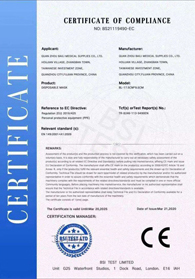

When evaluating suppliers, always ask for documentation regarding these certifications and ensure they align with your specific industry and regional requirements. For instance, if you are importing into the US market for food processing, FDA compliance and appropriate material certifications are non-negotiable. Our company, Hebei Yuanchang, has extensive experience in manufacturing equipment that meets stringent international standards, ensuring our clients receive systems that are both compliant and highly efficient.
The global meat processing equipment market, for example, operates under strict hygiene and safety regulations. Systems designed for this sector must adhere to principles that prevent contamination and ensure worker safety. This necessitates equipment built with certified materials and designed according to hygienic engineering principles.
Understanding these compliance aspects upfront during the procurement phase can save significant time, cost, and potential headaches down the line. It’s a testament to a supplier’s commitment to quality and reliability when they can readily provide clear evidence of their adherence to these critical standards.
Real-World Impact: Customer Success Stories
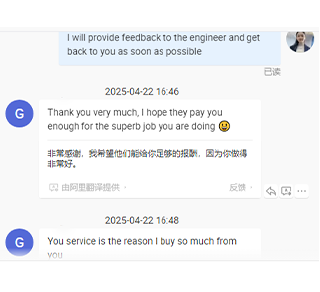
Seeing vacuum conveyor systems in action through real-world applications provides the clearest picture of their value. Here are a few examples of how manufacturers have leveraged these systems to improve their operations:
Case 1: Pharmaceutical Ingredient Manufacturer
Challenge: A pharmaceutical company struggled with dust exposure and product cross-contamination when transferring fine API powders between batch reactors and a milling machine. Manual scooping was slow, hazardous, and difficult to sanitize.
Solution: We implemented a closed-loop vacuum conveying system with SS316L construction and HEPA filtration. A vacuum wand allowed operators to safely and efficiently draw powder directly from drums into the system.
Results:
- Reduced Dust Exposure: Worker exposure to fine powders was virtually eliminated.
- Eliminated Cross-Contamination: The sealed system prevented any transfer between batches or products.
- Increased Throughput: Transfer times were reduced by over 60%, allowing for faster batch cycles.
- Improved Compliance: The GMP-compliant design met stringent regulatory requirements.
Case 2: Snack Food Producer
Challenge: A producer of extruded snacks faced issues with product breakage and loss when transferring finished product from the cooling conveyor to the seasoning drum. Mechanical conveyors were causing significant attrition.
Solution: A gentle dilute-phase vacuum conveyor system was installed. The system was designed with smooth bends and optimized air velocity to minimize impact on the fragile snacks.
Results:
- Reduced Product Loss: Snack breakage was reduced by an estimated 30%, leading to higher yields and less waste.
- Consistent Product Quality: Improved integrity of the snacks maintained brand perception.
- Automated Transfer: Replaced manual handling, freeing up operators for other tasks.
- Easy Cleaning: The system could be quickly cleaned between production runs, facilitating faster changeovers.

Case 3: Chemical Pellet Manufacturer
Challenge: A manufacturer of specialized chemical pellets needed to transfer material from drying ovens to packaging stations. The pellets were somewhat abrasive, and dust control was essential for worker safety and environmental compliance.
Solution: A robust vacuum conveyor system with hardened steel pipes at critical wear points and highly efficient cartridge filters was installed. The system handled conveying distances over 50 meters.
Results:
- Effective Dust Containment: Virtually no airborne dust was detected around the transfer points.
- Reduced Equipment Wear: Hardened components significantly extended the life of the pipeline.
- Reliable Operation: The system provided consistent material flow, supporting continuous packaging operations.
- Compliance with Safety Standards: Ensured safe working conditions and met environmental discharge limits.

These examples demonstrate that vacuum conveying systems are not just about moving materials; they are about solving complex operational challenges, improving safety, and delivering tangible improvements in efficiency and product quality across diverse industrial landscapes.
Frequently Asked Questions (FAQs)
1. Can vacuum conveyors handle all types of powders and granules?
While highly versatile, some materials pose challenges. Very fine, sticky, or cohesive powders might require specialized designs or dense-phase conveying. Highly abrasive materials may need wear-resistant components. It's crucial to provide detailed material specifications for proper system design. We can test your material to confirm suitability.
2. What is the typical conveying distance for a vacuum conveyor?
Standard systems can often convey materials horizontally over 50-100 meters (160-330 ft) or more, depending on the material's properties, pipe diameter, and vacuum pump capacity. Vertical lift capabilities also vary. Complex routing and specialized designs can extend these limits.
3. How do I choose between dilute phase and dense phase conveying?
Dilute phase is generally for non-fragile, free-flowing materials over longer distances, using high air velocity. Dense phase is for fragile, abrasive, or cohesive materials over shorter distances, using low air velocity and higher pressure, moving material in plugs. Your material properties and distance are key factors in this decision.
4. Is installation complex?
Installation complexity varies. Simple setups involving flexible hoses can be relatively straightforward. More complex systems requiring rigid piping, multiple bends, and integration with PLCs may require professional installation. We provide detailed installation guides and can offer on-site support.
5. How often do filters need to be replaced?
Filter life depends heavily on the material being conveyed, the operating hours, and the efficiency of the filter cleaning system. For many applications, filters can last from several months to over a year. Regular inspection is key to determining replacement intervals.
6. What kind of maintenance is typically required?
Maintenance is generally low. Key tasks include inspecting and cleaning/replacing filters, checking seals for leaks, lubricating the vacuum pump (if required by the manufacturer), and inspecting piping for wear. This is significantly less than for mechanical systems.
7. Can these systems be integrated with existing equipment like mixers or packaging machines?
Absolutely. Integration is a core strength of vacuum conveyor systems. They are designed to interface with hoppers, silos, reactors, blenders, tablet presses, and packaging machines, typically through discharge valves (like rotary valves or slide gates) and control system linkages.
8. What are the safety features for hazardous materials?
For materials that pose explosion risks (combustible dusts), ATEX-certified systems are available. For toxic or hazardous materials, advanced containment, inert gas conveying (using nitrogen instead of air), and specialized seal materials are employed. Your specific hazard assessment will guide these requirements.
Ready to Optimize Your Material Flow?
Discover how our custom vacuum conveyor systems can enhance your operational efficiency, improve product quality, and ensure workplace safety.