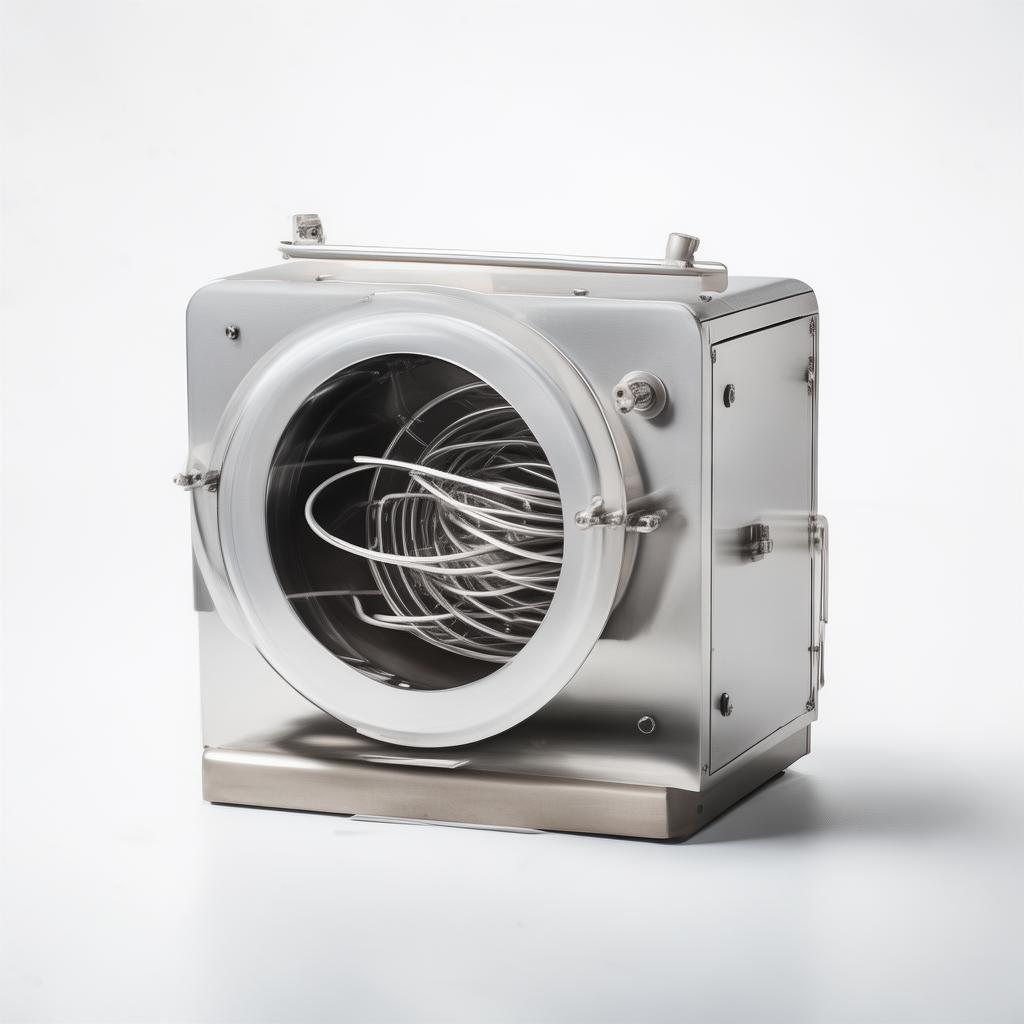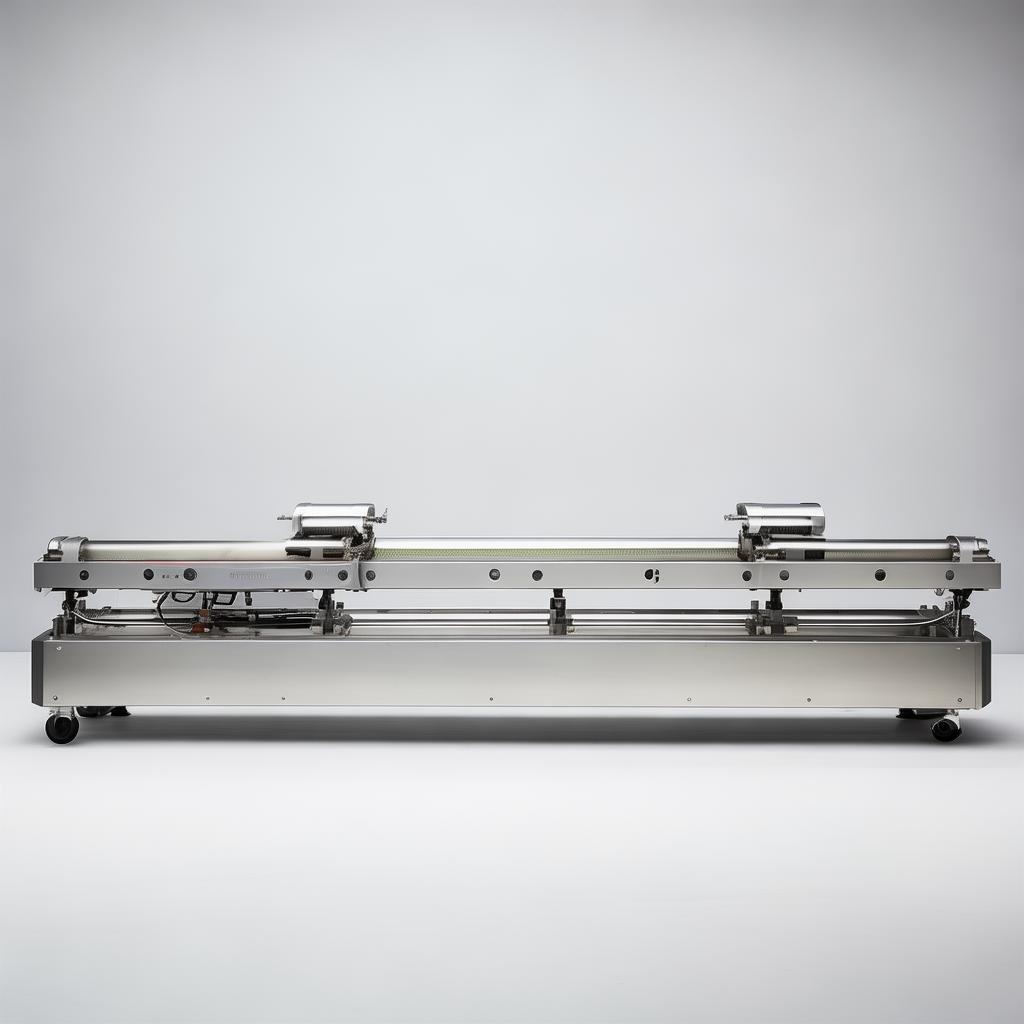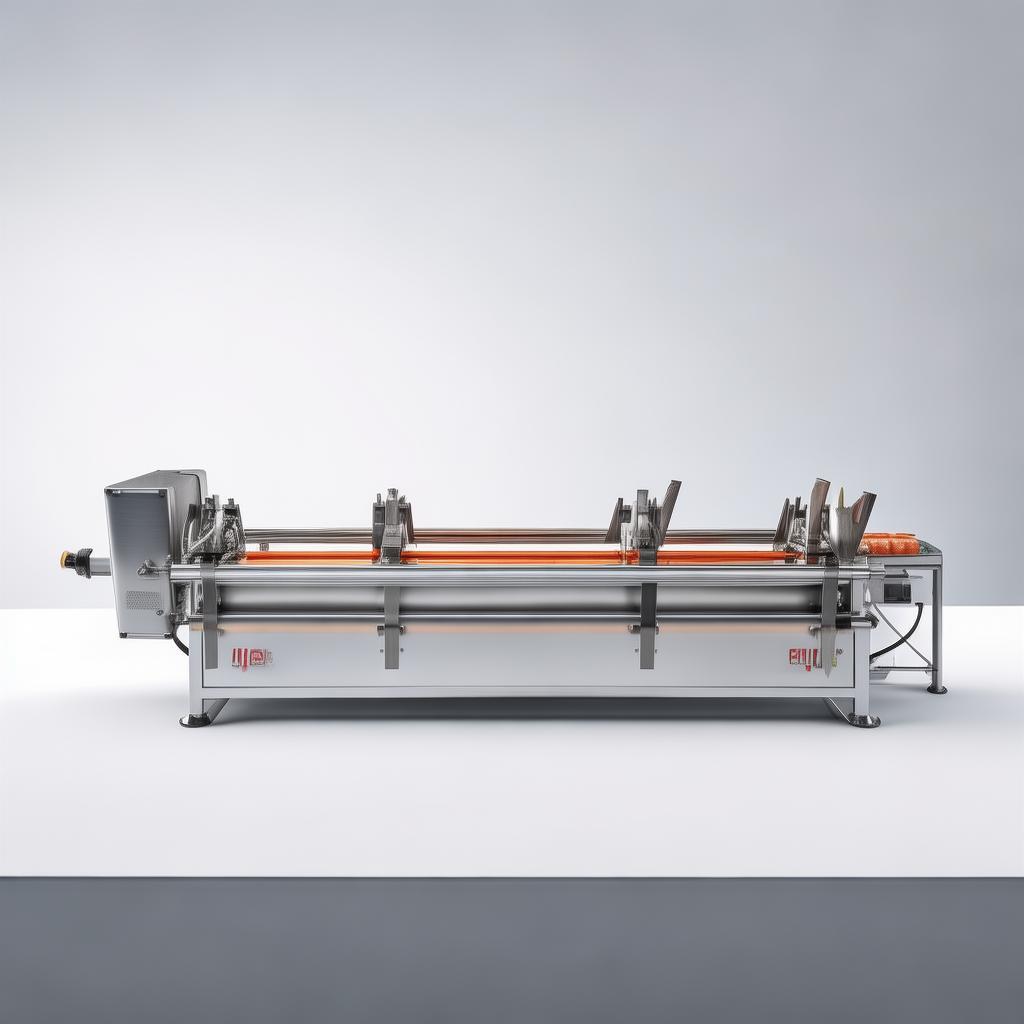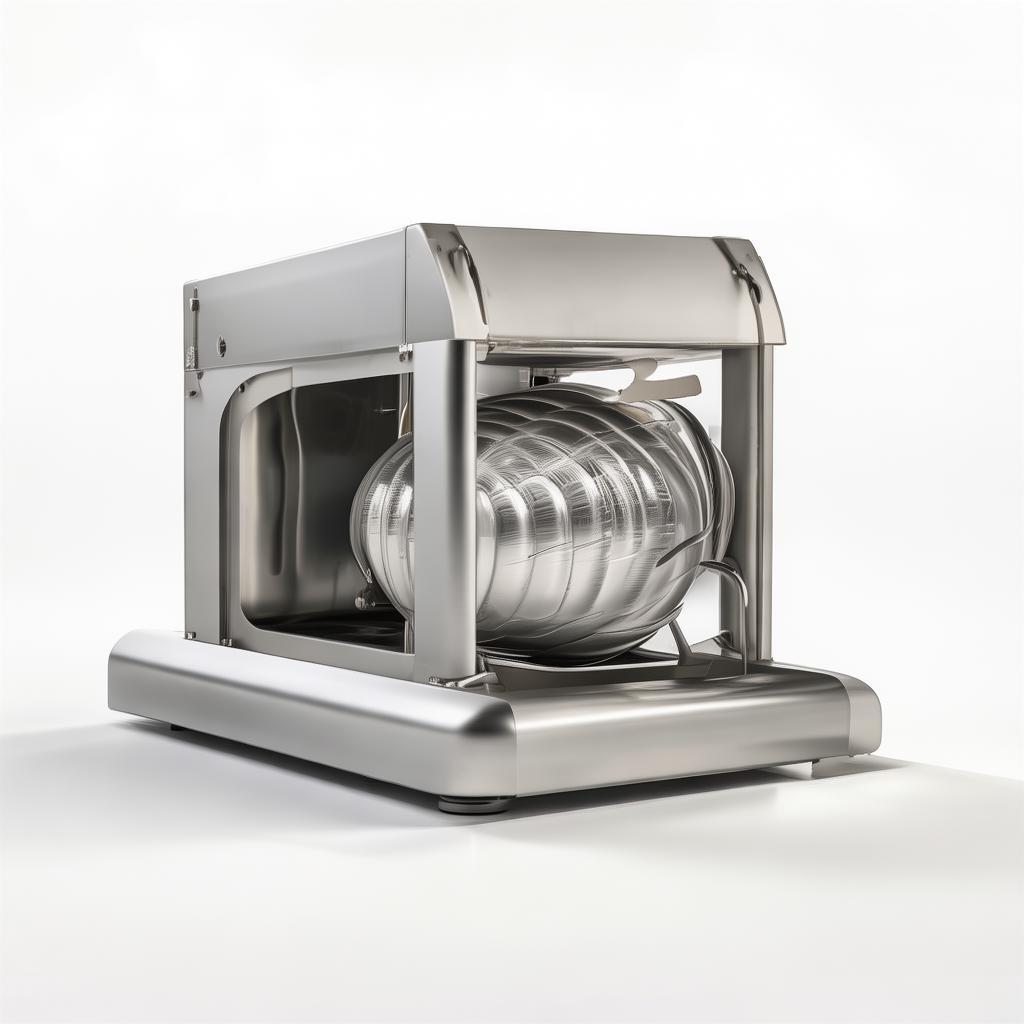
Vacuum Conveyor For Food Industry
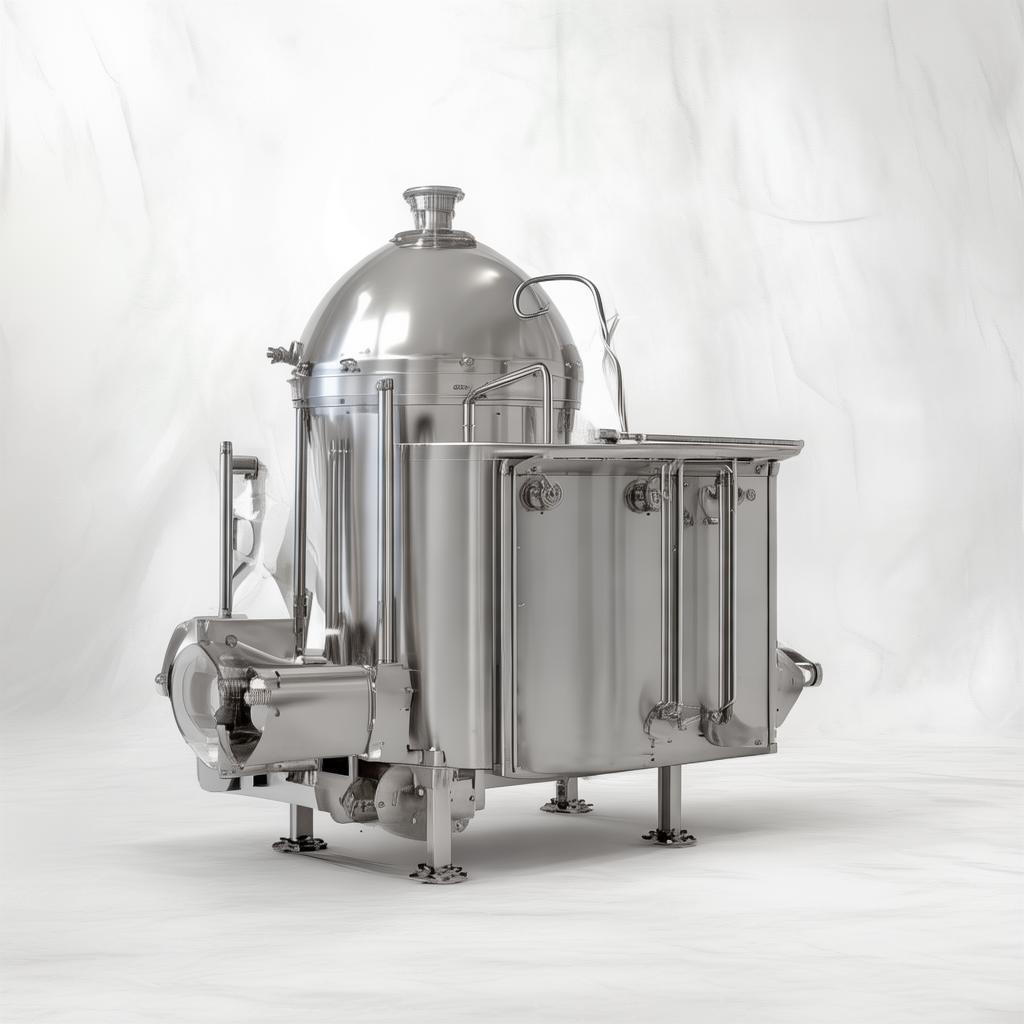
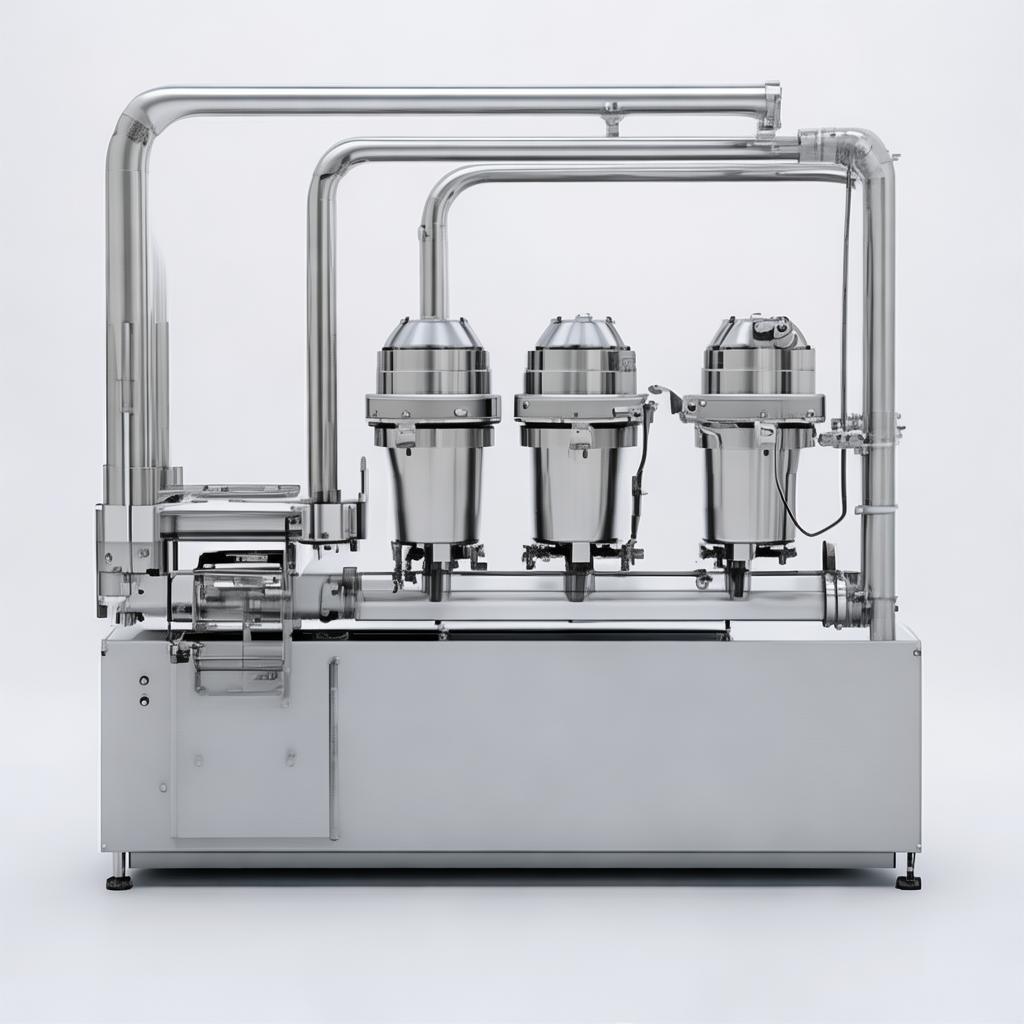
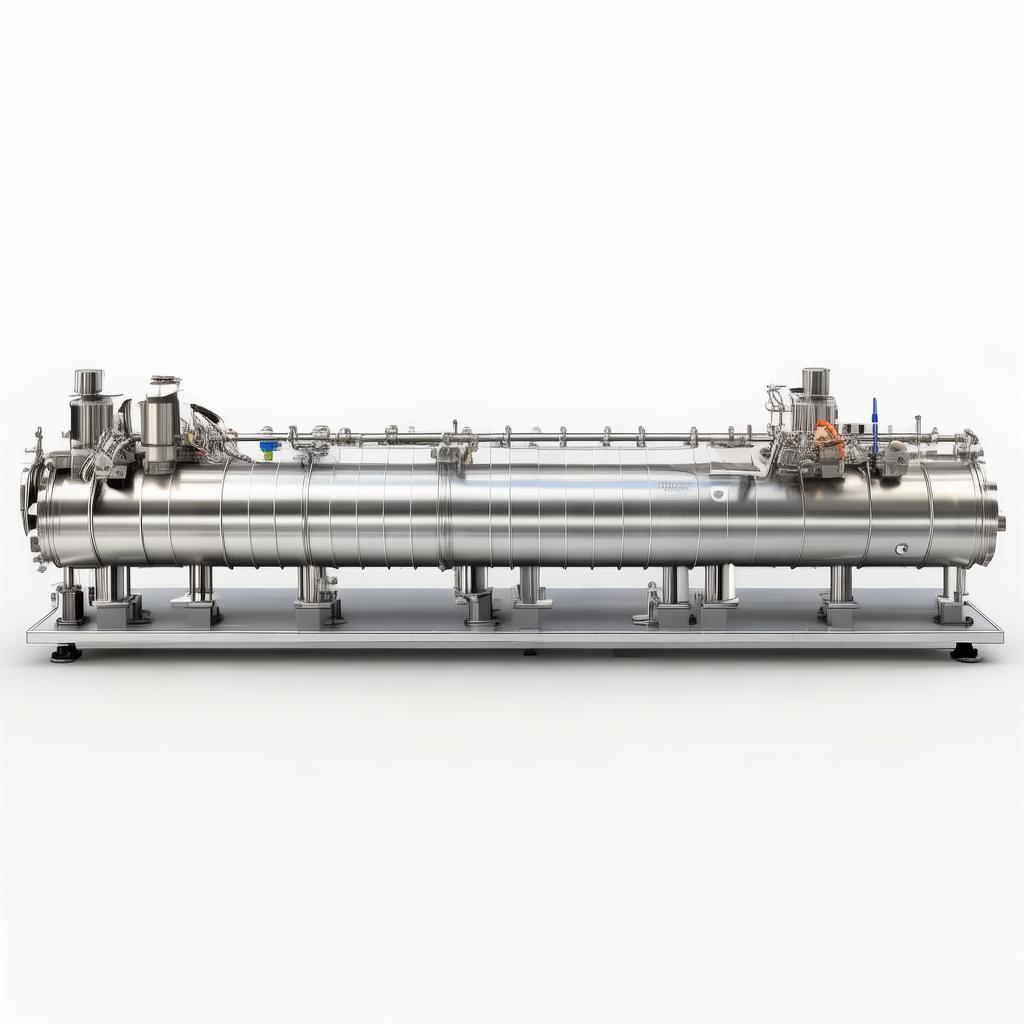
Vacuum Conveyors for the Food Industry: Precision, Hygiene, and Efficiency in Material Handling
Streamlining your production with advanced, food-grade conveying solutions.
 Authored by: Li Wei, Export Director at Hebei Yuanchang Food Mechanism & Technology Co., Ltd.
In the intricate world of food manufacturing, the seamless and hygienic transfer of ingredients and finished products is paramount. Traditional conveying methods, while functional, often present challenges related to contamination, material degradation, and energy inefficiency. This is where advanced vacuum conveyor systems emerge as a critical technology, revolutionizing how food producers handle bulk materials from raw ingredients to finished granules. Unlike open belt or screw conveyors, these closed-loop systems utilize a controlled vacuum to gently draw materials through piping, minimizing airborne dust, preventing cross-contamination, and protecting delicate food items from mechanical damage. The demand for such sophisticated solutions is not just about operational efficiency; it's deeply intertwined with increasingly stringent food safety regulations and a consumer-driven preference for transparency and quality in processed foods.
The global meat processing equipment market, for instance, is a strong indicator of this trend. Valued at approximately USD 11.29 billion in 2025 and projected to reach USD 17.39 billion by 2034 (a CAGR of 5.0%), it highlights a significant investment in advanced machinery. Key segments within this market, such as filling, massaging, and cutting equipment, all rely on efficient material handling. Vacuum conveyors play an indispensable role in these processes, ensuring precise delivery of ground meats, batters, or spices to filling machines and maintaining the integrity of delicate ingredients before they are molded or ripened. Similarly, the broader food processing equipment market, projected to exceed USD 109.61 billion by 2035, reflects a vast landscape where optimized material flow is a foundational requirement for profitability and compliance.
From handling fine powders like flour and sugar to conveying sensitive items like pasta, snacks, or even small confectioneries, vacuum conveyors offer a versatile, contained, and gentle method of transport. Their design inherently reduces the risk of product spillage, fugitive dust emissions, and exposure to the ambient environment, which are critical considerations for any facility aiming for top-tier hygiene standards. Furthermore, the closed system minimizes labor requirements for material transfer and reduces the need for manual cleaning between batches, contributing significantly to overall operational cost savings and improved uptime. As the food industry continues to evolve, driven by consumer demand for variety, convenience, and traceable quality, the adoption of intelligent material handling solutions like vacuum conveyors becomes less of an option and more of a necessity for competitive advantage. Our expertise at Hebei Yuanchang Food Mechanism & Technology Co., Ltd. lies precisely in understanding these nuanced needs and engineering solutions that deliver tangible results on the factory floor.
The complexity of modern food production demands systems that are not only efficient but also adaptable. Whether you are dealing with sticky doughs, fragile cereal flakes, or free-flowing powders, a well-designed vacuum conveyor system can be tailored to the specific physical properties of your product. This adaptability extends to the processing environment itself, which might range from ambient temperatures to refrigerated or even heated zones. The engineering behind these systems considers factors like particle size distribution, bulk density, flowability, and potential for attrition or breakage. By carefully selecting materials of construction, filter types, vacuum levels, and conveying speeds, we can ensure that your product arrives at its destination precisely as intended, maintaining its quality and intended application characteristics. This level of granular control over material transfer is what sets vacuum conveying apart and underpins its growing importance in the food sector.
Consider the burgeoning market for reconstituted and formed meat products. This segment, which is expected to grow substantially, relies heavily on efficient pretreatment and molding technologies. Vacuum conveyors are instrumental in delivering processed meat mixtures, marinades, and seasonings precisely to forming machines, ensuring consistent fill levels and product uniformity. The gentle handling prevents the breakdown of meat fibers, preserving texture and quality. As the processed meat market itself is projected to reach USD 1,330.45 billion by 2035, the demand for reliable and hygienic material handling systems that can keep pace with this expansion is immense. Our role as a manufacturer of specialized food processing equipment, including these advanced conveying systems, positions us to support this growth with robust, industry-proven solutions.
Common Material Handling Challenges in Food Production
Operating within the food industry brings a unique set of material handling hurdles that can impact product quality, operational efficiency, and regulatory compliance. Many facilities grapple with issues that, if not addressed effectively, can lead to significant production bottlenecks and increased operational costs.
- Product Degradation: Delicate ingredients like cereal flakes, dried fruits, or protein isolates can be easily damaged by harsh mechanical forces from traditional conveyors, leading to fines, breakage, and inconsistent product quality.
- Contamination Risks: Open conveyor systems are susceptible to dust, airborne contaminants, and even pest intrusion. Regular cleaning and sanitation are labor-intensive and critical to prevent cross-contamination between different product batches or ingredients.
- Dust and Allergen Control: Handling powders (flour, sugar, spices, protein powders) often results in significant dust generation, posing inhalation hazards for workers, creating housekeeping nightmares, and raising concerns about allergen cross-contamination.
- Material Loss and Waste: Spillage from poorly sealed or inadequately designed conveyors leads to direct product loss and increased waste disposal costs.
- Labor Intensity: Manually scooping or transferring ingredients between processing stages or packaging lines is time-consuming, inefficient, and prone to ergonomic injuries and human error.
- Space Constraints: Many processing plants have limited floor space. Traditional conveying systems can be bulky and require extensive structural support, limiting layout flexibility.
- Batch Inconsistency: Inaccurate or uneven feeding of ingredients into mixers or processing machines due to inefficient conveying can lead to inconsistent final product quality.
- Energy Consumption: Some older or less efficient conveying systems can be significant energy drains on a plant's power grid.
These challenges underscore the need for a material handling solution that prioritizes product integrity, hygiene, and operational efficiency above all else. Recognizing these pain points is the first step toward implementing a system that genuinely adds value.
The Vacuum Conveyor Advantage: A Solution for Modern Foodlines
Vacuum conveyor systems offer a compelling answer to the inherent material handling challenges faced in the food industry. By leveraging controlled atmospheric pressure, these systems provide a gentle, enclosed, and efficient method for transporting a wide range of food ingredients and products. This technology is not merely an incremental improvement; it represents a paradigm shift in how bulk solids are moved within a production facility.
The fundamental principle is simple yet highly effective: a vacuum is generated within a sealed piping system. This pressure differential then draws materials from an intake point (like a hopper, bag dump station, or process vessel) through the pipe to a discharge point (such as a mixer, packaging machine, or storage silo). The key benefits derived from this approach are numerous and directly address the pain points mentioned earlier.
Key Advantages of Vacuum Conveying in Food Processing:
- Gentle Product Handling: The vacuum draw minimizes shear forces and impact, preserving the integrity of delicate food items, preventing breakage, and reducing the generation of fines. This is crucial for products like cereal, snacks, or small baked goods.
- Superior Hygiene and Containment: The closed-loop system prevents ingress of airborne contaminants and egress of product dust. This is vital for preventing cross-contamination, managing allergens, and meeting stringent food safety standards like HACCP and GMP.
- Dust Control and Allergen Management: By containing powders and fine particles within the system, vacuum conveyors significantly reduce airborne dust, improving workplace safety and hygiene, and minimizing the risk of allergen spread.
- Reduced Material Loss: The sealed nature of the system minimizes spillage, ensuring more product reaches its intended destination and reducing waste.
- Automated and Labor-Saving: Vacuum conveyors automate material transfer, reducing the need for manual labor, freeing up staff for higher-value tasks, and minimizing ergonomic risks.
- Flexible Installation: The piping can be routed around obstacles, through floors, and to multiple destinations, offering greater layout flexibility compared to bulkier mechanical conveyors. Systems can be designed to fit tight plant spaces.
- Improved Process Control: Consistent and controlled feeding of materials into downstream equipment like mixers or packaging machines ensures greater batch uniformity and production repeatability.
- Energy Efficiency: Modern vacuum conveyor designs are optimized for energy consumption, often proving more efficient than older, less advanced systems, especially when considering the labor and waste reduction benefits.
The adoption of vacuum conveyor technology is a strategic investment that pays dividends in product quality, operational efficiency, safety, and compliance. It aligns perfectly with the industry's drive towards automation, hygiene, and sustainability.
How Vacuum Conveyors Function: The Technical Core
Understanding the mechanics behind a vacuum conveyor system is key to appreciating its effectiveness. At its heart, it's a pneumatically powered material transport system that operates on the principle of creating a pressure differential.
Core Components and Operation:
- Vacuum Generator: This is typically a regenerative blower or a vacuum pump that creates the low-pressure environment within the system. The size and type depend on the required vacuum level and airflow, dictated by the material's characteristics and the conveying distance.
- Conveying Pipeline: A network of sealed tubes, usually made of stainless steel or food-grade plastics, transports the material. The diameter and layout are critical for efficient flow.
- Inlet Conveying Station: This is where the material enters the system. It can be a simple pick-up wand for loading directly from a bin, a hopper with a controlled discharge valve, or a specialized bag dump station designed for dust-free operation.
- Filter Unit: Crucial for separating the conveyed material from the airflow before it reaches the vacuum generator. Food-grade filter cartridges, often with specialized coatings for different product types, are designed for easy cleaning and replacement. Filter cleaning can be automatic (e.g., reverse pulse jet) or manual.
- Discharge/Receiving Hopper: At the destination, the material is separated from the airstream and collected. This often involves a surge hopper with a rotary valve or a similar mechanism to control the material release into the downstream process equipment.
- Control System: An automated system manages the vacuum generation, valve sequencing, filter cleaning cycles, and overall operation, ensuring consistent performance and safety.
There are broadly two main modes of operation:
- Dilute Phase Conveying: The material is carried along by a high volume of airflow at low pressure. This is suitable for lighter, less abrasive materials and shorter distances. It requires a larger airflow, thus a more powerful vacuum generator.
- Dense Phase Conveying: The material is moved more slowly with less air volume, often under higher pressure. This is ideal for abrasive, fragile, or difficult-to-convey materials, and for longer distances, as it minimizes particle degradation and wear.
The selection of the correct operating mode, along with the appropriate pipe diameter, velocity, and filter system, is critical for achieving optimal performance and longevity. Our engineering team meticulously analyzes your specific material properties and process requirements to configure a system that precisely meets your needs.
Key Applications Across the Food Sector
The versatility of vacuum conveyor systems makes them indispensable across a vast spectrum of food processing applications. From primary ingredient handling to the transfer of finished goods, their hygienic and gentle operation is highly valued.
Typical Uses Include:
- Bakery: Transferring flour, sugar, starches, cocoa powder, yeast, breadcrumbs, and finished baked goods (like biscuits or cereal bars) from storage to mixers, depositors, or packaging lines.
- Confectionery: Moving sugar, starch, cocoa, chocolate chips, candy pieces, and gelatin from suppliers or processing stages to molding machines, coating equipment, or packing stations.
- Dairy: Handling powdered milk, whey protein, cheese powders, lactose, and infant formula components with utmost care to prevent clumping or contamination.
- Snack Foods: Conveying potato flakes, cornmeal, rice flour, seasoning powders, extruded snacks, and cereal pieces while preserving their texture and shape.
- Meat and Poultry Processing: Precisely delivering ground meat, sausage emulsions, marinades, spices, and breadcrumbs to filling and molding equipment. This is a critical step in ensuring product consistency and quality, supporting the growing processed meat market projected to reach USD 1,330.45 billion by 2035.
- Beverages: Transferring powdered drink mixes, instant coffee granules, tea leaves, and sweeteners.
- Pet Food: Handling kibble ingredients, meal components, and finished pet food pellets from extruders to cooling, coating, or packaging machines.
- Spices and Seasonings: Transporting fine powders and granular spices without loss or cross-contamination, crucial for maintaining product integrity and flavor profiles.
The adaptability of vacuum conveyors means they can be configured for a wide range of particle sizes, densities, and flow characteristics, making them a cornerstone technology for efficient and hygienic material handling in virtually any food production environment.
Technical Specifications & Customization
While standard vacuum conveyor units exist, the true value lies in our ability to customize solutions to your precise operational needs. We understand that no two food production lines are identical, and a bespoke approach ensures optimal performance, reliability, and ROI.
Key Specification Considerations:
- Capacity: Measured in kg/hr or lbs/hr, this is determined by the material's bulk density, required conveying speed, and batch size.
- Conveying Distance & Height: The total horizontal and vertical distance the material needs to travel impacts the required vacuum level and airflow.
- Material Properties: Factors like particle size, shape, density, abrasiveness, moisture content, friability, and flow characteristics are critical for system design.
- Temperature Requirements: Whether conveying ambient, chilled, or heated materials influences material selection for piping, seals, and motors.
- Dust & Explosion Risk: For certain powders, ATEX compliance or other explosion prevention measures may be necessary.
- Hygiene Standards: Food-grade materials, crevice-free designs, easy-cleanability, and sanitary fittings (e.g., CIP/SIP compatibility) are paramount.
Customization Options:
- Material of Construction: Food-grade stainless steel (304, 316L) for main components, with specialized alloys or coatings available for abrasive materials. FDA-approved plastics for seals and certain components.
- Inlet Configurations: From simple pick-up wands to fully integrated bag dump stations with dust collection, weigh hoppers, or bin activators.
- Filter Systems: Various filter media (polyester, PTFE, HEPA) and cleaning mechanisms (reverse jet pulse, vibration) to suit different product types and purity requirements.
- Discharge Mechanisms: Rotary valves, butterfly valves, or iris valves depending on flow control needs.
- Control Panels: Basic manual controls to advanced PLC systems with HMI interfaces for integration into plant-wide automation.
- Multi-Point Conveying: Systems designed to draw from multiple inlets or discharge to multiple destinations.
Our engineering team works closely with you to define these parameters, ensuring the final system is not just functional but optimized for your specific production environment. Request detailed product specifications for your application.
Material Considerations: Durability & Food Safety
The materials used in constructing vacuum conveyor systems are critical. They must not only withstand the rigors of continuous operation but also meet stringent food safety and hygiene standards. At Hebei Yuanchang, we prioritize the use of materials that ensure product integrity and system longevity.
Primary Materials Used:
- Stainless Steel (304, 316L): These are the workhorses for food-grade conveying. Grade 304 offers excellent corrosion resistance for general food applications, while 316L provides superior resistance to chlorides and acids, making it ideal for more demanding environments or products with higher acidity. Its polished surface finish minimizes product adhesion and facilitates cleaning.
- Food-Grade Polymers (e.g., UHMW-PE, PTFE, FDA-Approved Rubbers): Used for seals, gaskets, valves, and sometimes flexible hoses. Materials like Ultra-High Molecular Weight Polyethylene (UHMW-PE) offer excellent abrasion resistance and low friction. PTFE provides chemical inertness and high-temperature resistance. Elastomers are selected for their flexibility, durability, and compliance with food contact regulations.
- Specialized Coatings: For highly abrasive or sticky products, specialized non-stick coatings can be applied to internal surfaces to improve flow and reduce cleaning requirements.
Our selection process ensures that all materials in contact with the food product are compliant with relevant international standards, such as FDA (U.S. Food and Drug Administration) and EU regulations. This focus on material quality directly contributes to the overall safety and reliability of your processing line. It also has a direct impact on the lifespan of the equipment, reducing the total cost of ownership over time. We also consider the operational environment; for instance, systems intended for washdown environments will utilize specific grades of stainless steel and sealing methods to prevent ingress of water and cleaning agents.
The choice of materials isn't just about compliance; it's about performance. For example, the friction coefficient of internal surfaces can significantly impact the energy required to move a product. Similarly, the thermal properties of materials are crucial when conveying at elevated or sub-zero temperatures. Our decades of experience, as reflected in our 40 years of operation since 1986, have taught us the subtle yet critical differences that material choices make in real-world food processing applications.
Installation, Integration, and Maintenance Insights
A vacuum conveyor system's performance is heavily influenced by its installation and ongoing maintenance. Proper integration into your existing line and a proactive maintenance schedule are key to maximizing uptime and ensuring longevity.
Installation & Integration Considerations:
- Layout Planning: The routing of conveying pipes should minimize bends to reduce pressure drop and wear. Consider accessibility for maintenance and cleaning.
- Structural Support: While less demanding than some mechanical conveyors, piping requires adequate support, especially over long runs or at significant heights.
- Sealing Integrity: All pipe joints, connections, and seals must be meticulously installed to maintain the vacuum. Proper torque and gasket seating are essential.
- Electrical & Pneumatic Connections: Professional installation of power and control wiring, as well as compressed air lines if applicable, is crucial for safe and reliable operation.
- Integration with Downstream Equipment: Ensuring seamless material transfer from the conveyor outlet to mixers, fillers, or packaging machines requires precise alignment and potentially interface adjustments.
Routine Maintenance Best Practices:
- Filter Inspection & Cleaning: Regular checks and cleaning of filter elements are paramount. Clogged filters drastically reduce conveying efficiency and can damage the vacuum generator. Filter lifespan varies significantly based on product and operating hours.
- Seal & Gasket Checks: Over time, seals can wear or degrade. Periodic inspection for leaks or damage is necessary.
- Pipeline Inspection: Look for signs of wear, particularly at bends, or any internal blockages.
- Vacuum Generator Service: Follow the manufacturer's recommended service intervals for lubrication, seal replacement, and performance checks.
- Control System Calibration: Ensure sensors and automated sequences are functioning correctly.
We provide comprehensive installation guidance and recommended maintenance schedules with every system. Our support team is also available for on-site assistance or remote troubleshooting, ensuring your operations remain uninterrupted. Investing in proper training for your maintenance staff is a small cost that yields significant returns in equipment longevity and performance.
Choosing the Right Supplier: Beyond the Specs
Selecting a supplier for critical processing equipment like vacuum conveyors is a decision that extends far beyond comparing technical specifications and initial price tags. In the international B2B trade landscape, particularly for food-grade machinery, reliability, support, and manufacturing integrity are paramount.
Key Factors to Evaluate:
- Manufacturing Experience & Reputation: Look for suppliers with a proven track record, ideally with decades of experience in specialized food processing equipment. A history of successful installations and positive client feedback speaks volumes. At Hebei Yuanchang, we bring 40 years of experience since 1986 to the table.
- Engineering & Customization Capabilities: Can the supplier truly engineer a solution for your unique needs, or do they offer one-size-fits-all products? True expertise lies in understanding your material and process and tailoring the equipment accordingly. Our in-house machining workshop, equipped with advanced CNC centers, allows us to produce high-precision, custom components.
- Quality Control & Certifications: Does the manufacturer adhere to international quality standards? Are their products compliant with food safety regulations (FDA, EU, etc.)? Certifications like ISO are indicative of robust quality management systems.
- After-Sales Support & Service: This is critical for international purchases. What is their policy on spare parts, technical assistance, and troubleshooting? A traceable after-sales management system ensures long-term support.
- Supply Chain & Logistics: How experienced are they in international shipping? Can they provide guidance on customs, freight, and delivery timelines? Understanding lead times is vital for project planning.
- Transparency & Communication: A good supplier will be open about their capabilities, processes, and pricing. Clear, consistent communication is essential, especially across different time zones and cultures.
When you partner with Hebei Yuanchang, you engage with a company that embodies these principles. We are not just selling equipment; we are providing a comprehensive solution backed by decades of hands-on manufacturing experience and a commitment to customer success. Discuss your specific project requirements with our export specialists today.
Compliance and Certifications: Ensuring Safety
In the food industry, compliance is non-negotiable. Vacuum conveyor systems, as direct contact equipment, must meet rigorous standards to ensure the safety and integrity of the food products they handle. At Hebei Yuanchang, we are committed to providing equipment that adheres to international food safety and quality benchmarks.
Key Standards and Compliance:
- FDA Compliance: All materials that come into contact with food are selected to meet the requirements of the U.S. Food and Drug Administration's regulations concerning food contact substances. This includes specific grades of stainless steel, polymers, and elastomers.
- EU Food Contact Materials Regulations: For markets in the European Union, materials are chosen to comply with Regulation (EC) No 1935/2004 and its subsequent amendments, ensuring safety and suitability for food contact.
- HACCP Principles: Our system designs inherently support Hazard Analysis and Critical Control Points (HACCP) principles by minimizing contamination risks through enclosed transfer and easy-cleanability.
- GMP Guidelines: Good Manufacturing Practices (GMP) are a core consideration in our design and manufacturing processes, ensuring that equipment is built to facilitate hygienic operation and maintenance.
- ISO 9001: Our company operates under an ISO 9001 certified Quality Management System, demonstrating our commitment to consistent quality in design, manufacturing, and service. (
 )
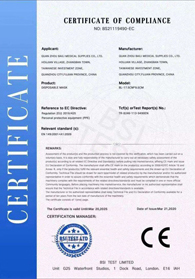
) - CE Marking: Where applicable for European markets, our equipment can be supplied with CE marking, indicating conformity with health, safety, and environmental protection standards. (
 )
)
We provide documentation and certificates of conformity upon request, giving you the assurance needed to pass audits and maintain the highest standards in your facility. Our dedication to compliance is as strong as our commitment to engineering excellence.
Beyond the standard certifications, we can also work with you to meet specific regional or customer-mandated requirements. Understanding the global nature of the food supply chain, we ensure our equipment facilitates your market access.
Our Manufacturing Prowess: Hebei Yuanchang
Hebei Yuanchang Food Mechanism & Technology Co., Ltd. is more than just a manufacturer; we are a company built on decades of specialized experience in food processing machinery. Our roots run deep, offering a tangible advantage to our global clientele.
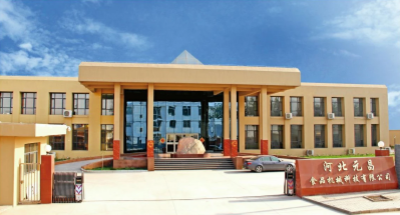
- Established Expertise: Since 1986, we have accumulated extensive practical knowledge in complete production lines for meat processing. This deep understanding informs our engineering approach to every component, including advanced material handling systems like vacuum conveyors.
- Comprehensive Facility: Our 14,000 square meter facility houses R&D, production, and sales under one roof, ensuring seamless integration and quality control from concept to delivery. Our team comprises 80-100 dedicated employees.
- Advanced Machining Capabilities: We operate an in-house machining workshop with over 20 sets of processing machinery, including precision lathes, milling machines, grinders, and wire-cutting equipment.
- High-Precision Component Production: Since 2012, we've invested in 8 Japanese Mazak CNC machining centers. This enables us to produce high-standard, large-volume, high-precision, and non-standard components independently.
- Traceable After-Sales Service: Our independently produced high-precision parts, managed by a traceable after-sales system, guarantee worry-free support for our customers worldwide.
Our primary product categories – Pretreatment Of Meat Products, Meat Product Filling Molding, Ripening Process For Meat Products, and Auxiliary Items – demonstrate our specialization. Vacuum conveyors fit seamlessly into this ecosystem, enhancing the efficiency and hygiene of these core processes.
By controlling the entire manufacturing process, from raw material machining to final assembly and testing, we ensure that every piece of equipment bearing the Hebei Yuanchang name meets the highest standards of quality and performance. Inquire about our OEM/ODM capabilities for custom food processing machinery.
What Our Clients Say
Real feedback from businesses like yours validates the effectiveness and reliability of our solutions.
"The vacuum conveyor system from Hebei Yuanchang has been a game-changer for our snack production line. We were struggling with breakage of our delicate cereal clusters, but this system handles them so gently. Dust has also been significantly reduced, which is great for our operators and overall plant hygiene."

Operations Manager, USA
vacuum conveyor manufacturers vacuum conveyor for industrial application vacuum packing machine for food
"We needed a reliable way to transfer flour and sugar to our mixers with minimal product loss and maximum hygiene. Hebei Yuanchang delivered a robust vacuum conveyor system that integrates perfectly. The enclosed design has virtually eliminated dust issues, and the throughput is exactly as specified. Excellent after-sales support too."

Procurement Director, Canada
"Our meat processing facility demands the highest hygiene standards. The custom vacuum conveyor solution for our sausage emulsion transfer was designed and built with these requirements in mind. It's easy to clean, made of food-grade stainless steel, and ensures precise delivery to our filling machines. We've seen improved consistency in our finished products."

Plant Manager, Australia
Frequently Asked Questions (FAQ)
Q: What is the typical lifespan of a vacuum conveyor system?
A: With proper maintenance and operation, vacuum conveyor systems can last for many years, often exceeding 10-15 years. Key factors include the quality of initial manufacturing, the type of materials being conveyed (abrasive materials will increase wear), and adherence to recommended maintenance schedules. Our robust construction and use of high-quality components are designed for long-term performance.
Q: Can vacuum conveyors handle sticky or hygroscopic materials?
A: Yes, but with specific design considerations. For sticky materials, we may recommend specialized inlet designs, specific pipe velocities, or internal coatings to prevent buildup. For hygroscopic materials, ensuring a tight seal and potentially using drier air can be beneficial. Our engineering team will assess your material's properties to propose the most effective solution.
Q: What is the maximum conveying distance?
A: The maximum conveying distance varies significantly based on the material's properties, the system's design (dilute vs. dense phase), and the capacity required. Distances of up to 100 meters (300+ feet) horizontally are common, with vertical distances also achievable. For very long distances, intermediate booster stations might be employed.
Q: How is maintenance performed on these systems?
A: Maintenance typically involves regular checks of filters (cleaning/replacement), seals, and pipeline integrity. The vacuum generator requires scheduled servicing. Our systems are designed for accessibility to simplify these tasks, and we provide detailed manuals and support. For critical applications, we also offer maintenance service contracts.
Q: Can these systems be integrated with existing equipment?
A: Absolutely. Integration is a key aspect of our design process. We work with your existing machinery's specifications (e.g., mixer inlets, packaging machine hoppers) to ensure seamless material transfer and compatibility. Our technical team can provide guidance and support during the integration phase.
Ready to Enhance Your Food Processing Efficiency?
Discover how a precision-engineered vacuum conveyor system from Hebei Yuanchang can elevate your production, ensure unparalleled hygiene, and reduce operational costs.