Vacuum Pump Silencer
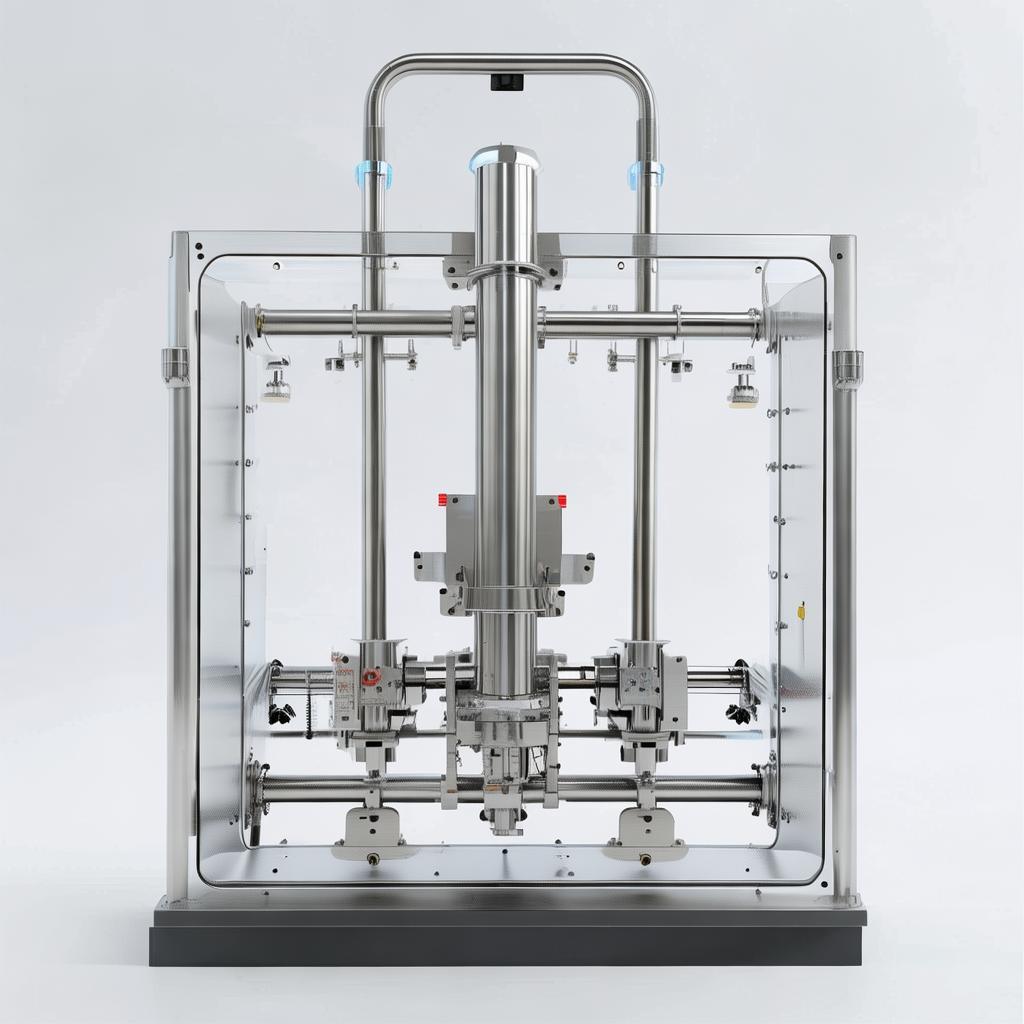
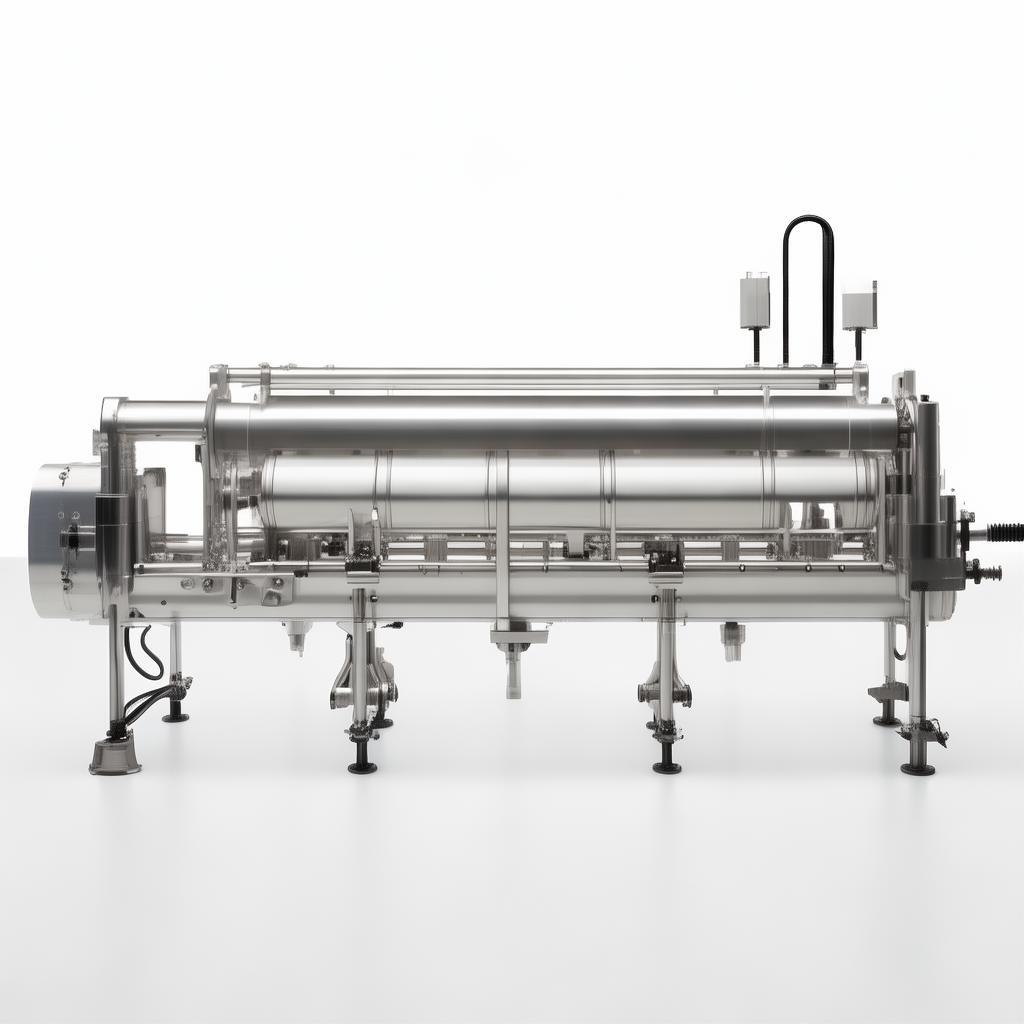
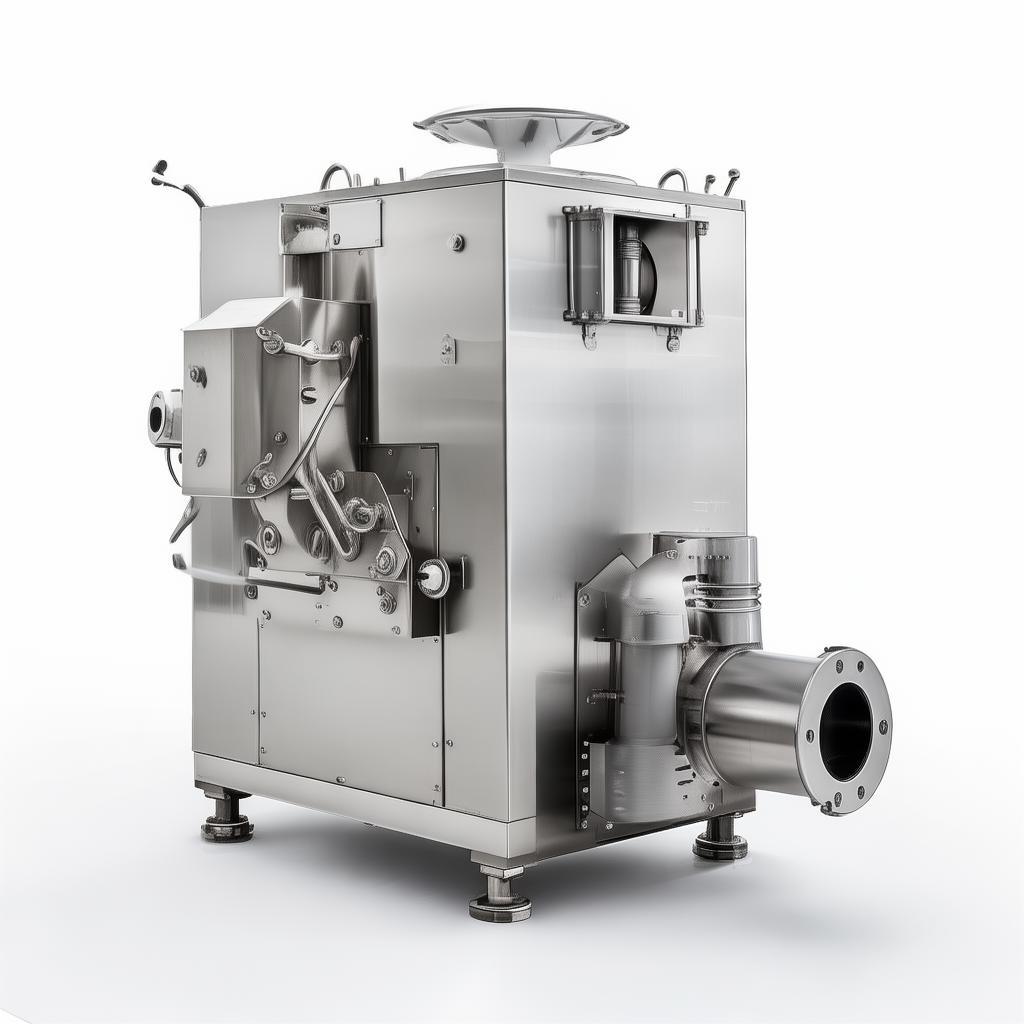
Vacuum Pump Silencers: Enhancing Operational Efficiency and Workplace Safety
Expert insights from Hebei Yuanchang Food Mechanism & Technology Co., Ltd.

Authored by a Senior Export Manager
The Unseen Impact of Vacuum Pump Noise and How to Mitigate It
In the intricate world of industrial manufacturing, especially within sectors like food processing, pharmaceuticals, and packaging, vacuum pumps are indispensable workhorses. They facilitate critical processes from material handling and vacuum forming to sterilization and filtration. However, the inherent operation of these essential machines often comes with a significant drawback: noise. The high-speed rotation of impellers, the rapid expulsion of air, and the mechanical vibrations can collectively generate noise levels that are not just a nuisance but a serious operational and health concern. This is precisely where the humble yet vital vacuum pump silencer, also known as a muffler or exhaust silencer, steps in. Far from being a mere accessory, it’s a crucial component for any facility aiming for optimal performance, regulatory compliance, and a safe, productive work environment.
The impact of excessive noise in an industrial setting is multifaceted. For employees, prolonged exposure to high decibel levels can lead to temporary or permanent hearing loss, increased stress, reduced concentration, and a higher risk of accidents. Regulatory bodies worldwide, including OSHA in the United States, have strict guidelines on permissible noise exposure limits. Non-compliance can result in hefty fines, operational shutdowns, and significant reputational damage. Beyond employee well-being and legal mandates, operational efficiency itself can be compromised. Excessive noise can interfere with communication on the factory floor, making it difficult for operators to hear alarms or each other, thereby increasing the likelihood of errors. Furthermore, it can create an unpleasant atmosphere, potentially impacting worker morale and retention.
This is where our expertise at Hebei Yuanchang comes into play. With over 40 years of experience since 1986 in manufacturing high-precision components and complete production lines, particularly in meat processing equipment, we understand the critical importance of every single part of an industrial system. While our core focus is on sophisticated machinery for meat and pet food processing—involving intricate processes like filling, molding, and ripening where precise control and hygiene are paramount—the principles of operational excellence and component reliability extend across all industrial applications. The demand for processed meat, for instance, is projected to reach USD 1,253.77 billion by 2034, driving the need for efficient and reliable processing equipment. This same drive for efficiency and reliability necessitates attention to auxiliary components like vacuum pump silencers.
A vacuum pump silencer is engineered to absorb and dissipate the acoustic energy generated by the vacuum pump's exhaust. It typically operates on principles similar to automotive mufflers, using baffles, chambers, and sound-absorbing materials to break down sound waves into smaller, less intense waves, and to convert acoustic energy into heat. The design and material selection for these silencers are critical, needing to balance noise reduction with minimal impact on pump performance. Overly restrictive silencers can increase backpressure, forcing the pump to work harder and potentially reducing its efficiency or even causing damage. Therefore, selecting the right silencer isn't just about quieting the noise; it's about maintaining the operational integrity of the vacuum system.
Our understanding of high-precision machining, honed by our investment in Japanese Mazak CNC centers capable of producing non-standard, high-tolerance components, allows us to appreciate the engineering nuances involved in designing effective vacuum pump silencers. We recognize that the materials used – often stainless steel for durability and corrosion resistance, or specialized polymers – and the internal geometry are tailored to specific pump types and operating conditions. The goal is always to achieve a significant reduction in perceived noise levels without creating detrimental backpressure. This careful balance is what separates a truly effective silencer from a simple exhaust attachment.
The global market for meat processing equipment itself, a sector where vacuum technology plays a role in packaging and forming, is robust. Reports indicate market values reaching upwards of USD 15 billion and projected to grow significantly. Within this context, efficiency, hygiene, and compliance are paramount. Similarly, in pharmaceutical manufacturing, where vacuum pumps are used for drying and sterilization, even minor noise fluctuations can be a concern, and an appropriate silencer ensures the integrity of sensitive processes. For packaging lines, noise reduction can improve the working environment for operators overseeing high-throughput operations. Considering the broader industrial equipment market, which includes countless vacuum pump applications, the need for effective noise control solutions is universal. For instance, the food processing equipment market is projected to reach USD 19.66 billion by 2033, with automation and efficiency being key drivers.
This page delves into the critical role of vacuum pump silencers, exploring their technical aspects, the benefits they bring, how to choose the right one for your specific application, and the operational considerations involved. We aim to provide a comprehensive overview, drawing from our deep manufacturing experience and commitment to providing solutions that are not only effective but also enhance the overall productivity and safety of your operations. Whether you operate a small food packaging line or a large-scale pharmaceutical production facility, understanding and implementing effective noise reduction strategies is a pragmatic investment.
Common Challenges in Operations Due to Uncontrolled Vacuum Pump Noise
- Regulatory Non-Compliance: Exceeding permissible noise exposure limits set by bodies like OSHA can lead to significant fines and legal repercussions.
- Employee Health & Safety Risks: Prolonged exposure to noise above 85 decibels can cause irreversible hearing damage, increased stress, and reduced cognitive function, raising accident rates.
- Reduced Operational Efficiency: Difficulty in communication on the factory floor hampers teamwork, alarm recognition, and overall process oversight.
- Equipment Malfunctions and Reduced Lifespan: Excessive vibration and backpressure from poorly designed or absent silencing can strain pump components.
- Negative Workplace Environment: High noise levels contribute to fatigue and lower morale, impacting employee productivity and retention.
- Client & Community Relations: Noise pollution can strain relationships with neighboring businesses and communities, leading to complaints and potential disputes.
Addressing these challenges proactively is key to sustainable industrial operations.
Understanding the Mechanics: How Vacuum Pump Silencers Function
At its core, a vacuum pump silencer acts as an acoustic filter, designed to attenuate the noise generated by the exhaust port of a vacuum pump. The primary source of noise is the rapid expulsion of air or gas from the pump's discharge, which creates pressure waves that travel through the air as sound. These silencers employ several principles to break down this acoustic energy:
- Expansion Chambers: The exhaust gas is directed into larger internal chambers. As the volume increases, the pressure drops, and the sound waves spread out, losing intensity.
- Baffling and Obstructions: Internal baffles or perforated tubes redirect the airflow in multiple directions. This forces the sound waves to collide with each other and with the silencer walls, scattering and weakening them.
- Absorption Materials: Many silencers incorporate sound-absorbing materials, such as fiberglass or specialized porous composites, within their structure. These materials trap sound energy and convert it into heat through friction as the sound waves pass through them.
- Resonance Cancellation: Some advanced designs might incorporate features to create destructive interference patterns for specific noise frequencies, further reducing the overall sound output.
The effectiveness of a silencer is measured by its Sound Insertion Loss (SIL), typically rated in decibels (dB). A higher SIL value indicates greater noise reduction. However, it's crucial to select a silencer that provides sufficient noise reduction without imposing excessive backpressure on the vacuum pump. High backpressure forces the pump to work harder, leading to increased energy consumption, heat generation, and potential wear on internal components. This is a critical engineering consideration that our team at Hebei Yuanchang deeply respects, given our background in precision manufacturing for demanding applications.
Consider the materials. For demanding industrial environments, especially those involving corrosive gases or high temperatures, materials like stainless steel (e.g., 304 or 316L) are common choices for the silencer body. These materials offer excellent durability and resistance to chemical attack. For less demanding applications, or where weight is a concern, aluminum or even specialized high-temperature plastics might be employed. The internal acoustic media also vary; dense fiberglass is effective for broadband noise, while metallic or ceramic matrix absorbers might be used in extreme temperature applications.
The actual design of the internal baffles and passages is paramount. A poorly designed silencer can create turbulence that actually exacerbates noise or leads to significant pressure drops. It’s a careful engineering balance to attenuate noise effectively while ensuring smooth, unimpeded airflow. Our own manufacturing processes, which involve high-precision machining for components ranging from lathes to CNC boring machines, underscore the importance of meticulous design and execution in every industrial component.
Key Benefits of Implementing a Quality Vacuum Pump Silencer
Enhanced Workplace Safety & Compliance
Drastically reduces noise levels, helping facilities meet or exceed OSHA and other international safety standards for occupational noise exposure. This minimizes the risk of hearing damage for your staff and avoids potential fines.
Improved Operational Efficiency
A quieter environment facilitates clearer communication between operators and supervisors, leading to fewer errors, quicker response times to alarms, and smoother overall workflow management.
Reduced Stress and Increased Productivity
A less noisy workplace contributes to reduced employee stress and fatigue, fostering a more comfortable and productive atmosphere. This can positively impact morale and staff retention.
Protection of Vacuum Pump
Properly designed silencers can help manage exhaust flow, reducing potential backpressure and vibration that could otherwise stress the pump's internal mechanisms, potentially extending its operational life.
Better Community Relations
Minimizing external noise pollution helps maintain good relationships with surrounding communities and businesses, preventing noise-related complaints.
Versatile Application
Available in various configurations and materials to suit different types of vacuum pumps (rotary vane, diaphragm, scroll, etc.) and operational environments, from cleanrooms to heavy industrial settings.
Technical Specifications and Material Options
Selecting the right vacuum pump silencer depends on understanding key specifications. At Hebei Yuanchang, we understand that precision in manufacturing translates to reliable performance in every component.
| Feature | Standard Specification | Notes for Selection |
|---|---|---|
| Material Construction | Stainless Steel (304, 316L), Aluminum, High-Temp Polymers | Choose based on pump type, operating temperature, and presence of corrosive elements in the exhaust gas. Stainless steel is ideal for harsh environments. |
| Connection Type & Size | Threaded (NPT, BSP), Flanged, Hose Barb; Various diameters (e.g., 1/4", 1/2", 1", 2") | Must match the exhaust port size and threading of your specific vacuum pump model. Ensure a secure, leak-free fit. |
| Sound Insertion Loss (SIL) | Varies (e.g., 15 dB to 35 dB) | Determine your target noise reduction based on ambient noise levels and regulatory requirements. Higher SIL means more attenuation. |
| Maximum Backpressure | Typically < 2-5% of pump's rated vacuum | CRITICAL: Excessive backpressure can degrade pump performance and lifespan. Always consult pump manufacturer specifications. |
| Operating Temperature Range | e.g., -20°C to +150°C (-4°F to +302°F) or higher | Ensure the silencer material and internal components can withstand the exhaust gas temperature. |
| Filtration Capabilities (Optional) | Integrated particle filters | Useful in dusty environments or for protecting downstream equipment from oil mist (if applicable to pump type). |
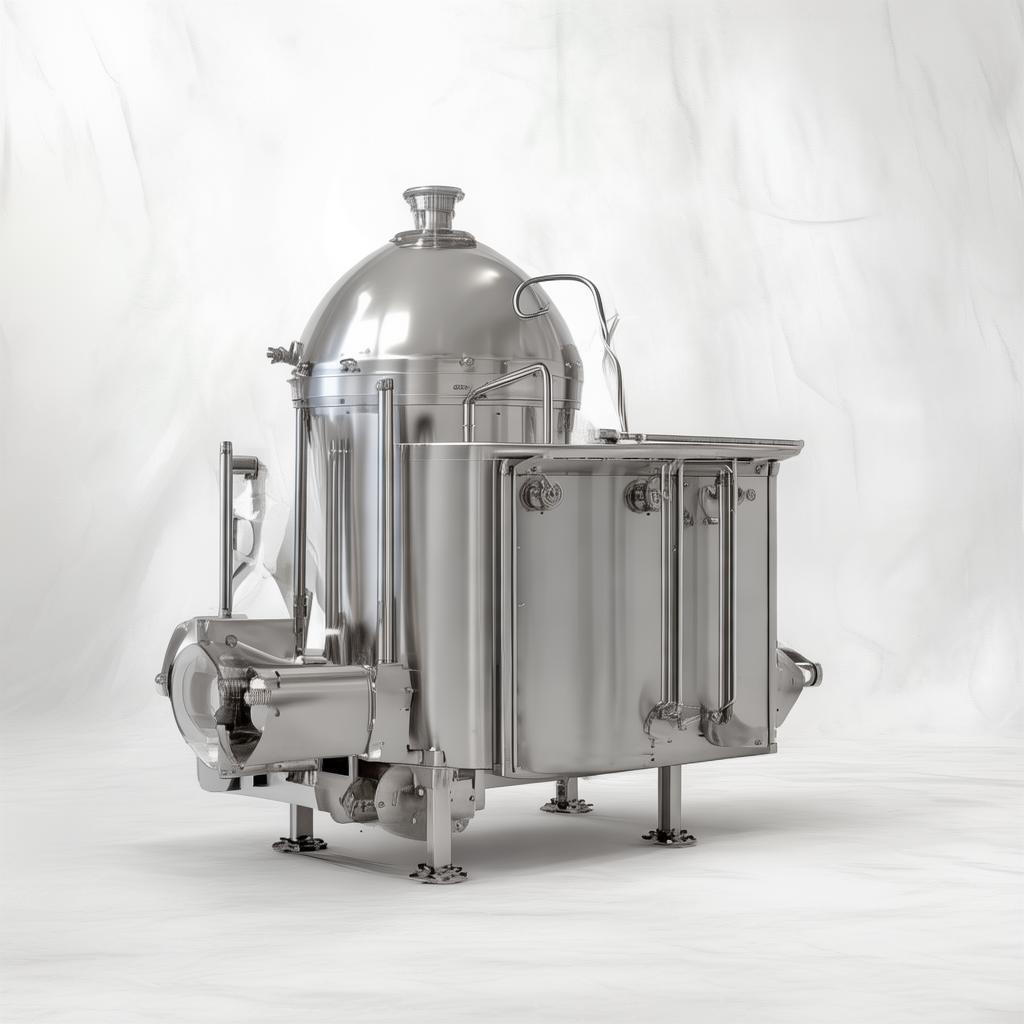
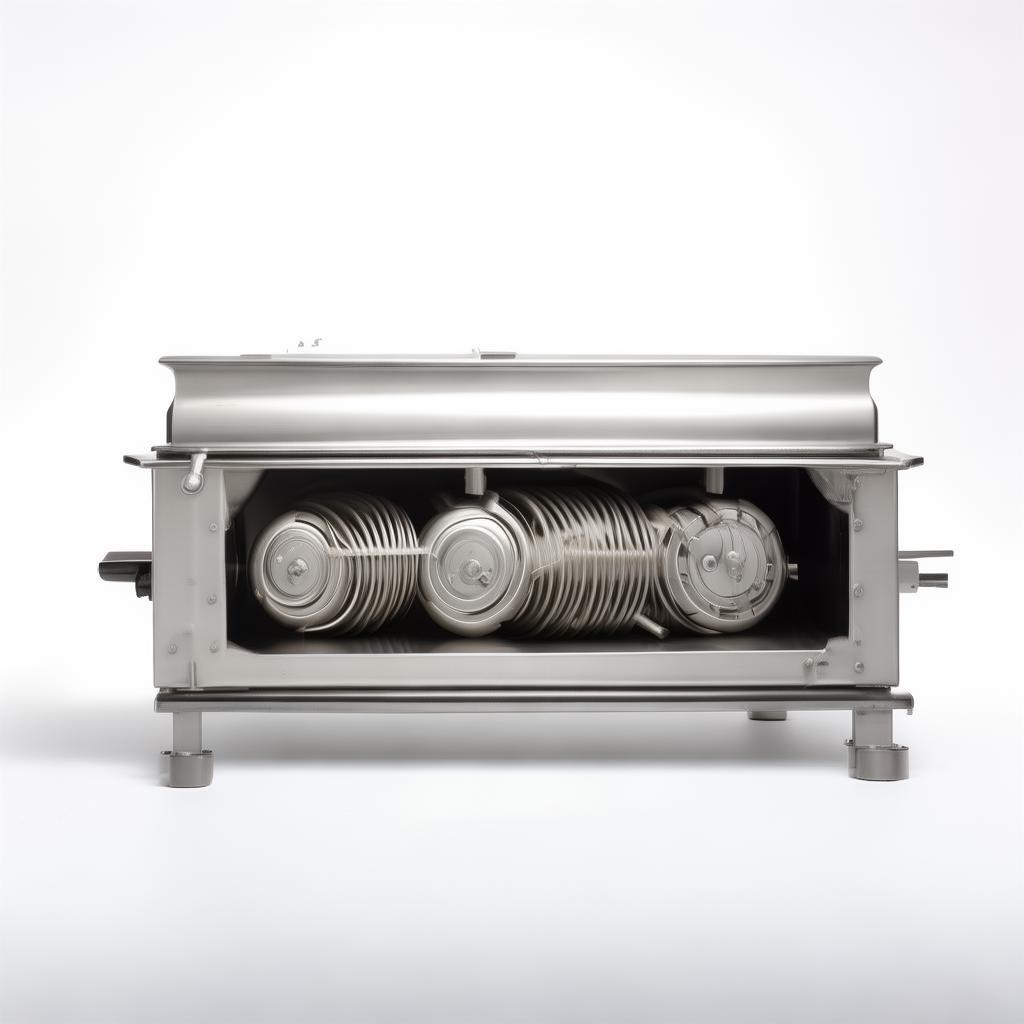
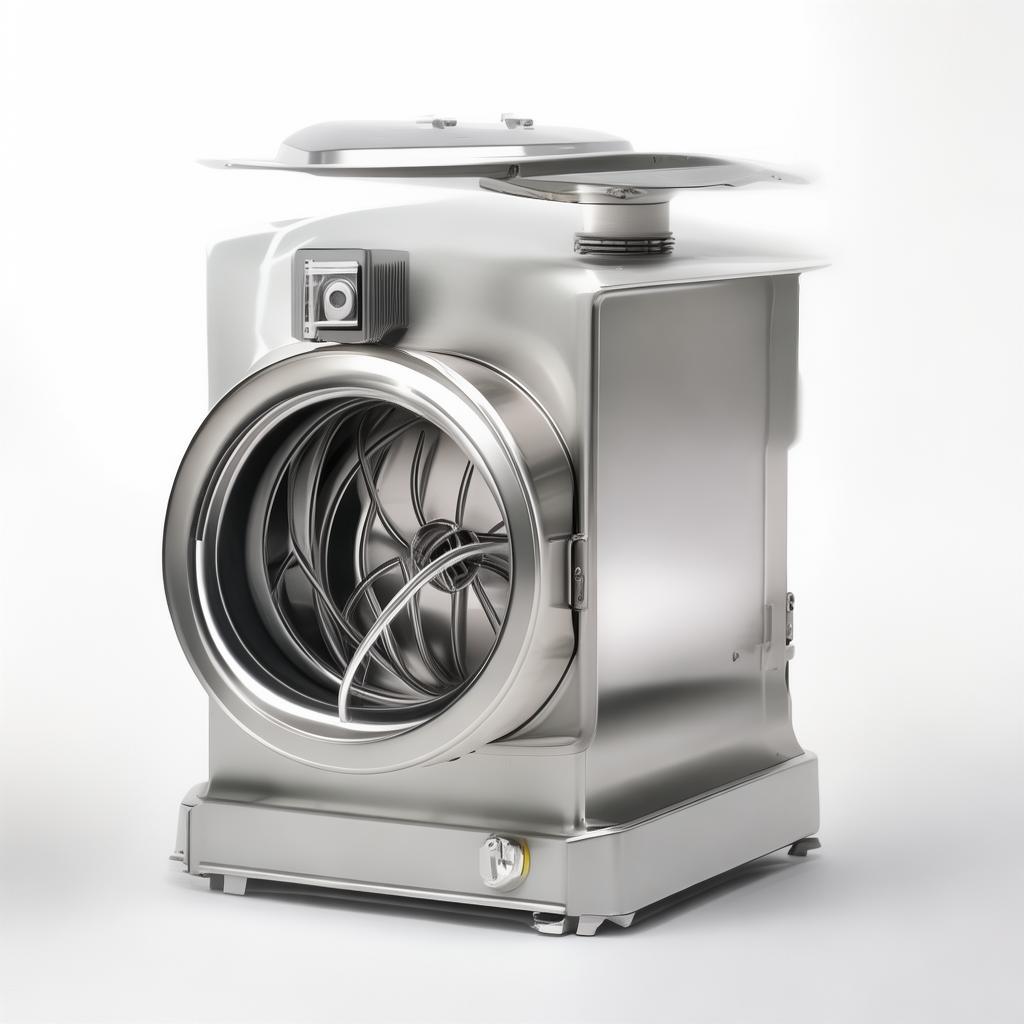
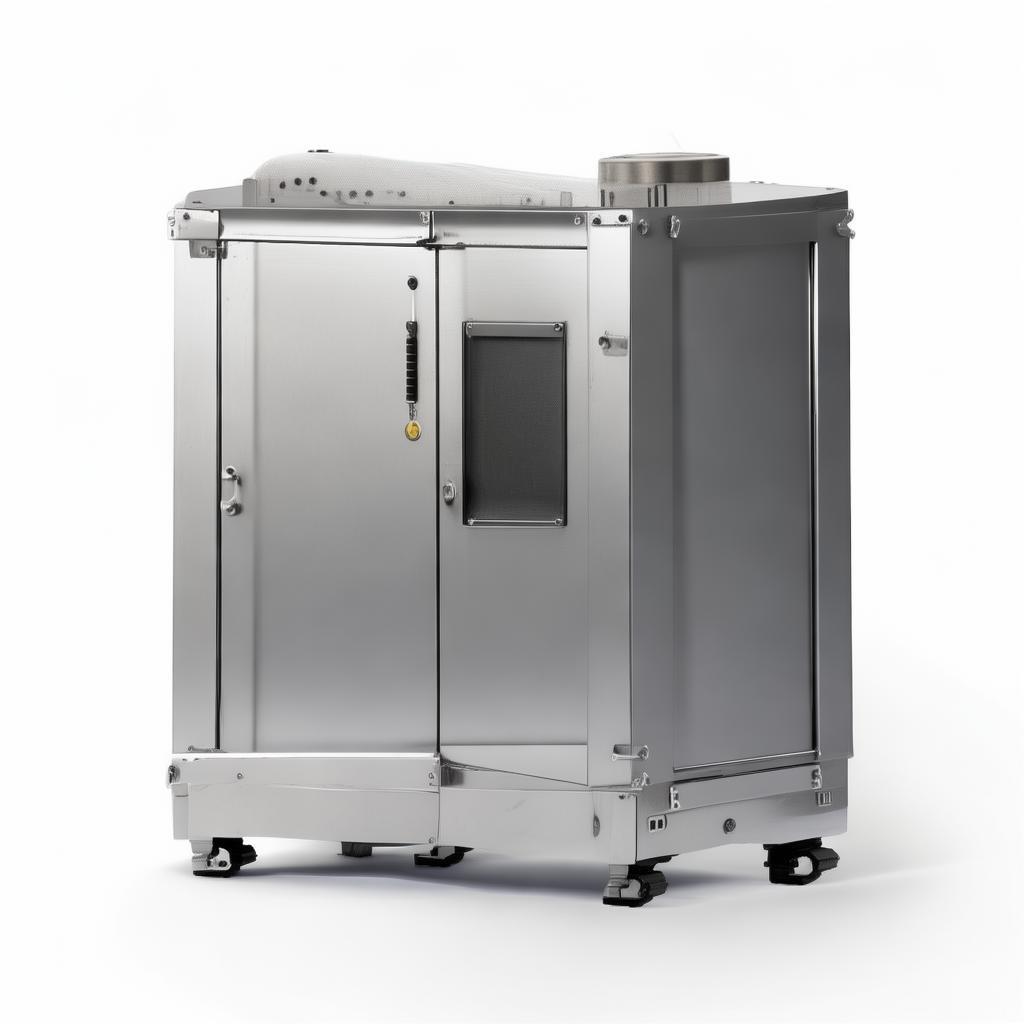
vacuum blower silencer vacuum deaerator sipromac vacuum machine
Our ability to manufacture high-precision parts, including custom components for complex machinery, means we can also explore custom silencer solutions if standard options don't perfectly fit your unique requirements. This aligns with our OEM/ODM capabilities, where we can tailor solutions to specific client needs.
Diverse Applications Where Vacuum Pump Silencers Are Essential
The need for noise reduction in vacuum pump operations spans across numerous industries. A quiet operation isn't just about comfort; it's about precision, safety, and compliance, especially in high-stakes sectors.
Food & Beverage Processing
From vacuum packaging lines ensuring product freshness to vacuum tumblers and forming machines used in meat processing (a core area for us), noise reduction improves operator environment and ensures compliance. Consider the USD 11.28 billion meat processing equipment market; efficiency and a good working environment are key drivers.
Pharmaceutical & Medical
Vacuum pumps are vital for freeze-drying, sterile filtration, and vacuum ovens. Noise control is crucial in these often cleanroom or laboratory environments to maintain strict operational integrity and prevent disruption.
Industrial Manufacturing & Automation
Vacuum lifting, robotic end-effectors, and automated material handling systems rely heavily on vacuum pumps. Reducing noise enhances factory floor safety and communication.
Printing & Packaging
Vacuum forming machines and printing presses often utilize vacuum for precise material positioning and holding. Noise reduction here directly impacts the operator’s working conditions in high-throughput environments.
Laboratory & Research
In research labs, noise pollution can interfere with sensitive experiments. Silencers ensure a stable acoustic environment for accurate measurements and analysis.
Textile Manufacturing
Vacuum systems are used in various stages, including fabric treatment and shaping, where maintaining a controlled environment is important.
Procurement Insights: What Buyers Need to Consider
When sourcing vacuum pump silencers, procurement professionals need to look beyond just the price tag. A false economy can be costly. Here’s a practical checklist for making an informed decision.
- Identify Exact Pump Specifications: Know your vacuum pump's make, model, flow rate (CFM or L/min), ultimate vacuum level, and exhaust port connection type/size. This is non-negotiable.
- Understand Exhaust Gas Composition & Temperature: Is the exhaust clean air, or does it contain oil mist, steam, or corrosive elements? What is the typical exhaust temperature? This dictates material choice (e.g., stainless steel for corrosive, high-temp applications).
- Assess Noise Reduction Requirements: What is your current ambient noise level? What is your target level? Factor in regulatory requirements (e.g., OSHA's 8-hour TWA limits). A 10 dB reduction is often perceived as halving the noise.
- Verify Backpressure Limitations: This is paramount. ALWAYS consult your vacuum pump manufacturer's documentation or technical support for acceptable backpressure limits for your specific pump model. Exceeding this can void warranties and cause immediate performance issues.
- Consider Maintenance and Serviceability: How easy is it to inspect or clean the silencer? Some designs may require periodic replacement of absorption media.
- Supplier Reliability and Support: Look for suppliers with a proven track record, clear technical documentation, and responsive customer support. For international buyers, understanding lead times, shipping logistics, and customs procedures is vital. Our 40 years of experience exporting equipment gives us insight into these global commerce challenges.
- OEM/ODM Capabilities: If standard solutions aren't sufficient, inquire about customization options. Our factory capabilities allow us to engineer bespoke solutions for unique industrial challenges.
Procuring the right silencer is an investment in operational continuity and employee well-being. Don't compromise on quality or technical suitability.
Our Commitment: Manufacturing Excellence from Hebei Yuanchang
At Hebei Yuanchang Food Mechanism & Technology Co., Ltd., our 40-year legacy (since 1986) is built on precision engineering and a deep understanding of industrial operational needs. While we specialize in sophisticated meat processing equipment, the core principles of quality, durability, and performance are universal across all components we produce or specify. Our 14,000 sqm facility is staffed by 80-100 dedicated professionals, ensuring rigorous quality control throughout the production cycle.
Our in-house machining workshop is equipped with over 20 sets of advanced processing machinery, including lathes, milling machines, and high-precision grinding equipment. The integration of 8 Japanese Mazak CNC machining centers since 2012 allows us to manufacture complex, high-tolerance components that are critical for system reliability – a capability directly transferable to producing high-performance vacuum pump silencers. This internal manufacturing strength means we control the entire production process, from raw material to finished product, ensuring consistent quality and adherence to specifications.
We understand that for international buyers, reliable after-sales service and consistent quality are paramount. Our traceable after-sales management system, combined with our independent production of high-precision parts, offers a guarantee of quality and support that is hard to match. Whether you require standard vacuum pump silencers or need a custom-engineered solution as part of a larger OEM/ODM project, our technical team is ready to collaborate.
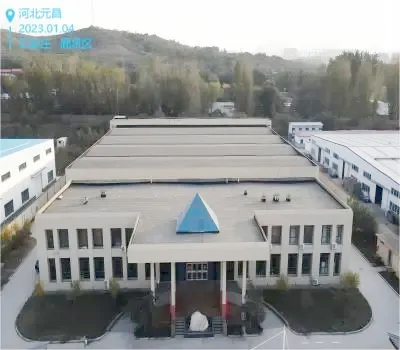
Advanced Machining Capabilities at Our Facility
Real Conversations, Real Solutions
Chat with our technical sales team

Discuss OEM/ODM requirements
Get instant quote assistance
What Our Clients Say
"We were struggling with noise complaints from our packaging line. The team at Yuanchang provided a set of silencers that fit our rotary vane pumps perfectly. The difference is night and day. Our operators are much happier, and we haven't had a single noise violation since."

Operations Manager, USA
"We needed robust silencers for our vacuum forming machines used in prototyping. The stainless steel options from Yuanchang were exactly what we needed – durable, effective, and the backpressure was within acceptable limits. Their export process was smooth."

Procurement Specialist, Canada
"The technical support was excellent. They helped us select the right silencer for our oil-sealed vacuum pumps, ensuring compatibility and optimal performance. The reduction in airborne oil mist was also a welcome bonus. Pricing was competitive for the quality."

Maintenance Engineer, UK
"As a distributor, we need reliable suppliers. Hebei Yuanchang has consistently delivered high-quality vacuum pump silencers that meet our clients' diverse needs. Their OEM capabilities are particularly valuable for our custom system builds."

Purchasing Director, Mexico
Operational Considerations: Installation and Maintenance
Proper installation and routine maintenance are key to ensuring your vacuum pump silencer performs optimally and lasts longer. These are practical steps that ensure your investment continues to pay dividends.
Installation Steps
- Ensure the vacuum pump is powered off and isolated from its energy source.
- Verify thread compatibility and clean the pump's exhaust port before attaching the silencer.
- Apply an appropriate sealant (e.g., PTFE tape) to male threads for a leak-proof seal.
- Tighten the silencer securely but avoid over-tightening, which could damage threads or the silencer body.
- Check that the silencer orientation does not impede access to other pump components or create a safety hazard.
- Reconnect power and run the pump at low load initially, listening for any unusual noises or vibrations.
Maintenance Recommendations
- Visual Inspection: Regularly check for signs of corrosion, physical damage, or loose connections.
- Check for Blockages: Depending on the pump type and application (e.g., oil-sealed pumps), internal passages or absorption media can become clogged with oil, debris, or particulate matter. This can increase backpressure.
- Cleaning: If an internal filter is present, it may require periodic cleaning or replacement. For some silencers, gentle cleaning with appropriate solvents might be needed if internal components are accessible. Consult the silencer manufacturer's guidelines.
- Performance Monitoring: Pay attention to changes in pump noise levels or performance. An increase in noise or a decrease in vacuum could indicate a silencer issue (clogging or damage).
Adhering to these practices ensures your vacuum pump operates efficiently and safely, with its noise emissions effectively managed.
Ready to Enhance Your Operational Environment?
Don't let excessive vacuum pump noise compromise your facility's safety, compliance, and productivity. Partner with Hebei Yuanchang for reliable, high-performance silencer solutions.
Frequently Asked Questions (FAQ)
A: The noise reduction, or Sound Insertion Loss (SIL), varies significantly based on the silencer's design, size, and the pump's exhaust characteristics. Typically, you can expect reductions ranging from 15 dB to 35 dB. For precise figures, consult the product specifications or our technical team.
A: A properly selected silencer should have minimal impact on performance. However, an incorrectly sized or designed silencer can create excessive backpressure, reducing pump efficiency and potentially shortening its lifespan. It's crucial to select a silencer rated for your specific pump's flow rate and ensure its backpressure rating is well within the pump manufacturer's recommendations.
A: In the context of vacuum pumps and industrial equipment, the terms "silencer" and "muffler" are often used interchangeably to refer to devices designed to reduce exhaust noise. "Silencer" is generally more common in industrial applications.
A: While the principles are similar, automotive mufflers are designed for internal combustion engine exhaust, which differs significantly in temperature, pressure, and gas composition from vacuum pump exhaust. Using an automotive muffler may not be effective and could potentially create dangerous backpressure or premature failure due to incompatibility with the operating environment. Industrial vacuum pump silencers are specifically engineered for these applications.
A: Common materials include stainless steel (304, 316L) for durability and corrosion resistance, aluminum for lighter weight applications, and sometimes specialized high-temperature polymers or composites. The choice depends heavily on the operating environment, temperature, and exhaust gas composition.
A: Yes, absolutely. Leveraging our extensive manufacturing capabilities and engineering expertise, we can design and produce custom vacuum pump silencers tailored to unique specifications, integrated into larger systems, or branded for your specific market needs. Our 40 years of experience in industrial machinery production equip us well for such projects.