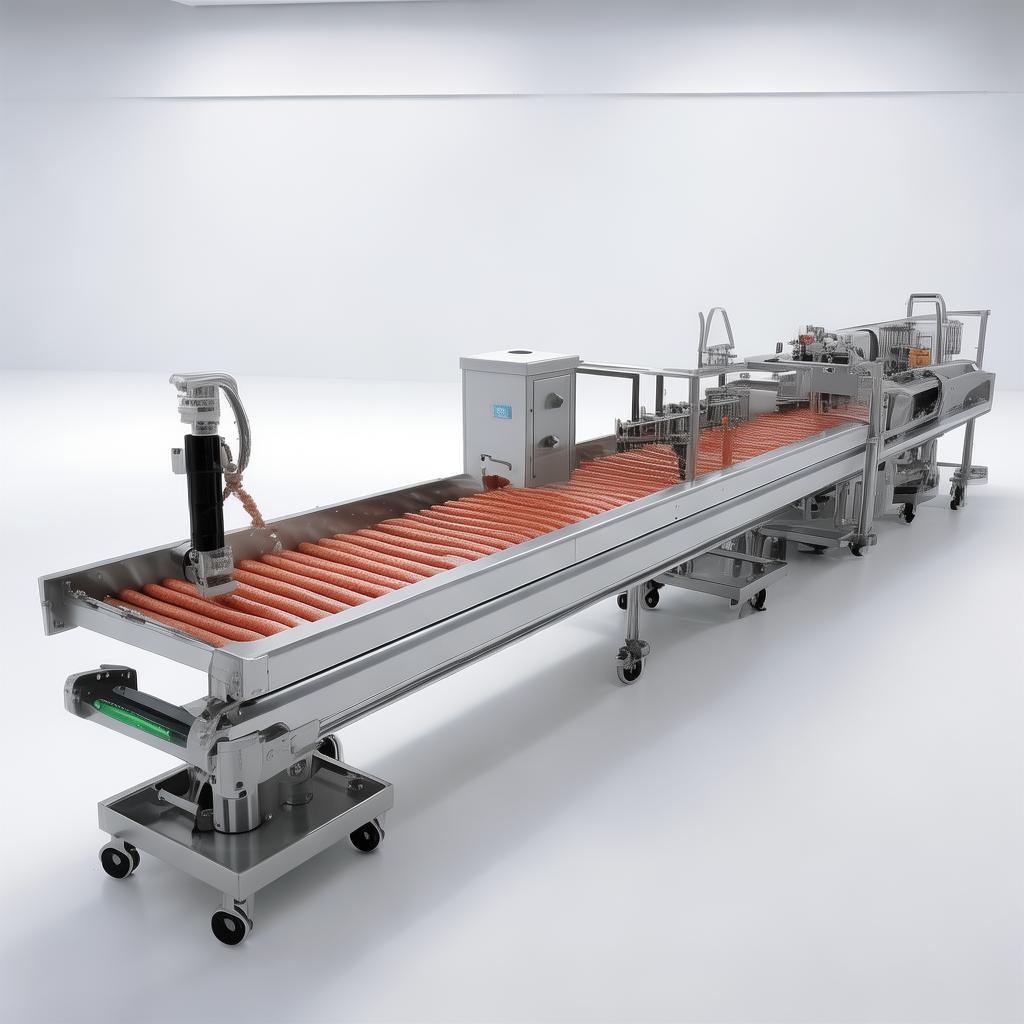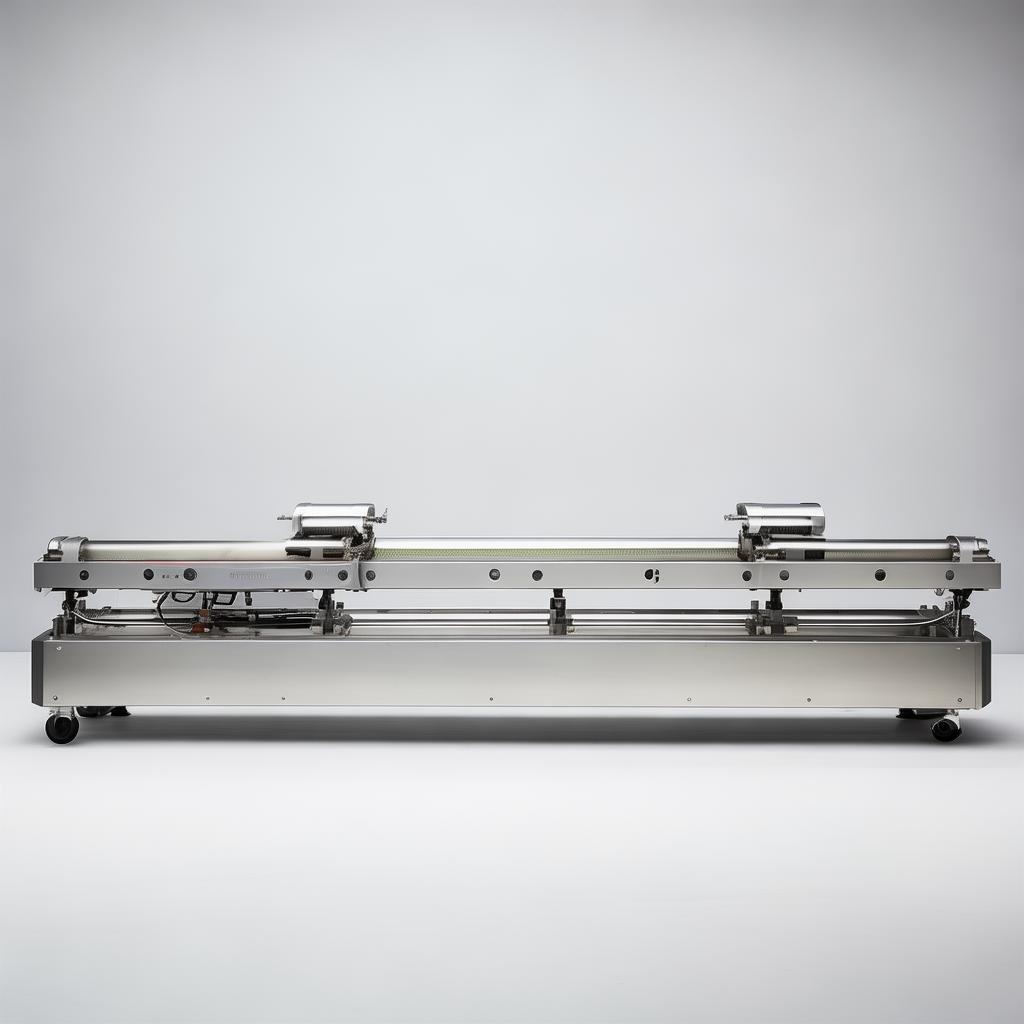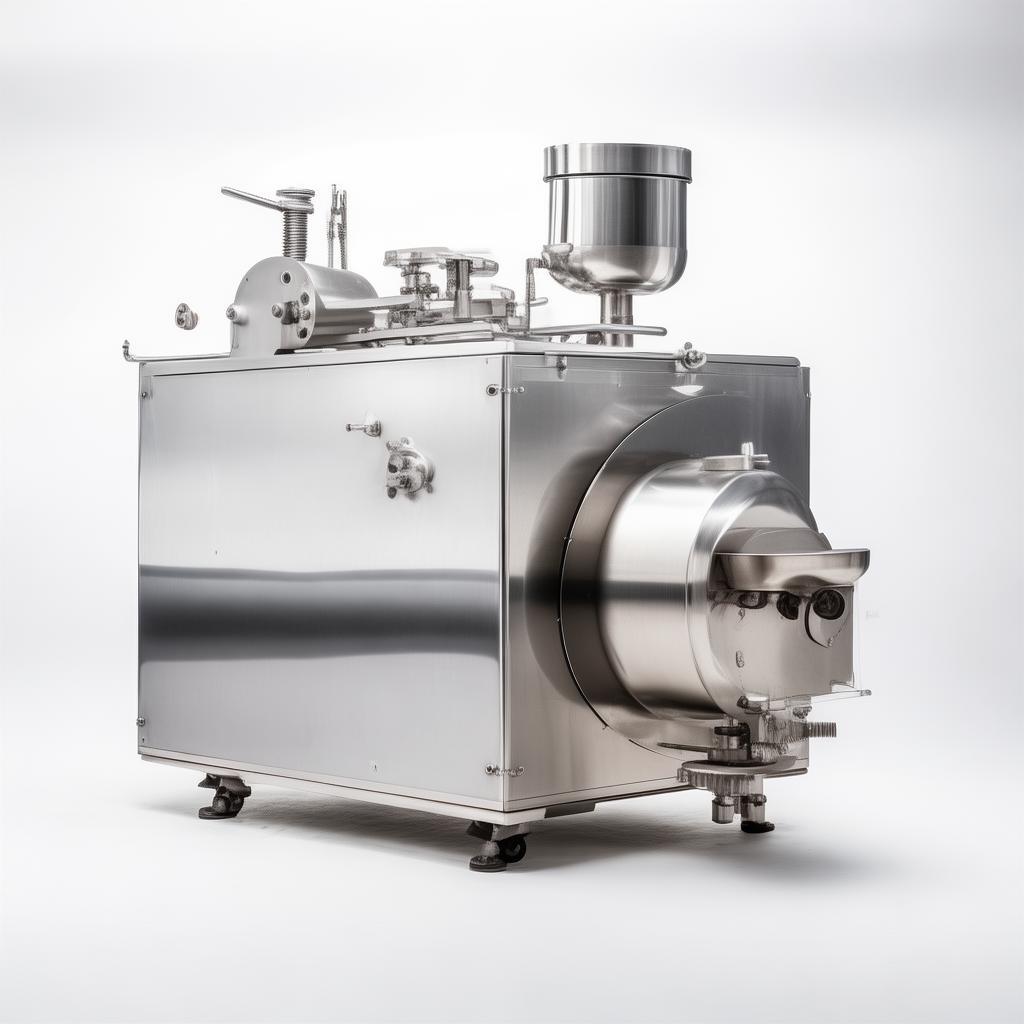
Vacuum Compatible Linear Stage
Precision Vacuum Compatible Linear Stages: Engineered for High-Performance Environments
Reliable Motion Control for Critical Applications
Introduction: Navigating the Demands of Vacuum Environments
When your research, manufacturing, or testing processes demand ultra-high vacuum (UHV) or controlled atmosphere conditions, even the slightest contaminant can derail critical experiments or production runs. This is precisely where our vacuum-compatible linear stages come into play. We understand that for applications ranging from semiconductor fabrication and advanced materials science to scientific instrumentation and aerospace testing, the choice of motion control system is paramount. Standard linear stages, while robust in ambient conditions, often fall short when subjected to the stringent requirements of vacuum. Off-gassing from lubricants, outgassing from materials, and the general design of conventional actuators can introduce particles and volatile organic compounds (VOCs), compromising the integrity of the vacuum environment. This not only leads to costly contamination issues and extended pump-down times but can also result in unreliable data or flawed product development.
Developing and manufacturing linear stages suitable for vacuum environments is not simply a matter of using different materials. It's a comprehensive engineering challenge that demands meticulous attention to detail across the entire design and production lifecycle. Our expertise, honed over decades in precision manufacturing, allows us to deliver motion solutions that actively contribute to achieving and maintaining the highest vacuum levels. We focus on minimizing outgassing through careful material selection, employing specialized lubrication strategies (or often, no lubrication at all where feasible), and ensuring that all components are designed and manufactured to prevent particle generation. This holistic approach ensures that our linear stages perform not just mechanically, but also chemically, within your vacuum chambers.
The vacuum compatible linear stage is engineered for environments where precise, repeatable motion is required without compromising the vacuum integrity. Whether you're positioning samples for analysis in a UHV chamber, manipulating optics in a beamline, or assembling microelectronics within a controlled atmosphere, these stages are built to withstand the rigors of vacuum operation. They are distinct from their laboratory or industrial counterparts by their very construction: materials are selected for low outgassing rates, assembly is conducted in cleanroom conditions to prevent particulate contamination, and proprietary vacuum-rated greases or dry-lubrication methods are employed to minimize off-gassing. The integration of these stages into your vacuum system means one less variable to worry about, allowing your team to focus on the core objectives of your work.
Consider the implications for scientific research. In fields like surface science, mass spectrometry, or particle physics, even trace amounts of residual gases can interfere with experimental results, scatter particle beams, or poison sensitive detector surfaces. Similarly, in advanced manufacturing, such as thin-film deposition or photolithography, precise positioning under vacuum is non-negotiable for achieving the required layer thicknesses and pattern resolutions. Our vacuum linear stages are designed with these critical dependencies in mind. They are not just components; they are integral elements of systems where failure is not an option. We engineer for reliability, longevity, and uncompromising performance in the most demanding applications.
The global meat processing equipment market, for instance, has seen significant growth, with various reports indicating market sizes ranging from USD 11.28 billion to over USD 30 billion by 2035, with CAGR's around 5-7%. While this might seem unrelated, the underlying principle of precision, hygiene, and efficiency in demanding environments resonates. In our case, the "demand" is vacuum integrity and nanoscale precision, not food safety. However, the commitment to engineering robust, reliable, and contaminant-free solutions is a shared industrial ethos. Our focus on vacuum compatible linear stage technology directly addresses a niche but critical segment of advanced industrial and scientific applications.
Our commitment extends beyond the product itself. We provide comprehensive support, including detailed outgassing data, material certifications, and installation guidance tailored for vacuum integration. This is backed by our extensive manufacturing capabilities, where we control every step from raw material selection to final assembly and testing. This end-to-end control ensures that each vacuum compatible linear stage leaving our facility meets the highest standards of quality and performance our clients expect for their sensitive operations. We pride ourselves on being more than just a supplier; we are a partner in enabling groundbreaking research and critical industrial processes.
The Critical Challenges of Vacuum Motion Control
Operating mechanical components within a vacuum chamber presents unique engineering hurdles that standard industrial actuators simply cannot overcome. The primary concern is outgassing. Every material, from lubricants and seals to the structural components themselves, can release trapped gases. In a vacuum system, these released molecules can:
- Increase the base pressure, extending pump-down times and requiring more powerful (and costly) vacuum pumps.
- Contaminate sensitive surfaces, such as optical coatings, detector elements, or catalytic surfaces.
- Interfere with chemical reactions or physical processes being studied, leading to inaccurate or irreproducible results.
- Cause premature failure of vacuum components through virtual leaks or excessive deposition.
Furthermore, lubricants, which are essential for reducing friction and wear in atmospheric conditions, are often problematic in vacuum. Conventional greases and oils can evaporate rapidly, leading to both outgassing and a lack of lubrication, causing premature wear and potential seizing of mechanical parts. Particle generation is another significant issue. Friction between moving parts, wear debris, and even the shedding of surface coatings can introduce particulates that are detrimental to vacuum integrity and sensitive equipment.
For international buyers, understanding these challenges is key to selecting a supplier that truly understands the nuances of vacuum technology. It's not just about the stage itself, but the entire ecosystem of materials science, cleanroom assembly, and rigorous testing that goes into a product designed for ultra-high vacuum (UHV) or high vacuum (HV) environments. We recognize that procurement decisions in this sector are often made by engineers and scientists who understand the cost of failure.
The global meat processing equipment market, while different in application, shares a common thread of stringent requirements. Reports from sources like Fortune Business Insights and Grand View Research highlight growth driven by automation, hygiene, and efficiency needs. The demand for specialized equipment like filling, molding, and ripening (massaging) machines underscores the industry's focus on precise, controlled processes. Similarly, our vacuum linear stages are the specialized tools required for precise, controlled motion in the unforgiving environment of a vacuum chamber.
We see this reflected in client inquiries. Often, the initial contact is focused on a specific technical challenge: "Can your stage operate at 10-7 Torr?" or "What is the outgassing rate of your stage material?" These are not general product feature questions; they are deep dives into the operational feasibility and risk mitigation of integrating our product into their high-stakes systems. Our response is always to provide transparent, detailed technical data and engineering support.
Engineered for Performance: Our Vacuum Compatible Linear Stage Solutions
Our vacuum-compatible linear stages are meticulously designed from the ground up to meet and exceed the demands of UHV and HV applications. We achieve this through a combination of:
Material Selection
We utilize carefully chosen materials with low vapor pressures and minimal outgassing characteristics. This includes specific grades of stainless steel (e.g., 304L, 316L), anodized aluminum alloys, PEEK, Vespel, and other vacuum-rated polymers. All materials are rigorously tested for their performance in vacuum environments.
Lubrication Strategies
Where lubrication is unavoidable for smooth operation, we employ specialized vacuum-grade greases (e.g., Braycote, Krytox) or advanced dry lubrication techniques like MoS2 coatings. In many designs, we engineer for 'self-lubricating' mechanisms or use pre-lubricated components with sealed reservoirs to prevent widespread contamination.
Cleanroom Assembly
Our stages are assembled in controlled cleanroom environments (ISO Class 5 or better) to minimize particulate contamination during manufacturing. This meticulous process ensures that the stage is ready for direct integration into your vacuum system without additional cleaning procedures.
Component Design
Every aspect, from threaded fasteners to cable management, is designed with vacuum compatibility in mind. We avoid materials prone to shedding, ensure robust sealing where necessary, and opt for designs that minimize particle trapping and ease of cleaning.
These design principles translate into tangible benefits for your operations. By minimizing outgassing and particle generation, our vacuum compatible linear stage contributes directly to achieving lower base pressures, faster pump-down cycles, and a more stable vacuum environment. This is crucial for high-precision manufacturing processes like semiconductor fabrication, where even minute contaminants can ruin entire batches of microchips, or in scientific research where experimental integrity is paramount.
The vacuum compatible linear stage is not just a product; it's a system-level solution. We provide detailed specifications, including achievable vacuum levels, outgassing data (often based on ASTM E595 standards), and material certifications, empowering you to make informed integration decisions. For procurement managers and engineers alike, this transparency is invaluable in de-risking the procurement process and ensuring that the chosen component aligns perfectly with system requirements.
Technical Specifications and Customization Options
We offer a range of standard vacuum-compatible linear stages, each designed for specific travel ranges, load capacities, and precision requirements. However, we recognize that many advanced applications require tailored solutions. Our engineering team excels at developing custom configurations to meet unique operational demands.
| Feature | Standard Specification Range | Notes for Vacuum Applications |
|---|---|---|
| Vacuum Compatibility | Up to 10-9 Torr (HV) / 10-11 Torr (UHV) | Requires specific material choices and assembly protocols. |
| Travel Range | 10 mm to 500 mm | Custom lengths available. |
| Load Capacity | 5 kg to 100 kg | Dependent on stage type and bearing configuration. |
| Drive Mechanism | Ball screw, lead screw, linear motor | Specific vacuum-rated options, often direct-drive linear motors for minimal particle generation. |
| Positioning Accuracy | ±1 µm to ±10 µm | Achieved through precision manufacturing and quality encoders. |
| Repeatability | ±0.5 µm to ±5 µm | Crucial for repetitive processes. |
| Materials | Stainless Steel (304L/316L), Anodized Aluminum, PEEK, Vespel | Low outgassing, cleanroom compatible. |
| Encoder Options | Linear encoders (optical/magnetic), rotary encoders | Vacuum-rated cables and connectors. |
vacuum compatible stage vacuum stage linear vacuum feedthrough
Our ability to customize extends to actuator types, motor integration, encoder feedback systems, and even mounting configurations. We work closely with your engineering team to understand the specific parameters of your vacuum system, including operating temperature ranges, pressure requirements, and load dynamics. This collaborative approach ensures that the final product is not just a component, but an optimized solution designed for your unique workflow.
We also offer options for OEM/ODM integration. If you are designing a larger vacuum system or instrument and require custom-designed linear motion sub-assemblies, we have the expertise and manufacturing capacity to deliver. Our experience with large-volume production, including the use of Japanese Mazak CNC machining centers, allows us to produce high-standard, high-precision components consistently.
For procurement professionals, understanding these customization capabilities is vital. It means you're not limited to off-the-shelf solutions that may not perfectly fit your application. You can leverage our 40 years of experience since 1986 to engineer a solution that enhances performance and reliability. Get in touch to discuss your specific needs, and let's explore how we can tailor a vacuum compatible linear stage for your project.
Applications Across Industries
The versatility and reliability of our vacuum-compatible linear stages make them indispensable across a broad spectrum of high-technology industries:
Semiconductor Manufacturing
Precise wafer handling, mask alignment, and positioning of components within deposition chambers (e.g., PVD, CVD) and lithography systems.
Scientific Research & Instrumentation
Sample manipulation in UHV chambers for surface analysis (XPS, AES), positioning detectors in particle accelerators, microscopy (SEM, TEM), and synchrotrons.
Aerospace and Defense
Testing of materials and components in vacuum simulation chambers, satellite component assembly, and space-based instrumentation.
Medical Device Manufacturing
Assembly of sensitive medical components under controlled atmospheric or vacuum conditions.
Optics and Photonics
Precise alignment and positioning of lenses, mirrors, and fiber optics in vacuum optical benches and testing setups.
Materials Science Research
Controlled environments for thin-film deposition, crystal growth, and advanced material processing experiments.
Our systems are a common sight in laboratories and manufacturing facilities worldwide. The demand for precision and reliability in these fields is unyielding, mirroring the stringent requirements found even in specialized sectors like the processed meat market, where hygiene and exact replication are key. The underlying principle is the same: precise control in a critical environment.
Installation, Maintenance, and Procurement Guidance
Integrating a vacuum compatible linear stage into your system requires careful planning. While designed for vacuum, proper installation is crucial to maintain performance and longevity. We offer detailed installation manuals and can provide expert consultation.
Installation Considerations:
- Handling: Always handle vacuum-rated components in a clean environment. Wear lint-free gloves to avoid transferring oils and particles.
- Mounting: Ensure mounting surfaces are clean and flat. Use appropriate vacuum-rated fasteners and torquing procedures.
- Cabling: Use vacuum-rated cables and connectors. Ensure proper strain relief and routing to avoid damage.
- Initial Pump-down: Allow for adequate bake-out periods to achieve target vacuum levels. Our stages are designed to withstand typical bake-out temperatures (check specific product datasheets).
Maintenance:
Due to the nature of vacuum components, maintenance is often minimal and infrequent, which is a key advantage. Most of our stages are designed for long service life without routine re-lubrication. If maintenance is required, it should be performed in a cleanroom environment. We provide guidance on component inspection and replacement if necessary. Unlike some industrial equipment where frequent servicing is a given, vacuum components prioritize sealed-for-life designs where possible.
Procurement Guidance:
When procuring a vacuum compatible linear stage, consider the following:
- Vacuum Level: Clearly define your required operating vacuum (e.g., High Vacuum, Ultra-High Vacuum).
- Environmental Conditions: Note operating temperatures, vibration requirements, and potential exposure to specific gases or radiation.
- Performance Metrics: Specify required travel, load capacity, accuracy, and repeatability.
- Outgassing Data: Request detailed outgassing data (e.g., total mass loss, collected volatile condensable materials) for critical applications.
- Certifications: Ensure any required certifications (e.g., material certifications, cleanroom compliance) are met.
- Supplier Reputation: Look for manufacturers with a proven track record and demonstrated expertise in vacuum technology.
We aim to simplify your procurement process by providing comprehensive technical documentation and direct access to our engineering team. Our 40 years of experience since 1986 in precision manufacturing means we understand the long-term implications of component selection. We are committed to delivering not just a product, but a reliable solution that supports your research and production goals.
If you're sourcing for a large project, our OEM/ODM capabilities can be particularly beneficial. We can integrate custom linear motion solutions directly into your proprietary equipment designs, streamlining your supply chain and ensuring seamless performance.
Why Partner With Us? Our Commitment to Quality and Expertise
At Hebei Yuanchang Food Mechanism & Technology Co., Ltd., our expertise in precision manufacturing, honed over 40 years, extends beyond traditional sectors into high-technology applications like vacuum motion control. While our primary focus might be meat processing equipment, our underlying capabilities in high-precision machining, quality control, and international trade are directly transferable and are the bedrock of our vacuum-compatible linear stage offerings.
Our in-house machining workshop, equipped with over 20 sets of advanced processing machinery, including Japanese Mazak CNC machining centers, allows us unparalleled control over component manufacturing. This means we can produce high-standard, high-precision, and non-standard components that are essential for reliable vacuum performance. Coupled with our ISO 9001 certification, this ensures rigorous quality assurance at every stage.

ISO 9001 Certified
RoHS Compliant Materials

Expert Engineering Team
We understand the global nature of your projects. Our extensive experience in international wholesale export means we are adept at handling complex logistics, customs, and documentation, ensuring a smooth delivery process to destinations worldwide, including the USA and other English-speaking markets. We provide clear communication, competitive factory pricing, and realistic lead times. This practical, operationally focused approach is what sets us apart. We don't just sell components; we enable advanced industrial and scientific endeavors.
The complexity of integrating motion control into vacuum systems often leads buyers to seek partners who can offer more than just a product. They need assurance of quality, technical support, and supply chain reliability. With 80-100 employees across our 14,000 square meter facility, we have the capacity and the expertise to be that partner for your critical vacuum applications. Whether you need a standard vacuum compatible linear stage or a fully custom OEM solution, we are equipped to deliver.
Hear From Our Clients
"We were struggling to find a reliable supplier for linear stages that could handle our UHV requirements without excessive outgassing. The stages from Yuanchang have performed exceptionally well, reducing our pump-down times significantly and allowing for more stable experimental runs."

Senior Research Scientist, Advanced Materials Lab
"Integrating their custom linear stages into our new semiconductor testing equipment was seamless. The engineering support was invaluable, helping us select the right materials and configurations for optimal performance in our vacuum process. Excellent export experience."

Procurement Director, Tech Innovations Inc.
"The build quality on these vacuum stages is outstanding. We have them operating in a demanding aerospace test chamber, and they consistently perform without a hitch. The attention to detail regarding vacuum compatibility is evident."

Lead Engineer, Aerospace Dynamics Corp.
"As an importer, sourcing specialized components can be challenging. Yuanchang provided clear specifications, competitive pricing, and timely delivery for our vacuum-grade linear stages. Their responsiveness and technical documentation were top-notch."

Purchasing Manager, Global Scientific Supplies
Frequently Asked Questions (FAQ)
The primary difference lies in material selection and assembly. Vacuum-compatible stages use materials with low outgassing rates, specialized vacuum-rated lubricants (or dry lubrication), and are assembled in cleanroom conditions to prevent contamination. Standard stages often use materials and lubricants that would quickly degrade or contaminate a vacuum environment.
Our stages are available for High Vacuum (HV) down to 10-9 Torr and Ultra-High Vacuum (UHV) down to 10-11 Torr. Specific models and material choices determine the achievable vacuum level. Please refer to individual product datasheets or consult with our engineers.
Our stages are assembled in controlled cleanroom environments, minimizing the need for extensive pre-installation cleaning. However, we always recommend careful handling with gloves and visual inspection in a clean area to ensure no contamination occurred during transit. Always follow your specific system's cleaning protocols.
Yes, for critical applications, we can provide detailed outgassing data (often based on ASTM E595 testing) for the materials used in our vacuum-compatible stages. Please specify this requirement when requesting a quote.
Lead times for custom solutions vary depending on complexity, material availability, and current production schedules. After finalizing the design, standard lead times can range from 8-16 weeks. We always strive to provide the most accurate estimate during the quotation process.
Ready to Enhance Your Vacuum Operations?
Let our expertise in precision motion control drive your critical applications. We offer the reliability and performance required for demanding vacuum environments.