Sand Vacuum Pump
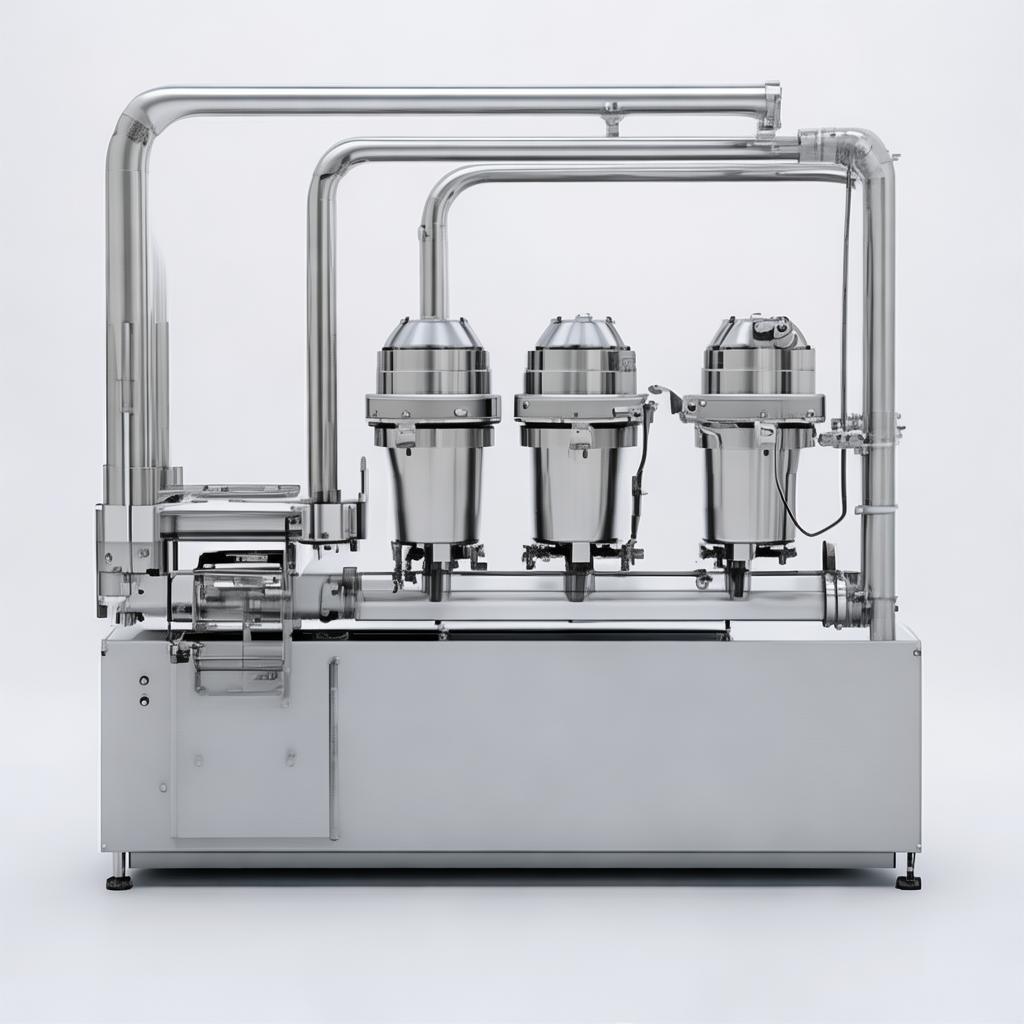
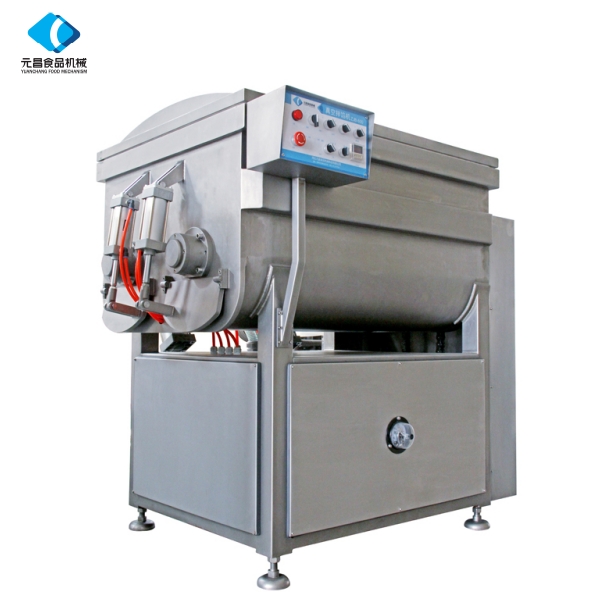
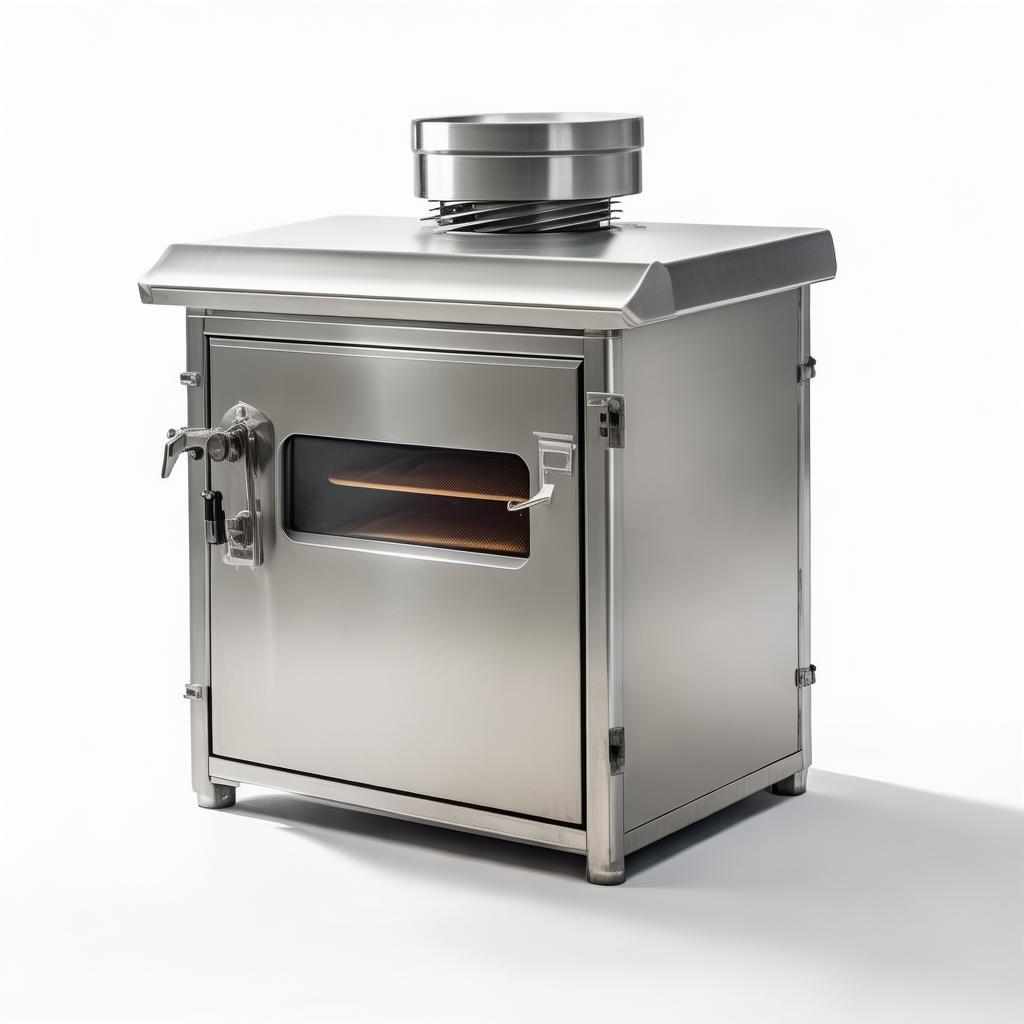
Sand Vacuum Pump: Precision Engineering for Efficient Material Handling in Demanding Environments
By Li Wei, Senior Export Manager
Hebei Yuanchang Food Mechanism & Technology Co., Ltd. | Est. 1986

The Unseen Workhorse: Demystifying the Sand Vacuum Pump
In the complex world of industrial material handling, efficiency, safety, and reliability are paramount. Operations across diverse sectors – from construction and mining to agriculture and specialized manufacturing – frequently encounter the challenge of moving bulk solids, particularly abrasive materials like sand, gravel, and various aggregates. Traditional methods, often involving manual labor, conveyors, or large-scale excavation equipment, can be labor-intensive, time-consuming, and present significant safety risks. This is where specialized equipment like the sand vacuum pump emerges as a critical, albeit sometimes overlooked, solution. It’s not just about moving material; it’s about doing so with precision, minimizing environmental impact, and optimizing operational costs. The demand for such equipment is intrinsically linked to the broader industrial landscape. Consider the meat processing equipment market, for instance, which, while seemingly disparate, shares a common thread of needing efficient material transfer and handling solutions for raw ingredients and finished products. Even within that specialized sector, the principles of bulk material movement and the need for robust machinery are mirrored. A sand vacuum pump, at its core, is an engineered system designed to pneumatically convey solid particles – primarily sand, but adaptable for other granular or particulate materials – using a powerful vacuum. This technology allows for the suction, transport, and sometimes even discharge of materials from difficult-to-access locations or in situations where other methods are impractical or hazardous. The efficacy of these systems often hinges on sophisticated engineering, robust material selection for wear resistance, and precise control over airflow and pressure dynamics. They represent a significant step forward from manual shoveling or basic mechanical conveyors, offering a cleaner, safer, and often more cost-effective alternative for bulk material displacement. The operational advantages can be profound, especially in scenarios involving delicate materials that might be damaged by physical contact with conveyor belts or augers, or when precise placement is required. The ability to create a controlled vacuum flow mitigates dust generation, a critical factor in health and safety regulations and environmental compliance. The market for such specialized industrial equipment is steadily growing, reflecting the increasing emphasis on automation, worker safety, and operational efficiency worldwide. Reports suggest that the broader meat processing equipment market, projected to reach USD 15.04 billion by 2030, highlights the global trend towards specialized machinery to improve throughput and product quality. This illustrates a universal drive for optimized processing, where vacuum pumping technology plays a vital role in many material transfer applications, even outside the food industry. The sand vacuum pump, therefore, is not merely a piece of hardware but a sophisticated engineering solution addressing fundamental material handling challenges. Its application spectrum is broad, and its adoption often signifies a company's commitment to modernizing its operations, prioritizing worker well-being, and achieving superior efficiency in bulk material management.
The necessity for robust, reliable sand vacuum pumps stems from the inherent difficulties in managing abrasive and granular materials. Think about a construction site after a significant pour, or a port facility handling bulk cargo – the sheer volume and abrasive nature of sand and similar materials demand equipment that can withstand constant wear and tear while maintaining high throughput. Manual labor is increasingly being phased out due to safety concerns and the sheer inefficiency involved in moving tons of material by hand. Traditional conveyors can struggle with fine particles that create dust, or with materials that tend to clog. Excavators and loaders are effective for large-scale movement but lack the precision and containment needed for certain tasks, such as reclaiming material from confined spaces or precise placement. This is precisely where the sand vacuum pump system shines. It offers a pneumatic solution, leveraging airflow to move material. This contactless transfer method significantly reduces wear on the equipment itself and minimizes material degradation. Furthermore, the contained nature of the vacuum process inherently suppresses dust, which is a major advantage for worker health, environmental compliance, and maintaining a clean work site. The demand for such specialized handling equipment is directly influenced by global industrial output and infrastructure development. While the meat processing equipment market focuses on a different sector, its growth trajectory—projected to reach USD 19.66 billion by 2033—underscores a worldwide trend: industries are investing in advanced machinery to improve operational efficiency, safety, and product consistency. This parallel demonstrates the universal need for specialized equipment that can handle specific material challenges effectively. A sand vacuum pump addresses these challenges head-on, offering a technologically advanced approach to bulk solid material transfer. It’s a testament to how innovation in one area of industrial mechanics can inspire or parallel advancements in others, all driven by the fundamental pursuit of better, safer, and more efficient production and logistics. The evolution of material handling technology, including pneumatic conveying systems, reflects a broader industrial imperative to streamline processes, reduce operational costs, and enhance workplace safety. This is where our expertise at Hebei Yuanchang comes into play, focusing on engineered solutions that deliver tangible results.
Navigating the Hurdles: Common Challenges in Bulk Material Handling
Working with bulk solids, especially abrasive ones like sand, presents a unique set of operational hurdles. These aren't minor inconveniences; they directly impact project timelines, budget, and most importantly, worker safety. From our experience over 40 years in precision manufacturing, we've seen firsthand how these challenges can derail even the best-laid plans.
- Abrasive Wear and Tear: Sand and aggregates are notorious for their erosive properties. This constant friction can quickly degrade standard equipment components, leading to premature failures, costly replacements, and extended downtime. We often see operations struggling with the lifecycle cost of equipment exposed to such materials.
- Dust Generation and Environmental Concerns: Moving dry bulk solids invariably creates dust. This poses significant health risks to workers (respiratory issues) and can lead to environmental violations. Controlling dust is not just good practice; it's often a regulatory requirement. Traditional methods struggle to contain fine particulate matter effectively.
- Limited Access and Difficult Terrains: Many material handling tasks involve confined spaces, uneven ground, or areas inaccessible to large machinery like loaders or excavators. Reaching material on barges, within tanks, or at the bottom of deep pits requires flexible and adaptable solutions.
- Labor Intensity and Safety Risks: Manual shoveling or using basic tools is not only slow but also poses a high risk of musculoskeletal injuries, slips, and falls. The push for automation and safer work practices is relentless across industries.
- Material Degradation: Certain materials might be sensitive to harsh mechanical handling. Conveyor belts, augers, or even rough emptying processes can break down or contaminate valuable product, impacting quality and profitability.
- Efficiency Bottlenecks: Slow material transfer rates can create bottlenecks in production or project workflows, leading to delays and increased operational costs. Optimizing throughput is a constant objective for procurement and operations managers.
These challenges are not isolated to one industry. The meat processing equipment market, for example, faces its own set of challenges related to hygiene, material consistency, and high-volume throughput. Yet, the fundamental need for efficient, safe, and reliable material handling equipment resonates across all sectors. Even in food processing, where hygiene is paramount, the ability to move large quantities of ingredients or products without contamination or degradation is key. This parallels the sand vacuum pump's role in handling challenging bulk solids – it's about achieving operational excellence through specialized engineering. Our 40 years of experience in precision manufacturing, particularly in areas requiring high durability and accuracy, allow us to build equipment that directly addresses these persistent industrial challenges.
The Pneumatic Advantage: How a Sand Vacuum Pump Works
At its heart, a sand vacuum pump operates on the principles of pneumatic conveying. It's a deceptively simple concept that, when engineered correctly, offers remarkable efficiency for handling granular materials. The system essentially creates a powerful vacuum to draw material through a hose and then separates it from the air for collection. Let's break down the typical operational flow:
- Vacuum Generation: The process begins with a high-capacity vacuum pump, often a rotary vane or multi-stage centrifugal type, which is the powerhouse of the system. This pump rapidly evacuates air from a sealed conveying line and a collection vessel (like a cyclone separator or a large hopper).
- Material Suction: As the vacuum builds, a pressure differential is created between the atmosphere and the conveying line. At the end of the suction hose, this pressure difference acts as a powerful force, drawing in material (e.g., sand) from the source. The effectiveness of the suction depends on the vacuum level generated, the diameter and length of the hose, and the nature of the material itself.
- Airlift Conveying: The material, mixed with a controlled amount of air, is then propelled through the suction hose towards the collection point. This "dilute phase" conveying is common for many granular materials, minimizing particle-to-particle contact and reducing abrasion within the pipeline.
- Material-Air Separation: Upon reaching the collection system, typically a cyclone separator and/or a filter unit, the material is separated from the airflow. The heavier sand particles lose momentum and fall into the collection bin, while the air continues to flow towards the vacuum pump. High-efficiency filters are crucial here to capture any fine dust and ensure clean air discharge.
- Discharge (Optional/Integrated): Once a batch is collected, or on a continuous basis, the collected material needs to be discharged. This can be done via a rotary valve, a simple butterfly valve, or integrated into a bin or truck. Some advanced systems even allow for direct discharge into processing equipment or containers without manual intervention.
The entire process is designed to be enclosed, minimizing dust and exposure. This pneumatic conveying method is particularly advantageous for materials that are difficult to handle manually or mechanically. It's a technology that’s fundamental to efficient bulk handling, much like advanced meat processing equipment is for the food industry. Both rely on sophisticated engineering to move materials safely and efficiently. The efficiency of a sand vacuum pump is often measured by its throughput (tons per hour), its ability to handle different particle sizes and moisture contents, and its energy consumption. Our engineering team focuses on optimizing these parameters to deliver maximum value. The choice of vacuum pump technology, the design of the cyclone separator for optimal efficiency, and the selection of wear-resistant materials for hoses and internal components are all critical factors that we meticulously consider.
The robustness of the pneumatic system lies in its simplicity of design and the inherent advantages of air as a medium for transport. Unlike belt or screw conveyors, there are fewer moving parts in direct contact with the abrasive material during transit, significantly extending component life. We often work with clients who are upgrading from older, less efficient systems and are looking for tangible improvements in uptime and maintenance costs. The ability to easily reposition the suction hose also provides unparalleled flexibility in accessing materials located in hard-to-reach areas, such as the bottom of ship holds, large storage silos, or within complex industrial structures. This operational flexibility is a major selling point for vacuum conveying systems. Considering the global trends, such as the growth in the meat processing equipment market (projected at USD 11.29 billion in 2025), it's clear that industries are prioritizing specialized machinery for efficiency. Pneumatic conveying, whether for sand or food ingredients, is a cornerstone technology enabling this efficiency. Our focus at Hebei Yuanchang is on applying these core mechanical principles to create durable, high-performance equipment.
The Tangible Benefits: Why Choose a Sand Vacuum Pump?
Investing in a quality sand vacuum pump isn't just about acquiring another piece of industrial machinery; it's about unlocking significant operational advantages that translate directly to the bottom line. Our 40 years in manufacturing have taught us that true value lies in solutions that enhance efficiency, improve safety, and reduce long-term costs. Here’s what you can expect:
- Enhanced Safety: By eliminating manual labor for material scooping and transport, you drastically reduce the risk of worker injuries, particularly those related to heavy lifting, slips, and falls. The contained system also minimizes exposure to dust and airborne particles.
- Reduced Wear and Tear: Compared to mechanical conveyors or augers, pneumatic conveying causes significantly less abrasive wear on both the material and the equipment itself. This means longer service life for your machinery and lower maintenance costs. We use high-grade, wear-resistant materials in our pumps and hoses.
- Superior Dust Control: The enclosed nature of vacuum conveying systems effectively contains dust, creating a cleaner work environment and improving air quality. This is crucial for meeting environmental regulations and maintaining workplace safety standards.
- Increased Efficiency and Throughput: Sand vacuum pumps can move material at impressive rates, often exceeding manual labor or less specialized equipment. This speeds up operations, reduces project lead times, and optimizes your workflow.
- Versatile Access: The flexibility of suction hoses allows for easy access to materials in confined spaces, elevated positions, or hard-to-reach areas that traditional equipment cannot manage.
- Material Preservation: The gentle nature of pneumatic conveying helps preserve the integrity of the material being moved, reducing degradation or breakage, which is vital for product quality in many applications.
- Cost-Effectiveness: While the initial investment might seem significant, the reduction in labor costs, decreased maintenance, longer equipment lifespan, and increased operational efficiency lead to a strong return on investment over time.
These benefits are fundamental to optimizing any operation involving bulk solids. The principles driving efficiency here are similar to those in the advanced meat processing equipment market, where automation and specialized machinery lead to better outcomes. For instance, the need for precise filling and molding in meat processing mirrors the need for controlled material transfer in industrial applications. Our commitment is to provide equipment that delivers these tangible advantages, backed by decades of manufacturing expertise.
Engineered for Performance: Technical Specifications
Selecting the right sand vacuum pump requires a clear understanding of its technical capabilities. Our units are designed for robustness and efficiency. Below is a typical specification overview, though custom configurations are always an option to meet unique project demands.
| Parameter | Specification Range | Notes |
|---|---|---|
| Vacuum Pump Type | Rotary Vane / Multi-stage Centrifugal | Selected based on required airflow and pressure |
| Power Source | Electric (380V/400V/440V, 50/60Hz) / Diesel Engine | Site-specific options |
| Motor Power | 15 kW - 75 kW (20 HP - 100 HP) | Scalable to application needs |
| Max. Vacuum Pressure | -0.8 bar to -0.95 bar (approx.) | Critical for suction power |
| Airflow Capacity (Free Air Delivery) | 100 m³/hr to 1000+ m³/hr | Determines conveying speed |
| Conveying Distance (Horizontal/Vertical) | Up to 100m+ / 30m+ (Material & configuration dependent) | Requires careful system design |
| Hose Diameter | 50mm to 200mm (2" to 8") | Impacts throughput and material size capability |
| Collection Vessel Capacity | 1 m³ to 5 m³+ | Often integrated with cyclone separator |
| Filtration System | High-efficiency cartridge filters (HEPA optional) | Ensures clean air discharge; easy maintenance |
| Construction Material | Heavy-duty steel chassis, wear-resistant steel/polyurethane for critical parts | Durability in abrasive environments |
vacuum pumping vacuum pumps for hvac ATEX vacuum pump
These specifications are a starting point. Understanding your specific material characteristics (particle size, density, abrasiveness, moisture content) and conveying requirements (distance, elevation, desired throughput) is essential for us to recommend or customize the optimal sand vacuum pump solution. The precision in manufacturing these components is critical; much like the intricate workings of meat processing equipment, attention to detail ensures reliability and performance. Our in-house machining workshop, equipped with advanced CNC centers, allows us to produce components with the high precision needed for these demanding systems.
Where It Matters Most: Applications of Sand Vacuum Pumps
The utility of a sand vacuum pump extends far beyond simple sand transfer. Its ability to handle abrasive bulk solids efficiently makes it indispensable in a variety of demanding industrial scenarios. Its applications demonstrate its versatility and importance in modern operations:
- Construction & Infrastructure: Reclaiming excess sand or aggregate from sites, cleaning trenches, transporting material for backfilling, or loading/unloading bulk construction materials. It’s invaluable for working around existing structures and utilities.
- Mining & Aggregates: Transferring sand, gravel, coal fines, or mineral ores from processing areas, stockpiles, or difficult-to-reach mine sections. Essential for improving material flow and reclaiming spilled materials.
- Ports & Terminals: Efficiently unloading bulk cargo like sand, cement, or grains from barges and ships, especially from hard-to-access lower holds or damaged containers. This significantly reduces demurrage costs.
- Industrial Cleaning: Removing sand, dust, and debris from large tanks, silos, dust collectors, industrial floors, and processing equipment. It provides a contained and thorough cleaning solution.
- Foundries: Handling foundry sand, core sand, and other granular materials used in mold making. The vacuum system ensures a cleaner and more controlled working environment.
- Agriculture: Transferring bulk grains, animal feed, or specialized granular agricultural inputs. While not its primary focus, its principles apply.
- Specialized Manufacturing: Used in processes where precise handling of granular components is required, or for cleaning production lines.
The need for specialized handling equipment is a constant across industries. Even in sectors like meat processing equipment, specialized machines are crucial for efficiency and safety. The vacuum pump's application in these diverse fields underscores its role as a robust material handling solution. Our experience in manufacturing complex industrial equipment means we understand the critical performance requirements for each of these applications, ensuring our sand vacuum pumps are built to last and perform under pressure.
Built to Last: Material Durability and Component Selection
When dealing with highly abrasive materials like sand, the materials used in the construction of the vacuum pump system are absolutely critical. A standard setup will quickly succumb to wear. At Hebei Yuanchang, we engineer our sand vacuum pumps with durability and longevity in mind, selecting components that can withstand the harshest conditions. This is not a place to cut corners; it's where long-term operational efficiency is won or lost.
Key components and material considerations include:
- Suction Hoses: These are the frontline of wear. We utilize heavy-duty, abrasion-resistant hoses, often made from reinforced rubber compounds or specialized polyurethane (PU) formulations. These materials offer excellent flexibility while providing a tough barrier against constant friction. Options for internal linings with ceramic or hardened steel can be considered for extreme applications.
- Couplings & Connectors: Metal components at connection points need to be robust. Hardened steel or high-strength alloys are used for couplings to prevent premature wear and ensure a secure, leak-free connection throughout the conveying process.
- Cyclone Separator & Hopper: The internal surfaces of the collection system are also subject to abrasion. We often employ wear-resistant steel liners, or in some cases, ceramic tiles, in high-impact areas within the cyclone and hopper to significantly extend their service life.
- Filtration System: While not directly handling bulk solids, the filter elements must be durable and effective. High-quality polyester or specialized media cartridges are selected for their filtration efficiency and resistance to clogging and wear from any fine particles that reach them.
- Vacuum Pump Components: The internal components of the vacuum pump itself (e.g., vanes in rotary vane pumps) are engineered for low friction and wear. Materials like graphite composites or specialized alloys are common. Regular maintenance, as outlined in the operational manual, is key to ensuring their longevity.
Our manufacturing philosophy, honed over 40 years, emphasizes selecting the right material for the job. This mirrors the care taken in producing high-quality meat processing equipment, where food-grade, durable, and easily cleanable materials are paramount. For sand vacuum pumps, the focus shifts to extreme abrasion resistance without compromising conveying efficiency. The precise machining capabilities at our facility ensure that even wear-resistant components fit perfectly, contributing to overall system integrity and performance.
Operational Lifecycle: Installation, Operation & Maintenance Insights
A sand vacuum pump is a robust piece of machinery, but like any industrial equipment, its performance and longevity depend on correct installation, proper operation, and a consistent maintenance schedule. Thinking about the entire lifecycle from the outset can save significant headaches and costs down the line.
Installation Considerations:
- Site Preparation: Ensure a stable, level surface for the vacuum pump unit. Adequate ventilation is crucial, especially for electric models, to prevent overheating.
- Power Supply: Verify that the available electrical power matches the pump's requirements. For diesel models, ensure a clean fuel supply and adequate exhaust routing.
- Hose Routing: Plan the suction hose path to minimize bends and kinks, which restrict airflow and increase wear. Secure the hose appropriately to prevent tripping hazards. Avoid unnecessarily long hose runs, as this reduces conveying efficiency.
- Discharge Point: Ensure the collection vessel or discharge point is positioned to safely accommodate the material and allow for easy removal or integration into the next stage of your process.
Operational Best Practices:
- Material Suitability: Always confirm that the material being conveyed is within the pump's specifications (particle size, moisture content).
- Supervised Operation: Never leave the unit running unattended for extended periods, especially during initial setup or when handling new materials.
- Monitor Performance: Listen for unusual noises and observe the vacuum gauge and airflow. A drop in vacuum or airflow can indicate a blockage, wear, or a leak.
- Regular Cleaning: Ensure the filter system is cleaned regularly according to the manufacturer's instructions to maintain optimal airflow and prevent back-pressure.
Maintenance Schedule:
- Daily Checks: Inspect hoses, couplings, and the general condition of the unit. Check lubricant levels for the vacuum pump if applicable.
- Weekly/Monthly: Clean filters thoroughly. Inspect internal wear components (e.g., pump vanes, cyclone lining) for signs of abrasion. Grease lubrication points as per manual.
- Periodic (As needed/Annually): Depending on operating hours and material severity, hoses may need replacement. Vacuum pump service (e.g., vane replacement) might be required. Our traceable after-sales management system ensures you can source replacement parts easily.
Proper care is fundamental. This extends to all industrial equipment. For instance, the processed meat market growth relies heavily on the maintenance and hygiene of processing equipment to ensure food safety and product quality. Similarly, a well-maintained sand vacuum pump ensures reliability and safety in its operational domain. Our detailed manuals and responsive after-sales support are designed to help you maximize the uptime of your investment.
Procurement Guide: Making the Right Choice for Your Operation
Sourcing industrial equipment like a sand vacuum pump involves more than just comparing prices. As seasoned manufacturers and exporters, we understand the procurement decision process. It's about ensuring the equipment aligns with your operational needs, budget, and long-term strategy. Here’s what to consider:
1. Define Your Material and Application:
What exactly are you moving? Sand, gravel, fines, mineral powders? What is its particle size, moisture content, and abrasiveness? What is the conveying distance (horizontal and vertical) and your target throughput (tons/hour)? These factors dictate the required vacuum pressure, airflow, and hose diameter. Don't guess; if possible, get samples analyzed.
2. Evaluate Throughput Requirements:
Underestimating throughput needs is a common pitfall. Ensure the pump's rated capacity comfortably exceeds your peak demand to avoid bottlenecks. Consider future expansion as well.
3. Assess Durability and Material Quality:
Given the abrasive nature of sand, prioritize robust construction. Ask about the materials used for hoses, couplings, and wear liners. Request specifications on the vacuum pump’s build quality and intended operating environment. This is where EEAT (Experience, Expertise, Authoritativeness, Trustworthiness) comes into play – a reputable supplier will readily provide this information.
4. Consider Power Source and Site Conditions:
Are you better suited for electric (consider voltage and frequency) or diesel power? Evaluate your site's infrastructure and environmental conditions. Ensure the unit is designed for your climate.
5. After-Sales Support and Parts Availability:
This is critical. How accessible are spare parts? What is the lead time for critical components like hoses or pump parts? Does the supplier offer technical support or troubleshooting assistance? Our traceable after-sales management system and readily available high-precision parts are designed to minimize your downtime.
6. Certifications and Compliance:
Ensure the equipment meets relevant safety and quality standards for your region. While specific certifications for sand vacuum pumps might vary, adherence to general industrial manufacturing standards is a good indicator of quality.
7. Supplier Reputation and Experience:
Look for manufacturers with a proven track record and deep understanding of industrial material handling. Companies with decades of experience, like us since 1986, bring invaluable expertise to the table. Don't hesitate to ask for references or case studies.
Navigating procurement for industrial equipment often parallels sourcing for other sectors. For instance, the decision-making process for purchasing meat processing equipment involves similar considerations of throughput, hygiene, safety, and after-sales service. Our aim is to simplify this for you by providing transparent information and reliable solutions.
Our Manufacturing Prowess: The Hebei Yuanchang Advantage
At Hebei Yuanchang Food Mechanism & Technology Co., Ltd., our 40 years of experience since 1986 are built on a foundation of robust manufacturing capabilities. While our name might suggest a focus on food machinery, the core principles of precision engineering, material science, and quality control apply universally. Our extensive facilities and skilled workforce allow us to produce high-performance industrial equipment like sand vacuum pumps with exceptional accuracy and durability.
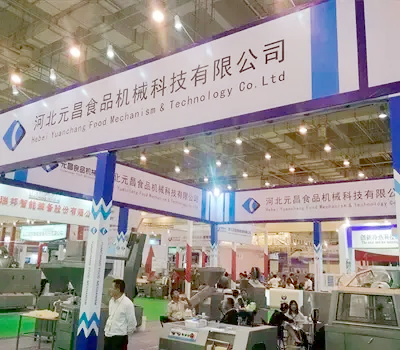
- Extensive Machining Workshop: Our 14,000 square meter facility houses over 20 sets of advanced processing machinery, including lathes, milling machines, high-precision grinding machines, boring machines, plate shears, bending machines, and wire cutting equipment. This allows us to produce intricate components in-house.
- Japanese CNC Machining Centers: Since 2012, we've invested in 8 sets of Japanese Mazak CNC machining centers. This state-of-the-art equipment enables us to manufacture high-standard components requiring large volumes, extreme precision, and non-standard specifications – essential for wear-resistant parts in sand vacuum pumps.
- Integrated R&D, Production, and Sales: Our team of 80-100 dedicated employees seamlessly integrates research, development, production, and sales. This holistic approach ensures that our product designs are informed by manufacturing realities and customer feedback.
- Independent Component Production: Our ability to independently produce high-precision parts is a significant advantage. This control over quality and supply chain ensures consistency and allows for rapid customization or replacement of components, contributing to worry-free after-sales service.
- Focus on Material Expertise: Decades of experience have endowed us with deep knowledge of material properties, especially in handling challenging substances. This expertise is directly applied to selecting and working with the wear-resistant materials crucial for abrasive environments.
Our commitment to investing in advanced manufacturing technology and fostering a highly skilled workforce ensures that every piece of equipment leaving our facility meets stringent quality benchmarks. This is the same dedication that drives innovation in the meat and poultry processing equipment market and across all industrial sectors requiring reliable machinery.
Quality Assurance: Our Commitment to Standards
Quality and reliability are not just aspirations at Hebei Yuanchang; they are embedded in our manufacturing processes. While sand vacuum pumps may not always require highly specialized certifications like food-grade equipment, our adherence to rigorous quality management systems ensures our products meet international expectations for industrial machinery.
We operate under strict internal quality control protocols, encompassing:
- ISO 9001 Standards: Our quality management systems are aligned with ISO 9001 principles, ensuring consistent product quality and customer satisfaction through standardized processes.
- Material Traceability: We maintain rigorous tracking of raw materials and critical components used in manufacturing, ensuring that only approved, high-quality materials enter our production lines.
- In-Process Quality Checks: Throughout the manufacturing cycle, from machining to assembly, multiple quality checkpoints are in place to identify and rectify any deviations from specifications.
- Final Performance Testing: Before shipment, every sand vacuum pump undergoes thorough functional testing to verify its performance parameters, including vacuum levels, airflow, and operational stability.

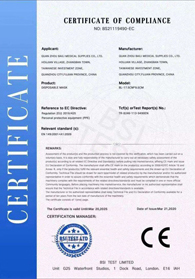

Our commitment to quality ensures that when you procure a sand vacuum pump from us, you receive equipment built to exacting standards, backed by decades of manufacturing experience. This dedication to quality is a hallmark across all industrial sectors, from heavy machinery to specialized equipment like meat processing equipment, where reliability is non-negotiable.
Client Feedback: Real-World Performance
Don't just take our word for it. Here’s what some of our clients have experienced after integrating our sand vacuum pumps into their operations:
 Mark R., Project Manager, Coastal Construction Inc.
"We were struggling with clearing sand from foundation sites after heavy rains. Manual labor was slow and risky. The sand vacuum pump we got from Hebei Yuanchang has been a game-changer. It’s powerful, reliable, and significantly cut down our clearing time and labor costs. The dust suppression is also a major plus on our urban sites."
Reviewed: August 15, 2023
 Sarah Chen, Operations Director, Portside Bulk Handlers
"Unloading fine aggregates from barges used to be a bottleneck. The throughput we achieve with your vacuum pump system is impressive. It handles the material without excessive wear on the hoses, and the separation efficiency is excellent. The support team was very helpful in selecting the right model for our specific needs."
Reviewed: June 10, 2023
 David Lee, Plant Manager, Apex Foundry Supplies
"We use our sand vacuum pump primarily for reclaiming and moving foundry sand. The precision required in foundries means we can't afford excessive dust or material degradation. This unit performs exceptionally well, keeping our work area cleaner and ensuring consistent sand quality. The build quality is solid, as expected from a manufacturer with your history."
Reviewed: April 22, 2023
Your Questions Answered: FAQ
- Q: What is the maximum conveying distance for your sand vacuum pumps?
- A: The maximum conveying distance varies significantly based on the specific model, material properties, hose diameter, and vertical lift required. Generally, horizontal distances of up to 100 meters and vertical lifts of 30 meters are achievable with standard configurations. For specific project requirements, our engineers can provide detailed calculations.
- Q: Can these pumps handle materials other than sand?
- A: Yes, sand vacuum pumps are designed for a wide range of granular and abrasive bulk solids, including gravel, small stones, coal fines, cement, dry powders, and certain types of grain. However, it's crucial to specify the exact material for optimal system selection and potential component modifications (e.g., hose type).
- Q: How do I select the right size sand vacuum pump?
- A: Selection depends on your material's properties, the required throughput (tons per hour), and the conveying distance. We recommend consulting with our sales engineers. They will guide you through assessing these factors to determine the most suitable model for your application.
- Q: What is the typical maintenance schedule?
- A: Daily checks of hoses and connections, weekly cleaning of filters, and periodic inspection of wear parts (like pump vanes and hose linings) are standard. A detailed maintenance guide is provided with each unit. Our commitment to providing high-precision replacement parts ensures minimal downtime when maintenance is required.
- Q: Do you offer OEM/ODM services for sand vacuum pumps?
- A: Yes, we are equipped to provide OEM (Original Equipment Manufacturer) and ODM (Original Design Manufacturer) services. Our advanced manufacturing capabilities allow us to tailor equipment to your specific branding requirements or develop unique design modifications for specialized applications.
Optimize Your Material Handling Today
Ready to enhance operational efficiency, improve safety, and reduce costs with a reliable sand vacuum pump solution? Our expert team is here to help you select the perfect equipment for your needs.
Contact Us:
Phone: +86 15830991513
E-mail: ycmeatmech@gmail.com
Address: Shijiazhuang, Hebei Province, China