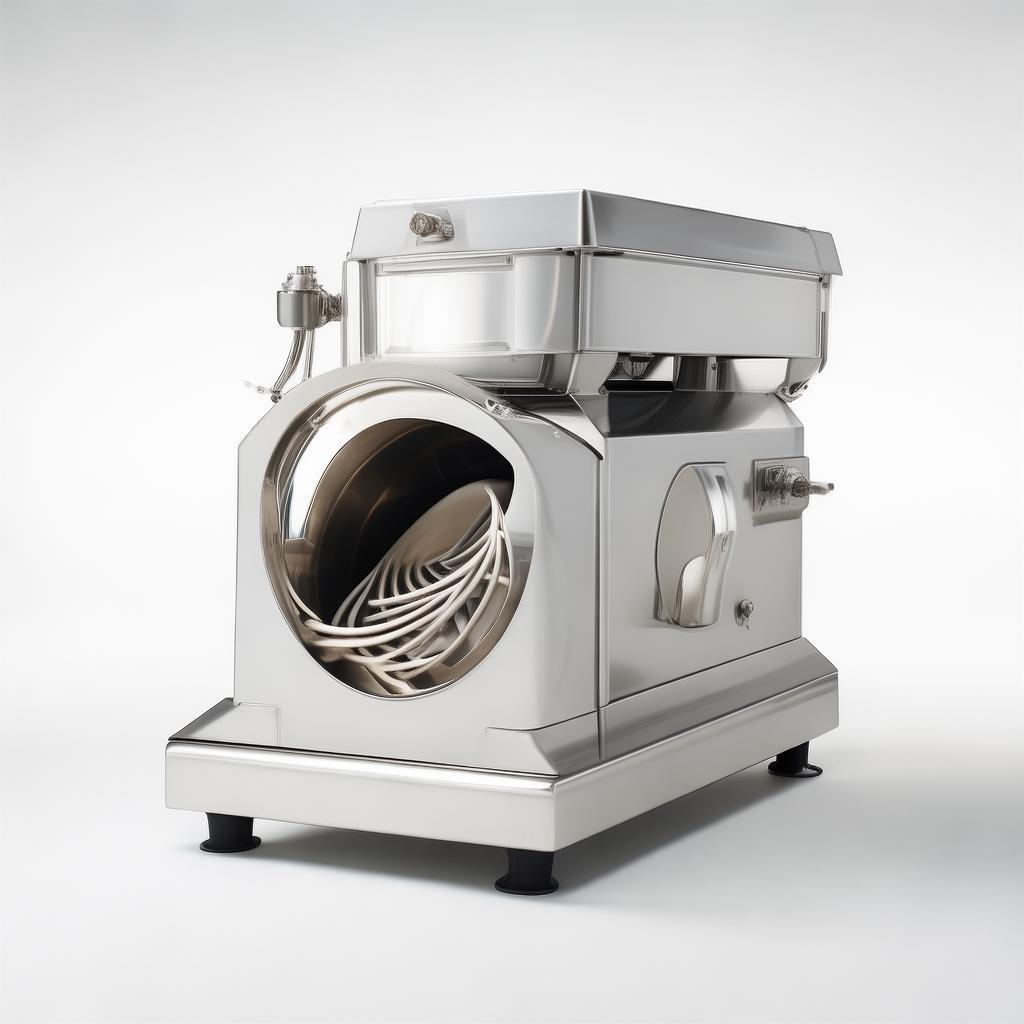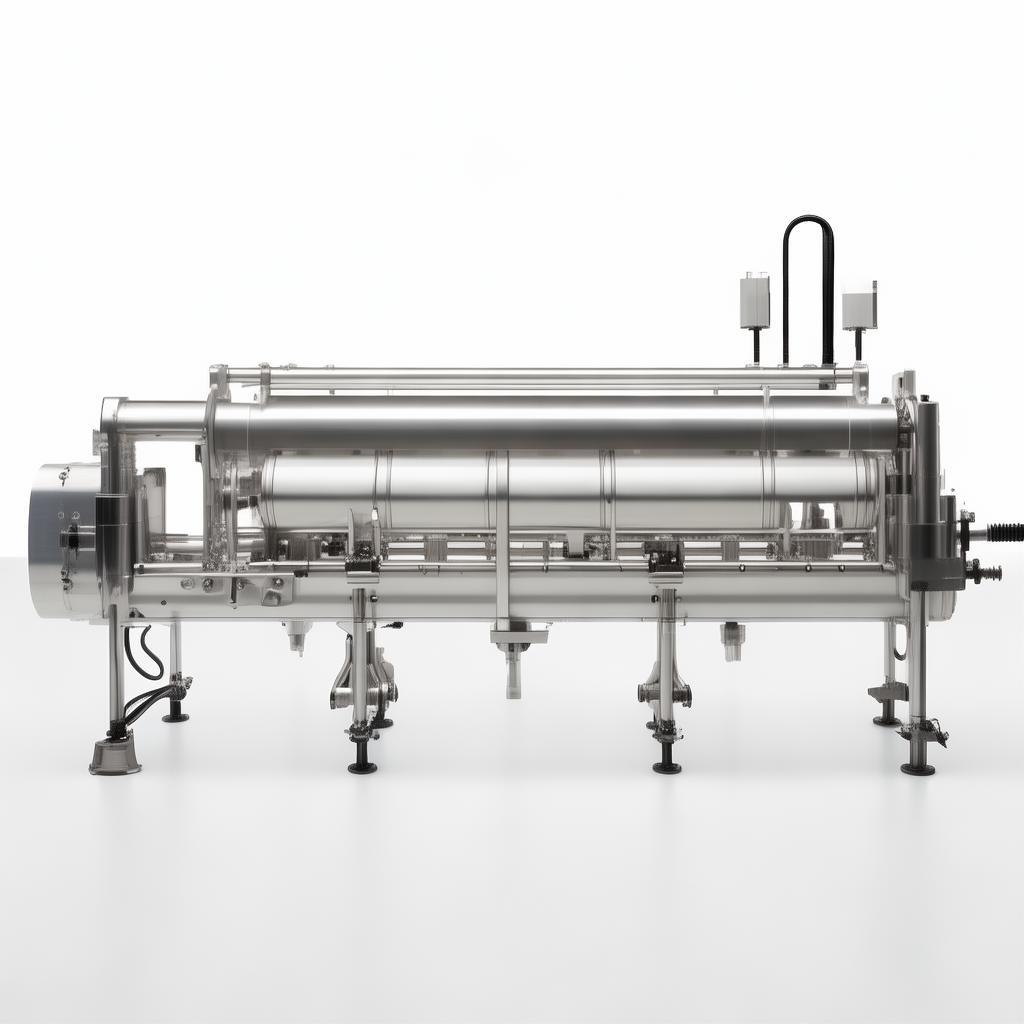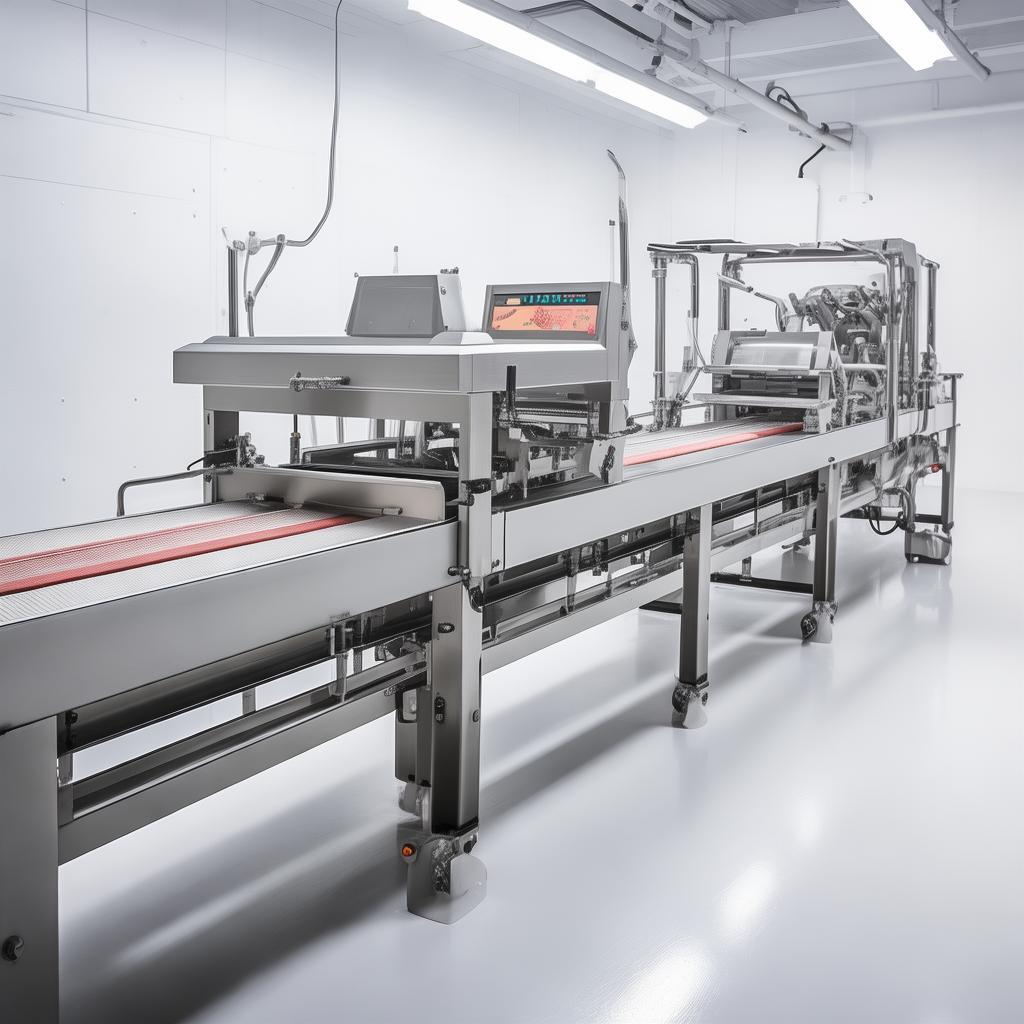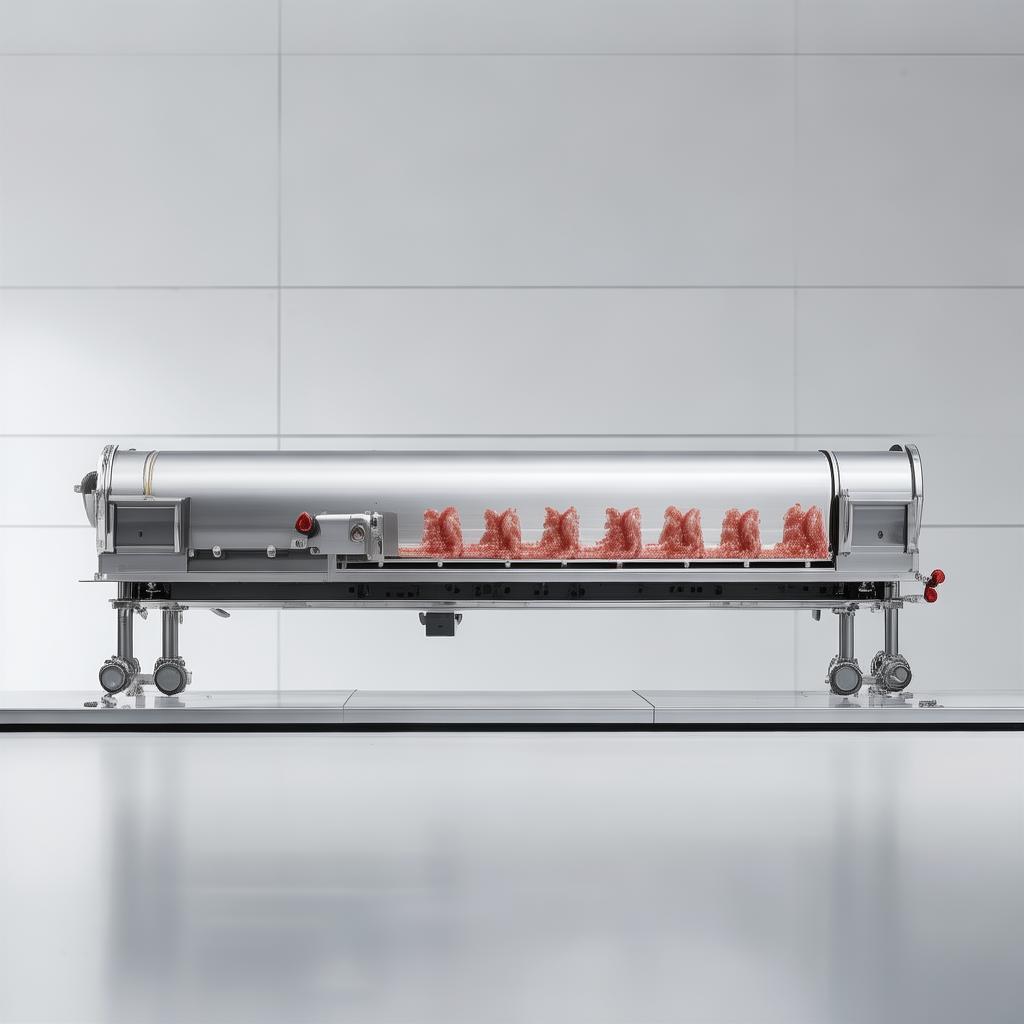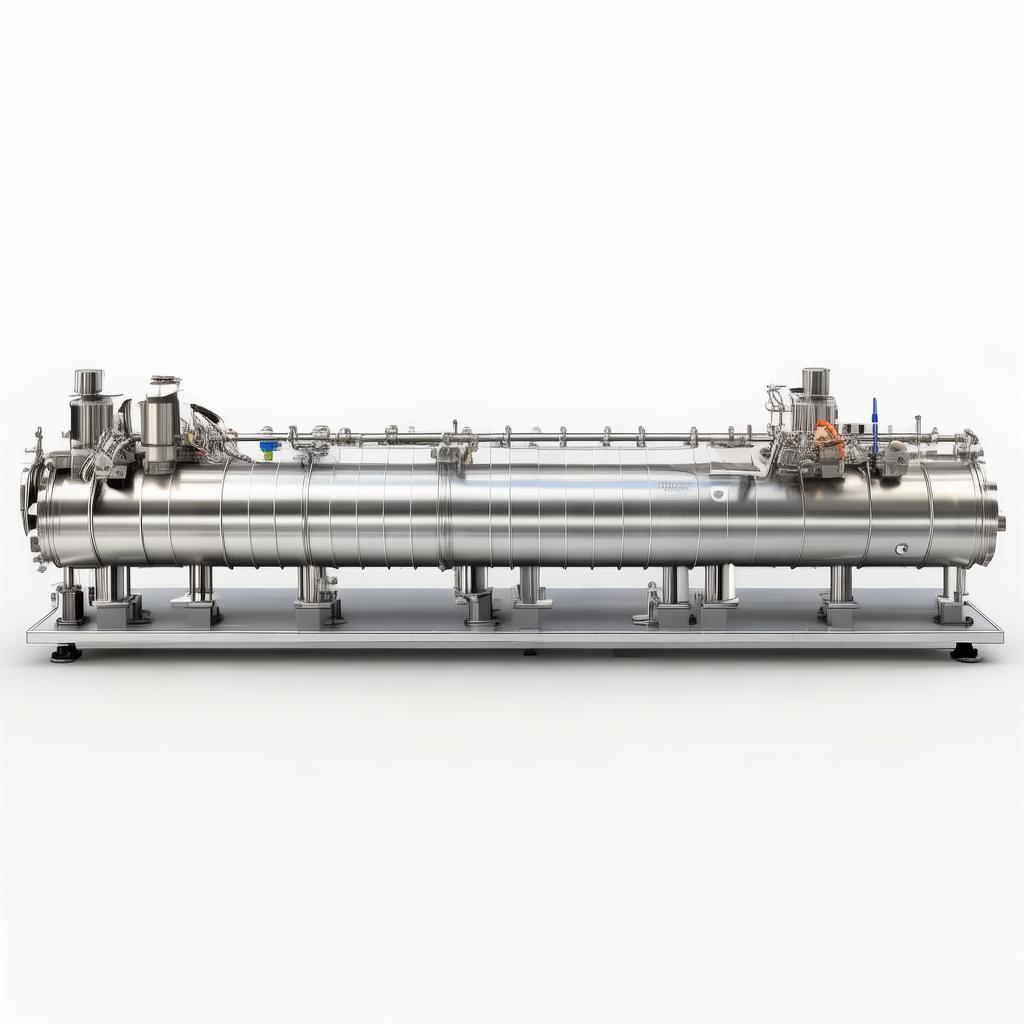
Vacuum Tray Sealer
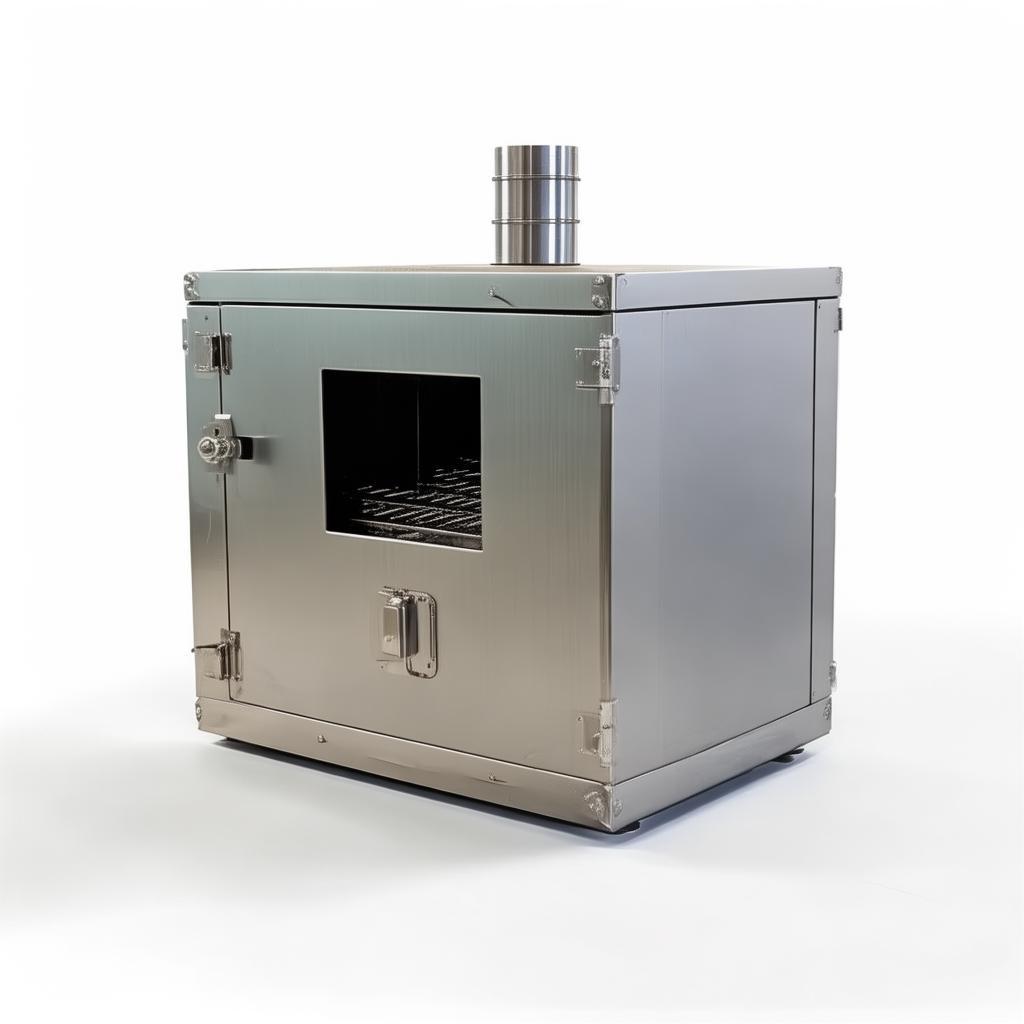
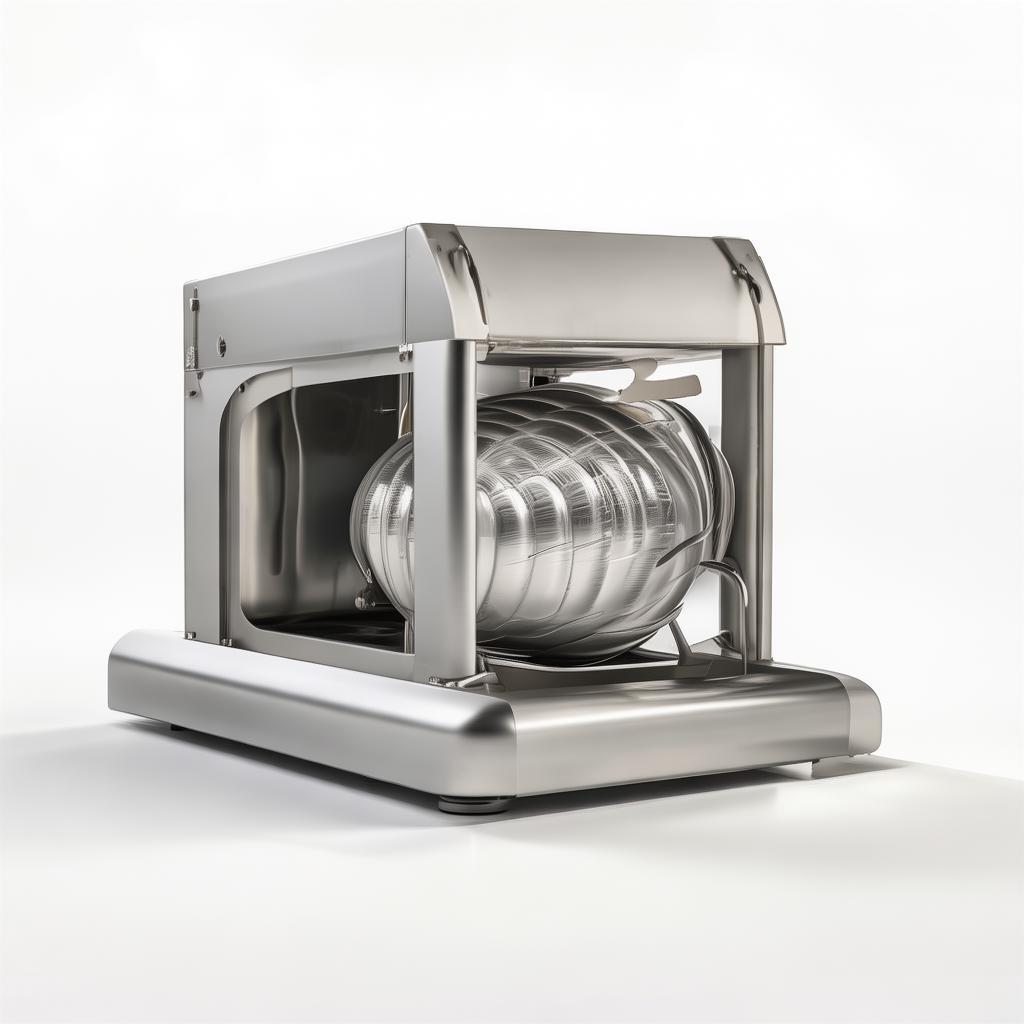
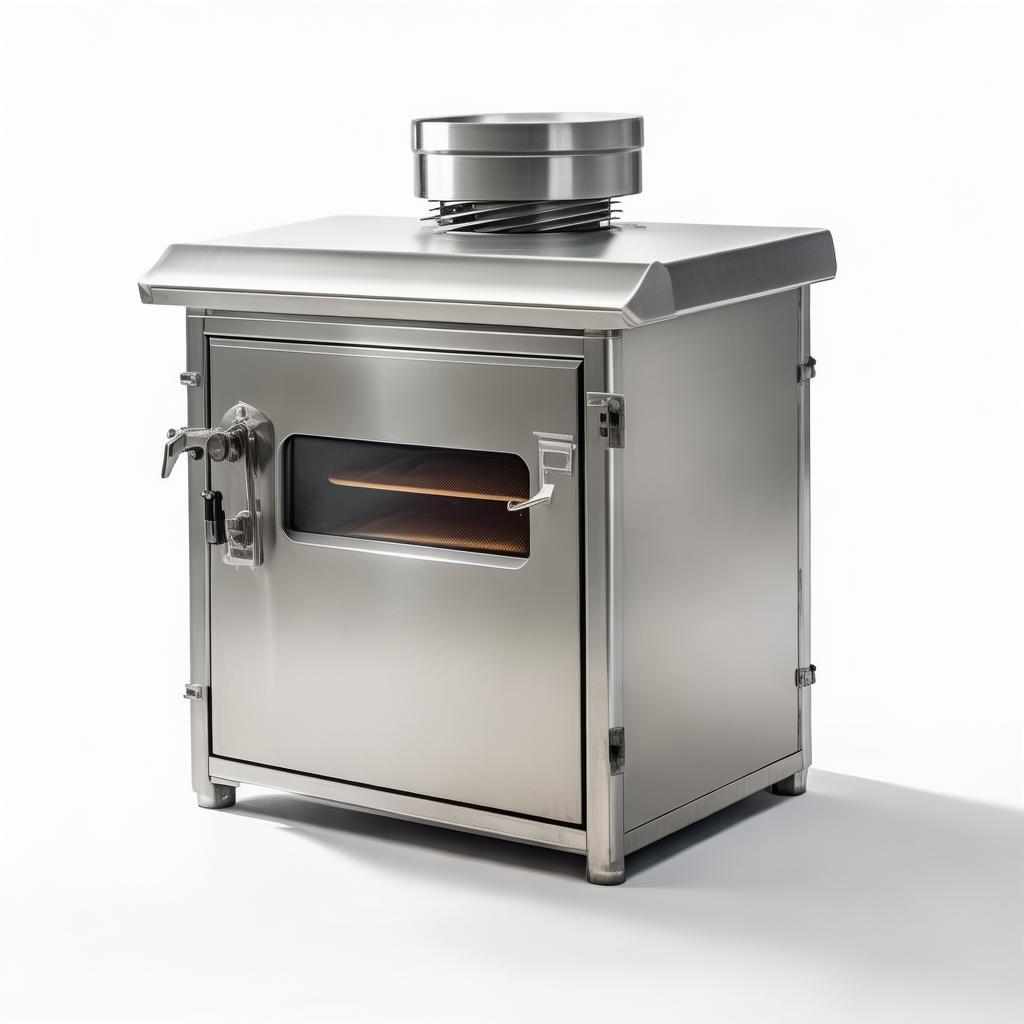
Revolutionize Your Packaging: Precision Vacuum Tray Sealers for Industrial Excellence
 By Mark Chen | Export Director, Hebei Yuanchang Food Mechanism & Technology Co., Ltd.
40 Years of Manufacturing Expertise | Global Supplier | OEM/ODM Solutions
The Critical Role of Vacuum Tray Sealing in Modern B2B Supply Chains
In today's competitive global marketplace, the integrity and presentation of packaged goods are paramount. For businesses involved in international trade, wholesale distribution, and OEM/ODM manufacturing, particularly within the food, pharmaceutical, and electronics sectors, the choice of packaging equipment can significantly impact product shelf-life, consumer trust, and ultimately, profitability. A vacuum tray sealer stands out as a cornerstone technology, offering a robust solution for extending product viability and ensuring safe, secure transit. It’s more than just sealing a container; it’s about preserving value, maintaining quality, and meeting stringent international standards.
We’ve seen firsthand how an improperly sealed product can lead to costly returns, reputational damage, and lost sales opportunities. The process of vacuum sealing involves removing air from the packaging before it’s hermetically sealed. This removal of oxygen is critical for inhibiting the growth of aerobic bacteria and other microorganisms, drastically slowing down spoilage and oxidation. When combined with a rigid tray, it provides a protective buffer that significantly enhances product robustness during handling and transport. This is especially vital for perishable goods, where maintaining freshness from the production line to the end consumer’s hands is a non-negotiable requirement.
Consider the complexities of cross-border commerce. Products often endure long journeys, experiencing fluctuating temperatures, humidity levels, and mechanical stress. A standard seal might not withstand these rigors. A vacuum-sealed tray, however, offers a more resilient enclosure. The reduced internal pressure also minimizes the risk of leakage or product deformation. For international buyers, particularly those in North America and Europe, understanding these nuances is key to selecting equipment that doesn't just meet initial cost expectations but delivers long-term operational efficiency and product protection. The global meat processing equipment market, for instance, is projected to reach USD 19.11 billion by 2035, with a CAGR of 4.89% (Precedence Research), highlighting the immense demand for reliable processing and packaging solutions like advanced vacuum tray sealers. This growth is intrinsically linked to the rising consumption of processed meats and the need for sophisticated equipment that supports efficient pretreatment, molding, and, crucially, extended shelf-life.
Our experience at Hebei Yuanchang, spanning four decades since 1986, has shown us that investing in high-quality vacuum tray sealing technology is not an expense, but a strategic decision. It directly impacts your ability to compete on a global scale, offer premium products, and build lasting customer relationships. The demand for processed and convenience foods continues to surge, as evidenced by the global processed meat market projected to reach USD 1,253.77 billion by 2034 at a CAGR of 6.62% (Fortune Business Insights). This trend necessitates advanced packaging solutions that can handle increased production volumes while maintaining stringent quality and safety standards. A reliable vacuum tray sealer is at the heart of this capability, ensuring that products like sausages, ready-to-eat meals, and delicate bakery items arrive fresh and intact.
For many procurement directors and operations managers, the immediate concern might be the initial capital outlay. However, it’s crucial to evaluate this against the total cost of ownership, including reduced spoilage rates, lower return logistics, enhanced brand perception, and the avoidance of costly product recalls. The sophistication of modern vacuum tray sealers extends beyond mere air removal; advanced models offer precise control over sealing parameters (temperature, pressure, time), gas flushing capabilities (Modified Atmosphere Packaging - MAP), and integration with automated production lines. These features are not luxuries but necessities for businesses aiming for operational excellence and a competitive edge.
Furthermore, the choice of tray material and film compatibility is intrinsically linked to the performance of the vacuum tray sealer. Selecting the right combination ensures a hermetic seal that can withstand the rigors of distribution. Understanding the physical and chemical properties of packaging materials, such as PET, PP, and various barrier films (e.g., EVOH, PA), is crucial for achieving optimal results. Our engineering team frequently consults with clients on these material science aspects to ensure their vacuum tray sealing solution is perfectly tailored to their specific product and market requirements. This holistic approach is what sets apart merely a supplier from a true manufacturing partner.
The industrial landscape is constantly evolving. With automation becoming a standard expectation in efficient manufacturing, the vacuum tray sealer is no exception. Integrated systems that can automatically load trays, perform the vacuum sealing, and then pass the sealed product to the next stage of the packaging line (e.g., labeling, boxing) are increasingly in demand. This drive for efficiency is echoed in the meat processing equipment market, where automation adoption for hygiene and labor efficiency is a key growth driver (Fortune Business Insights). A robust vacuum tray sealer contributes directly to this automated workflow, minimizing manual handling and potential contamination points.
When you are evaluating potential suppliers, look beyond the basic specifications. Consider their manufacturing capabilities, their track record in international markets, their ability to provide technical support, and their commitment to quality certifications. At Hebei Yuanchang, our 40 years of experience, coupled with our investment in advanced CNC machining centers, allows us to produce high-precision components that ensure the reliability and longevity of our vacuum tray sealers. We understand that for international buyers, trust is built on consistent performance, transparent communication, and a demonstrable commitment to excellence. This article aims to provide a comprehensive overview of vacuum tray sealers, addressing your key concerns from a procurement, operational, and technical perspective, helping you make an informed decision for your business’s success.
Addressing Key Procurement Challenges in Vacuum Tray Sealer Acquisition
Navigating the procurement of industrial machinery, especially for international markets, presents unique challenges. For vacuum tray sealers, these often revolve around ensuring reliable performance, understanding technical specifications, managing logistics, and securing dependable after-sales support. Many purchasing managers grapple with the inherent risks of cross-border transactions: differing quality standards, communication barriers, and the potential for unforeseen import duties or shipping delays.
One significant hurdle is verifying manufacturer credibility and product quality. In a globalized supply chain, distinguishing between reputable manufacturers and those with lower standards can be difficult. Our recommendation is to always look for suppliers with a long history, demonstrable export experience, and clear certifications. For example, at Hebei Yuanchang, we operate with ISO certifications, underscoring our commitment to quality management systems. Furthermore, understanding the factory's in-house production capabilities, like our extensive machining workshop featuring Japanese Mazak CNC centers, provides tangible proof of our ability to control component quality. This is critical for vacuum tray sealers, where precision in sealing mechanisms directly impacts performance.
Another common concern is technical specification interpretation. Vacuum tray sealers vary widely in their capabilities, from semi-automatic benchtop models to fully integrated, high-speed production lines. Understanding parameters like vacuum pump capacity, sealing bar dimensions, cycle times, power requirements, and compatibility with different tray materials and films is essential. Procurement teams must clearly define their production needs – volume, product type, packaging format, and desired shelf-life extension – to select the right machine. Don't hesitate to ask for detailed technical drawings, performance data, and even video demonstrations of the equipment in action.
Logistics and shipping are often underestimated. For international B2B trade, freight costs, transit times, customs clearance, and packaging for sea or air cargo are critical considerations. A supplier experienced in exporting can provide accurate quotes, manage shipping documentation, and ensure the equipment is securely crated for transit. We typically advise on container optimization to reduce freight costs, a practical consideration that directly impacts your bottom line. Understanding lead times from order placement to delivery is also vital for production planning.
After-sales support and spare parts availability are paramount for long-term operational continuity. A vacuum tray sealer is a significant investment, and downtime can be extremely costly. Enquire about warranty terms, the availability of technical support (remote or on-site), and the ease of sourcing replacement parts. Our own traceable after-sales management system, coupled with our ability to independently produce high-precision parts, ensures our clients receive prompt and reliable support, minimizing operational interruptions. This focus on worry-free service is a key differentiator for experienced manufacturers.
Finally, consider compliance and certifications. Depending on your target market, specific certifications like CE (for Europe) or FDA compliance (for food contact materials in the US) might be mandatory. While our primary focus is on manufacturing robust machinery, we are experienced in working with clients to ensure their chosen configuration meets the necessary regulatory requirements for their intended markets. Always clarify these requirements upfront.
Unpacking the Technology: How Vacuum Tray Sealers Work
At its core, a vacuum tray sealer automates a critical packaging process: creating an airtight seal around a product presented in a tray. The operation can be broken down into several key stages, each contributing to the final, reliable package. Understanding this process helps in appreciating the engineering involved and the potential for customization.
Standard Operational Cycle:
- Tray Loading: The process begins with a product placed inside a pre-formed tray. The tray is then manually or automatically positioned onto the sealing machine's platform.
- Chamber Closure: For most vacuum tray sealers, the tray sits within a sealing chamber. This chamber is then closed, creating a sealed environment.
- Vacuum Generation: A vacuum pump actively removes the air from within the sealed chamber. The efficiency and speed of this evacuation are determined by the pump's capacity and the chamber's seal integrity. This is the core step for achieving a vacuum.
- Sealing: Once the desired vacuum level is reached, heating elements within the sealing head press down onto the tray's rim. This heat, combined with pressure, melts the sealing film or lid, creating a permanent, hermetic bond with the tray. Precise control over temperature, pressure, and dwell time is crucial here to prevent seal failure or material damage.
- Gas Flushing (Optional): Many advanced machines offer Modified Atmosphere Packaging (MAP). After vacuuming, a specific blend of gases (e.g., nitrogen, carbon dioxide, oxygen) can be introduced into the chamber before sealing. This displents the remaining air and creates an optimal atmosphere to further extend shelf life and preserve product appearance and texture.
- Chamber Opening & Ejection: The chamber opens, and the tray, now sealed and protected, is ejected or ready for manual removal.
The vacuum pump is the heart of the system's air removal capability. Industrial-grade vacuum pumps, often rotary vane or diaphragm types, are selected based on the required vacuum level, evacuation speed, and the duty cycle of the machine. A pump with insufficient capacity will lead to longer cycle times and potentially inadequate vacuum, compromising the seal's effectiveness and shelf life. The global meat processing equipment market, which heavily relies on such packaging, is expected to reach USD 17.39 billion by 2034 (Fortune Business Insights), indicating the scale of demand for efficient and powerful vacuum solutions.
The sealing mechanism involves a heated sealing bar or die that forms the bond. The material of the sealing head, its temperature uniformity, and the pressure applied are all critical factors. Inconsistent heat or pressure can result in weak seals, leaks, or even scorching of the packaging material. For businesses producing high volumes, the robustness and precision of this sealing system directly translate to reduced product spoilage and fewer rejected packages. Our in-house machining capabilities ensure that these critical components are manufactured to exacting tolerances, providing a consistently reliable seal.
Control systems range from simple mechanical timers to advanced PLC (Programmable Logic Controller) interfaces with touchscreens. Modern machines offer precise digital control over vacuum levels, sealing temperatures, dwell times, and gas mixtures. This level of control is essential for optimizing packaging for different products and materials, ensuring consistency and repeatability batch after batch. For buyers looking at advanced features, compatibility with automation systems and data logging capabilities for quality assurance are important considerations.
Beyond the basic vacuum sealing, many machines are designed for Modified Atmosphere Packaging (MAP). This is a significant advancement for extending shelf life and maintaining product quality for items like fresh meats, poultry, and ready-to-eat meals. By replacing the air with a specific gas mixture, aerobic spoilage is significantly slowed, and anaerobic spoilage can be inhibited, all while maintaining an appealing product appearance. The global meat processing equipment market, including systems for pretreatment, molding, and ripening, is seeing robust growth driven by demand for such value-added packaging solutions.
Key Advantages of Utilizing a Vacuum Tray Sealer
The integration of a vacuum tray sealer into your production line offers a multitude of benefits that directly impact product quality, market reach, and operational efficiency. For businesses operating in the competitive wholesale export and OEM/ODM space, these advantages are crucial for staying ahead.
- Extended Product Shelf Life: By removing oxygen, vacuum sealing dramatically inhibits the growth of aerobic bacteria, molds, and yeasts, significantly slowing down spoilage. This allows products to remain fresh and safe for consumption for much longer periods, reducing waste and enabling wider distribution channels. This is a critical factor for perishable goods, a major segment driving the processed meat market, projected to reach USD 1,330.45 billion by 2035 (Precedence Research).
- Preservation of Product Quality: Oxidation, a major cause of food degradation, is greatly reduced. This means products retain their color, flavor, aroma, and nutritional value for longer. For delicate items like prepared meals or specialty meats, this preservation is key to maintaining brand reputation.
- Enhanced Product Presentation: A vacuum-sealed tray provides a rigid, attractive package that presents well on retail shelves. The product is protected from physical damage, ensuring it reaches the consumer in optimal condition. MAP integration can further enhance visual appeal by maintaining vibrant colors.
- Improved Logistics and Reduced Waste: Extended shelf life allows for more flexible inventory management and wider distribution networks, including international shipping where transit times can be considerable. This reduces the risk of product expiring before it can be sold, thereby lowering waste and increasing profitability.
- Protection Against Contamination: The hermetic seal acts as a barrier against external contaminants, including moisture, dust, and microbes, ensuring product hygiene throughout the supply chain.
- Compliance with International Standards: Many export markets have strict regulations regarding food safety and packaging integrity. Vacuum tray sealers, especially those with certifications like CE or FDA compliance, help meet these requirements, facilitating smoother market entry.
- Operational Efficiency: Modern vacuum tray sealers can be integrated into automated production lines, increasing throughput and reducing labor costs. Our company's focus on precision engineering and durable components ensures high uptime and consistent performance, minimizing costly operational disruptions.
- Versatility: Our vacuum tray sealing solutions can handle a wide range of tray sizes and materials, and are adaptable to various product types, from solid meats and cheeses to semi-liquids and prepared meals. This adaptability makes them a sound investment for businesses with diverse product portfolios.
Technical Specifications: Building Blocks of Performance
Selecting the right vacuum tray sealer hinges on understanding its core technical specifications. These metrics dictate the machine’s capacity, speed, and suitability for your specific operational needs. Below is a typical breakdown of key parameters buyers should scrutinize when comparing models and suppliers.
| Specification | Description & Significance | Considerations for Buyers |
|---|---|---|
| Machine Type | Benchtop, Semi-Automatic, Fully Automatic, Inline | Depends on production volume, labor availability, and integration with existing lines. |
| Sealing Area/Max Tray Size | Maximum dimensions of the tray the machine can accommodate and seal. | Must match your primary tray dimensions. Check allowances for multiple trays per cycle on larger models. |
| Vacuum Pump Capacity | Rated in m³/hr or L/min, indicating the volume of air the pump can remove per unit of time. | Crucial for achieving desired vacuum levels quickly. Higher capacity means faster cycles. |
| Sealing Temperature Range | The operational temperature range of the sealing elements (e.g., 0-250°C). | Needs to be compatible with your chosen tray and film materials. Precise control is key. |
| Sealing Pressure | The force applied during sealing, measured in Newtons or PSI. | Ensures a strong, hermetic bond. Varies based on material and tray rim design. |
| Cycle Time | Total time to complete one sealing cycle (loading to ejection, excluding manual steps). | Directly impacts production capacity (trays per minute/hour). |
| Power Requirements | Voltage, phase, and wattage (e.g., 220V/380V, 50/60Hz, 3.5kW). | Must match your factory's available electrical supply. Confirm requirements for shipping. |
| Machine Dimensions & Weight | Physical size and weight of the unit. | Important for installation space, floor loading capacity, and shipping logistics. |
| Material Compatibility | Specifies suitable tray materials (e.g., PET, PP, PS, Aluminum) and film types (e.g., PE, PP, Laminates). | Essential for ensuring proper seal integrity and barrier properties. Consult with material suppliers. |
| Certifications | e.g., CE, UL, FDA (for food contact components). | Mandatory for certain markets. Verify authenticity and scope of certification. |
| MAP Capabilities | Whether the machine supports Modified Atmosphere Packaging (gas flushing). | Critical for high-value perishable items requiring extended shelf life and specific atmospheric conditions. |
commercial vacuum tray sealing machine vacuum pack sealer machine vacuum sealer machine for commercial use
When evaluating these specifications, remember to consider your future production needs. Investing in a machine with slightly higher capacity than currently required can prevent the need for an upgrade later. Our engineering team is always available to help translate your production requirements into the optimal technical specifications for a vacuum tray sealer.
Applications Across Industries
The versatility of vacuum tray sealers makes them indispensable across a wide spectrum of B2B sectors. Their ability to extend shelf life, maintain product integrity, and present goods attractively is a universal advantage.
Food & Beverage:
This is the most prominent sector. Vacuum tray sealing is essential for:
- Fresh Meats & Poultry: Extending shelf life, preserving color, and preventing oxidation. MAP is frequently employed here.
- Processed Meats: Sausages, ham, bacon, cured meats benefit from reduced spoilage.
- Seafood: Maintaining freshness and preventing odor transfer.
- Ready-to-Eat Meals & Meal Kits: Ensuring product integrity and appeal for extended periods.
- Dairy Products: Cheese, yogurt, butter, and other dairy items to prevent spoilage and maintain quality.
- Bakery Goods: Cakes, pastries, bread, and snacks to maintain freshness and prevent staleness.
- Fruits & Vegetables: Cut produce, berries, and salads to slow down respiration and decay.
Pharmaceuticals & Medical Devices:
Sterility and product integrity are paramount. Vacuum tray sealing is used for:
- Sterile disposable medical supplies (syringes, gloves, bandages).
- Pharmaceutical tablets, capsules, and powders.
- Diagnostic test kits.
Electronics & Components:
Protection from moisture, dust, and static discharge is vital for electronic components. Vacuum sealing is used for:
- Sensitive electronic components and circuit boards.
- Small consumer electronics.
- Industrial sensors and connectors.
Pet Food:
Ensuring the freshness and appeal of premium pet foods, treats, and supplements. The global meat processing equipment market includes dedicated lines for pet food, where efficient packaging is key to consumer trust.
The reconstituted meat market, for instance, is projected to grow significantly, driven by innovation and demand for convenient protein sources. This growth directly translates to an increased need for sophisticated molding and pretreatment equipment, including reliable vacuum tray sealing solutions that ensure product quality and extended shelf life.
Installation, Operation, and Maintenance Insights
Purchasing a vacuum tray sealer is just the first step. Proper installation, straightforward operation, and a diligent maintenance routine are critical for maximizing its lifespan, ensuring consistent performance, and realizing its full return on investment.
Installation: Most industrial vacuum tray sealers require a stable, level surface and access to appropriate electrical power. For units with vacuum pumps, adequate ventilation is essential to prevent overheating. If your machine includes compressed air lines (for pneumatic controls), ensure these are connected to a clean, dry air source. For fully automated systems, integration with upstream and downstream equipment requires careful planning and potentially specialized engineering support, which we can provide. Clearances around the machine for operation and maintenance access should always be factored into factory layout design.
Operation: Once installed, familiarization with the control panel is key. Operators should be trained on setting parameters (vacuum level, seal temperature, time) for different products and packaging materials. We provide comprehensive user manuals, and for critical installations, on-site training can be arranged. Key operational considerations include ensuring trays are correctly positioned, films are loaded properly, and the sealing area is kept clean to prevent defects. Regular checks of vacuum gauge readings and seal appearance are good practice.
Maintenance: Routine maintenance is the most effective way to prevent breakdowns and ensure optimal performance. The specific schedule will depend on the machine's usage and environment, but generally includes:
- Vacuum Pump: Regular oil changes (for oil-sealed pumps) and filter replacement are critical for longevity and efficiency.
- Sealing Elements: Periodic cleaning of sealing bars and checking of any protective films or Teflon tape for wear or damage. Worn-out elements can lead to poor seals.
- Gaskets and Seals: Inspecting door gaskets and other seals for cracks or deterioration that could compromise the vacuum chamber's integrity.
- General Cleaning: Keeping the machine free of product debris and cleaning fluids is essential for hygiene and preventing operational issues.
- Electrical Connections: Periodic checks to ensure all connections are secure.
Our experience indicates that businesses that implement a proactive maintenance schedule often see a significant reduction in unexpected downtime and extend the operational life of their equipment by years. We supply a full range of spare parts and offer technical support to assist with any maintenance queries.
Why Partner with Hebei Yuanchang for Your Vacuum Tray Sealer Needs?
For over 40 years, Hebei Yuanchang Food Mechanism & Technology Co., Ltd. has been a trusted name in industrial manufacturing, specializing in robust, high-performance equipment. Our commitment to quality, innovation, and customer satisfaction sets us apart in the international B2B market.
 Our modern manufacturing facility.
 ISO Certified Quality.
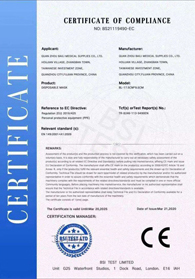 CE Compliance Available.
Our extensive experience, embodied by our team of 80-100 dedicated professionals and a 14,000 sq meter facility, ensures we understand the intricate demands of international trade. We pride ourselves on our in-house machining capabilities, utilizing over 20 sets of advanced processing machinery, including Japanese Mazak CNC centers. This allows us to produce high-precision, non-standard components, guaranteeing the quality and reliability that global clients expect.
We offer more than just equipment; we provide solutions. Whether you require standard vacuum tray sealers or custom OEM/ODM configurations tailored to unique product lines, our engineering team is equipped to meet your challenges. Our traceable after-sales management system and commitment to independent part production mean you benefit from worry-free service and readily available support, minimizing your operational risks.
Partner with us to leverage four decades of manufacturing excellence. We are committed to delivering value, performance, and reliability that will propel your business forward in the global arena.
Client Testimonials: Real-World Impact
"We were looking for a reliable vacuum tray sealer to improve the shelf life of our premium charcuterie line for export to the US market. Hebei Yuanchang not only provided a machine that exceeded our expectations in performance but also offered invaluable guidance on tray material selection. The consistency of the seals has dramatically reduced spoilage during transit."

Operations Manager, Gourmet Meats Inc.
"As an OEM manufacturer for ready-to-eat meals, packaging integrity is our top priority. The vacuum tray sealer from Hebei Yuanchang is incredibly robust and has significantly improved our line efficiency. Their after-sales support has been prompt and professional, which is crucial for maintaining our production schedules."

Production Lead, QuickMeal Solutions
"We integrated their vacuum tray sealer into our automated bakery line, and the results were immediate. The consistency of the seals means fewer product rejects and greater confidence in our export packaging. The machine's performance in maintaining freshness for our delicate pastries has been a game-changer."

Factory Manager, SweetArt Bakery
"Reliability is key for our medical device packaging. We needed a vacuum tray sealer that ensured sterile integrity. Hebei Yuanchang's machine has proven exceptionally dependable. The precision of the vacuum and sealing process meets our stringent quality control requirements, giving us peace of mind for our international shipments."

Quality Assurance Specialist, MedTech Innovations
Frequently Asked Questions (FAQ)
Q: What is the primary benefit of vacuum tray sealing for export?
The primary benefit is the significant extension of product shelf life by removing oxygen, which inhibits spoilage. This allows products to withstand longer transit times and fluctuating conditions inherent in international shipping, reducing waste and ensuring products arrive fresh.
Q: Can vacuum tray sealers handle Modified Atmosphere Packaging (MAP)?
Yes, many advanced vacuum tray sealers are equipped with MAP capabilities. This involves replacing the removed air with a specific gas mixture (e.g., nitrogen, CO2) to further preserve product quality, color, and freshness. It’s a critical feature for high-value perishables.
Q: What is the difference between vacuum sealing and vacuum tray sealing?
Vacuum sealing generally refers to removing air from a flexible pouch or bag. Vacuum tray sealing specifically involves placing a product in a rigid tray and then removing air from within that tray enclosure before sealing it with a lid or film. The tray provides structural support and product protection.
Q: How do I choose the right vacuum tray sealer for my business?
Consider your production volume, the types of products you package, the tray sizes and materials you use, and your target markets' requirements (e.g., certifications, shelf-life extension needs). Consulting with an experienced supplier like Hebei Yuanchang can help match your needs to the right machine specification.
Q: What kind of maintenance is typically required?
Routine maintenance includes cleaning, checking sealing elements for wear, replacing vacuum pump oil and filters, and inspecting gaskets. A proactive maintenance schedule is crucial for longevity and reliable operation. We provide detailed maintenance guides.
Q: Do you offer OEM/ODM services for vacuum tray sealers?
Absolutely. With our extensive manufacturing experience and advanced CNC capabilities, we excel at developing customized vacuum tray sealing solutions to meet specific OEM/ODM project requirements. Please contact us to discuss your unique needs.
Ready to Enhance Your Packaging and Extend Shelf Life?
Discover how our high-performance vacuum tray sealers can transform your production process and boost your international competitiveness.