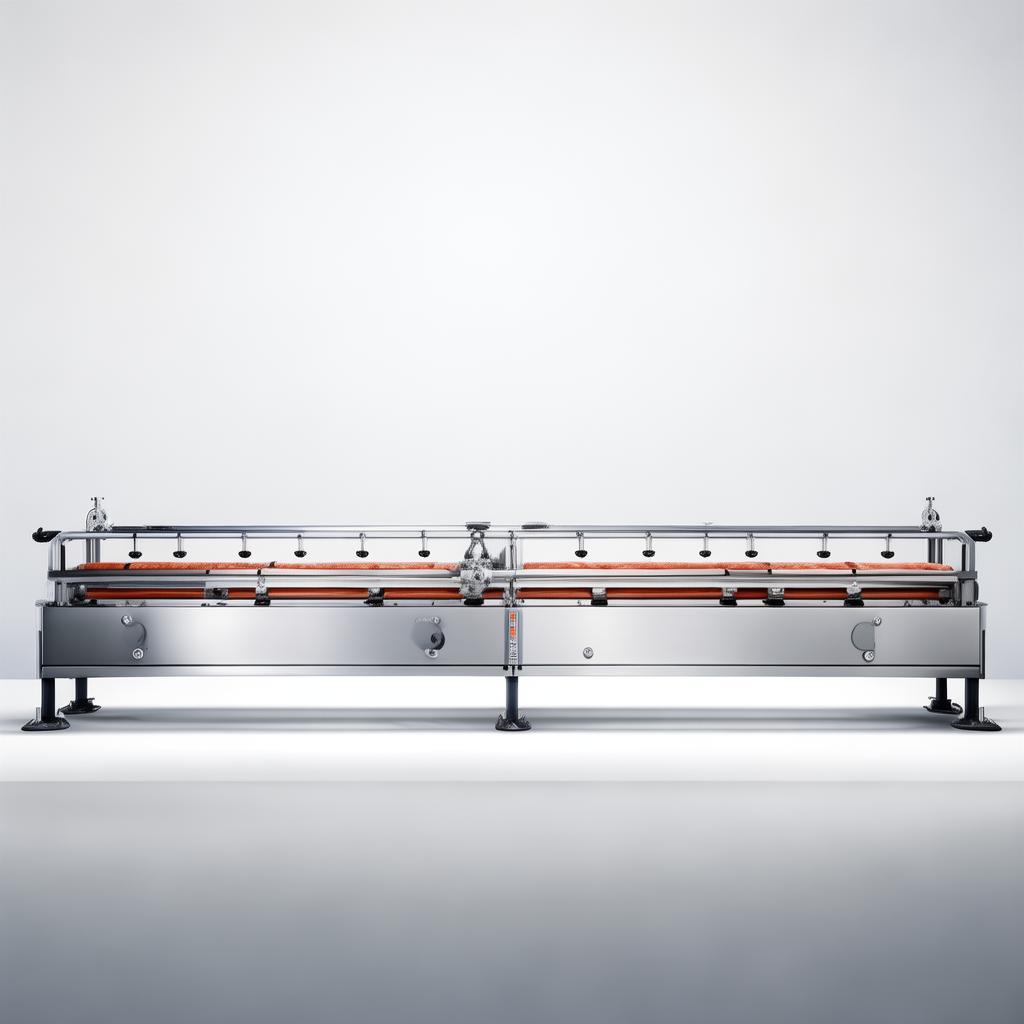
Sealing Machine The Commercial Vacuum
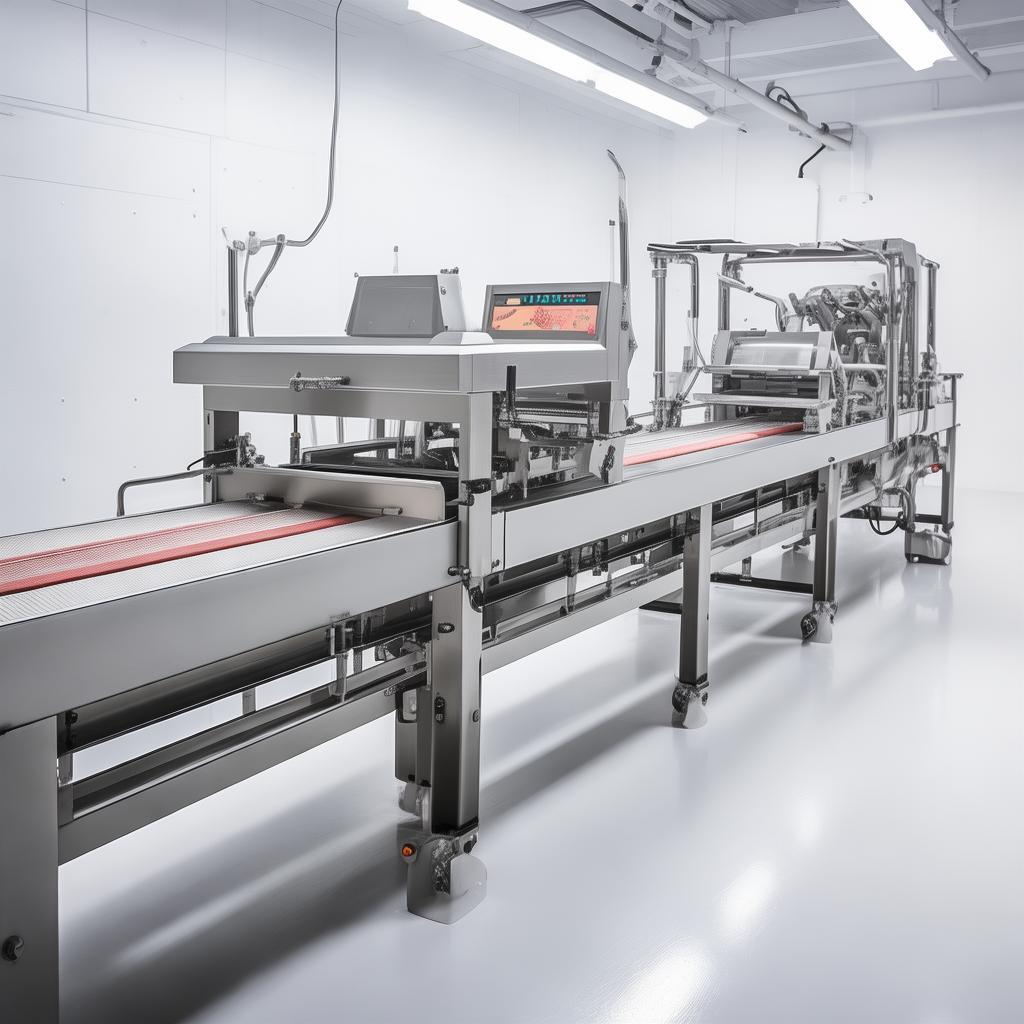
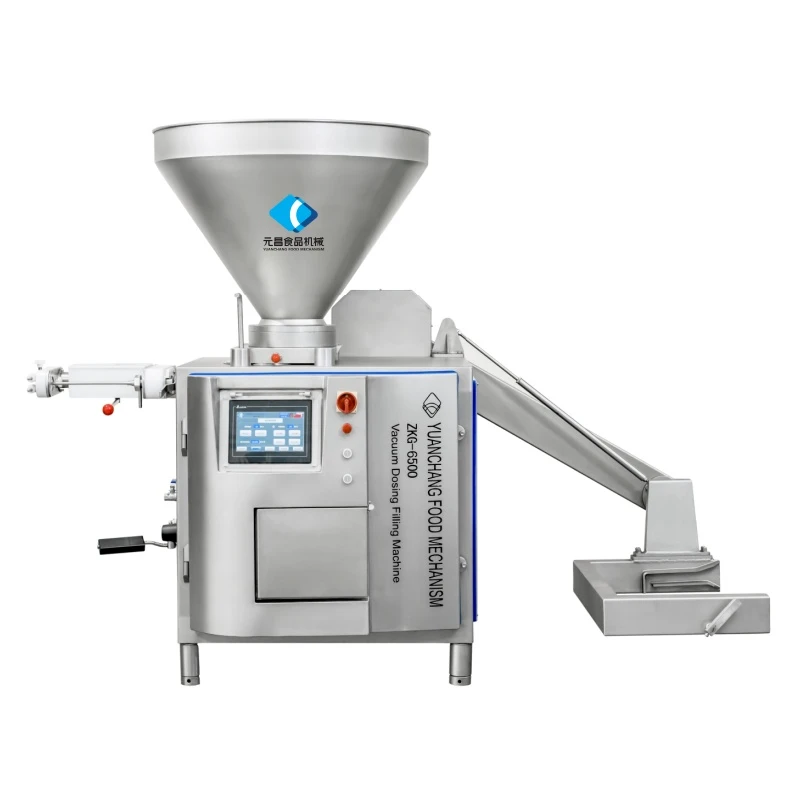
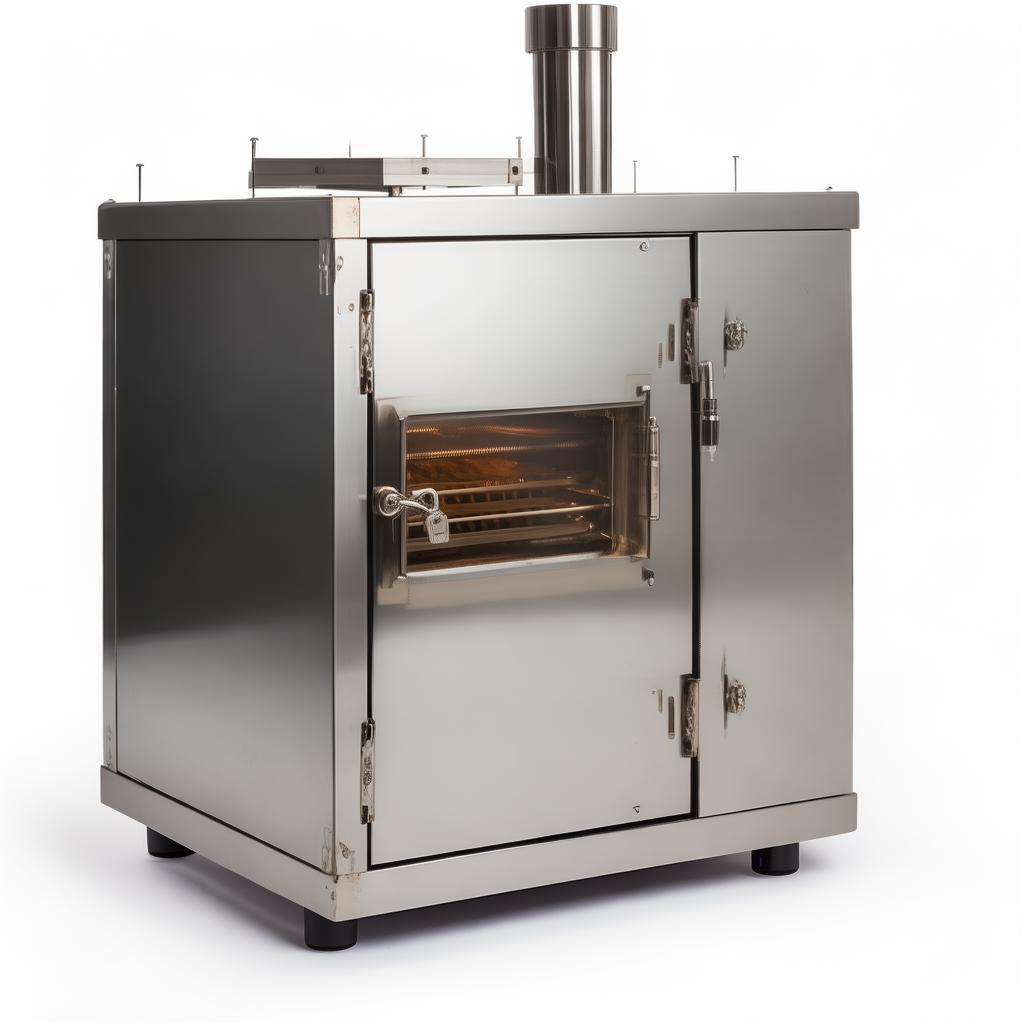
Commercial Vacuum Sealers: Elevating Preservation and Extending Shelf-Life in B2B Operations
By: Li Wei, Export Director

Hebei Yuanchang Food Mechanism & Technology Co., Ltd.
Why Commercial Vacuum Sealing Matters in Today's Market
In the fast-paced world of B2B food processing and distribution, maintaining product integrity and extending shelf life isn't just a preference—it's a critical operational imperative. The demand for high-quality, consistently preserved food products, whether for direct sale, catering, or further processing, continues to drive market expansion. The global meat processing equipment market, for instance, was valued at approximately USD 11.29 billion in 2025 and is projected to reach USD 17.39 billion by 2034, indicating a robust need for advanced preservation technologies.
At the core of efficient food preservation lies effective packaging. Traditional packaging methods often fall short when it comes to truly safeguarding products against spoilage, oxidation, and contamination. This is where the power of commercial vacuum sealing comes into play. By meticulously removing air from packaging before it's sealed, vacuum sealers create an oxygen-deprived environment. This significantly slows down the biological and chemical processes that lead to food degradation, such as the growth of aerobic bacteria and mold, as well as lipid oxidation which causes rancidity.
For businesses operating in sectors like wholesale export, food service, and manufacturing, this translates directly into tangible benefits. Reduced spoilage means less waste, lower costs, and improved profit margins. Extended shelf life opens up new market opportunities, allowing for wider distribution networks and the ability to serve a more geographically diverse clientele. Imagine shipping sensitive products across continents without the constant worry of them degrading mid-transit. This is the reality that robust vacuum sealing technology enables.
Furthermore, the convenience factor for the end consumer, or even the next step in your supply chain, cannot be overstated. Products sealed under vacuum are typically more compact, easier to store, and often presented in a manner that appeals to quality-conscious buyers. This is particularly relevant in segments like ready-to-eat meals, pre-portioned ingredients for food service, and high-value specialty food items where presentation and freshness are paramount.
The evolution of the processed meat market further underscores the importance of reliable sealing solutions. With a projected growth from USD 750.58 billion in 2026 to USD 1,253.77 billion by 2034, the demand for products like cured, smoked, and filled items directly fuels the need for sophisticated pretreatment, molding, and ripening technologies, where effective sealing is a non-negotiable component. Vacuum sealing is integral to achieving the desired texture, preventing premature oxidation, and ensuring the safety of these diverse product types.
Choosing the right commercial vacuum sealer is not a trivial decision. It involves understanding the specific demands of your operation: the types of products you handle, the volumes you process, the materials you'll be using, and the environmental conditions they will endure. Factors such as the sealing bar length, chamber size, vacuum pump power, and build materials all play a crucial role in performance and longevity. It's about finding a piece of equipment that integrates seamlessly into your workflow, enhances efficiency, and provides a consistent, reliable seal, batch after batch. This is where Hebei Yuanchang Food Mechanism & Technology Co., Ltd. steps in, offering solutions built on decades of manufacturing experience and a deep understanding of industrial food processing needs.
Our expertise, honed over 40 years since 1986, in R&D, production, and sales of specialized equipment, including advanced meat processing machinery, positions us uniquely to address these challenges. We understand that a vacuum sealer is not just an appliance; it's a vital piece of capital equipment that directly impacts your product quality, operational efficiency, and ultimately, your bottom line. We are here to guide you through the selection process, ensuring you find a solution that fits your current needs and scales with your future ambitions.
Addressing Operational Challenges in Food Preservation
In the competitive landscape of food production and distribution, several operational bottlenecks frequently arise, directly impacting profitability and customer satisfaction. These challenges often stem from inadequate preservation methods and inefficient packaging processes.
- Product Spoilage & Waste: Inefficient air removal or unreliable seals lead to rapid oxidation and microbial growth, resulting in significant product loss and increased disposal costs. This is a direct hit to your bottom line.
- Reduced Shelf Life: Standard packaging limits how long products can remain fresh, restricting distribution reach and often forcing retailers into aggressive markdowns to clear inventory.
- Loss of Quality & Freshness: Exposure to oxygen degrades flavor, color, and texture, diminishing the perceived value of premium products and potentially leading to customer dissatisfaction.
- Contamination Risks: Improper sealing can allow airborne contaminants or cross-contamination between products, posing significant food safety risks and potential recall liabilities.
- Inefficient Storage & Shipping: Non-vacuum-sealed products often take up more space, leading to underutilized container capacity and higher logistics costs per unit.
- Labor Intensive Processes: Older or less automated sealing methods can be slow and require more manual intervention, increasing labor costs and potential for human error.
Consider the nuances of handling delicate items like cured meats or pre-marinated poultry. A vacuum sealer that applies too much pressure or seals inconsistently can compromise the product's structure or integrity. The market for meat processing equipment is substantial, with reports projecting growth to upwards of USD 19 billion by 2034, highlighting the ongoing investment in solutions that address these precise operational hurdles.
Our experience shows that investing in a well-suited commercial vacuum sealer directly combats these issues. It's a foundational step towards optimizing your entire value chain, from initial production to final delivery.
Key Advantages of Our Commercial Vacuum Sealing Machines
Hebei Yuanchang's range of commercial vacuum sealers are engineered to tackle the operational challenges head-on, providing robust solutions for demanding B2B environments. We focus on delivering tangible benefits that impact your day-to-day operations and long-term business health.
Superior Preservation & Extended Shelf Life
Our powerful vacuum pumps and precise sealing mechanisms create an exceptionally low-oxygen environment, drastically slowing spoilage. This means fewer returns, less waste, and a wider market reach for your products.
Enhanced Product Quality and Presentation
By eliminating air pockets and preventing oxidation, vacuum sealing preserves the natural color, flavor, and texture of your products. This translates to higher perceived value and greater customer satisfaction.
Increased Operational Efficiency
Designed for commercial throughput, our machines offer rapid cycle times and intuitive operation, reducing labor costs and increasing the volume of product you can package per shift. Many models are built for continuous operation.
Robust Construction for Industrial Use
Utilizing high-grade stainless steel and durable components, our sealers are built to withstand the rigors of a production environment, ensuring reliability and longevity. This is crucial for minimizing downtime.
Furthermore, our commitment to engineering excellence means you receive equipment that is not only functional but also designed with ease of maintenance in mind. The market research consistently points to automation and hygiene as key drivers in the meat processing sector, and a high-quality vacuum sealer is a cornerstone of both. We understand the importance of equipment that can be easily cleaned and maintained to meet stringent food safety standards (e.g., FDA, CE compliance).
Technical Deep Dive: What to Expect
Selecting the right commercial vacuum sealer requires a close look at the specifications that define its performance and suitability for your specific needs. Our machines are engineered with precision and durability at their core.
Core Components & Performance Metrics
At Hebei Yuanchang, we focus on delivering robust machinery. Key specifications include:
| Specification | Details & Significance |
|---|---|
| Vacuum Pump Capacity | Measured in m³/h or L/min. Higher capacity means faster evacuation of air from the chamber, crucial for high-volume operations and achieving a deeper vacuum. |
| Sealing Bar Length & Width | Determines the maximum package size you can process. Standard lengths might range from 300mm to 600mm or more. Width ensures a secure, leak-proof seal. |
| Chamber Dimensions | Inner space available for placing products. Critical for handling bulkier items or multiple smaller packages simultaneously. |
| Vacuum Level Achieved | Typically measured in mbar or vacuum percentage. Aiming for -0.95 bar or higher is standard for excellent preservation. |
| Machine Construction Material | Predominantly high-grade stainless steel (e.g., SUS304) for durability, hygiene, and resistance to corrosion. This is non-negotiable in food processing environments. |
| Power Supply Requirements | Voltage, phase, and frequency compatibility for your facility (e.g., 220V/380V, 50/60Hz). |
| Cycle Time | The total time for one vacuum and sealing cycle. Faster cycle times directly correlate with higher throughput. |
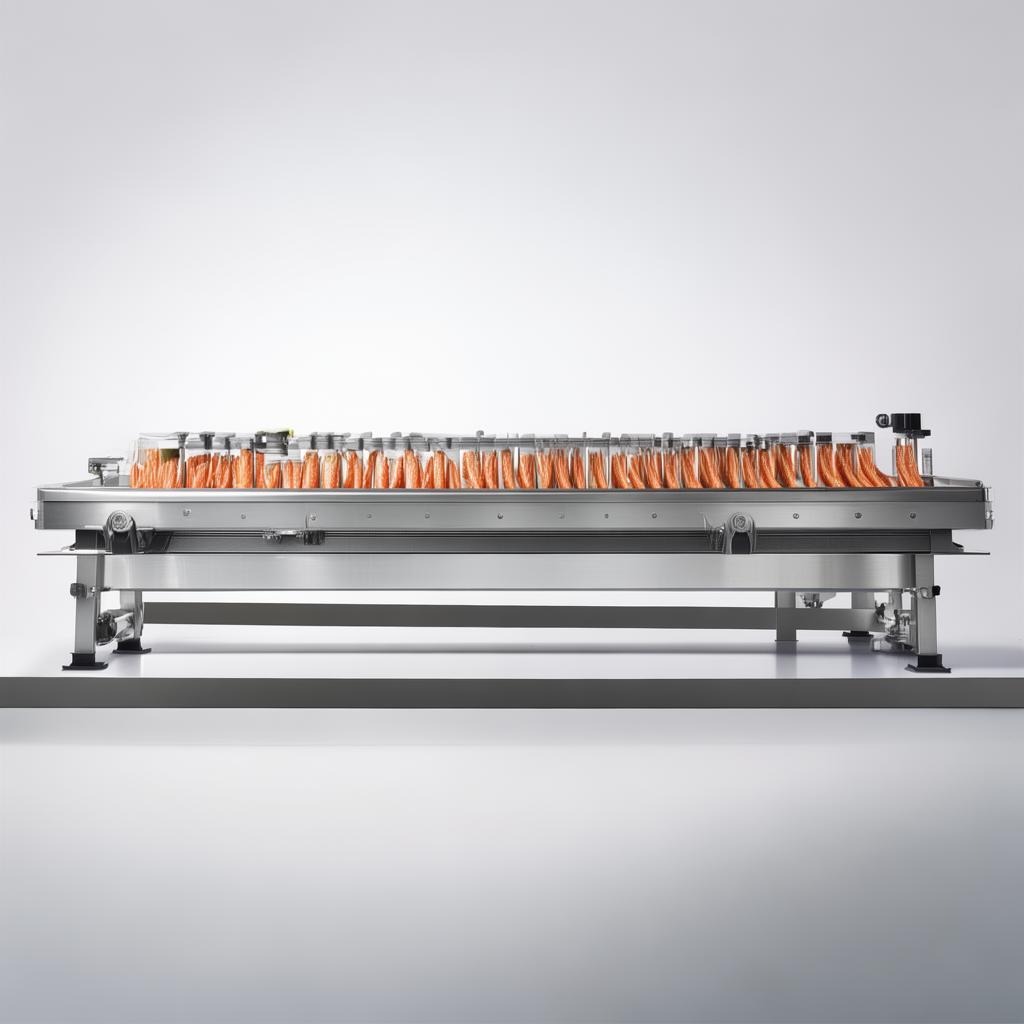
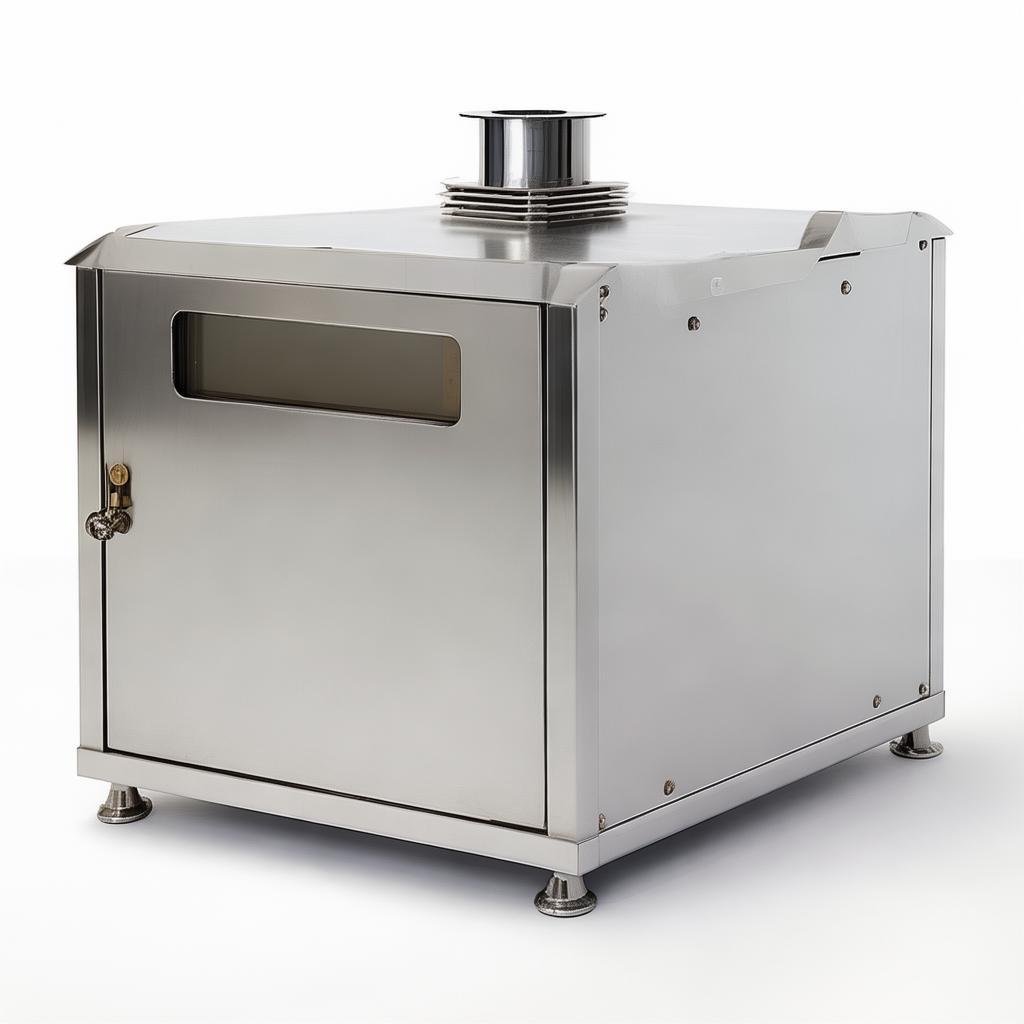
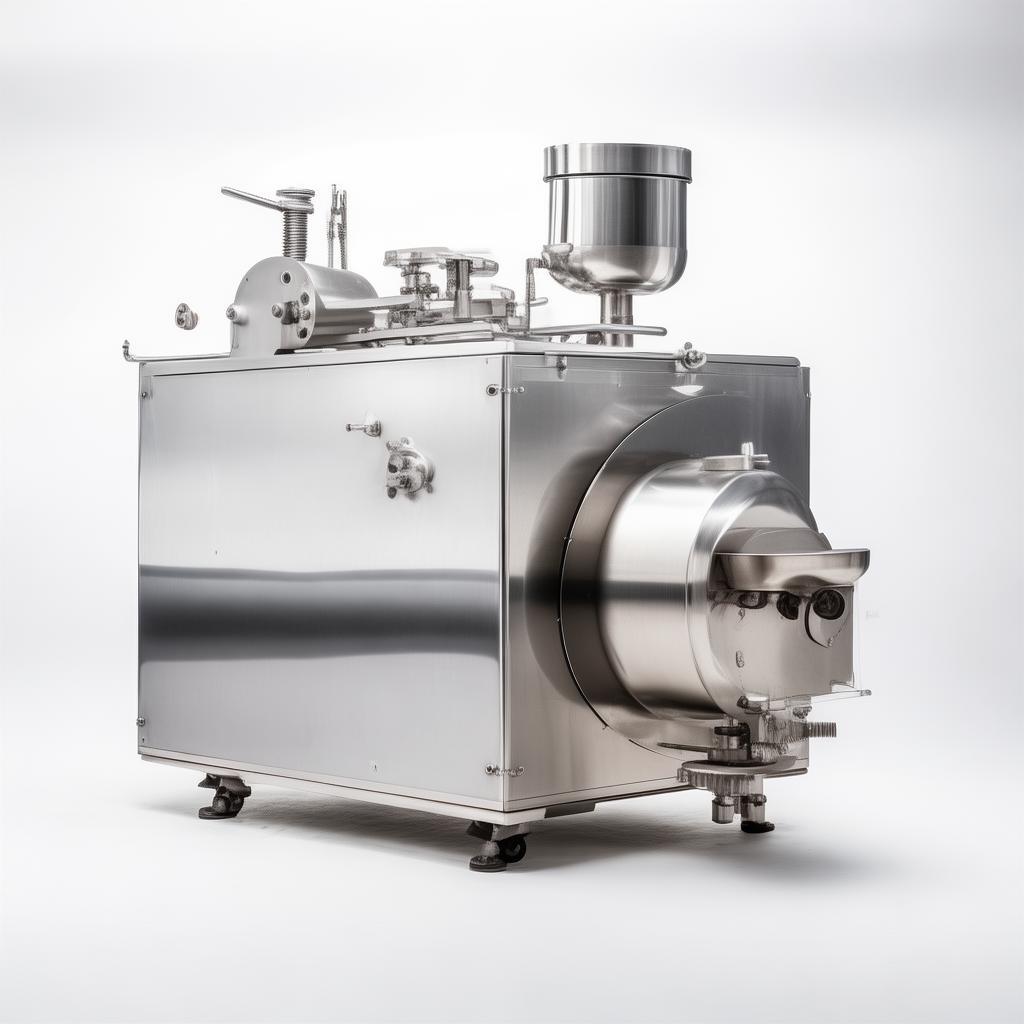
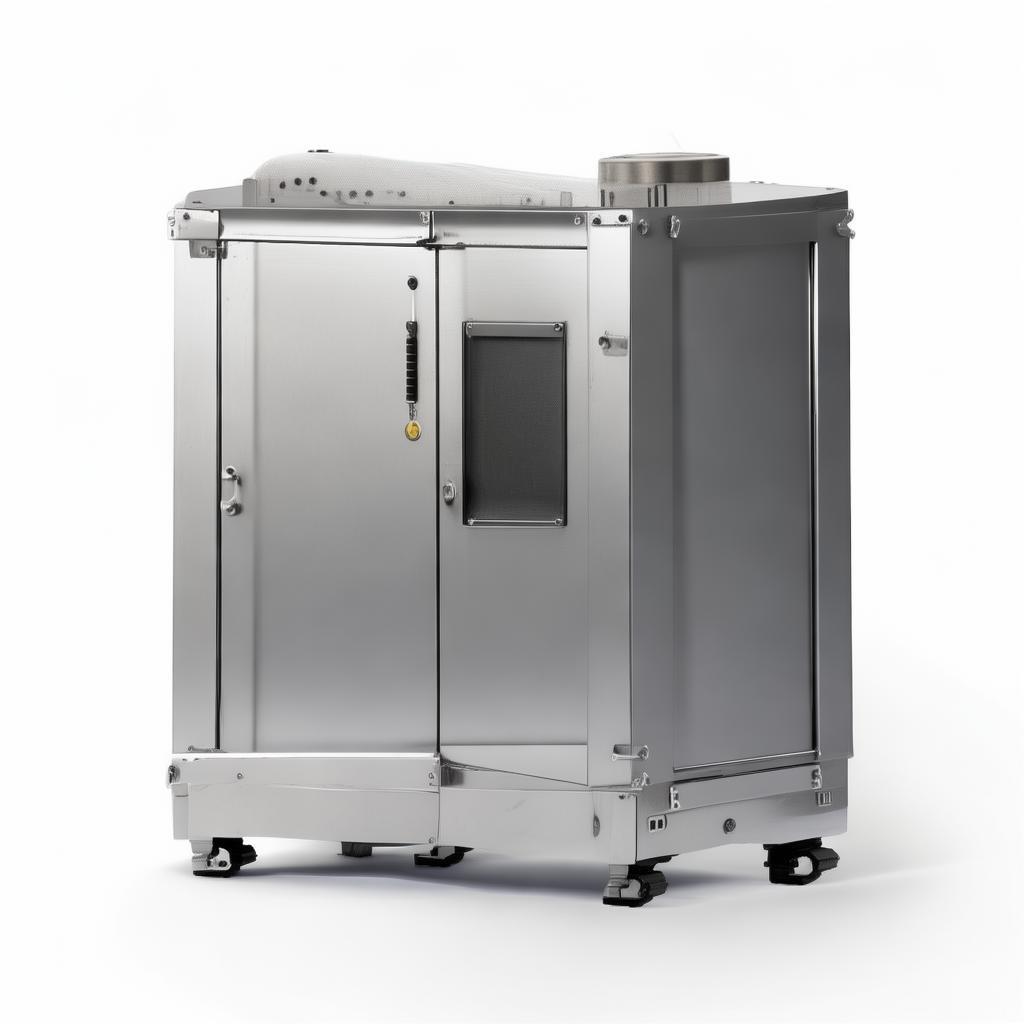
commercial vacuum sealing machine sealing machine the vacuum dry commercial vacuum tray sealing machine
Advanced Features & Material Compatibility
Our machines incorporate features designed for versatility and reliability:
- Double Seal Technology: Ensures an extra layer of security for highly permeable products or long-distance shipping.
- Adjustable Sealing Time & Temperature: Critical for optimizing the seal with different bag materials and thicknesses.
- Gas Flushing Option: For products that might be crushed by vacuum (like delicate baked goods or leafy greens), inert gas can be introduced after evacuation to maintain package integrity while still preventing oxidation.
- Integrated Printing/Labeling Capabilities: Some models can be equipped to print batch codes, expiry dates, or other critical information directly onto the seal.
- Heavy-Duty Vacuum Pump: Designed for continuous operation and quick evacuation, minimizing downtime between cycles.
Regarding material compatibility, our machines work effectively with a wide range of vacuum-grade packaging films, including various grades of polyethylene (PE), poly-nylon (PA/PE), and specialized multi-layer films. Understanding the barrier properties of these materials (e.g., oxygen transmission rate, moisture vapor transmission rate) is key to selecting the right packaging for your product. We can advise on suitable film suppliers if needed.
The market for meat processing equipment is complex, but fundamental technologies like vacuum sealing remain central. With the processed meat market alone expected to reach USD 1.33 trillion by 2035, the demand for reliable packaging solutions is only going to grow. Our machinery is built to meet these evolving demands.
Diverse Applications Across Industries
The versatility of commercial vacuum sealers makes them indispensable across a broad spectrum of B2B operations. Their ability to preserve quality, extend shelf life, and ensure product integrity is critical in numerous sectors.
Meat & Poultry Processing
Essential for sausages, cured meats, marinated cuts, and pre-portioned portions. Enhances ripening processes and prevents freezer burn in frozen products.
Seafood Industry
Crucial for preserving the freshness and quality of fish, shellfish, and other marine products, significantly extending their marketability.
Dairy & Cheese Production
Ideal for vacuum packing cheeses of all types, preventing mold growth and preserving flavor profiles. Also used for butter and other dairy products.
Prepared Meals & Catering
Perfect for portioning and packaging ready-to-eat meals, meal kits, and bulk ingredients for food service, ensuring freshness and safety for extended periods.
Wholesale Export & Distribution
Enables reliable long-distance shipping of perishable goods, reducing spoilage during transit and opening up international markets.
Specialty Foods & Gourmet Products
Protects the delicate nature and high value of gourmet items, from artisanal chocolates to exotic spices, preserving their premium quality.
The global meat processing equipment market shows strong growth in segments like filling & stuffing and massaging (for ripening), which directly rely on effective sealing. As the processed meat market expands, the demand for robust vacuum sealing solutions that maintain product integrity and shelf appeal becomes even more pronounced.
Our experience with OEM/ODM clients across these sectors means we understand the specific requirements—whether it's achieving a deep vacuum for dense products, gentle handling for fragile items, or the ability to integrate with automated production lines. We can tailor solutions to fit your unique application.
Understanding Sealing Materials: Beyond the Machine
While the vacuum sealer itself is crucial, the choice of packaging material is equally important for achieving optimal results. Not all bags are created equal, and selecting the right type can make or break your preservation efforts. The key lies in understanding barrier properties and material suitability for vacuum sealing.
Common Vacuum Packaging Materials: Pros & Cons
| Material Type | Composition | Pros | Cons |
|---|---|---|---|
| PE (Polyethylene) | 100% Polyethylene | Cost-effective, excellent sealability, flexible. Good for general purpose. | Poor barrier to oxygen and moisture, not ideal for long-term storage or sensitive products. Can be prone to punctures. |
| PA/PE (Nylon/Polyethylene) | Co-extruded layers of Polyamide (Nylon) and Polyethylene | Excellent barrier to oxygen and moisture, very strong and puncture-resistant. Maintains vacuum effectively. | Higher cost than plain PE. Not as flexible as some other materials. |
| PET/PE (Polyester/Polyethylene) | Co-extruded layers of PET and PE | Good clarity, excellent sealing, good puncture resistance. | Oxygen barrier is moderate, not as robust as PA/PE for long-term needs. |
| Multi-Layer Films (e.g., PA/PE/PE) | Complex structures with multiple layers including barrier materials like EVOH (Ethylene Vinyl Alcohol) | Superior barrier properties for oxygen, moisture, and aroma. Extremely durable. Used for high-value or long-shelf-life products. | Highest cost. May require specialized sealing equipment or settings. |
When selecting, consider the product's moisture content, fat content, and the desired shelf life. For instance, fatty meats that are prone to rancidity benefit greatly from the superior oxygen barrier of PA/PE or multi-layer films.
It's also worth noting that while some materials are "sealable," a robust commercial vacuum sealer with sufficient heat and pressure ensures a complete, leak-proof seal every time, preventing costly product failures during transit or storage. Always consult with your packaging supplier for material recommendations tailored to your specific product and application.
Navigating Your Procurement Decision: What Buyers Need to Know
Procuring industrial equipment like a commercial vacuum sealer requires a strategic approach. It’s more than just finding the lowest price; it's about securing a reliable, efficient solution that aligns with your operational needs and long-term investment strategy. We've seen many buyers focus solely on initial cost, only to face higher maintenance expenses or production bottlenecks down the line.
Key Considerations for B2B Buyers
- Volume & Throughput: How many units do you process per day/shift? Ensure the machine's cycle time and chamber capacity can meet your demand without becoming a bottleneck.
- Product Variety: Will you be sealing raw meats, cooked items, liquids, or delicate products? Some machines are better suited for specific product types (e.g., gas flushing for liquids).
- Durability & Build Quality: Look for stainless steel construction (SUS304 is standard for food grade), robust vacuum pumps, and high-quality sealing elements. A machine built to last reduces TCO (Total Cost of Ownership).
- Ease of Operation & Maintenance: Can your staff operate the machine efficiently with minimal training? Is cleaning straightforward to maintain hygiene standards? Access to spare parts and responsive technical support are vital.
- Power Requirements: Verify that the machine's electrical specifications match your facility's power supply.
- After-Sales Support & Warranty: What kind of warranty is offered? What is the availability of spare parts and technical assistance? This is crucial for minimizing downtime, especially for international buyers.
- Certifications: For international markets, compliance with standards like CE (for Europe) or FDA (for US food contact) can be critical.
When evaluating suppliers, consider their experience, manufacturing capabilities, and commitment to quality control. A manufacturer with its own precision machining workshop, like Hebei Yuanchang with over 20 sets of processing machinery and Japanese CNC centers, demonstrates a capacity for producing high-standard, non-standard components, ensuring better control over part quality and after-sales service.
Don't hesitate to ask detailed questions about lead times, shipping options (container loading efficiency), and installation. Understanding these aspects upfront will streamline your procurement process and ensure a smoother integration into your operations.
The global processed meat market is expanding robustly, with significant investment in equipment that ensures safety and quality. Choosing a reliable supplier is as important as choosing the right machine.
Practical Tip:
Requesting detailed technical drawings and sample sealing performance data from potential suppliers can be invaluable. This provides concrete evidence of their capabilities.
Our Manufacturing Strength: Building Reliability from the Ground Up
At Hebei Yuanchang Food Mechanism & Technology Co., Ltd., our 40 years of experience since 1986 have been built on a foundation of deep manufacturing expertise. We don't just assemble; we engineer and produce. Our integrated approach to R&D, production, and sales allows us to maintain stringent quality control at every stage.

Spanning approximately 14,000 square meters with a dedicated team of 80-100 skilled professionals, our facility is equipped to handle complex manufacturing processes. A key differentiator is our in-house machining workshop, featuring over 20 advanced processing machines. These include precision lathes, milling machines, high-precision grinders, boring machines, plate shears, bending machines, and wire cutting equipment. This comprehensive setup means we can produce critical components with exceptional accuracy and within tight tolerances.
Since 2012, our investment in 8 sets of Japanese Mazak CNC machining centers has significantly elevated our capabilities. This allows us to undertake the production of high-standard components that demand large volumes, ultra-high precision, and non-standard specifications – precisely the kind of requirements found in advanced industrial machinery like our commercial vacuum sealers.
This vertical integration, from designing and machining parts to final assembly and testing, provides several benefits for our clients:
- Uncompromised Quality Control: We oversee every step, ensuring each component meets our rigorous standards before assembly.
- Faster Lead Times: In-house production reduces reliance on external suppliers, often leading to quicker project completion and delivery.
- Customization Capability: Our advanced machining allows us to readily accommodate OEM/ODM requests and tailor machines to specific client needs.
- Reliable After-Sales Service: With our traceable after-sales management system and the ability to independently produce high-precision spare parts, we ensure worry-free service and support for years to come.
Our commitment to technological advancement and in-house expertise ensures that when you choose Hebei Yuanchang, you are investing in equipment that is not only built to perform but built to last.
Commitment to Quality and Compliance
For international B2B trade, adherence to global standards and certifications is not just a formality; it's a testament to our commitment to quality, safety, and market accessibility. Hebei Yuanchang ensures our equipment meets rigorous industry benchmarks.
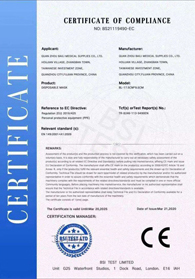
While specific certifications may vary by product model and target market, our core manufacturing processes are guided by ISO quality management principles. For equipment intended for food processing, compliance with relevant safety and electrical standards is paramount. Many of our machines are designed to meet CE marking requirements for the European market, indicating conformity with health, safety, and environmental protection standards.
Furthermore, we are conscious of material regulations such as RoHS (Restriction of Hazardous Substances), ensuring that where applicable, our components comply with restrictions on specific hazardous materials used in electrical and electronic equipment. For food-contact applications, materials used are selected to meet relevant FDA or equivalent standards to ensure product safety.
Our 40 years of export experience means we understand the complexities of international trade regulations and the importance of providing documentation that supports your import processes. We work diligently to ensure our products not only perform exceptionally but also meet the regulatory expectations of your specific market.
Client Testimonials: Real-World Impact
Hear directly from businesses that have integrated our commercial vacuum sealing solutions into their operations:

"Since implementing the YC-series vacuum sealer, our spoilage rate for fresh cuts has dropped significantly. We're able to ship to more distant clients with confidence, knowing the product will arrive in pristine condition. The machine's build quality is robust, and it handles our daily volume with ease."
- Mark Jenkins, Operations Manager, Premium Meats Inc. (USA)

"We needed a reliable solution for our export market, particularly for cheese blocks. The YC vacuum sealer provides a consistent, deep vacuum seal that drastically extends shelf life and prevents oxidation. Integration into our line was straightforward, and the team at Yuanchang was very supportive during the setup phase."
- Sofia Rossi, Procurement Director, Alpine Cheeses Ltd. (Europe)

"Our catering business prepares large volumes of pre-portioned meals. The vacuum sealer has been a game-changer for food safety and inventory management. It's efficient, easy to clean, and the sealed packages stack neatly, saving valuable cooler space. We're very satisfied with the durability."
- David Chen, Head Chef & Owner, Gourmet Bites Catering (Canada)
Frequently Asked Questions
Q: What is the typical lifespan of a commercial vacuum sealer?
A: With proper maintenance and regular servicing, our commercial vacuum sealers, built with high-grade stainless steel and industrial-grade vacuum pumps, are designed to last 10-15 years or even longer in demanding B2B environments. The key is consistent use of quality packaging materials and adherence to cleaning schedules.
Q: Can your machines seal liquids?
A: Yes, many of our models can effectively seal liquids, especially those equipped with a gas flushing option. After the vacuum process, an inert gas (like nitrogen) is introduced to fill the bag, preventing the liquid from being sucked into the sealing area and maintaining package integrity without crushing the contents.
Q: What are the power requirements for your machines?
A: Power requirements vary by model. Most standard commercial units operate on 220V single-phase power, suitable for most industrial settings. Heavy-duty or larger capacity machines may require 380V three-phase power. Please refer to the specific product specifications or consult with our sales team for details relevant to your region and chosen model.
Q: How do I choose the right size sealing machine?
A: Consider the dimensions of the largest products you intend to seal, including the packaging. You'll need a sealing bar length that accommodates your product comfortably, with some extra room on either side for a secure seal. Chamber depth is also important for bulkier items. We can guide you based on your typical product sizes and desired throughput.
Q: What maintenance is required?
A: Routine maintenance typically involves regular cleaning of the sealing area and chamber, checking and replacing sealing bars/wires as needed (they wear over time), and ensuring the oil in the vacuum pump is at the correct level and changed per the manufacturer's schedule. We provide detailed manuals and support for maintenance procedures.
Ready to Enhance Your Product Preservation and Efficiency?
Discover how Hebei Yuanchang's commercial vacuum sealing solutions can transform your operations, reduce waste, and expand your market reach. Our 40 years of manufacturing expertise ensure you receive reliable, high-performance equipment.
Connect With Us
Get In Touch
Phone: +86 15830991513
E-mail: ycmeatmech@gmail.com
Address: Shijiazhuang, Hebei Province, China
Visit Our WebsiteChat With Our Experts



(Illustrative chat snippets showcasing technical discussions and support)