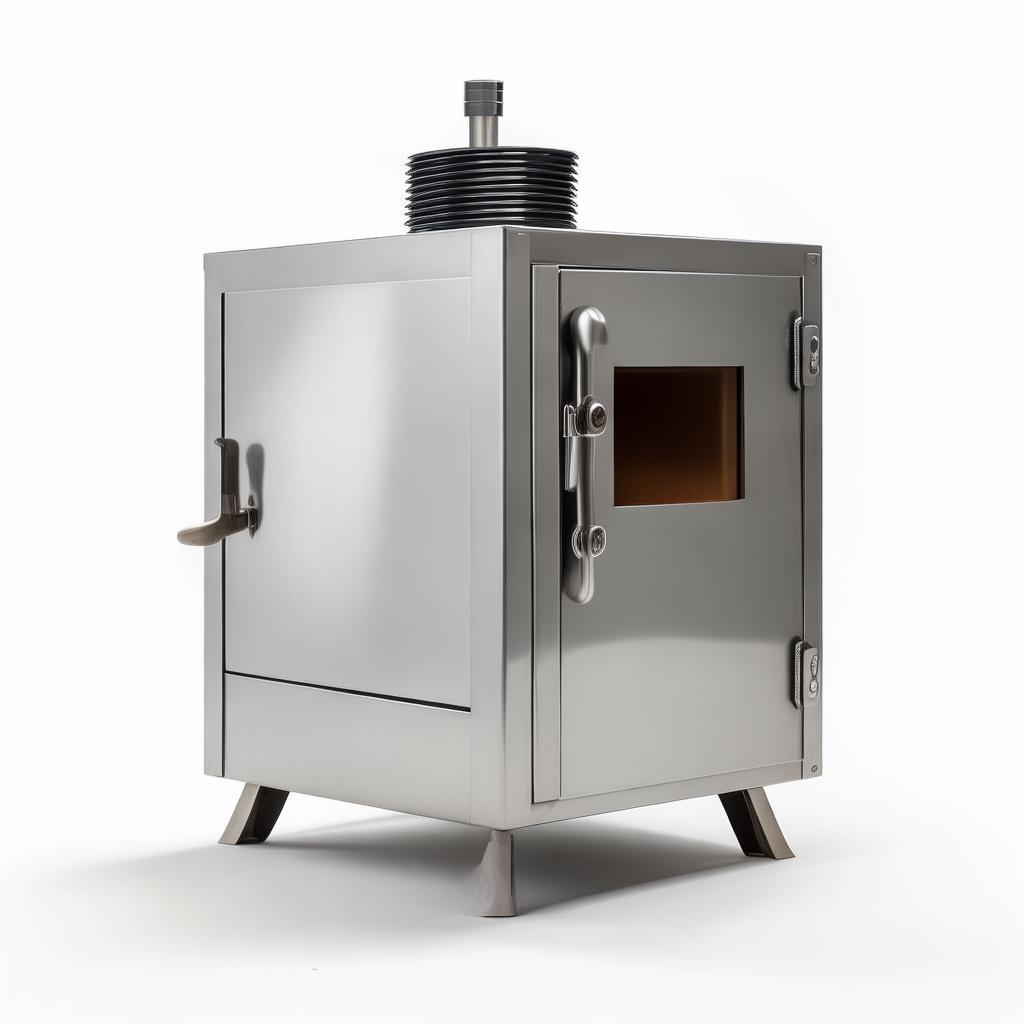
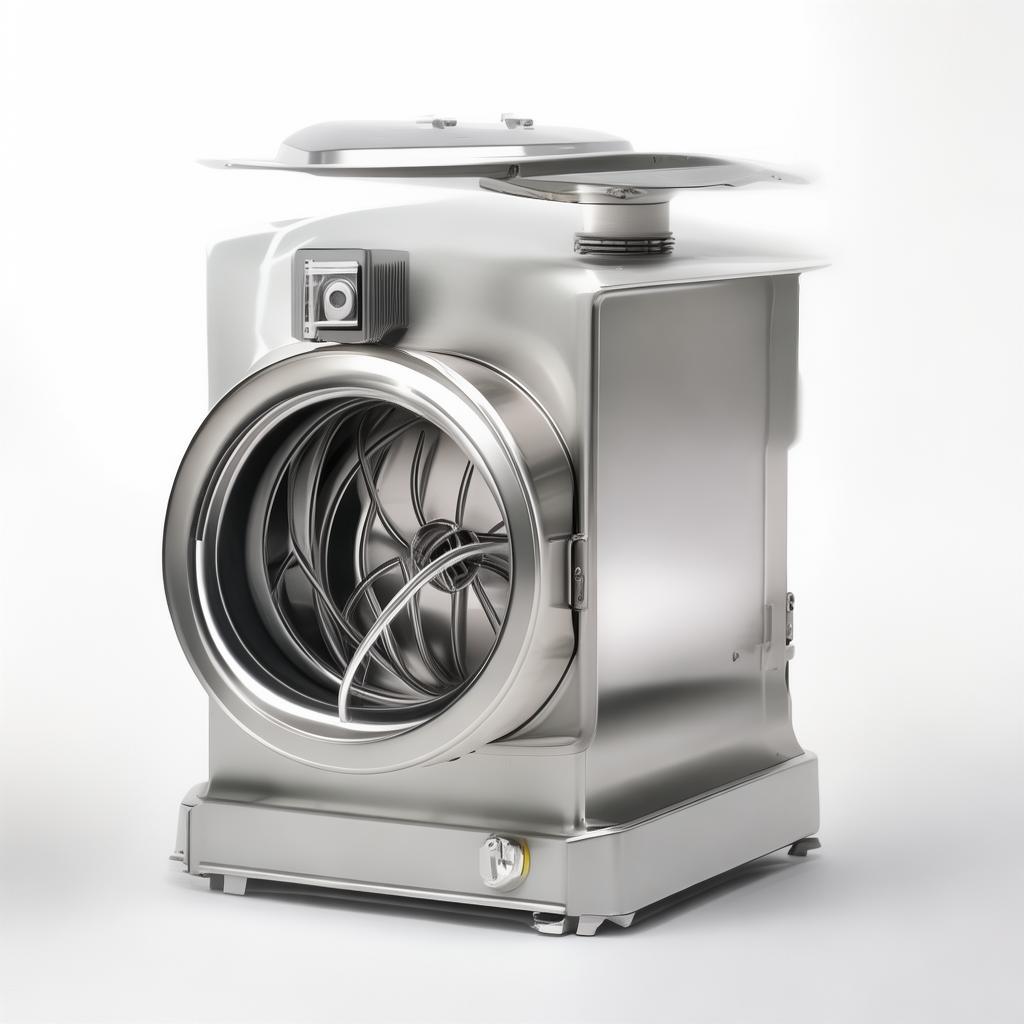
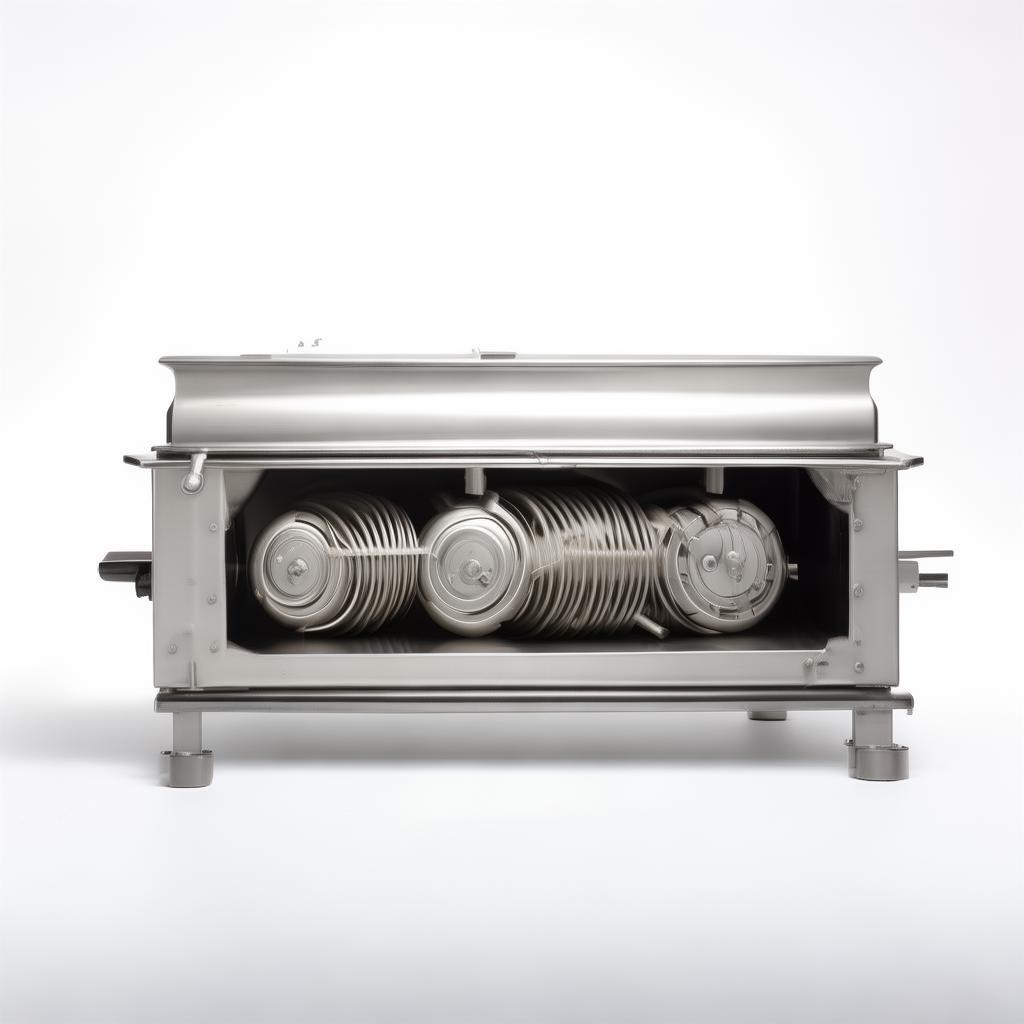
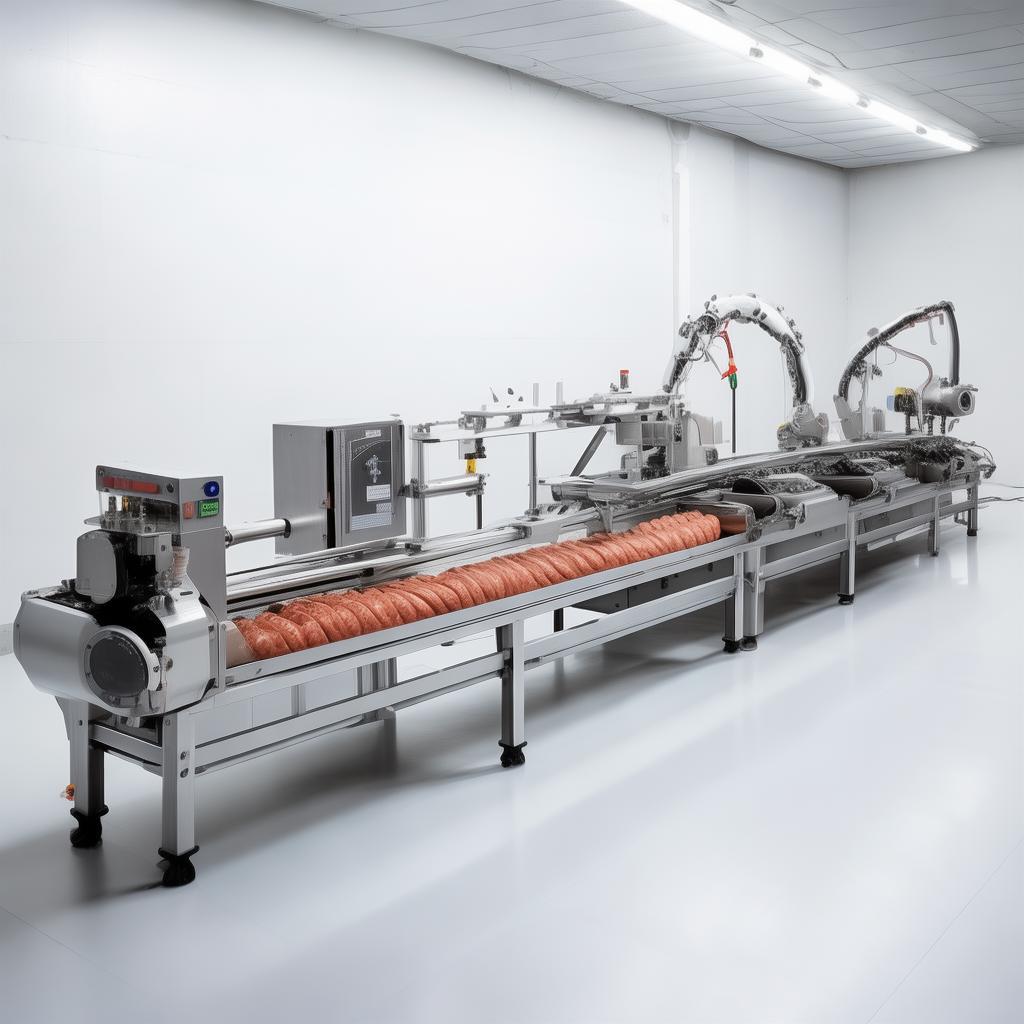
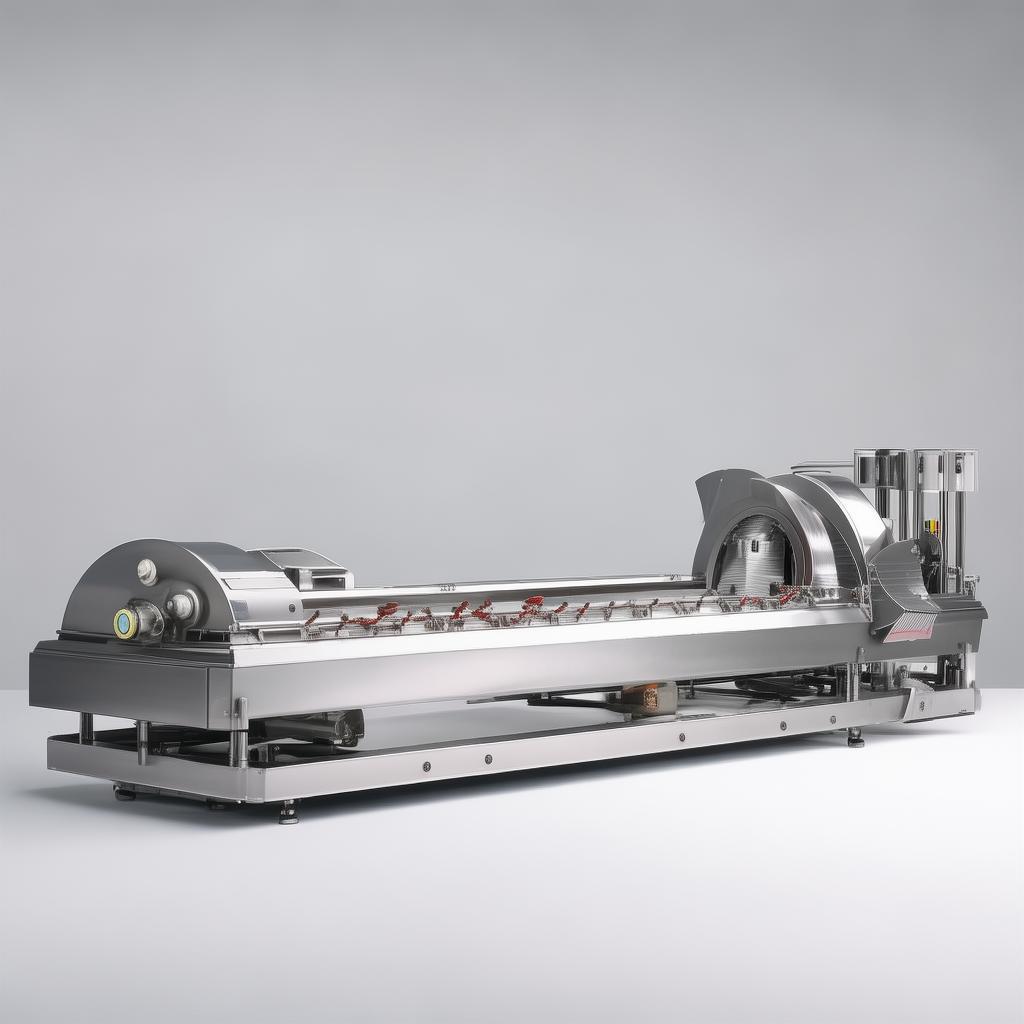
Pharmaceutical Central Vacuum Systemndustrial Central Vacuum Systems
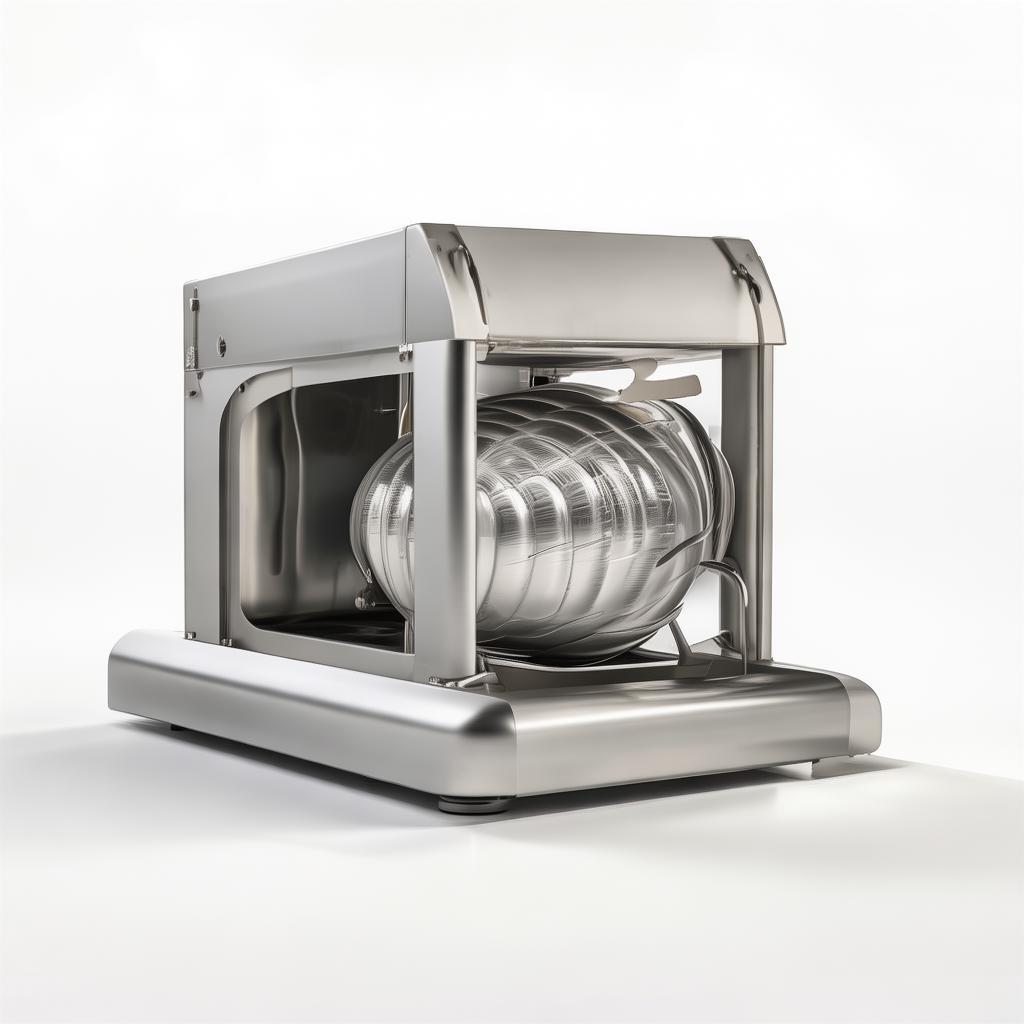
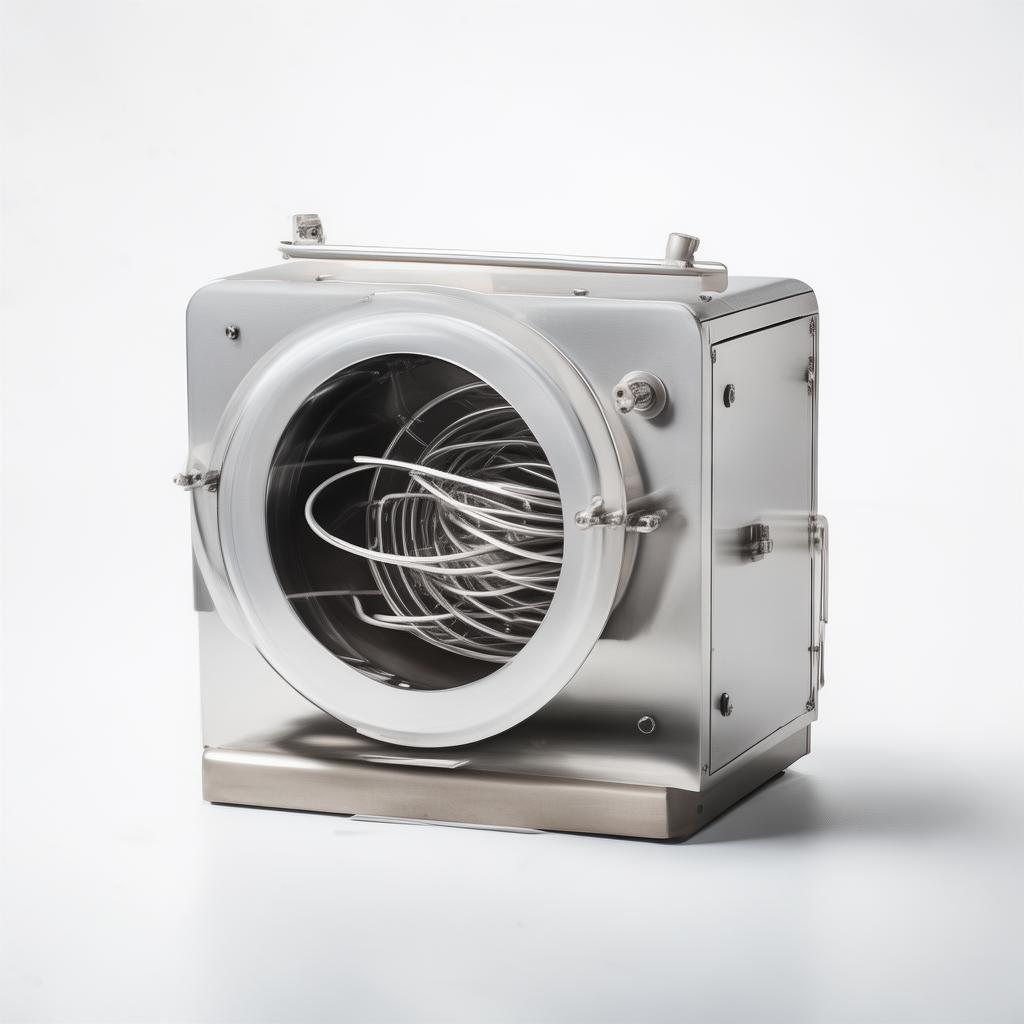
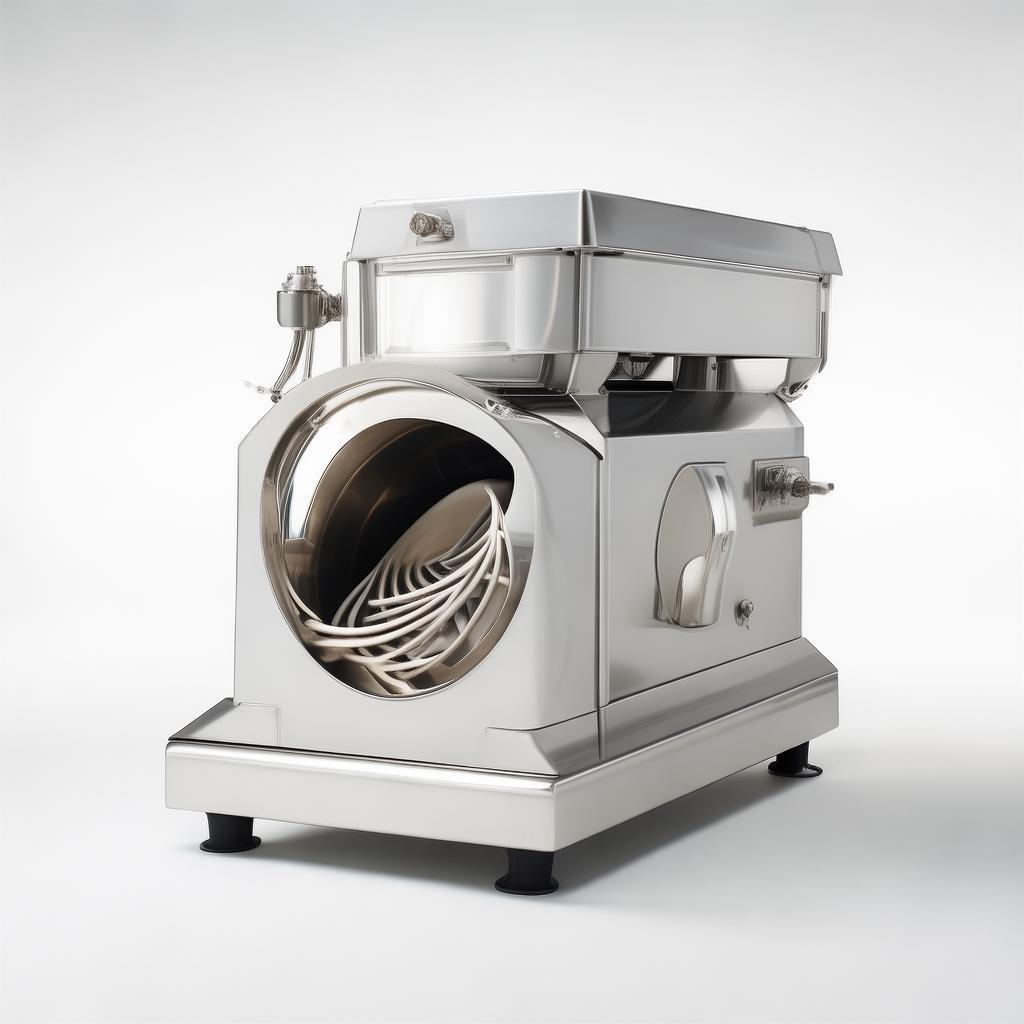
Industrial Central Vacuum Systems: Precision, Efficiency, and Reliability for Demanding Environments
Your Source for Robust, High-Performance Vacuum Solutions in Manufacturing and Beyond
 Authored by: Alex Chen, Senior Export Manager
Understanding the Core of Industrial Vacuum Power
In the complex landscape of modern industrial operations, from meticulous pharmaceutical manufacturing to large-scale food processing and heavy-duty chemical handling, the ability to effectively manage airborne particles, dust, and waste is paramount. It's not just about cleanliness; it's about safety, product integrity, regulatory compliance, and operational efficiency. This is where industrial central vacuum systems, and their specialized pharmaceutical counterparts, step in. These are not your typical household vacuums; they are robust, engineered solutions designed for continuous, high-volume performance under demanding conditions.
The market for meat processing equipment alone, a significant consumer of robust industrial solutions, was valued at USD 11.29 billion in 2025 and is projected to reach USD 17.39 billion by 2034, indicating a strong demand for reliable machinery. This growth is fueled by increasing processed meat consumption, the necessity for automation to ensure hygiene and labor efficiency, and increasingly stringent food safety standards. Central vacuum systems play a critical role across these segments, facilitating everything from product transfer and dust control to general facility cleaning. They are an indispensable part of the operational infrastructure.
For pharmaceutical applications, the requirements are even more exacting. Maintaining sterile environments, preventing cross-contamination, and ensuring operator safety from potent compounds demand a level of precision and containment that standard systems simply cannot offer. Pharmaceutical central vacuum systems are engineered with specific materials, filtration capabilities, and sealing technologies to meet these stringent GMP (Good Manufacturing Practice) and FDA (Food and Drug Administration) guidelines. They are designed to handle fine powders, volatile substances, and ensure that the integrity of both the product and the environment is never compromised.
The global meat processing equipment market, which often utilizes similar robust vacuum technologies, is projected to reach USD 15.04 billion by 2030, with filling & stuffing machines and massaging systems for ripening being high-growth areas. This indirectly highlights the critical need for reliable auxiliary systems like central vacuums that support these processes by maintaining clean environments and managing waste effectively. Without adequate vacuum infrastructure, the efficiency gains from advanced processing machinery can be significantly hampered by dust, debris, and the risk of contamination.
Beyond these specific sectors, a broad range of industrial activities benefit immensely. Think of chemical plants needing to safely capture fugitive dust, woodworking facilities managing fine sawdust, or metal fabrication shops dealing with abrasive byproducts. The common thread is the need for a centralized, powerful, and durable vacuum solution that can be integrated into existing workflows without disruption. The decision to invest in a central vacuum system is often driven by a clear understanding of the long-term benefits: reduced labor costs for cleaning, improved air quality leading to fewer respiratory issues among staff, extended equipment life by preventing abrasive dust buildup, and ultimately, a more efficient and compliant operation.
The complexity of choosing the right system can seem daunting. Factors like required airflow, static pressure, system durability, material compatibility, and the specific type of contaminants being handled all play a crucial role. This is where an experienced supplier, one with deep technical knowledge and a proven track record, becomes invaluable. We understand that your operational uptime is critical, and selecting the wrong system can lead to costly downtime, recurring maintenance issues, and failure to meet compliance standards. This guide aims to demystify industrial and pharmaceutical central vacuum systems, empowering you to make an informed decision.
The market for food processing equipment, of which meat processing is a significant part, is projected to grow significantly. For instance, some reports suggest the global meat processing equipment market could reach USD 19.66 billion by 2033, with automation and hygiene being key drivers. This trend underscores the increasing importance of integrated systems that enhance cleanliness and efficiency, making robust central vacuum solutions not just beneficial, but essential.
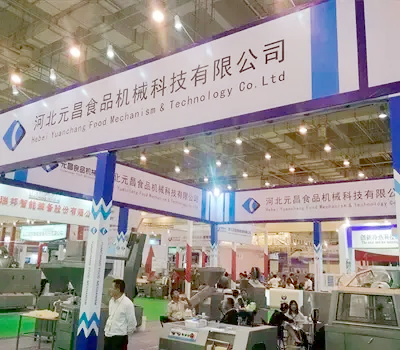
We are Hebei Yuanchang Food Mechanism & Technology Co., Ltd., and while our name might suggest a narrower focus, our 40 years of experience since 1986 in developing advanced processing machinery has given us a profound understanding of the intricate needs of demanding industrial environments. Our expertise extends to the critical auxiliary systems that support these operations, including highly reliable vacuum solutions. We pride ourselves on offering not just equipment, but comprehensive solutions backed by genuine engineering know-how and a commitment to operational excellence. We understand the procurement challenges, the technical specifications, and the long-term ROI considerations that matter to you.
Common Industrial Challenges Our Vacuum Systems Solve
- Inefficient Spot Cleaning: Traditional methods are time-consuming and often leave fine dust behind. Central systems offer quick, powerful pickup directly at the source.
- Airborne Contaminants & Safety Hazards: Dust, fumes, or hazardous powders pose risks to worker health and can create explosive atmospheres (e.g., Class II locations). Our systems capture these at the point of generation.
- Product Contamination: In food and pharma, stray particles can ruin entire batches. Source capture vacuuming prevents this.
- Cross-Contamination Risk (Pharma): Ensuring sterile environments requires containment. Specialized pharmaceutical vacuums prevent particle escape.
- High Maintenance Costs: Frequent emptying and replacement of portable vacuums add up. A central system is built for longevity and reduced labor.
- Complex Pipework & Installation: While installation requires planning, our modular designs and expert guidance simplify integration into existing facilities.
- Regulatory Compliance: Meeting strict environmental and safety standards (e.g., OSHA, GMP) is non-negotiable. Our systems are designed to help you achieve this.
Why Choose Our Industrial & Pharmaceutical Central Vacuum Systems?
We understand that selecting an industrial vacuum system is a significant investment. It's about more than just suction power; it's about a complete solution designed for your specific operational context. Our commitment is to provide systems that deliver tangible benefits:
Unrivaled Suction Power & Airflow
Engineered for high static pressure and CFM, our systems ensure powerful and consistent vacuum force, even at long distances, to effectively capture heavy debris and fine dust.
Robust Construction for Harsh Environments
Built with industrial-grade materials, our vacuum units and piping are designed to withstand corrosive chemicals, abrasive dust, high temperatures, and continuous operation.
Source Capture Efficiency
Integrated directly at points of dust generation (e.g., bagging stations, mixers, CNC machines), our systems capture contaminants before they disperse into the workspace.
Pharmaceutical-Grade Containment
For pharma, we offer systems with specialized HEPA filtration, sanitary designs, and explosion-proof options (ATEX certified where applicable) for maximum product and operator safety.
Reduced Operational Downtime
Reliability is key. Our systems are built for continuous duty, minimizing breakdowns and the costly downtime associated with less robust solutions.
Lower Labor Costs
Automated collection and efficient pickup significantly reduce the time and labor required for facility cleaning.
Technical Specifications: Power You Can Count On
The performance of an industrial central vacuum system is defined by its core specifications. We offer a range of configurations to match your specific airflow (CFM), vacuum level (inches of water column), and motor horsepower needs. Below is a sample of typical configurations, though custom solutions are our specialty.
| Parameter | Model 1 (Light Duty) | Model 2 (Medium Duty) | Model 3 (Heavy Duty) |
|---|---|---|---|
| Motor HP | 3 HP | 5 HP | 7.5 HP |
| Max Airflow (CFM) | 250 | 400 | 600 |
| Max Vacuum (In. WC) | 100 | 110 | 120 |
| Filtration Type | Cyclone Separator + Bag Filter | Cyclone Separator + Cartridge Filter | Cyclone Separator + HEPA Filter (Optional) |
| Power Supply | 220V/3Ph/60Hz | 380V/3Ph/50Hz | 440V/3Ph/60Hz |
| Construction Material | Powder-coated Steel | Stainless Steel 304 | Stainless Steel 316L (Pharma) |
Note: These are representative figures. Actual performance depends on system design, pipe length, number of inlets, and material characteristics. For pharmaceutical applications, specific filtration efficiency (e.g., 99.97% at 0.3 microns for HEPA) and material certifications are critical.
We can engineer systems for virtually any requirement, whether it's for a small production line or an entire facility. Our technical team will assess your needs to propose the optimal configuration.
Versatile Applications Across Industries
The adaptability of our central vacuum systems makes them indispensable in a wide array of industrial settings. We cater to specialized needs, ensuring robust performance and compliance.
Pharmaceutical & Biotech
API powder handling, sterile area cleaning, containment of potent compounds, tablet press dust extraction, cleanroom maintenance.
Food & Beverage Processing
Flour dust control, grain handling, spice processing, ingredient transfer, meat and poultry processing lines (as noted in market analyses showing significant growth, e.g., The global meat processing equipment market is expected to reach USD 15.44 billion by 2035 at a CAGR of 5.6%).
Chemical Processing
Hazardous dust collection, material transfer, spill cleanup, fume extraction, process vessel cleaning.
Metal Fabrication & Machining
Metal dust and chip removal from CNC machines, welding fume extraction, abrasive dust control, cleaning of work cells.
General Manufacturing
Assembly line cleaning, waste material handling, general facility housekeeping, packaging operations.
Plastics & Polymers
Resin dust collection, regrind material transfer, mold cleaning, process waste removal.
Practical Considerations: Installation & Long-Term Care
Integrating a central vacuum system is a project, and like any project, proper planning and execution are key. We provide comprehensive support from design to implementation.
Installation Insights
Our systems typically involve industrial-grade vacuum units located centrally (often in a utility or outdoor area), connected via a network of durable piping to strategically placed inlets throughout the facility. The piping can be concealed within walls, run overhead, or surface-mounted, depending on the facility layout and construction.
- Design Consultation: We work with your engineers or facility managers to map out the optimal pipe runs, inlet locations, and unit sizing based on your specific processes.
- Material Selection: Standard systems often use galvanized steel or durable PVC piping. For highly corrosive environments or pharmaceutical GMP requirements, stainless steel (304 or 316L) is essential.
- Explosion Proofing (ATEX/Classified Areas): For facilities handling flammable dusts or vapors, specialized explosion-proof motors, conduit, and intrinsically safe components are integrated to meet safety codes.
- Integration: We ensure seamless integration with your existing machinery and processes, including dust hoods, capture arms, and automated collection points.
Maintenance for Longevity
A well-maintained central vacuum system operates reliably for years. Our designs focus on ease of maintenance:
- Regular Filter Checks: The primary maintenance task is inspecting and cleaning or replacing filters. Our systems feature accessible filter housings. HEPA filters in pharma applications require strict replacement schedules.
- Container Emptying: Collection bins or drums should be emptied before they reach capacity to maintain airflow.
- Piping Inspection: Periodically check for blockages or leaks, especially in abrasive environments.
- Motor & Blower Service: Scheduled lubrication and general inspection of the main vacuum unit components.
We provide detailed O&M manuals and can offer ongoing service contracts or training for your maintenance staff.
Smart Procurement: What to Look For
Sourcing industrial equipment requires a discerning eye. Beyond the price tag, consider these critical factors for a successful purchase:
pneumatic vacuum system engineered vacuum system solutions inline vacuum regulator
Supplier Reliability & Experience
Look for suppliers with a proven track record (like our 40 years since 1986) in industrial vacuum solutions. Check for industry certifications, customer testimonials, and a dedicated technical support team. Are they just resellers, or do they have manufacturing or deep engineering capabilities? We have over 20 sets of processing machinery in our in-house workshop, including Japanese Mazak CNC machining centers, enabling us to produce high-standard components ourselves.
Customization vs. Off-the-Shelf
While standard units exist, most industrial applications benefit from custom-engineered solutions. Can the supplier tailor airflow, pressure, filtration, materials, and controls to your exact needs? We specialize in OEM/ODM services and custom configurations.
After-Sales Support & Parts Availability
Downtime is costly. Ensure your supplier can provide prompt technical assistance, spare parts (filters, motors, seals), and maintenance services. Our traceable after-sales management system ensures you get the support you need.
Compliance & Certification
Verify that the system meets relevant safety and industry standards (e.g., ATEX for hazardous locations, FDA compliance for food/pharma, ISO for quality management). We ensure our products align with international standards.
Total Cost of Ownership (TCO)
Consider not just the initial purchase price, but also installation, energy consumption, maintenance, and expected lifespan. A higher-quality, more efficient system often has a lower TCO.
Our Manufacturing Strength: Delivering Quality You Can Trust
At Hebei Yuanchang, our 14,000 square meter facility and dedicated team of 80-100 professionals are the backbone of our manufacturing capability. With 40 years of experience, we possess deep expertise in R&D, production, and sales, particularly in processing equipment where precision and durability are paramount.
In-House Precision Machining
Our comprehensive machining workshop is equipped with over 20 advanced processing machines, including lathes, milling machines, high-precision grinding machines, boring machines, plate shears, bending machines, and wire cutting equipment. This allows us to control the entire production process for critical components.
State-of-the-Art CNC Technology
Since 2012, the integration of 8 Japanese Mazak CNC machining centers has significantly enhanced our capability. We can now produce complex, high-volume, and non-standard components with exceptional precision, meeting stringent international quality benchmarks.
Quality Assurance & Traceability
Our commitment to quality extends through every stage. With a traceable after-sales management system, we ensure that every part we produce is accounted for and meets our rigorous standards. This independent production of high-precision parts guarantees reliable performance and worry-free after-sales service.
What Our Clients Say
 Maria Rodriguez, Operations Manager
Global Pharma Corp
"The pharmaceutical-grade vacuum system from Yuanchang has been a game-changer for our API handling. The containment is exceptional, significantly reducing airborne particulate issues and ensuring operator safety. Installation was smooth, and the system has been running flawlessly for over a year."
Purchased: HEPA-filtered system for Active Pharmaceutical Ingredient (API) transfer.
 David Lee, Plant Engineer
Premium Food Processors Inc.
"We upgraded our dust collection system with Yuanchang's industrial vacuum solution, and the improvement in air quality around our filling lines is dramatic. It’s powerful, reliable, and the stainless steel construction holds up well in our wash-down environment. Highly recommend their expertise."
Purchased: Stainless steel central vacuum system for food processing facility.
 Kevin Chen, Procurement Specialist
MetalWorks Manufacturing Ltd.
"Yuanchang provided a custom vacuum solution for our CNC machining centers that has drastically reduced cleanup time and improved shop floor safety by capturing metal fines at the source. Their engineering support was invaluable in designing the system for our specific machinery."
Purchased: Custom system with ATEX compliance for metal dust extraction.
Frequently Asked Questions (FAQ)
What is the difference between an industrial central vacuum and a pharmaceutical central vacuum?
The primary differences lie in material construction, filtration capabilities, and sealing. Pharmaceutical systems use higher-grade stainless steel (e.g., 316L), feature HEPA or ULPA filtration to capture extremely fine particles and prevent cross-contamination, and employ sanitary designs with minimal crevices. Industrial systems prioritize robustness and raw power for general dust and debris, with filtration levels suitable for the specific manufacturing environment.
Can these systems handle explosive dusts or hazardous chemicals?
Yes, we offer specialized configurations designed for hazardous environments. This includes ATEX-certified explosion-proof motors and components for areas classified for flammable dusts or vapors (Class II, Division 1 & 2), and systems built with chemically resistant materials for corrosive substances.
What is the typical lifespan of an industrial central vacuum system?
With proper installation and routine maintenance, our industrial central vacuum systems are designed for a long service life, often 15-20 years or more. The robust construction and quality components minimize wear and tear compared to portable units.
How much does a system typically cost?
The cost varies significantly based on the size of the facility, the number of inlets required, the power of the central unit, material specifications (e.g., stainless steel), and any special requirements like ATEX or HEPA filtration. We recommend requesting a customized quote for an accurate estimate tailored to your project.
Do you provide installation services or just the equipment?
We offer comprehensive support, including system design, engineering consultation, and equipment supply. While we can recommend certified installation partners in many regions, the actual installation is often carried out by your local contractors or our recommended specialists to ensure local compliance and efficiency.
Ready to Enhance Your Operations?
Let's discuss how a custom-engineered central vacuum system can boost your facility's efficiency, safety, and compliance. Our team is ready to provide expert advice and a tailored solution.
Request a Free Consultation
Talk to our engineers about your specific needs.
Request a Detailed Quote
Provide project details for a customized pricing proposal.
Contact Us Directly:
Phone: +86 15830991513
Email: ycmeatmech@gmail.com
Address: Shijiazhuang, Hebei Province, China